










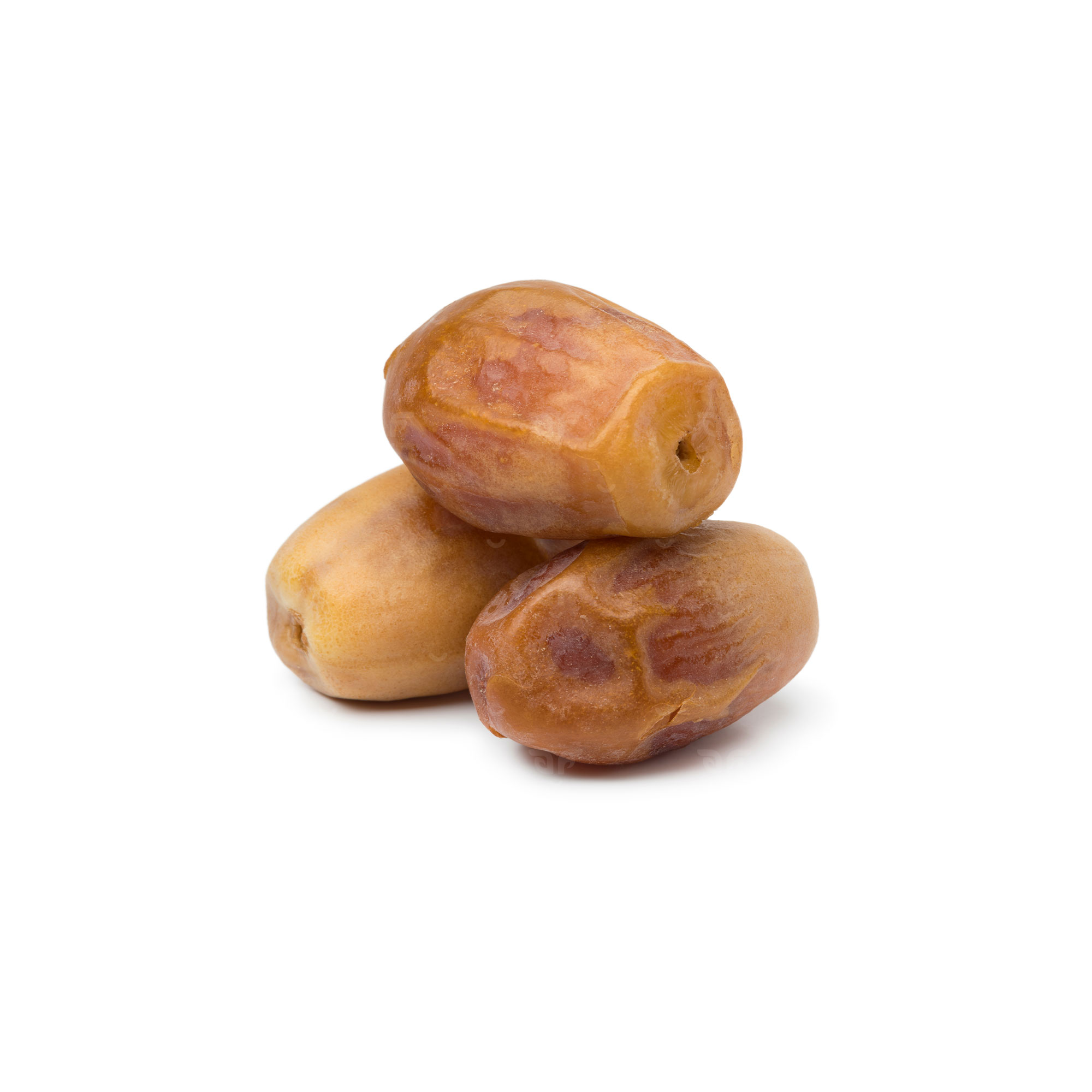
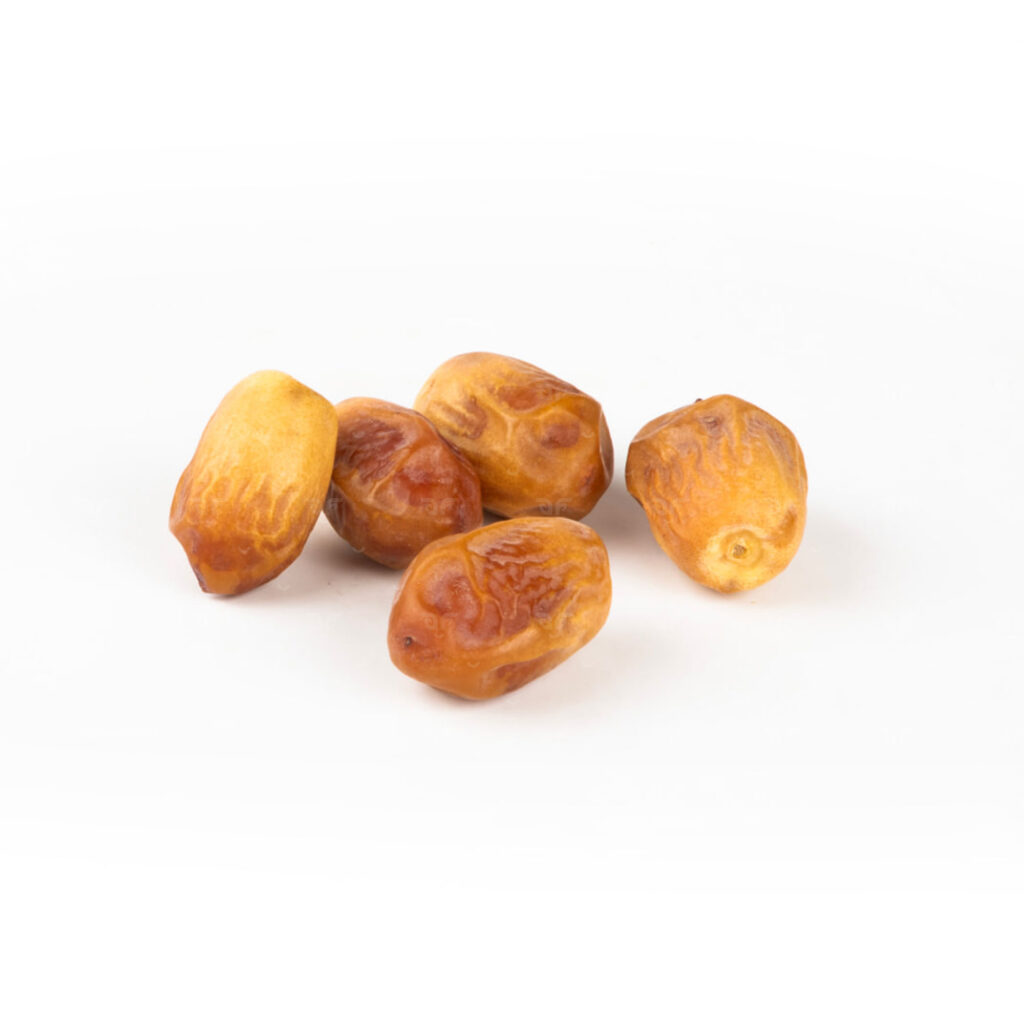
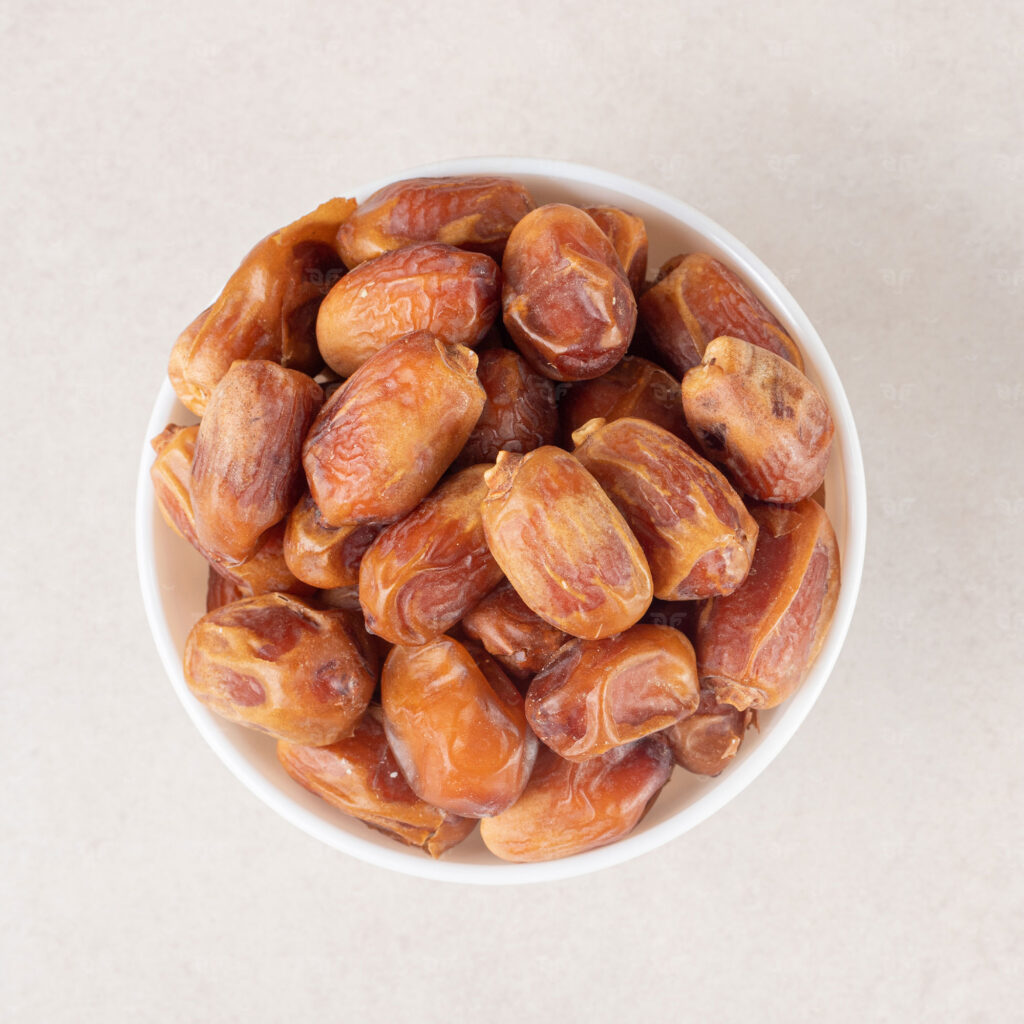
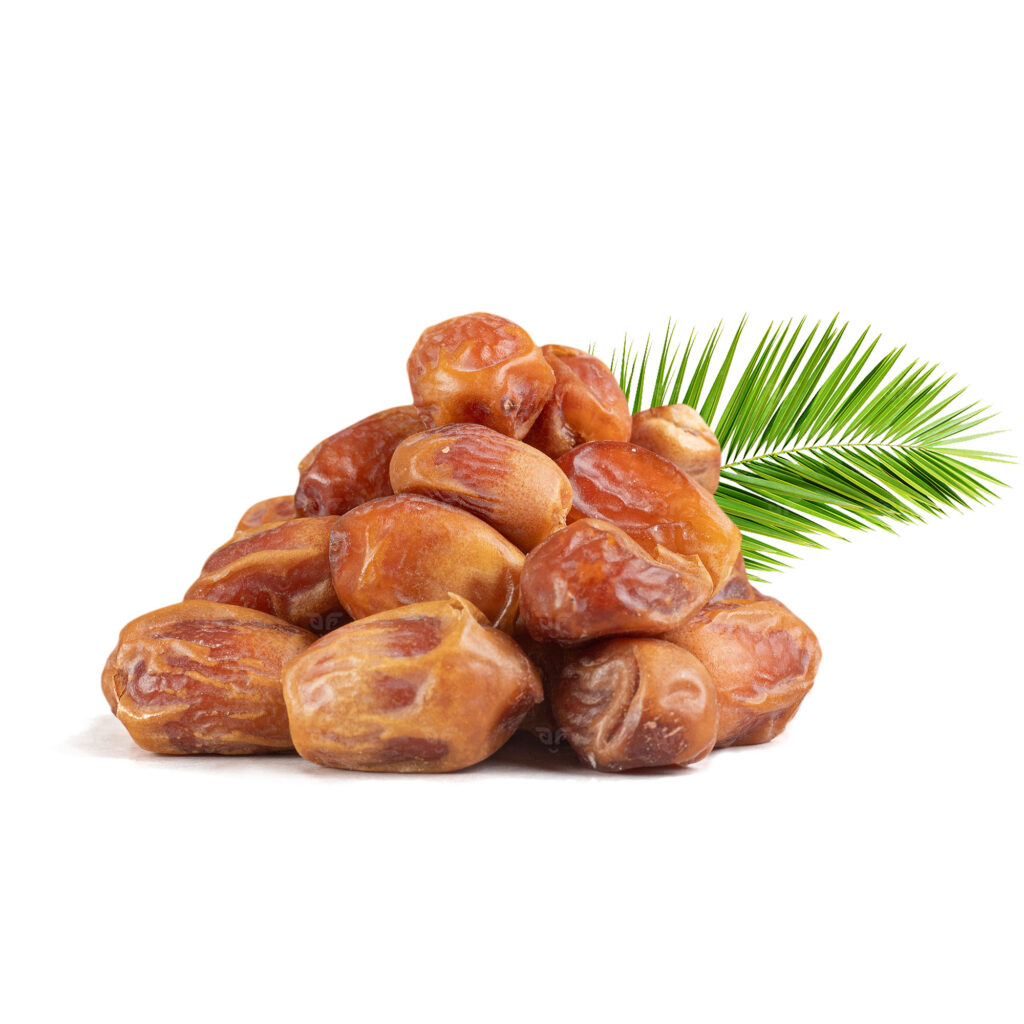
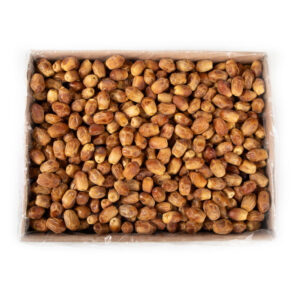
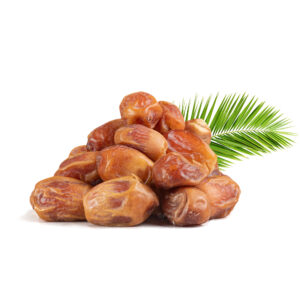
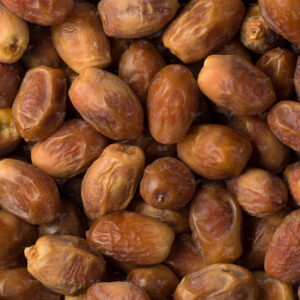
Zahedi dates originate in the hot southern provinces of Iran and neighbouring Iraq, where long sunny days and dry winds give the fruit its golden‑yellow skin and firm flesh. The semi‑dry texture makes pitting easy and keeps the fruit free‑flowing, so it never clumps in the pack. Zahidi dates taste mildly sweet with a gentle nutty note that reminds some people of peanuts. Because they are lower in moisture and sugar than soft varieties, they appeal to anyone who wants a healthy snack that travels well, stores well, and lends a pleasant bite to both savoury and sweet dishes. This article will review various characteristics of this Iranian date fruit and its multiple applications.
Prior to our main topic, we are going to talk about JAM Food Co, which stands out as a Supplier of Zahidi date respected for strict quality control and transparent handling. The company partners with experienced growers, oversees careful hand selection, and packs the fruit in certified clean rooms. Modern machinery seals in freshness while on‑site inspectors check color, size, and moisture at every step. Thanks to a robust cold‑chain network, JAM Food Co. can dispatch orders quickly to retail and industrial buyers on five continents. Consistent quality and responsive service have earned the firm the long‑term trust of food importers and brand owners worldwide.
What is Zahedi Date?
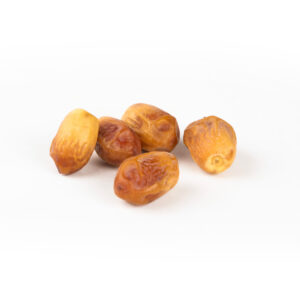
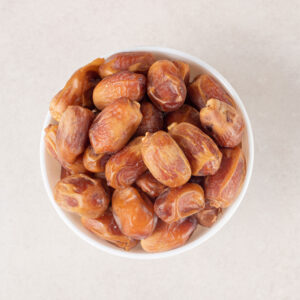
Zahidi date, also called Zahedi, is a medium‑sized, semi‑dry cultivar with an oval shape and a smooth, straw‑to‑amber peel. Inside, the flesh is dense yet pliable and clings lightly to a small pit that slips out cleanly. The taste is gently sweet with nutty undertones, so the fruit pairs well with grains, cheese, and roasted meats. Bakers often dice Zahidi dates into biscuits and energy bars, while industrial users mill them into natural sweetener powder. Because the moisture content is low—around fifteen percent—the fruit stays stable without refrigeration, making it popular for bulk export.
Physical Characteristics of Zahidi Date
The appearance, texture, and flavour of every Zahidi date directly influence grading, storage, and final use in kitchens and factories around the world; knowing these physical traits therefore helps buyers select the quality level that suits retail packs, ingredient blends, extended warehousing, and shipping conditions.
- Color and Appearance:
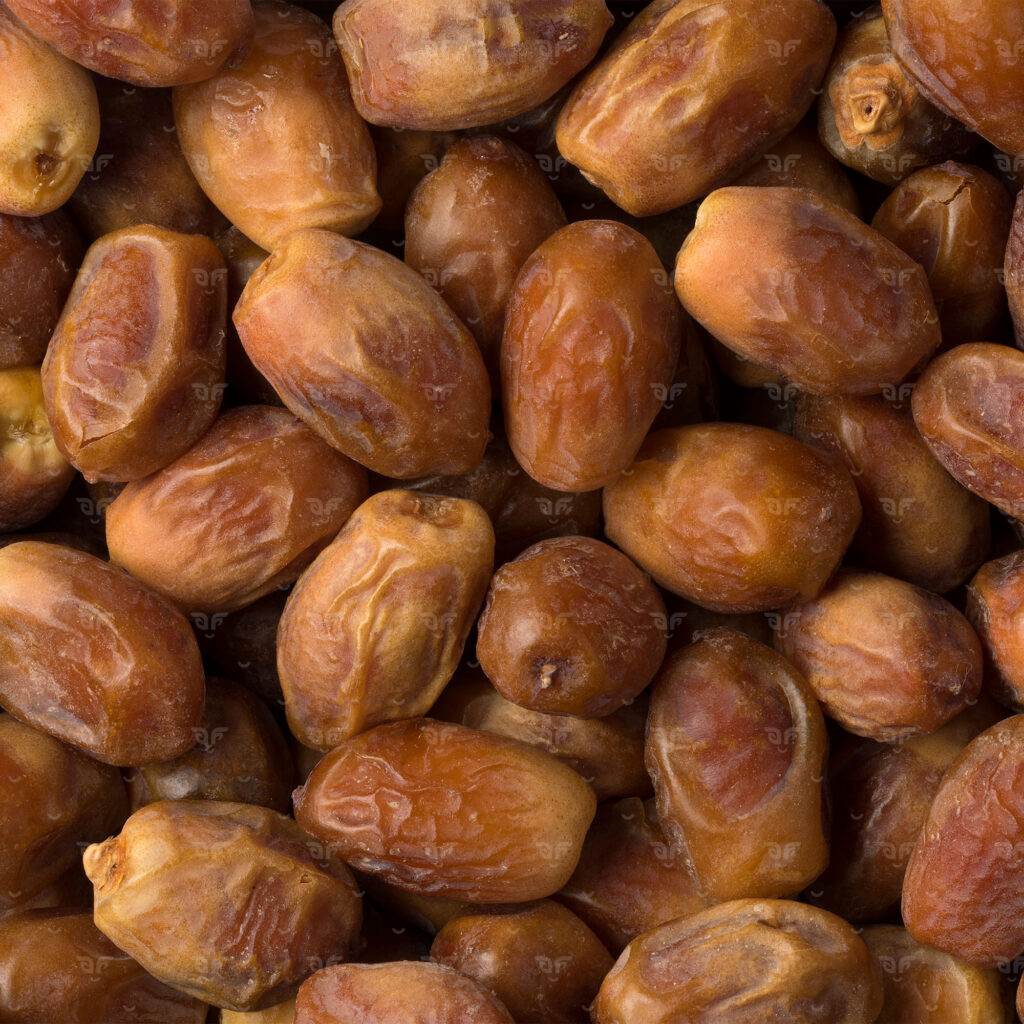
Fully ripe Zahidi dates show a golden‑yellow to light amber skin that may develop fine wrinkles but stays largely intact and clean. A thin natural bloom gives a soft sheen, while the tips sometimes darken slightly. Uniform colour across the batch signals even ripening and is a key quality marker for exporters.
- Size and Shape:
Individual fruits measure roughly three to four centimetres in length and weigh five to seven grams each. The profile is broadly oval, tapering gently at both ends, which allows compact, even packing in cartons. Export buyers prefer lots with minimal size variation because uniform pieces look attractive on retail shelves and speed up industrial processing lines.
- Texture:
The semi‑dry flesh feels firm when pressed yet offers a pleasant chew once warmed in the mouth. It does not ooze syrup, so pieces stay separate during transport and mixing. The low stickiness, coupled with an easily removable pit, makes Zahidi dates convenient for automated dicing and filling machines.
- Taste:
Zahidi dates deliver a moderate sweetness balanced by a mild, nut‑like flavour and a faint hint of caramel. The restrained sugar profile means they complement rather than overpower spices and salty ingredients. Many nutrition planners recommend them to people who want a natural energy source without the intense sweetness of very soft dates.
Nutritional Value and Health Benefits of Zahidi Date
Like all dates, the Zahidi cultivar is naturally rich in dietary fibre, potassium, and magnesium, nutrients that support digestion and heart function. Each hundred‑gram serving supplies roughly 300 kilocalories of slow‑release energy from glucose and fructose, plus small amounts of B vitamins that aid metabolism. The fruit contains no cholesterol or fat and offers antioxidants such as phenolic acids. Because Zahidi dates rank lower on the glycaemic index than softer varieties, they can fit more easily into moderated sugar diets when eaten in sensible portions. Athletes often keep a handful as a quick, portable refuelling snack.
Growing and Harvesting Zahidi Date
Zahidi date palms thrive in the desert margins of Iran, Iraq, and parts of the United States, where long summers supply intense sun and dry air. Farmers irrigate young palms regularly, but once the trees mature their deep roots tap underground water and need only occasional supplemental watering. Good management focuses on balanced fertilisation and careful pruning to open the crown to light. These practices, combined with sandy, well‑drained soils, encourage even fruit set and help the bunches colour uniformly. Regional know‑how, often passed down through families, still guides decisions on pollination and harvest timing.
- Climate Conditions:
Optimal ripening occurs under daytime highs of 35–45 °C with clear skies, low relative humidity, and warm, dry winds. Such conditions concentrate sugars, deepen colour, and discourage fungal growth. Excess rainfall close to maturity is undesirable because it can swell and split the fruit, so growers favour arid zones or protect orchards with drainage channels.
- Soil Requirements:
Zahidi palms perform best in light, sandy or loamy soils that drain quickly yet retain enough moisture for steady growth. Moderate salinity is tolerated, but waterlogging must be avoided, as it promotes root diseases. Farmers often add organic matter and gypsum to improve structure and leach excess salts for consistent yields.
- Major Growing Regions:
The principal production areas are Khuzestan, Bushehr, and Kerman in Iran; central and southern Iraq; and the Coachella Valley in California. Smaller but growing plantings exist in Saudi Arabia and Pakistan. Each region times pollination and harvest slightly differently to match local climate patterns, yet all aim for export‑grade colour and texture.
Harvesting Season of Zahidi Date
Growers start picking Zahidi dates when the skin turns a uniform golden hue and the flesh feels firm, usually from late August through early October. Because exact maturity can vary between orchards and even between bunches, farmers sample fruit, checking moisture and sugar with handheld refractometers. Harvesting at the right stage maximises sweetness while keeping the texture resilient enough to withstand drying and shipping. Picking too early leaves the fruit bland; picking too late shortens shelf life, so timing is a critical quality driver.
Harvesting Process of Zahidi Date
Most Zahidi dates are cut by hand to prevent bruising. Skilled workers climb the trunks with harnesses or ride mechanical lifts to reach bunches up to twenty metres high. After cutting, bunches are lowered gently to the ground, where teams remove blemished fruit and spread the rest on woven mats for two to three days of sun‑drying. Once surface moisture falls to the target level, the dates move indoors for cleaning, grading, and metal detection before packing. Manual attention at every step preserves natural flavour and appearance.
Storage Guidelines and Durability of Zahidi Date
Even though Zahidi dates are semi‑dry, temperature and humidity still influence their flavour, texture, and nutritional quality over months of storage and transport. Producers therefore focus on cool, stable environments that slow enzymatic darkening and deter pests. For retailers, proper storage protects product appearance and reduces waste, while consumers benefit from longer freshness at home. Following clear guidelines at each point in the supply chain safeguards the fruit’s reputation and keeps export partners satisfied.
Storage Conditions of Zahidi Date
Bulk lots are best kept at 0–10 °C and 55–65 % relative humidity in clean, ventilated warehouses. At these settings, the flesh remains pliable and colour change is minimal. Vacuum‑sealed or multilayer barrier bags restrict oxygen and odours, while sturdy cartons shield the fruit from compression. For household use, an airtight container in the refrigerator or a cool pantry away from sunlight is sufficient to maintain quality.
Shelf Life of Zahidi Date
When stored under the recommended cool, dry conditions, Zahidi dates retain their best eating quality for twelve to eighteen months. Warmer temperatures accelerate moisture loss and sugar crystallisation, gradually hardening the flesh, while high humidity encourages mould. Properly sealed packages slow these changes by blocking moisture exchange. Importers often rotate stock every season to ensure customers consistently receive fresh‑tasting dates.
About JAM Food Co.’s Zahidi Date
JAM Food Co. selects Zahidi dates from orchards audited for good agricultural practices, then transports the fruit in shaded trucks to its ISO‑certified facility. Here a modern processing line washes, air‑dries, and grades each piece with optical sorters before hand inspectors perform a final check. As an Exporter of Zahidi date with a reputation for precision, the company documents every batch for complete traceability. This disciplined approach ensures that buyers receive uniform colour, accurate sizing, and outstanding taste in every shipment.
JAM Food Co. as a Reliable Zahidi Date Supplier
Acting as a Supplier of Zahidi date, JAM Food Co. manages the entire export chain, from procurement contracts and quality audits on the farm to customs clearance and door‑to‑door delivery. Dedicated account managers provide rapid quotations and coordinate multi‑modal logistics so orders reach ports on schedule. The firm’s laboratory performs moisture, microbiological, and pesticide tests on each lot, and results are shared transparently with clients. This integrated system has helped build enduring relationships with food processors, wholesalers, and supermarket chains on four continents.
Packing Zahidi Date at JAM Food Co.
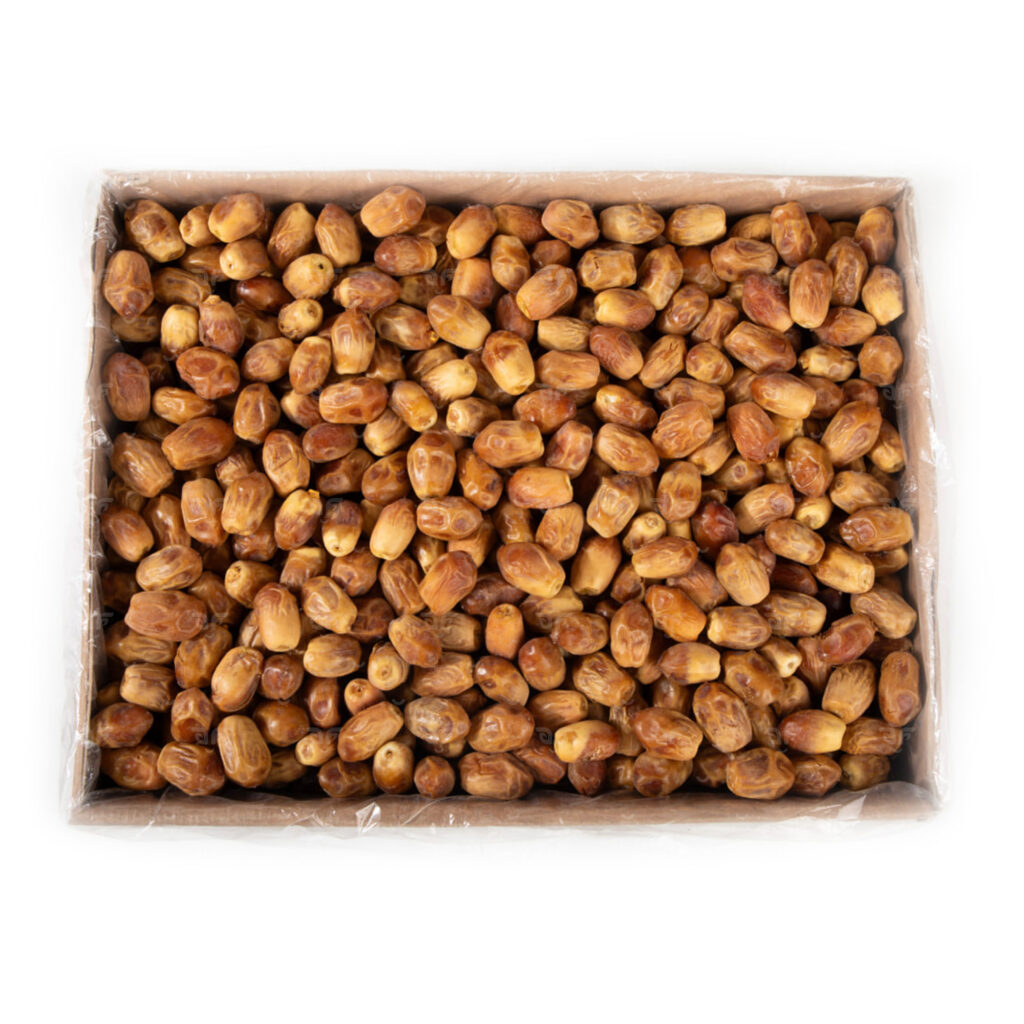
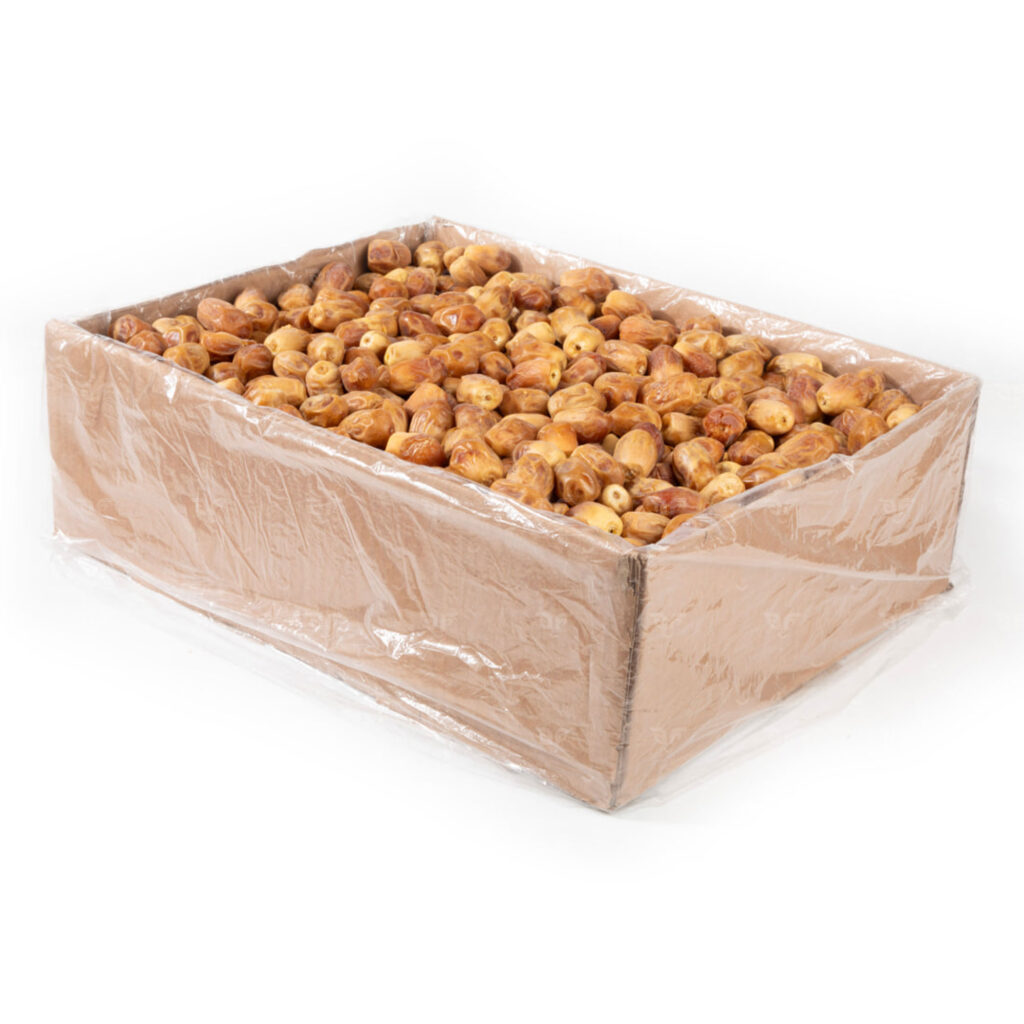
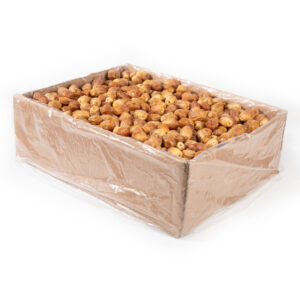
As a Provider of Zahidi date for both retail and industrial markets, JAM Food Co. offers packaging solutions that balance shelf life, visual appeal, and environmental responsibility. Vacuum‑packed pillow bags and window cartons suit supermarket shelves, while twenty‑five‑kilogram kraft sacks and recyclable polypropylene bulk boxes serve ingredient users. Each pack carries a production code, best‑before date, and handling advice in multiple languages. Strict hygienic zoning and metal detection guarantee safety, and optional private‑label designs allow distributors to launch customised products without extra handling.
HOW CAN JAM GROUP HELP YOU?
Send us a message and our friendly team will get back to you within one business day.




