











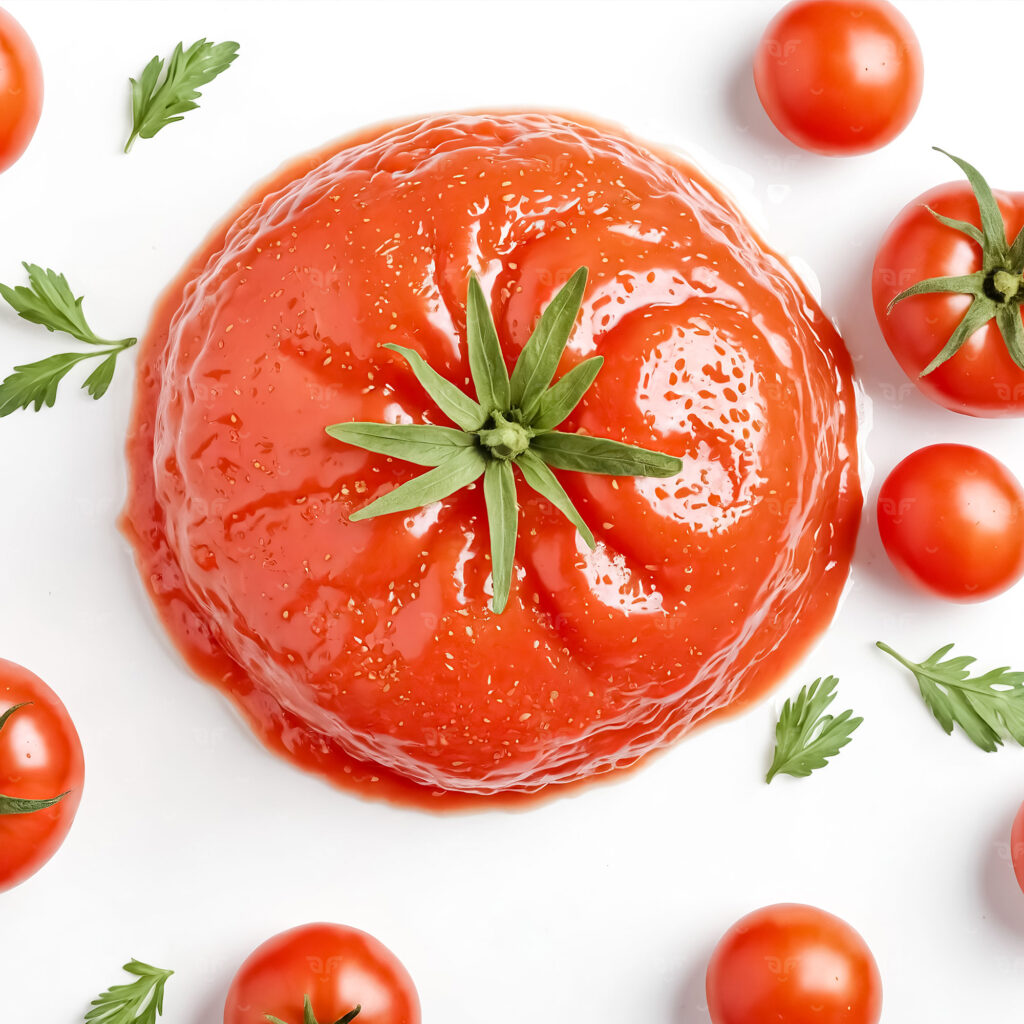
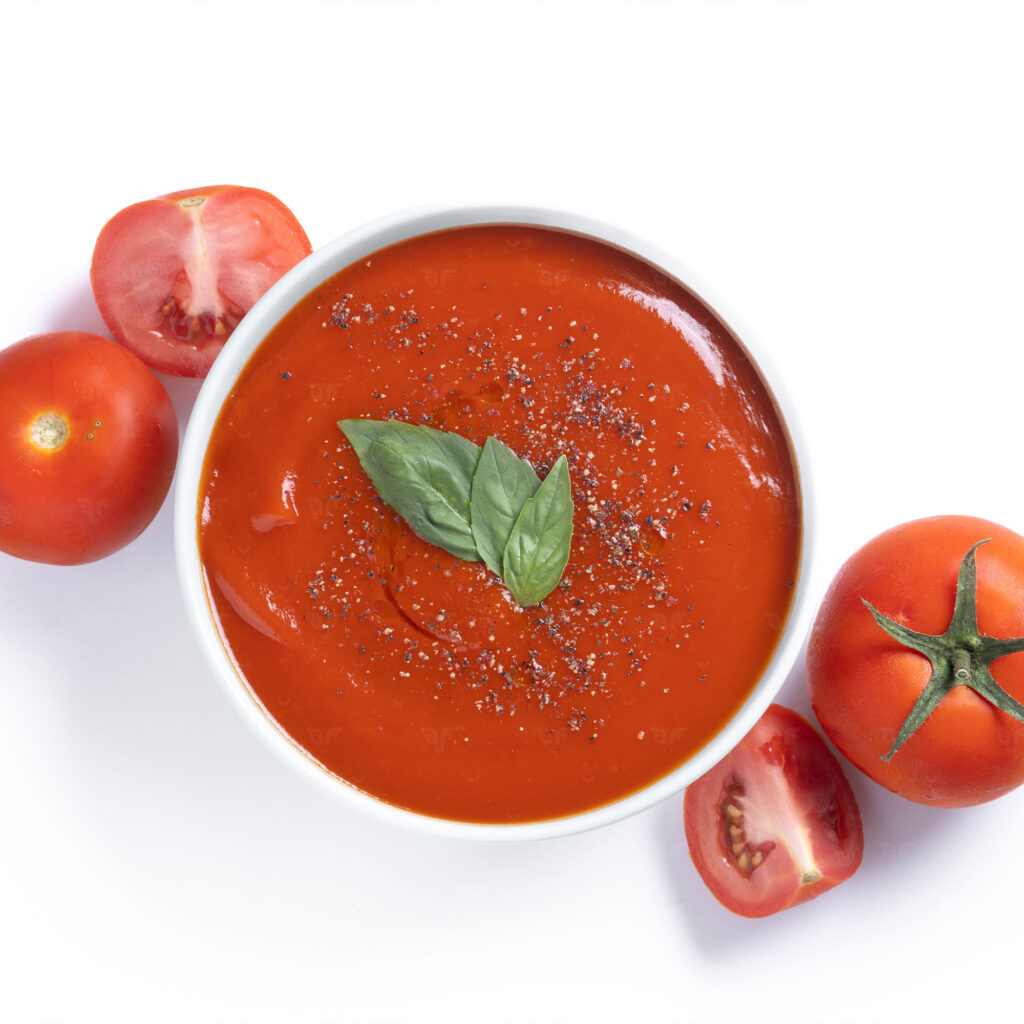
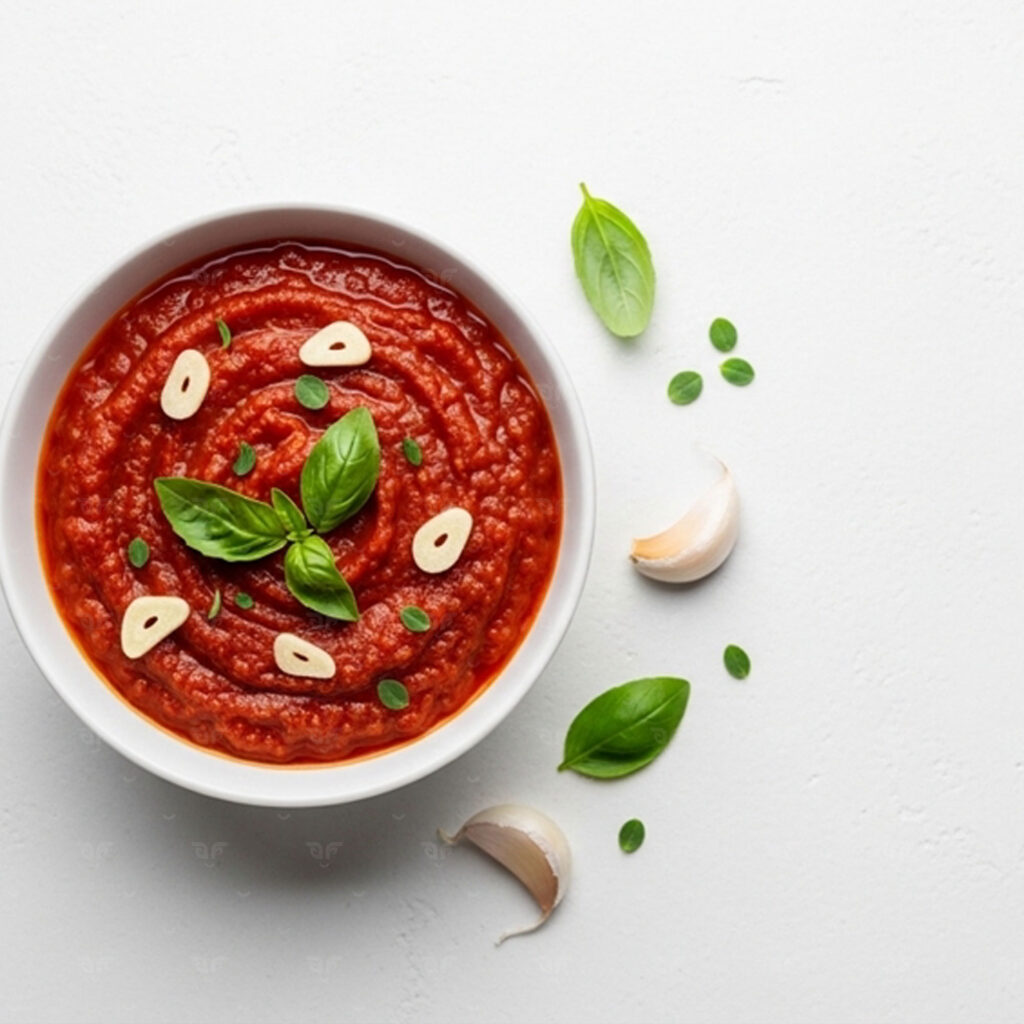

Tomato paste is one of the most practical and widely used tomato products in modern food trade. Made by concentrating mature red tomatoes, it gives foods a deep red color, thick body, balanced acidity, and rich tomato flavor without adding large amounts of liquid. This makes it useful for sauces, soups, stews, ketchup, pizza sauce, ready meals, marinades, and foodservice recipes. For food manufacturers, restaurants, importers, and wholesalers, tomato paste offers both recipe efficiency and storage convenience. Let’s look more closely at why this concentrated tomato ingredient is important for international food buyers.
When product consistency matters, choosing the right tomato paste supplier can make a real difference in commercial planning. JAM Food Co. offers Tomato Paste as part of its tomato products category for B2B buyers who need a practical ingredient for food production, foodservice, wholesale supply, and retail-oriented distribution. The company presents this product for buyers who value clear specifications, suitable packaging, and dependable product communication. For importers, manufacturers, and distributors, JAM Food Co.’s Tomato Paste can support a wide range of tomato-based applications in professional food markets.
A Short Glance at Tomato Paste
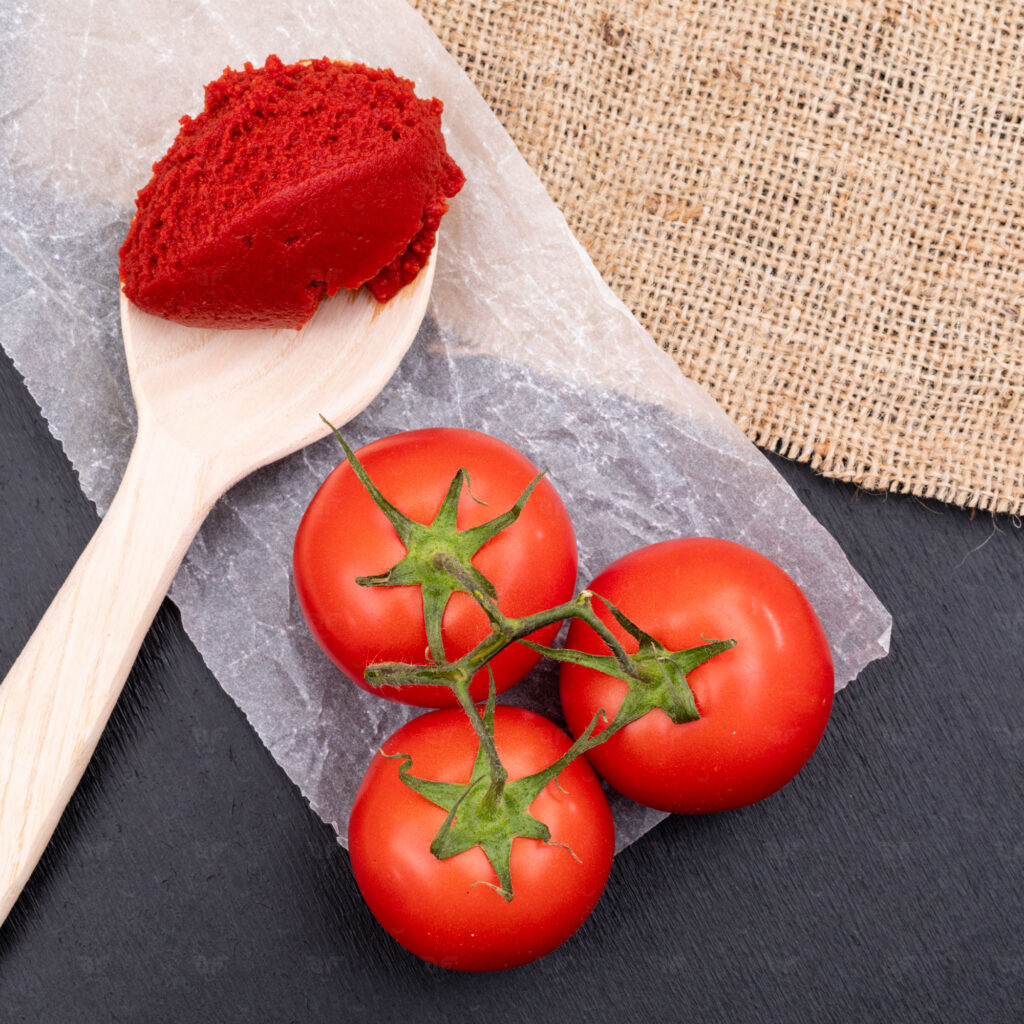
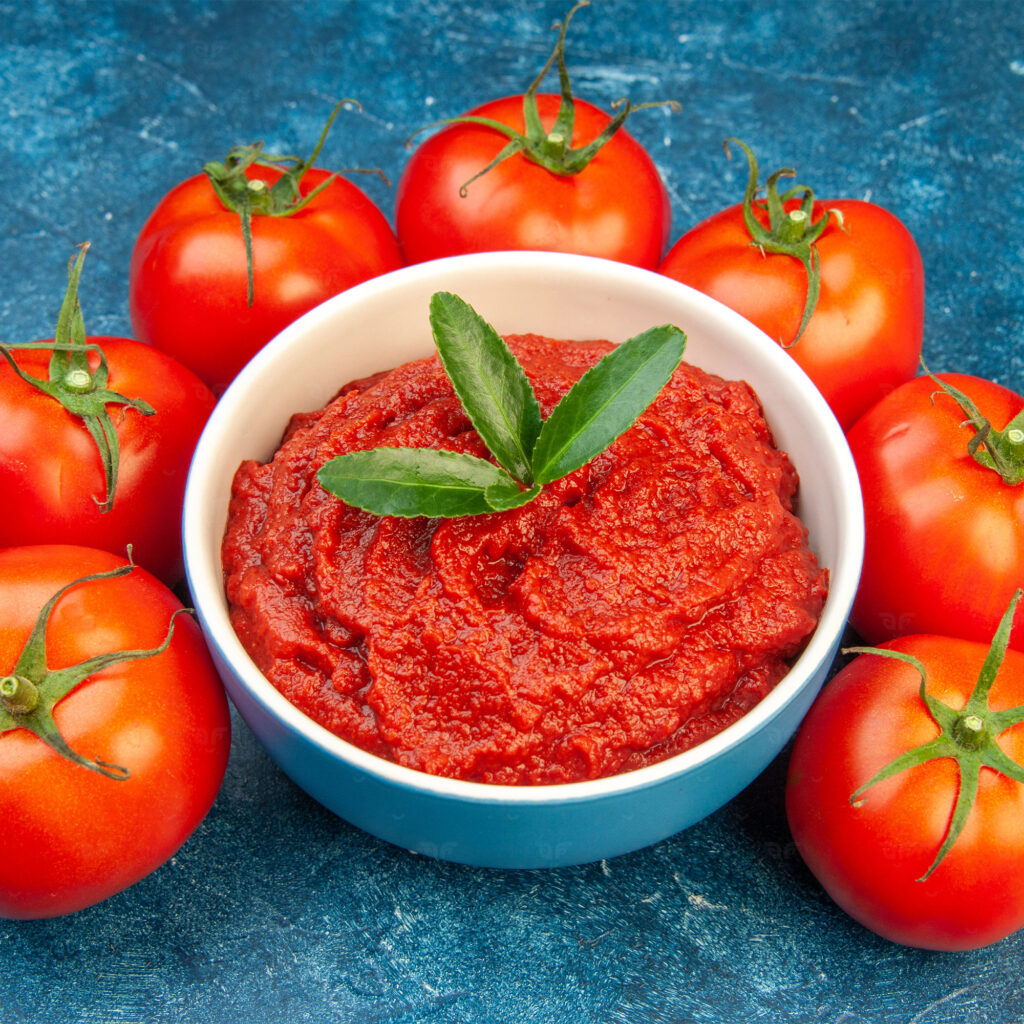
Tomato paste is a concentrated product made from sound, mature red tomatoes. During processing, tomatoes are washed, sorted, crushed, heated, refined, and concentrated until much of the water is removed. The result is a thick tomato product with stronger color, flavor, and body than fresh tomato pulp or tomato puree. A key technical point is soluble solids, often measured as Brix. Brix shows the amount of dissolved tomato solids in the product. Tomato paste generally starts from at least 24 percent natural soluble solids, while thinner tomato puree has a lower concentration.
Why Is Tomato Paste Different from Tomato Puree?
Tomato paste and tomato puree are both made from tomatoes, but their concentration level is different. Tomato puree is thinner and contains more water, while tomato paste is denser and more intense. This makes tomato paste useful when a recipe needs tomato flavor, red color, and thickness without adding too much liquid. Food processors use it in sauces, ketchup, soups, stews, pizza sauce, canned foods, and ready meals. Restaurants and foodservice kitchens also use it because a small amount creates a strong tomato base in many dishes.
Physical Characteristics of Tomato Paste
The quality of tomato paste is not judged by the size or shape of the final product, because it is a processed paste rather than a whole fruit. Buyers usually focus on color, thickness, smoothness, taste, acidity, soluble solids, and defect control. Good tomato paste should have a red to deep red appearance, a smooth and even texture, and a clean tomato aroma. It should not show clear signs of burning, foreign material, mold, excessive peel pieces, seed particles, or dark specks that reduce visual quality.
Color and Appearance:
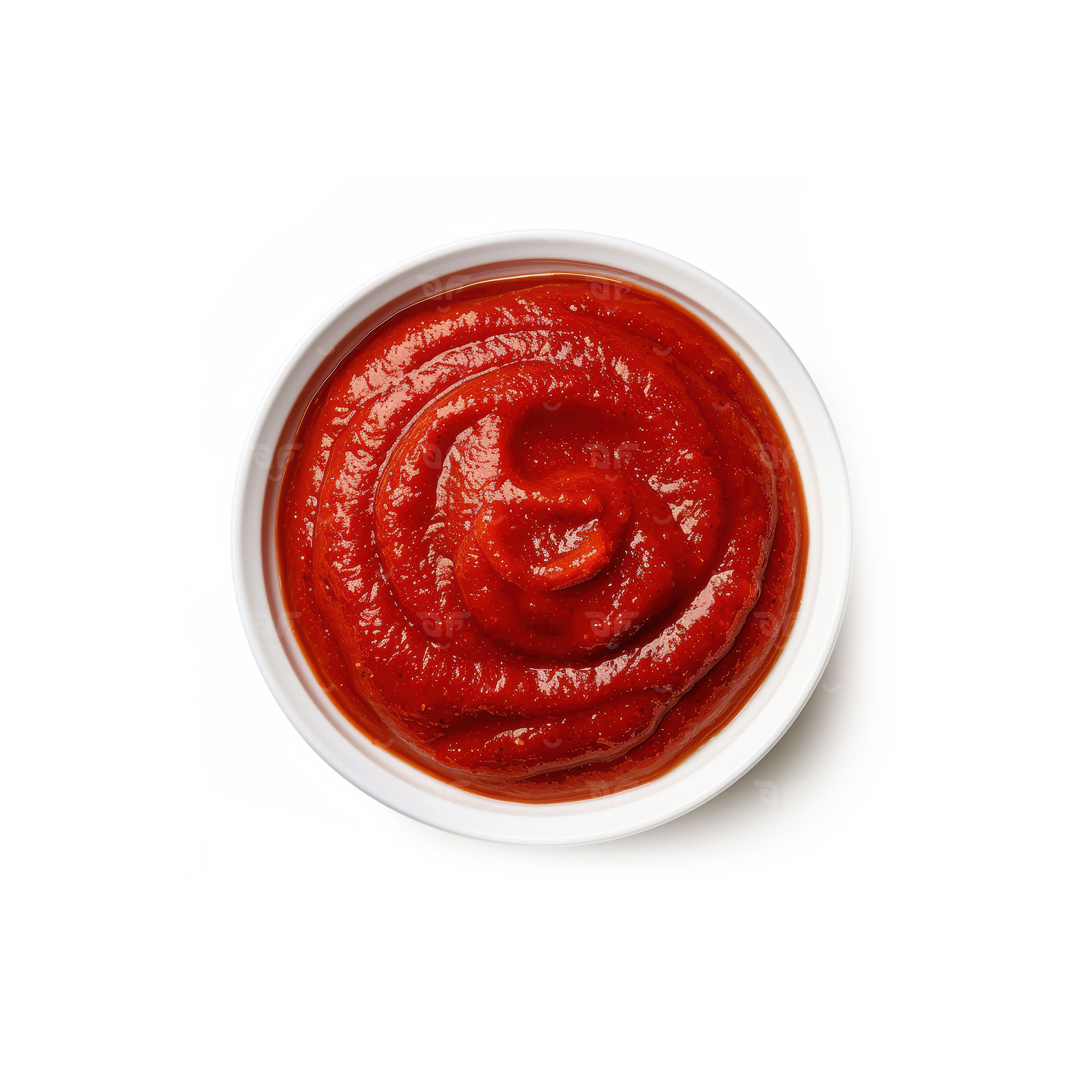
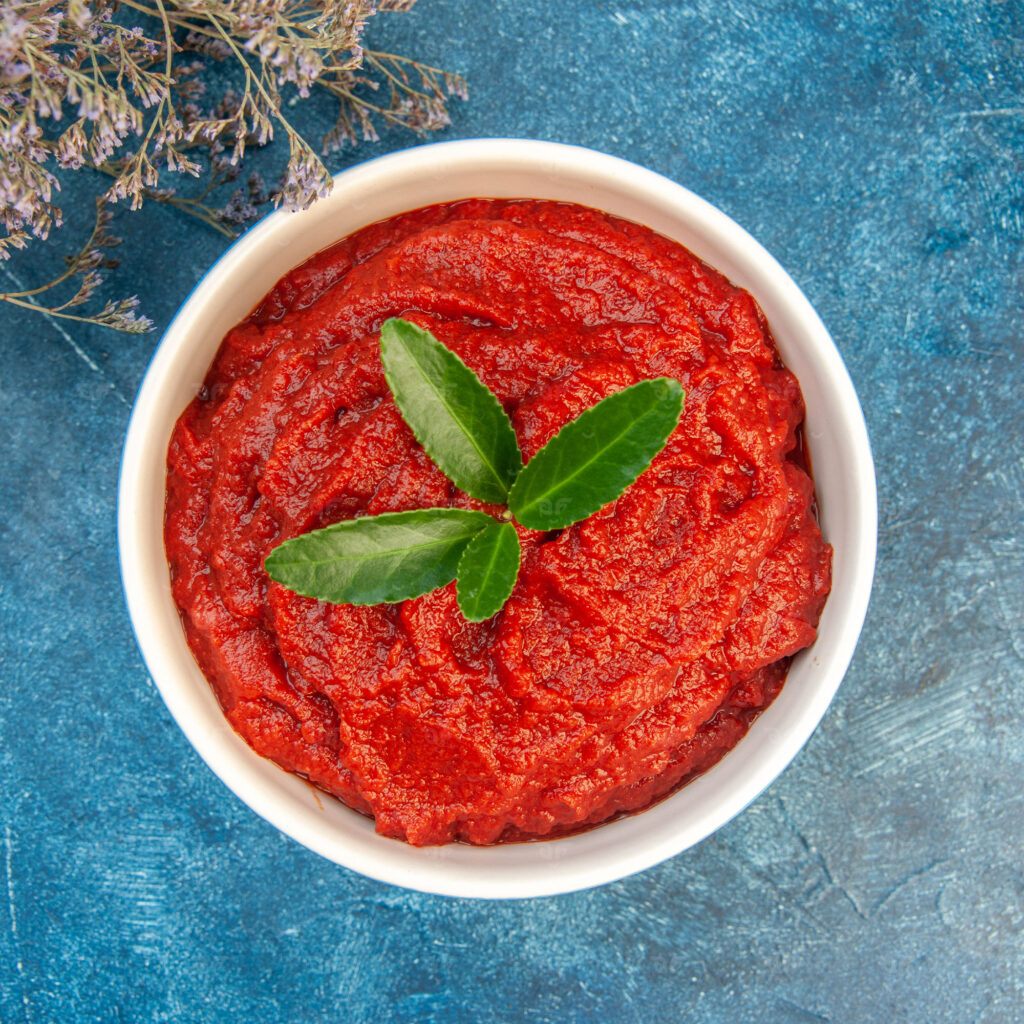
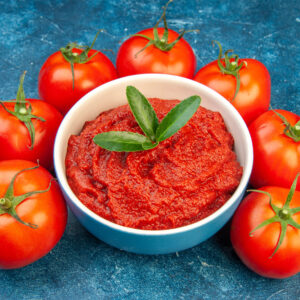
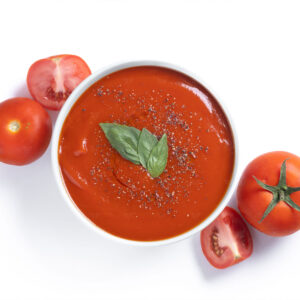
Tomato paste usually has a red to deep red color. The final shade depends on tomato maturity, variety, processing temperature, concentration level, and storage conditions. A clean and even red color is important because many buyers use tomato paste to improve the visual appeal of sauces, soups, stews, and ready meals. Dull, brown, or uneven color may show quality loss, heat damage, oxidation, or poor raw material handling.
Size and Shape:
The final paste does not have a natural size or shape like fresh tomatoes, raisins, nuts, or dried fruits. It is a smooth, dense product packed into commercial containers. For this reason, size and shape are more relevant at the raw tomato stage. Processing tomatoes are often selected for pulp yield, soluble solids, strong color, and suitable acidity rather than fresh-market appearance. After processing, consistency and concentration become more important than fruit dimensions.
Texture:
Tomato paste should have a thick, smooth, and homogeneous texture. Homogeneous means that the paste has an even structure throughout the product. It should not be watery, lumpy, gritty, or separated. Texture is important because food manufacturers need predictable performance in recipes. A paste with good body helps build sauce thickness, improve mouthfeel, and support stable product formulation. Viscosity, which means resistance to flow, is also an important buyer concern in industrial tomato paste applications.
Taste:
Tomato paste has a concentrated tomato flavor with natural acidity, mild sweetness, and savory depth. It should taste clean and typical of processed tomatoes, without burnt, fermented, metallic, moldy, or bitter notes. The flavor is stronger than fresh tomato because the water content has been reduced. This makes tomato paste useful as a base ingredient in dishes that require a rich tomato profile. In commercial use, balanced acidity and flavor are important for sauces, ketchup, soups, stews, marinades, and ready meals.
Nutritional Value and Health Benefits of Tomato paste
Tomato paste is not mainly valued as a protein or fat source. Its main value comes from concentrated tomato solids, natural tomato color, acidity, flavor, and plant compounds. It contains carbohydrates from tomato solids, small amounts of fiber, very little fat, and low protein. Because it is concentrated, a small serving provides stronger tomato character than fresh tomato pieces. Nutrition values can change according to Brix level, salt content, added ingredients, and packaging format, so commercial buyers often review the product profile for recipe planning.
Tomato paste is also known for lycopene, the red carotenoid naturally present in tomatoes and tomato products. Lycopene gives tomatoes much of their red color and makes tomato paste a valuable plant-based ingredient in many balanced meals. Its concentrated taste helps build flavor in recipes without depending on heavy fat-based sauces. This makes tomato paste useful in everyday cooking, foodservice kitchens, and industrial food production where tomato color, acidity, and body are required.
Salt content is another important point for buyers. Some tomato paste products contain added salt, while others are produced without added salt. This difference matters for food manufacturers that need to control sodium levels in sauces, canned foods, ready meals, and retail products. A no-salt-added version gives processors more control over recipe formulation, while salted versions may suit specific foodservice or retail preferences. Sodium level is therefore an important part of tomato paste specification and product selection.
Growing Conditions and Regional Farming Practices Tomato
Tomatoes are warm-season crops that grow best in sunny conditions, fertile soil, and well-drained fields. Processing tomatoes are usually selected for qualities that support factory production, such as high pulp content, good soluble solids, strong red color, and suitable acidity. They are not chosen only for table appearance. In countries with different climate zones, tomato production can be planned across several regions and seasons. This helps processors manage raw material flow and supports continued supply for tomato paste production.
Climate Conditions for Tomatoes
Tomato plants need warmth, sunlight, and suitable field management. Good sunlight supports fruit color and development, while warm temperatures help the crop reach proper maturity. Very high heat, water stress, or irregular weather can affect fruit quality and yield. For tomato paste, climate matters because ripe, healthy tomatoes give better color, flavor, and processing value. Agricultural planning is directly connected to the final quality of tomato paste.
Soil Requirements:
Tomatoes usually perform well in fertile, well-drained soil with a slightly acidic reaction. Good drainage helps protect roots from waterlogging, while balanced fertility supports plant growth and fruit development. Soil conditions can influence yield, fruit firmness, and the level of tomato solids. For processing tomatoes, farmers and processors are interested in fruit that delivers good pulp, color, and concentration. Poor soil management may reduce the quality of raw tomatoes before they reach the factory.
Water and Field Management:
Water management is important in tomato farming because irregular moisture can reduce yield and affect fruit quality. Too little water can stress plants and reduce fruit development. Too much water can increase disease pressure or lower fruit concentration. Processing tomatoes need careful field planning so that fruits reach maturity with good solids, color, and acidity. These factors later influence Brix, paste consistency, flavor, and the amount of tomato paste that can be produced from a given volume of raw tomatoes.
Regional Farming Practices:
In tomato-producing countries with diverse climates, cultivation can take place in several regions and seasonal windows. Cooler areas may support production during warmer months, while warmer regions can support production during cooler periods. This type of regional spread helps factories receive tomatoes over a longer period. For tomato paste buyers, regional farming practices matter because raw material timing, ripeness, transport distance, and field handling can all affect final product quality and processing efficiency.
Harvesting Season and Timing Influences for Tomato
The harvesting season for tomatoes depends on region, climate, variety, and production system. For tomato paste, harvest timing is strongly linked to quality. Tomatoes should reach strong red maturity before processing because ripeness affects color, Brix, acidity, flavor, and factory yield. Underripe tomatoes may reduce color and flavor, while overripe or damaged fruit may increase spoilage and defect risk. For this reason, harvesting is not only a farming step. It is part of quality planning for the final paste.
Tomatoes used for processing should move from field to factory as quickly as practical. Delays can lead to softening, fermentation, microbial activity, and loss of fresh tomato quality. In large processing systems, harvest schedules are often linked with factory capacity so that tomatoes are not held too long before washing and crushing. This is especially important for tomato paste because the final product concentrates the raw material. If poor tomatoes enter the process, defects can become more visible after concentration.
Seasonal timing also affects commercial planning. Food processors and importers need product availability that fits their production schedules, market demand, and storage capacity. When tomato supply is strong, factories may process larger volumes and prepare paste for domestic and export markets. When the season is weaker, supply can become tighter, and buyers may pay more attention to contract planning. These market factors make tomato paste both an agricultural product and an industrial ingredient with supply-chain importance.
Harvesting and Post-Harvest Processing Steps for Tomato
Tomato paste production begins with harvesting mature tomatoes that have suitable red color and processing quality. After harvest, tomatoes are transported to a processing facility, where they are received, washed, and inspected. Sorting removes damaged, spoiled, underripe, or unsuitable tomatoes. The fruit is then crushed and heated. Heating helps prepare the pulp for refining and can influence texture, flavor, color, and viscosity. The cleaned tomato pulp is then concentrated by removing water until the target soluble solids level is reached.
Washing and Sorting:
Washing removes soil, dust, and field residues from the tomatoes before crushing. Sorting is also important because damaged or spoiled fruit can affect the color, taste, and safety of the final product. In industrial tomato paste production, this stage helps protect overall batch quality. Clean raw material supports cleaner flavor and better appearance. Since tomato paste concentrates the tomato solids, early removal of unsuitable material is important for reducing visible defects and off-flavors in the final paste.
Crushing, Heating, and Refining:
After washing and sorting, tomatoes are crushed to release juice and pulp. The crushed tomato mass is then heated. Hot-break and cold-break methods are two common processing approaches. Hot break uses higher early heating to support thicker texture and viscosity. Cold break uses lower heating to support a fresher tomato profile. After heating, the product is refined to remove most skins, seeds, and coarse particles. This creates a smoother pulp before concentration.
Evaporation and Concentration:
Evaporation is the stage where water is removed from tomato pulp to increase soluble solids. This step turns thinner tomato pulp into thick tomato paste. Brix level is important here because it shows the concentration of tomato solids. A higher concentration gives a denser product and stronger tomato character. The final target depends on buyer needs and product type. For industrial users, Brix level is one of the most important specifications because it affects recipe formulation, shipping efficiency, and cost planning.
Filling and Final Protection:
After concentration, tomato paste must be filled into suitable packaging that protects it from contamination and quality loss. Commercial formats may include cans, tubes, jars, pouches, foodservice packs, bag-in-box systems, or aseptic bags in drums. The selected format depends on buyer type, order size, market use, and storage needs. Filling and sealing are important because tomato paste must remain stable during storage, distribution, and commercial handling. Poor sealing can expose the paste to oxygen, spoilage risk, and flavor loss.
Storage Guidelines, Durability, and Shelf Life of Tomato Paste
Unopened tomato paste is generally shelf-stable when it is commercially processed, properly sealed, and stored in suitable conditions. Storage should protect the product from direct sunlight, high heat, moisture, oxygen exposure, and physical damage to the container. Warehouses should be clean, dry, and well managed. Even though tomato paste is acidic and concentrated, quality can still decline if packaging is damaged or if the product is kept in poor conditions for a long period. Good storage helps maintain color, taste, aroma, and texture.
Storage Conditions of Tomato Paste
Unopened tomato paste should be stored in a cool, dry, and clean place away from direct sunlight and strong heat sources. Containers should remain sealed and undamaged until use. Once opened, tomato paste should be transferred to a clean airtight container if needed and kept refrigerated. Clean utensils should be used to avoid contamination. For longer storage after opening, small portions can be frozen when suitable for the user’s kitchen or production system. These practices help reduce oxidation, mold risk, and flavor loss.
Shelf Life of Tomato Paste
The shelf life of tomato paste depends on packaging type, processing method, storage temperature, salt level, container condition, and whether the product has been opened. Unopened commercial tomato paste can remain stable for a long period when packed and stored correctly. After opening, it should be refrigerated and used within a short period according to label guidance and food safety practice. Warning signs include mold, sour or fermented odor, gas release, swelling containers, leaking packs, slimy texture, or unusual color change.
JAM Food Co. as a Reliable Global Supplier
JAM Food Co.’s Tomato Paste belongs to the company’s tomato products category and is suitable for buyers who need a concentrated tomato ingredient for food production, foodservice, or wholesale supply. In B2B trade, tomato paste buyers usually review product concentration, flavor, color, salt level, packaging format, and storage needs before placing orders. JAM Food Co.’s Tomato Paste gives commercial customers a dense tomato base for sauces, soups, stews, ketchup, pizza products, ready meals, and commercial kitchen applications.
JAM Food Co. as a Reliable Tomato Paste Supplier
A reliable tomato paste supplier gives buyers clear information about the product’s technical and commercial points before purchase. These points may include Brix level, acidity, sodium content, packaging type, storage conditions, and intended use. JAM Food Co. supports B2B buyers with product-focused communication and attention to commercial requirements. As a provider of Tomato Paste, the company serves importers, distributors, manufacturers, foodservice buyers, and retail-oriented businesses that need tomato paste for different commercial applications.
Packaging Tomato Paste at JAM Food Co.
For B2B tomato paste trade, bulk packaging is important because many buyers use the product as an ingredient in factories, restaurants, and foodservice systems. Industrial tomato paste is commonly supplied in large commercial formats such as foodservice cans, bag-in-box systems, or aseptic bags in drums, depending on buyer needs and product specification. JAM Food Co. handles Tomato Paste as a commercial tomato product for buyers who require practical packaging, order planning, and destination-based product preparation.
Preservation and Sealing Techniques:
Tomato paste packaging must protect a dense, acidic product from oxygen, contamination, moisture, and physical damage. In the tomato paste industry, sealing quality is a key part of product protection because air exposure can affect color, flavor, and storage stability. Suitable packaging also helps reduce leakage, container damage, and contamination risk during transport. As a supplier of Tomato Paste, JAM Food Co. focuses on product protection, packaging suitability, and practical handling needs for wholesale and commercial orders.
Private Labeling and Retail Packaging:
Retail and private-label tomato paste markets often require smaller consumer formats, clear labeling, attractive shelf presentation, and packaging that is easy to handle after opening. Common retail formats in the wider market include cans, tubes, jars, and pouches. These formats are useful for supermarkets, grocery distributors, and brands that sell tomato products directly to consumers. JAM Food Co. supports retail-oriented tomato paste buyers through clear product communication, suitable format selection, and order structures that match commercial market needs.
Export-Ready Palletization:
Export shipments need packaging that can tolerate loading, unloading, warehouse handling, and container movement. Cartons, drums, cans, or other commercial packs must be stacked and secured in a way that reduces breakage, leakage, and crushing. Palletization also helps importers manage receiving, counting, and warehouse storage. As an exporter of Tomato Paste, JAM Food Co. serves international buyers with attention to safe handling, suitable packing, and product information required for cross-border food trade.
HOW CAN JAM GROUP HELP YOU?
Send us a message and our friendly team will get back to you within one business day.




