










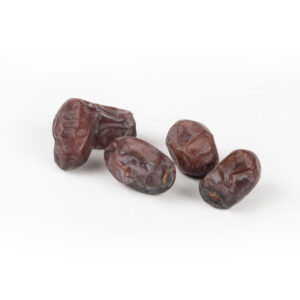
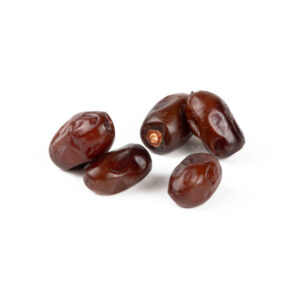
Kalote dates are a variety of Iranian date fruit known for their distinctive physical qualities, taste, and nutritional value. Due to its unique texture and health benefits, this date has become an important agricultural product. Kalote dates are particularly valued for their ability to thrive in dry climates. It makes Kalote date a reliable crop in regions with limited water resources. In the following article, we will explore different aspects of Kalote dates, including their key characteristics, the cultivation process, and the many ways in which they are used.
Before diving into our article about Kalote Date, it seems helpful to discuss a reliable supplier of various Iranian date fruits. JAM Food Co. is dedicated to providing high-quality dates, with Kalote dates being one of their flagship products. Known for their rich taste and texture, these dates are carefully cultivated to meet rigorous quality standards. The company works closely with trusted local farmers in key date-growing areas to ensure a consistent supply of premium Kalote dates. From harvesting to final shipment, every step of the process is meticulously managed to guarantee freshness and compliance with international food safety standards. You can find out more about the company’s available products and pricing by getting in touch with our experts.
What is Kalote Date?
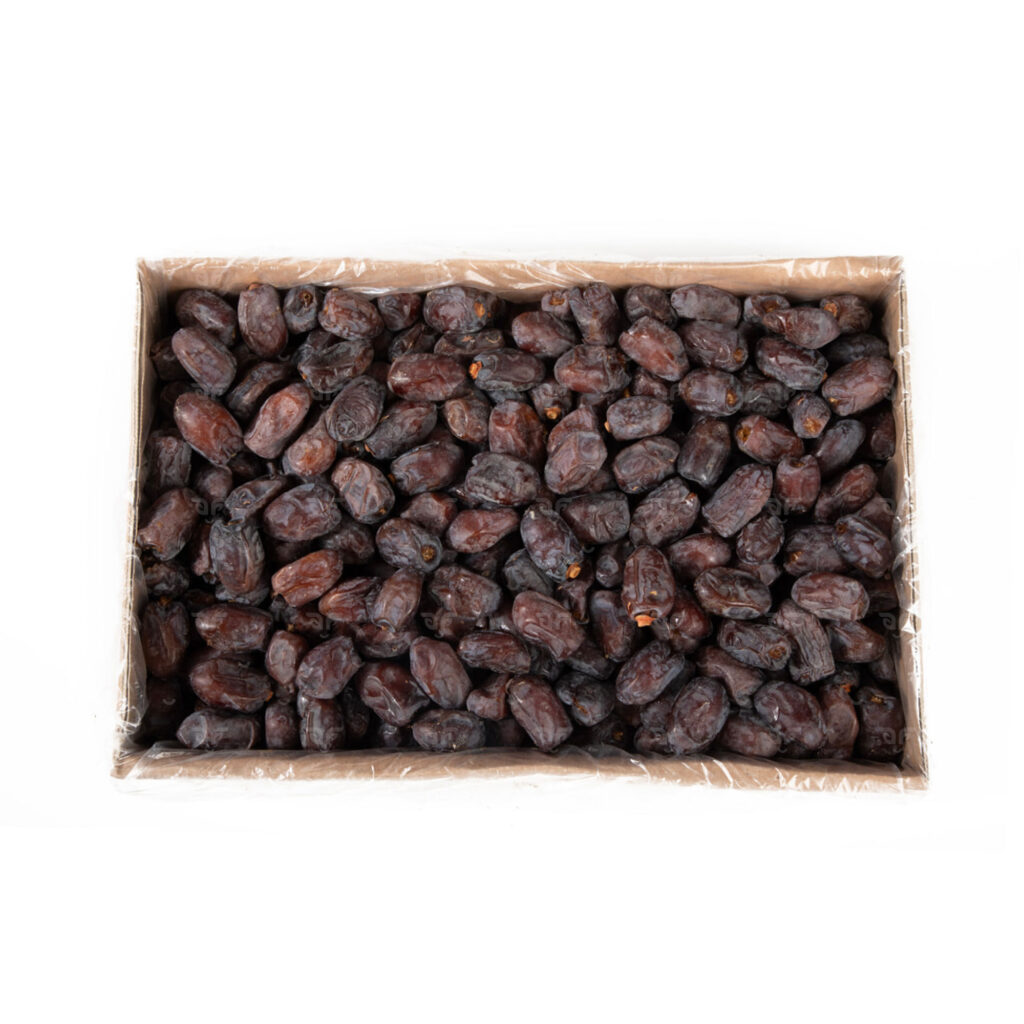
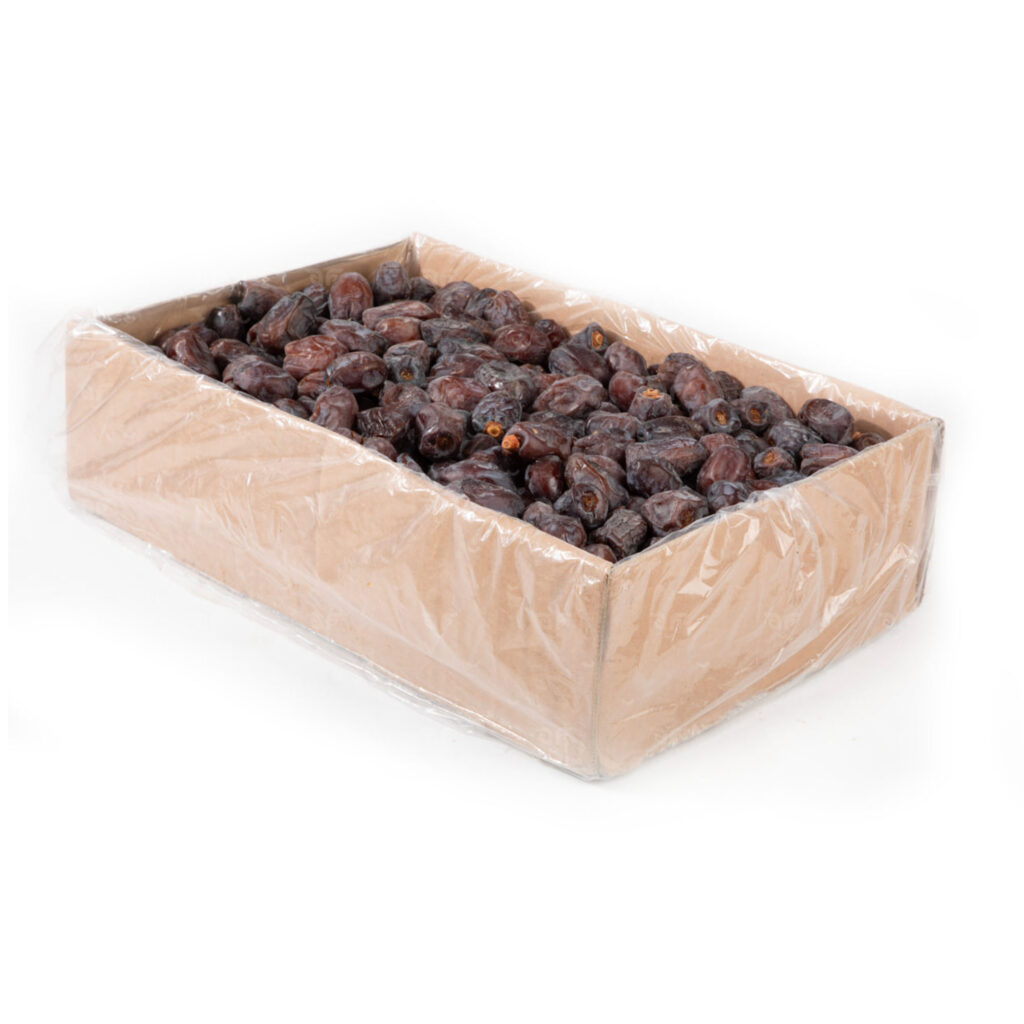
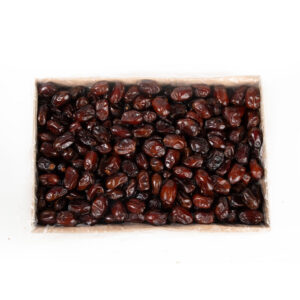
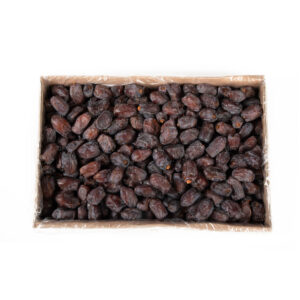
Kalote Dates, also known as Kaliteh Dates and Kaloute Dates, belong to the category of fresh or wet dates in Iran, sharing similarities with Bam Mazafati Dates. These dates are characterized by their soft texture, naturally sweet flavor, and large size. They are known for their long shelf life, typically 12 to 18 months when stored at temperatures between 0 to 5°C. A distinguishing feature of Kaliteh Dates is their lower moisture content, which contributes to a higher fiber level than Mazafati Dates. Additionally, they are more affordable than Mazafati Dates, thus making them an economical choice for consumers. Kaloute Dates are available in retail packaging and bulk quantities. The following sections will further examine the key attributes that define this variety.
Physical Characteristics of Kalote Date
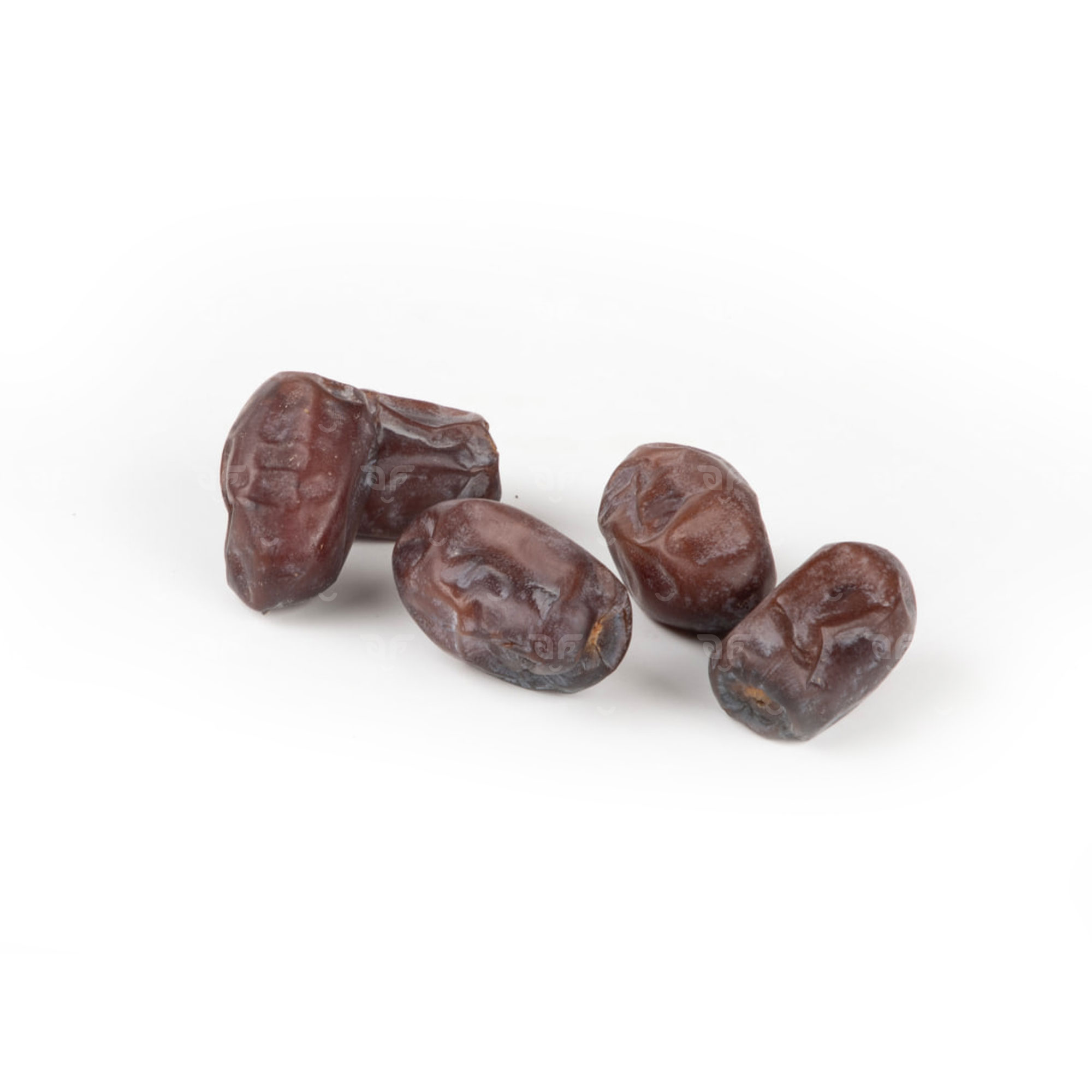
Kalote dates are a semi-fresh variety primarily grown in Iran’s southern regions, particularly in Jiroft, Kerman Province. Their physical traits include:
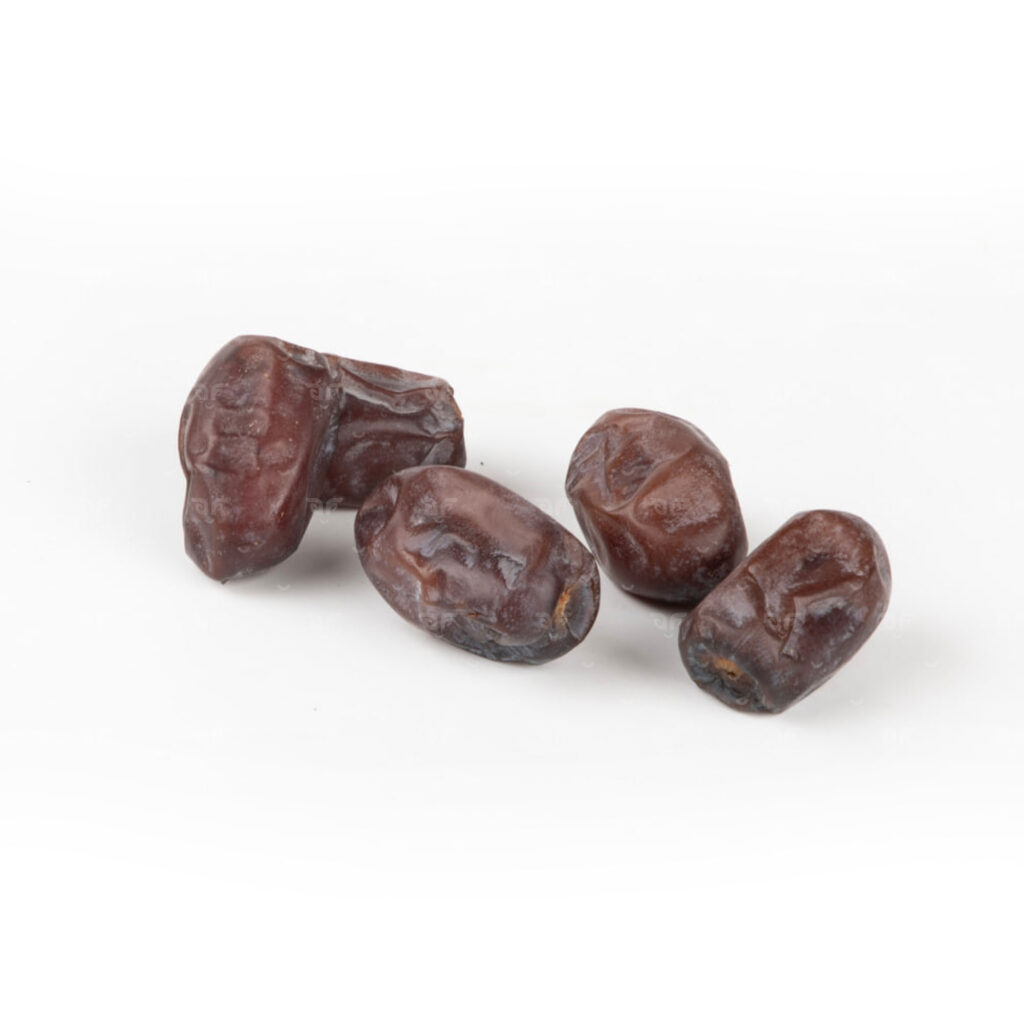
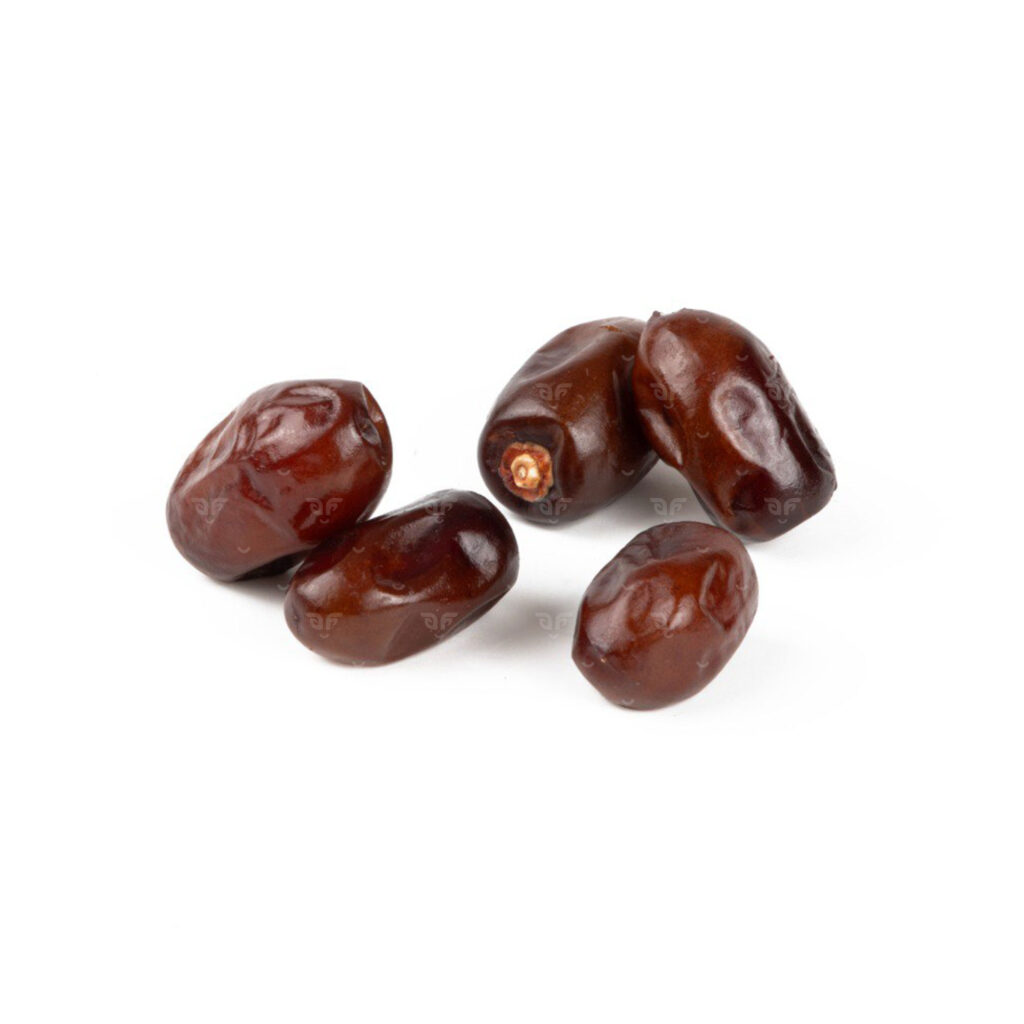
- Size and Shape: These dates are large, measuring 3 to 5 centimeters in length, and oval to elongated in shape.
- Color: The color of Kalote dates varies from light brown to rich dark brown as they mature.
- Texture: The outer skin is thin, smooth, and glossy, while the flesh is soft, fleshy, and easy to chew. Kalote dates have a moderate syrup content, which makes them neither too dry nor excessively sticky.
- Core: Each date contains a single, hard, oval-shaped pit at its center.
Taste and Flavor Profile of Kalote Date
The combination of balanced sweetness, distinct flavor notes, and ideal moisture content make Kalote dates a preferred choice for those seeking a naturally delicious and tender date variety. Here’s an overview of their key characteristics:
- Sweetness: Known for their pronounced sweetness, Kalote dates have a gentle and pleasant sugary taste that is neither overwhelming nor bland.
- Flavor Notes: Beyond their natural sweetness, these dates offer subtle hints of caramel and honey, which enhances their overall depth and provides a rich, indulgent taste experience.
- Juiciness: As a semi-fresh variety, Kalote dates contain a moisture level ranging from 13% to 23%. This moderate juiciness contributes to their soft and fleshy texture and makes them enjoyable to eat while maintaining their structure during storage.
Nutritional Information of Kalote Date
Kalote dates, like other date varieties, are rich in natural sugars, primarily fructose and glucose, which provide a quick source of energy. They are also a good source of dietary fiber, which aids in digestion and helps maintain bowel regularity. Additionally, dates contain essential minerals such as potassium, magnesium, and iron, contributing to various bodily functions, including heart health and muscle function. Vitamins present in dates include B-complex vitamins and vitamin C, supporting energy metabolism and immune health. Furthermore, dates are high in antioxidants, including carotenoids and phenolics, which help protect the body against oxidative stress.
Kalote Date Cultivation and Harvesting
Kalote dates are primarily cultivated in Iran’s southern regions, particularly in Jiroft, Kerman Province. The cultivation and harvesting of these dates are influenced by specific climate and soil conditions, such as:
- Climate Requirements:
Date palms thrive in hot, arid climates with long summers and minimal rainfall. Optimal growth occurs when temperatures remain high, particularly during the fruit ripening phase. While date palms can withstand short-term exposure to temperatures as high as 56°C under irrigation, they are sensitive to frost. Temperatures below 0°C can harm leaves and inflorescences. Additionally, low relative humidity during ripening is beneficial, as excessive humidity can cause fruit cracking. Since rainfall during fruit development negatively impacts fruit quality, arid conditions are preferred.
- Soil Requirements:
Date palms can grow in various soil types but perform best in well-draining sandy loam soils. These soils should retain moisture while allowing proper aeration. Soils with high calcium carbonate content are not suitable for cultivation. The ideal soil pH for date palm growth ranges from 8 to 11. Additionally, date palms show resilience to saline soils, making them well-suited for arid regions where soil salinity can be a concern.
- Growing Regions:
Kalote dates are predominantly cultivated in Iran, particularly in the southern regions. Jiroft in Kerman Province is a well-known area for Kalote date production. The region’s hot and dry climate and fertile soil create ideal conditions for growing high-quality Kalote dates.
Harvest Season of Kalote Date
Kalote dates are typically harvested between early and late September, marking the period when they reach full maturity and optimal sweetness. Given their semi-moist texture, proper handling and storage after harvest are crucial to maintaining their quality. Storing them in cool, dry conditions helps preserve their natural flavor and texture. The harvesting process requires careful attention to timing and ensuring that the dates are picked at their peak ripeness.
Harvesting Process of Kalote Date
The harvesting process of Kalote dates requires careful handling to maintain fruit quality. Several essential steps are involved, from preparation to post-harvest storage.
- Preparation
Date palms have long, sharp thorns that can pose risks during harvesting. To ensure safer access before the process begins, these thorns are trimmed from the fronds.
- Pollination
Since date palms are dioecious, meaning trees are either male or female, natural pollination is often insufficient. To ensure fruit set, pollen from male trees is manually applied to female flowers.
- Thinning and Bagging
To encourage larger fruit and prevent overcrowding, a portion of the developing dates is removed from each cluster. Protective mesh bags are then placed over the fruit clusters to shield them from pests and environmental damage while allowing adequate airflow.
- Ripening and Harvesting
Since dates do not ripen all at once, regular inspections are necessary to determine the ideal harvesting time. Fully ripened dates are carefully harvested by hand. Workers climb the trees using ladders or lifts.
- Post-Harvest Handling
Harvested dates are cleaned to remove debris and then sorted according to size and quality. Some dates may require additional ripening after harvest, so they are spread out in warm, dry areas to complete the process naturally. Proper storage is essential to maintain the texture and flavor of semi-moist Kalote dates. They are kept in cool, dry environments to prevent spoilage and retain freshness.
Kalote Date Storage and Shelf Life
Proper storage of Kalote dates is essential to maintain their quality, flavor, and shelf life. Following the correct storage methods can preserve their freshness for an extended period.
Storage Conditions of Kalote Date
Kalote dates should be kept at 0°C and 5°C to slow the natural drying process and prevent spoilage. Using airtight containers or packaging materials like plastic or cellophane helps retain moisture and protects them from external contaminants. Exposure to air can lead to a loss of softness and flavor, making proper sealing necessary for maintaining quality.
Kalote Date Shelf Life
When stored under ideal conditions at low temperatures in sealed packaging, Kalote dates can remain in good condition for 12 to 18 months. Keeping them at room temperature is possible, but they will lose moisture more quickly, resulting in a drier texture. For long-term storage, refrigeration is recommended to help maintain their original consistency and taste for several months.
About v’s Kalote Date
JAM Food Co., headquartered in Iran, is committed to delivering high-quality dates, with Kalote dates being one of its flagship products. While these dates are well known for their rich taste and texture, the company ensures its offerings meet strict quality requirements. By working closely with trusted local farmers, JAM Food Co. guarantees that every shipment aligns with international standards and meets the demands of global markets.
JAM Food Co. as a Reliable Kalote Date Supplier
JAM Food Co. has built a strong reputation as a reliable supplier by maintaining high standards in sourcing, processing, and delivery. The company collaborates with experienced farmers in key date-growing regions and ensures a steady supply of high-quality Kalote dates. Each stage, from harvesting to final shipment, is closely monitored to maintain freshness and compliance with international food safety standards.
Moreover, a well-managed logistics system allows JAM Food Co. to deliver products on time, strengthening its credibility in the market. The company also offers tailored solutions, whether fulfilling large orders or providing custom packaging, thus ensuring that customer requirements are met.
Packing Kalote Date at JAM Food Co.
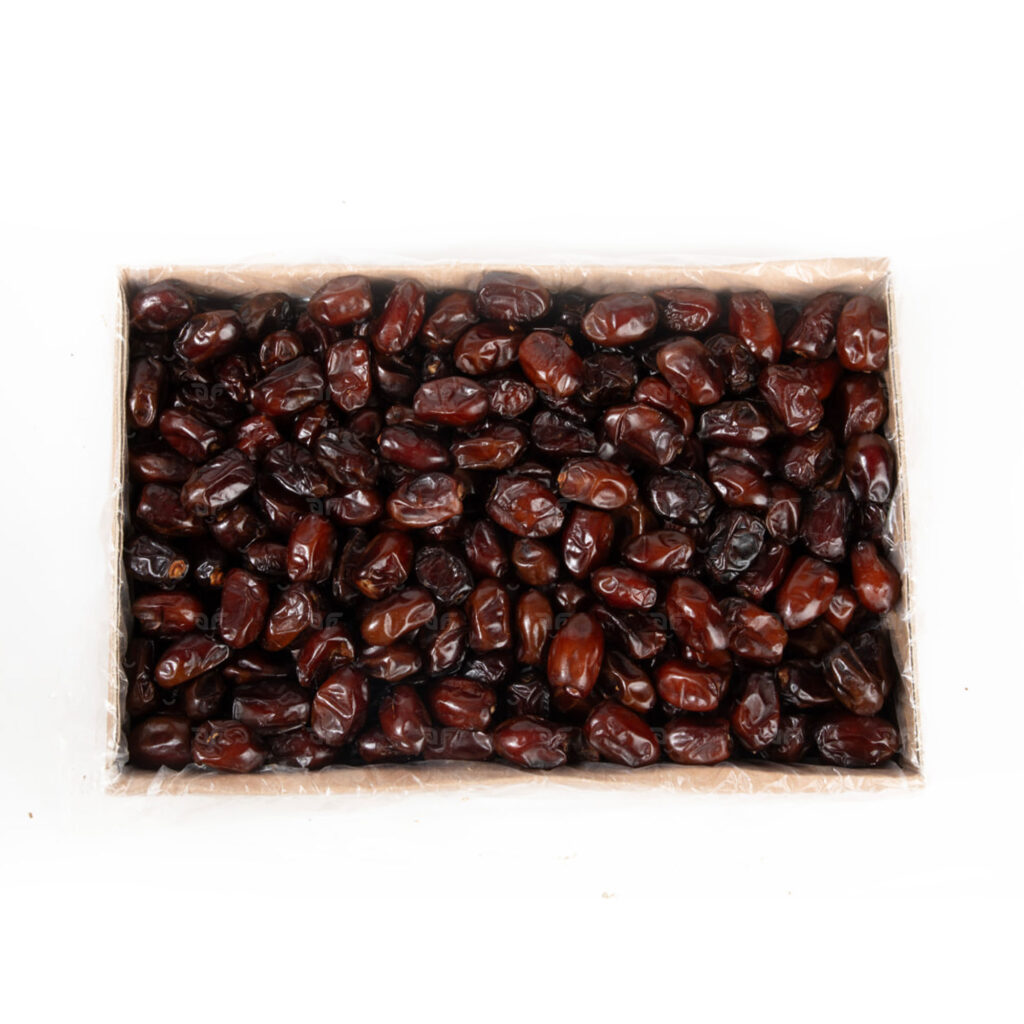
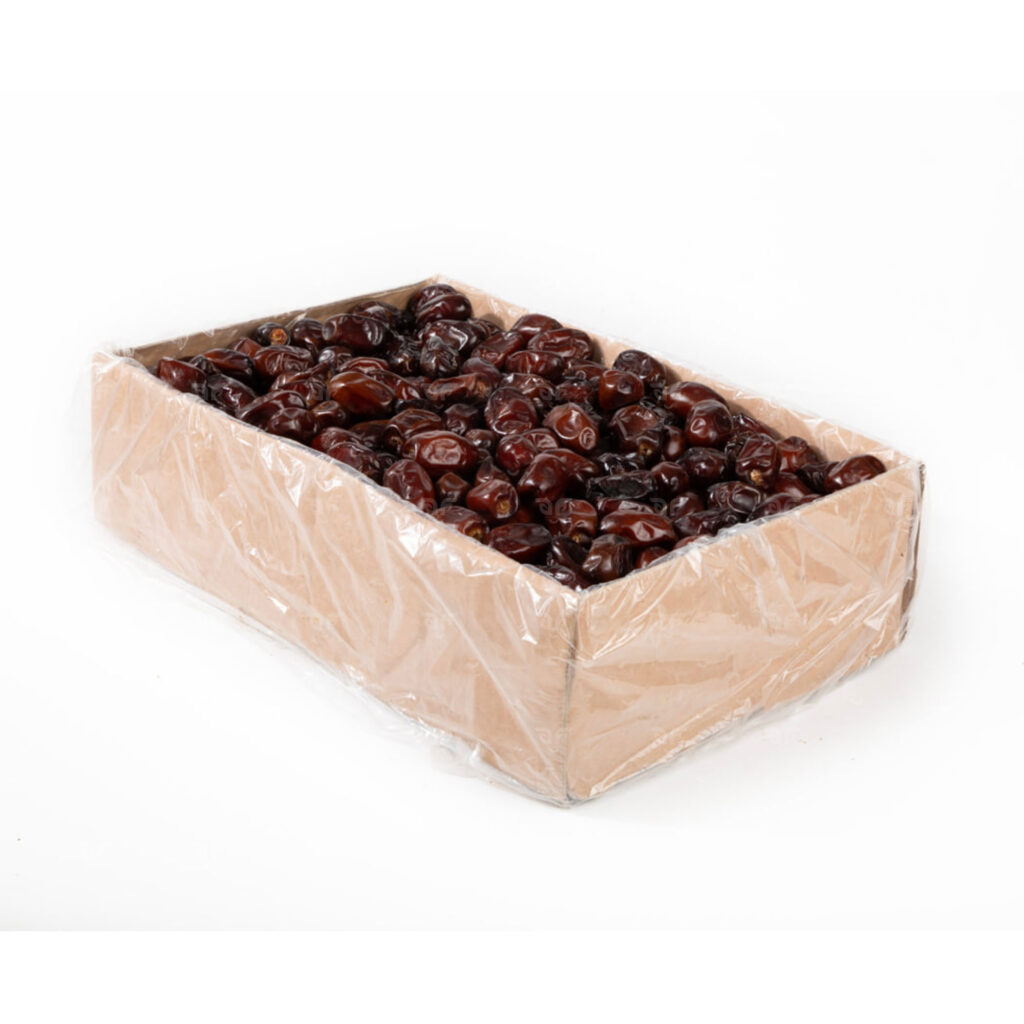
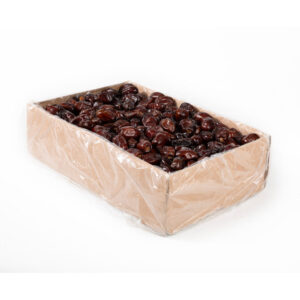
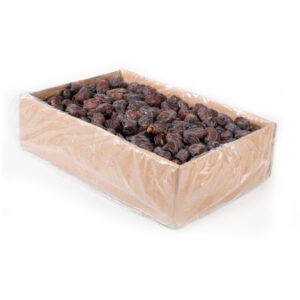
To preserve quality and extend shelf life, JAM Food Co. employs advanced packaging techniques that protect the freshness and visual appeal of Kalote dates. The packaging process follows stringent food safety protocols, preventing contamination and ensuring a clean product. Customers can choose from bulk packaging for wholesale needs or smaller, consumer-friendly packages for retail markets. Furthermore, temperature and humidity are carefully managed throughout storage and transportation to maintain the dates’ quality.
HOW CAN JAM GROUP HELP YOU?
Send us a message and our friendly team will get back to you within one business day.




