











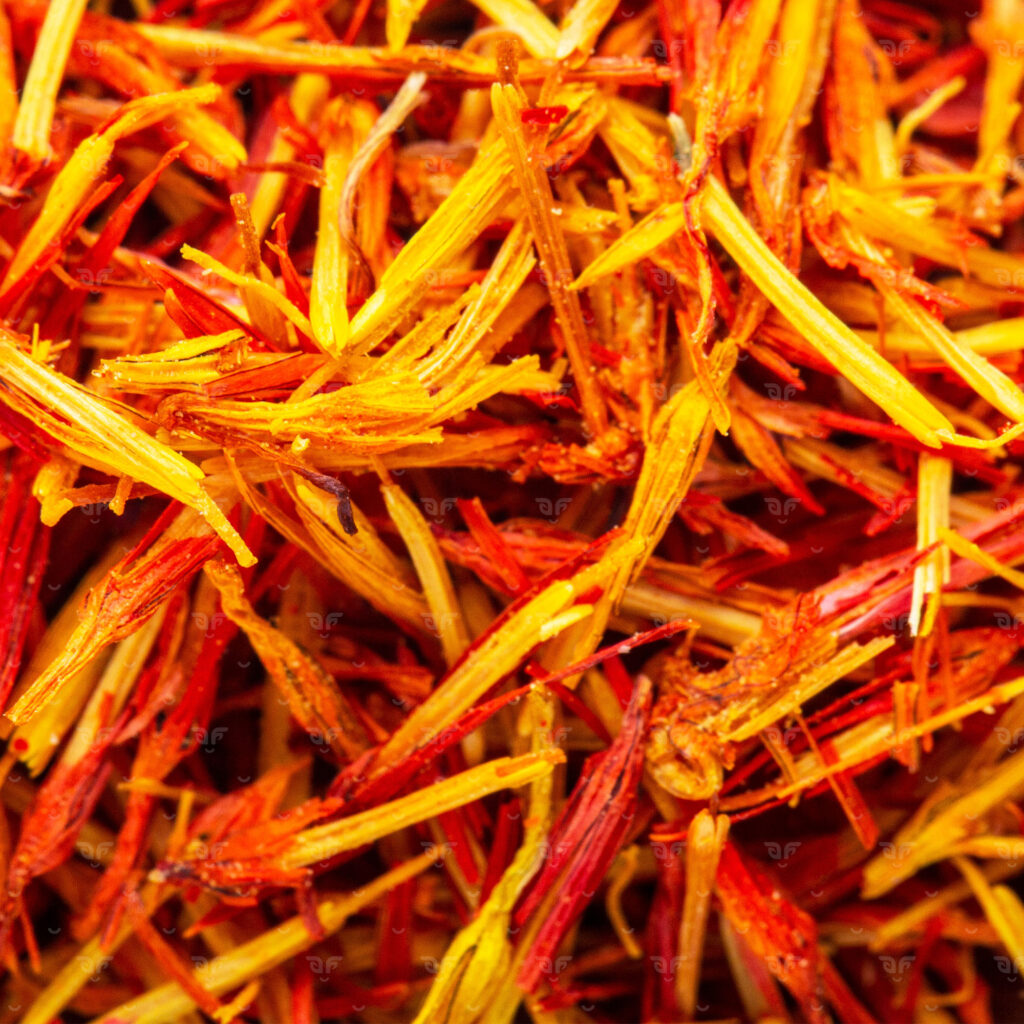
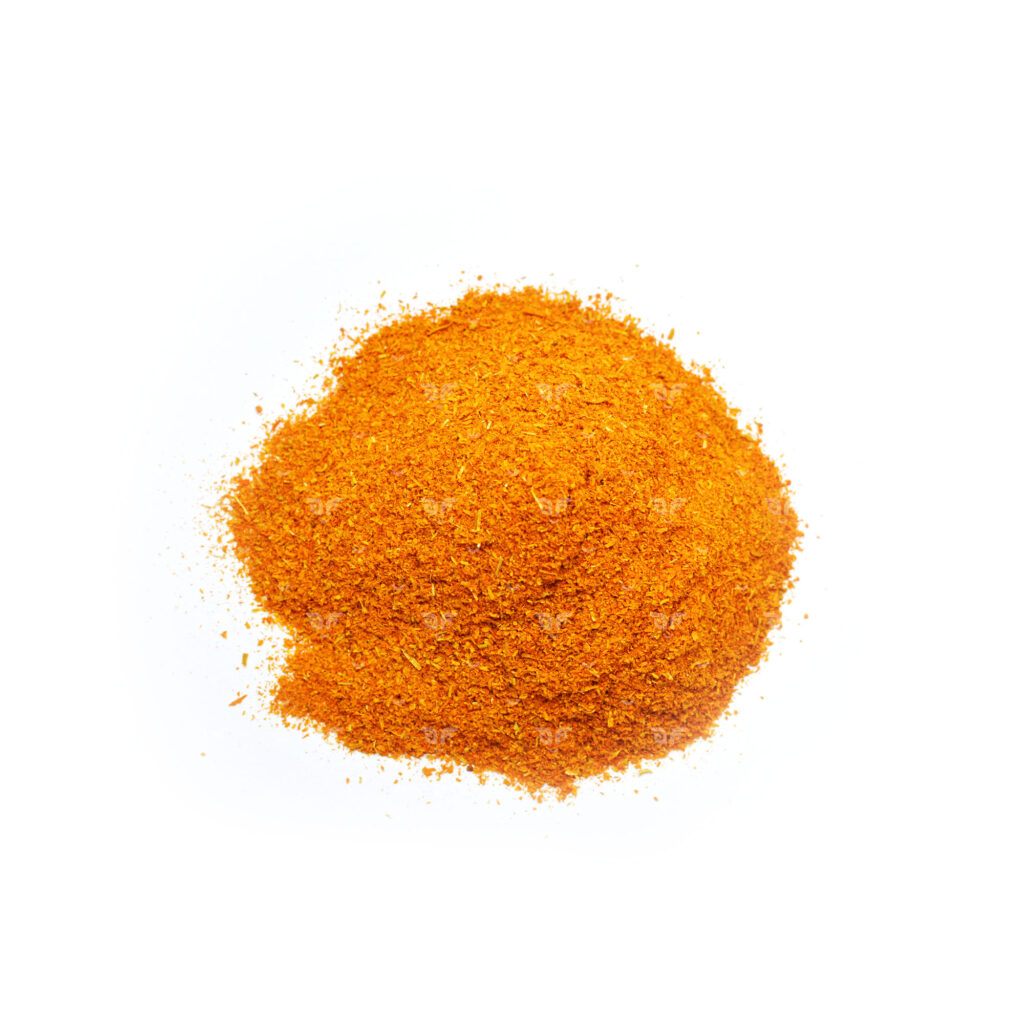
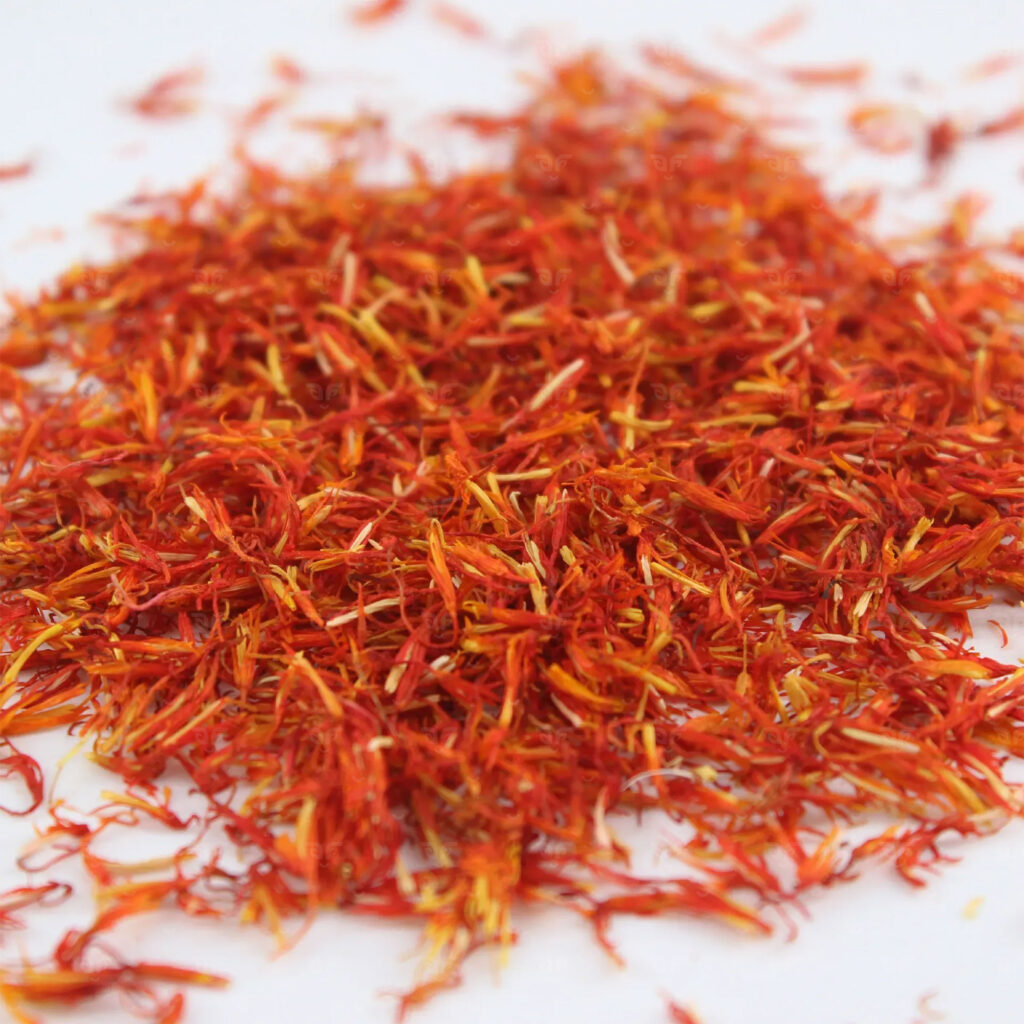
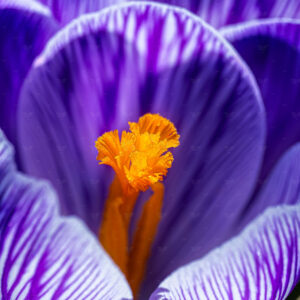
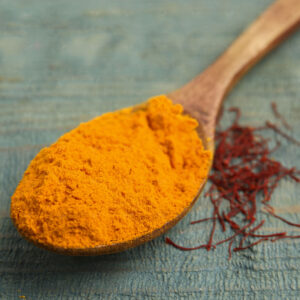
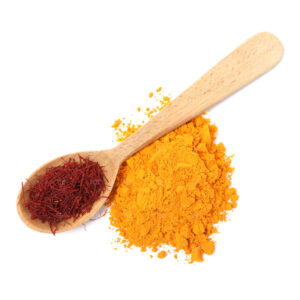
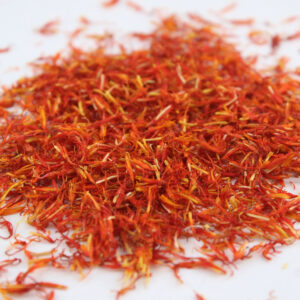
Sometimes called saffron stamen or anther, saffron pollen is the bright yellow thread collected from the Crocus sativus flower alongside the famous red stigma. Though long treated as a secondary product, interest in these fine filaments is rising because they carry gentle color, light floral fragrance, and a set of valuable bioactive compounds. Cooks, cosmetic formulators, and wellness researchers now explore ways to put this subtle ingredient to work. Understanding its qualities, how it is gathered, and the best methods for storage helps buyers obtain a reliable product and use it effectively. In the article, we will discuss these in great detail.
Before moving on to our main topic, it is helpful to bring up the name of a reputable provider of Iranian saffron in various grades, including saffron pollen. Founded in Iran, JAM Food Co. has earned trust across global spice markets by delivering strictly graded saffron products. The company works hand in hand with selected farmers, supervises harvest timing, and applies gentle drying techniques that lock in natural characteristics. Traceability records follow every batch from field to final package, giving importers confidence in origin and purity. By investing in modern cleaning lines and laboratory testing, JAM Food Co. keeps impurity levels low and maintains compliance with food‑safety standards demanded in Europe, the Middle East, and Asia. Such consistent oversight makes the firm a dependable source for saffron pollen.
A Short Glance at Saffron Pollen and its Properties
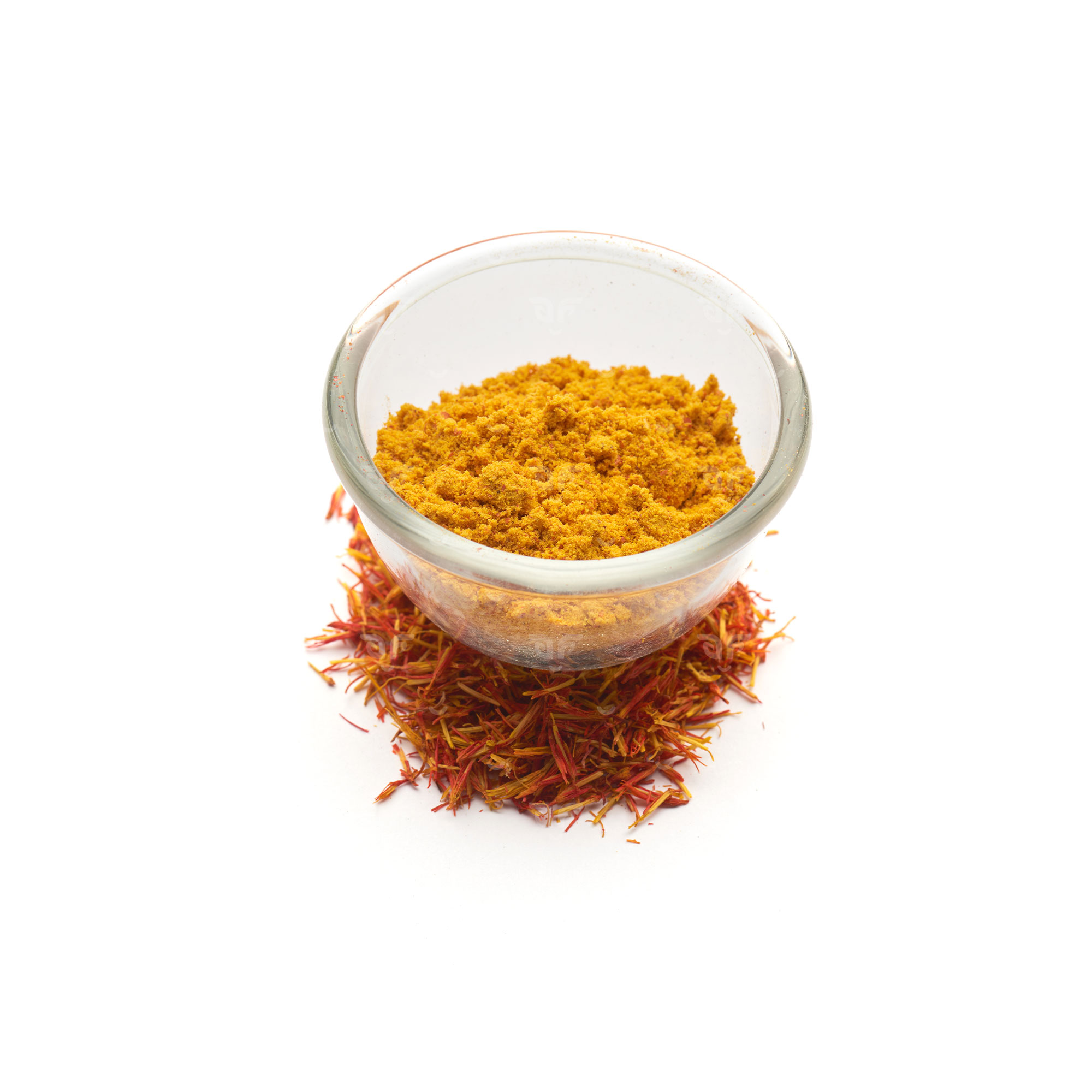
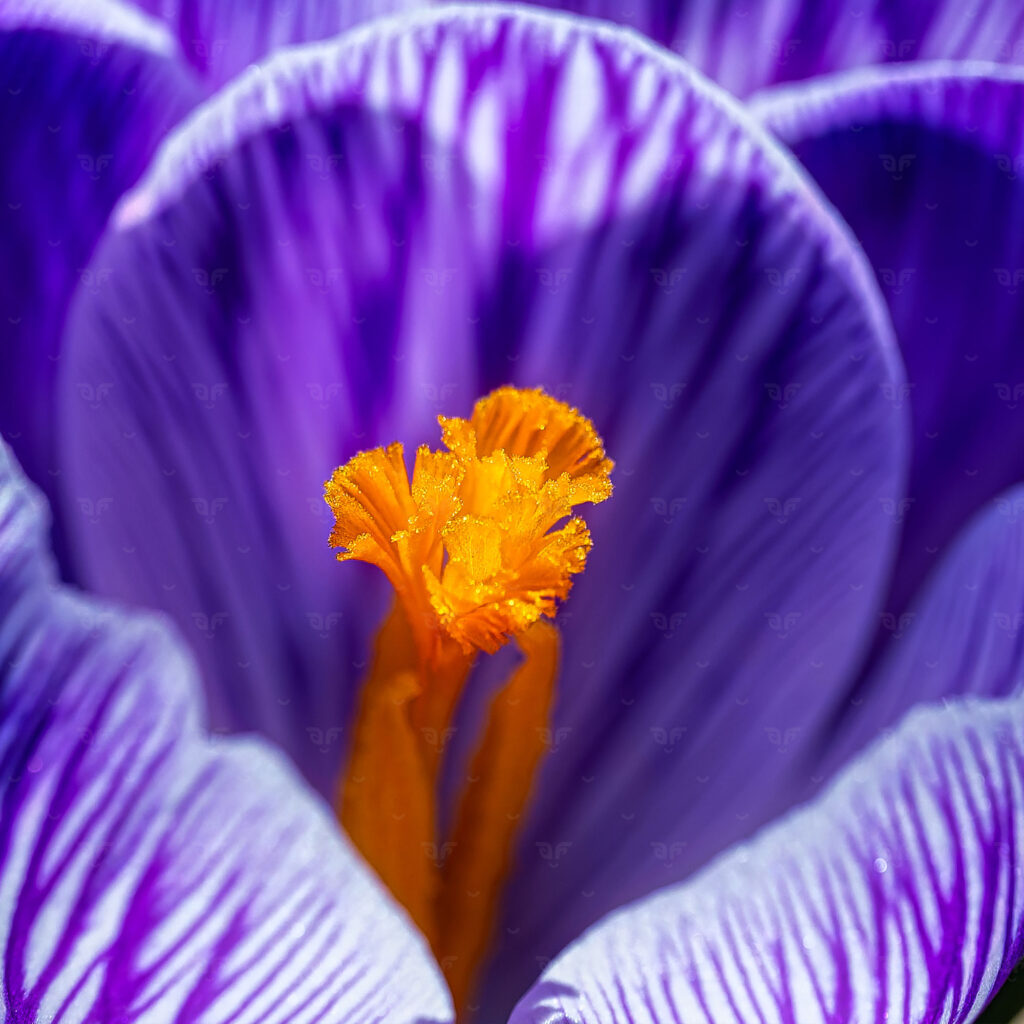
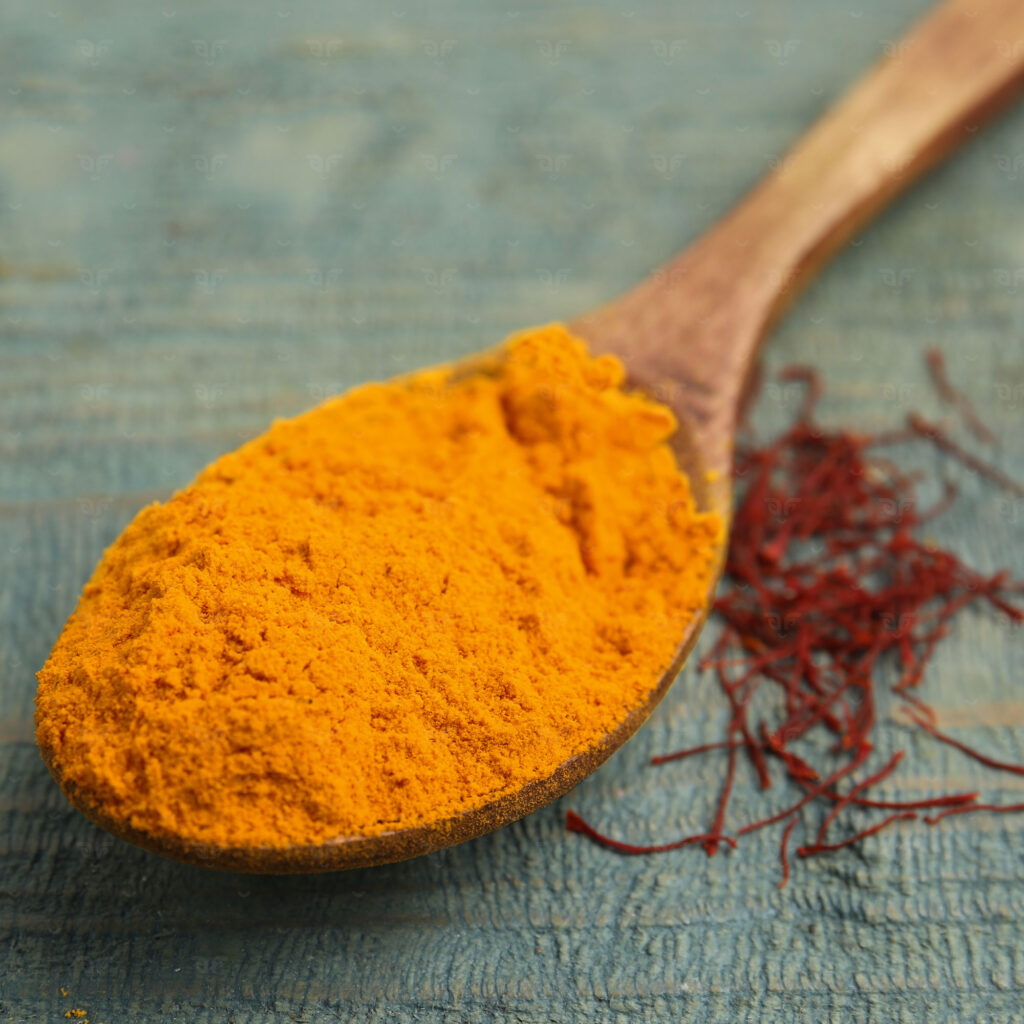
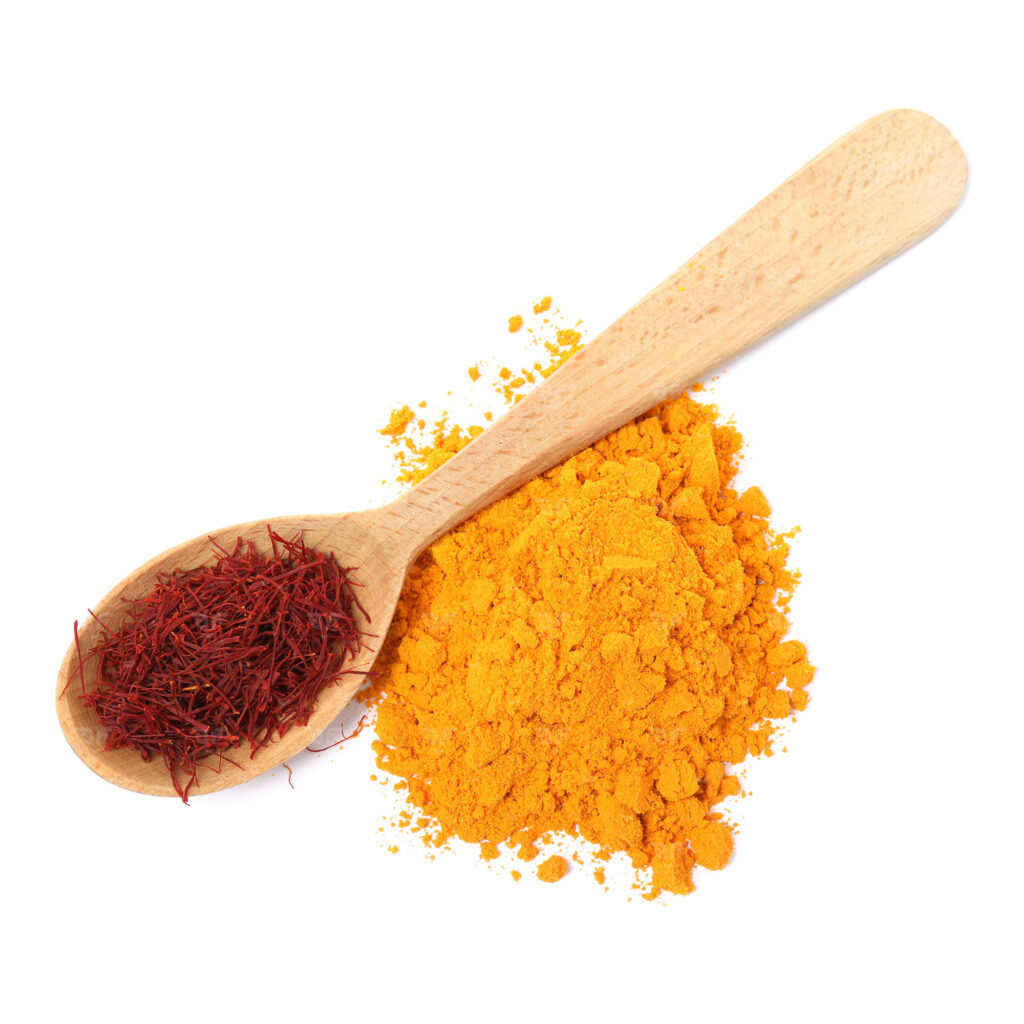
Saffron pollen is the collective term for the three yellow stamens found inside each Crocus sativus blossom. During harvest, workers separate these slender parts from the red stigmas and dry them at mild temperatures. The resulting material retains minute amounts of crocin, picrocrocin, and safranal, giving a pale golden tint and a mild honey‑like bouquet. Because the compound content is lower than in stigmas, flavour is gentler, yet still pleasant. Producers often blend the pollen into herbal drinks, dessert toppings, and cosmetic powders where a delicate color or antioxidant benefit is required without the intense taste of full‑grade saffron.
Physical Characteristics of Saffron Pollen
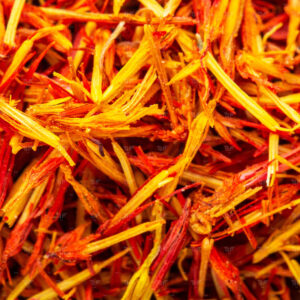
The physical traits of saffron pollen differ noticeably from the crimson threads most buyers know. The filaments are lighter, finer, and more fragile, so careful handling is essential to avoid breakage and dust loss. Below are the main visual and structural features that help quality inspectors identify genuine material and set it apart from coloured fillers or mixed floral parts.
- Composition:
The product contains only the stamens of Crocus sativus. A premium lot shows a uniform golden‑yellow color with no attached stigma fragments, petals, or extraneous plant matter. Whole, intact stamens signal gentle processing, while excessive powder suggests rough handling or age.
- Thread Structure and Size:
Stamens measure roughly 12–18 mm in length and remain thinner than stigmas, with a slightly tapering tip. When fresh‑dried they feel almost weightless and collapse easily between fingertips, so exporters often reinforce packages to prevent crushing during transit.
- Color Quality:
The natural pigment appears bright sunflower‑yellow, shifted toward orange when crocin content is higher. Uniform shade across the lot indicates proper drying, whereas dark spots or grayish tones reveal accidental moisture exposure or prolonged storage.
- Cleanliness and Purity:
Laboratory‑grade pollen is virtually free of soil, grit, or insect fragments thanks to sieving and air separation. Visible contamination over two percent by weight usually downgrades a shipment and may cause rejection by strict import agencies.
- Shape and Curvature:
Unlike the curled stigmas, stamens generally lie straight with a gentle arch near their midpoint. Excessive bends can point to rough packing, while complete fractures hint at over‑drying or mechanical damage during separation.
- Gloss or Texture:
Fresh pollen has a matte surface that feels silky when rubbed. A slight gloss may develop if the threads have been subjected to higher drying temperatures, yet a greasy shine can warn of adulteration with oil‑based colourants.
Aroma, Taste, and Chemical Properties of Saffron Pollen
Although milder than stigma saffron, pollen carries its own appealing sensory profile. When crushed it releases a faint floral scent with hints of hay and honey. On the palate the flavour is gentle, slightly earthy, and presents hardly any bitterness, making it suitable for recipes requiring a subtle accent. Chemically, pollen still contains bioactive molecules such as crocin, safranal, flavonoids, and trace minerals, though at reduced concentration. These compounds contribute antioxidant activity and potential physiological benefits that researchers continue to examine.
- Flavor Profile:
Expect a light, slightly sweet taste with grassy undertones. Because intensity is low, larger quantities can be used without overpowering other ingredients, lending warmth and color to teas, rice dishes, and confectionery.
- Aroma Strength:
The scent is delicate; a small pinch produces a soft bouquet reminiscent of spring flowers and fresh hay. A noticeable aroma indicates adequate drying, whereas a musty smell signals high humidity during storage.
- Bitterness and Flavor Intensity:
Bitterness ranks very low on the standard saffron flavor scale, allowing the pollen to complement subtle desserts and cosmetic infusions. An overly sharp taste can mean accidental mixing with stigma dust or unrelated floral materials.
- Chemical Composition:
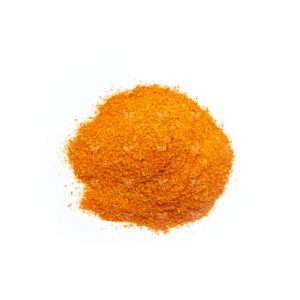
Typical analysis reveals crocin around 8‑10 percent, safranal below 0.1 percent, and picrocrocin close to trace levels, plus carbohydrates, protein, and several antioxidant flavonoids. Levels vary with terroir, harvest date, and drying speed.
Key Benefits of Saffron Pollen
Choosing saffron pollen offers a set of practical benefits. It costs considerably less than top‑grade stigmas, so chefs can achieve gentle color and fragrance on a tighter budget. Its light flavor pairs easily with many bases, allowing greater flexibility in formulating drinks, pastries, cosmetics, and herbal blends. Because the product has a single botanical origin, traceability is straightforward, reducing the risk of synthetic dyes or foreign petals found in cheap color substitutes. Finally, the antioxidant compounds present, though moderate, add a potential wellness angle that appeals to health‑conscious consumers.
Growing and Harvesting Saffron Pollen
Cultivating Crocus sativus for both stigma and pollen follows similar agronomic rules. The corm thrives in regions with cold winters, dry summers, and abundant autumn sun. Farmers plant the bulbs in well‑drained loam, maintain sparse irrigation, and control weeds manually to avoid pesticide residues. Because stamens are destined for consumption, chemical treatments are minimal. Proper field care increases flower size, ensuring that both stigma threads and stamens develop fully and remain free of visible mildew or blemishes.
- Climate Conditions:
Optimal growing zones feature winter lows around −5 °C and summer highs near 35 °C. An annual rainfall of 400–600 mm is sufficient if drainage is good, while intense autumn sunshine is essential for strong pigment development.
- Soil Requirements:
Well‑aerated sandy‑loam with 6.5–8.0 pH supports healthy corm growth. Excessive clay causes waterlogging, fostering fungal rot that can ruin pollen quality. Farmers often incorporate matured manure to raise organic matter and improve friability.
- Major Growing Regions:
Iran’s Khorasan province remains the largest source, followed by Kashmir in India, parts of Spain such as La Mancha, and rising output in Afghanistan and Morocco. Micro‑scale cultivation also occurs in Australia and California for specialty markets.
Harvesting Season of Saffron Pollen
Blooming occurs for about three weeks between late October and mid‑November, depending on altitude and latitude. Each dawn, pickers collect newly opened flowers before sunlight lowers moisture content and wilts the petals. Quick gathering safeguards the delicate stamens from wind dispersal and helps maintain vibrant color. Because flowers mature unevenly, repeated passes are necessary. Missing the optimal window can dull aroma and reduce antioxidant levels, making timely labor planning an essential cost factor for growers aiming at premium pollen sales.
Harvesting Process of Saffron Pollen
Once flowers reach the processing shed, workers separate stamens and stigmas by hand using stainless‑steel tweezers. The stamens are laid on fine mesh trays and dried at 35–40 °C for several hours until moisture falls below eight percent. Lower temperatures preserve volatile aromatics but require longer drying time, so producers balance energy use with quality. After drying, sieves remove dust, and optical sorters screen out petals or insects. Finally, batches are coded, sealed in food‑grade pouches, and stored in cool rooms awaiting quality testing.
Storage Guidelines and Durability of Saffron Pollen
Even high‑quality pollen can lose scent and color quickly if exposed to air, light, or humidity. Proper storage therefore plays an equal role to careful cultivation when it comes to preserving value. Exporters and end users should follow controlled‑environment practices that restrict oxygen, block ultraviolet rays, and deter pests. Clear labelling of production date and lot number supports stock rotation and tracks shelf time, reducing the risk of faded or contaminated product reaching customers.
Storage Conditions of Saffron Pollen
Place saffron pollen in hermetically sealed glass jars or multilayer foil sachets flushed with food‑grade nitrogen. Keep containers in a dark space maintained between 10 °C and 15 °C with relative humidity under 55 percent. Retailers often use opaque tins lined with polypropylene to shield contents from incidental light during display. Avoid refrigeration, as repeated opening encourages condensation. The same principles apply in industrial settings, where stainless‑steel drums with gasket lids sit within temperature‑controlled warehouses.
Saffron Pollen Shelf Life
When guarded from moisture and light, saffron pollen retains acceptable sensory quality for roughly twenty‑four months. During that period crocin levels may decline by up to thirty percent, yet remaining pigment is usually sufficient for culinary coloring. After two years the product is still safe to consume but flavor fades and aroma weakens considerably. Periodic lab checks for water activity and microbial load are advisable for bulk stock held longer than twelve months, especially in humid climates.
About JAM Food Co.’s Saffron Pollen
JAM Food Co. dedicates a specialised production line to pollen, separate from stigma threads, to prevent cross‑grade mixing. The facility uses vibratory sifters and rare‑earth magnets to catch metallic particles, achieving impurity levels below national standards. Internal auditors run spectrophotometric tests on every lot, verifying pigment strength before release. This investment in equipment and training ensures that chefs, supplement formulators, and cosmetic developers receive pollen that behaves predictably in recipes and passes export inspections without delays.
JAM Food Co. as a Reliable Saffron Pollen Supplier
Long‑term contracts with grower cooperatives allow JAM Food Co. to secure flowers at peak freshness and negotiate fair compensation that encourages sustainable farming. The firm issues detailed cultivation guidelines, provides reusable crates for harvest transport, and schedules collection trucks daily during bloom. Such coordination reduces damage to fragile stamens and supports a traceable supply chain certified under ISO 22000. Regular customer feedback loops help refine specifications, reinforcing JAM Food Co.’s reputation as a dependable partner.
Packaging Saffron Pollen at JAM Food Co.
Maintaining the pristine condition of delicate agricultural products during long journeys requires highly specialized logistics solutions. Proper packaging is strictly necessary for preserving the vibrant color, delicate aroma, and physical integrity of saffron pollen during international transit. Because this spice is highly sensitive to light and moisture, inadequate protection can easily ruin a valuable shipment. At JAM Food Co., our approach utilizes specialized food-grade materials and advanced packing machinery designed specifically to meet rigorous global import standards. We deploy industrial-grade solutions that entirely block moisture ingress and UV exposure. This precise care ensures the valuable pollen arrives at your manufacturing facility in perfect, free-flowing condition, ready for immediate commercial use.
- Bulk Packaging Capabilities:
We provide standard wholesale weights tailored for large-scale spice buyers, typically ranging from 500 grams to 5 kilograms to accommodate the extreme high value of saffron pollen. For outer packaging, we rely on heavy-duty corrugated cartons and protective metal tins. These tough options withstand physical pressure and prevent any tearing during container handling.
- Preservation and Sealing Techniques:
To protect the delicate aromatic compounds inside, we utilize advanced preservation methods like vacuum sealing and modified atmosphere packaging. This technique removes oxygen to prevent degradation. We also add opaque, moisture-proof inner liners to extend shelf life. These strict barriers completely prevent contamination, pest infestation, and color loss from light exposure.
- Private Labeling and Retail Packaging:
We proudly offer comprehensive OEM and private label services for global spice brands. Buyers can request smaller retail-ready pouch options, delicate glass jars, or custom design printing. We provide complete branding flexibility for B2B clients. This helps you present a beautifully finished product that is ready for immediate high-end retail distribution.
- Export-Ready Palletization:
Our expert logistics team ensures that the sealed cartons are neatly stacked, tightly shrink-wrapped, and firmly secured on durable export pallets. This careful process is specifically designed to prevent transit damage for such a high-value commodity. It maximizes container space efficiently and complies fully with strict international customs and agricultural import regulations.
HOW CAN JAM GROUP HELP YOU?
Send us a message and our friendly team will get back to you within one business day.




