










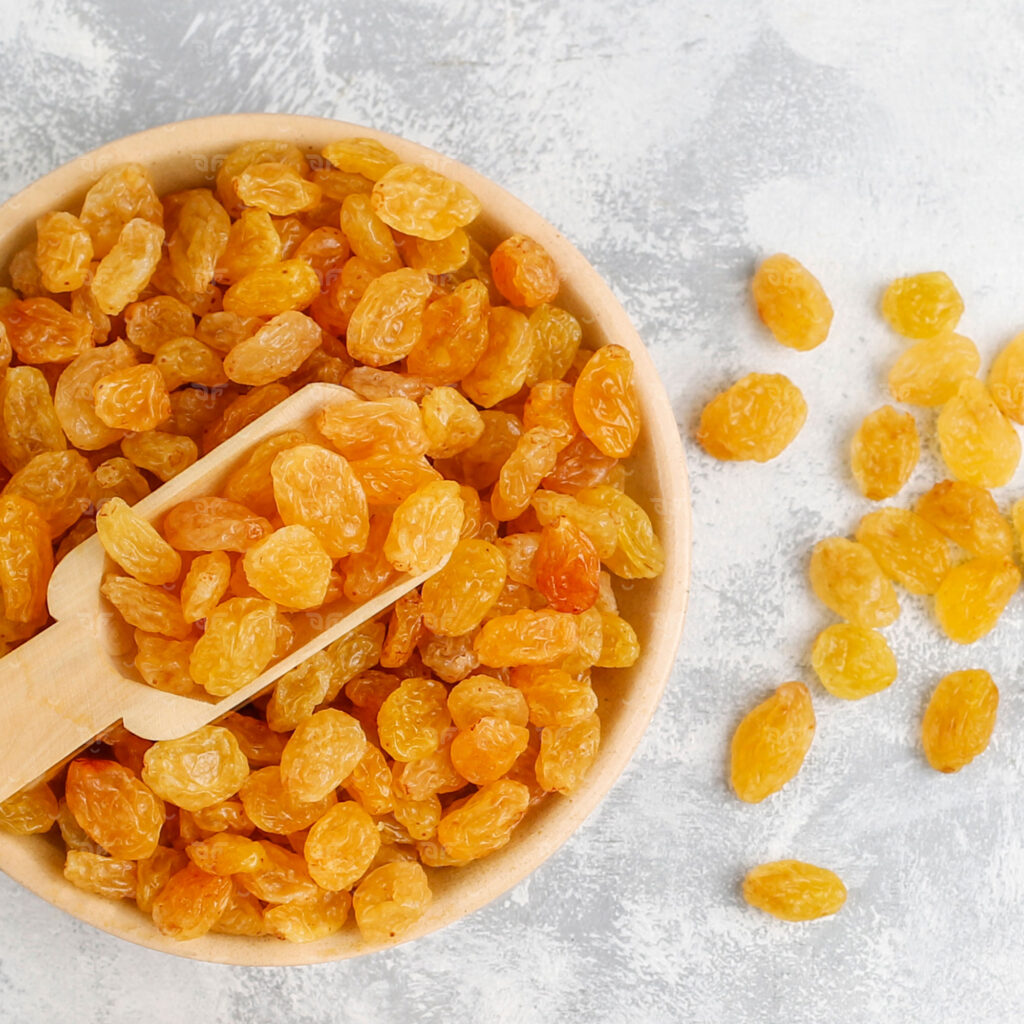
When searching for a vibrant ingredient, few dried fruits capture attention quite like the Golden Raisin. Sourced primarily from the top-tier vineyards of Bonab and Malayer in Iran, this premium agricultural product is made from the seedless Vitis vinifera grape variety. It is globally recognized for its luminous golden-yellow hue, plump texture, and uniquely tangy-sweet flavor profile. Because of its vibrant visual appeal, it holds a strong position in both domestic and international markets. You will often find it across European and Middle Eastern bakery, confectionery, and premium snack sectors. Read on to discover what makes this dry fruit an essential addition to your commercial food production.
Securing a dependable channel for high-volume agricultural ingredients safeguards your corporate image and guarantees steady manufacturing yields. Partnering with a proven distributor of the Golden Raisin eliminates supply chain disruptions. JAM Food Co. commands a strong presence across international trade networks, specializing in the procurement, refinement, and shipment of this high-end commodity directly from select orchards. The company commits heavily to strict quality control, advanced hygiene practices, and meeting stringent international food safety standards. By prioritizing precision color-sorting and strict sulfur limits, they deliver world-class ingredients to wholesale clients worldwide.
A Short Glance at Golden Raisin
The Golden Raisin is a sun-ripened, seedless grape that undergoes a highly specialized drying and preservation process. Before drying, these grapes are treated with sulfur dioxide (SO2). This necessary step acts as an antioxidant to prevent natural browning and lock in the bright golden-yellow color. Handlers then shade-dry the fruit in well-ventilated houses rather than baking it in direct sunlight. This controlled environment helps the berries retain a higher moisture content. The end result is a plumper, softer fruit with a distinct tartness that beautifully balances the natural sweetness for culinary uses.
Evaluating the Visual and Textual Profile of Golden Raisins
Physical consistency is the primary quality indicator for wholesale buyers. These specific visual and textual traits directly affect the final commercial grade and culinary application. By carefully examining the color, shape, and moisture levels, commercial food manufacturers can confidently verify the superior grade of the fruit before making large bulk purchases.
Color and Appearance:
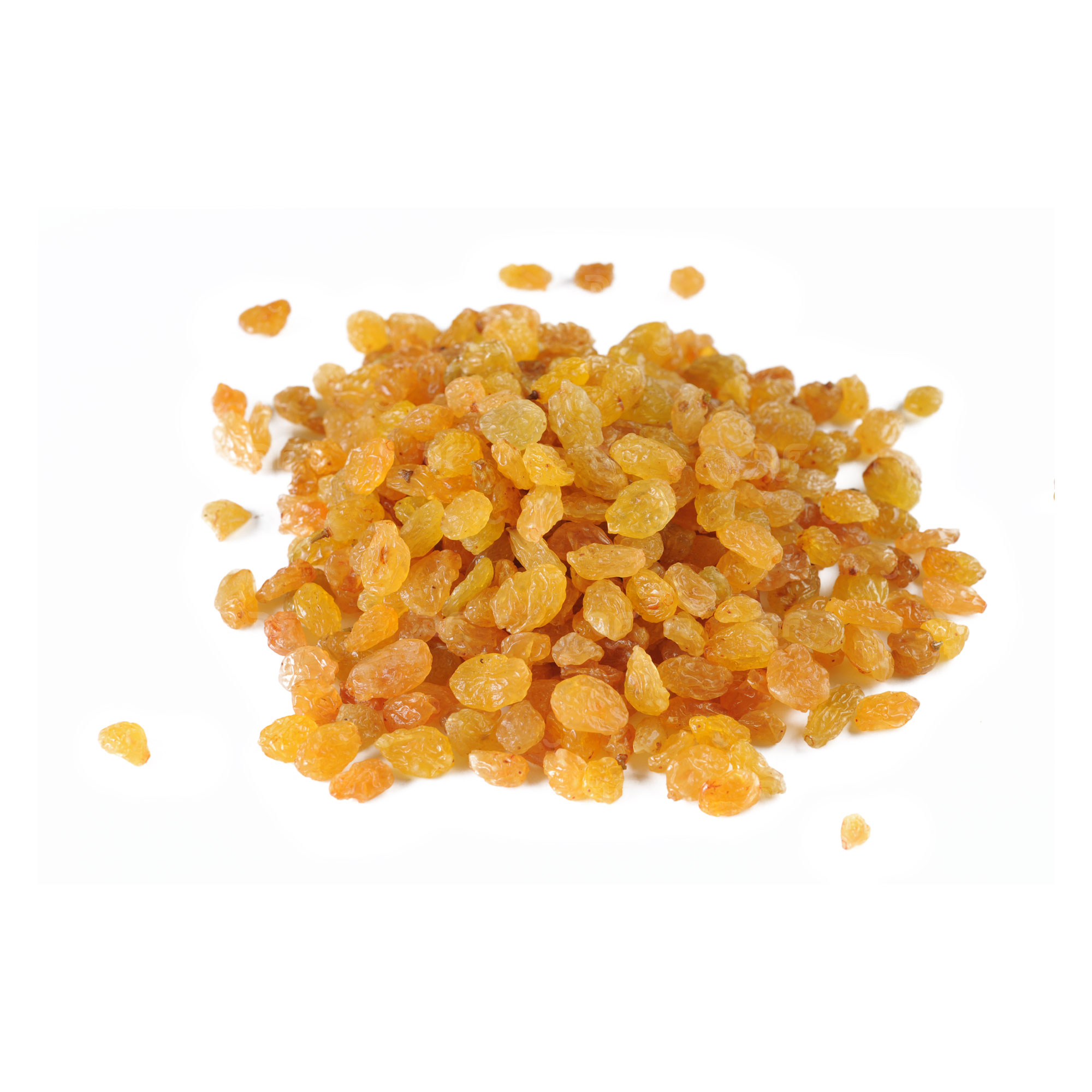
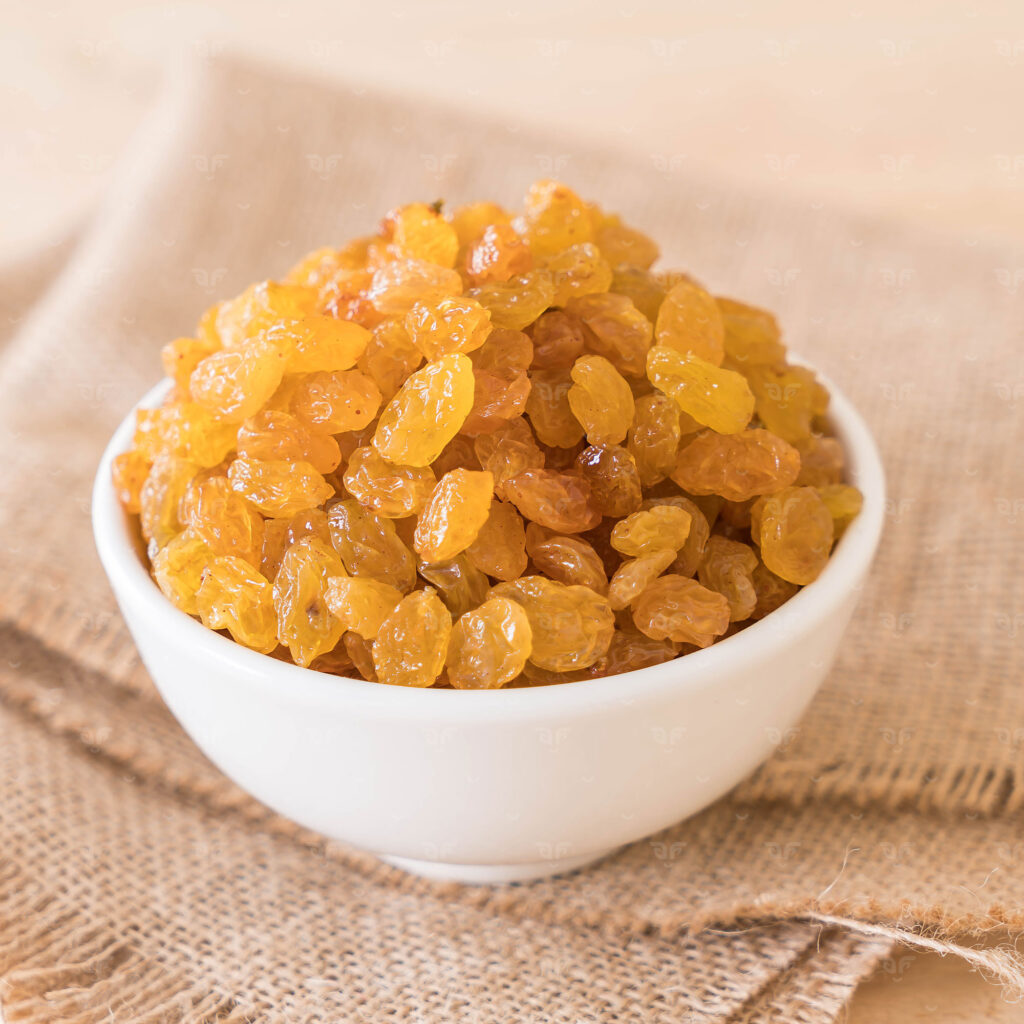
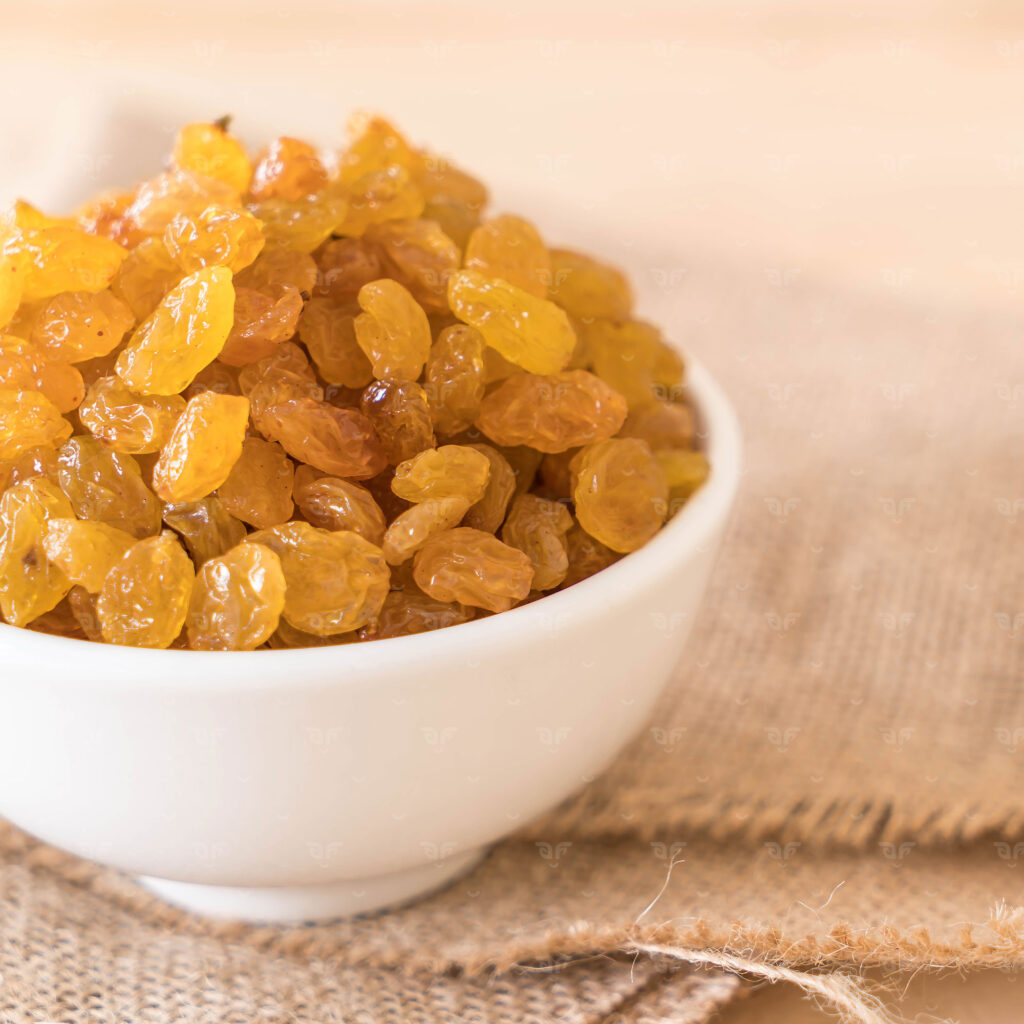
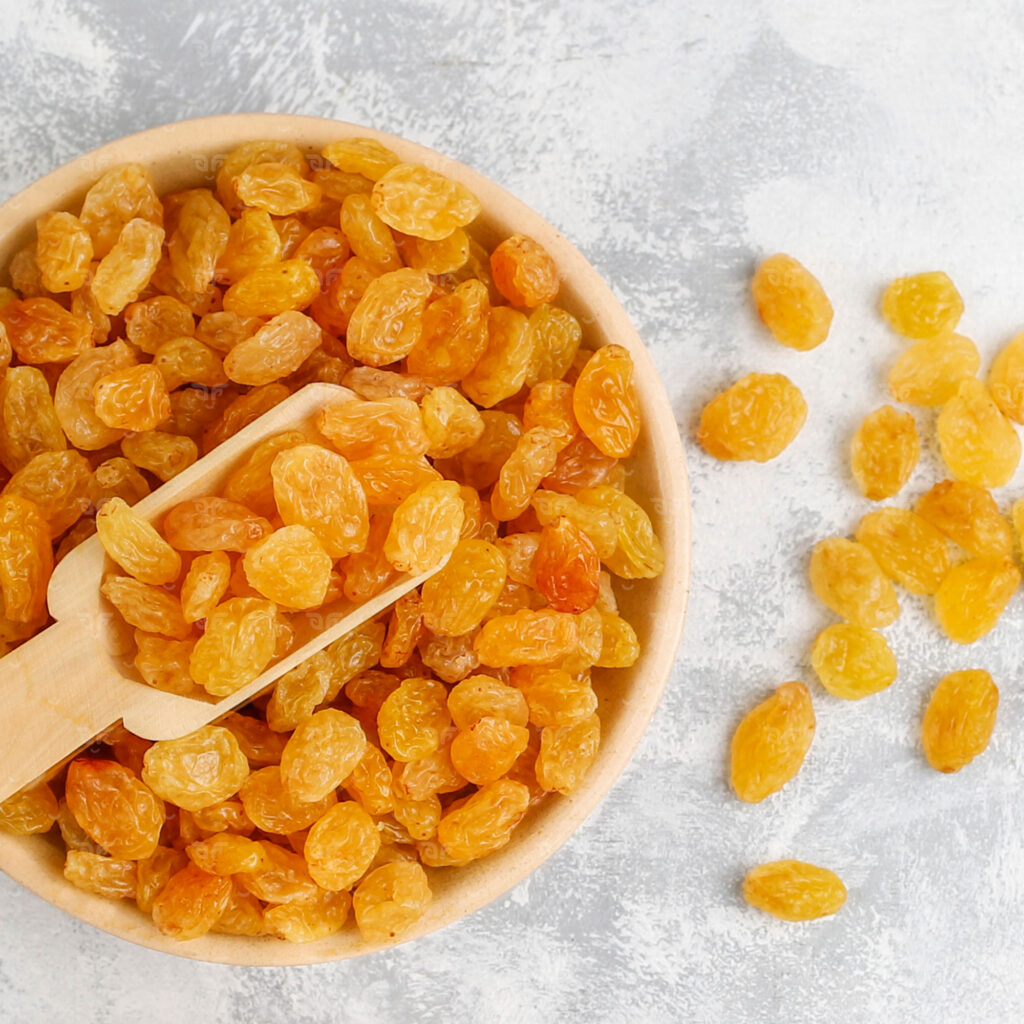
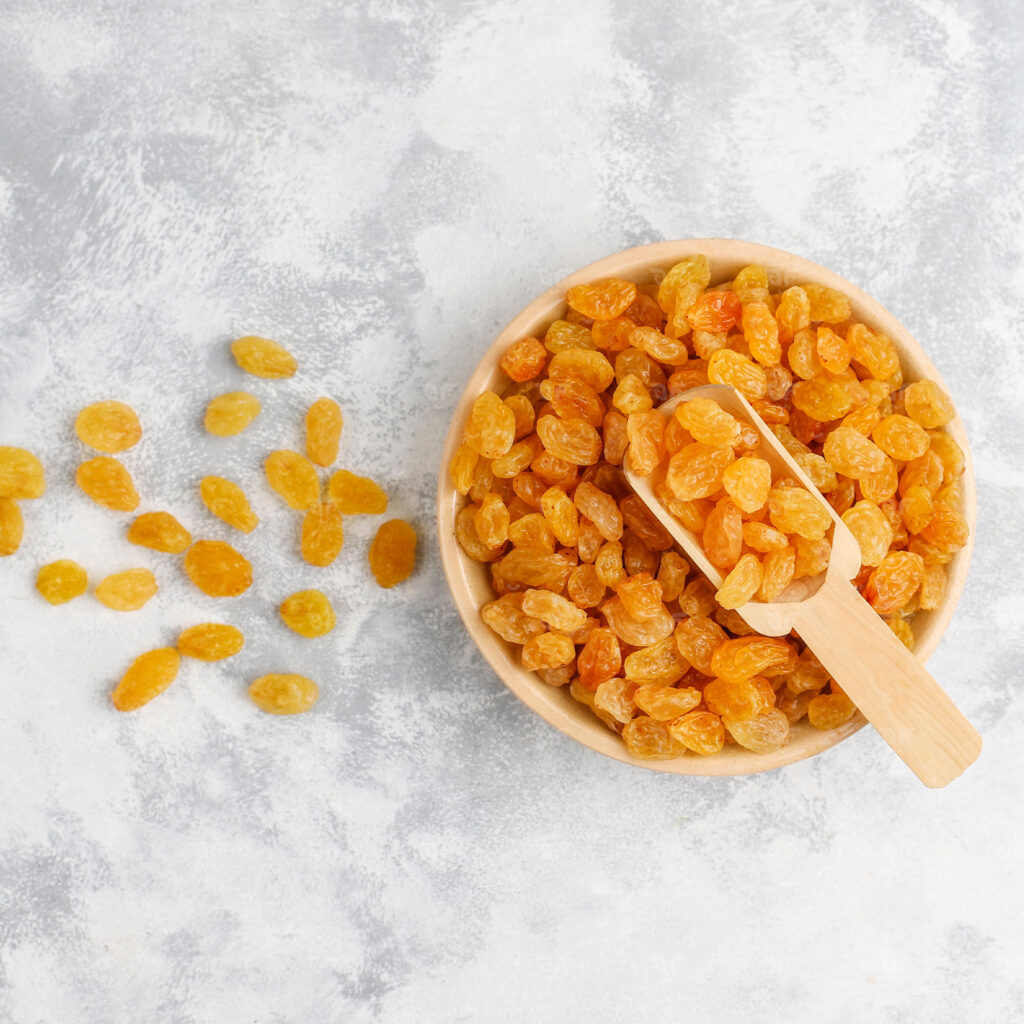
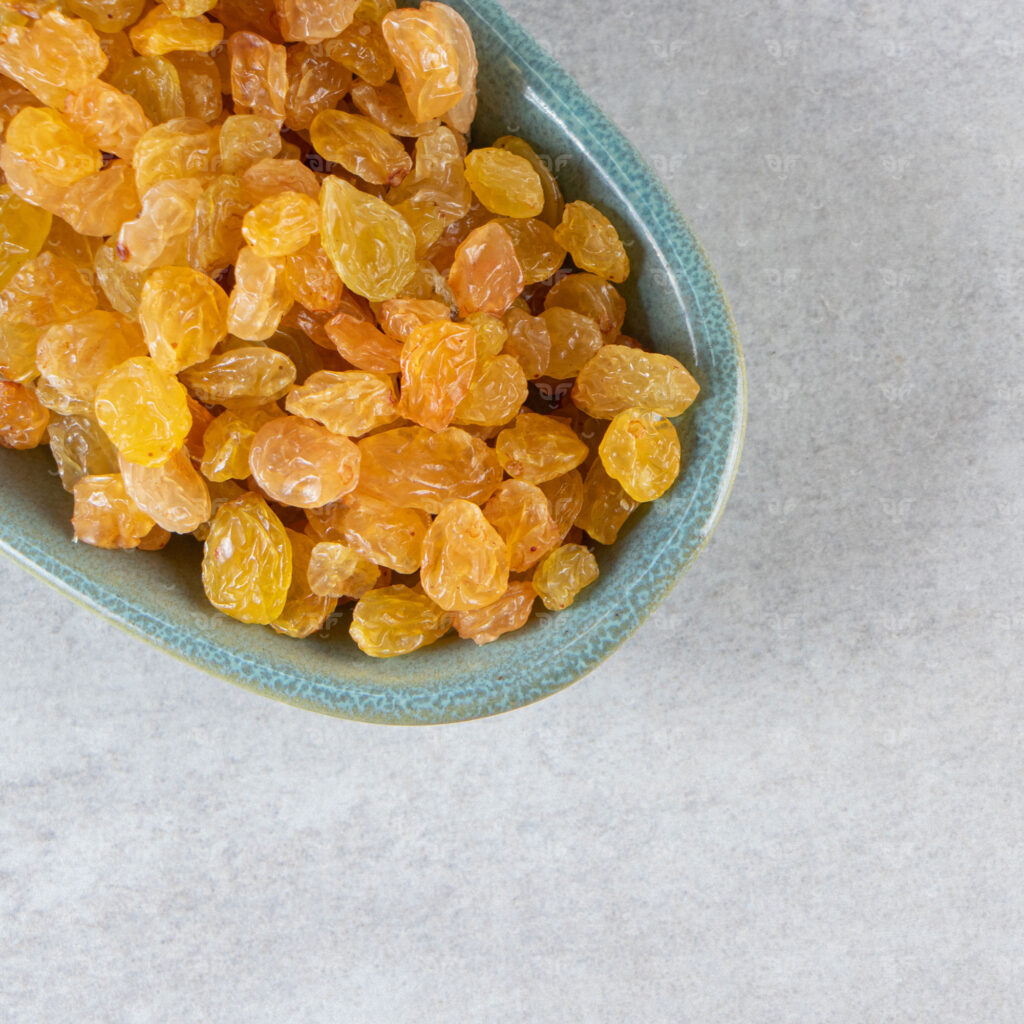
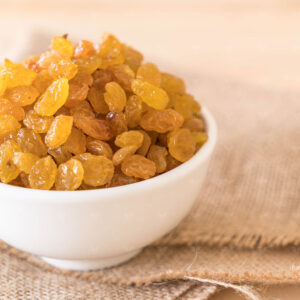
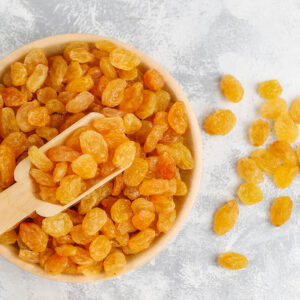
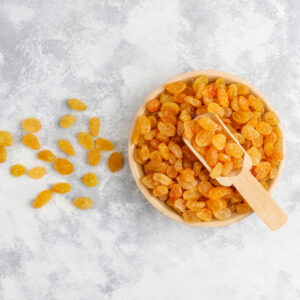
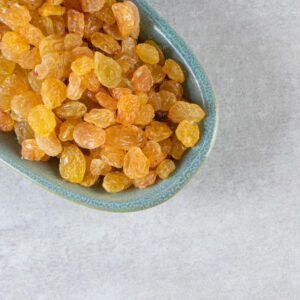
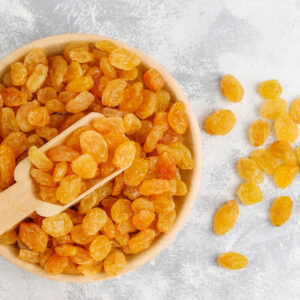
In the wholesale market, these fruits must present a uniform, bright golden to light amber appearance. This bright visual profile must be completely free from dark spots or unwanted discoloration. Uniformity in this luminous color acts as an important metric for premium grading and confirms proper processing.
Size and Shape:
These premium berries are characteristically plump. They maintain a distinctively oval shape without shriveling heavily. In commercial grading, Jumbo sizes feature 150 to 220 berries per 100 grams, measuring 11 millimeters and above. Standard medium sizes contain 250 to 350 berries and measure between 9 and 11 millimeters.
Texture:
Texturally, the fruit is highly yielding, fleshy, and slightly chewy. This soft bite makes it an excellent ingredient for baking. Processors strictly regulate the moisture content to a maximum of 16 to 18 percent. A light food-grade vegetable oil coating keeps the berries from clumping and preserves their softness.
Taste:
The flavor profile is crisp, fruity, and naturally sweet. A subtle, refreshing tartness beautifully balances the sugar content. Unlike darker, sun-baked varieties, this specific product completely lacks heavy caramelized or burnt sugar notes. It offers a brighter taste experience that works well in premium snack mixes and energy bars.
Essential Nutritional Profile and Daily Health Benefits
Golden Raisins provide a concentrated source of quick, natural energy. They supply energy predominantly in the form of rapidly digesting carbohydrates like fructose and glucose. Because they undergo a sulfur dioxide treatment to preserve their color, they uniquely retain higher levels of certain heat-sensitive nutrients and antioxidants compared to standard sun-dried varieties. They are entirely fat-free, cholesterol-free, and low in sodium. This makes them a healthy addition to various diets. Rich in soluble dietary fiber, they support digestive health and regulate blood sugar. Their significant potassium and iron content aids in blood pressure regulation and healthy red blood cell production.
Growing and Harvesting Golden Raisin
The superior grade of this crop originates directly from Iran’s unique climate zones and generations of specialized agricultural techniques. Cultivating high-grade grapes requires a precise balance of weather and geography. The vines must build up maximum sugar levels before the autumn harvest begins. Traditional agricultural knowledge naturally blends with modern irrigation techniques and strict canopy management. This combination ensures uniform berry size and maximizes fruit yield. These precise regional practices minimize root rot and ultimately create a premium agricultural product. Buyers worldwide celebrate it for its vibrant color and exceptional durability.
Climate Conditions:
The vines require a temperate to semi-arid climate to thrive. They depend on long, intensely hot, and dry summer months to ensure maximum sugar synthesis within the fruit. Adequately cold winters perfectly balance this extreme heat. These lower temperatures are necessary for the vine’s natural dormancy period.
Soil Requirements:
The preferred soil types for these elite vineyards are sandy-loam soils that are incredibly rich in essential minerals. Excellent drainage conditions are an absolute necessity to prevent waterlogging and root rot. This ensures the grapevines absorb the exact nutrients needed for optimal growth and high-quality fruit production.
Major Growing Regions:
Farmers primarily cultivate this specific seedless grape variety in the fertile northwestern and northeastern provinces of Iran. The main cultivation areas and most famous viticulture centers for producing the highest-tier golden varieties include the regions of Bonab, Malayer, Zanjan, and Takestan.
Strategic Timing for the Autumn Grape Harvest
Harvesting is a highly calculated, time-sensitive phase that generally begins in mid-to-late September. Farmers leave grapes designated for this premium product on the vine until they achieve maximum ripeness and optimal sugar concentration (known as Brix levels). Proper timing determines the final quality. If harvested too early, the fruit will be excessively tart and fail to plump correctly during the drying phase. If harvested too late, the fruit may soften too much or suffer damage from early autumn rains. This severe weather easily degrades the final color and commercial value.
Specialized Post-Harvest Treatments and Drying Methods
The post-harvest processing is rigorous and highly controlled to ensure perfection. Workers carefully hand-pick bunches to prevent bruising the delicate skins. They wash the fruit, treat it with an alkaline solution, and expose it to sulfur dioxide gas in a controlled environment. This fixes the bright color and prevents fermentation. Following this, the berries are shade-dried in well-ventilated structures to maintain their soft texture. Once dried, they enter modern processing lines. Machines stem, double-wash, and lightly oil them. The batch then passes through advanced laser color-sorting and metal detection to remove any defective pieces.
Storage Guidelines and Durability of Golden Raisin
Because these specific fruits are highly sensitive to natural oxidation and moisture loss, strict storage protocols are mandatory. Following these rules maintains their freshness, taste, and vibrant appearance. Proper warehousing serves as the primary defense to prevent the product from darkening over time. If exposed to excessive heat, the internal sugars can crystallize. This causes the golden color to degrade into a dull brown. By strictly following recommended environmental controls and mitigating common risks like moisture ingress or light exposure, commercial buyers can effortlessly preserve the exceptional quality of their large bulk purchases.
Recommended Climate Controls for Warehouse Preservation
To maintain the perfect soft texture and prevent spoilage, store the products in a clean, cool, dry, and dark environment. The ideal storage temperature must stay between 5 and 15 degrees Celsius. Cooler temperatures actively prevent color darkening. The relative humidity must remain strictly below 50 to 60 percent. Keep the cartons completely away from direct sunlight and heat sources. Moisture-proof packaging types are strongly advised to protect the cargo during long-term warehouse storage.
Expected Commercial Lifespan Under Optimal Conditions
When kept securely under optimal, climate-controlled conditions, the expected shelf life of this premium product is exceptionally long. It ranges from 12 to 18 months. Environmental conditions drastically affect this durability. Any fluctuations in temperature or exposure to heavy light will quickly cause the fruit to darken and degrade in quality. By ensuring that your facility rigorously follows the strict temperature and humidity guidelines, you can confidently stockpile these ingredients. Commercial wholesale buyers can hold them for extended periods without worrying about losing the soft texture, sweet flavor, or luminous yellow appearance.
About JAM Food Co.’s Golden Raisin
JAM Food Co. successfully merges localized farming heritage with uncompromising international compliance mandates. The company carefully sources, handles, and prepares its agricultural products by securing direct partnerships with elite regional vineyards. Once harvested, the raw goods move to advanced, certified processing facilities where they undergo rigorous quality assurance practices. By managing a transparent supply chain, the enterprise guarantees consistency in size and precise color uniformity. Serving as a dedicated exporter of Golden Raisin, they utilize rapid sorting techniques and advanced laser machinery to handle massive bulk orders efficiently.
JAM Food Co. as a Reliable Golden Raisin Supplier
The organization demonstrates massive operational capacity regarding worldwide distribution, secure commercial boxing, and rigorous defect elimination. Their modern, state-of-the-art processing facilities are fully equipped to handle high-volume business-to-business orders. Operating as a trusted supplier of Golden Raisin, the firm strictly adheres to HACCP and ISO certifications to ensure every shipment is safe. They meticulously monitor processes to meet precise legal sulfur dioxide residue limits required by stringent import markets. With deep experience shipping to Europe, the Middle East, and Asia, they ensure that every container arrives in perfect condition for food manufacturers.
Packaging Golden Raisin at JAM Food Co.
Because these agricultural products are sensitive to oxidation and moisture loss, protective boxing methods remain critical. Careful containment shields the delicate flavor and structural form throughout extensive overseas shipping routes. Operating as an experienced provider of Golden Raisin, JAM Food Co. utilizes heavy-duty, food-grade materials designed specifically for the global wholesale market. The facility deploys advanced packing machinery to guarantee that every shipment easily meets strict global import standards. Strict environmental controls inside the cartons shield the fruits from the elements. This guarantees the premium cargo perfectly survives complex logistics and extended warehouse storage.
Bulk Packaging Capabilities:
To support varying industrial demands, the facility provides multiple commercial load sizes. Handlers pack the dried fruits into 5kg, 10kg, and 12.5kg export-grade corrugated cartons. To ensure maximum protection during transit, specialized moisture-proof polyethylene bags line these sturdy outer cartons. This lining keeps out external contaminants.
Preservation and Sealing Techniques:
Operators securely seal the food-safe inner liners to lock in moisture and block out oxygen. For high-end clients with specialized needs, advanced preservation methods such as vacuum sealing or modified atmosphere packaging (MAP) are readily available. These sealing techniques significantly extend shelf life and prevent pest infestation.
Private Labeling and Retail Packaging:
Understanding the varied needs of modern retail distributors, the company offers adaptable private labeling and Original Equipment Manufacturer (OEM) services. Clients can easily request smaller retail-ready pouch options featuring custom design printing. This excellent branding flexibility benefits wholesale clients launching products directly to consumers.
Export-Ready Palletization:
Workers securely stack, shrink-wrap, and strap all cartons on export-ready pallets to prevent transit damage and maximize shipping container space. Expert corner-board protection ensures structural safety. This strict palletization process complies entirely with international customs regulations. It ensures safe and efficient warehouse storage upon arrival.
HOW CAN JAM GROUP HELP YOU?
Send us a message and our friendly team will get back to you within one business day.




