










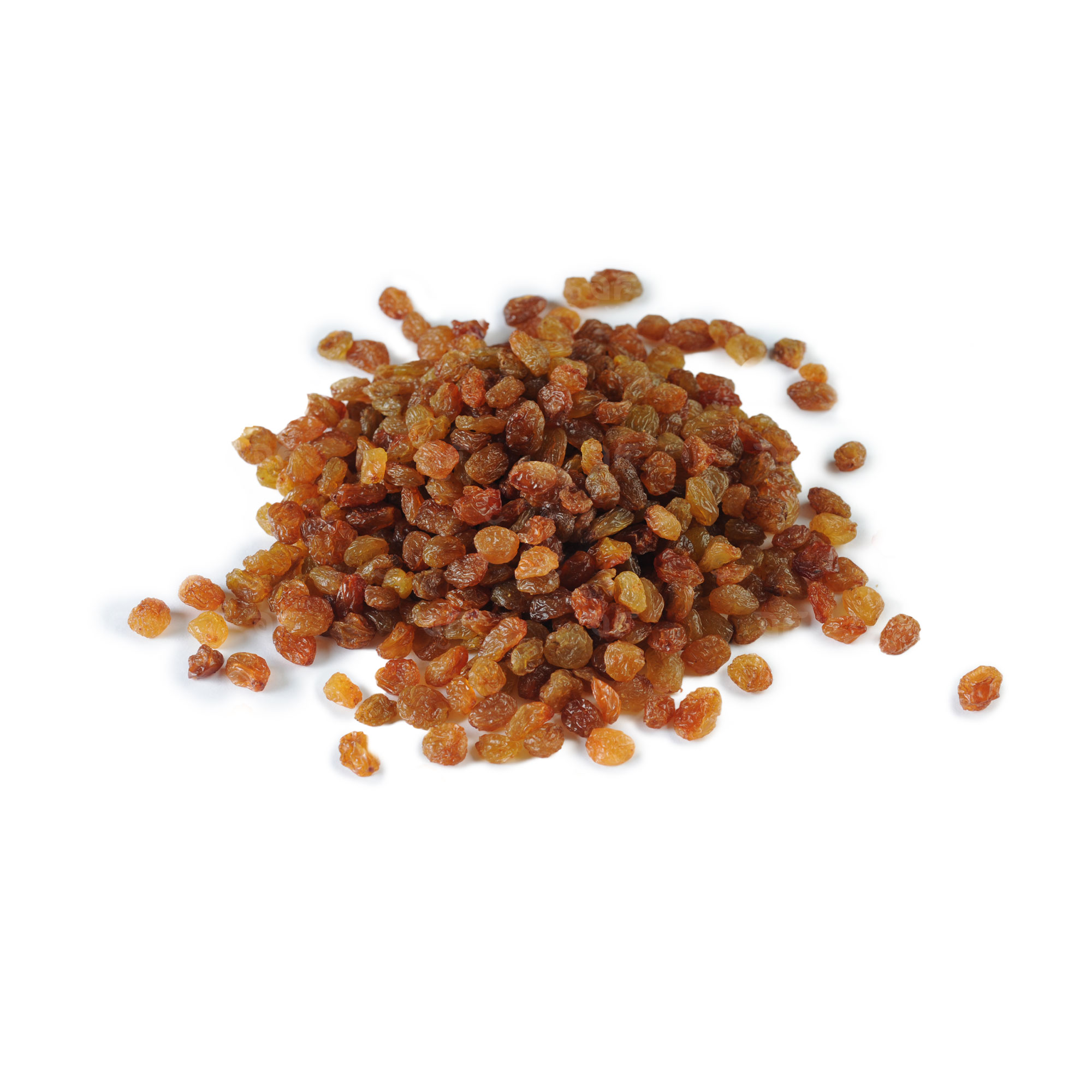

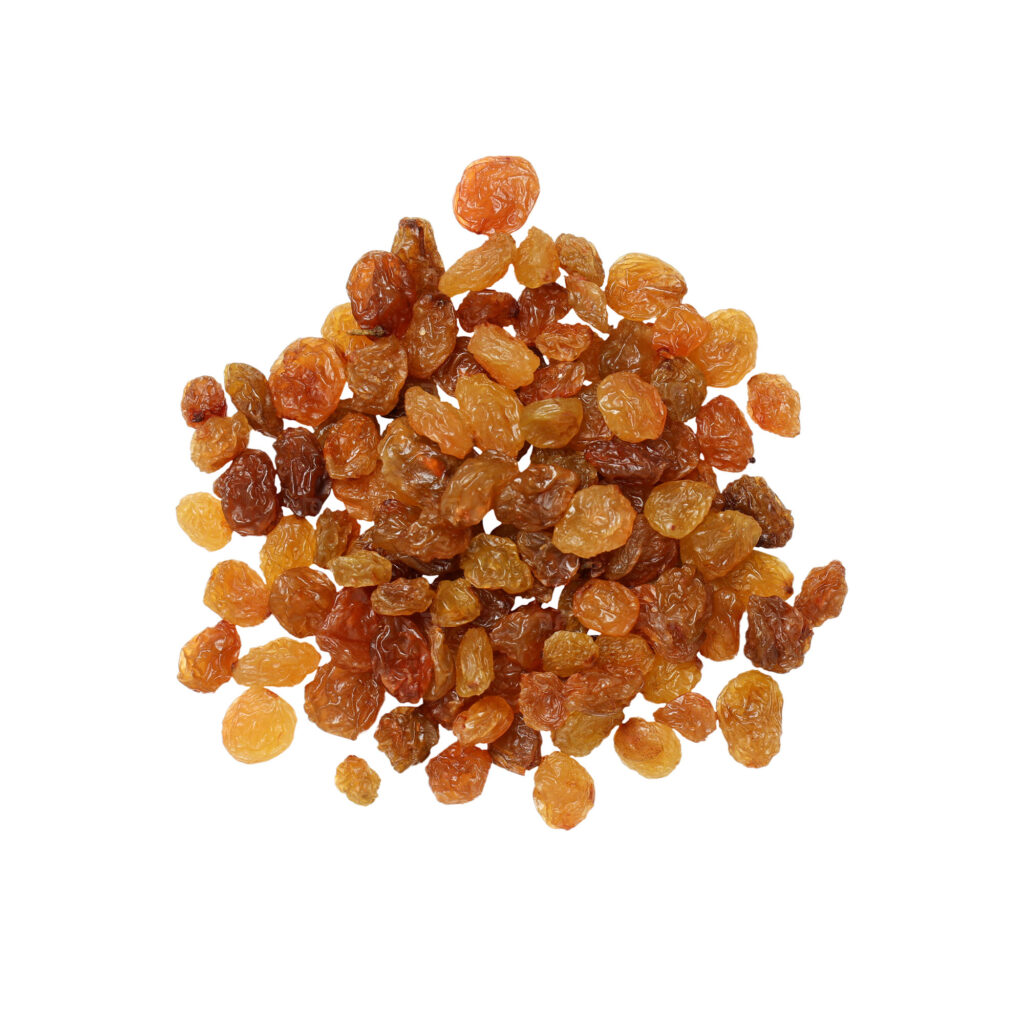
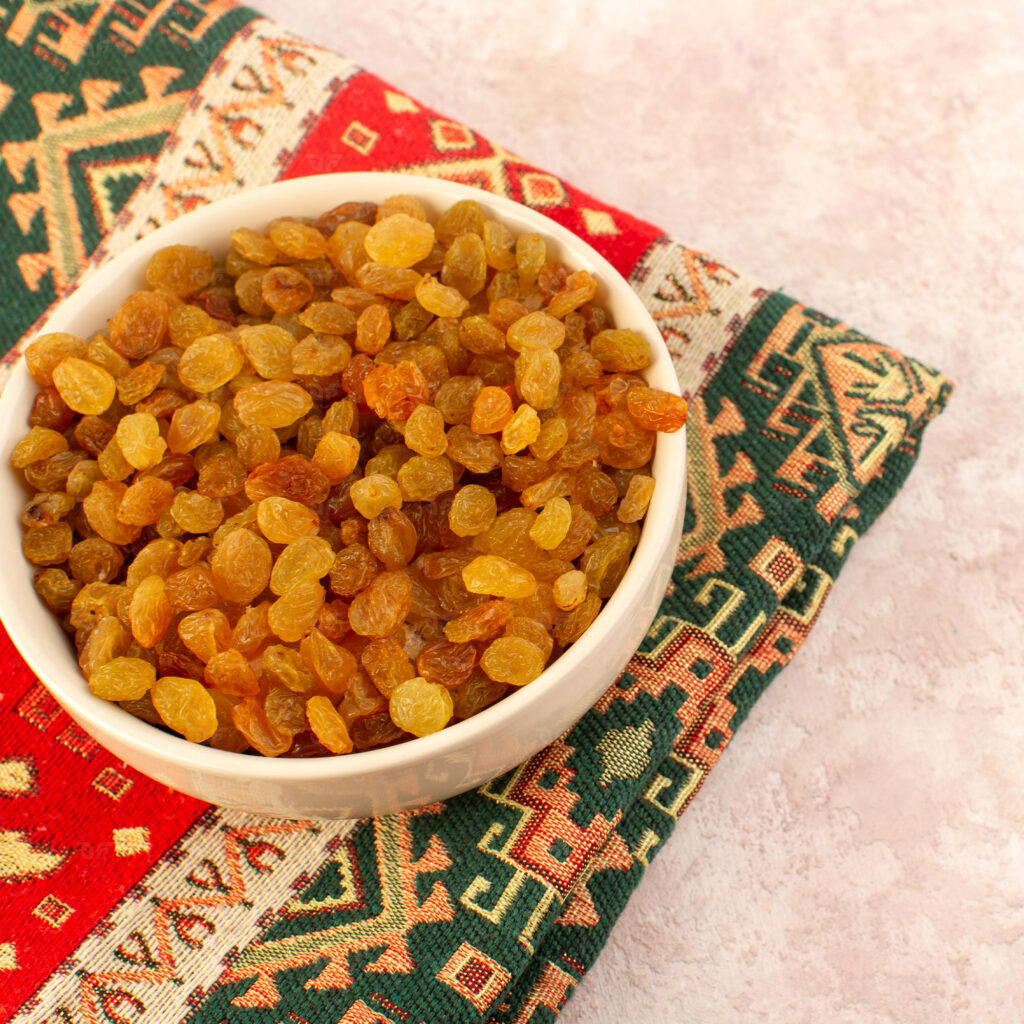
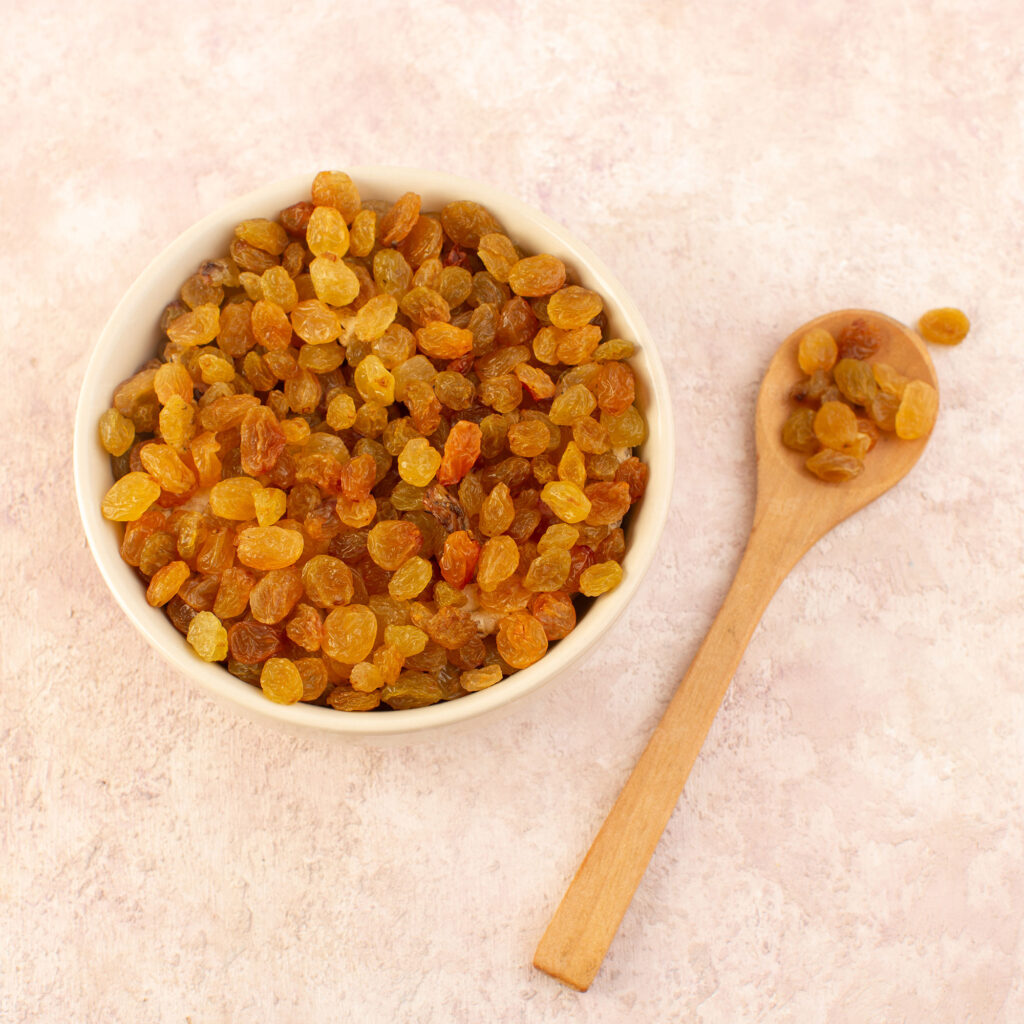
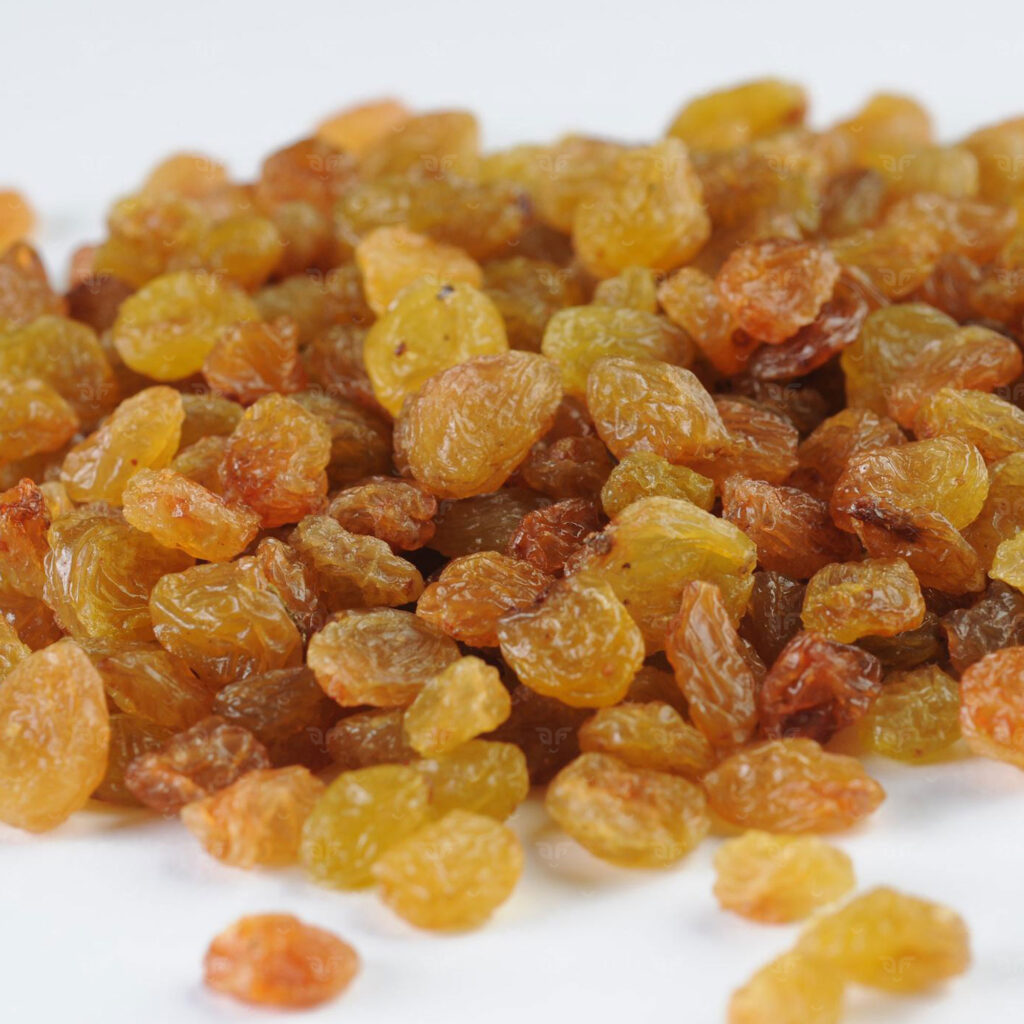
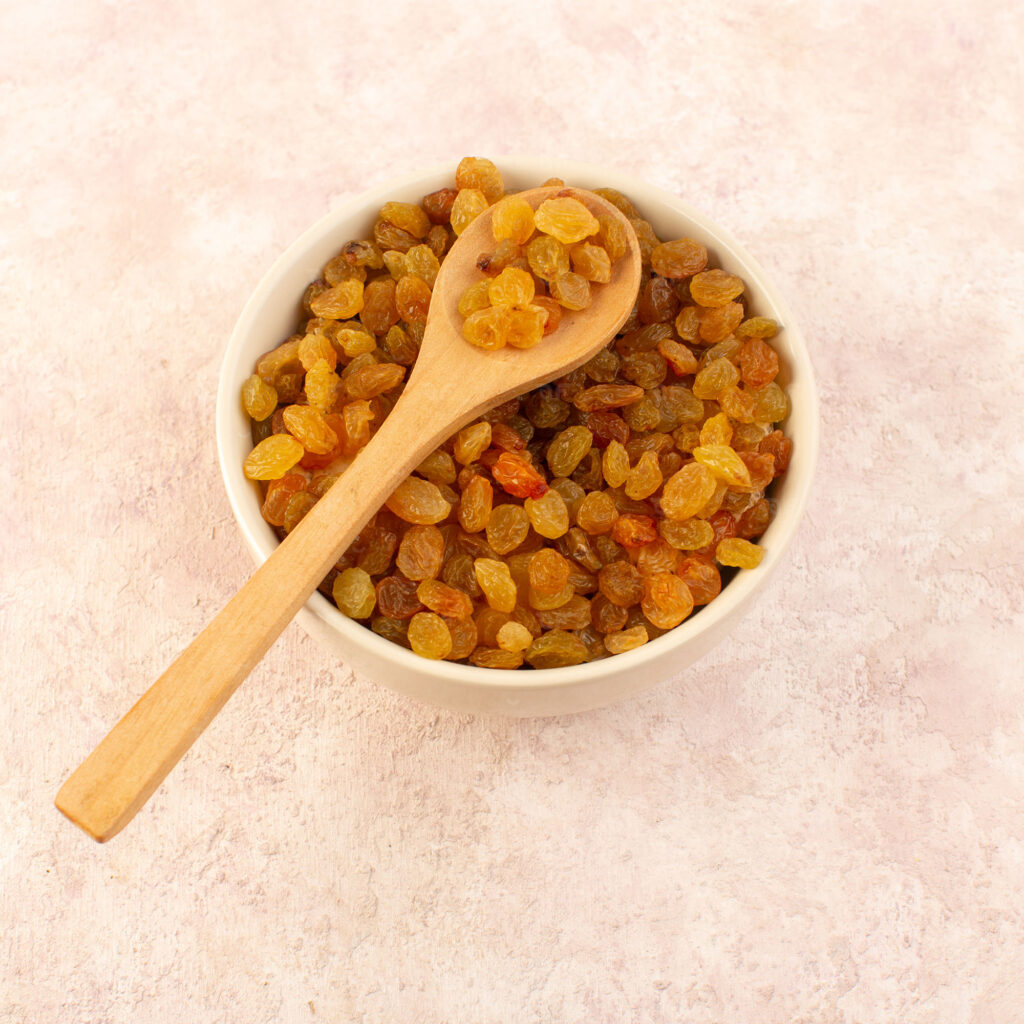
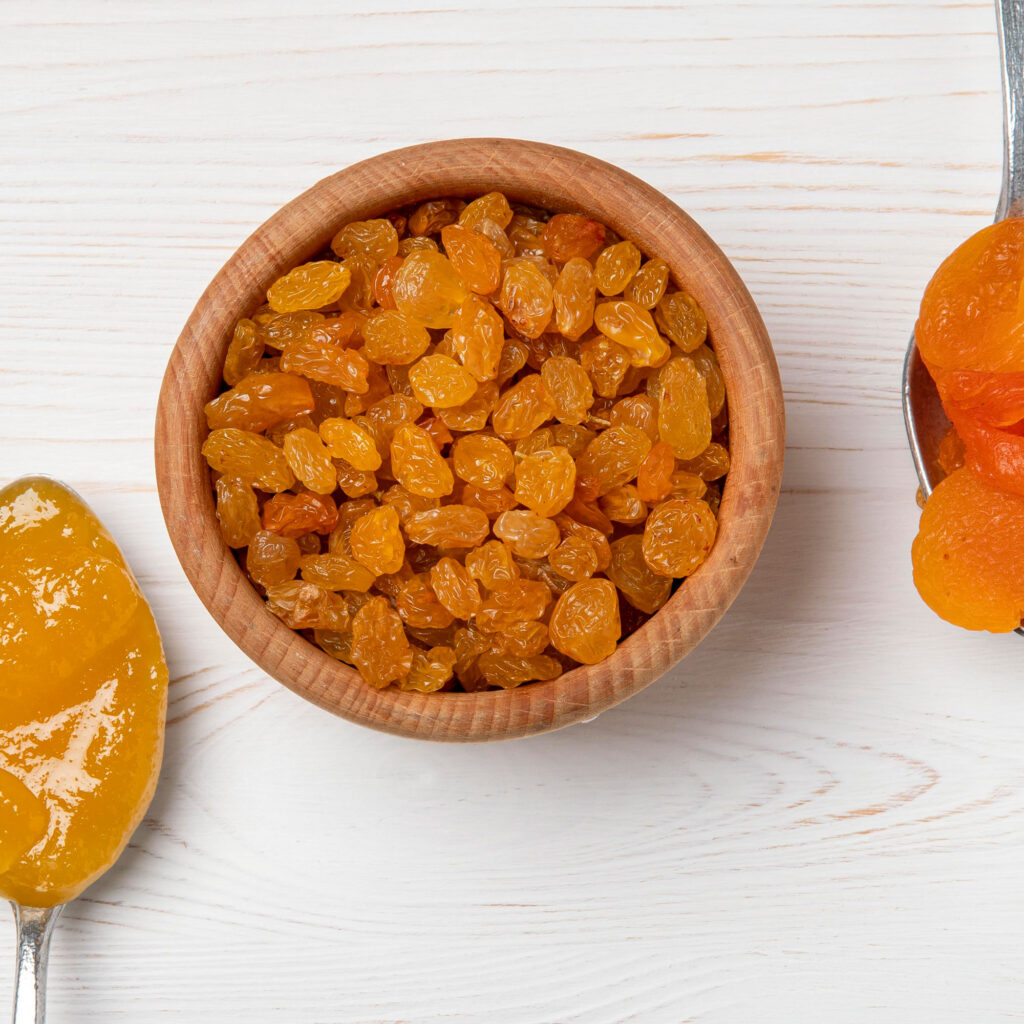
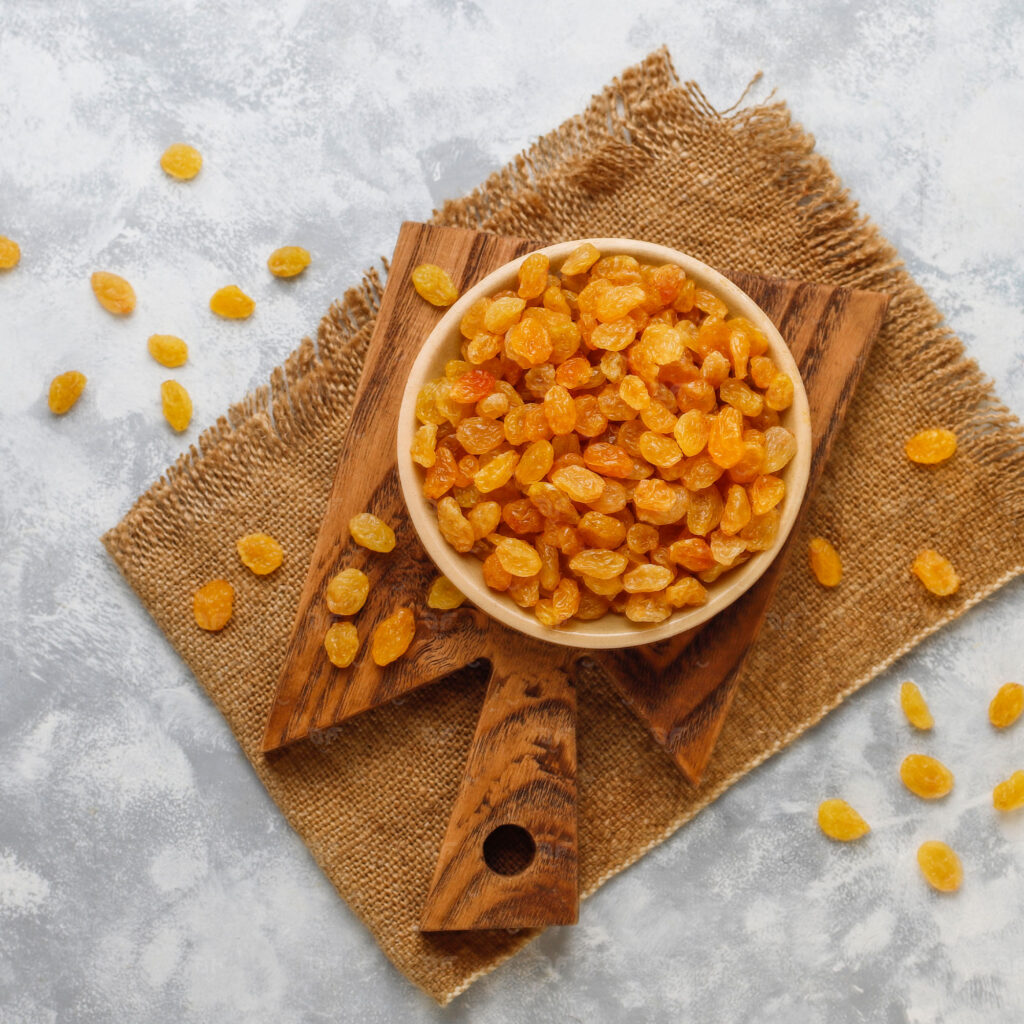
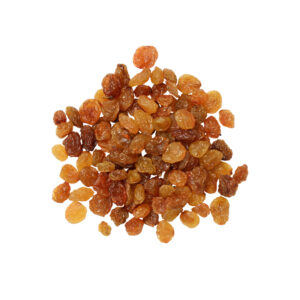
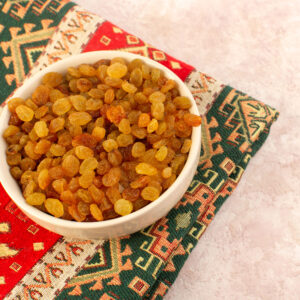
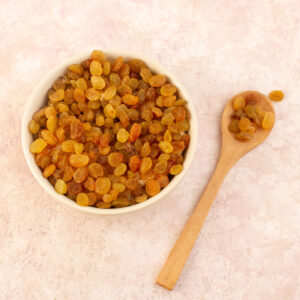
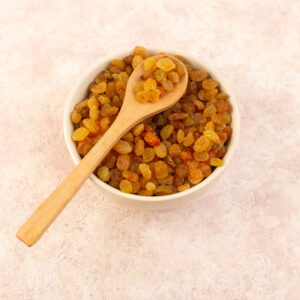
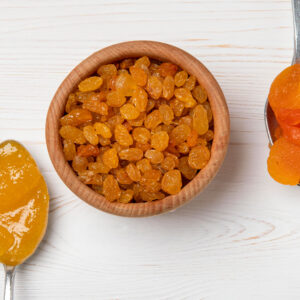
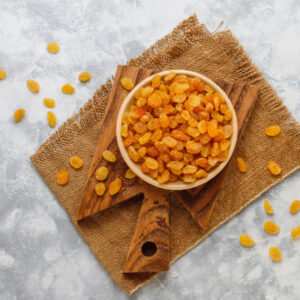
Natural sweetness, easy storage, and broad food applications make raisins an important product in international dried-fruit trade. Sultana Light Brown Raisin is a seedless dried grape known for its light brown color, soft chew, and mild fruit flavour. The berries are dried until much of their water is removed, which concentrates their natural sugars and gives them a wrinkled surface. This raisin is widely used for direct snacking, bakery products, breakfast cereals, confectionery, dairy foods, fruit mixtures, rice dishes, salads, sauces, and fillings. Its practical form makes it suitable for both retail and industrial food markets.
Reliable sourcing matters because raisin quality can change according to grape maturity, drying conditions, moisture, sorting, storage, and transport. Buyers usually evaluate color, berry size, texture, cleanliness, stem content, foreign matter, and package condition before placing an order. JAM Food Co. supplies Sultana Light Brown Raisin for commercial food applications and international trade. Product specifications can cover grade, moisture, size, treatment, packaging, storage, and intended use. This structured approach helps importers, distributors, food manufacturers, and retail businesses select a product that fits their operational and market requirements.
A Short Glance at Sultana Light Brown Raisin
Sultana Light Brown Raisin is a dried fruit produced from mature seedless grapes belonging to the species Vitis vinifera. The names Sultana and Thompson Seedless are closely connected in raisin trade, although the word “sultana” may also describe a commercial product style. During drying, the grapes lose water, shrink, and develop a concentrated sweet taste. The finished berries normally have a light brown, amber-brown, or pale caramel appearance. Their seedless form, flexible texture, and natural sweetness make them suitable for direct consumption as well as bakery, cereal, confectionery, food-service, and ingredient-processing applications.
Physical Characteristics of Sultana Light Brown Raisin
The physical properties of Sultana Light Brown Raisin affect its grade, handling, appearance, and final use. Color influences retail presentation, while size and texture can affect portioning and processing. A commercial lot should show a natural dried-fruit appearance, balanced moisture, and a flavour free from fermentation, mould, burning, or unwanted odours.
- Color and Appearance:
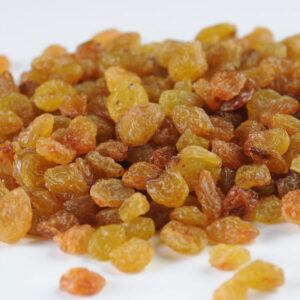
Sultana Light Brown Raisin commonly has light brown, amber-brown, tan, or pale caramel shades. Some natural variation between berries is expected because grapes do not always dry at the same rate. The surface is wrinkled after water loss. A light shine may appear when edible vegetable oil is used to reduce sticking between berries.
- Size and Shape:
The berries are usually small to medium compared with raisins made from larger table-grape varieties. Their shape may be round, slightly flat, or oval. Commercial sizing can be based on screen diameter or the number of berries in 100 grams. More uniform sizing supports even appearance, portion control, and predictable performance in food production.
- Texture:
A suitable Sultana Light Brown Raisin is normally pliable, fleshy, and chewy rather than hard or brittle. Moisture has a direct effect on texture. Excessive drying can make the berries tough, while too much moisture may cause stickiness and clumping. Balanced moisture helps maintain handling quality, eating quality, and storage stability.
- Taste:
Drying concentrates the glucose and fructose naturally present in grapes, giving the raisins a strong sweet taste. Their flavour is usually mild and fruity, with possible honey-like, caramel-like, or slightly tangy notes. Good-quality raisins should not have burnt, bitter, fermented, chemical, mouldy, or rancid flavours.
Nutritional Value and Health Benefits of Sultana Light Brown Raisin
Sultana Light Brown Raisin is a concentrated fruit food that mainly provides carbohydrates and naturally occurring sugars. It also contains dietary fibre, potassium, magnesium, phosphorus, calcium, and small amounts of protein and iron. Since drying removes much of the water from fresh grapes, calories and nutrients become more concentrated. Raisins contain very little fat and can provide compact dietary energy. Their fibre supports normal digestive function, while potassium contributes to normal muscle and nerve activity. Portion size remains important because dried fruit contains concentrated natural sugar and energy.
Generic seedless raisins provide around 300 calories and about 80 grams of carbohydrate per 100 grams. Most of these carbohydrates come from the natural sugars already present in grapes. This makes raisins useful in breakfast foods, sports snacks, bakery goods, and dried-fruit mixtures. Their fibre and mineral content also contribute to a varied diet. Actual nutritional values may differ according to grape type, maturity, drying method, final moisture, and processing conditions.
Dried grapes also contain phenolic compounds, which are natural plant substances with antioxidant activity. Their levels can change according to grape variety, sunlight, oxygen exposure, drying temperature, and storage. Sultana Light Brown Raisin can therefore be described as a naturally sweet dried fruit that provides fibre, minerals, and plant compounds. It is not sugar-free, and it should not be presented as a medical treatment. Any nutrition or health statement used on a commercial label must match the product information and the rules of the destination market.
Growing and Harvesting Sultana Light Brown Raisin
Seedless raisin grapes grow well in regions with strong sunlight, warm summers, and dry conditions during maturity and drying. Heat supports sugar development, while low rainfall near harvest helps reduce mould, splitting, and slow dehydration. Grapevines also need balanced irrigation, suitable pruning, and good air movement around the bunches. Iran has several established grape-growing areas with different soils, altitudes, climates, and farming traditions. These regional differences can influence berry size, sweetness, acidity, drying behaviour, and the final color and texture of the raisins.
- Climate Conditions:
Warm weather and strong sunlight support ripening and sugar formation in the grapes. Dry conditions near harvest are especially important because rain and high humidity can delay drying and increase the risk of mould or berry damage. Extreme heat also requires control, since heavy sun exposure may burn the fruit or cause excessive darkening.
- Soil Requirements:
Grapevines can grow in sandy loam, loam, and some clay-based soils, provided that drainage is effective. Waterlogged soil limits oxygen around the roots and can weaken the vines. Balanced fertility supports fruit growth, while excessive nitrogen may encourage heavy leaf growth instead of even berry maturity and suitable sugar development.
- Major Growing Regions:
Important Iranian grape and raisin areas include Malayer and the Jowzan Valley in Hamadan Province, Qazvin, Takestan, Urmia, Quchan, Shahrud, Yasuj, and other suitable locations. Each area has its own climate, soil, altitude, and vineyard practices, which can influence the character and drying performance of the grapes.
Harvesting Season of Sultana Light Brown Raisin
Raisin grapes are usually harvested from late summer to early autumn. The exact period depends on the growing region, altitude, grape type, weather, vineyard practices, and intended raisin style. Harvest normally begins when the berries have reached suitable maturity and contain enough soluble solids. Soluble solids are mainly natural sugars measured in grape juice, often through a value called degrees Brix. Early harvesting may produce smaller, harder, and less sweet raisins. Delayed harvesting can increase sugar concentration, but it can also expose the crop to rain, insects, cracking, mould, and bunch rot.
Dry weather is valuable during both harvesting and drying. Rain can increase berry moisture, delay dehydration, and create conditions that support fermentation or fungal growth. Very high temperatures can speed water loss, but uncontrolled heat may darken or damage the fruit. Producers therefore consider berry taste, skin condition, bunch health, soluble-solid readings, and weather patterns when selecting the harvest date. The aim is to collect mature grapes before quality begins to decline because of weather, pests, or physical damage.
Harvesting Process of Sultana Light Brown Raisin
Mature grape bunches are collected and inspected before drying. Damaged, mouldy, rotten, or immature fruit is removed, together with leaves, soil, and visible field material. Some sultana-style processes use a short alkaline and edible-oil dip before drying. An alkaline solution has a higher pH than plain water and changes the waxy grape skin so moisture can leave faster. The grapes are then dried in sunlight, partial shade, solar dryers, tunnels, hot-air systems, or combined systems until they reach a stable moisture level.
After drying, the raisins may rest during a conditioning stage so moisture can become more even throughout the lot. They then pass through cleaning and destemming, which removes main stems, cap stems, dust, stones, leaves, and other foreign material. Washing may be included, followed by controlled redrying when needed. Sorting separates berries by color, size, maturity, texture, and visible defects. Manual checks, mechanical equipment, and optical systems can support this process. A small amount of edible vegetable oil may also be used to reduce sticking before final packing.
Storage Guidelines and Durability of Sultana Light Brown Raisin
Sultana Light Brown Raisin should be stored in sealed packaging in a cool, dry, clean, and dark environment. Raisins can absorb or lose moisture according to surrounding conditions. If they take in too much water, they may become sticky, form clumps, ferment, or support mould growth. If they lose too much water, they may become hard and less pleasant to eat. Heat can also increase darkening and speed up flavour and texture changes. Stable warehouse conditions, sound packaging, pest control, and stock rotation help maintain commercial quality.
The product should remain separate from chemicals, fuels, cleaning products, spices, and strongly scented foods because raisins can absorb unwanted odours. Cartons are best kept on clean, dry pallets rather than directly on the floor. Space between pallets and walls supports inspection and reduces contact with condensation. Warehouse checks can cover package seals, carton condition, moisture marks, insects, mould, and unusual smells. The first in, first out system supports orderly stock use by moving older approved batches before newer stock.
Storage Conditions of Sultana Light Brown Raisin
Commercial raisin storage normally uses cool temperatures and moderate relative humidity. Relative humidity describes the amount of water vapour in the air compared with the maximum amount the air can hold at the same temperature. High humidity increases the chance of moisture absorption, while very dry conditions may contribute to hardening if the package barrier is weak. Raisins should be protected from sunlight, heating systems, wet floors, insects, and rapid temperature changes. Intact moisture-resistant packaging helps maintain softness, cleanliness, and flavour during storage.
Storage areas need to remain clean and free from pests. Open, torn, or poorly sealed packages increase the risk of insect activity and moisture changes. Sudden movement between cold and warm environments may create condensation on the package or product. Stable conditions reduce this risk. Warehouse teams also benefit from clear lot identification and regular inspection. These controls support product traceability and help identify package damage or quality changes before the raisins enter further distribution or food production.
Shelf Life of Sultana Light Brown Raisin
Many commercial raisins have a shelf life of about 12 months under suitable storage conditions. The actual period depends on initial moisture, processing, package barrier, temperature, humidity, oil coating, and warehouse management. During extended storage, raisins may gradually darken, harden, lose fresh flavour, or develop sugar crystals. Warm conditions normally speed up these changes. A sealed moisture-resistant package can protect quality more effectively than an open or damaged package. Storage instructions and commercial shelf life therefore work together as part of the final product specification.
Shelf life also depends on how the raisins move through distribution. Repeated temperature changes, long exposure to humid air, damaged cartons, or poor pest control can shorten the useful storage period. Suitable handling helps the product retain its natural sweetness, flexible texture, and light brown appearance. Importers, distributors, and manufacturers can support durability by keeping packages closed until use and maintaining stable warehouse conditions. Once opened, the remaining raisins benefit from resealing and protection from moisture, heat, insects, and odours.
About JAM Food Co.’s Sultana Light Brown Raisin
JAM Food Co.’s Sultana Light Brown Raisin is intended for buyers in retail, food service, wholesale distribution, and industrial food production. Commercial specifications can describe the required color, berry size, moisture, texture, stem level, damaged fruit, foreign matter, sulfite status, oil coating, packaging, and storage conditions. As a provider of Sultana Light Brown Raisin, JAM Food Co. can work from agreed order details that connect the product grade with the buyer’s application. This approach supports clear communication and helps receiving teams compare the delivered product with the commercial specification.
JAM Food Co. as a Reliable Sultana Light Brown Raisin Supplier
International raisin purchasing depends on clear order terms, consistent product descriptions, and suitable shipping preparation. Buyers selecting JAM Food Co. as an exporter of Sultana Light Brown Raisin can include grade, packaging format, label information, moisture, defect limits, storage needs, and shipping documents in the commercial agreement. These details create a practical basis for order handling and product review. They also help importers, distributors, and manufacturers choose raisins for retail packing, bakery products, cereals, confectionery, food service, or further ingredient processing.
Packaging Sultana Light Brown Raisin at JAM Food Co.
Packaging protects Sultana Light Brown Raisin from moisture changes, dust, insects, foreign odours, and physical pressure during storage and international transport. Commercial systems often combine a food-grade inner layer with a stronger outer carton or sack. The selected format depends on the order size, handling method, destination, and final use. As a supplier of Sultana Light Brown Raisin, JAM Food Co. can base commercial packing on the agreed product and shipping specification, including pack weight, label details, storage needs, and transport conditions.
- Bulk Packaging Capabilities:
Bulk raisins are commonly packed in lined corrugated cartons because this format supports stacking, warehousing, and container transport. The inner layer protects the fruit from direct contact with the outer package, while the carton provides physical strength. Net weight, carton size, and material are selected according to the commercial order and handling requirements.
- Preservation and Sealing Techniques:
A suitable seal helps reduce moisture movement, contamination, insect entry, and odour absorption. Food-grade liners may be folded, tied, clipped, or heat-sealed according to the package design. Vacuum packing and modified-atmosphere packaging are also used in some dried-fruit systems. Modified atmosphere means replacing part of the package air with selected gases.
- Private Labeling and Retail Packaging:
Retail raisin projects may use sealed pouches or other food-grade consumer packs. Label preparation normally covers product name, net weight, ingredient details, nutrition information, origin, barcode, language, and legal declarations. Businesses working with JAM Food Co. as a provider of Sultana Light Brown Raisin can include these points in the approved retail packaging specification.
- Export-Ready Palletization:
Palletization helps keep cartons stable during storage, loading, and shipping. Packages can be arranged in a controlled stacking pattern and protected with stretch film, corner supports, top sheets, or straps. Pallet material, dimensions, total weight, and treatment documents depend on the importing country, transport route, container plan, and shipping requirements.
HOW CAN JAM GROUP HELP YOU?
Send us a message and our friendly team will get back to you within one business day.




