










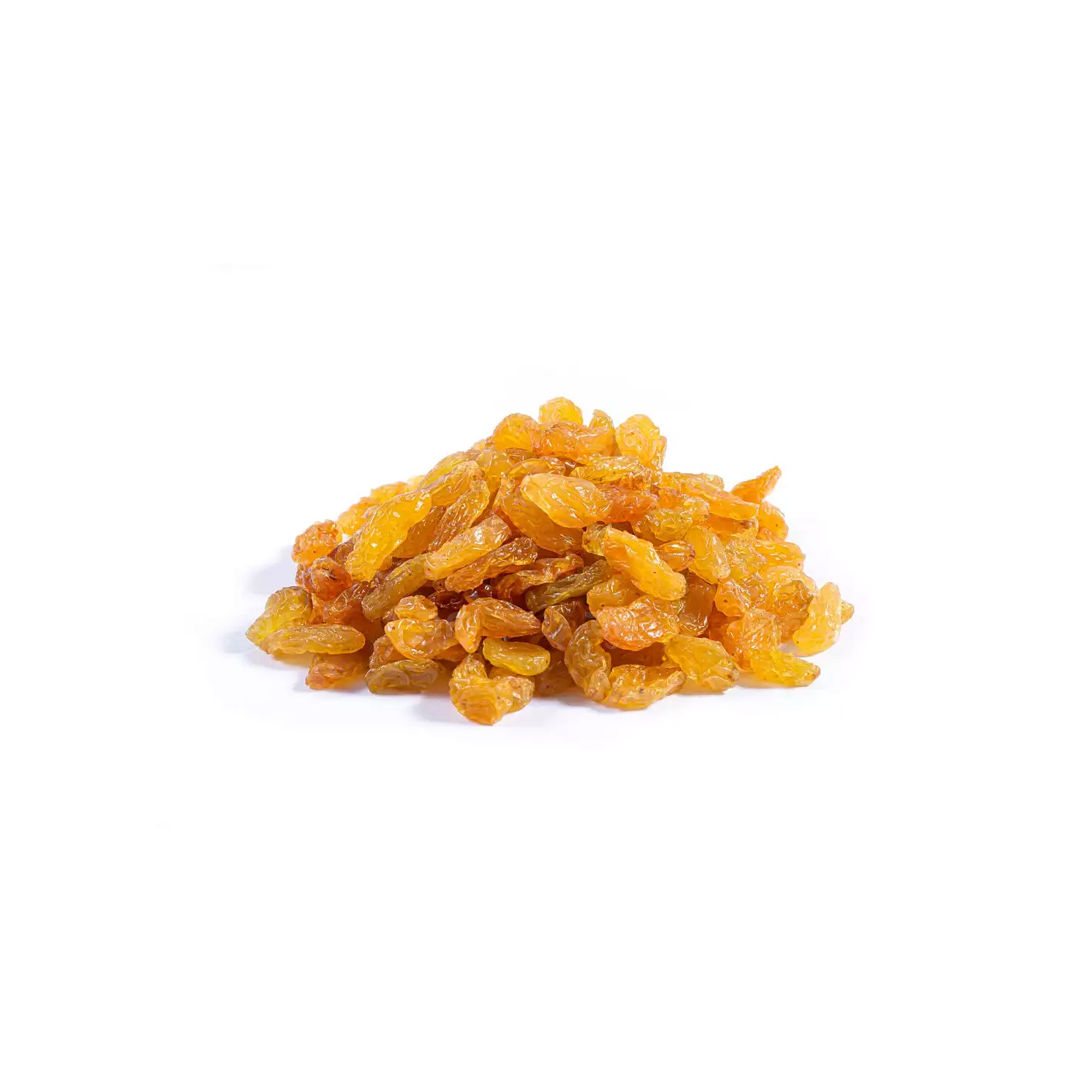
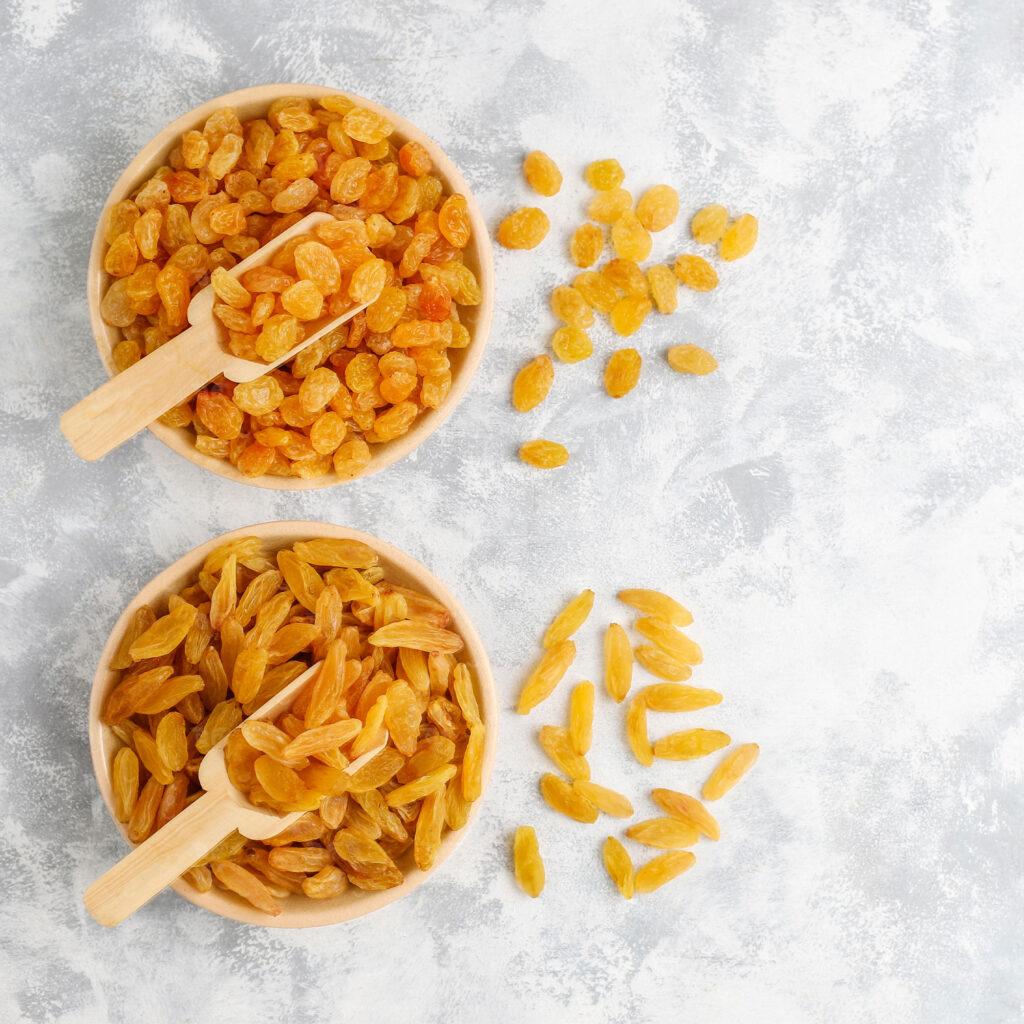
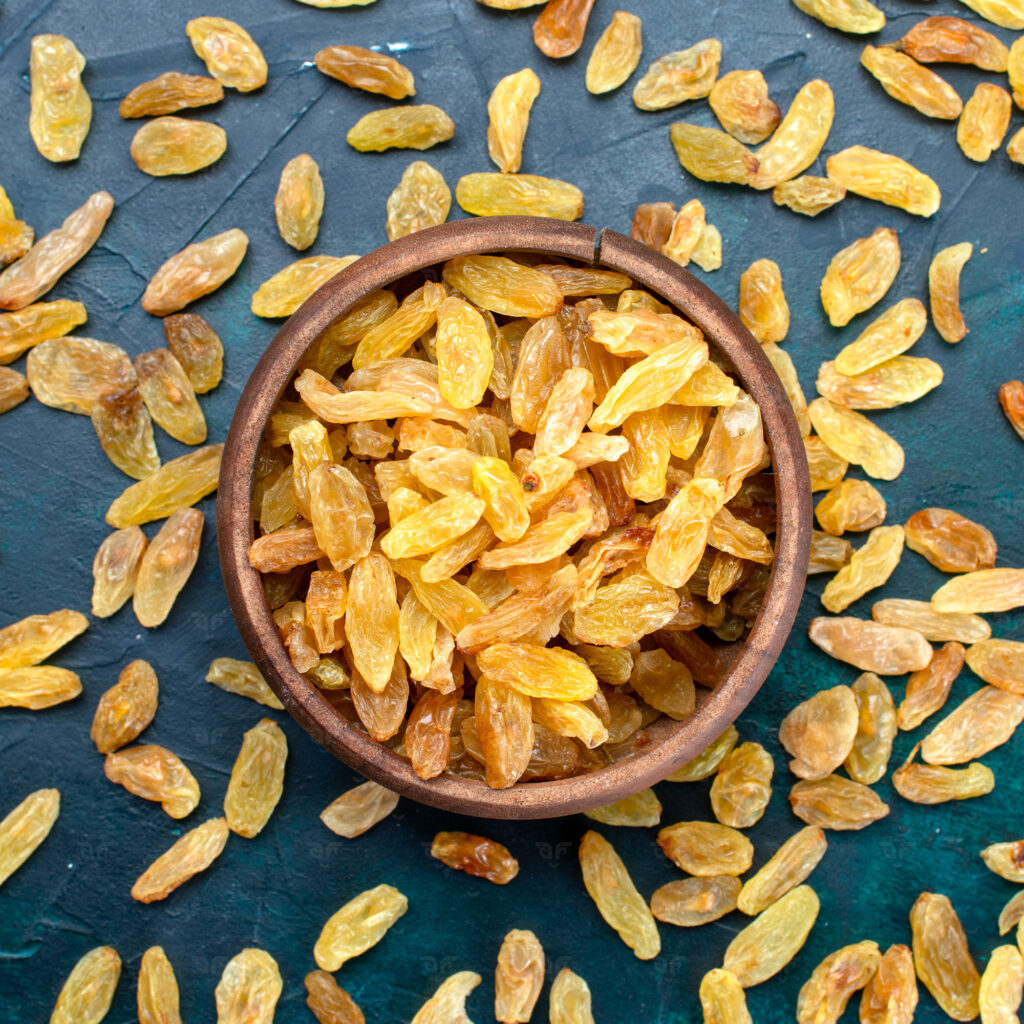
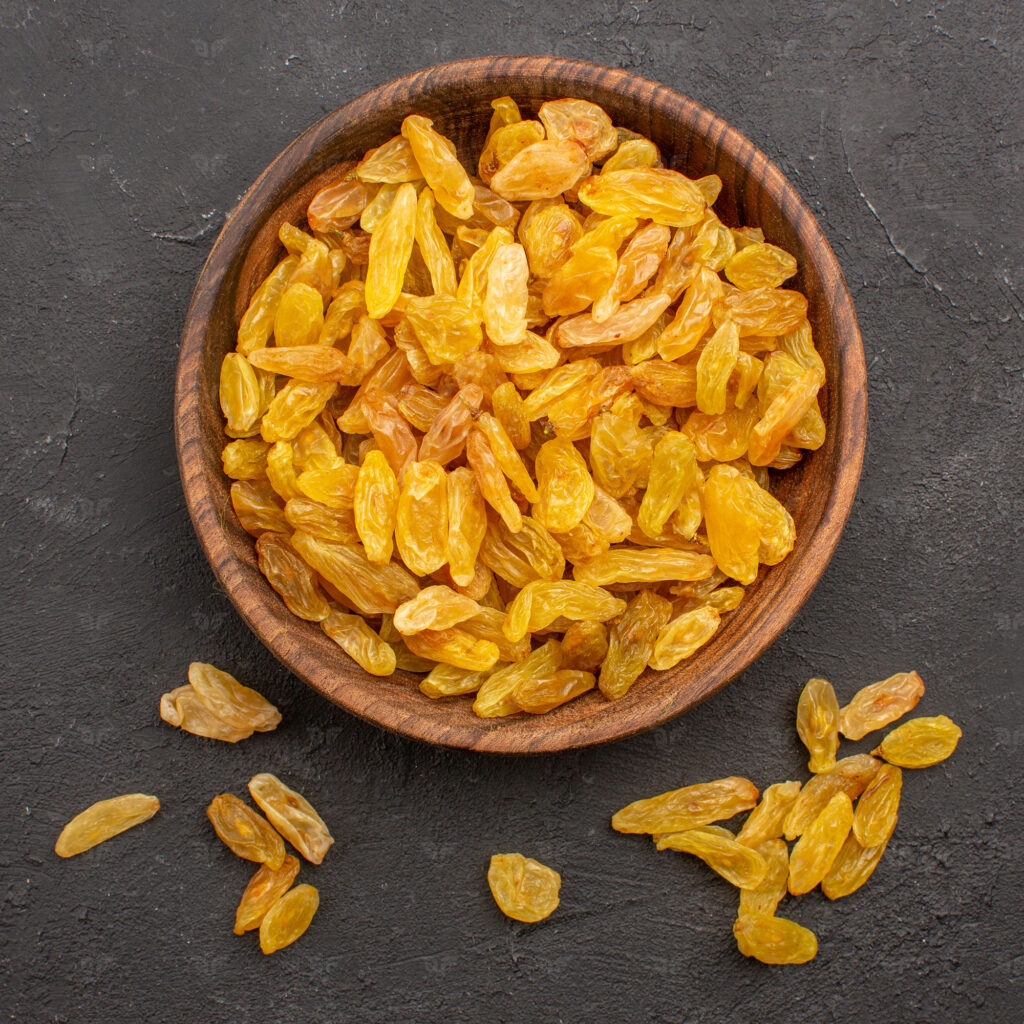
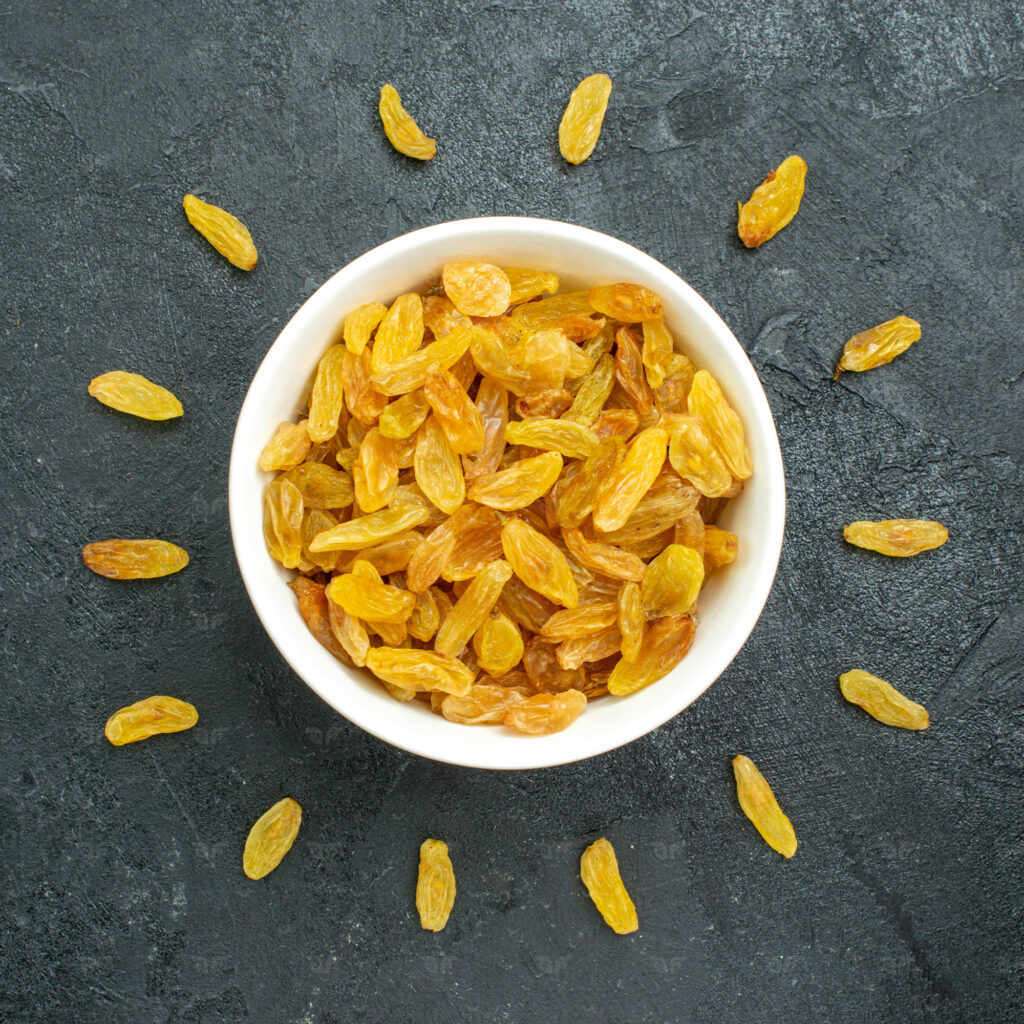
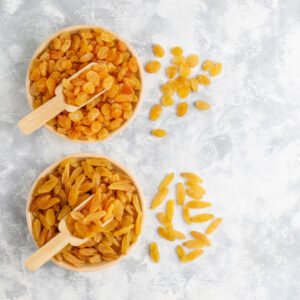
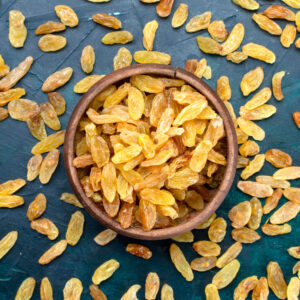
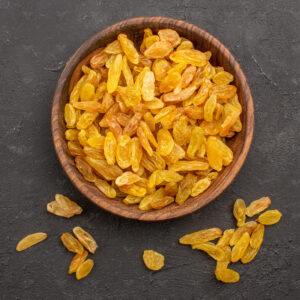
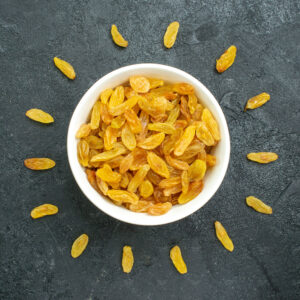
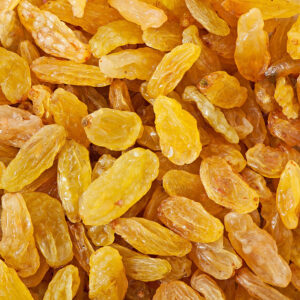
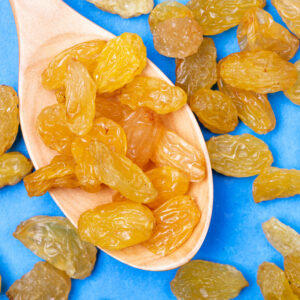
Golden Long Raisin combines a distinctive appearance with the rich sweetness expected from dried grapes. Commonly associated with the Kashmar area of Razavi Khorasan in Iran, this raisin is recognised by its long shape, golden-yellow to amber colour, wrinkled surface, and naturally fruity taste. Its uniform appearance and concentrated flavour support its position as a premium dried-fruit product. It works well in snack mixes, bakery products, breakfast cereals, confectionery, salads, and rice dishes. These features make it suitable for direct consumption and food production. Read on to learn how its growing conditions, processing methods, storage needs, and commercial uses shape its quality.
Importers and food manufacturers need more than an attractive colour when selecting raisins. Seed status, berry size, moisture, sulphur dioxide level, visible defects, packaging, and storage conditions can all affect how the product performs. JAM Food Co. offers Golden Long Raisin for commercial applications and places clear product details at the centre of each order. Buyers can define the grade, packing format, label content, and destination requirements before purchase. This method supports accurate product selection and gives both sides a shared understanding of the order. It also helps receiving teams compare the delivered lot with the agreed product profile.
A Short Glance at Golden Long Raisin
Golden Long Raisin is an elongated dried grape with a yellow-gold to amber appearance. In international trade, it is commonly linked with Golden Kashmar Raisin or Golden Kashmari Raisin, although commercial names can vary between sellers. The product is often associated with the Paycamy or Pikami grape grown around Kashmar. Its light colour develops through a combination of grape maturity, drying conditions, and sulphur dioxide treatment. Sulphur dioxide is a processing agent that slows browning and helps the fruit retain a lighter shade. Golden Long Raisin is eaten directly and used in baked goods, cereals, confectionery, salads, rice dishes, and mixed dried-fruit products.
Golden Long Raisin Appearance, Size, Texture, and Taste
The physical traits of Golden Long Raisin influence its market value and suitability for food production. Colour matters in products where the fruit remains visible, while berry size affects portioning and presentation. Moisture, softness, surface condition, and flavour also determine how the raisins perform during mixing, baking, packing, and direct consumption.
- Color and Appearance:
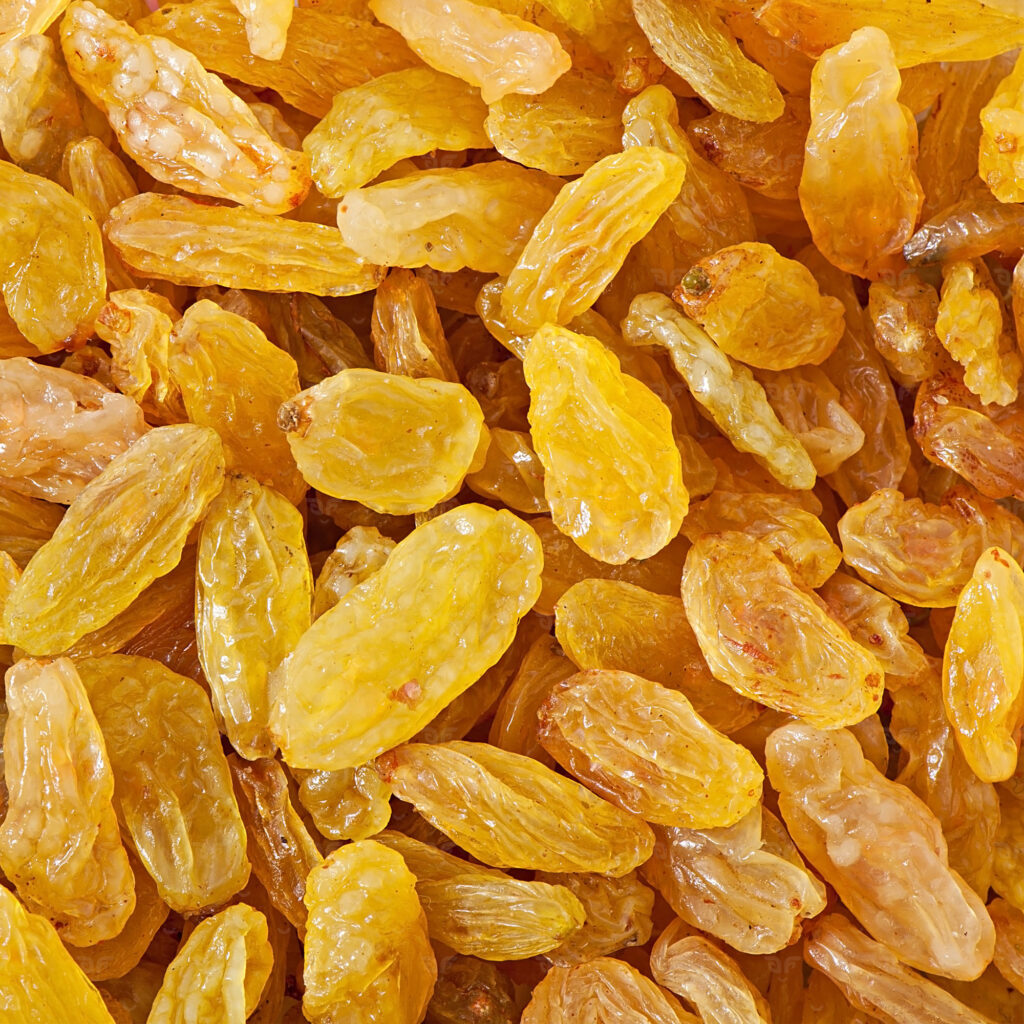
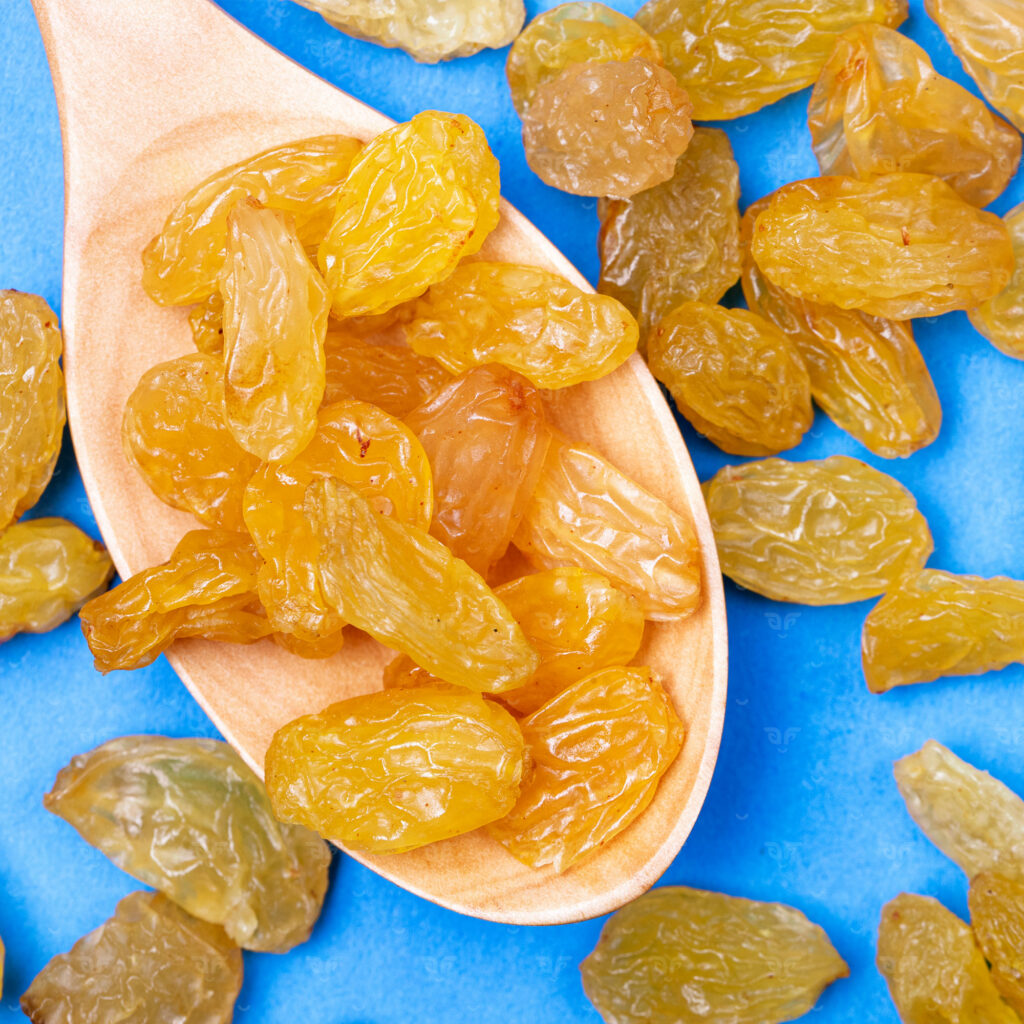
Golden Long Raisin usually ranges from yellow-gold to amber. Its skin becomes naturally wrinkled as water leaves the grape during drying. A suitable commercial lot should have a reasonably even colour and remain free from excessive darkening, visible mould, serious damage, or unwanted material. Maturity, processing conditions, and storage temperature can all influence the final shade.
- Size and Shape:
The berries generally have a long, narrow, or elongated oval form. This shape helps distinguish the product from many ordinary round raisins. Size can be described through berry measurements or by counting the number of berries in a fixed weight. More uniform berries provide a cleaner retail appearance and distribute more evenly in cereals, snack mixes, and baked products.
- Texture:
Golden Long Raisin should normally feel chewy and pliable rather than wet, sticky, or very hard. Moisture plays an important role in this quality. A higher moisture level can create a softer bite but may also increase clumping. Excessive drying produces firmer berries that may be less pleasant to eat and more difficult to mix into some food products.
- Taste:
The flavour comes from concentrated natural grape sugars and usually combines fruity sweetness with mild tartness. Harvest maturity affects the balance because grapes develop more sugar as they ripen. Clean raisins should not show sour fermentation, mouldy notes, strong smoke, chemical odours, or other unwanted flavours. Their balanced taste allows use in both sweet recipes and selected savoury dishes.
Nutrition Profile and Dietary Value of Golden Long Raisin
Golden Long Raisin is an energy-dense dried fruit made mainly of carbohydrates and natural grape sugars. General reference values for golden seedless raisins provide about 301 calories, 80 grams of carbohydrates, 65.7 grams of sugars, 3.3 grams of fibre, and 3.28 grams of protein per 100 grams. The same amount contains very little fat and provides about 746 milligrams of potassium. Raisins also contain calcium, magnesium, phosphorus, iron, and plant compounds such as phenolic acids and flavonoids. Nutrition values can change with cultivar, ripeness, drying method, moisture level, processing, and storage, so portion size remains important.
Growing and Harvesting Golden Long Raisin
Golden Long Raisin is commonly associated with vineyards around Kashmar in northeastern Iran. Grapevines in this region benefit from warm, dry summers, strong sunlight, and a cooler dormant period. Vineyard work may include pruning, irrigation, crop-load control, nutrition, and protection from pests and disease. These factors influence berry size, sugar development, maturity, and the condition of the grapes before drying. Dry weather close to harvest is particularly useful because rainfall can delay moisture loss, increase fungal risk, damage fruit, and reduce colour quality. Healthy, mature grapes provide the best starting point for clean drying and consistent finished raisins.
- Climate Conditions:
A long, warm growing season supports grape maturity and sugar development. Strong sunlight helps the fruit ripen, while limited rainfall near harvest lowers the risk of spoilage and drying delays. Severe heat, lack of water, or unexpected rain can reduce quality. Growers therefore adjust irrigation and harvest timing according to local weather and vineyard conditions.
- Soil Requirements:
Grapevines can grow in several soil types, but good drainage remains important. Waterlogged ground limits air around the roots and can increase disease pressure. Balanced fertility supports vine and fruit development, while excessive growth may shade the grapes and slow ripening. Soil condition, irrigation water, and nutrient availability all influence vineyard management and final berry quality.
- Major Growing Regions:
Golden Long Raisin is mainly connected with Kashmar and nearby grape-growing areas in Razavi Khorasan Province. The names Golden Kashmar Raisin and Golden Kashmari Raisin reflect this regional association. Origin documents remain important because a trade name does not always identify the exact vineyard. Regional information is especially relevant for businesses that promote the product through its Iranian source.
When Golden Long Raisin Grapes Reach Harvest Maturity?
Grapes used for Golden Long Raisin are generally harvested in early autumn, often from late September to the middle of October. The exact period changes with location, crop year, temperature, irrigation, and maturity. Brix measures soluble solids in grape juice and helps growers estimate sugar development. Early harvesting may result in smaller, paler, and less sweet raisins. Proper maturity supports better size, sweetness, colour, softness, and drying yield. Waiting too long can expose the grapes to sunburn, berry damage, decay, poor weather, and greater processing loss. Growers must therefore select a harvest point that balances maturity with fruit condition.
From Fresh Grapes to Golden Long Raisin
Production starts when mature grape bunches are cut from the vines and inspected. Damaged, rotten, or unsuitable fruit is removed before further processing. The grapes may be washed and treated with an alkaline dip, which changes the skin surface and allows moisture to leave more quickly. Sulphur dioxide may then be used to reduce browning and support the golden colour. Bunches can be dried in shaded or enclosed areas with suitable airflow. After drying, the berries are separated from the stems, cleaned, graded by features such as colour and size, checked for defects, and prepared for packing.
Storage Guidelines and Durability of Golden Long Raisin
Storage conditions directly affect the colour, flavour, texture, and cleanliness of Golden Long Raisin. Warm environments can speed up darkening, while high humidity may cause moisture absorption, clumping, package damage, or mould growth. Very dry conditions can make the berries harder. The raisins should remain in sealed packaging in a clean, cool, dry, and odour-free warehouse. Cartons need protection from sunlight, leaks, chemicals, pests, and strong-smelling goods. Regular stock rotation and checks for damaged packs, colour changes, insects, and unusual odours help maintain product condition. Clear warehouse records also support lot tracking and inventory control.
Best Storage Conditions for Golden Long Raisin
Golden Long Raisin performs best in a stable environment with low humidity and protection from heat. A sealed food-contact package with an effective moisture barrier limits moisture movement and external contamination. Pallets keep cartons away from the floor and make inspection easier. Controlled-temperature or refrigerated storage can slow quality loss, but sudden movement between cold and warm areas may cause condensation. First-in, first-out stock rotation ensures that older lots leave storage before newer ones. Warehouses should also prevent pest access and separate raisins from products that may transfer strong smells.
What Determines Golden Long Raisin Shelf Life
The shelf life of Golden Long Raisin depends on starting moisture, water activity, sulphur dioxide level, cleanliness, package barrier, seal quality, temperature, humidity, and pest control. Water activity means the amount of water available for chemical reactions and microbial growth. It is not the same as total moisture. These conditions vary between products and storage systems, so shelf life is linked to the approved order details and recommended warehouse conditions. During storage, darkening, hardening, clumping, fermentation odours, insects, mould, and damaged seals may show that quality is declining. Routine inspection helps identify problems before they spread through a larger stock.
About JAM Food Co.’s Golden Long Raisin
JAM Food Co. offers Golden Long Raisin for retail, food service, and food manufacturing applications. Commercial discussions can cover origin, cultivar, seed status, crop year, berry grade, colour, moisture, sulphur dioxide level, visible defects, oil treatment, packaging, labelling, and storage conditions. As an exporter of Golden Long Raisin, JAM Food Co. places these details within the order documents so buyers have a clear description of the requested product. This shared reference supports product selection, order preparation, packing decisions, and receiving checks when the shipment reaches the buyer’s warehouse or production site.
JAM Food Co. as a Reliable Golden Long Raisin Supplier
A dependable dried-fruit order begins with accurate product information and clear commercial terms. JAM Food Co. can discuss the required grade, acceptable defects, pack format, label content, and destination needs before the order is completed. In its role as a provider of Golden Long Raisin, the company focuses on matching the agreed product description with the prepared goods. Purchasing teams can review the offer, order documents, and delivered lot through the same set of requirements. This practical process supports buyer confidence without relying on broad or unsupported promotional statements.
Packaging Golden Long Raisin at JAM Food Co.
Packaging protects Golden Long Raisin from moisture changes, dust, insects, crushing, strong odours, and colour loss during transport and storage. It also allows the product to move through wholesale, manufacturing, and retail channels in a manageable form. For JAM Food Co. orders, packing details are defined according to the selected net weight, sealing requirements, label content, and destination conditions. As a supplier of Golden Long Raisin, JAM Food Co. uses clear order details to connect product requirements with the chosen packing arrangement. This helps purchasing teams organise handling, storage, repacking, and stock control after delivery.
- Bulk Packaging Capabilities:
Bulk orders require a suitable balance between pack strength, product protection, and ease of handling. The agreed format can identify the net weight, inner food-contact layer, and outer carton or sack. Buyers may also consider stacking limits, warehouse equipment, repacking plans, and the amount of pressure placed on lower packages during storage and transport.
- Preservation and Sealing Techniques:
A secure seal and a suitable moisture barrier reduce moisture transfer, contamination, pest entry, and odour absorption. The chosen system should match the raisin’s moisture level and intended storage period. Where required by the order, the packing arrangement may include special liners, controlled air removal, or another sealing method suited to the product and destination.
- Private Labeling and Retail Packaging:
Retail presentation can involve smaller packs, buyer branding, several label languages, nutrition details, sulphite declarations, and country-specific date formats. Any buyer-branded or retail packing arrangement is defined before production so that artwork, legal wording, responsibilities, and pack sizes are clear. Early agreement on these points reduces design changes and labelling problems later in the order process.
- Export-Ready Palletization:
Pallet planning helps protect cartons from movement, crushing, moisture, and impact during loading and international transport. The arrangement can cover carton placement, pallet dimensions, wrapping, straps, corner protection, and container use. Product codes, lot information, net weight, origin, and handling marks should remain readable. A stable load also reduces movement inside the shipping container.
HOW CAN JAM GROUP HELP YOU?
Send us a message and our friendly team will get back to you within one business day.




