











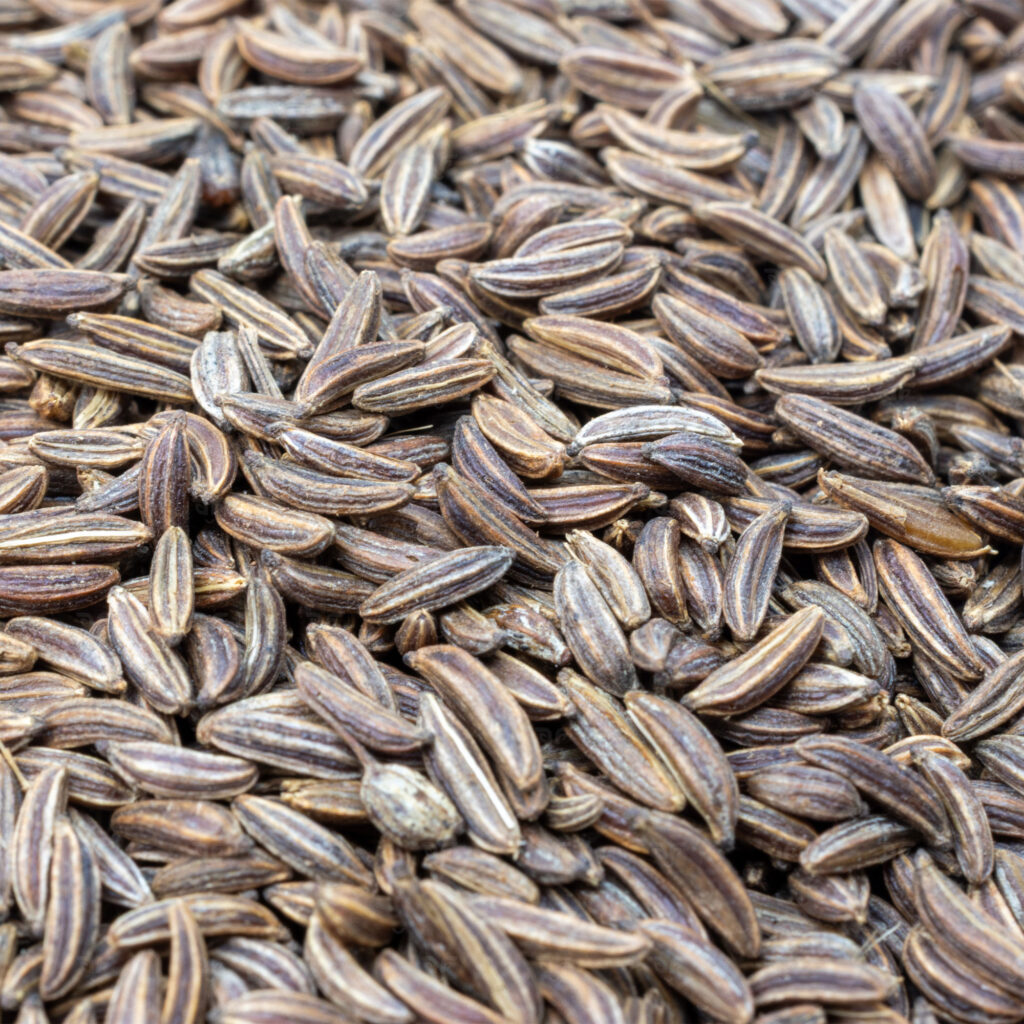
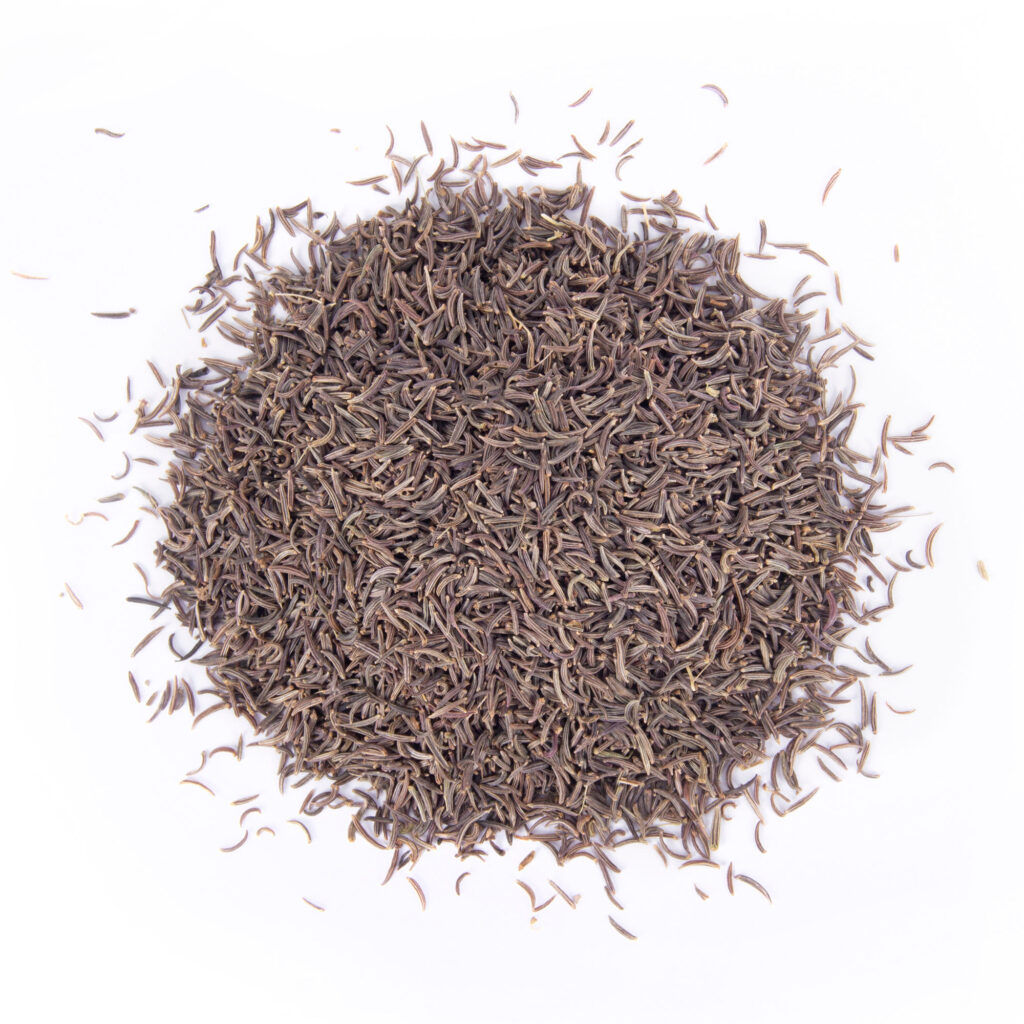
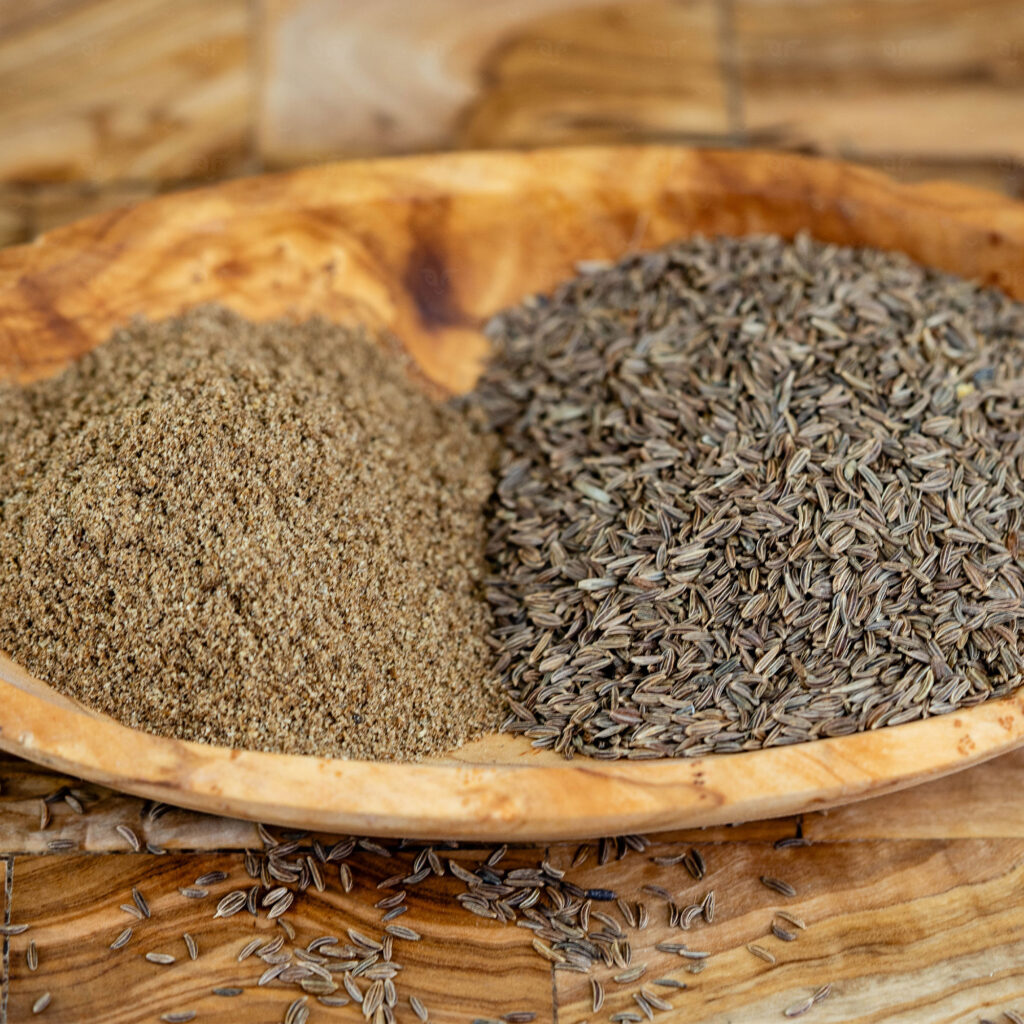
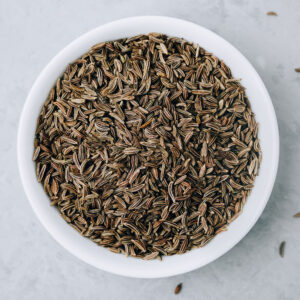
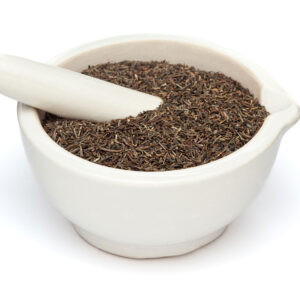
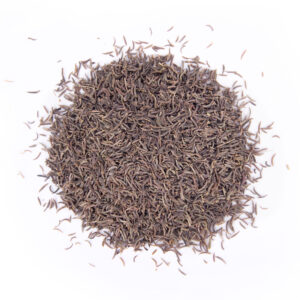
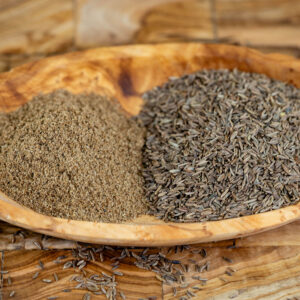
Black Cumin Seeds have a strong place in global spice trade because they offer clear flavor value and wide food-use flexibility. These small dark seeds, known in many markets as black seed, nigella seed, or kalonji, are valued for their warm aroma, slightly bitter taste, and peppery character. They are used in breads, spice blends, pickles, curries, vegetable dishes, and oil-extraction markets. For international buyers, Black Cumin Seeds are attractive because they serve food manufacturers, retail packers, bakeries, and traditional spice markets. Their unique flavor and dark appearance make them a practical ingredient for both everyday cooking and premium food applications.
For B2B buyers, understanding the product is only one part of the decision. Choosing a dependable commercial source is also important because spice seeds must arrive clean, dry, aromatic, and suitable for the buyer’s intended use. JAM Food Co. presents Black Cumin Seeds as a product for international food trade, where buyers often need clear product identity, careful handling, and packaging that protects seed quality during movement and storage. This article explains the main product traits, food uses, growing conditions, processing steps, storage needs, and commercial points that buyers should know before sourcing Black Cumin Seeds.
A Short Glance at Black Cumin Seeds
Black Cumin Seeds are the dried seeds of Nigella sativa, an annual flowering plant. Although the name includes “cumin,” this product is different from true cumin, which comes from another plant. Black Cumin Seeds are small, black to dark brown, dry, and aromatic. Their flavor is usually warm, slightly bitter, nutty, and peppery, with a mild onion-like note. They are used whole, lightly roasted, ground into spice blends, or pressed for oil. In food trade, they are common in bakery products, savory dishes, pickles, pulses, vegetables, soups, stews, and traditional seasoning mixes. In the following, you can have a look at the key traits of this specific product.
- Botanical identity:
Black Cumin Seeds come from Nigella sativa. This detail matters in international trade because buyers may need to separate them from true cumin, black sesame, or other small dark seeds. Clear product naming helps avoid confusion in purchasing, labeling, and recipe development.
- Common market names:
The product may be sold as black seed, nigella seed, kalonji, or black cumin. These names can vary by market and region. For B2B orders, using both the commercial name and the botanical name helps buyers confirm the exact product before ordering.
- Main food roles:
Black Cumin Seeds are used as a spice, bakery topping, seasoning seed, and oil-extraction input. They add visible texture and a warm taste to foods. Their strong character means that a small amount can influence the flavor and appearance of a finished product.
- Commercial value:
Buyers often look for clean seeds with a strong natural aroma, dark appearance, and controlled dryness. These features support use in retail spice packs, bakery production, spice blends, and food-service supply. Product consistency is especially important for buyers who use the seed in repeated production batches.
Physical Characteristics of Black Cumin Seeds
The physical traits of Black Cumin Seeds help buyers judge their quality and suitable use. Color, aroma, texture, and seed cleanliness are important because they affect how the product performs in food production and retail packing. Good seeds usually have a dark and even appearance, a dry feel, and a clear spicy aroma. Their small size makes them easy to use as a topping or spice ingredient. Their taste is strong enough to add depth to savory foods without needing a large quantity.
Visual and Sensory Profile
- Color and appearance:
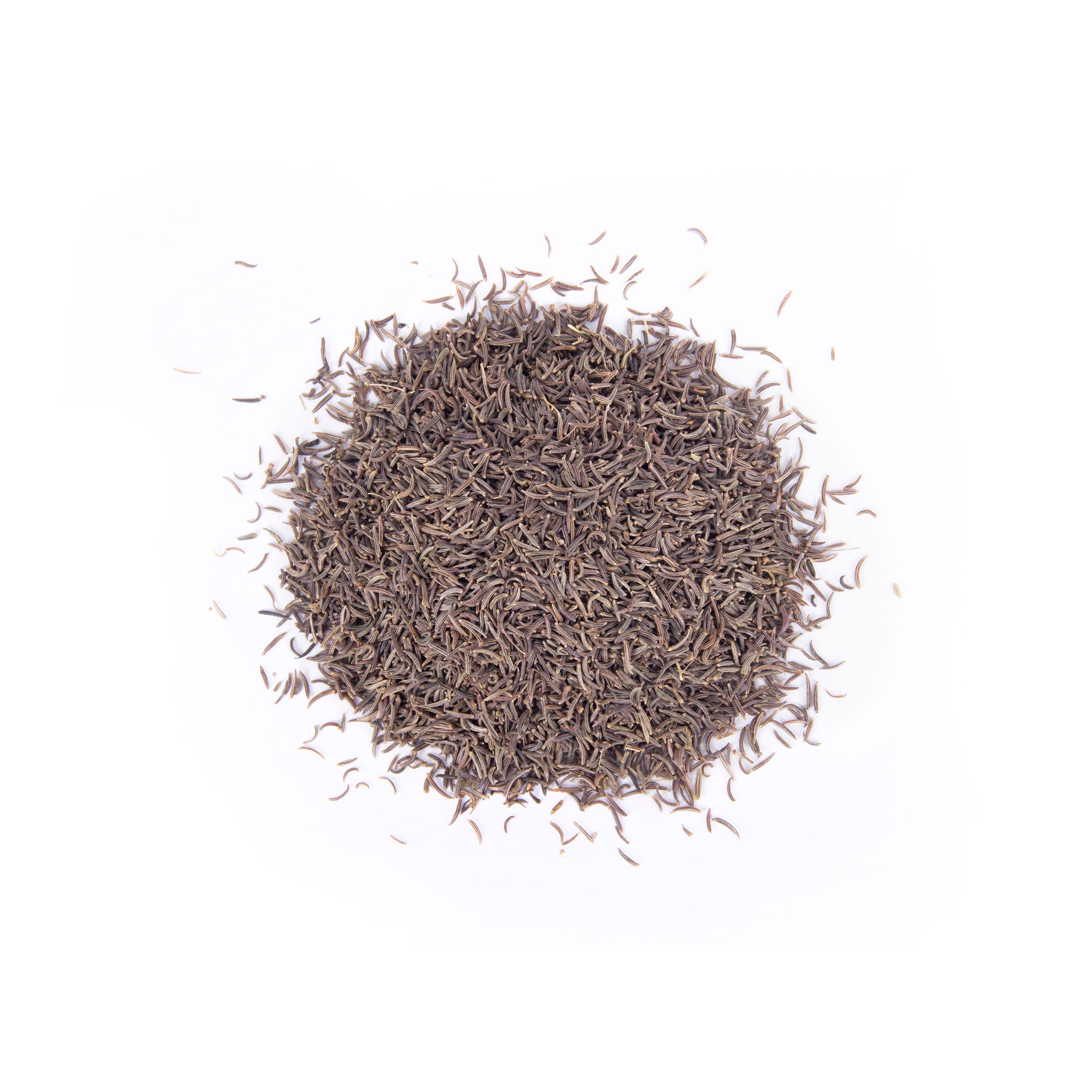
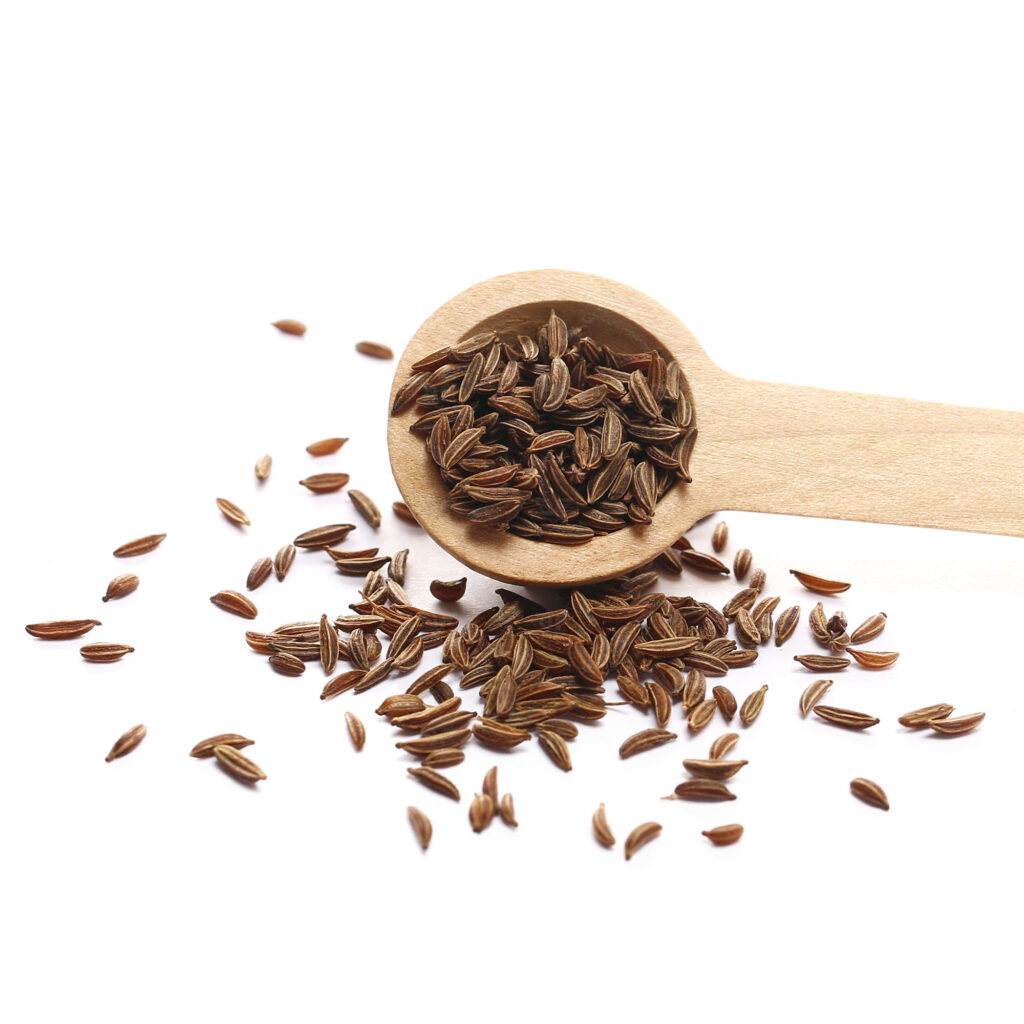
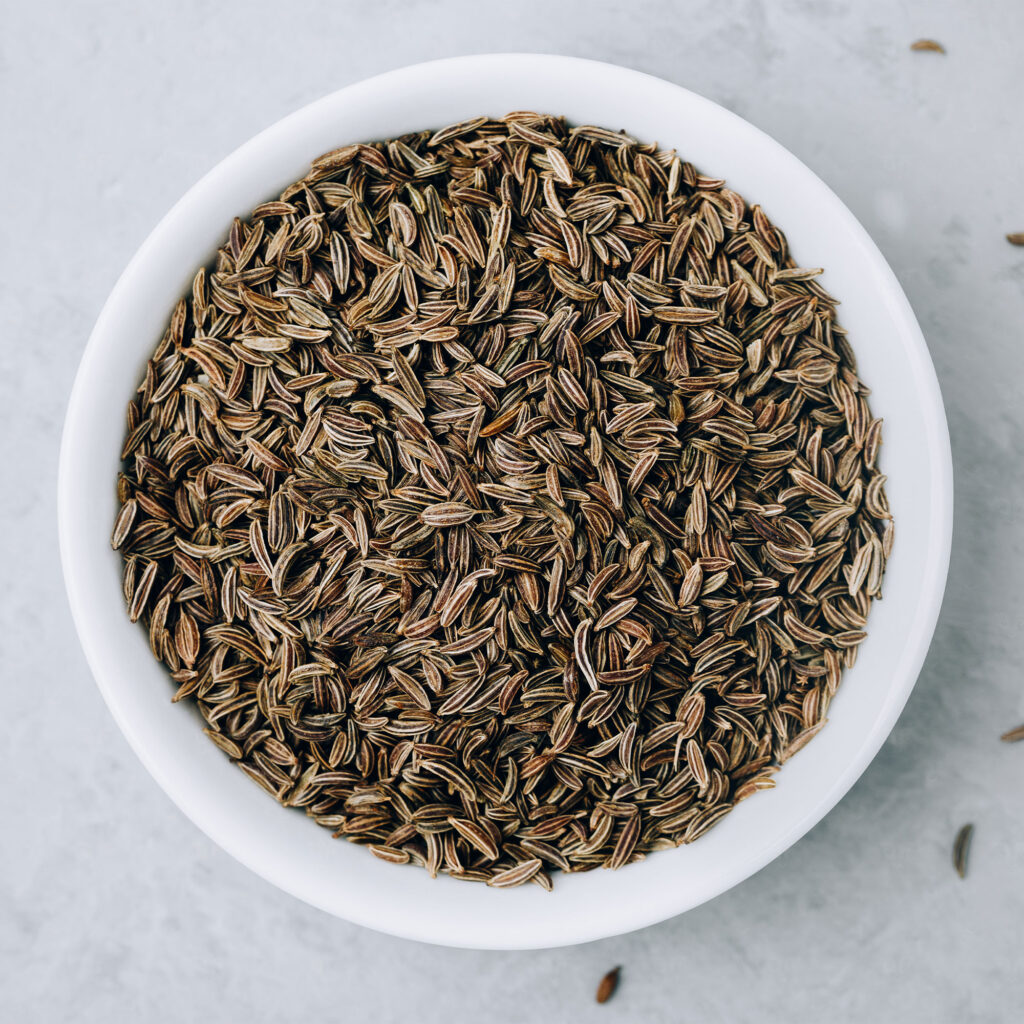
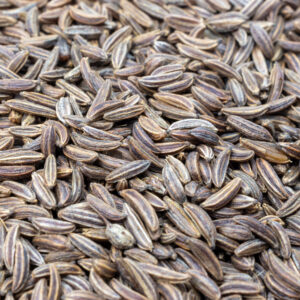
Black Cumin Seeds are usually black to dark brown. A clean dark color gives the product a strong visual identity, especially in bakery toppings and spice mixes. Seeds with dust, pale fragments, or too much plant residue may look less attractive in retail and food-service products.
- Size and shape:
The seeds are small and irregular in shape. They are not round like some other culinary seeds. Their angular form helps them stand out visually on bread, flatbread, crackers, and savory baked goods. Exact sizing can vary by origin, crop conditions, and sorting level.
- Texture:
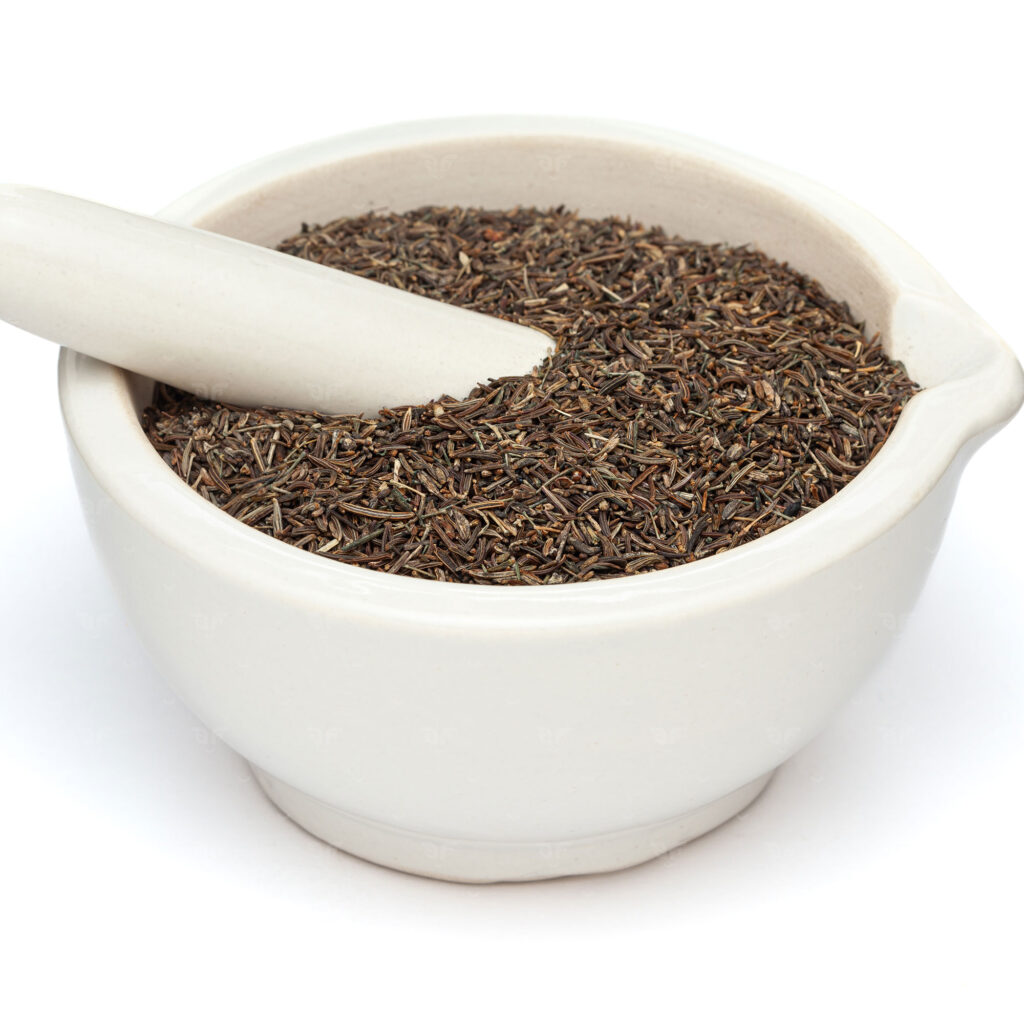
Black Cumin Seeds are dry and firm when properly handled. Their seed coat is hard enough to hold shape during normal storage and many food applications. When crushed or lightly roasted, they release more aroma and become easier to blend into spice mixtures or cooked dishes.
- Taste:
The taste is slightly bitter, peppery, nutty, and warm. Some users also notice an onion-like or herbal note. This strong flavor works well in savory recipes, including curries, vegetable dishes, pickles, lentils, soups, and breads. The taste can become stronger after roasting or grinding.
Nutritional Value and Health Benefits
Black Cumin Seeds contain plant-based fats, carbohydrates, protein, dietary fiber, minerals, and natural compounds. Their composition can vary depending on the growing region, seed variety, climate, and processing method. They are also known for their oil content and naturally occurring compounds such as thymoquinone and related substances. These qualities make Black Cumin Seeds useful for food brands that want a flavorful seed with nutritional value. In normal culinary use, they add taste, texture, and plant-based compounds to a varied diet.
Nutritional Points for Food Applications
- Plant-based composition:
Black Cumin Seeds provide a mix of fats, carbohydrates, protein, and fiber. This makes them more than a flavoring ingredient. They support product value in spice mixes, bakery items, and functional food products when used as part of a balanced formula.
- Natural compounds:
The seeds contain natural plant compounds, including thymoquinone and related components. These compounds are often connected with the product’s functional-food interest. Their presence adds value for food buyers who want ingredients with both flavor and natural plant-based characteristics.
- Mineral contribution:
Black Cumin Seeds contain minerals, though exact levels may differ by origin and testing method. This mineral content adds to the seed’s general nutritional value. For food applications, the product is mainly valued for its flavor, aroma, dark appearance, and natural seed composition.
- Balanced health positioning:
Black Cumin Seeds fit well into food products that focus on natural ingredients and traditional culinary value. They are often used in small amounts, so their main role is flavor support. At the same time, their nutrient profile gives them added interest in modern food markets.
Growing Conditions and Regional Farming Practices for Black Cumin Seeds
Black cumin is grown in several regions across West Asia, South Asia, North Africa, the Middle East, and parts of Europe. Iran is also known as a cultivation country for this crop. The plant generally grows best in sunny conditions with moderate temperatures and well-drained soil. Soil drainage means the soil can move extra water away from the plant roots, which helps reduce moisture stress. Good farming results depend on seed variety, planting date, irrigation, soil condition, weed control, pest management, and harvest timing. These factors can affect seed maturity, aroma, yield, and oil content.
- Climate conditions:
Black cumin usually performs well in sunny areas with moderate heat and controlled humidity. Too much humidity can raise the risk of disease and drying problems. Stable weather during growth and harvest supports better seed maturity and helps protect the final quality of the crop.
- Soil requirements:
Well-drained soil is important for black cumin cultivation. If water remains around the roots for too long, plant growth can suffer. Balanced soil conditions help the plant develop properly and support stronger seed formation, which matters for both food use and oil-extraction markets.
- Regional farming practices:
Farming methods may differ by country, province, and grower. Planting date, irrigation, weed control, and harvest management all influence the final seed. In B2B trade, buyers may ask about origin and crop year because these details can affect aroma, color, and commercial consistency.
- Seed variety and landrace:
A landrace is a local plant type that has adapted to a certain region over time. Different black cumin landraces may show differences in yield, seed traits, and oil content. This is one reason why origin and crop conditions matter in commercial sourcing.
Why Harvest Timing Affects Seed Value?
Black cumin harvesting depends on the planting date, local climate, and the maturity of the plant. In many growing conditions, the crop needs around 100 to 120 days to reach mature seed production, although the exact timing can vary. Harvesting too early may lead to immature seeds with weaker color, lower aroma, and less developed flavor. Harvesting too late can create other problems, such as seed loss from capsule opening, weather exposure, or field contamination. For this reason, the correct harvest stage is an important part of producing Black Cumin Seeds for food trade. Below, some timing points are explained.
- Maturity stage:
Mature black cumin plants form seed capsules that hold the seeds. When the crop reaches the right stage, the seeds become darker and drier. Correct maturity helps support stronger flavor, better storage behavior, and a more attractive appearance for commercial buyers.
- Early harvest risks:
If the crop is harvested before the seeds fully mature, the seeds may be lighter in color and weaker in aroma. This can reduce their value in spice blends and bakery products, where both visual quality and flavor strength are important to the finished food.
- Late harvest risks:
Delayed harvesting can increase seed loss because dry capsules may open in the field. Weather exposure can also affect cleanliness and storage quality. For export markets, timing must support both seed maturity and safe post-harvest handling.
- Weather influence:
Rain or high humidity close to harvest can make drying more difficult. Seeds that carry extra moisture need careful handling before storage and packing. Dry conditions during harvest usually make it easier to protect aroma, seed color, and general durability.
From Mature Capsules to Clean Spice Seeds
After the black cumin crop reaches maturity, the plants or seed capsules are harvested and handled to separate the seeds. The general post-harvest process includes drying, threshing, cleaning, sorting, and packing. Threshing means separating seeds from the dry plant capsules. Cleaning removes dust, stalk pieces, stones, and other unwanted material. Sorting improves the consistency of the product by separating weak, broken, or irregular material where needed. These steps are important because Black Cumin Seeds are small, and even minor foreign matter can affect product appearance, buyer trust, and use in food production.
Storage Guidelines, Durability, and Shelf Life of Black Cumin Seeds
Black Cumin Seeds should be stored in a cool, dry, clean, and well-ventilated place. Storage has a direct effect on aroma, color, and durability. The seeds should be protected from moisture, direct sunlight, heat, pests, and strong odors. Because spice seeds can absorb unwanted smells, they should not be stored near products with strong aromas. Airtight or moisture-resistant packaging helps preserve seed dryness and flavor. In commercial handling, shelf life depends on moisture level, packaging barrier, warehouse conditions, transport conditions, and the cleanliness of the storage area.
Storage Conditions for Black Cumin Seeds
Black Cumin Seeds perform best when they are kept away from heat and moisture. A cool and dry warehouse helps protect natural aroma and reduces the risk of quality loss. The storage area should be clean, pest-controlled, and free from strong-smelling goods. Direct sunlight should be avoided because light and heat can weaken aroma over time. Sealed packaging also helps keep the seeds dry and protected during handling. For B2B buyers, proper storage supports more stable flavor, better appearance, and cleaner performance in later food processing or retail packing.
Shelf Life and Durability Factors for Black Cumin Seeds
The shelf life of Black Cumin Seeds depends on how the seeds are dried, packed, transported, and stored. Under suitable commercial conditions, spice seeds can keep their quality for a long period, but aroma may slowly reduce over time. Moisture is one of the main risks because it can damage seed condition and reduce durability. Heat, poor sealing, pests, and odor exposure can also affect the product. Buyers should manage stock rotation carefully, using older lots first and keeping unopened packs in dry, protected storage until use.
About JAM Food Co.’s Black Cumin Seeds
JAM Food Co.’s Black Cumin Seeds are positioned for food buyers who need a small aromatic seed with wide culinary value. The product is suitable for buyers working with spice blends, bakery toppings, savory foods, pickles, and oil-related applications. Important product points include dark color, dry texture, warm aroma, and the typical bitter and peppery taste of Nigella sativa. As a provider of Black Cumin Seeds, JAM Food Co. presents the product in a way that supports buyer review, order planning, and application matching.
JAM Food Co. as a Reliable Black Cumin Seeds Supplier
JAM Food Co. supports global buyers by focusing on the commercial points that matter in spice seed trade. These include product identity, seed cleanliness, aroma, dryness, packaging discussion, and buyer communication. Black Cumin Seeds are used in many food channels, so each buyer may need a different product focus. A bakery may care about visible topping quality, while a spice packer may focus on clean appearance and strong aroma. Clear coordination helps buyers match the seed to the correct market use.
Packaging Black Cumin Seeds at JAM Food Co.
Packaging is a key part of protecting Black Cumin Seeds during commercial handling, storage, and international movement. The seeds need protection from moisture, dust, insects, odor transfer, and physical damage. JAM Food Co. treats packaging as part of the product’s export presentation, with attention to seed cleanliness, dryness, and buyer handling needs. As an exporter of Black Cumin Seeds, JAM Food Co. presents packaging as a practical way to protect the product from warehouse conditions and transport stress. Suitable packaging helps preserve the natural aroma, dark appearance, and dry texture that buyers expect.
- Bulk Packaging Capabilities:
Bulk packaging for Black Cumin Seeds must support safe movement from supplier warehouse to buyer facility. In B2B trade, this means using packaging that protects small seeds from tearing, moisture exposure, and outside contamination. JAM Food Co. aligns commercial packaging discussions with order size, destination, and buyer requirements. The main goal is to keep the seeds clean, dry, and easy to handle during loading, storage, and receiving.
- Preservation and Sealing Techniques:
Good sealing helps protect Black Cumin Seeds from moisture and odor transfer. Because the seeds are aromatic, packaging helps keep the natural smell inside while limiting outside influence. JAM Food Co. presents preservation and sealing as part of the product’s commercial handling process. For spice importers and packers, this protection helps maintain quality from the time of dispatch until the product reaches the receiving warehouse.
- Private Labeling and Retail Packaging:
Retail and private-label projects require careful control of product appearance, pack presentation, and label information. For Black Cumin Seeds, smaller retail formats need packaging that protects the seed while also giving the buyer a clean shelf-ready product. JAM Food Co. handles product presentation according to commercial order needs and market direction, whether the product is planned for retail spice shelves or food-service distribution.
- Export-Ready Palletization:
Export movement requires packaging to stay stable during loading, container handling, and delivery. For Black Cumin Seeds, the product should be arranged in a way that reduces pressure damage, movement, and exposure during transit. JAM Food Co. supports export-focused handling by preparing orders around buyer requirements and shipment conditions. This approach helps protect seed quality and supports smoother receiving for importers, distributors, and food manufacturers.
HOW CAN JAM GROUP HELP YOU?
Send us a message and our friendly team will get back to you within one business day.




