










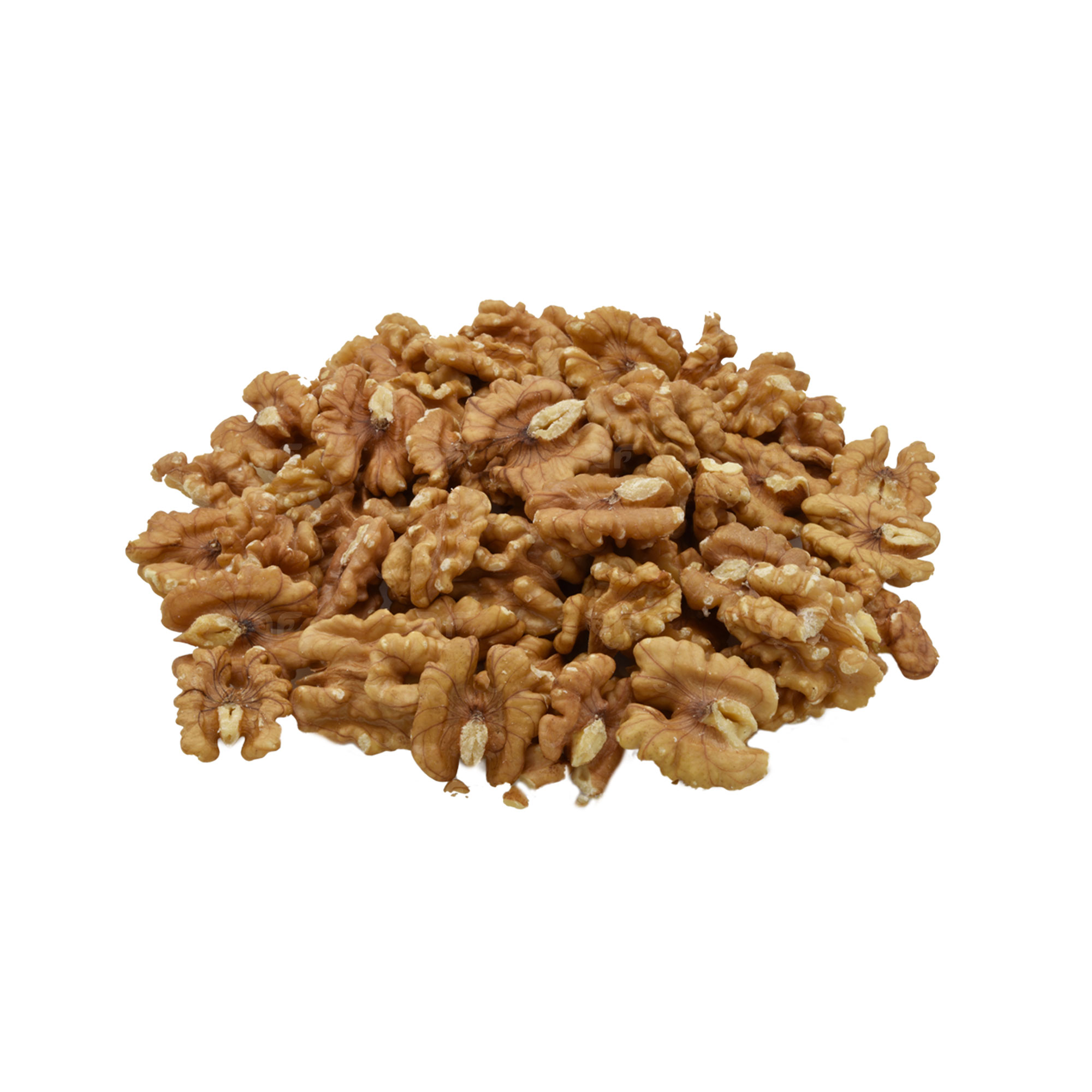

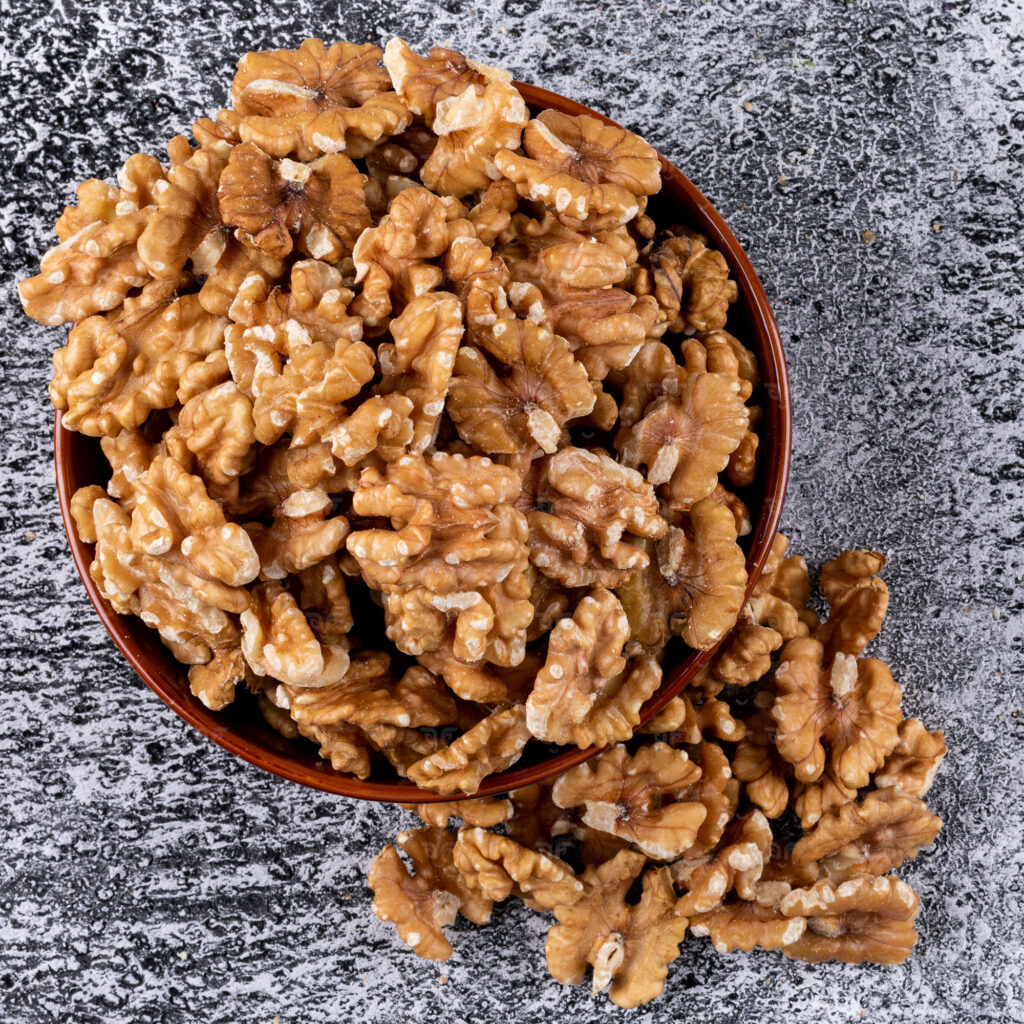
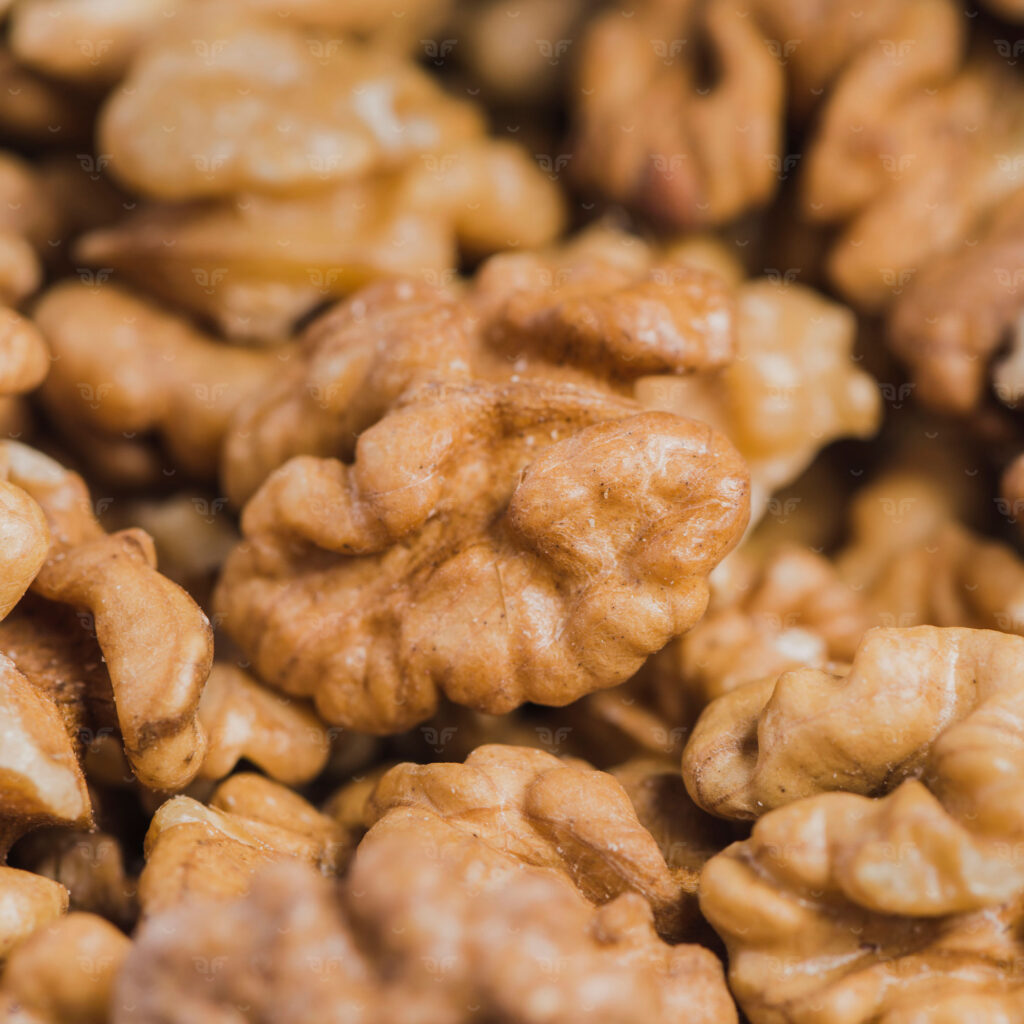
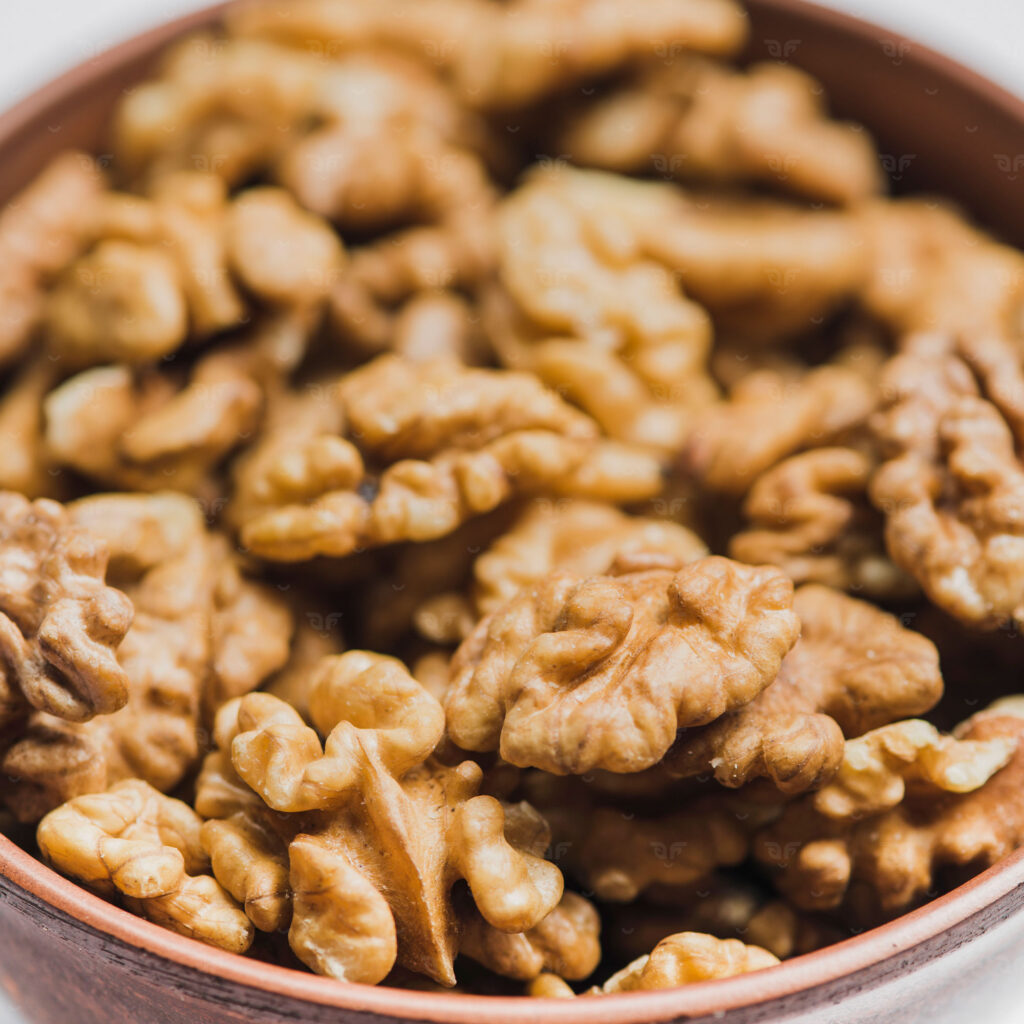
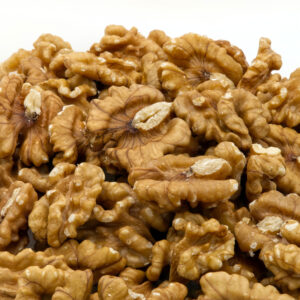
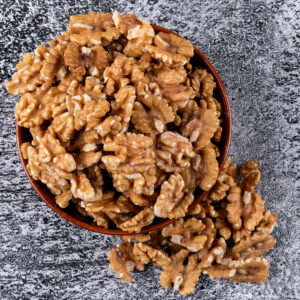
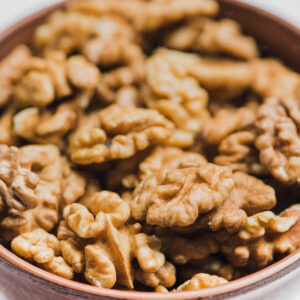
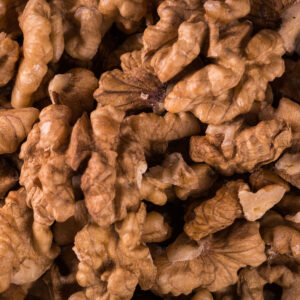
Walnut kernels combine a rich natural taste with practical value for food manufacturers, retailers, and ingredient buyers. They are the edible parts removed from the hard shells of walnuts, mainly from the Persian walnut species, Juglans regia L. Iran has a long history of walnut cultivation and includes many mountain and temperate farming areas that suit walnut trees. Depending on their grade, kernels may have a pale golden or light-brown skin, a firm texture, and a mildly sweet, buttery flavour. They are popular for direct snacking and are also widely used in bakery, confectionery, breakfast foods, salads, sauces, and processed nut products.
For international buyers, product quality is only one part of a successful walnut-kernel order. Clear grading terms, suitable packaging, proper storage, accurate documents, and dependable communication are also important throughout the purchasing process. JAM Food Co. works with B2B customers seeking Iranian food products prepared according to agreed commercial requirements. For walnut kernels, order details may cover kernel style, colour, moisture, defect limits, packaging, analytical requirements, and destination-market rules. Understanding these factors helps importers select a product that fits their technical needs and final commercial application.
A Short Glance at Walnut Kernel
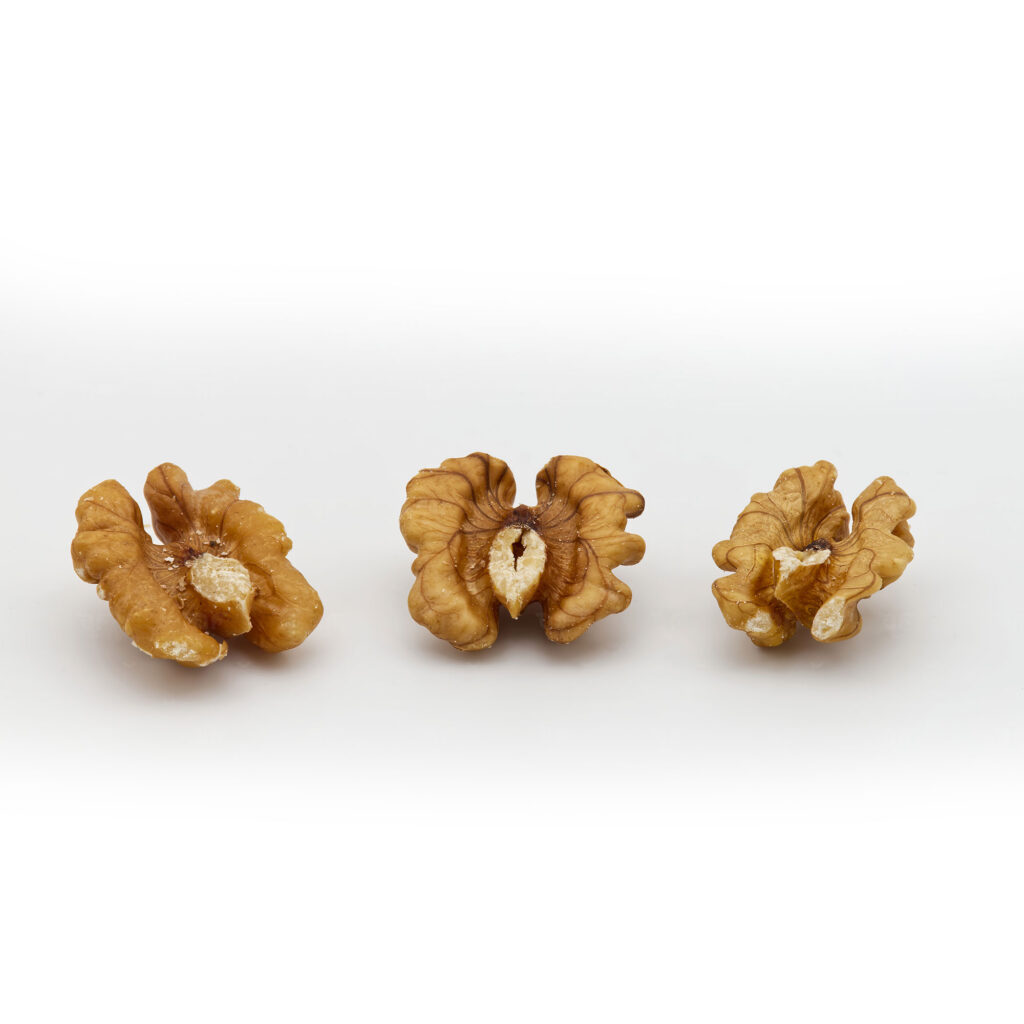
A walnut kernel is the edible seed found inside the hard shell of a walnut. Commercial walnut kernels usually come from Juglans regia L., also known as the Persian or English walnut. Each complete kernel normally has two folded lobes covered by a thin edible skin called the pellicle. After cracking, kernels can be sold as complete halves, chipped halves, quarters, large pieces, smaller broken pieces, or declared mixtures. Whole and light-coloured halves are often chosen for visible premium products, while pieces are practical for baking, cereal production, confectionery, fillings, nut pastes, and oil processing.
How Walnut Kernel Colour, Size, Texture, and Taste Define Quality?
Physical characteristics play a major role in walnut-kernel grading and final use. A retail brand may prefer clean, pale, uniform halves because customers can see the product clearly through the package. A bakery or cereal producer may choose quarters or pieces because the kernels will be chopped or mixed with other ingredients. Colour, shape, texture, aroma, and flavour can also indicate how the kernels were harvested, dried, stored, and handled. Commercial specifications commonly define acceptable limits for breakage, colour variation, shell fragments, moisture, and visible defects.
Colour and Appearance:
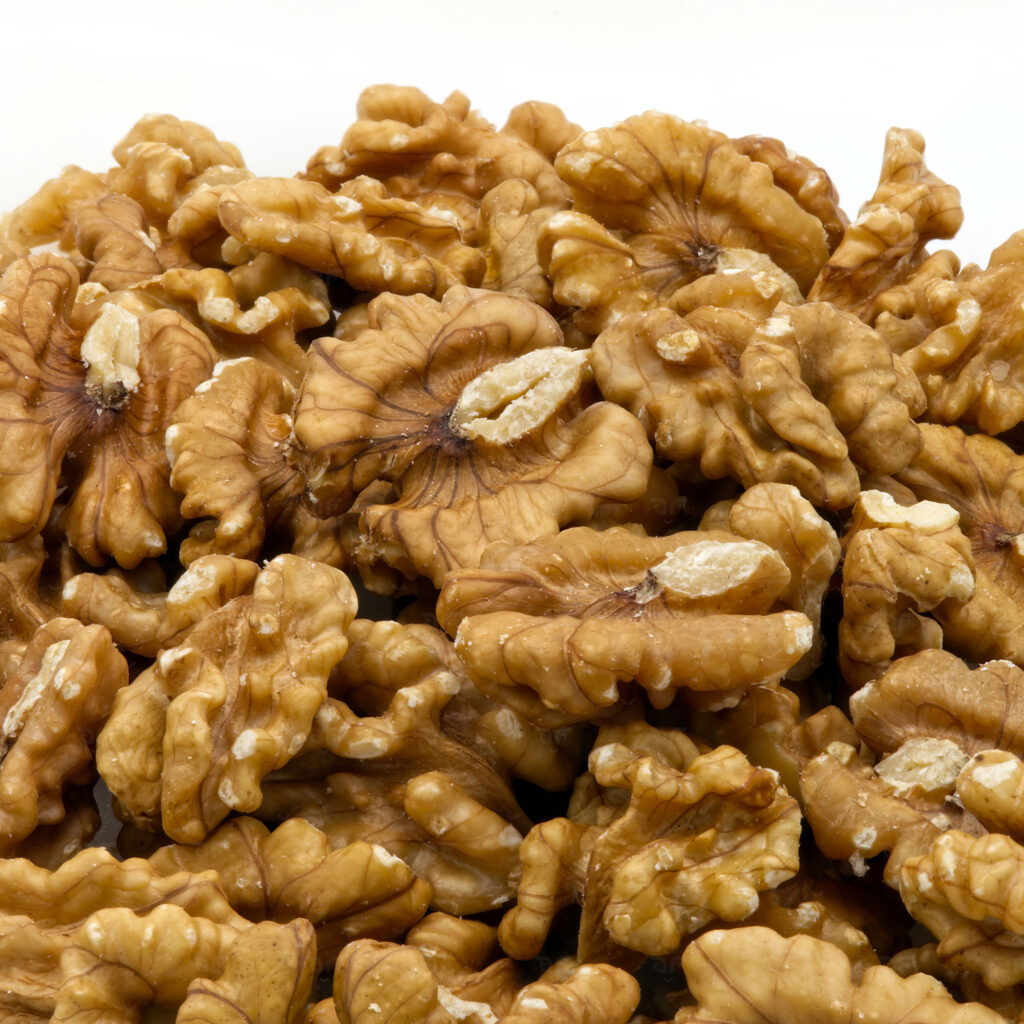
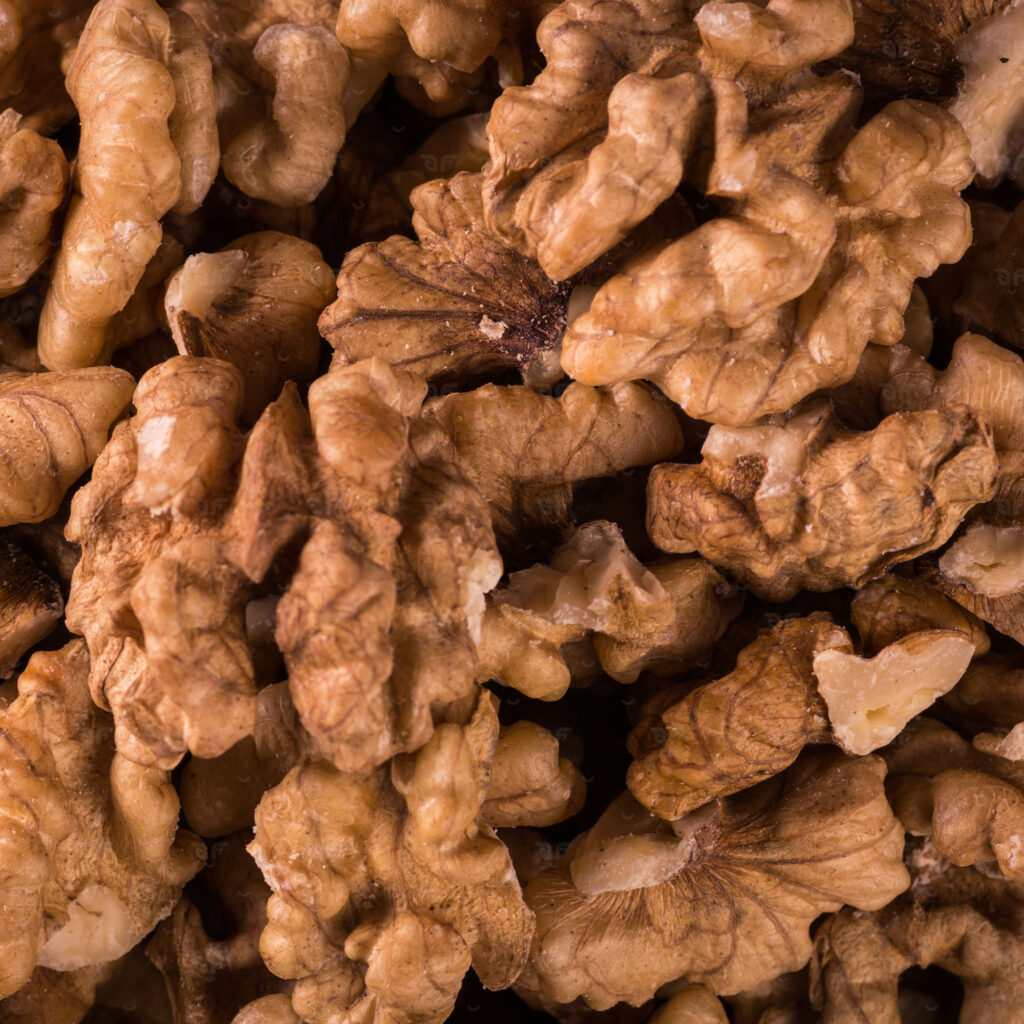
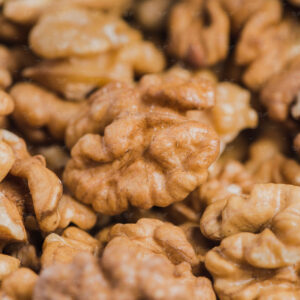
Walnut kernels have a pale cream interior covered by a thin skin that may appear straw-coloured, golden beige, light brown, or darker brown. Light and even colouring usually has stronger value in premium retail and decorative applications. Kernels should look clean and sound, without visible mould, insect damage, heavy staining, unusual oil marks, or large amounts of shell material.
Size and Shape:
A complete walnut usually separates into two folded halves with a clear lobed shape. These halves may remain intact or break into chipped halves, quarters, large pieces, and smaller fragments during cracking and handling. Size consistency is especially important for retail packs, gifts, toppings, and confectionery decoration. Mixed or broken forms are more suitable when appearance is less important than flavour and ingredient performance.
Texture:
Properly dried walnut kernels should feel firm and give a clear, crisp bite. Their natural oil content then creates a softer and richer mouthfeel during chewing. Kernels that have absorbed moisture may become soft, rubbery, or less pleasant to eat. Extremely dry or poorly developed kernels may appear shrivelled and tough. Smaller pieces have more exposed surface area, so they may lose freshness faster than intact halves.
Taste:
Fresh walnut kernels usually have a rich, nutty, mildly sweet, and slightly earthy taste. Their natural oils can also create a smooth, buttery flavour. The thin outer skin may add a light bitter or dry note, especially in darker kernels. Strong bitterness, mustiness, fermentation, or paint-like and cardboard-like flavours are not normal. Such flavours may indicate oxidation, ageing, unsuitable storage, or another quality problem.
Walnut Kernel Nutrition: Healthy Fats, Protein, and Key Minerals
Walnut kernels are energy-rich because a large part of their weight comes from natural fat. Most of this fat is unsaturated, including linoleic acid and alpha-linolenic acid, often called ALA. ALA is a plant-based omega-3 fatty acid. Walnuts also provide plant protein, dietary fibre, magnesium, phosphorus, potassium, copper, manganese, and several B vitamins. Regular walnut consumption may support a balanced diet and may help improve some blood-fat measures when used as part of an overall healthy eating pattern. This nutritional profile makes walnuts suitable for foods positioned around unsaturated fats, fibre, and plant-based nutrients.
Growing and Harvesting of Walnut Kernel
Walnut trees grow best in temperate areas that provide enough winter cold, warm growing conditions, good sunlight, and a suitable water supply. Winter chilling means a period of low temperature that helps the tree complete its natural rest stage before new growth begins. Different walnut types may need different levels of winter cold. The trees also require protection from severe late-spring frost, which can damage young shoots and flowers. In Iran, walnut farming takes place across several mountain, highland, and temperate regions. Commercial sourcing records can identify the production area linked to each lot.
- Climate Conditions:
Walnut trees generally need cold winters followed by warm and sunny growing seasons. Strong late frost can harm new growth, while extreme heat and drought may reduce nut development. Dry weather near harvest can support cleaner collection and faster drying. High humidity and rain during harvest may increase staining, mould pressure, and the time required to bring the nuts to a stable moisture level.
- Soil Requirements:
Productive walnut trees normally perform best in deep, fertile, and well-drained soil. Deep soil gives the large root system enough space to develop, while good drainage prevents water from remaining around the roots. Loamy soil, which contains a balanced mixture of sand, silt, and clay, is often suitable. Heavy, compacted, highly salty, or waterlogged soil may limit tree growth and reduce orchard performance.
- Major Growing Regions:
Iranian walnut populations and orchards are found in areas such as Kerman, Markazi, Semnan, Shahmirzad, Guilan, and Mazandaran, as well as other suitable temperate and mountainous locations. Conditions differ greatly between these areas. Altitude, rainfall, irrigation, local walnut genetics, and farming methods can affect shell thickness, kernel colour, size, flavour, harvest date, and the percentage of kernel inside each nut.
Traditional Iranian walnut orchards may include trees grown from seed. These trees can show wide natural differences, even within the same farming area. Newer orchards may use selected or grafted trees to improve consistency. Grafting joins a selected upper part of one tree to the root system of another tree. Common orchard work includes pruning, irrigation, soil nutrition, pest monitoring, disease management, and preparation of the orchard floor before harvest. These practices support tree health, reduce harvest losses, and help farmers collect cleaner walnuts at the correct stage of maturity.
When Are Walnut Kernels Harvested in Iran?
Walnuts in the Northern Hemisphere are generally harvested from late summer through autumn, with September and October being common harvest months. The exact period changes according to the walnut type, altitude, local temperature, irrigation, and seasonal weather. Farmers look for signs such as full kernel development, browning of the inner packing tissue, and loosening or splitting of the green outer hull. The hull is the green covering around the hard walnut shell. Harvesting at the right time supports better kernel weight, shell separation, colour, texture, and storage performance.
Harvesting too early can produce kernels that are underdeveloped, light in weight, difficult to remove from the shell, or more heavily shrivelled after drying. Harvesting too late creates a different group of risks. Mature nuts may remain on the tree or damp ground for too long, increasing contact with insects, soil, rain, and decaying orchard matter. Delayed harvest may also cause darker kernel skins, shell staining, mould development, and lower visual value. Rapid collection after maturity is an important part of protecting higher-grade walnut kernels.
From Orchard to Graded Kernel: The Walnut Harvesting Process
Walnut harvesting may be carried out by hand, with branch shaking, or through mechanical systems that shake the trees and collect the fallen nuts. The selected system depends on orchard size, tree form, local equipment, and labour availability. Whatever method is used, mature walnuts should be collected quickly and moved away from damp soil, animals, rain, insects, and other sources of contamination. Clean collection containers and suitable transport conditions help protect the crop before dehulling, cleaning, drying, cracking, sorting, and final packaging.
- Maturity Checking:
Before harvest begins, growers check kernel development, hull condition, and other maturity signs. The aim is to avoid both premature harvest and unnecessary delay. A suitable harvest date helps achieve better kernel weight, easier hull separation, stronger colour, and more even drying. Different orchard areas or walnut types may become ready at slightly different times.
- Tree Shaking or Manual Picking:
Mature walnuts may be removed by hand, by shaking branches, or by using mechanical tree shakers. Mechanical harvesting can improve speed in larger orchards, while hand methods may still be used in traditional or difficult locations. Careful handling reduces damage to the trees and helps prevent unnecessary shell cracking before the walnuts reach the processing stage.
- Rapid Collection:
Fallen walnuts should be collected as soon as possible. Long contact with wet ground can increase shell staining, moisture absorption, insect exposure, and fungal growth. Collection may involve sheets, clean orchard floors, sweeping equipment, or pickup machinery. Workers remove visibly rotten, empty, mouldy, or seriously pest-damaged nuts before the main crop moves to further processing.
- Dehulling and Cleaning:
The green outer hull is removed soon after harvest. Delayed dehulling can cause dark stains and reduce the visual quality of both the shell and kernel. After dehulling, walnuts may be cleaned to remove soil, plant matter, and remaining hull material. Where water is used, it needs to be suitable for food processing and managed in a way that limits cross-contamination.
- Controlled Drying:
Fresh walnuts contain too much moisture for safe long-term storage. Drying reduces moisture and limits the conditions needed for fungal growth. Processors control air movement, time, and temperature so that the nuts dry evenly without heat damage. Excessive heat can harm flavour and colour. Representative samples allow the processor to check whether the finished kernels meet the required moisture specification.
- Cracking the Shells:
Dried in-shell walnuts are cracked by manual or mechanical systems. The process opens the shell while protecting the kernel as much as possible. Careful cracking is particularly important when the buyer needs a high percentage of complete halves. Poorly adjusted equipment can create too many small pieces and may leave additional shell fragments mixed with the edible product.
- Sorting and Grading:
After cracking, kernels are separated by form, colour, and quality. They may be graded as halves, chipped halves, quarters, large pieces, broken pieces, or mixtures. Workers or sorting equipment remove shell fragments, mouldy kernels, insect-damaged material, heavily shrivelled kernels, and other defects. Colour sorting may also separate lighter kernels from medium or darker grades for different applications.
- Final Quality Control and Packing:
Before packing, the lot may be checked for moisture, odour, flavour, colour, style, foreign material, visible defects, and the analytical requirements agreed with the buyer. Each lot receives clear identification for traceability. Traceability means that the product can be connected to its processing and supply records. Finished kernels then need packaging that protects them from moisture, oxygen, pests, light, breakage, and foreign smells.
Storage Guidelines and Durability of Walnut Kernel
Storage has a direct effect on walnut-kernel flavour, appearance, texture, and commercial life. Walnuts contain a high level of polyunsaturated fat, which can react with oxygen over time. This process is called oxidation and can create stale or rancid flavours. Heat, light, air, humidity, and long storage periods can increase this reaction. Kernels can also absorb moisture and smells from the surrounding environment. Walnut kernels are therefore stored in well-sealed barrier packaging within a clean, dry, cool, dark, and odour-free warehouse.
Best Storage Conditions for Walnut Kernels
For extended commercial storage, a temperature between 0°C and 10°C is preferable, while refrigeration near 0°C to 5°C can offer stronger protection. Relative humidity should generally remain below 70%. Relative humidity describes the amount of moisture in the air compared with the maximum the air can hold at that temperature. Packages should remain away from direct sunlight, heating systems, wet walls, chemicals, spices, and other strongly scented goods. Cartons are normally placed on clean pallets rather than directly on the warehouse floor.
Walnut kernels should remain in closed packaging until they are needed. Opening and resealing packages can introduce oxygen, moisture, dust, or foreign smells. Strong temperature changes are also avoided because they can create condensation inside the pack. Condensation is the water that forms when warm, humid air contacts a colder surface. Warehouse operators monitor temperature and humidity and may use a first-expired, first-out stock system. This means products with the earliest best-before date are dispatched before products with later dates.
How Long Do Walnut Kernels Stay Fresh?
Walnut-kernel shelf life depends on initial quality, kernel size, moisture, packaging barrier, oxygen level, storage temperature, and handling. At normal room temperature, even sealed walnut kernels are generally better suited to short-term storage. A planning range of around one to three months may be used for best sensory quality, but this is not a fixed product guarantee. Warmer storage, light exposure, weak seals, and frequent package opening can shorten the period before changes in flavour, aroma, colour, and texture become noticeable.
Refrigerated walnut kernels in good barrier packaging may remain acceptable for approximately six to twelve months, depending on the product and storage system. Vacuum packing or nitrogen flushing may further reduce oxygen exposure. Nitrogen flushing is a form of modified-atmosphere packaging (MAP) in which normal air is replaced with a protective gas. Frozen storage in airtight packaging may support a period of about twelve months or longer. For JAM Food Co. orders, the declared shelf life can be linked to the selected product, packaging format, and stated storage conditions.
Signs of deterioration may include a stale, oily, paint-like, or cardboard-like smell; a strongly bitter taste; unusual darkening; loss of crispness; visible moisture; mould; or insect activity. A soft and rubbery texture may show that the kernels have absorbed moisture. Buyers and warehouse teams can inspect stock regularly and record any quality changes. Products showing mould, pest activity, or clearly rancid odours are separated from sound stock and normal commercial distribution.
Packaging Walnut Kernel at JAM Food Co.
Proper packaging is essential because walnut kernels can break, absorb moisture, collect foreign smells, and lose flavour through oxidation. Export packaging protects the kernels during warehouse storage, loading, container movement, customs handling, and final delivery. As a supplier of Walnut Kernel, JAM Food Co. can arrange packaging around the required kernel style, net weight, labelling information, storage statement, and destination conditions. The final commercial specification records the materials, pack size, sealing system, pallet arrangement, and shipment details selected for the order.
- Bulk Packaging Capabilities:
Bulk packaging is selected according to the kernel grade, order size, transport route, and buyer’s handling system. Strong corrugated cartons with food-grade inner liners are generally more protective for walnut halves than flexible sacks because they reduce crushing pressure. Net weight, carton strength, liner type, dimensions, and loading quantity can be organised around wholesale storage and transport needs. This approach supports safer stacking, easier inventory control, and more efficient container loading.
- Preservation and Sealing Techniques:
Walnut kernels benefit from seals and materials that limit oxygen and moisture movement. Common industry systems include heat-sealed liners, high-barrier bags, vacuum packaging, and modified-atmosphere packaging. These methods can slow oxidation, reduce moisture transfer, and help preserve flavour and texture. JAM Food Co. can match the sealing approach to the selected kernel form, expected storage temperature, transport period, package dimensions, and shelf-life requirements stated in the commercial order.
- Private Labeling and Retail Packaging:
Retail-ready packaging may include custom net weights, buyer artwork, multiple languages, barcodes, allergen statements, nutrition information, and destination-specific legal text. As an exporter of Walnut Kernel, JAM Food Co. can organise retail and private-label requirements around the buyer’s market, brand design, product format, and distribution plan. Pouch style, printing layout, carton marking, pack dimensions, and labelling content are recorded in the approved packaging specification.
- Export-Ready Palletization:
Export cartons are stacked in a stable pattern that protects the kernels from crushing and movement. Pallets may use stretch wrapping, corner protection, strapping, lot labels, and suitable spacing for container loading. Wooden pallets follow destination rules where regulated wood packaging is used. Shipment plans can state the number of cartons per pallet, pallets per container, loading pattern, gross weight, storage conditions, and handling instructions for the selected order.
About JAM Food Co.’s Walnut Kernel
JAM Food Co.’s walnut-kernel offer is organised around an agreed product specification. Buyers can define their preferred kernel style, colour range, moisture limit, defect tolerance, packaging format, analytical requirements, and intended food application. This specification guides sourcing, grading, packing, and order preparation. As a provider of Walnut Kernel, the company records key commercial details such as origin, grade, net weight, labelling, documentation, storage instructions, and buyer-specific quality requirements within the order documents.
Walnut-kernel orders may include supporting records such as a product specification, certificate of analysis, country-of-origin document, allergen statement, packing list, and destination-specific export papers. Some buyers may also request results for moisture, aflatoxin, microbiological quality, pesticide residues, heavy metals, or foreign material. The exact set of documents depends on the importing country, customer policy, final application, and agreed order terms.
JAM Food Co. as a Reliable Walnut Kernel Supplier
Reliability in walnut-kernel trade depends on clear communication and controlled order details. The supplier and buyer agree on kernel form, colour, moisture, permitted defects, packaging, analytical requirements, documents, and delivery conditions before the goods are prepared. JAM Food Co. supports this process by matching the buyer’s technical request with the commercial specification for the selected order. Traceability, correct lot identification, suitable storage, accurate export papers, and timely communication help maintain an organised B2B supply process.
Approval samples can help buyers examine colour, taste, size, texture, and kernel style before confirming a larger commercial order. Natural agricultural products may show reasonable differences between crops and lots, even when they belong to the same grade. Measurable acceptance limits provide a more reliable basis for trade than photographs or broad descriptions such as “premium.” Clear tolerances for halves, pieces, colour, moisture, shell fragments, damaged kernels, and foreign matter reduce misunderstandings during inspection and delivery.
HOW CAN JAM GROUP HELP YOU?
Send us a message and our friendly team will get back to you within one business day.




