










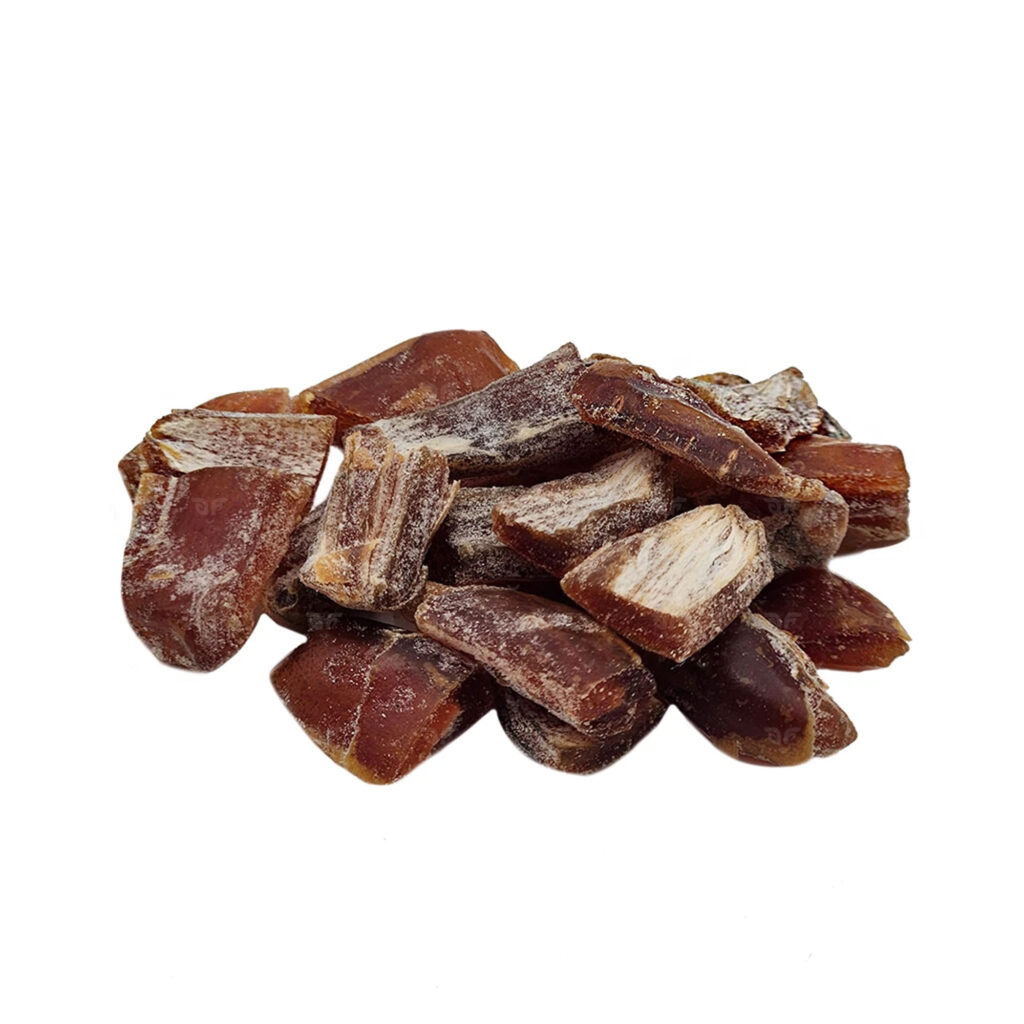
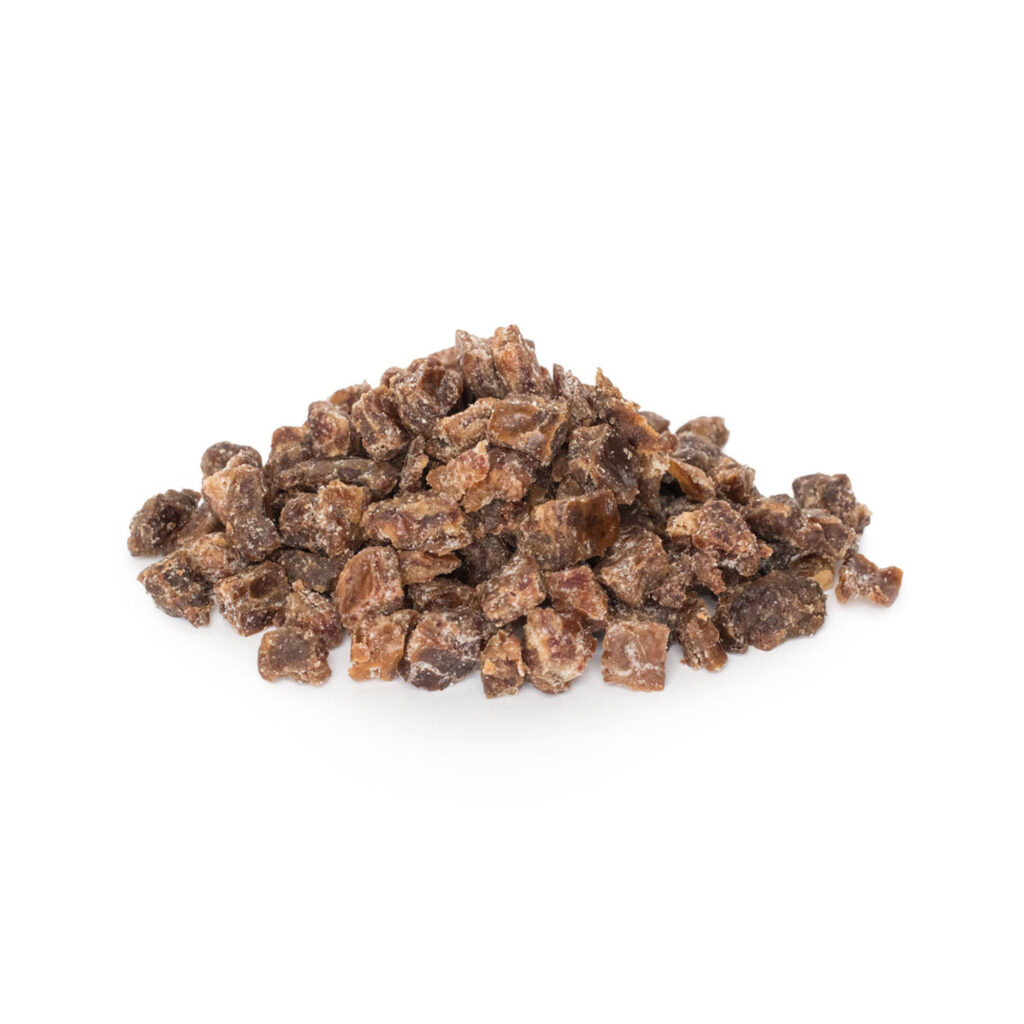
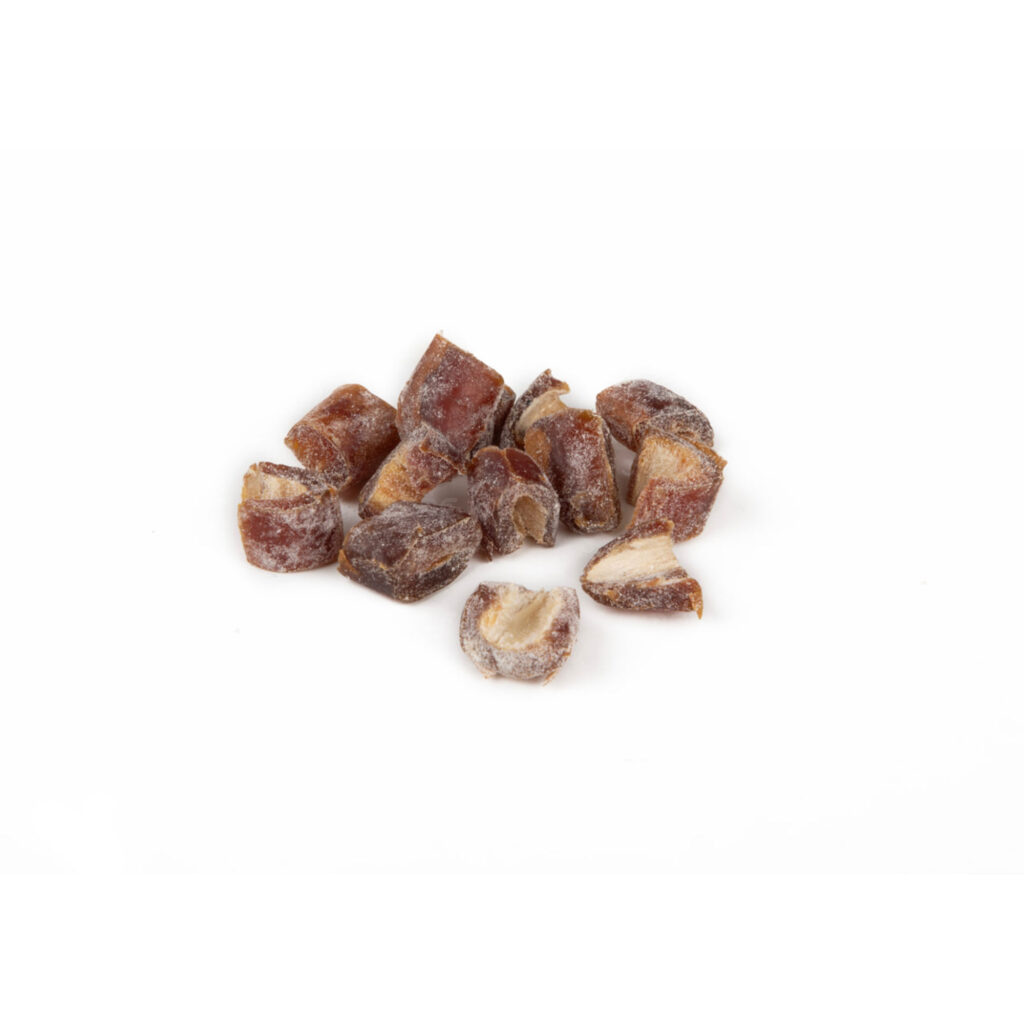
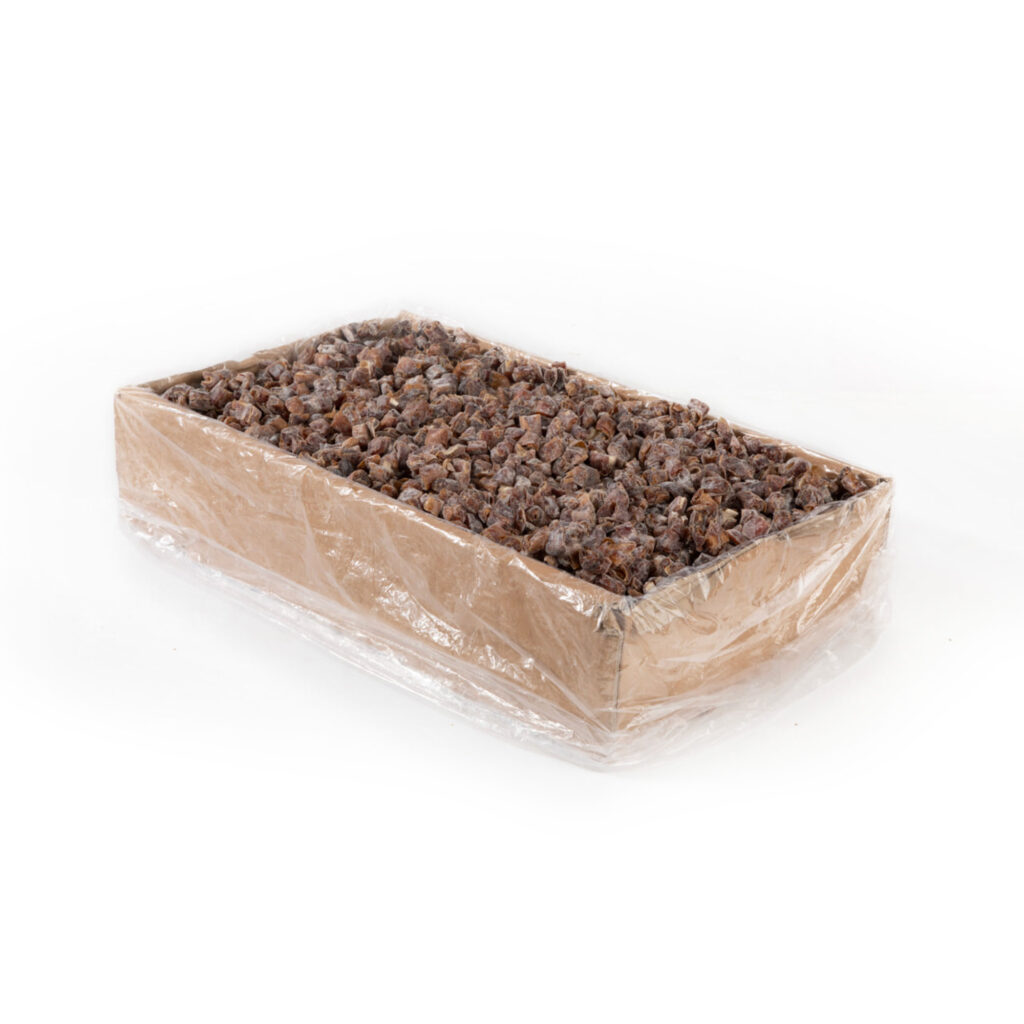
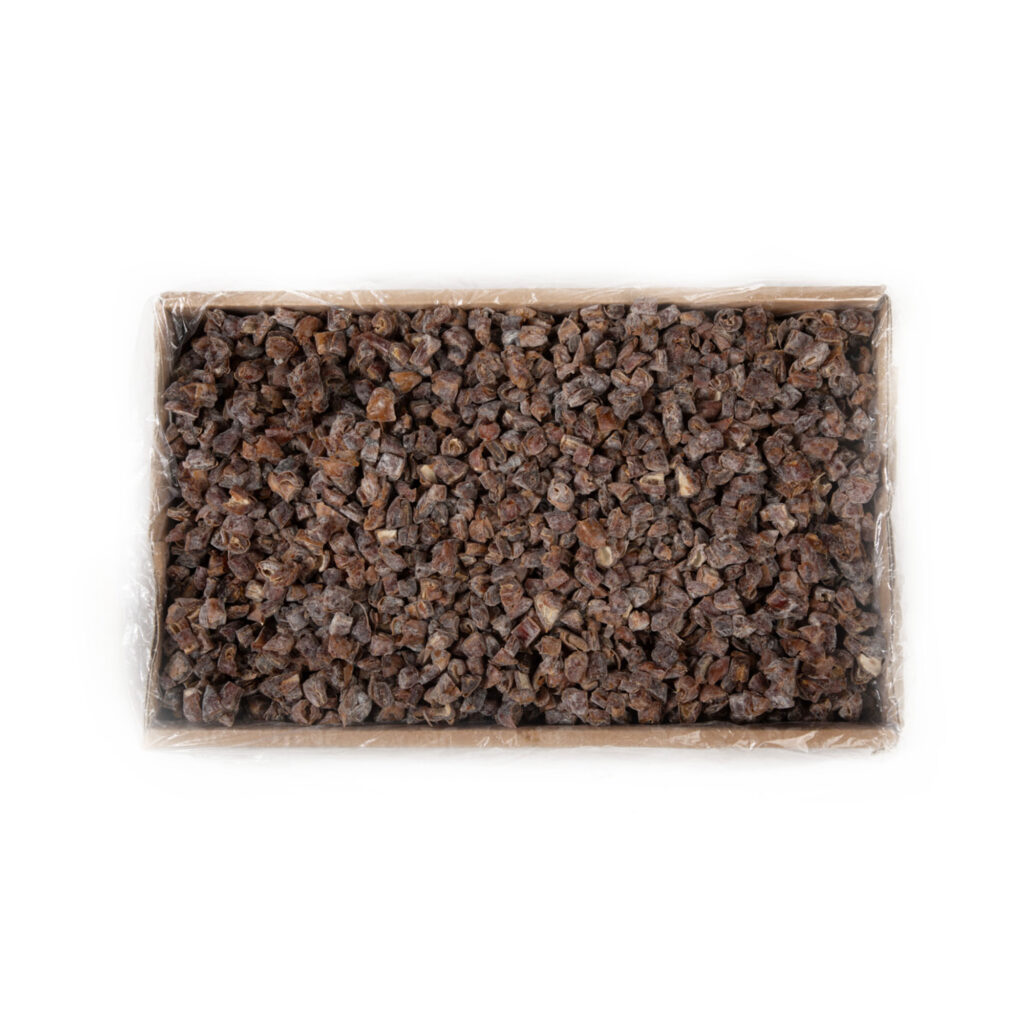
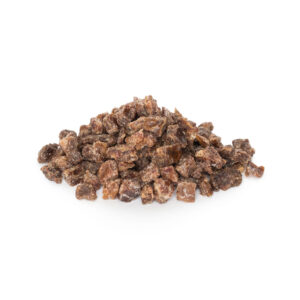
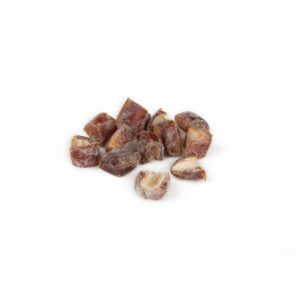
Chopped dates are a useful ingredient for many food businesses because they are sweet, easy to mix, and simple to use in both large-scale production and retail products. They are made from dates that are cleaned, pitted, and cut into smaller pieces, which makes them more convenient than whole fruit for baking and processing. Their natural sweetness supports clean-label product ideas, while their soft texture helps them blend well in bars, cakes, fillings, and snack mixes. For buyers who need a dependable fruit ingredient, chopped dates offer both function and flavor.
JAM Food Co. supplies chopped dates for customers who want consistent quality and reliable export-ready packing. For food brands, distributors, and manufacturers, a steady source of chopped dates matters because texture, cut size, and moisture level all affect the final product. JAM Food Co. focuses on sourcing, processing, and handling dates in a way that supports international trade and food safety expectations. If your business needs a multi-purpose date ingredient for industrial or commercial use, chopped dates are a strong option to explore.
A Short Glance at Chopped Dates
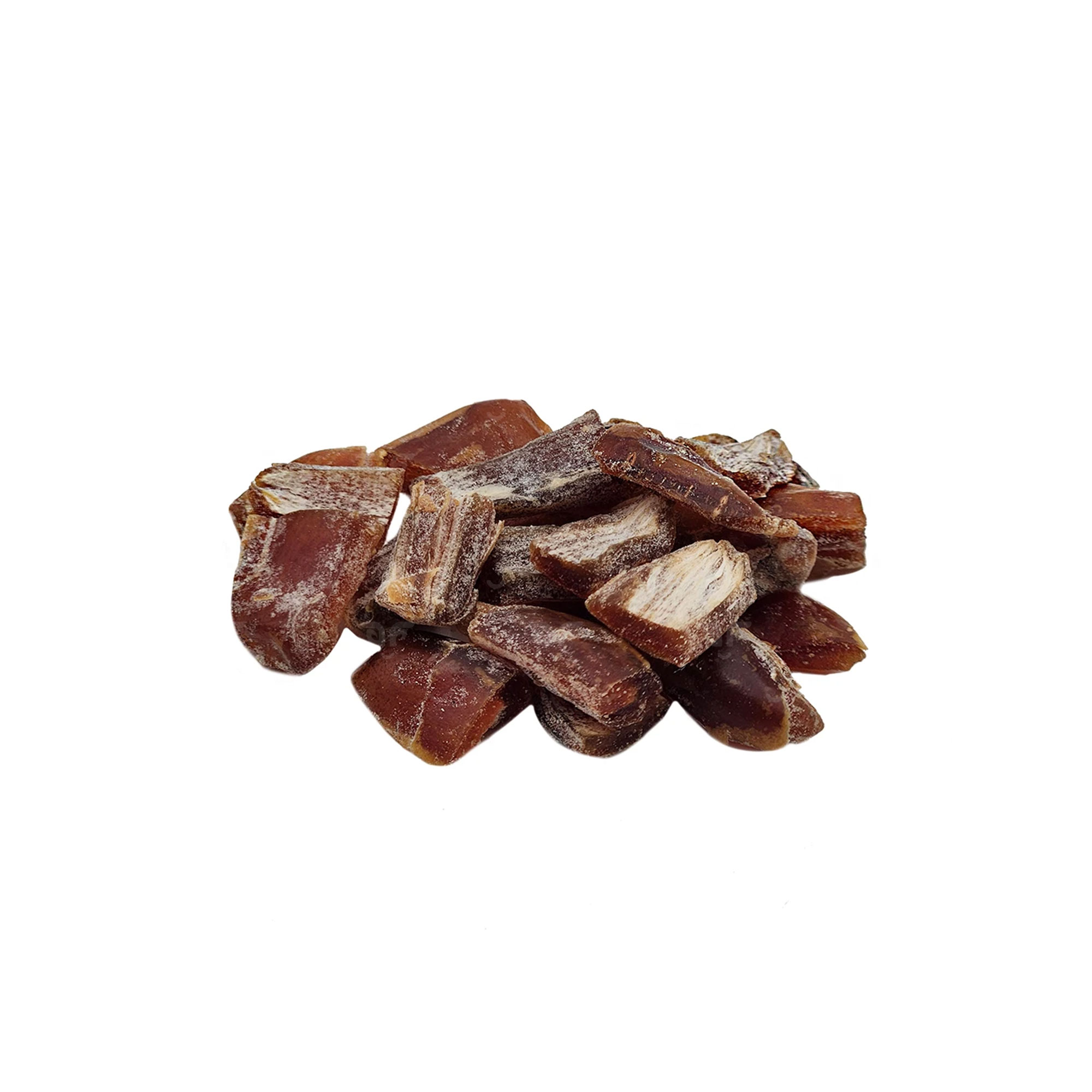
Chopped dates are date fruits that have been prepared by cleaning, pitting, and cutting into smaller pieces. This form is made for easier use in bakery, confectionery, and snack products where whole dates would be less practical. The pieces may be coarse, medium, or fine depending on the final use, but the main idea is the same: to give food makers a ready-to-use fruit ingredient with natural sweetness. Because they are made from dates, they keep the fruit’s rich taste and soft character.
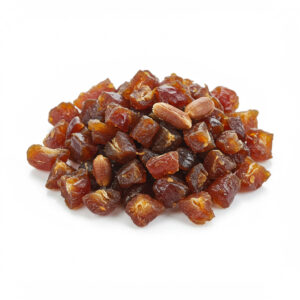
Their main traits include a dark brown color, a sticky or semi-soft feel, and a sweet flavor with caramel-like notes. These traits make chopped dates popular in recipes where moisture and fruit flavor matter. They are often used as an ingredient in cereal mixes, energy bars, fillings, and baked goods. Since they are easy to portion and blend, they are also helpful in industrial food production. Their simple form and broad use make them one of the most useful processed date ingredients.
Chopped Dates: Physical Characteristics, Color, Size, Texture, and Taste
The physical quality of chopped dates matters because it affects both appearance and performance in food products. Buyers usually look for even cut size, clean pieces, stable moisture, and a consistent dark tone. These features help the ingredient mix well in doughs, fillings, and snack blends without creating uneven texture. Since chopped dates are used in many types of food, their look and feel must match the intended use.
- Color and Appearance:
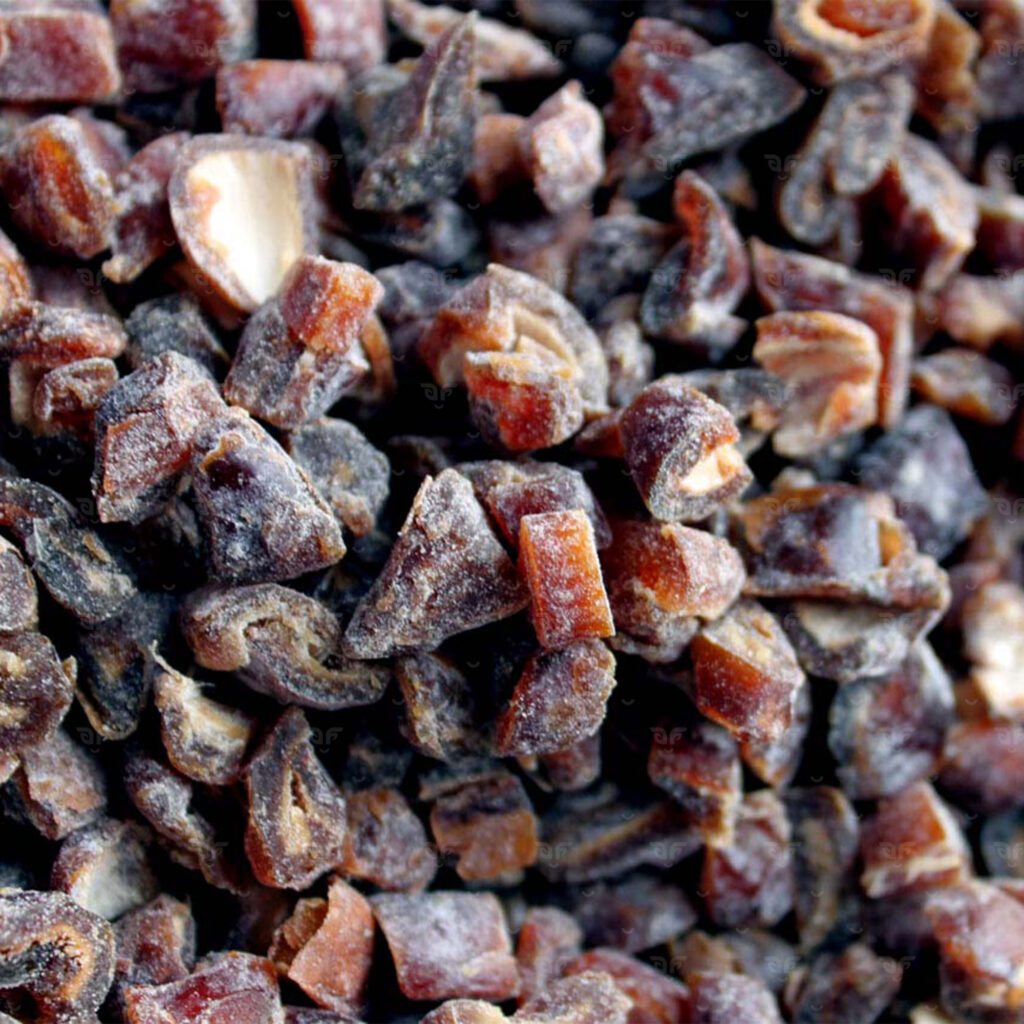
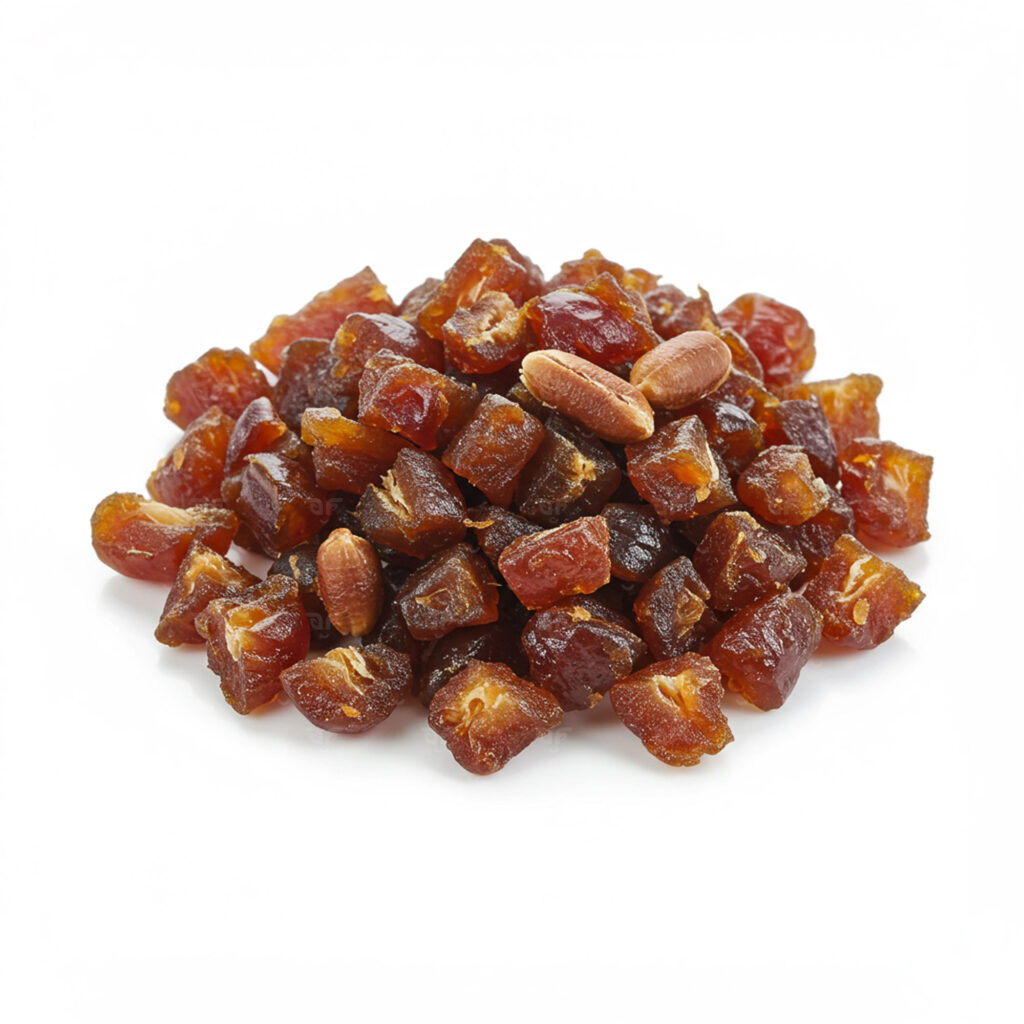
Chopped dates usually appear in shades of dark brown to deep amber, depending on the date type and moisture level. The pieces should look clean, with limited dust, stems, or other unwanted matter. A more even appearance often suggests better processing and sorting, which is important for food makers who want consistent results in the final product.
- Size and Shape:
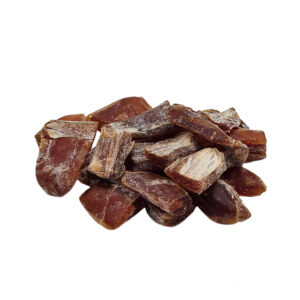
The pieces are irregular by nature, but good-quality chopped dates should still show a fairly uniform cut. Some products are coarse-chopped for baking, while others are cut smaller for smoother blending. Size matters because it affects how the dates spread through the mix, how they bake, and how they feel in the mouth after processing.
- Texture:
Chopped dates are usually sticky, soft, chewy, or semi-dry, depending on the original date variety and its moisture content. This texture helps them hold together in bars and fillings, while still giving a fruit-like bite. If the pieces are too dry, they may not mix well; if they are too wet, they may clump during handling.
- Taste:
The flavor of chopped dates is naturally sweet and rich, with notes that can remind people of caramel, honey, or molasses. This makes them valuable in recipes that need sweetness without refined sugar alone. Their taste is gentle but noticeable, so they can support the overall flavor of baked goods, snacks, and dessert fillings without overpowering other ingredients.
Nutritional Value and Health Benefits of Chopped Dates
Chopped dates are known for their natural sugar content, fiber, and useful minerals, which is why they are often seen as a better-for-you sweet ingredient. They provide quick energy from fruit sugars while also adding fiber, which supports a more balanced ingredient profile. In many food products, they can replace part of refined sugar and still bring a pleasant taste and texture. This makes them attractive for clean-label recipes and products with a more natural image.
They also contain small amounts of minerals such as potassium and magnesium, which add to their nutritional value. For food makers, the main benefit is not only nutrition but also function: chopped dates help improve softness, sweetness, and body in a recipe. They work well in snack bars, baked goods, cereal blends, and fillings. Because they are fruit-based and easy to understand on a label, they fit well in products that aim to feel natural and simple.
Growing Conditions and Regional Farming Practices
Dates grow best in hot, dry, and sunny climates, where the weather supports slow fruit development and strong sugar buildup. These growing conditions are common in desert and semi-desert regions, where date palms can thrive with enough heat and controlled water supply. Irrigation is often necessary because rainfall is limited in many date-growing areas. Without proper water management, the fruit quality can drop and the harvest may become less suitable for processing.
Farmers also manage date palms carefully to protect fruit clusters and improve harvest quality. This can include controlled watering, regular palm care, and attention to the right harvest stage. Major growing regions are found in the Middle East and North Africa, along with other arid zones that support date farming. These regional practices matter because the climate and farm method influence sweetness, texture, and the final quality of chopped dates used by food businesses.
Harvesting Season and Timing Influences
The harvesting season for dates depends on the variety and the local climate, but timing is always important for quality. Dates picked too early may still be firm and less sweet, while fruit harvested at the proper stage has better flavor and a softer texture. This matters especially for chopped dates, because the fruit must be suitable for cutting and further processing. The right harvest time helps create a better ingredient for food production.
Weather during harvest can also affect the final result. Dry, stable conditions help protect the fruit’s cleanliness and reduce problems during handling. If harvest happens too late or in poor weather, moisture and texture may change in ways that reduce product quality. For processors, the goal is to collect ripe fruit at the right point so the chopped pieces will have the right sweetness, softness, and storage stability. Good timing supports both flavor and shelf performance.
Harvesting and Post-Harvest Processing Steps
Dates are usually harvested by hand or with careful handling methods that protect the fruit from damage. After harvest, the fruit is sorted so that damaged, underripe, or low-quality pieces can be removed. This sorting step helps keep the final chopped product more uniform. Since chopped dates are used in commercial food production, clean raw material is important before any further processing begins.
Next, the dates are cleaned, pitted, and chopped into smaller pieces. Pitting means removing the stone or seed inside the fruit, which is necessary before cutting. After chopping, the pieces may be checked again for size and quality before packing. Good post-harvest handling helps control moisture, reduce contamination, and prevent clumping. These steps are important because they help the chopped dates keep a stable texture and perform well in bakery, snack, and filling applications.
Storage Guidelines, Durability, and Shelf Life of Chopped Dates
Proper storage is important for chopped dates because the cut pieces can be affected by air, moisture, and heat more easily than whole fruit. If storage is poor, the dates may become sticky, dry, or contaminated, which lowers their value for food use. Cool, dry, and sealed conditions are the best choice for keeping the product in good shape. Packaging also plays a major role because it helps protect the fruit from outside humidity and unwanted contact.
Shelf life depends on the date variety, moisture level, storage temperature, and packaging quality. In general, chopped dates last longer when they are kept in sealed, moisture-safe packaging under stable conditions. Refrigerated storage may help in some supply chains, especially for longer holding periods. For food businesses, the goal is to keep the chopped pieces soft enough for use while preventing spoilage, clumping, and flavor loss. Good storage supports both product safety and final recipe quality.
About JAM Food Co.’s Chopped Dates
JAM Food Co. sources chopped dates with attention to consistency, cleanliness, and suitability for commercial food use. The company handles the fruit through careful sorting, pitting, and chopping so the final product can work well in bakery, snack, and filling applications. Each stage is managed to help keep the pieces uniform in size and stable in texture, which matters for both product performance and appearance. Quality assurance is focused on producing chopped dates that meet buyer expectations for freshness, handling quality, and export readiness.
JAM Food Co. as a Reliable Chopped Dates Supplier
JAM Food Co. is positioned to support B2B buyers who need a dependable chopped dates supplier for wholesale and international trade. Its capabilities include procurement from suitable growing regions, careful packing for bulk or retail supply, and quality control during preparation and shipment. The company’s export focus helps ensure the product is packed in a way that protects it during transport and storage. For buyers who need a steady supply of chopped dates with practical commercial packaging, JAM Food Co. offers a dependable sourcing and export solution.
Packaging Chopped Dates at JAM Food Co.
Packaging is a key step in preserving chopped dates because it protects the product from moisture change, contamination, and damage during transit. JAM Food Co. focuses on food-grade packaging that supports both bulk trade and retail distribution. For B2B buyers, the right packaging helps maintain cut quality and makes handling easier after delivery. It also supports smooth shipping, storage, and use in production settings.
- Bulk Packaging Capabilities:
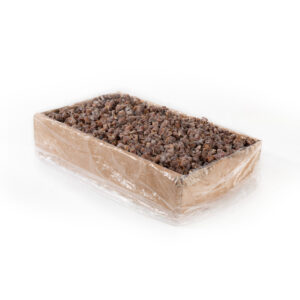
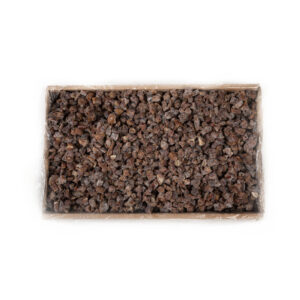
JAM Food Co. offers bulk formats that fit wholesale and industrial orders, such as lined cartons or other durable outer packs suited to export movement. These packaging styles are practical for food manufacturers who need larger volumes and stable product protection. Bulk packing is especially useful when buyers need chopped dates for baking, bars, or ingredient blending at scale.
- Preservation and Sealing Techniques:
To keep chopped dates in good condition, proper sealing and moisture protection are important. JAM Food Co. uses packaging methods that help reduce exposure to air and humidity, which can cause sticking or quality loss. This supports cleaner handling and better durability during storage and shipping. Moisture control is especially important for chopped fruit products because cut surfaces can change more quickly.
- Private Labeling and Retail Packaging:
JAM Food Co. can support branded market needs with packaging that suits retail presentation as well as commercial supply. This is useful for buyers who want a product ready for shelf display or custom branding.
- Export-Ready Palletization:
For international shipping, cartons must be stacked and secured in a way that reduces movement and damage. JAM Food Co. prepares export packs for stable palletization so the product can travel safely and efficiently. This approach helps protect the chopped dates during long-distance transport and supports easier warehouse handling. It also improves order stability for importers and distributors.
HOW CAN JAM GROUP HELP YOU?
Send us a message and our friendly team will get back to you within one business day.




