










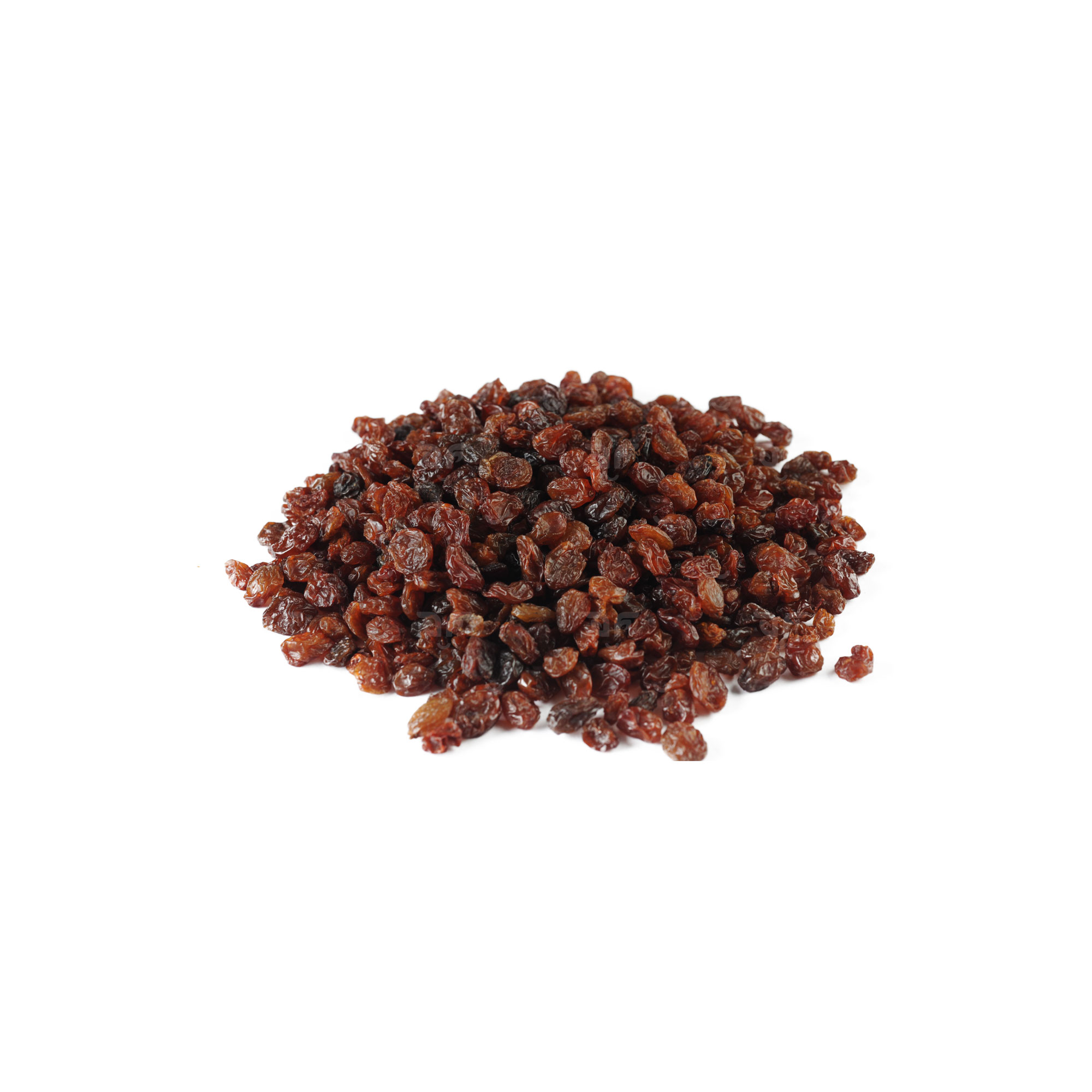

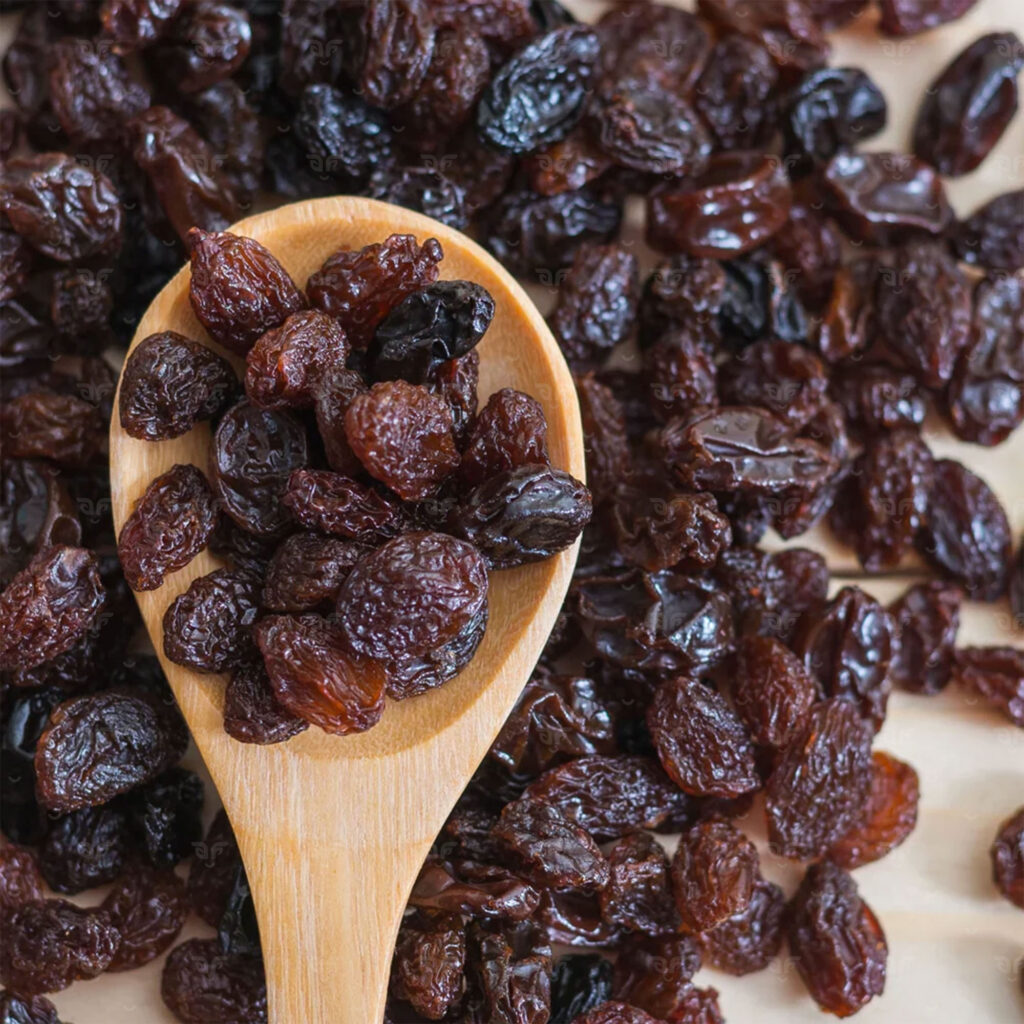
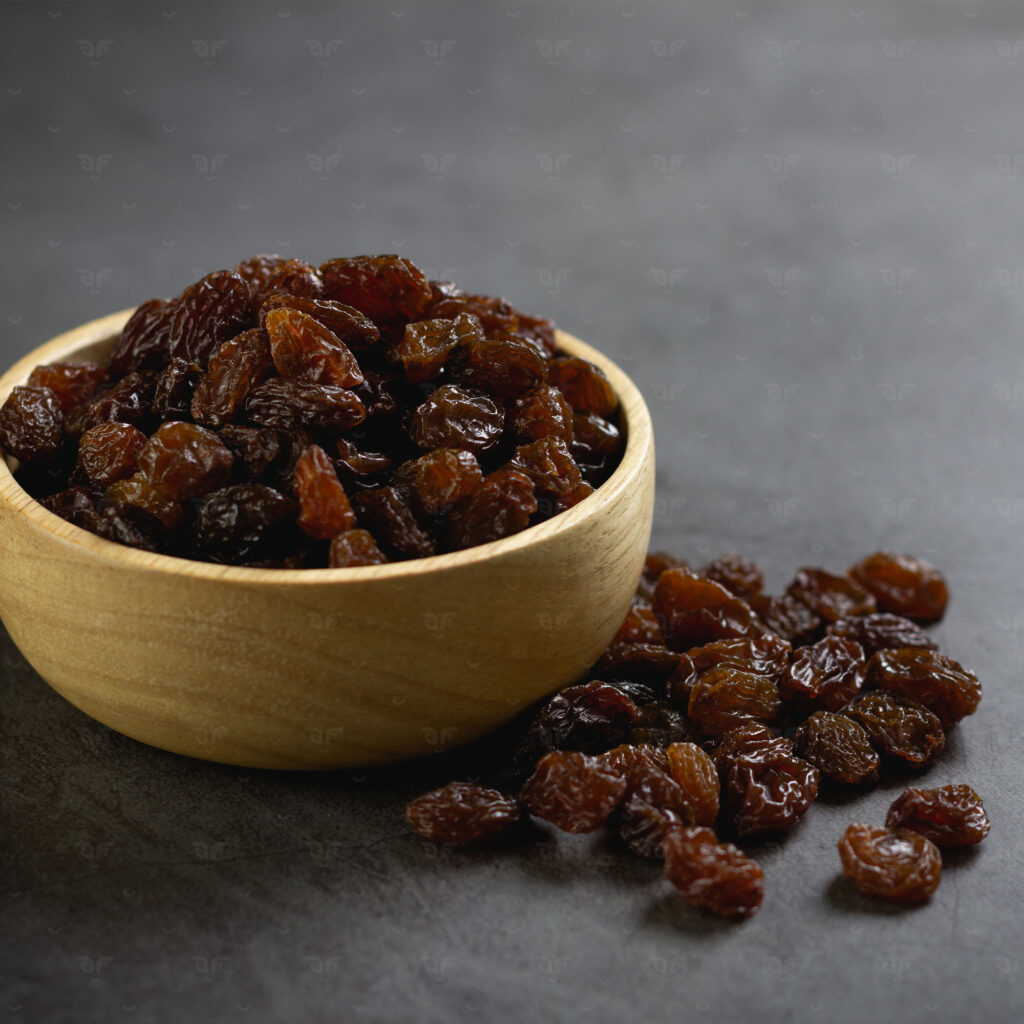
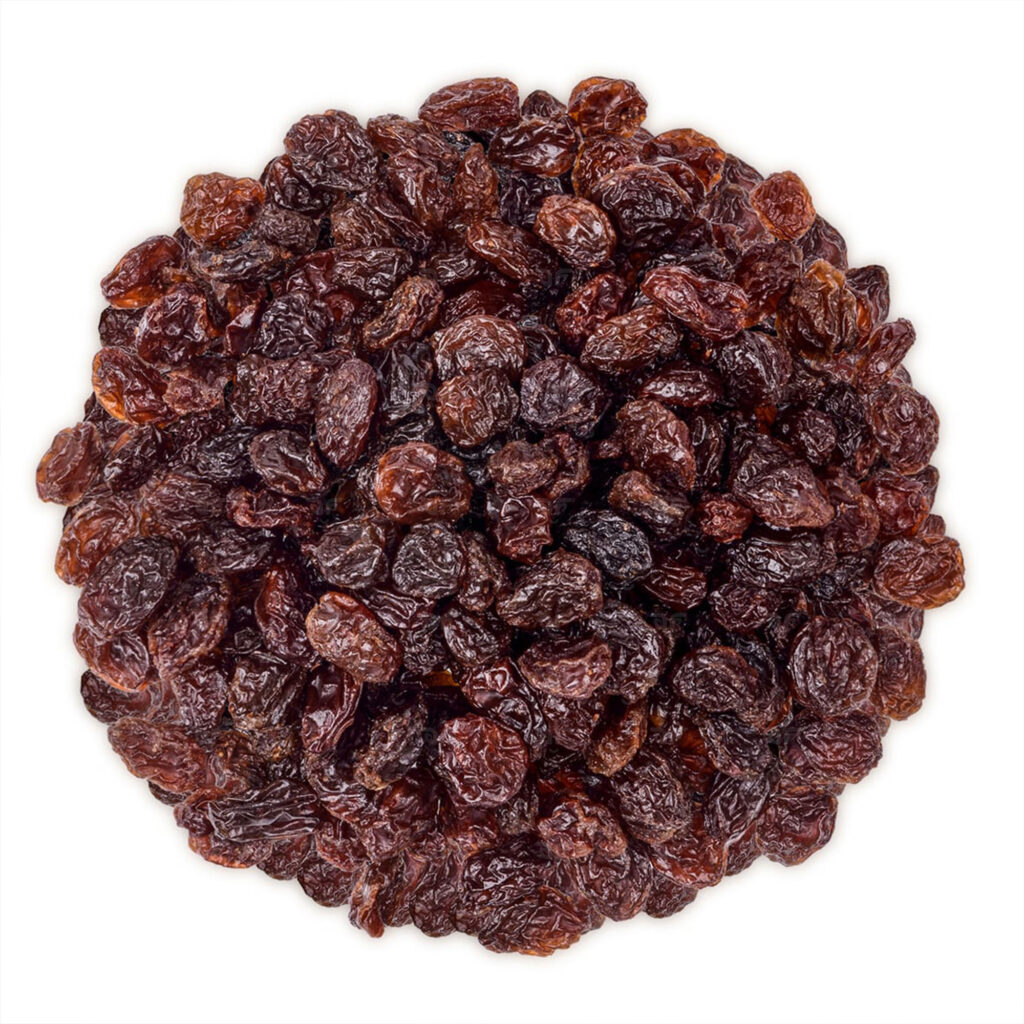
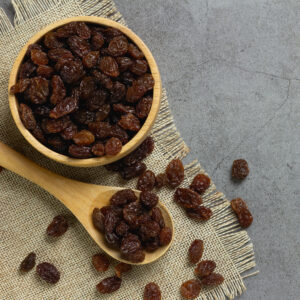
Few agricultural goods rival the value of top-tier dried fruits when buyers need a naturally sugary, calorie-dense component. Hailing from Iran’s highly productive vineyard districts, the Sultana Dark Brown Raisin stems from the Thompson seedless grape. This particular agricultural export stands out due to its substantial thickness, deep coloration, and concentrated fruit sugars. It commands strong demand within local Iranian markets as well as throughout European and Middle Eastern bulk trade routes. Buyers frequently purchase it for packaged consumer snacks and large-scale food manufacturing. The following sections outline the specific traits of this high-grade item.
Locating a dependable source for large-scale agricultural shipments is vital to uphold business standards and guarantee steady inventory. Securing a reliable supply chain requires partnering with a proven distributor of these dried fruits. JAM Food Co. operates as a major participant in the international trade arena, recognized for its proficiency in gathering, treating, and shipping bulk orders. The organization adheres rigorously to intensive safety inspections, modern cleanliness protocols, and global food compliance certifications. By merging direct farm access with industrial sorting machinery, they ship premium materials to international customers.
A Short Glance at Sultana Dark Brown Raisin
How does this specific dried good differentiate itself in worldwide commerce? Essentially, the Sultana Dark Brown Raisin is a seedless grape that receives a distinct alkaline wash prior to sun exposure. Locally referred to as the Tizabi technique, this preparation involves submerging the grapes in a harmless mixture of vegetable oil and potassium carbonate to accelerate moisture loss. In contrast to golden varieties, this dark version avoids all sulfur dioxide fumigation. Bypassing the sulfur treatment locks in the authentic color, which spans from rich amber to near-black. Consequently, the finished item is incredibly sweet, pliable, and long-lasting for various cooking and eating purposes.
Identifying the Visual and Textual Traits of Dark Brown Sultanas
Evaluating physical specifications is a critical step for commercial buyers looking to procure high-grade materials. A dried fruit’s outward appearance and structural properties immediately influence its financial worth and suitability for manufacturing. Recognizing these exact details guarantees you acquire the most appropriate component for your specific production line. By inspecting elements such as color depth, consistent measurements, and pliability, wholesale purchasers can reliably confirm the item’s legitimacy and overall standard prior to committing to massive freight orders.
- Color and Appearance:
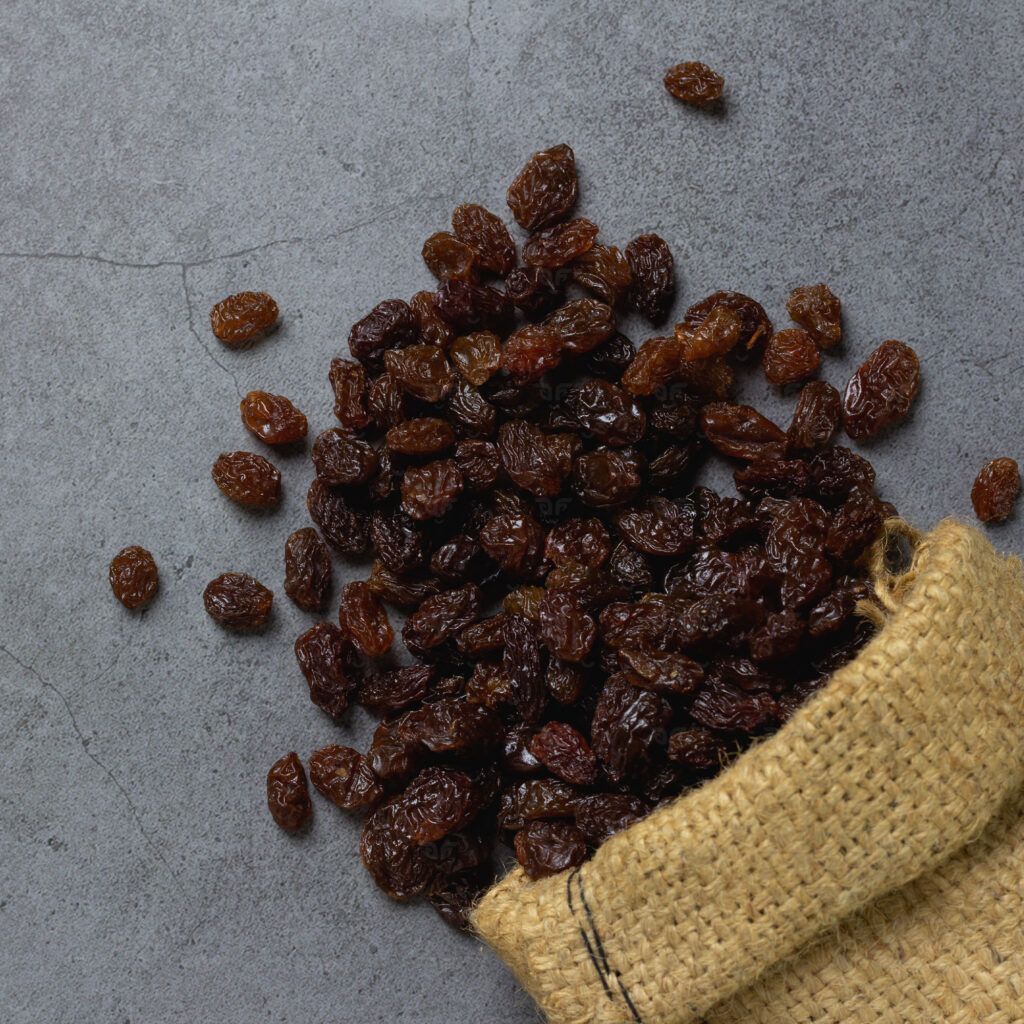
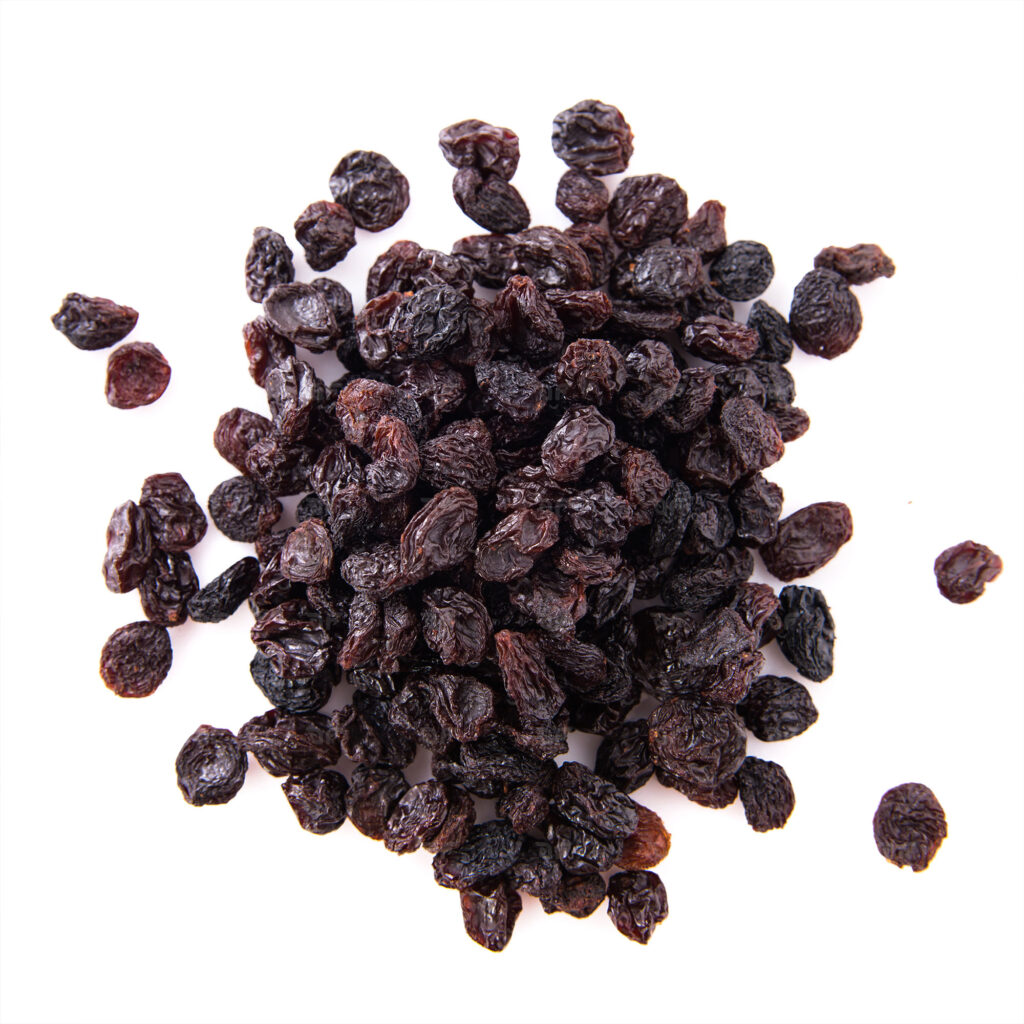
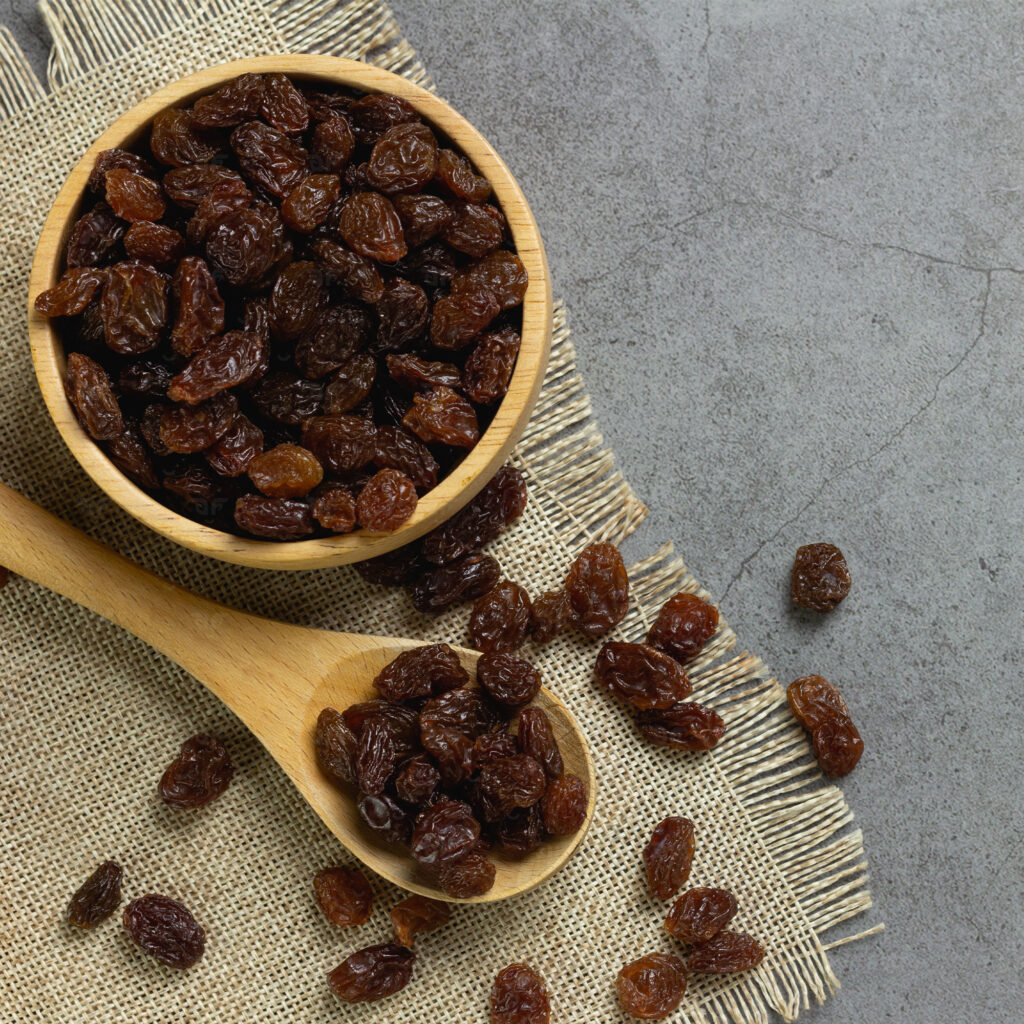
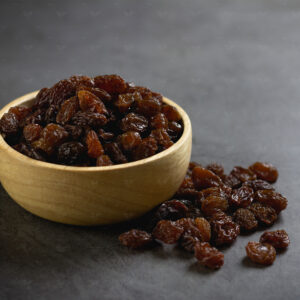
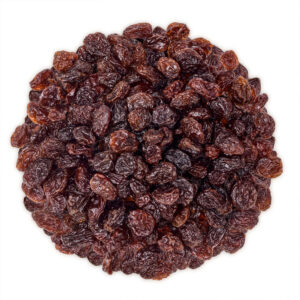
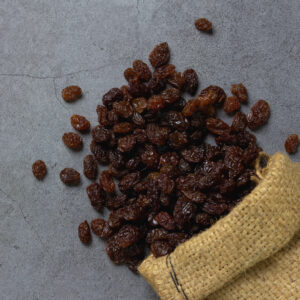
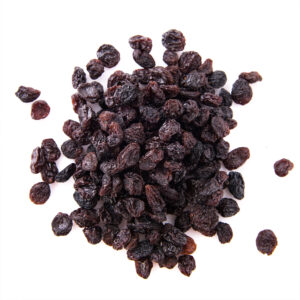
The visual range of this seed-free fruit extends beautifully from a dark mahogany shade to an intense amber tone. This pronounced coloration points to heavy sugar retention and proves that no artificial bleaches or synthetic dyes altered the natural drying phase.
- Size and Shape:
These select berries are prized for their consistent, rounded, and fleshy form. During commercial grading, they fall into specific brackets. Jumbo classifications hold 150 to 200 pieces per 100 grams, measuring 12 millimeters or wider. Regular medium grades typically span 10 to 12 millimeters.
- Texture:
From a structural standpoint, they remain notably tender, yielding, and easy to chew rather than stiff or hard. Processors carefully restrict the internal moisture level to stay between 15 and 18 percent. Workers also add a thin coating of plant-based oil to stop the pieces from clumping and to prevent any gritty residue.
- Taste:
The sensory experience is incredibly sugary, highlighting noticeable caramel notes alongside a honey-like finish. Because of the specialized alkaline wash, the end result boasts a denser concentration of natural glucose and fructose than regular sun-dried alternatives, yielding an intensely flavorful profile.
Essential Health Benefits and Nutritional Profile
Adding these unrefined snacks to everyday meals brings notable nutritional advantages, presenting a highly concentrated source of daily nourishment. They supply rapid energy via naturally occurring fructose and glucose, bypassing the need for processed sugars. Inherently lacking cholesterol, low in salt, and free of gluten, they match a wide array of dietary restrictions. Their abundant polyphenols and antioxidants fight against cellular damage caused by oxidative stress. Heavy doses of both soluble and insoluble fiber help stabilize digestion. They serve as an excellent botanical source of iron for red blood cell health and potassium for managing blood pressure.
Growing and Harvesting Sultana Dark Brown Raisin
The superior caliber of these farming yields stems directly from the area’s unique climate factors and traditional cultivation methods. Raising top-tier vines demands an exact mixture of regional geography and weather to maximize internal sugar content prior to picking. Growers merge generational agricultural wisdom with contemporary scientific monitoring to keep pesticide levels well below international legal limits. Such localized techniques limit root infections, encourage vigorous berry growth, and generate an outstanding export recognized globally for its taste and physical resilience.
Climate Conditions:
Plantations need a moderate to semi-dry environment to flourish. They rely on extended, warm, and arid summer months with abundant sunshine to maximize natural sugar production inside the berries. This necessary heat contrasts with chilly winter seasons that force the plants into required dormancy.
Soil Requirements:
The favored ground for these agricultural plots is porous, nutrient-dense, and mineral-heavy loam. Proper water drainage remains vital to avoid flooded roots. This condition defends the underlying root systems from rot while letting the plants pull the precise minerals required for optimal health.
Major Growing Regions:
Farmers primarily cultivate this particular vine stock across the rich soils of Iran’s northwestern and northeastern territories. The dominant planting zones and well-known agricultural hubs include Bonab, Zanjan, Takestan, Malayer, and Khorasan, all of which offer the perfect geographical setup for high-end farming.
Best Time for Picking Dark Sultana Grapes
Gathering the crop requires exact scheduling, as the timing directly determines the ultimate commercial classification of the goods. The standard picking season generally kicks off at the end of September and wraps up toward the middle of October. Cultivators purposely leave the berries attached to the branches until they achieve full maturity and highest possible sugar density (recorded as Brix). The chosen schedule impacts the outcome significantly; gathering prematurely creates sour, small berries, whereas delaying exposes the crop to dangerous autumn weather. Proper scheduling guarantees enough volume to sustain steady global exports throughout the calendar year.
Traditional and Modern Post-Harvest Steps
Treating the goods after gathering combines age-old practices with industrial machinery. First, laborers manually detach the bunches to protect the outer skin and prevent physical damage. Workers quickly submerge them into the alkaline liquid to speed up evaporation. After drying under the sun on sanitized ground for five to ten days, the untreated items move into modern factories. Machines strip the stems and wash the batches twice to wash away dirt. Lastly, the pieces travel through several high-tech inspection phases, involving laser color-matching, X-ray machines, and rigorous metal detectors, yielding a perfect commercial input.
Storage Guidelines and Durability of Sultana Dark Brown Raisin
Protecting the physical form and taste profile of these premium goods demands tight climate regulation throughout extended warehousing and sea freight. Correct holding protocols are vitally important to preserve the clean look, fresh taste, and soft bite of the inventory. Should the cargo face extreme temperatures or crushing weight, the concentrated sugars may solidify, fusing the distinct berries into solid blocks. By faithfully observing climate advice and blocking hazards like humidity penetration, wholesale clients can effortlessly maintain the high caliber of their massive stock.
Ideal Environmental Storage Conditions
To retain the optimal chewiness and ward off decay, buyers should keep the inventory in sanitized, chilly, and breathable spaces. The target room temperature must stay firmly between 10 and 15 degrees Celsius to actively prevent insect activity. Atmospheric moisture needs to hover accurately between 50 and 60 percent. Handlers must store the pallets far from harsh sunlight, pungent smells, or damp areas that might trigger fungal spread. Utilizing water-resistant liners is heavily suggested for any prolonged stationary storage.
Maximizing the Expected Shelf Life
Assuming the storage environment remains perfect, the functional lifespan of this high-grade item spans an impressive 12 to 24 months. Ambient surroundings heavily dictate this longevity. Sudden temperature shifts or tears in the protective plastic will rapidly ruin the goods and decrease the safe consumption window. By strictly enforcing climate regulations in the holding facility, commercial importers can safely accumulate large reserves over many months without fearing a drop in the supple feel, sugary taste, or dark aesthetic.
About JAM Food Co.’s Sultana Dark Brown Raisin
JAM Food Co. connects local Iranian agricultural heritage with rigid international health requirements. The enterprise selectively procures, transports, and refines its crops by partnering directly with top-tier regional farmers. After the picking phase, the raw materials ship to modernized, compliant factories for intensive inspection procedures. By operating a fully visible and controlled logistical network, the organization ensures total uniformity regarding berry dimension, shade, and flavor. Operating as a dedicated exporter of Sultana Dark Brown Raisin, the firm relies on fast-paced industrial sorting methods to fulfill enormous commercial requests without delay.
JAM Food Co. as a Reliable Sultana Dark Brown Raisin Supplier
The organization demonstrates impressive capacity for international distribution, heavy-duty boxing, and intensive defect removal. Their mechanical plants meet all recognized global hygiene protocols, holding current HACCP and ISO documents. Functioning as a proven supplier of Sultana Dark Brown Raisin, the business stands ready to execute massive freight agreements while maintaining top-tier standards. Possessing deep logistical knowledge regarding complicated delivery destinations like Canada and Europe, they make certain all containers land flawlessly, establishing themselves as a prime resource for industrial food brands.
Packaging Sultana Dark Brown Raisin at JAM Food Co.
Correct packing methods are absolutely necessary to protect the flavor, safety, and physical structure of agricultural goods during extensive overseas shipping. Functioning as a trusted provider of Sultana Dark Brown Raisin, JAM Food Co. applies commercial-grade, food-safe enclosures tailored for the international bulk trade. The facility operates modern bagging equipment to ensure each container passes rigorous global border inspections. By securing strict atmospheric boundaries inside the cartons, the goods stay insulated from dampness and external pollutants. This meticulous strategy ensures the superior standard of the cargo withstands demanding freight routes and extended warehousing.
Bulk Packaging Capabilities:
The enterprise supplies several standard weight categories to fit different client demands, loading items into 5kg, 10kg, and 12.5kg reinforced cardboard boxes. For maximum defense, these durable exterior containers feature protective polyethylene sacks inside to block out foreign substances.
Preservation and Sealing Techniques:
Factory operators seal the food-grade plastic liners tightly to trap internal moisture and repel insects. If buyers have unique requests, the facility can apply vacuum extraction or modified atmosphere packaging (MAP). These closure methods heavily prolong usable life and stop flavor cross-contamination.
Private Labeling and Retail Packaging:
Recognizing the demands of consumer-facing brands, the facility offers Original Equipment Manufacturer (OEM) options. Customers may order smaller pouches ready for store shelves featuring tailored graphic designs. This packaging freedom greatly helps B2B buyers who plan to introduce products directly to shoppers.
Export-Ready Palletization:
To minimize movement damage and efficiently use cargo container space, workers stack all boxes tightly, wrap them in heavy plastic, and strap them onto shipping pallets. This rigorous stacking protocol fully obeys international border rules and freight guidelines, allowing smooth handling at destination warehouses.
HOW CAN JAM GROUP HELP YOU?
Send us a message and our friendly team will get back to you within one business day.




