











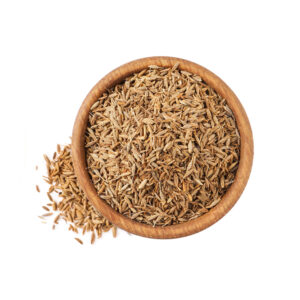
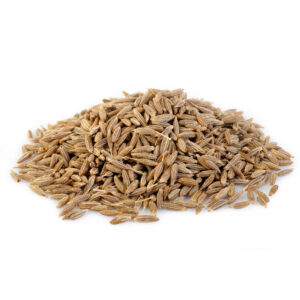
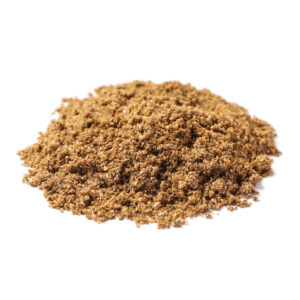
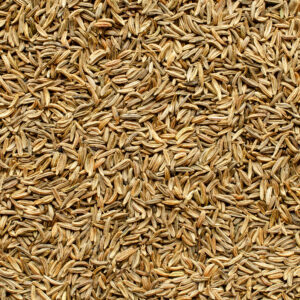
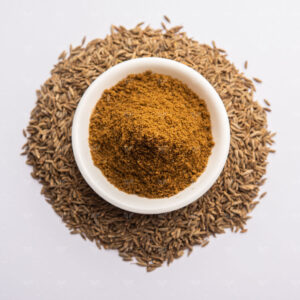
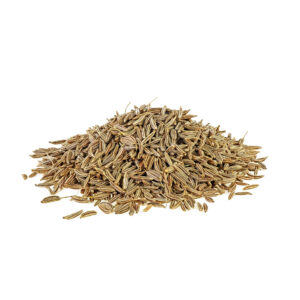
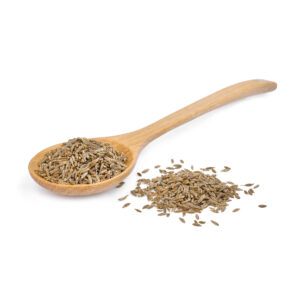
Sourcing high-quality spices requires a deep understanding of agricultural origins. Green Cumin seed grows natively across the Eastern Mediterranean and the Middle East, with Iran serving as a major historical cultivation center. Buyers globally seek this specific agricultural product for its concentrated essential oils and deep, earthy taste. High-grade lots contain minimal moisture and no foreign matter. Food manufacturers use these seeds heavily in industrial cooking, while the nutraceutical sector values them for their bioactive properties. Whether you need whole seeds or finely ground powder, this commodity remains essential for commercial applications.
Finding a dependable wholesale partner is the most important step in securing your agricultural supply chain. JAM Food Co. operates as a highly experienced participant in the international spice market. They specialize in processing and shipping pure Green Cumin seed to commercial buyers around the world. The company closely monitors every phase of production, starting from the farm all the way to final container loading. Their operations maintain strict international food safety standards, prioritize hygienic packing environments, and utilize modern optical sorting technology. This meticulous approach guarantees consistency for B2B importers globally.
A Short Glance at Green Cumin seed
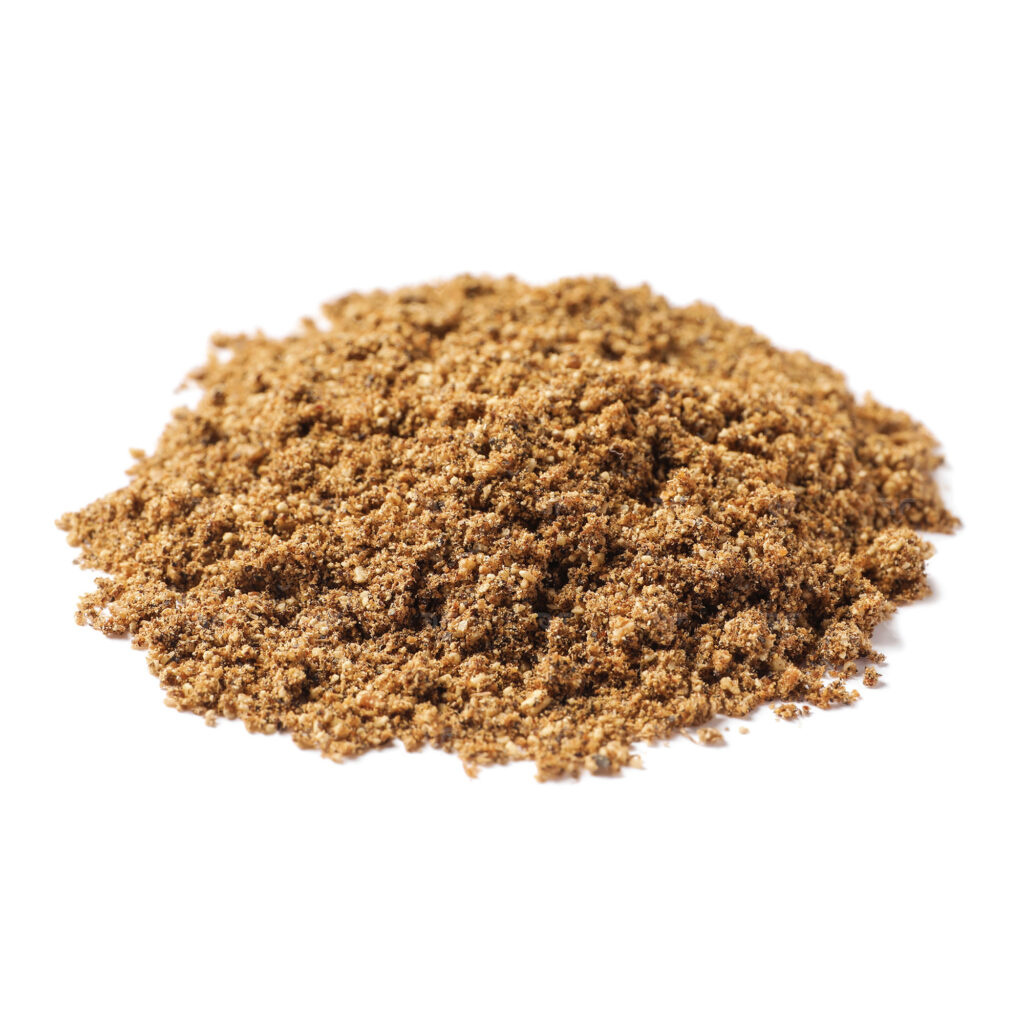
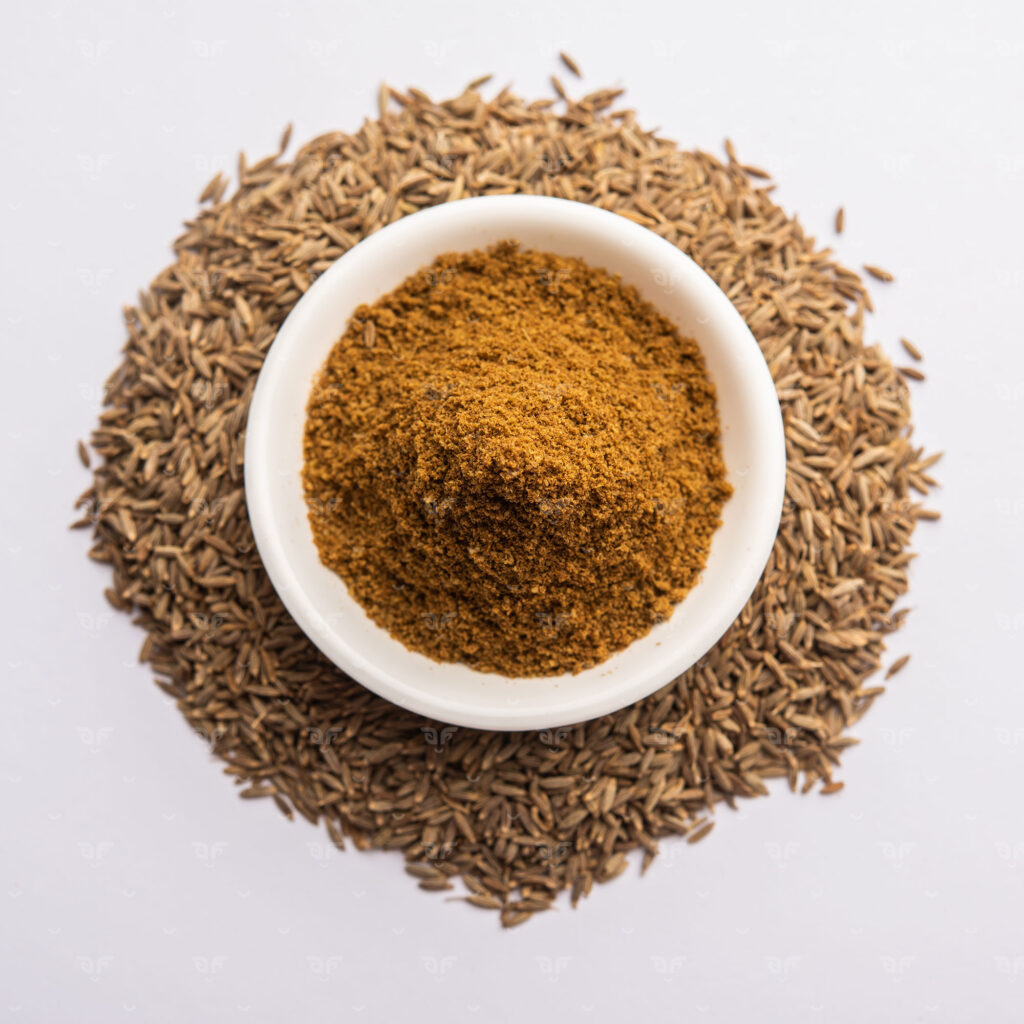
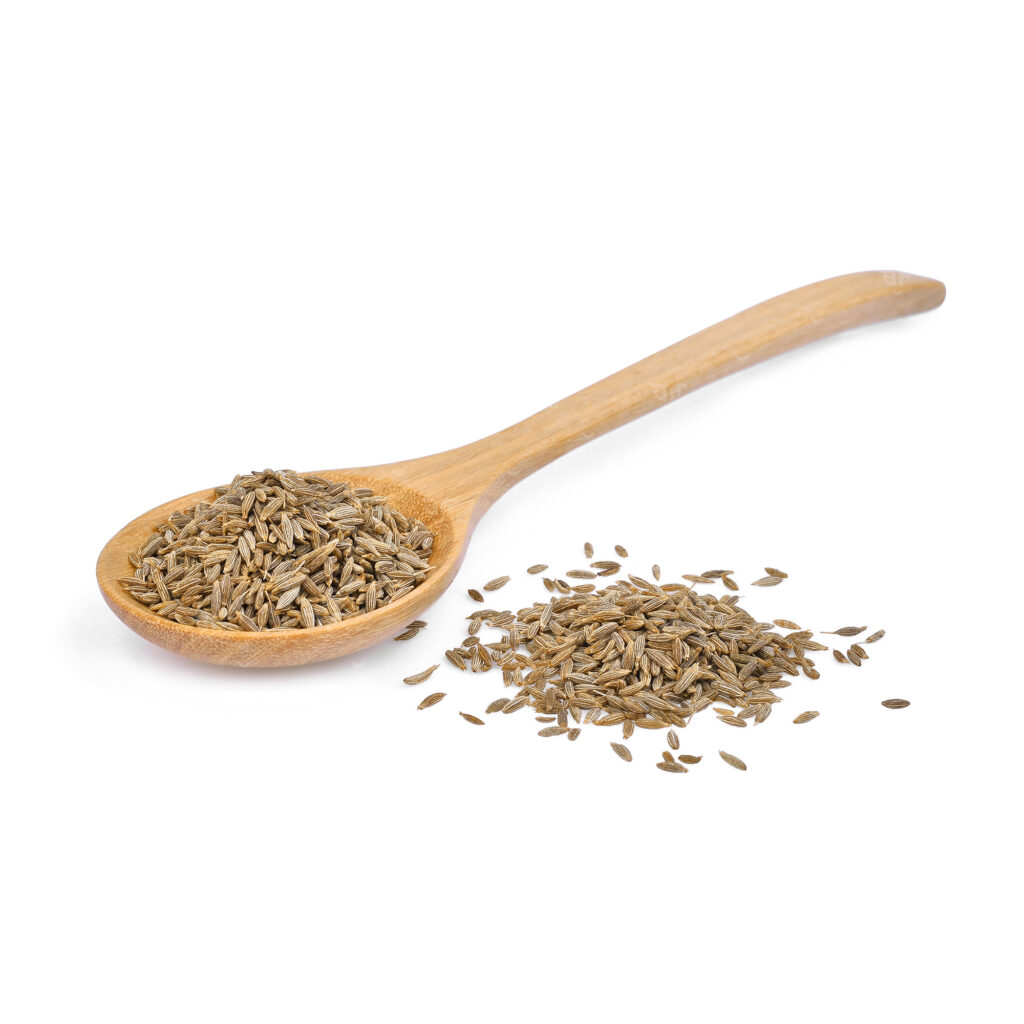
Green Cumin seed originates as the dried fruit of Cuminum cyminum, an annual herb belonging to the parsley family. The most important feature of this commercial spice is its high concentration of volatile oils. Cuminaldehyde serves as the primary bioactive compound responsible for delivering its sharp, warming scent. Industrial buyers normally procure the product in its dried, whole form. Keeping the shell intact protects the valuable oils from evaporating during international transit. Following delivery, food producers can either incorporate the whole seeds directly into recipes or mill them into powder for fast culinary integration.
Physical Characteristics of Green Cumin seed
Visual and tactile inspections provide immediate information regarding spice quality and factory processing standards. Premium lots always exhibit consistent physical markers that prove the product was dried correctly. Recognizing these exact traits helps wholesale buyers verify they are receiving unadulterated agricultural materials.
Color and Appearance:
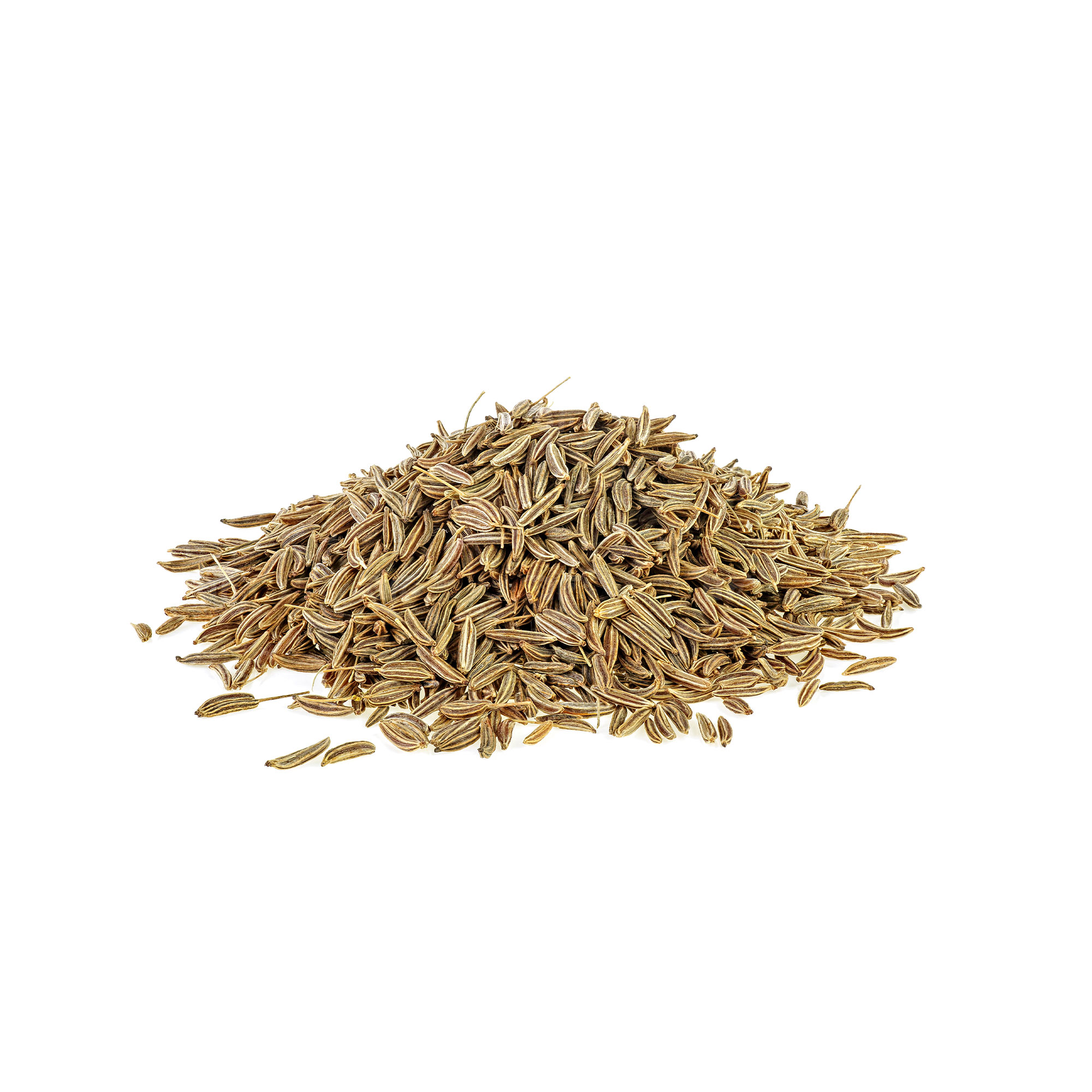
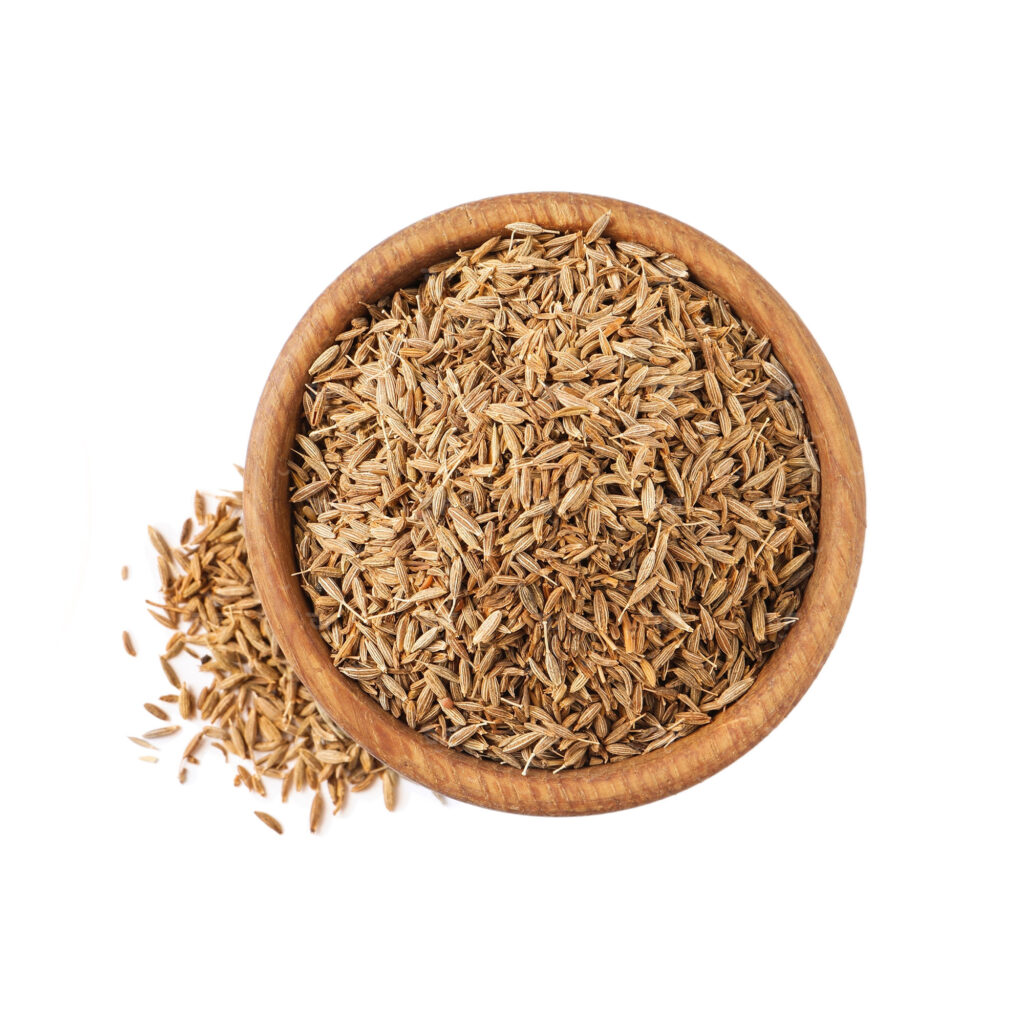
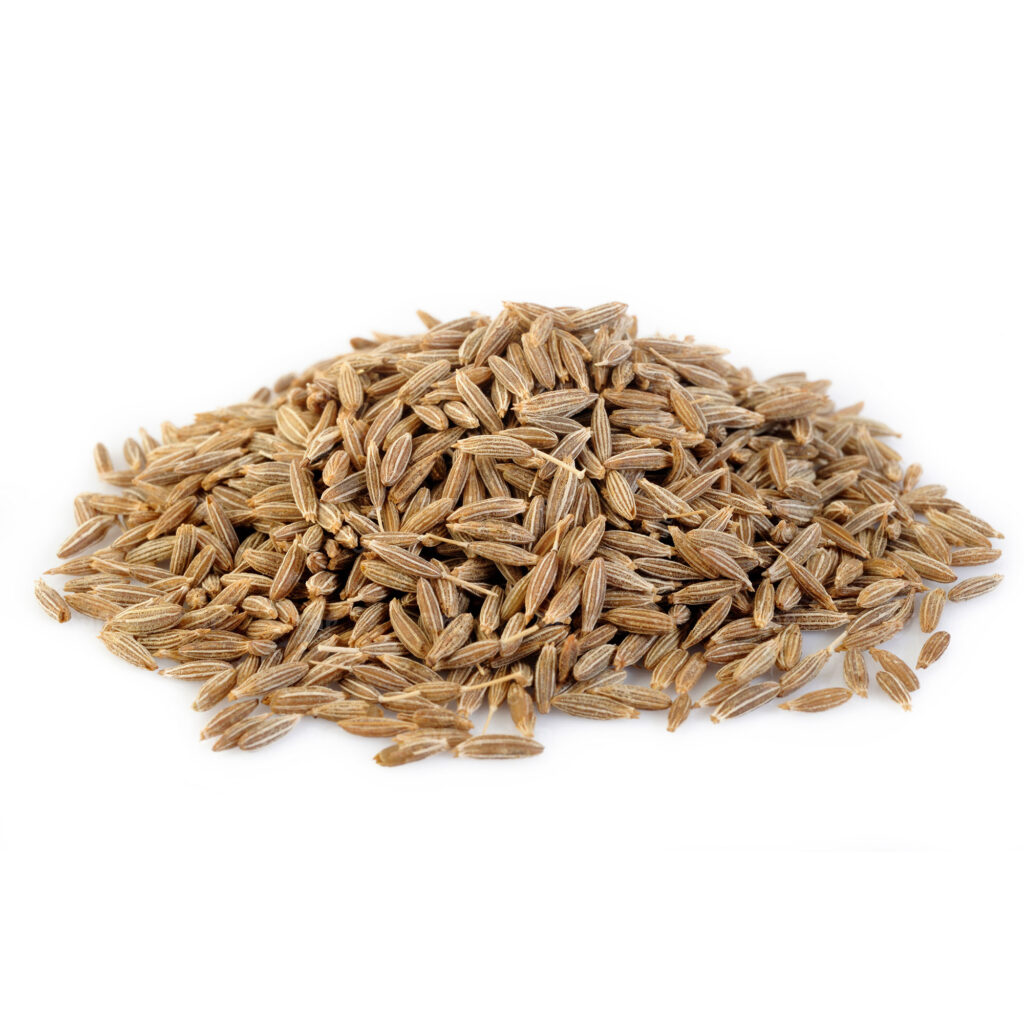
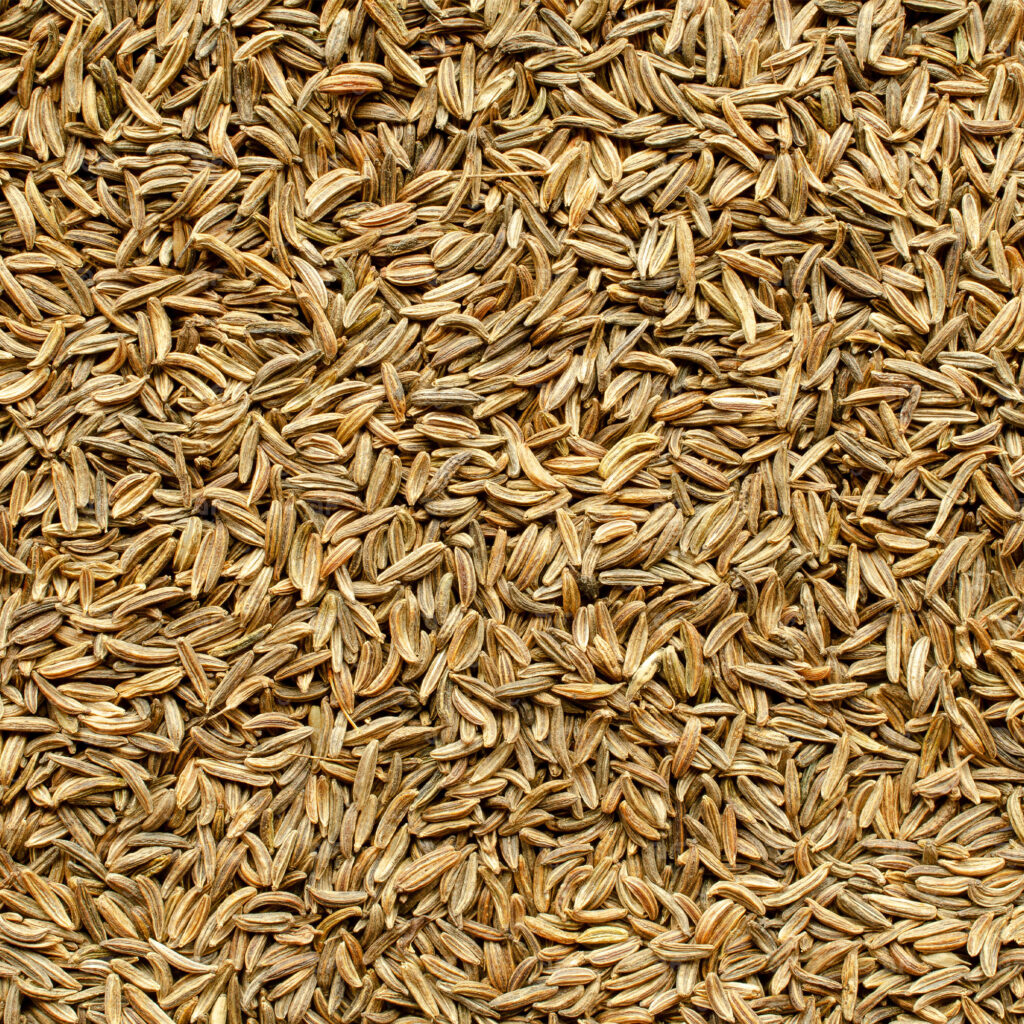
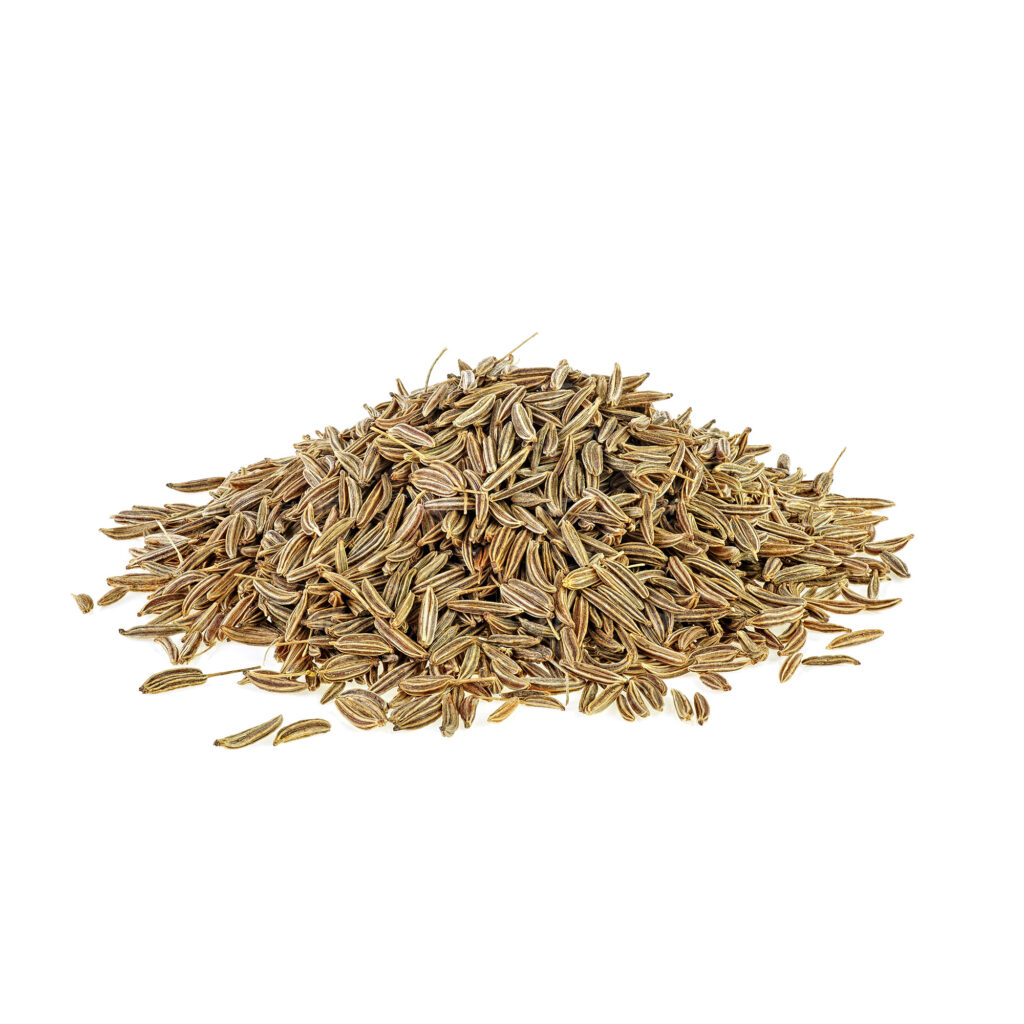
High-quality batches show a pale olive green shade that occasionally leans toward a brownish-green tone. The surface must look vibrant and natural. Faded spots, excessive darkness, or brittle edges suggest poor handling. The natural ridges running along the exterior should remain completely intact.
Size and Shape:
The physical structure is very distinctive and uniform across premium crops. Each piece looks like a tiny, slender boat with a slightly oblong profile. Clearly visible longitudinal ridges stretch from end to end. An individual high-grade seed usually measures between four and eight millimeters long.
Texture:
The outer casing feels hard to the touch and presents a brittle barrier. Biting into a whole piece produces a light crunch, indicating the moisture content is correctly balanced. Despite this firm exterior, the structure breaks apart easily under mechanical pressure to release internal moisture.
Taste and Aroma:
The flavor profile combines warm, nutty, and earthy notes with a very mild bitter finish and faint citrus hints. In its whole state, the smell is highly concentrated. Applying physical pressure to crush the shell immediately releases a sharp, pungent scent into the air.
Dietary Profile and Digestive Advantages
Commercial food brands frequently highlight this ingredient for its impressive nutritional density alongside its flavor. The spice provides a massive amount of dietary iron, which the human body requires to build healthy blood cells and sustain daily energy. These tiny seeds also hold significant amounts of phenols, flavonoids, and terpenes. These specific plant compounds function as natural antioxidants. Medical researchers and traditional practitioners both observe that eating this spice supports healthy digestion. It actively encourages the stomach to release necessary digestive enzymes and proteins to break down meals efficiently.
Growing and Harvesting Green Cumin seed
Producing a premium crop demands specific environmental settings and highly calculated agricultural habits. This particular plant cannot tolerate excessive water and grows best in semi-arid, Mediterranean climates. Farmers carefully monitor soil moisture and manage irrigation schedules to avoid root rot. By aligning daily farming routines with the strict biological preferences of the herb, traditional cultivation regions produce consistently superior yields. This attention to detail directly influences the final concentration of valuable essential oils found inside the fully mature fruit.
Climate Conditions:
The plants require an uninterrupted agricultural period of three to four months featuring warm, completely frost-free weather. Ideal daytime temperatures for healthy stem development and high oil retention should remain steady between 25°C and 30°C until the final harvest begins.
Soil Requirements:
Proper drainage is the most important factor for healthy root systems. Fields containing sandy loam soils work best because they prevent water from pooling underground. Maintaining a neutral pH level also helps defend the vulnerable crops against common fungal infections.
Major Growing Regions:
Because the climate requirements are incredibly strict, commercial cultivation happens mostly in arid and semi-arid geographic zones. The global supply originates primarily from traditional farming sectors located in Iran, Syria, India, and Turkey, where these exact conditions occur naturally.
Seasonal Harvesting Timelines for Green Cumin seed
Picking the crop at the exact right moment heavily influences the final commercial grade. The primary gathering season happens between late spring and early summer, normally falling between May and July based on regional geography. Farm workers watch for specific visual changes. They begin cutting when the green stalks begin to wither and the seeds turn a yellowish-green or light brown shade. Collecting the crop prematurely yields weak, underdeveloped oils. Conversely, waiting too long causes the brittle pods to shatter, dropping valuable goods directly onto the dirt.
Field Collection and Factory Sorting Methods for Green Cumin seed
Processing agricultural goods requires a mix of manual labor and modern mechanical filtration. Workers usually pull the plants out of the earth by hand or cut them at the base. They leave the gathered bundles in designated yards to dry naturally under the sun. After drying completes, the stems undergo threshing and winnowing (a process to detach the seed from the useless plant matter). Finally, industrial facilities run the raw materials through gravity separators and optical sorting machines. This technology eliminates tiny stones and dust, creating a 99% pure commodity.
Storage Guidelines and Durability of Green Cumin seed
Managing warehouse environments properly is the only way to keep the spice looking and tasting fresh after packaging. Since the market value relies entirely on a strong aromatic presence, buyers must protect their inventory from harsh environmental shifts. Exposure to heat, moisture, and bright light causes the internal oils to evaporate rapidly. When this happens, the resulting spice smells dusty and weak. Following strict warehousing rules guarantees that the agricultural commodity holds its premium B2B grading long after it leaves the processing center.
Recommended Climate Control and Shelving
The packed goods require dark, entirely dry, and consistently cool holding areas. Industrial storage facilities must keep their internal ambient temperatures well below 20°C. Managing the relative humidity is equally important; it should stay under 60% to stop mold from forming inside the bags. The packaging materials must also block out sunlight, making solid cardboard cartons or thick, opaque sacks the best choice. Maintaining these stable parameters effectively protects the volatile compounds and keeps the agricultural shipment safe from early degradation.
Expected Longevity for Whole and Milled Formats
The exact longevity of this commodity changes dramatically based on its physical format and warehouse conditions. Whole seeds demonstrate excellent stability when kept in the cool, dry environments described above. They easily retain their sharp flavor and intense smell for three to four years. However, grinding the spice increases its surface area, exposing more oils to the air. Because of this structural change, the powdered version loses its potency much faster. Food manufacturers should utilize milled powder within six to twelve months before the taste fades entirely.
About JAM Food Co.’s Green Cumin seed
JAM Food Co. connects traditional farming expertise with professional B2B trading standards. The organization manages a highly transparent supply chain, prioritizing product cleanliness and batch traceability from the soil to the shipping port. They acquire premium raw materials exclusively from proven agricultural regions, guaranteeing unblended, pure shipments. By utilizing modern optical sorting tools and strict quality assurance checks, they manufacture a finished product that easily passes international phytosanitary tests. As an established exporter of Green Cumin seed, they consistently deliver untainted, high-flavor ingredients to global commercial partners.
JAM Food Co. as a Reliable Green Cumin seed Supplier
Succeeding in the global food industry means working with a vendor capable of managing high-volume orders and serious quality control. The company handles every logistical step internally, moving the product smoothly from the sorting factory to the final export vessel. They offer stable pricing and reliable procurement channels for food distributors and factory buyers everywhere. Operating proudly as a supplier of Green Cumin seed, they ensure every container adheres to the specific customs regulations of the destination country. This dedication makes them a secure choice for any international commodity buyer.
Packaging Green Cumin seed at JAM Food Co.
Proper containment methods are absolutely necessary to protect the taste and structural integrity of spices moving across long distances. The valuable essential oils evaporate very quickly if exposed to open air. Therefore, shipping materials must actively block moisture, stop pests, and absorb physical impacts. As an experienced provider of Green Cumin seed, JAM Food Co. relies exclusively on industrial-grade packaging and modern sealing equipment. This rigorous process guarantees the agricultural goods pass all global customs inspections and reach their final destination without losing any original aroma.
Bulk Packaging Capabilities:
Wholesale shipments generally ship in standard industry weights of 10kg, 25kg, or 50kg. The factory packs the goods inside multi-layer polypropylene (PP) bags or thick kraft paper sacks. These heavy-duty exterior materials resist tearing and handle rough industrial transport environments easily.
Preservation and Sealing Techniques:
The packing team inserts food-grade polyethylene (PE) liners inside every bag to trap the volatile oils safely inside. This waterproof plastic barrier stops external humidity from reaching the dried goods. Blocking moisture effectively extends the overall shelf life and eliminates contamination risks.
Private Labeling and Retail Packaging:
Businesses needing ready-to-sell products can request OEM and private label manufacturing. The facility produces custom-printed, stand-up pouches in smaller weights for direct consumer retail. This option provides excellent branding flexibility for B2B clients aiming to bypass secondary repacking facilities entirely.
Export-Ready Palletization:
Workers systematically arrange the filled sacks and cartons onto treated wooden pallets. They wrap the entire stack tightly in protective shrink film. Securing the load this way maximizes the available space inside ocean freight containers and fulfills strict international phytosanitary shipping rules.
HOW CAN JAM GROUP HELP YOU?
Send us a message and our friendly team will get back to you within one business day.




