











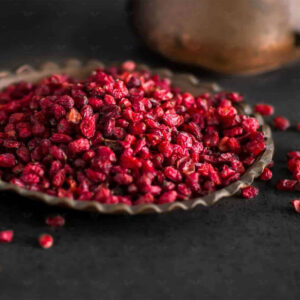
Sourcing premium dried botanical ingredients requires navigating a market of varying grades and processing methods. Among these, Puffy Barberry stands out as the most sought-after commercial grade of edible barberry, cultivated extensively in the arid regions of eastern Iran. Distinguished by its voluminous structure, vibrant ruby-red coloration, and sharply tart flavor profile, this premium dried fruit experiences consistent demand across international markets. It serves as a vital component in Middle Eastern culinary traditions, European confectionery manufacturing, and the rapidly expanding functional food sector. For buyers seeking a clean-label ingredient with exceptional aesthetic and flavor attributes, understanding the complexities of this specific barberry grade is essential.
Securing a consistent supply of premium agricultural commodities demands a partnership with a vendor capable of maintaining strict quality controls from the farm to the destination port. JAM Food Co. operates as a leading supplier of wholesale Puffy Barberry, specializing in the hygienic processing, meticulous sorting, and global export of this delicate fruit. By adhering to international food safety and logistics standards, the company bridges the gap between traditional agricultural harvesting and modern supply chain requirements. Focusing on physical integrity and moisture retention, JAM Food Co. ensures every shipment meets the exacting specifications of bulk distributors and food manufacturers worldwide.
A Short Glance at Puffy Barberry
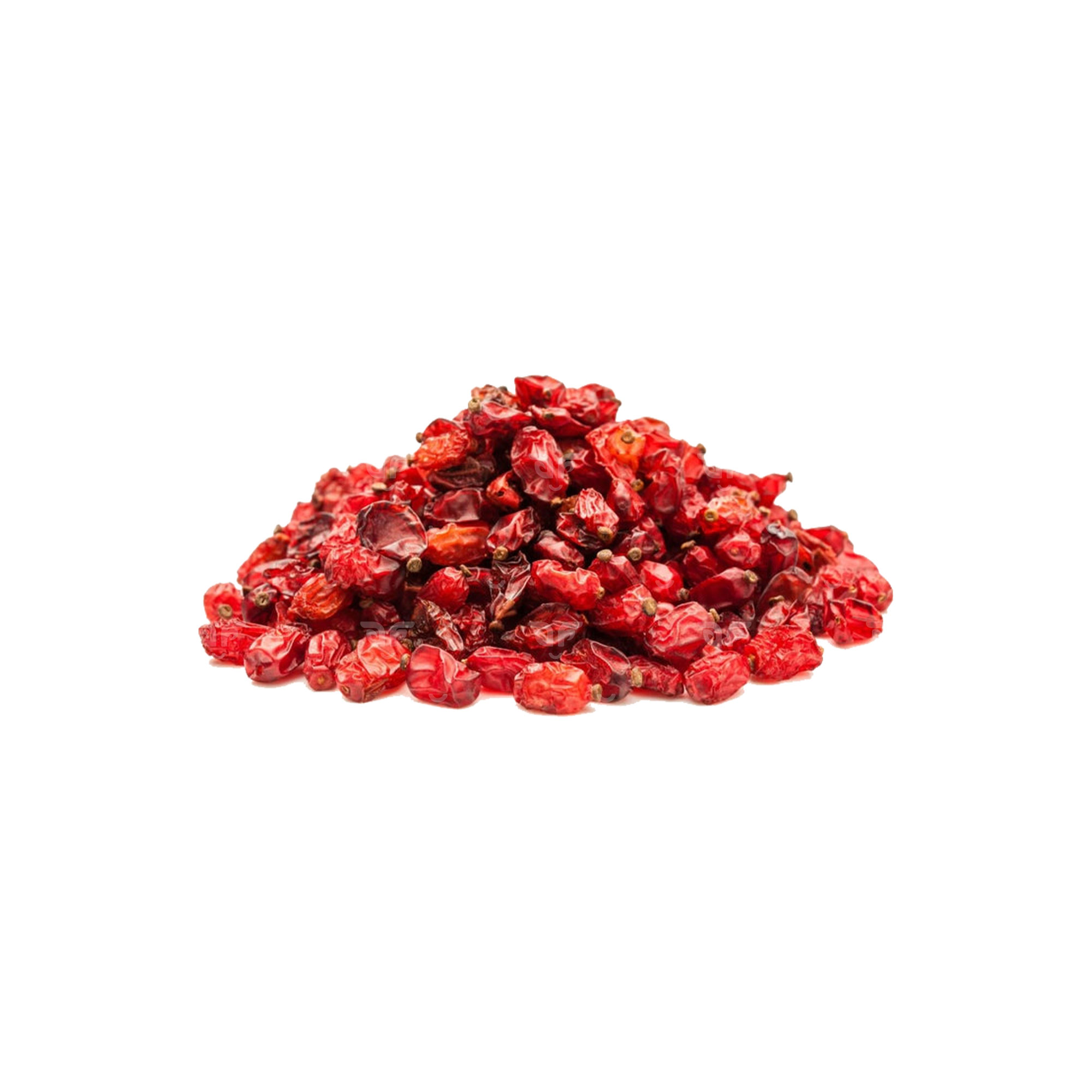
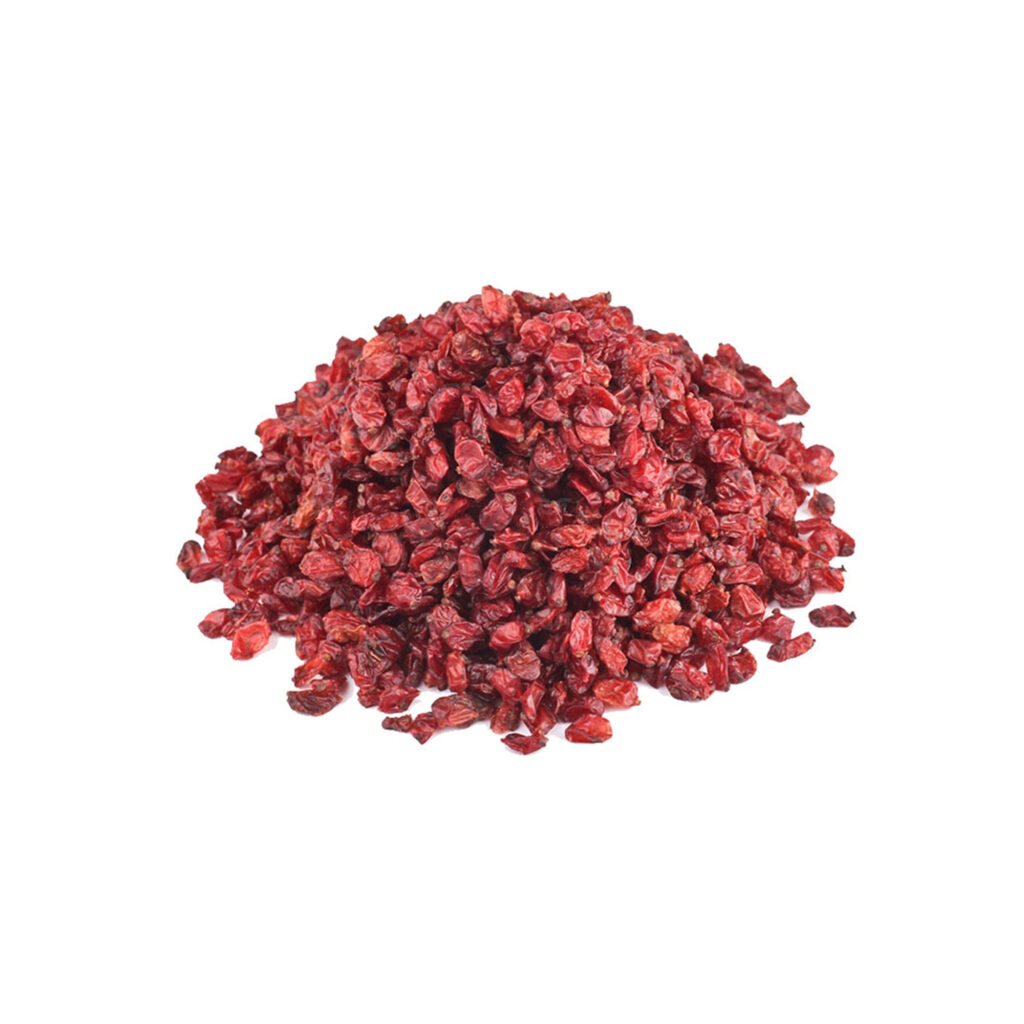
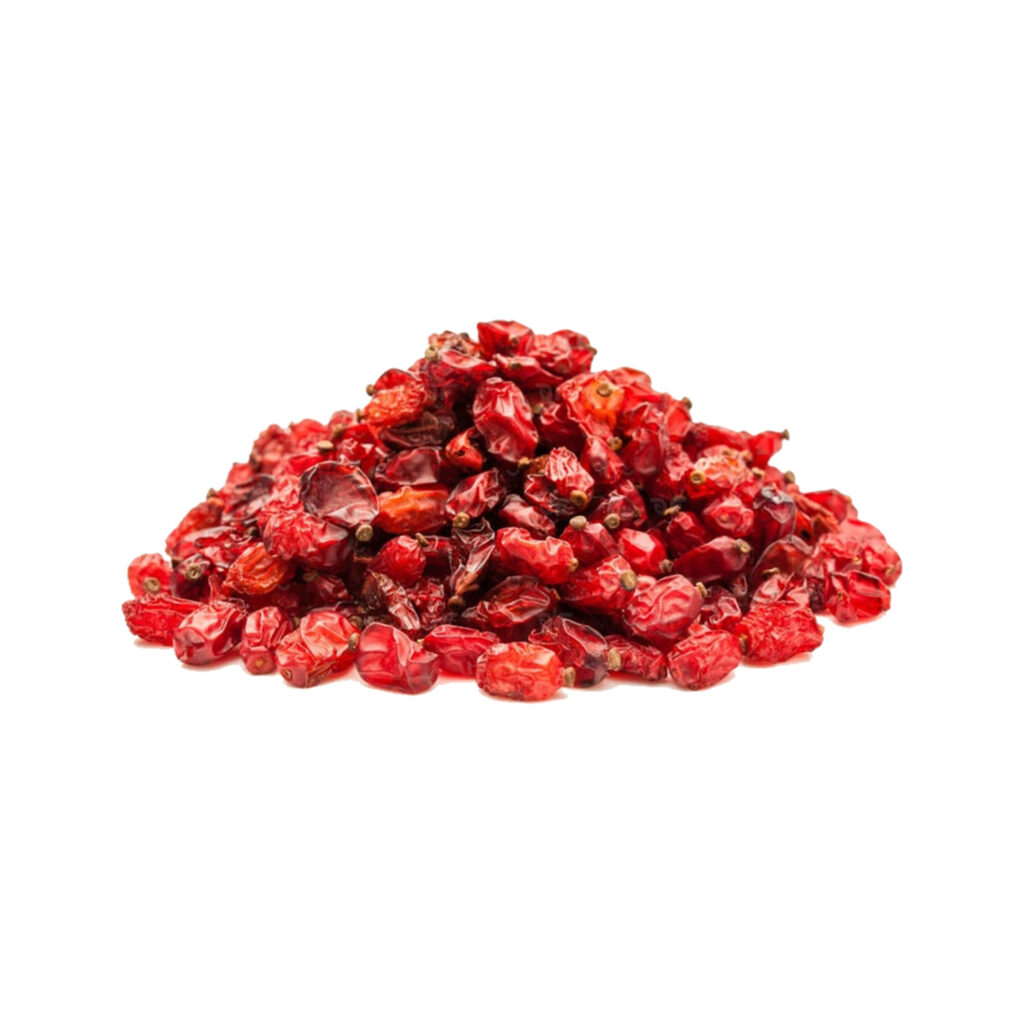
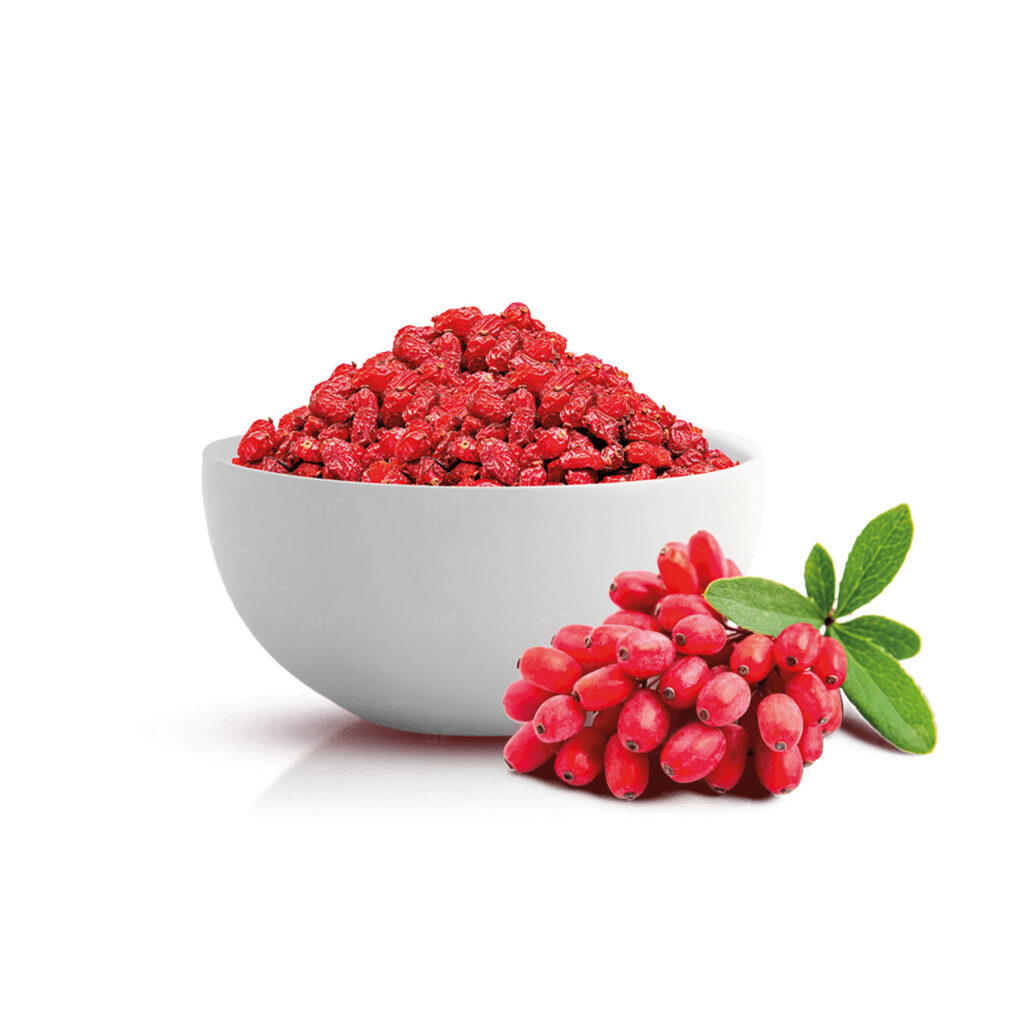
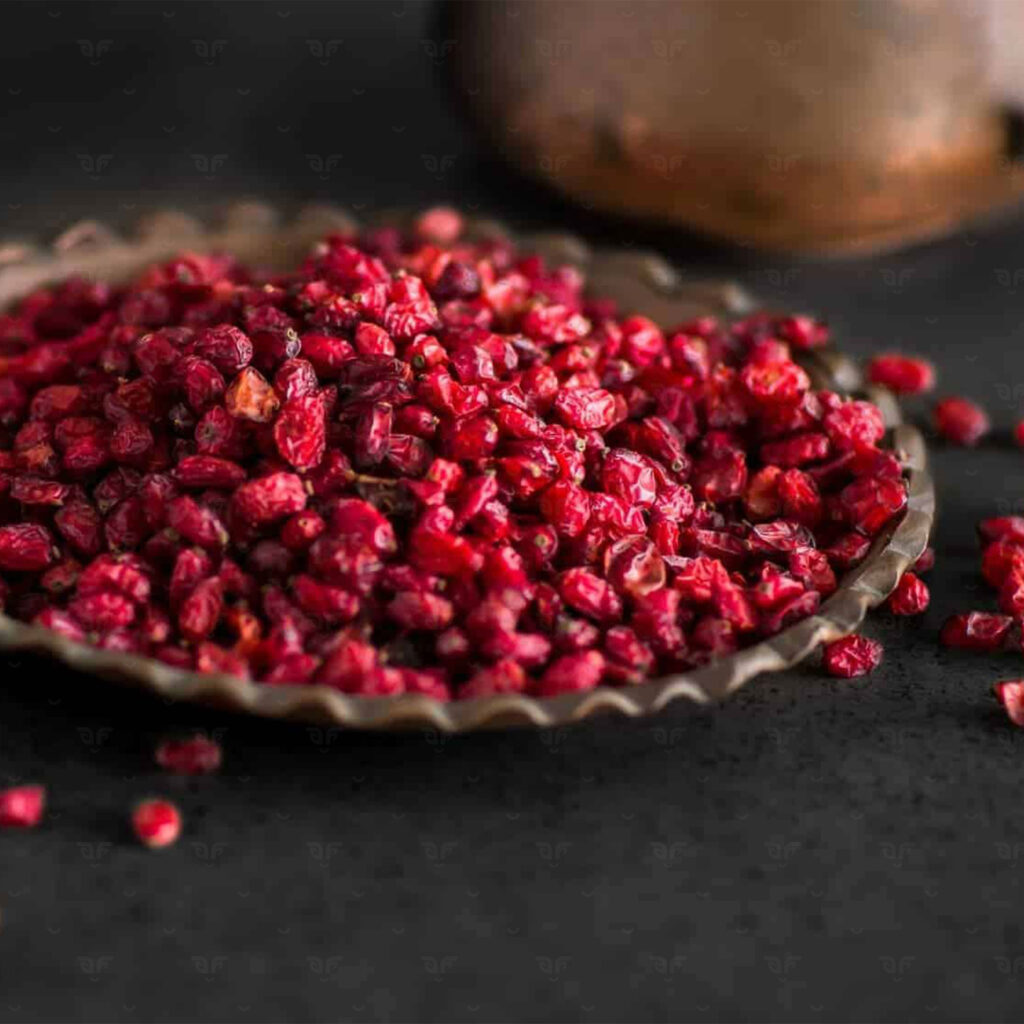
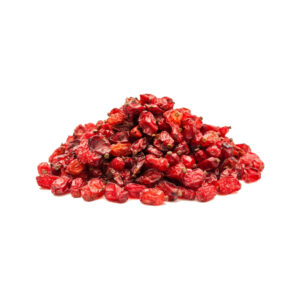
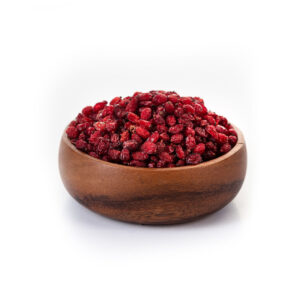
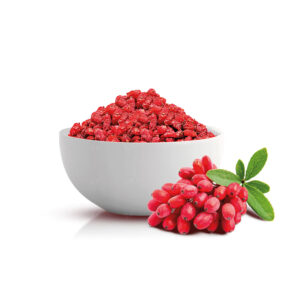
Puffy Barberry (often referred to locally as Zereshk Pofaki) is the highest commercial grade of the dried Berberis vulgaris fruit. What separates it from standard sun-dried varieties is its specialized, time-intensive shade-drying process. This method allows the berry to retain its cellular structure rather than collapsing into a flat, dark shape. The resulting product is characterized by its plump, aerated appearance, a bright crimson hue, and a semi-dry texture that holds a slightly higher moisture content. Commercially, it is highly valued for its intense acidity and sharp flavor. This makes it a premium choice for both culinary garnishes and botanical extractions in the global food industry.
Physical Characteristics of Puffy Barberry
The physical traits of this agricultural commodity are the primary metrics utilized by importers to accurately determine its commercial grade and overall market quality. These defining characteristics directly influence the product’s performance and visual appeal across various food manufacturing and premium retail applications. Because buyers heavily rely on aesthetics and structural integrity, understanding these visual and textural indicators is highly recommended for procurement teams. Recognizing the exact standards for a premium yield ensures that buyers receive an authentic product that perfectly aligns with their manufacturing specifications and culinary requirements.
- Color and Appearance:
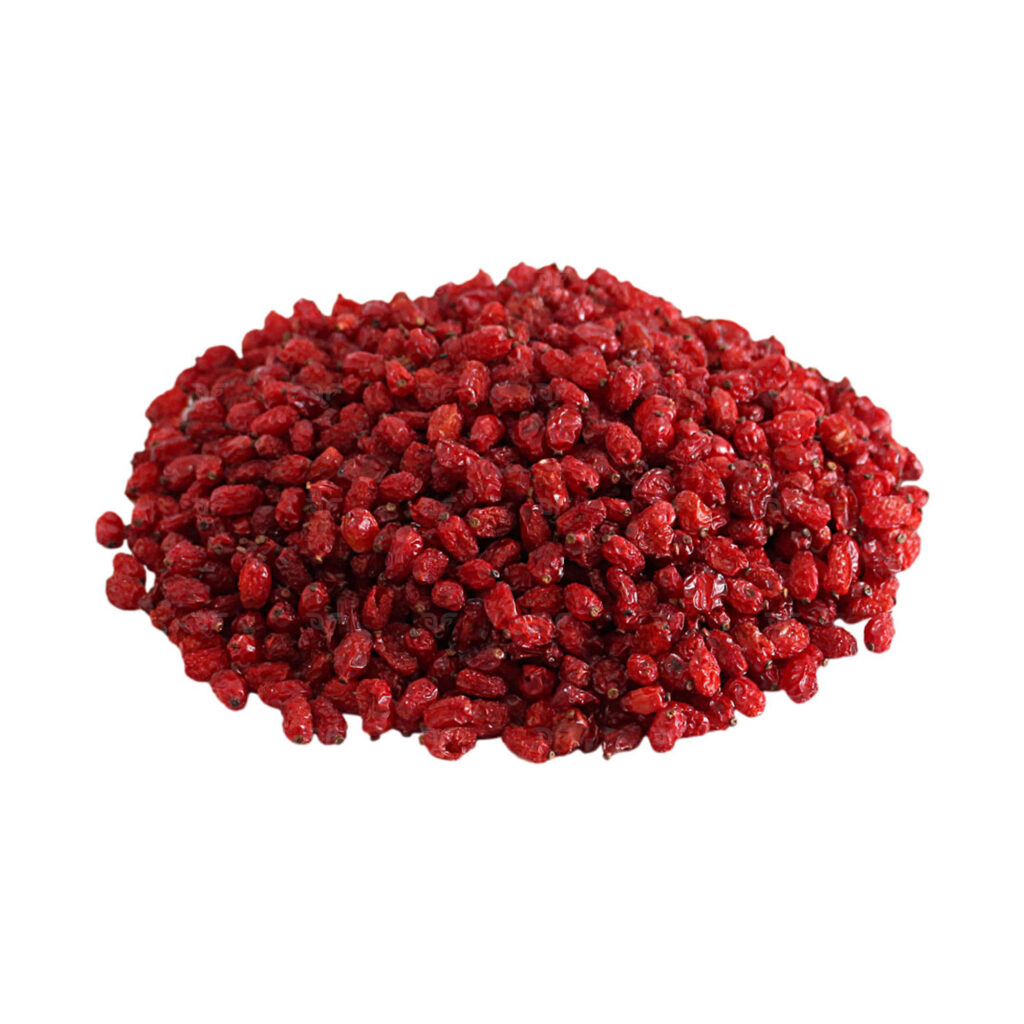
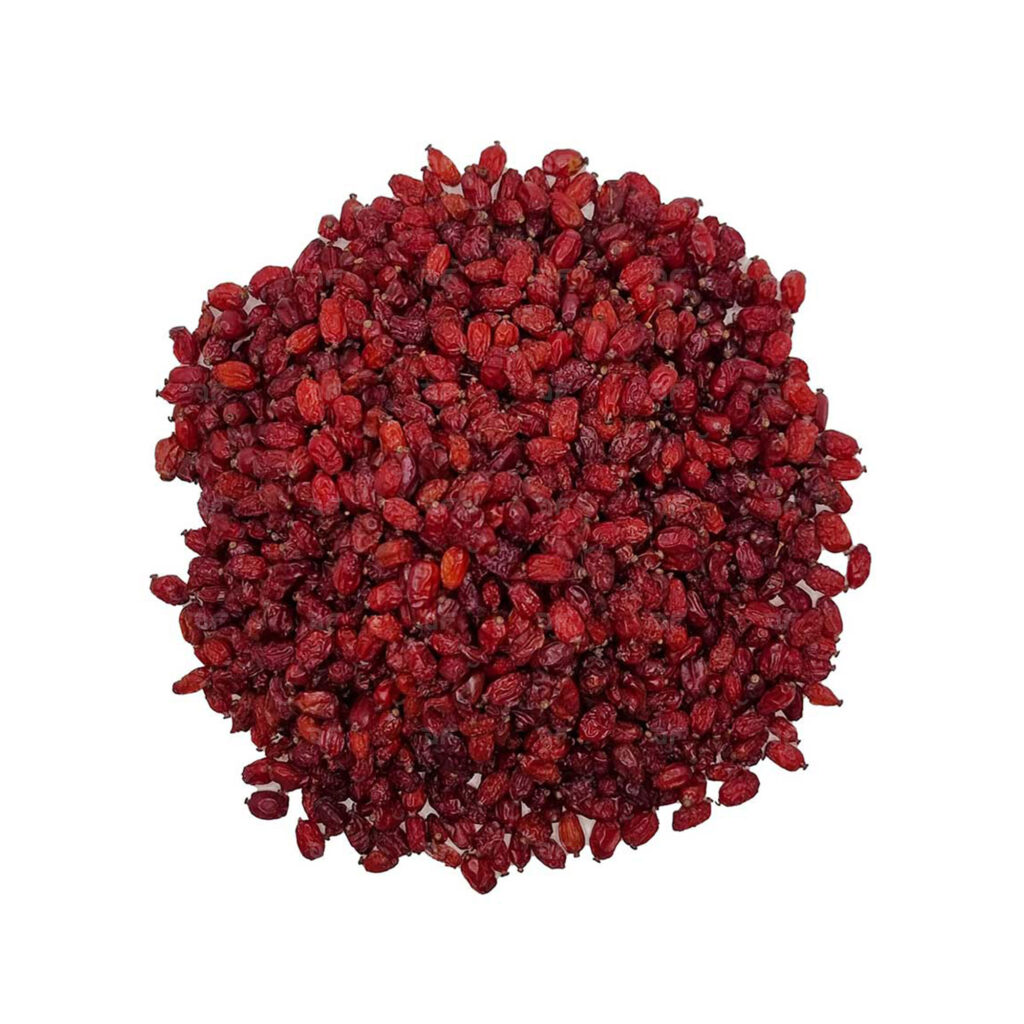
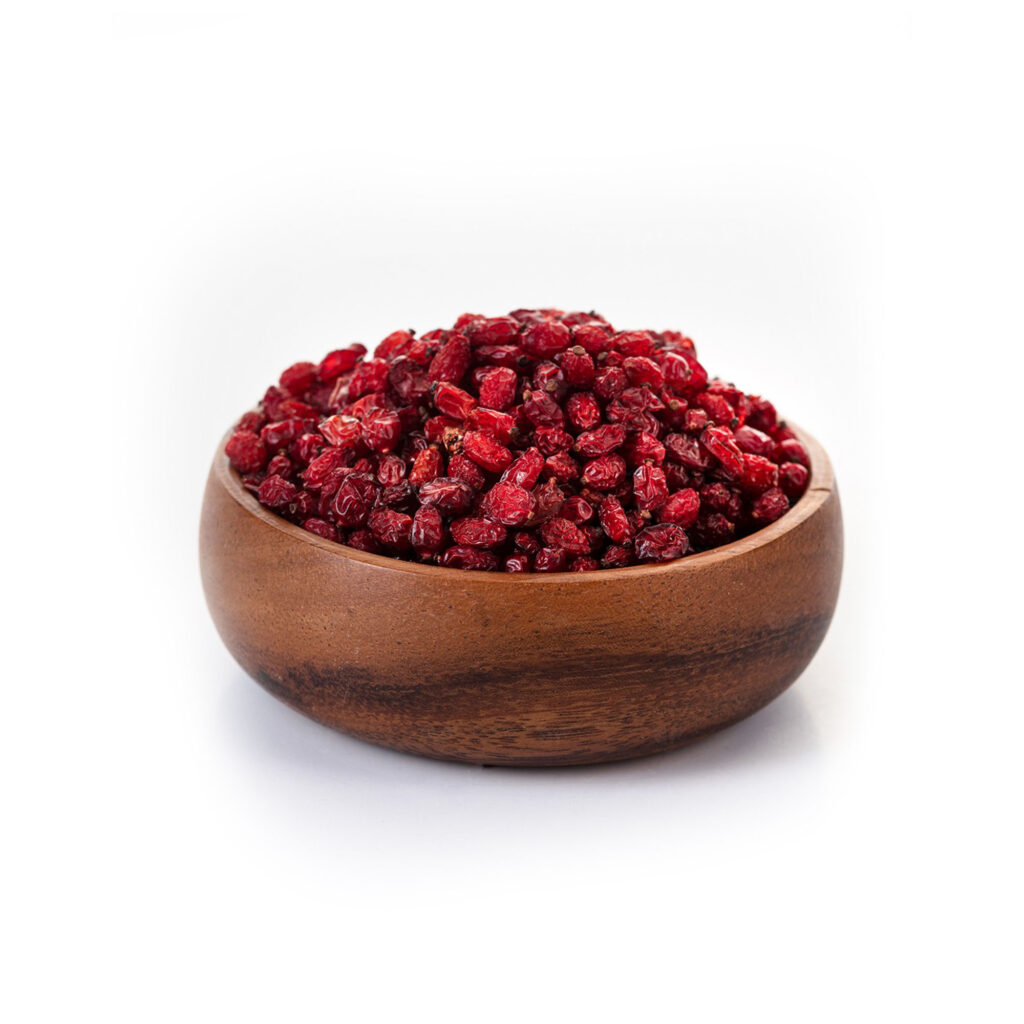
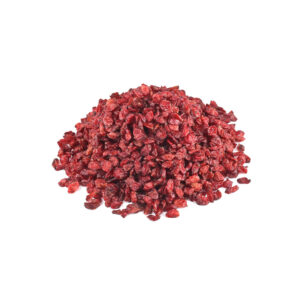
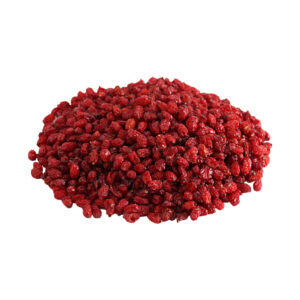
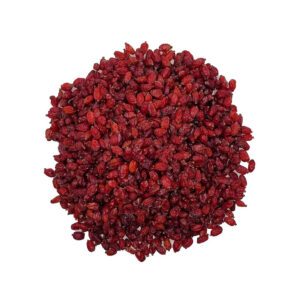
Premium grades always present a bright, uniform ruby-red to deep crimson hue across the entire batch. The delicate skin must remain intact without any heavy bruising. The total absence of black, brown, or oxidized discoloration serves as a clear indicator of highly controlled shade-drying and careful post-harvest handling procedures.
- Size and Shape:
These berries are small, elongated ovals that consistently distinguish themselves through a characteristic, visible plumpness. Unlike lower agricultural grades that become severely flattened during rapid drying processes, these premium berries retain a rounded, three-dimensional structure. This careful processing guarantees a highly uniform size distribution across every commercial batch.
- Texture:
This product maintains a delicately soft, yielding, and somewhat chewy mouthfeel upon consumption. Because it is strictly categorized as a semi-dry fruit, the berry should never feel brittle, overly tough, or completely dehydrated. Such undesirable textures typically indicate improper processing methods, excessive ambient heat exposure, or extended product aging.
- Taste:
The core flavor profile is defined by an intense, sharp acidity that appeals to many manufacturers. It delivers a pronounced tart and naturally sour taste, underpinned by a very subtle, natural fruity sweetness. Importers must verify the complete absence of any fermented, moldy, or off-putting flavor notes before final procurement.
Nutritional Value and Health Benefits of Puffy Barberry
Beyond its culinary applications, Puffy Barberry is highly regarded in the functional food and nutraceutical sectors for its dense biochemical composition. The fruit is exceptionally rich in ascorbic acid (Vitamin C), which supports immune function and acts as a natural preservative. It also contains a significant concentration of berberine, an alkaloid extensively studied for its role in metabolic regulation and cardiovascular support. The deep red pigment is derived from high levels of anthocyanins. These compounds provide substantial antioxidant activity that helps combat oxidative stress, making the fruit a valuable ingredient in health-focused product formulations.
Growing and Harvesting Puffy Barberry
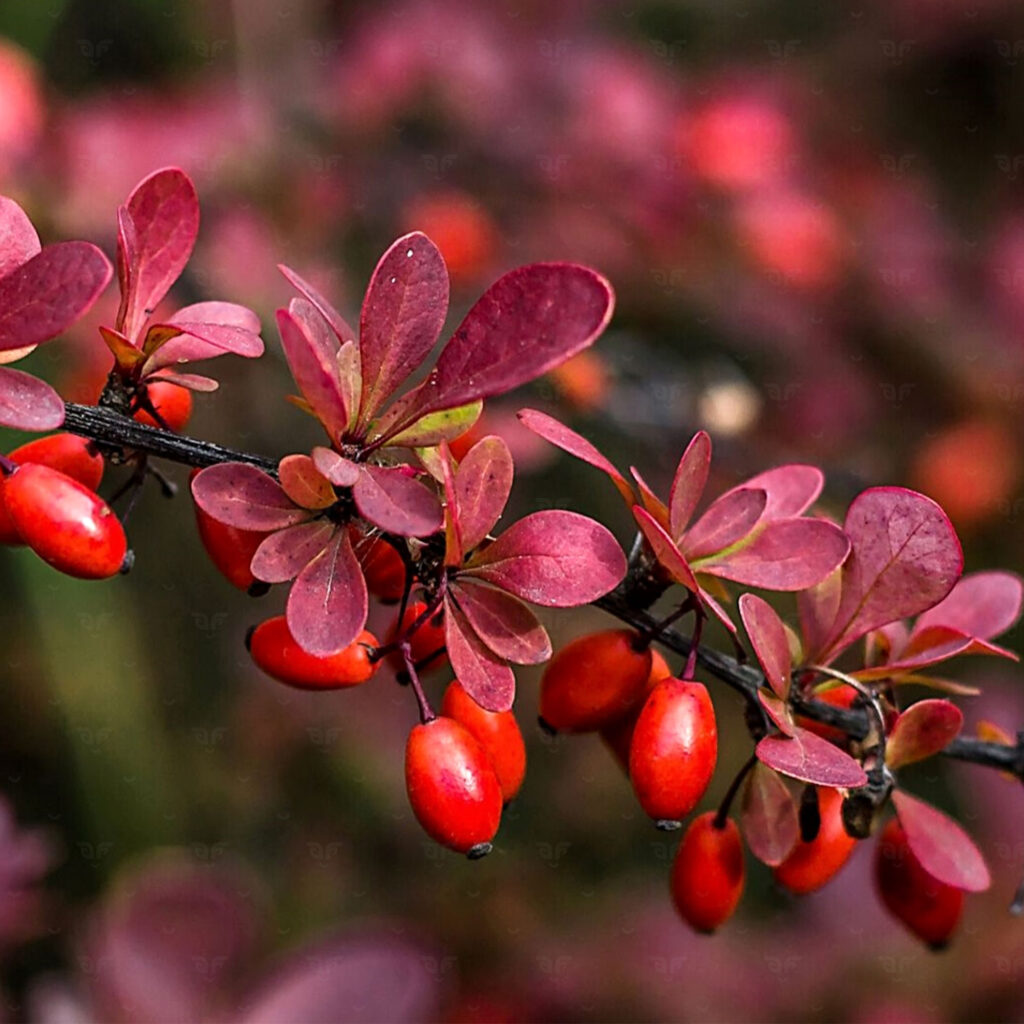
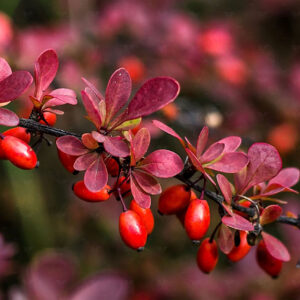
The optimal cultivation of this highly resilient agricultural shrub heavily relies on locating a specific geographical microclimate. This process effectively marries centuries of traditional agricultural knowledge with completely unique, localized environmental factors. The Berberis vulgaris plant only truly thrives under extremely precise temperature differentials. Furthermore, it requires distinct soil profiles to consistently produce a high yield of fruit featuring the necessary biochemical composition and vibrant, sought-after pigmentation. Understanding these foundational growing conditions provides valuable insight into why this premium product remains geographically exclusive and highly prized in the market.
- Climate Conditions:
This particular shrub strictly requires an arid to semi-arid climate, displaying an exceptionally high tolerance for prolonged drought conditions. It heavily relies on a pronounced temperature differential (specifically featuring intensely hot summers followed directly by freezing winters) to adequately develop its highly sought-after tart flavor profile and deep red coloration.
- Soil Requirements:
The resilient plant is highly adaptable and can easily flourish in poor, extremely rocky, and slightly saline soils. However, excellent soil drainage remains absolutely mandatory to prevent destructive root rot. This unique adaptability allows the plant to thrive even in harsh regions offering minimal agricultural viability for other standard crops.
- Major Growing Regions:
The undisputed global hub for premium commercial cultivation is permanently located within the arid eastern provinces of Iran. Specific agricultural cultivation remains heavily concentrated within the Qaenat and Birjand counties of South Khorasan. In these precise locations, the ideal regional altitude and local climate consistently create perfect, uninterrupted growing conditions.
Harvesting Season of Puffy Barberry
The agricultural harvest occurs within a very narrow, time-sensitive window, typically spanning directly from late September through early November. Proper harvest timing remains an essential factor heavily influencing the final commercial grade of the product. Berries harvested prematurely lack sufficient natural sugars and desired physical volume. Conversely, severely delaying the harvest exposes the delicate fruit to the immense risks of early winter frosts or heavy autumn rains. These adverse weather events can rapidly cause irreversible skin damage, agricultural rot, and severe product discoloration during the subsequent, critical shade-drying phases.
Harvesting Process of Puffy Barberry
To produce the puffy grade, the harvesting and processing steps remain intentionally labor-intensive and traditional. Rather than stripping the berries directly in the field (which causes bruising and initiates oxidation), farmers use shears to cut entire fruit-bearing branches. These intact branches are transported to specialized, dark, and well-ventilated halls known as barghahs. Here, they are hung on wooden racks to air-dry naturally over 60 to 120 days, without any direct sunlight. Once dried, the berries are carefully separated from the branches and subjected to rigorous winnowing and sorting to remove thorns, leaves, and debris.
Storage Guidelines and Durability of Puffy Barberry
Because this specific agricultural product continuously retains a semi-dry moisture level and natural sugars, the premium fruit remains highly reactive to sudden environmental fluctuations. Establishing proper, temperature-controlled storage protocols is absolutely essential for all distributors. These measures actively prevent the rapid oxidation that causes severe product darkening, successfully mitigate further moisture loss, and protect the inventory against costly pest infestation. Carefully maintaining the correct environmental parameters ensures the delicate product retains its maximum commercial value and visual appeal from the initial processing facility all the way to the final end consumer.
Storage Conditions of Puffy Barberry
The optimal commercial storage environment is a fully climate-controlled, refrigerated facility strictly maintained between four and eight degrees Celsius. Utilizing continuous cold storage is highly recommended by experts to permanently preserve the bright red color and entirely halt structural degradation. Furthermore, the designated storage area must be kept strictly dry to aggressively prevent any potential mold growth on the semi-dry product. The delicate fruit must also be shielded entirely from direct sunlight and ambient facility heat, both of which immediately trigger rapid darkening and permanent flavor deterioration across the batch.
Shelf Life of Puffy Barberry
When strictly maintained under optimal cold-storage conditions and securely sealed within its original protective packaging, the agricultural product boasts an impressive commercial shelf life ranging from eighteen to twenty-four months. However, if the batch is improperly stored at standard room temperature without mechanical refrigeration, the overall durability is significantly reduced. Ambient warehouse storage typically offers a viable commercial shelf life of only six to eight months at maximum. After this brief period, buyers will observe highly noticeable color degradation, severe moisture loss, and a rapid decline in the product’s premium aesthetic appeal.
About JAM Food Co.’s Puffy Barberry
JAM Food Co. bridges the gap between traditional regional agriculture and the strict demands of the global food supply chain. By sourcing exclusively from the premier growing regions of South Khorasan, the company ensures a baseline of agricultural excellence. Once harvested, the fruit undergoes rigorous, multi-stage sorting and cleaning processes within hygienic facilities to guarantee the removal of foreign matter such as thorns or small stones. This meticulous approach to quality assurance ensures that every batch meets the exact specifications required by international food manufacturers.
JAM Food Co. as a Reliable Puffy Barberry Supplier
As a dedicated B2B distribution partner, JAM Food Co. provides highly comprehensive procurement and export solutions perfectly tailored for large-scale international importers and wholesale distributors. The established company’s professional capabilities span from expert raw material sourcing and advanced, protective packaging execution to expertly navigating complex international customs documentation and temperature-controlled freight forwarding requirements. By carefully maintaining a highly efficient, transparent supply chain entirely free from common operational bottlenecks, JAM Food Co. consistently delivers the premium-grade agricultural commodity that modern global food markets and sophisticated international buyers continuously demand year-round.
Packaging Puffy Barberry at JAM Food Co.
Proper packaging is an absolute necessity when exporting delicate, semi-dry commodities across long distances. These fruits are highly vulnerable to rapid moisture loss, oxidation, and physical crushing during international sea or air transit. JAM Food Co. implements advanced, food-grade packaging protocols tailored specifically to protect the structural integrity and vibrant color of the product. By utilizing highly controlled packing environments and durable external materials, the company ensures the fruit remains completely pristine. This careful handling fully complies with rigorous global import standards and significantly extends the commercial viability of every shipment.
- Bulk Packaging Capabilities:
Standard wholesale orders are typically packed in eight to ten kilogram heavy-duty, reinforced corrugated cartons. Implementing this specific, restricted weight limit actively prevents the bottom layers of the delicate fruit from being crushed under their own weight. This eliminates a common product loss issue frequently seen with larger bulk sacks.
- Preservation and Sealing Techniques:
To successfully halt oxidation and prevent critical moisture loss, the premium fruit is carefully encased in food-grade polyethylene inner liners. Depending on the destination port’s specific requirements, advanced vacuum sealing or Modified Atmosphere Packaging (MAP) can be effectively employed to prevent pest infestation and entirely preserve the batch’s initial freshness.
- Private Labeling and Retail Packaging:
For global B2B clients requiring immediate, ready-to-market consumer solutions, comprehensive OEM and private label packaging services are fully supported. Specific options include smaller, retail-ready custom-printed stand-up pouches. This specific offering provides maximum branding flexibility, allowing international distributors and premium retail chains to seamlessly introduce the product under their own branding.
- Export-Ready Palletization:
All loaded cartons are meticulously stacked, physically reinforced, and tightly shrink-wrapped directly onto standard export pallets. This structurally secure palletization process efficiently maximizes available shipping container space. Furthermore, it actively prevents internal shifting and physical damage during turbulent sea or air freight while strictly adhering to complex international customs regulations.
HOW CAN JAM GROUP HELP YOU?
Send us a message and our friendly team will get back to you within one business day.




