











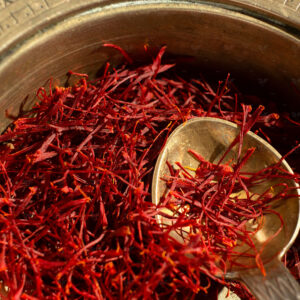
To maintain freshness and product integrity, JAM Food Co. uses secure and hygienic packing solutions for Pushal saffron. The packaging options are designed to protect the saffron from light, moisture, and contamination. Customers can choose from a variety of standard pack sizes, ranging from small retail-friendly containers to bulk orders suitable for industrial or wholesale use. Each pack is labeled clearly and complies with international trade and food safety standards. The following article will dive into this saffron type’s characteristics and explore all aspects.
Before moving on to our main topic, we are going to talk about a reliable supplier of Iranian saffron: JAM Food Co. This company is a trusted Pushal saffron supplier in Iran. With direct access to top saffron farms and a focus on careful harvesting and handling, the company guarantees that every batch meets strict quality standards. As a reliable Pushal saffron provider, JAM Food Co. offers flexible packing options and fast global shipping to meet the needs of retailers, wholesalers, and individual customers. The company’s products are known for their rich color, strong aroma, and natural purity. Partnering with JAM Food Co. means choosing a supplier that values authenticity, consistency, and customer satisfaction.
A Short Glance at Pushal Saffron and its Properties
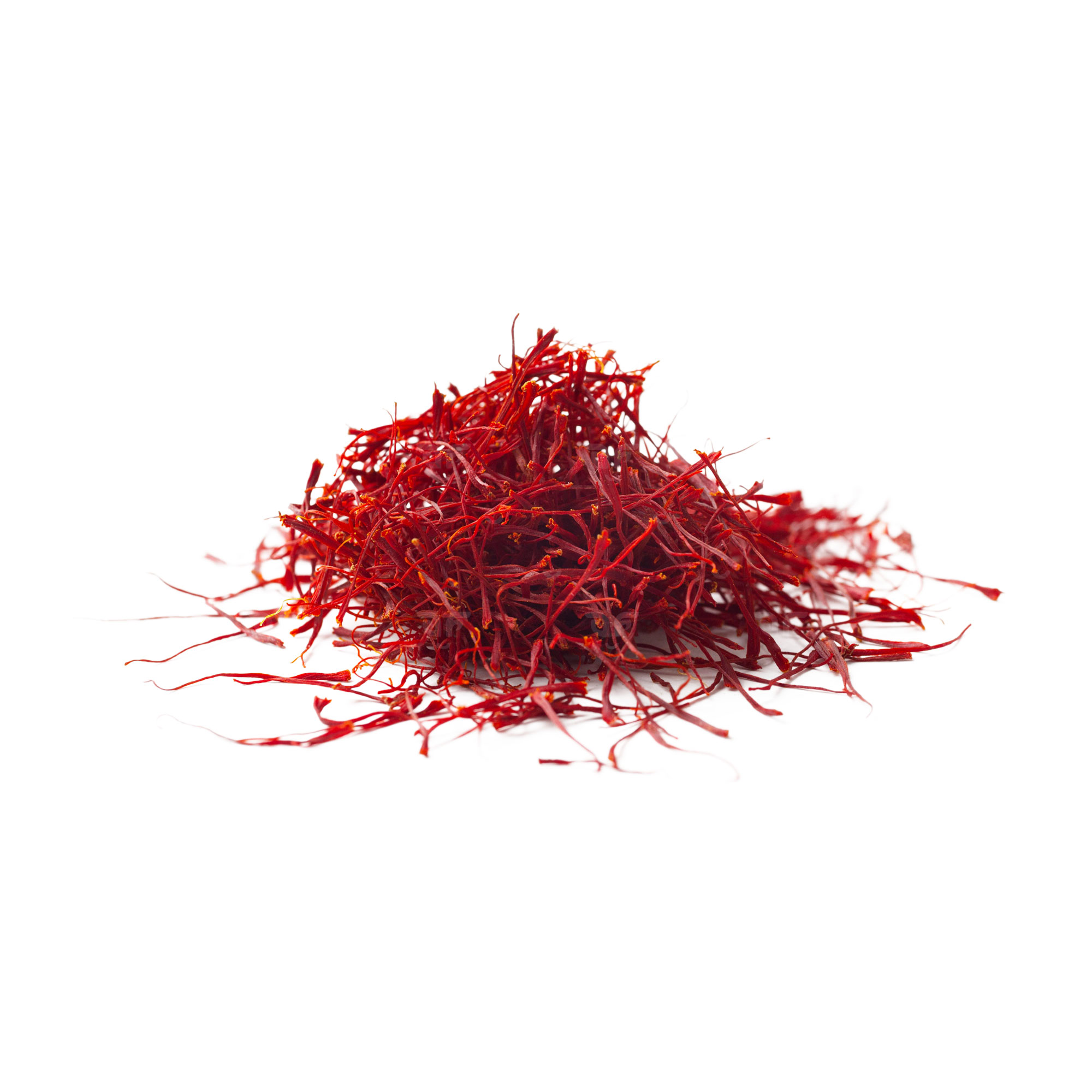
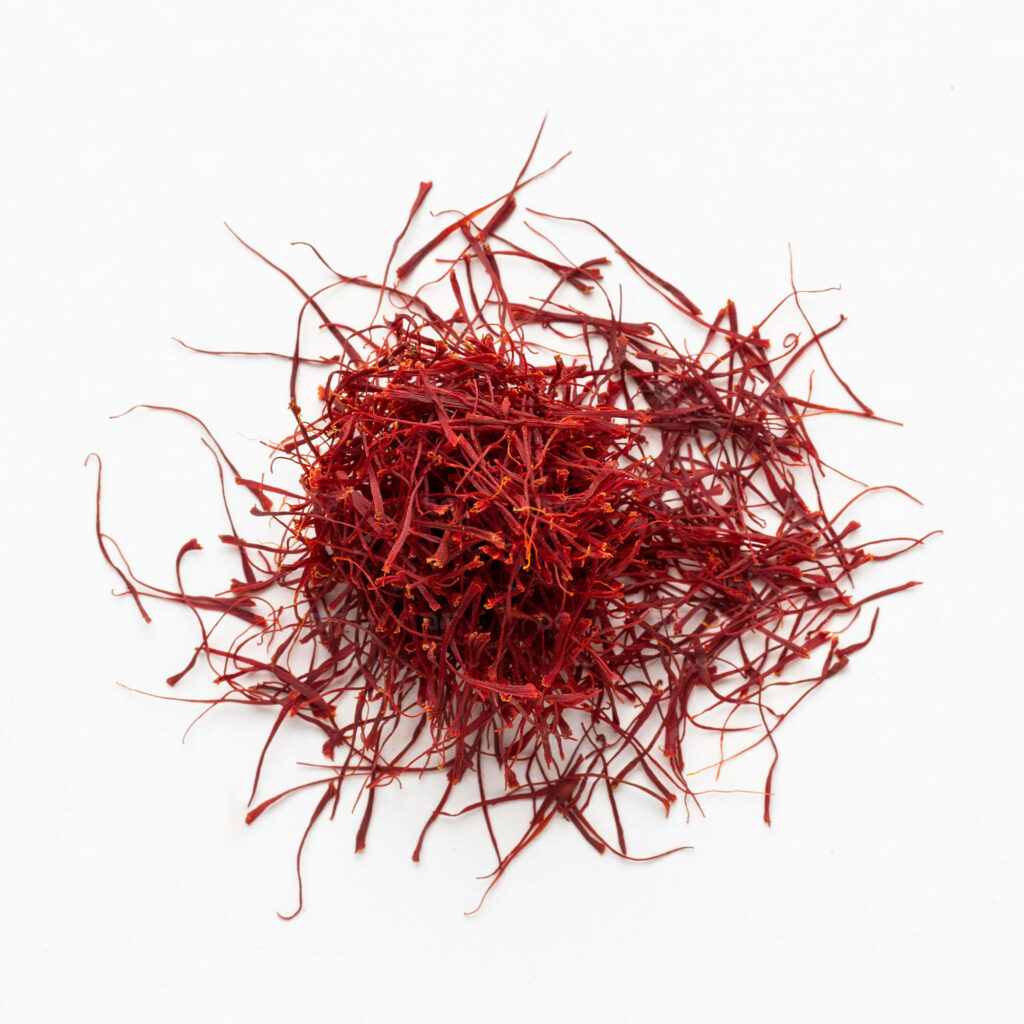
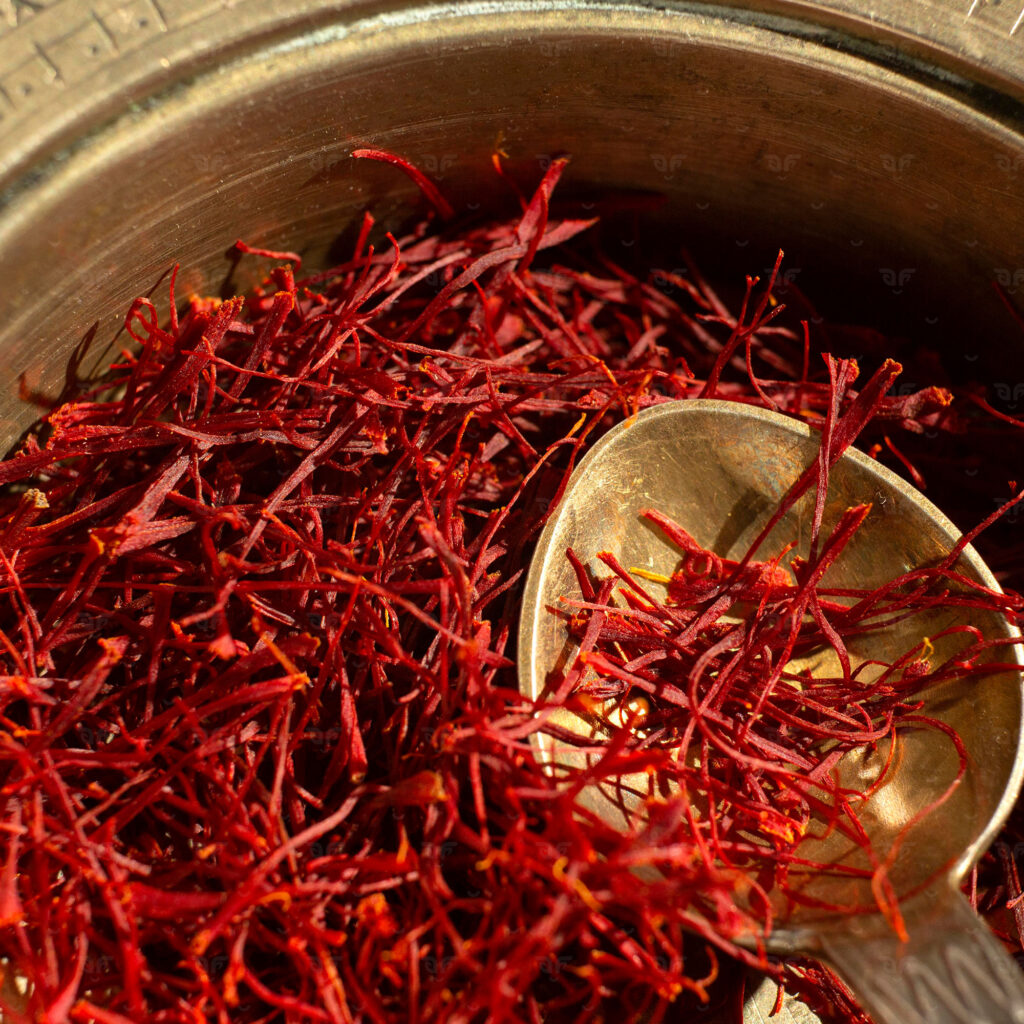
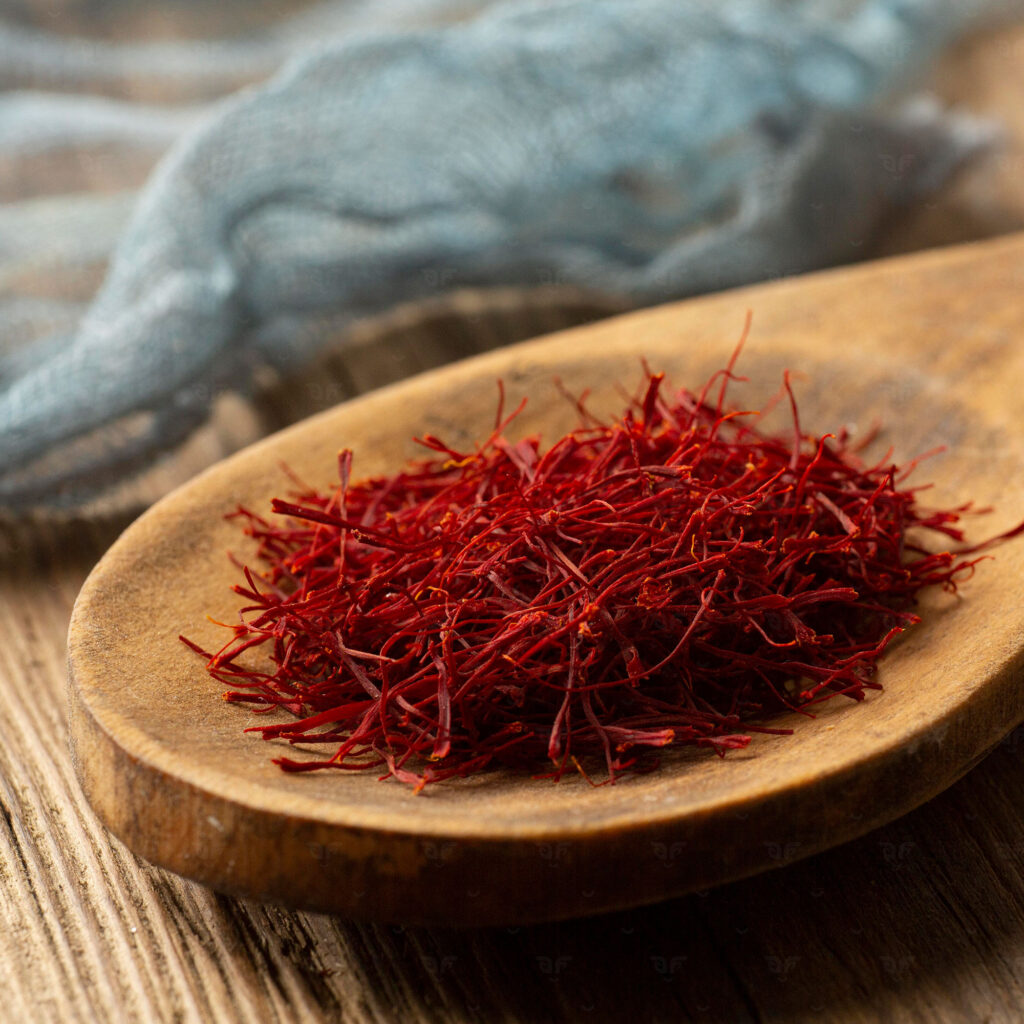
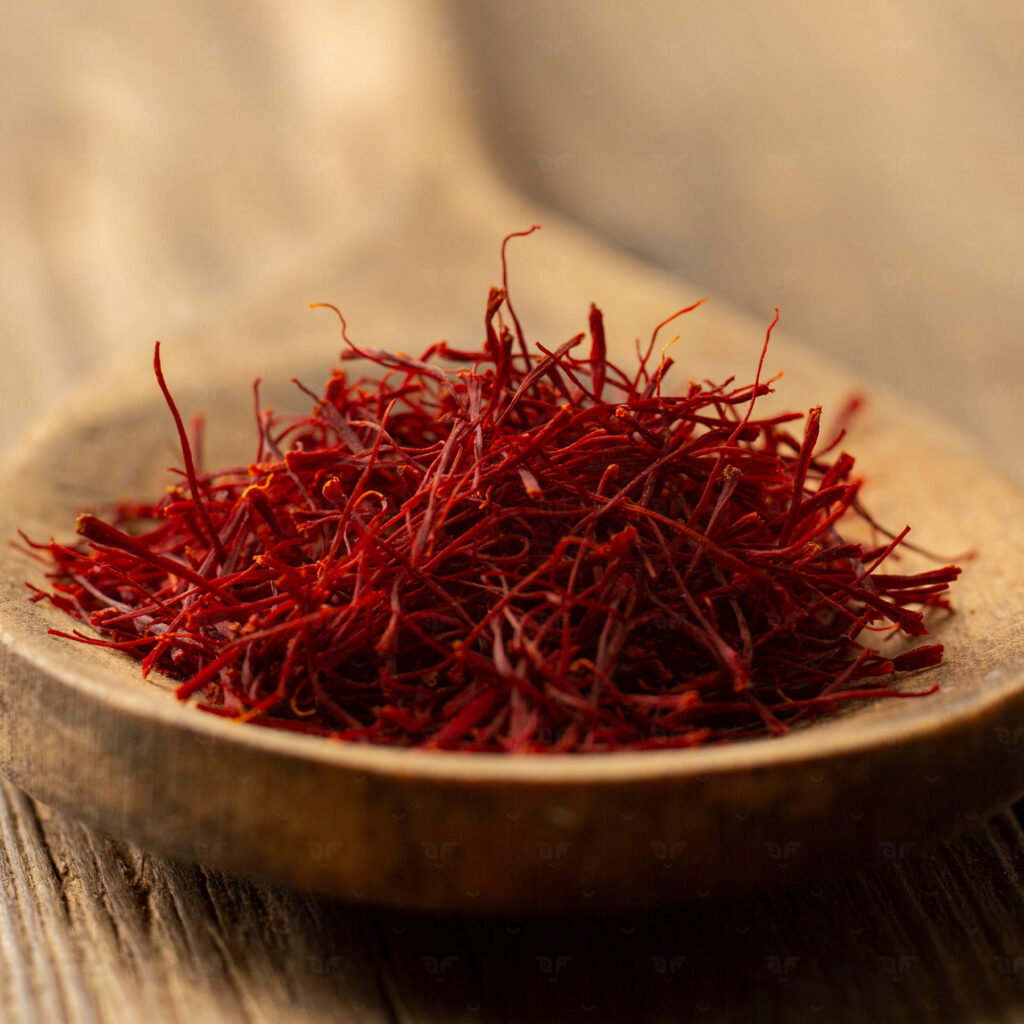
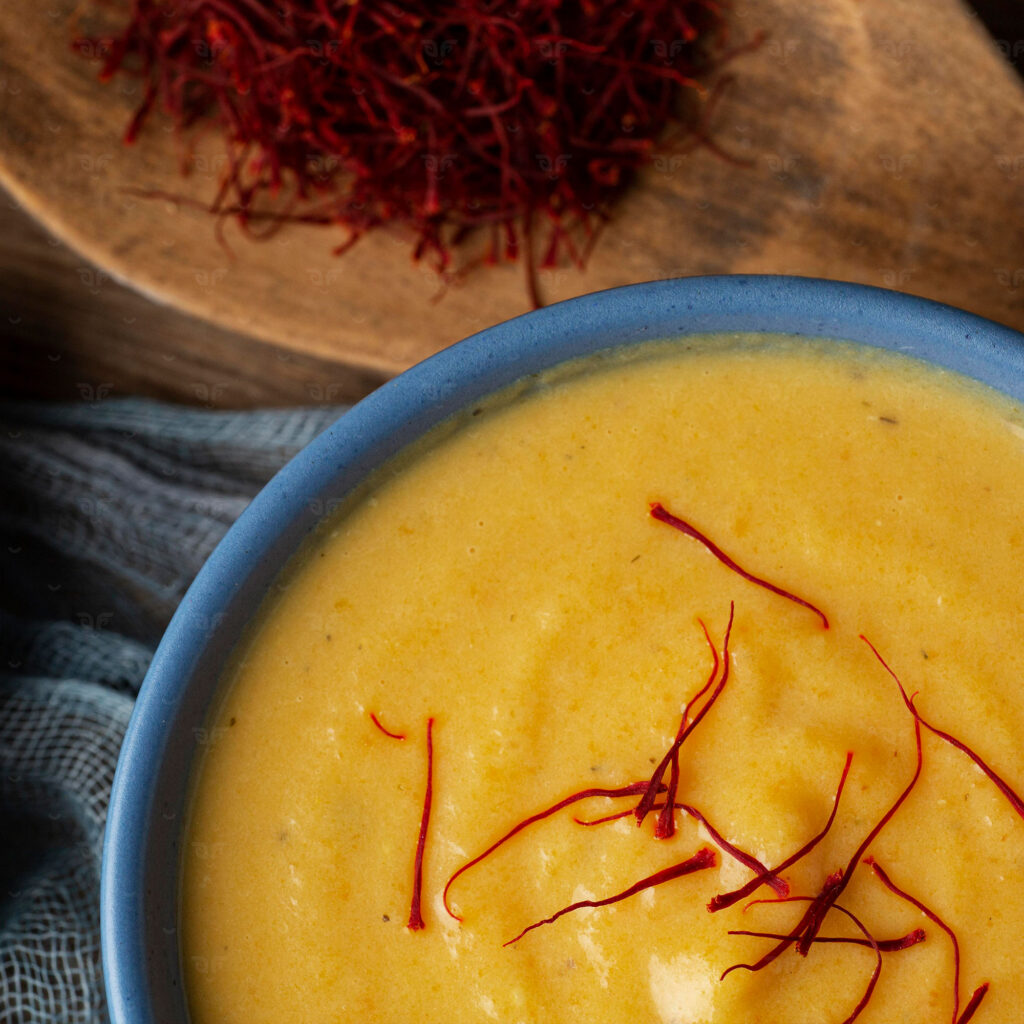
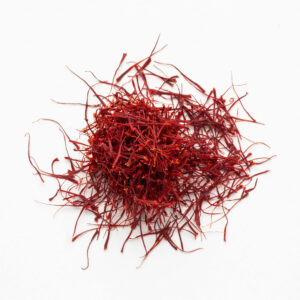
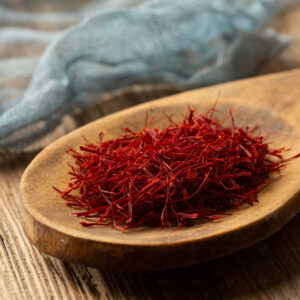
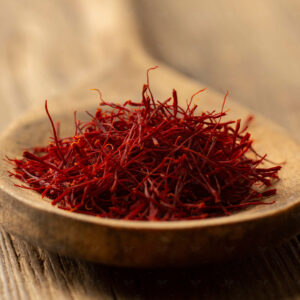
Pushal saffron is a specific grade of Iranian saffron known for including both the red stigmas and part of the yellow style of the Crocus sativus flower. Unlike the higher grades, which consist only of the red part, Pushal grade threads retain a small portion of the style, appearing as yellowish ends on otherwise red threads. This is an easy way to recognize this type compared to other types. The presence of the yellow part slightly reduces the concentration of coloring and aroma compounds, but the saffron remains highly valued for culinary and medicinal purposes. In the following sections, you can read more about the unique properties of Pushal saffron in greater detail.
Physical Characteristics of Pushal Saffron
Pushal saffron is characterized by its unique physical attributes, which sets it apart from other types such as Negin saffron. Below is a brief overview of its main physical properties:
- Composition:
The Pushal includes the red stigmas of the Crocus sativus flower along with a section of the yellow style, commonly referred to as the “cream” or “root.” The yellow part typically measures between 1 and 5 mm, and this blend offers a practical balance between strength and natural form.
- Thread Structure and Size:
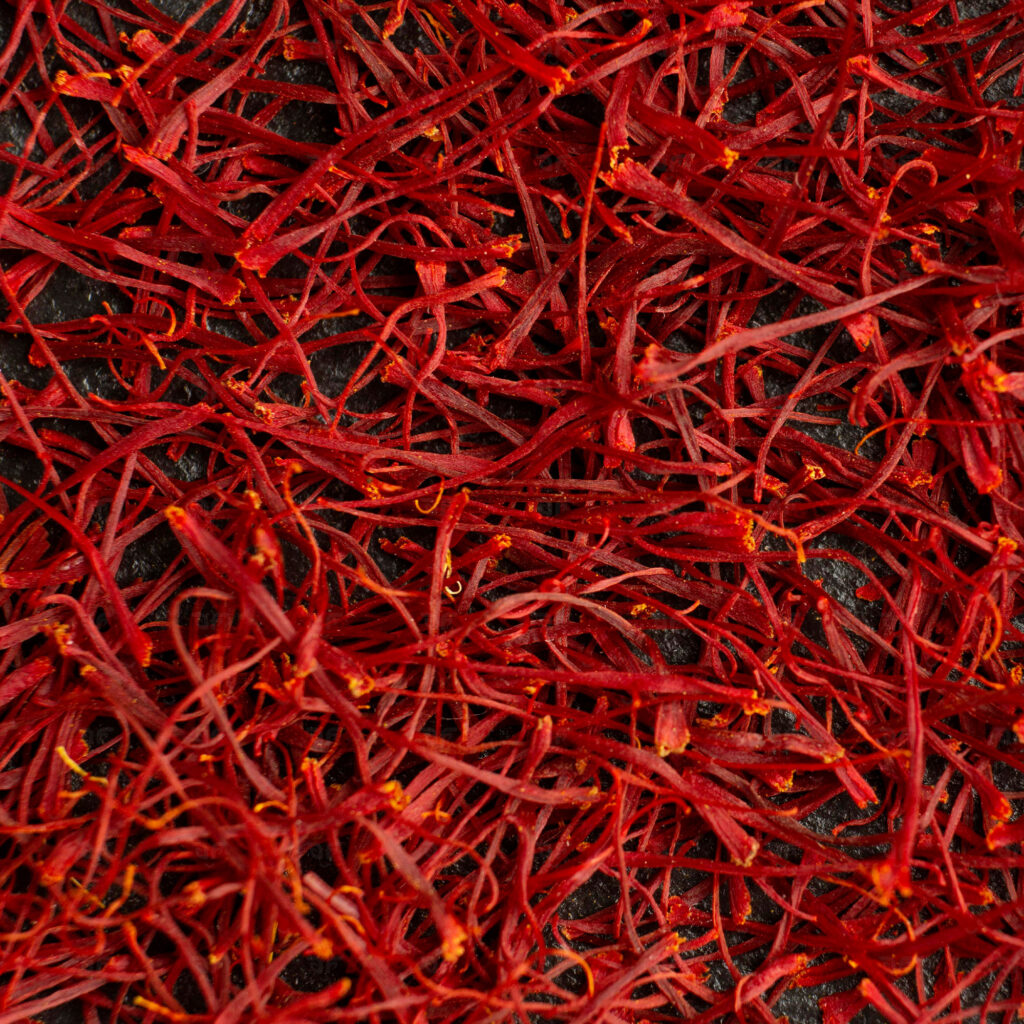
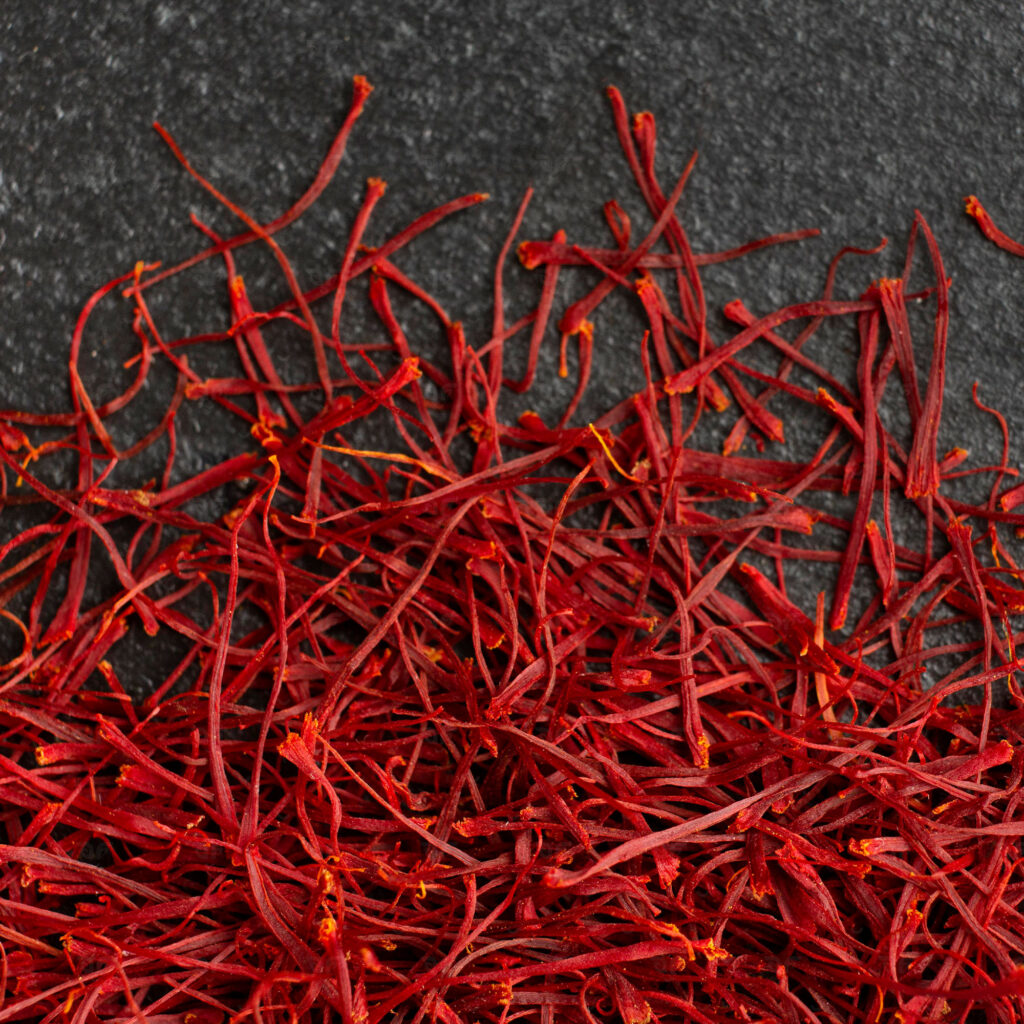
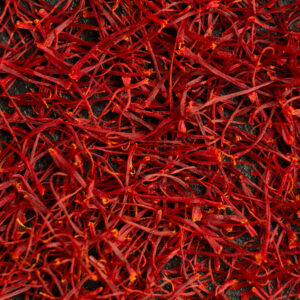
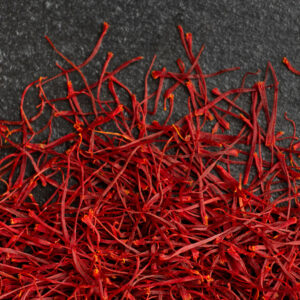
The threads are usually longer and thicker because of the attached style. They often form a three-branched shape, showing that they have been processed minimally. Thread length and thickness vary by grade: Grade A+ is the best in quality, followed by Grade B and Grade C.
- Color Quality:
The red stigmas are bright, while the style adds yellow or orange highlights. Crocin levels, which determine the coloring power, range from 170 to 250 units. Though this is lower than in premium grades like Super Negin or Sargol, it is still effective for culinary use.
- Cleanliness and Purity:
Since the threads contain both stigma and style, their authenticity is easier to confirm. The presence of the style reduces the chance of mixing or substitution with other materials.
- Shape and Curvature:
The form of the threads differs across grades. In Grade A+, stigmas are mostly straight with little curl. Grade B has moderate curves, while Grade C threads are more curled and fragile.
- Gloss or Texture:
Depending on how it is dried and processed, Pushal saffron can have a matte or slightly shiny finish. Its texture is often coarse due to the attached style, which also makes the threads appear bulkier.
Aroma, Taste, and Chemical Properties of Pushal Saffron
Pushal saffron possesses distinct sensory and chemical properties that influence its flavor and aroma. Here’s an in-depth look at its characteristics:
- Flavor Profile:
The taste of Pushal grade combines both sweet and bitter elements, offering a balanced flavor. This profile is mainly due to picrocrocin, a natural glycoside that produces the spice’s bitter taste. Picrocrocin is one of the main compounds used to assess the strength and quality of saffron.
- Aroma Strength:
ThePushal grade has a strong and easily recognizable aroma. It is often described as sweet and floral with earthy and honey-like undertones. The main compound responsible for this scent is safranal, which forms during the drying of the stigmas. Safranal plays a major role in the overall aroma of saffron.
- Bitterness and Flavor Intensity:
Since Pushal saffron includes part of the yellow style, its bitterness is slightly reduced compared to types like Sargol or Super Negin, which consist only of red stigmas. The flavor remains prominent, but the dilution of picrocrocin results in less intensity. Still, the higher thread volume makes it suitable for cooking, offering a good balance between cost and flavor.
- Chemical Composition:
The primary compounds contributing to the flavor and aroma of Pushal saffron include:
- Picrocrocin: Adds bitterness; also acts as a precursor to safranal.
- Safranal: Formed during drying; responsible for the aroma.
- Crocin: Mainly linked to coloring but also affects the sensory experience.
Key Advantages of Pushal Saffron
Pushal saffron offers several notable advantages. Its affordability compared to premium types like Super Negin or Sargol is one of its main benefits. This cost-effectiveness comes from the inclusion of the yellow style and the red stigma, which increases the overall volume and reduces the cost of processing. Another advantage is its ease of authentication; the combination of red and yellow parts in each thread is difficult to imitate, helping reduce the chance of adulteration. This distinct appearance allows consumers to verify the product’s authenticity more easily. Additionally, like other saffron varieties, this grade contains compounds with antioxidant properties that may support the immune system and help improve mood.
Packaging Pushal Saffron at JAM Food Co.
Exporting agricultural commodities with distinct structural features requires highly resilient transit solutions. Protecting the delicate physical composition, distinct flavor, and overall purity of Pushal Saffron during extensive global shipping is non-negotiable. To achieve this, JAM Food Co. has engineered a logistics framework that exclusively utilizes certified food-grade enclosures and state-of-the-art packaging machinery. As a leading Exporter of Pushal Saffron, our exact protocols are designed to easily surpass strict international import criteria. By implementing these advanced barriers, we ensure that the fragile red stigmas and their attached yellow styles reach international buyers completely intact and rich in culinary value.
- Bulk Packaging Capabilities:
Catering to massive commercial demands, we supply this specific spice grade in wholesale increments of 2kg, 5kg, and 10kg. To defend these high-value cargo loads against heavy industrial crushing, the primary goods are housed securely within multi-layer kraft paper sacks or exceptionally durable corrugated cartons. These thick external shields easily absorb impact forces generated during complex logistical handling.
- Preservation and Sealing Techniques:
Prolonging the commercial viability of this spice hinges on strict atmospheric control. Our processing lines integrate modified atmosphere packaging (MAP) alongside industrial vacuum sealing to eradicate harmful oxygen. Furthermore, we install specialized moisture-proof inner liners inside every commercial box. This comprehensive sealing strategy actively wards off pest infestations, stops fungal growth, and vastly prolongs the natural shelf life of the stigmas.
- Private Labeling and Retail Packaging:
Partnering with retail-focused brands is a cornerstone of our B2B framework. We deliver extensive OEM and private label services explicitly customized for your target demographic. Options range from compact retail-ready pouches to elegantly designed jars equipped with custom graphic printing. This immense branding flexibility enables global clients to confidently launch shelf-ready consumer products straight out of our facility.
- Export-Ready Palletization:
The final step prior to shipment involves consolidating the master boxes onto heavy-duty pallets. Warehouse technicians stack the cartons in highly stable formations, wrap the complete structure in dense stretch film, and lock it down with rigid strapping. This vital consolidation minimizes the risk of movement-based damage, perfectly optimizes shipping container capacities, and guarantees total compliance with rigorous global customs protocols.
Growing and Harvesting Pushal Saffron
Pushal saffron thrives under specific climatic and soil conditions and is cultivated in various regions worldwide. Below, you can read more about these conditions:
- Climate Conditions:
Saffron plants can survive in temperatures ranging from -22°C to 40°C, but they grow best in areas with hot, dry summers and cold winters. Moderate spring rainfall supports healthy development, while too much rain during flowering season may lower yields and encourage disease. Sunlight exposure is crucial. Fields with a southern slope in the Northern Hemisphere are most effective. In addition, low humidity helps reduce the risk of fungal infections.
- Soil Requirements:
Ideal soils are friable and low in density. Sandy loam and clay loam soils with proper drainage work well. Slight alkalinity, with a pH between 6.3 and 8.3, is favorable. High organic content supports soil fertility, and traditionally, around 20 tons of manure per hectare are added for this purpose. Drainage is essential, as stagnant water can cause corm rot and hinder plant development.
- Growing Regions:
- Iran: Leading producer, responsible for about 90% of the world’s saffron.
- India: Cultivated mainly in Jammu and Kashmir, especially in the Pampore region; however, production has declined due to climate changes.
- Spain: Grown in Castilla-La Mancha, known for consistent quality.
Harvesting Season of Pushal Saffron
The harvesting of Pushal saffron usually takes place between late October and early November, aligning with the blooming period of the saffron crocus. During this time, flowers emerge and are ready for stigma collection. Harvesting is generally carried out in the early morning hours when the blossoms are open and still fresh. This approach helps maintain the quality of the saffron threads. Although the harvest period remains mostly the same across different regions, slight variations may occur depending on local climate conditions and farming methods. Still, this time frame is considered standard in most saffron-producing areas.
Harvesting Process of Pushal Saffron
The harvesting process of Pushal saffron is meticulous and labor-intensive, ensuring the quality and authenticity of this prized spice. Here’s an overview of the steps involved:
- Flower Picking:
As mentioned earlier, saffron flowers bloom in mid to late autumn, generally lasting for about two weeks. Harvesting takes place early in the morning when the flowers are fresh and fully open. Each flower is handpicked to avoid damaging the delicate stigmas. It is estimated that nearly 150,000 flowers are needed to produce 1 kilogram of dried saffron.
- Stigma Separation:
After harvesting, the flowers are brought to a processing area. The red stigmas are then separated from the flower by hand. For Pushal saffron, a small part of the yellow style is intentionally left attached to the red stigma, which differentiates it from other types like Sargol that include only the red part.
- Drying:
Once the stigmas are separated, they are dried to remove moisture and prevent spoilage. Methods may include natural sun drying, low-heat toasting, or using mechanical dehydrators. Proper drying is important for maintaining aroma, flavor, and color.
- Packaging and Storage:
After drying, the saffron threads are stored in airtight containers to shield them from moisture and light. This step is essential for preserving the spice’s quality and effectiveness until it is used or sold.
Storage Guidelines and Durability of Pushal Saffron
Proper storage of Pushal saffron is essential to maintain its quality, potency, and shelf life. In the following, you can find out more about the correct instructions regarding these topics.
Storage Conditions of Pushal saffron
To preserve the delicate compounds responsible for saffron’s color, aroma, and flavor, adhere to the following storage guidelines:
- Airtight Containers:
Use airtight containers to protect the saffron from air exposure, which can lead to oxidation and reduced effectiveness.
- Cool and Dry Environment:
Store in a place that is cool and dry, avoiding exposure to direct sunlight or humidity. High temperatures and moisture can cause deterioration.
- Dark Storage:
Keep saffron in opaque containers or place them in a dark cupboard. Exposure to light can degrade its chemical components.
- Avoid Strong Odors:
Since saffron can absorb surrounding smells, it should be stored away from substances or spices with strong odors.
Pushal saffron Shelf Life
When stored properly:
- Whole Threads:
Pushal saffron threads can maintain their quality for 2 to 3 years.
- Ground Saffron:
Ground saffron, due to its increased surface area, has a shorter shelf life of approximately 6 to 12 months.
About JAM Food Co.’s Pushal Saffron
JAM Food Co. offers high-quality Pushal saffron, produced and sourced directly from saffron-rich regions in Iran. As part of its product range, Pushal saffron is selected for its balanced composition. Products of this company are known for their distinctive appearance, authentic aroma, and reliable performance in culinary and commercial use. The company follows strict handling procedures to ensure that the saffron maintains its natural properties from harvest to final delivery.
JAM Food Co. as a Reliable Pushal Saffron Supplier
Located in Iran, JAM Food Co. benefits from direct access to some of the country’s best saffron farms. The company is committed to supplying Iranian saffron, including Pushal saffron, to customers both domestically and internationally. With a focus on quality and consistency, JAM Food Co. supports its clients with dependable service and scalable supply options. Its professional network and export capacity allow for timely delivery to a wide range of markets.
HOW CAN JAM GROUP HELP YOU?
Send us a message and our friendly team will get back to you within one business day.




