










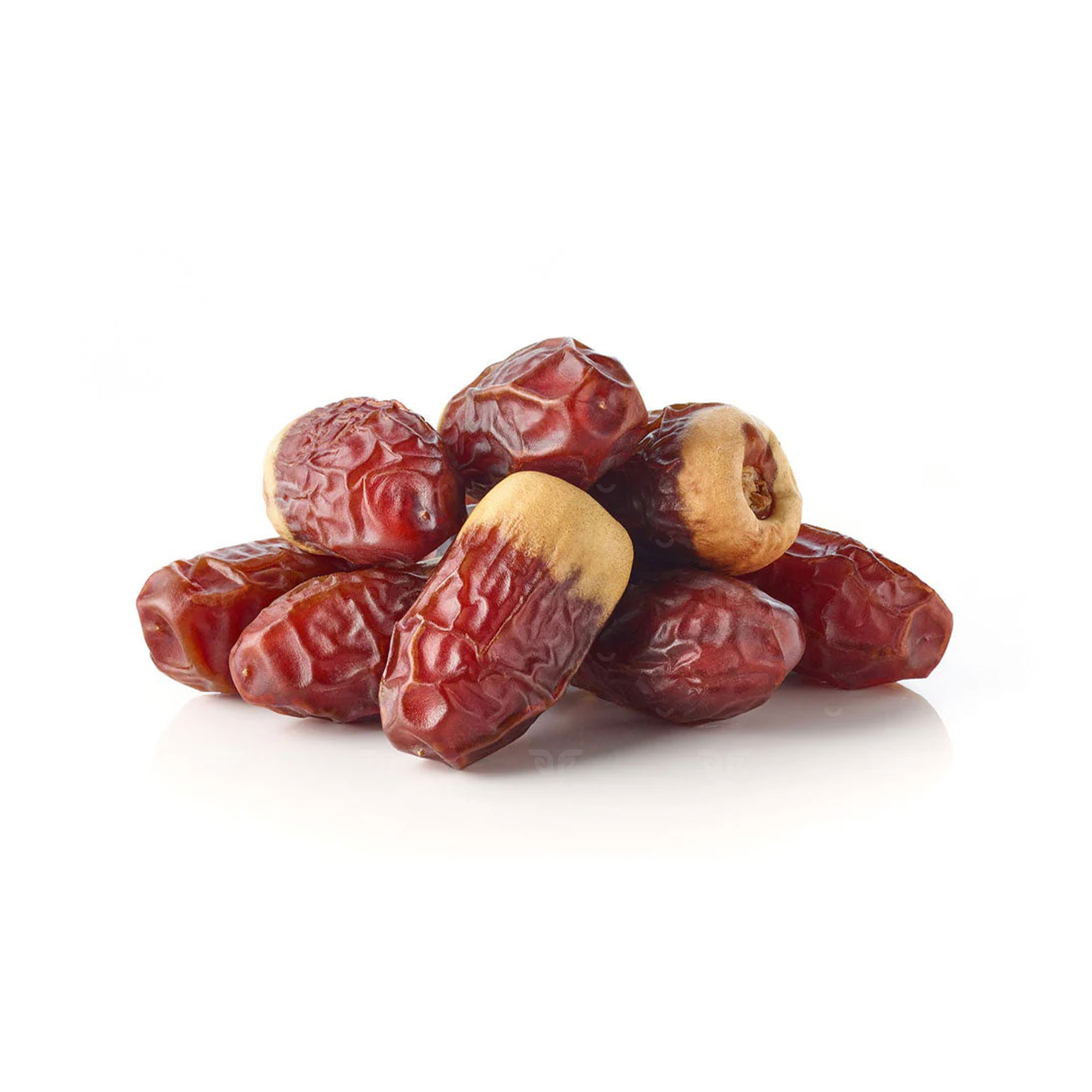

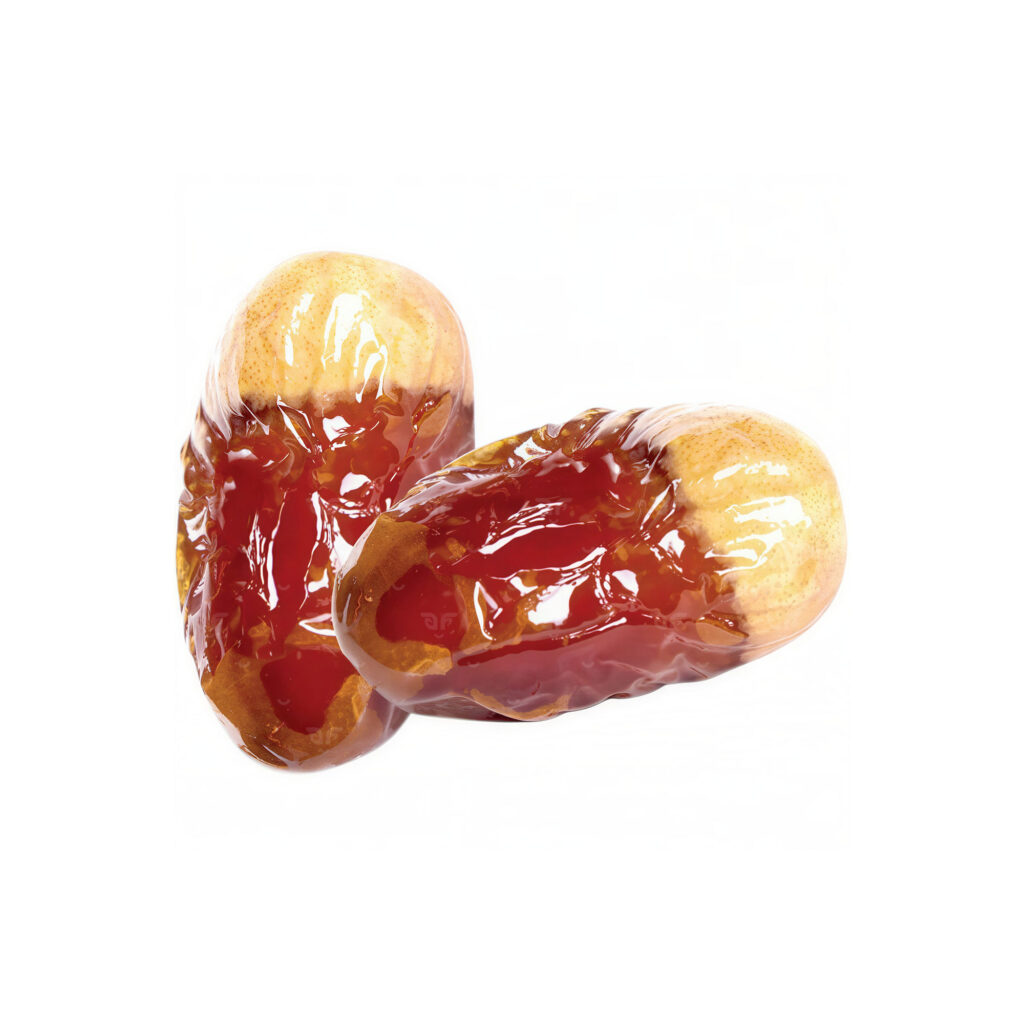
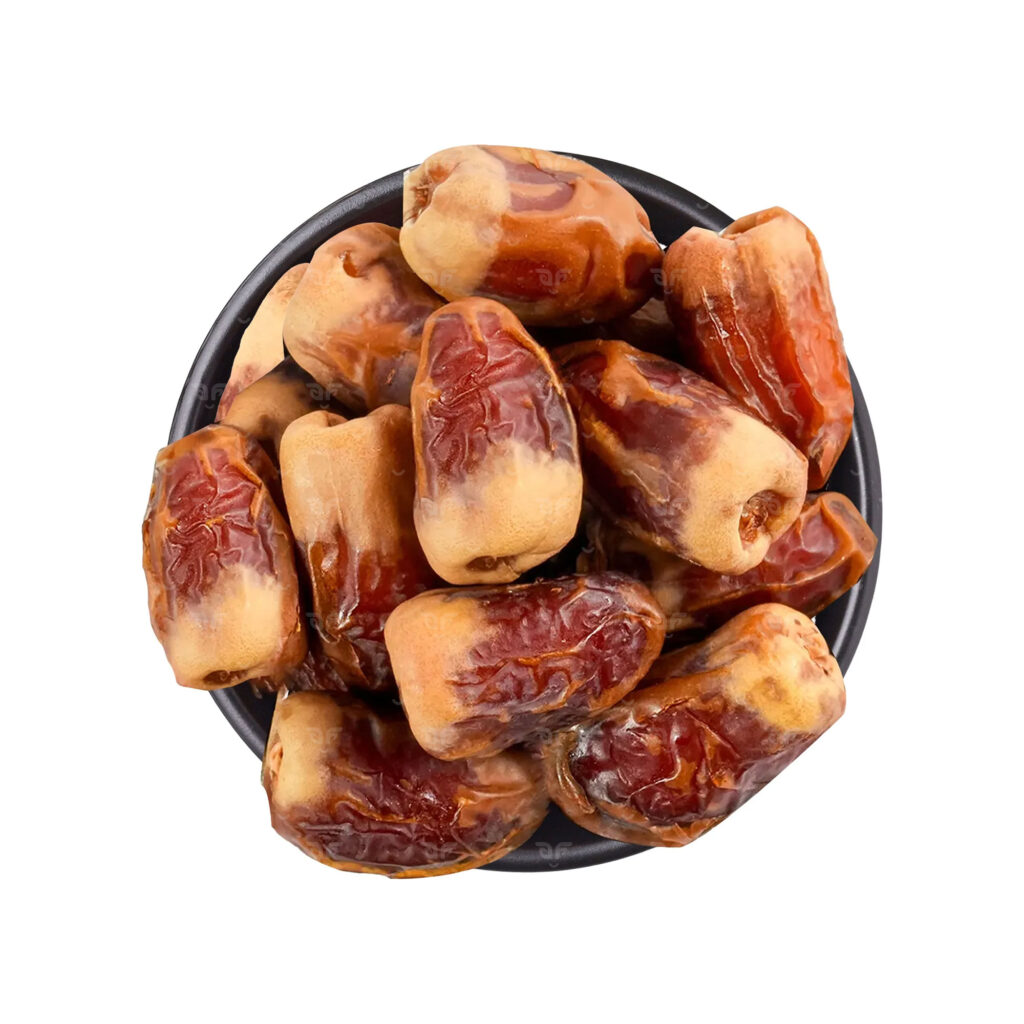
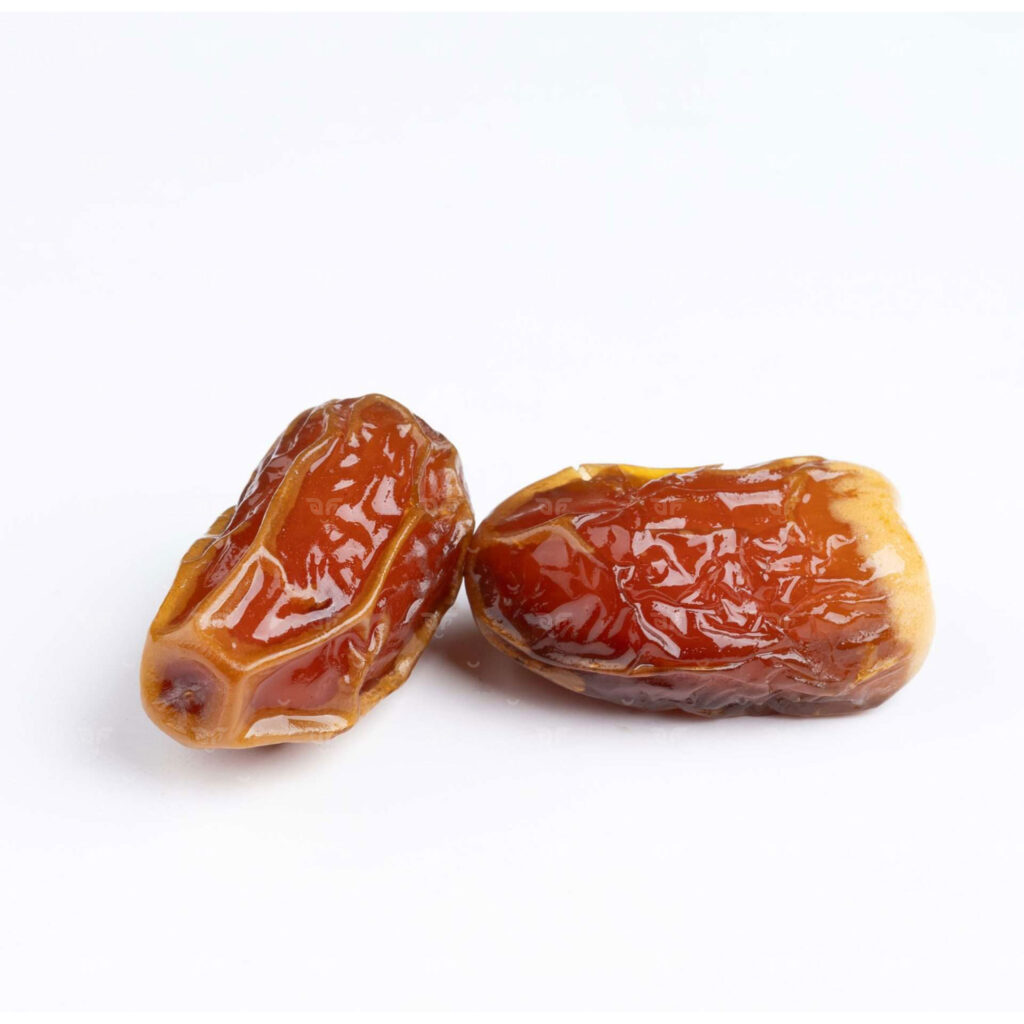
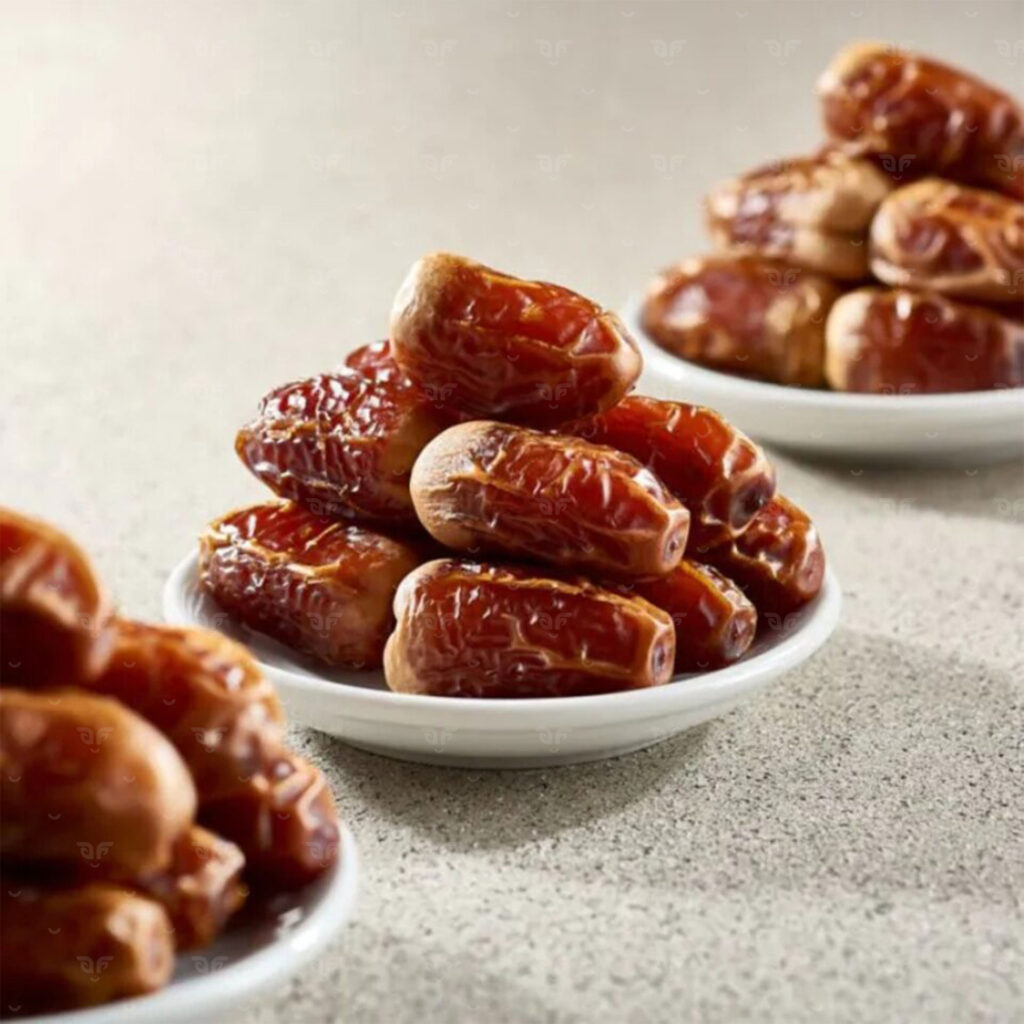
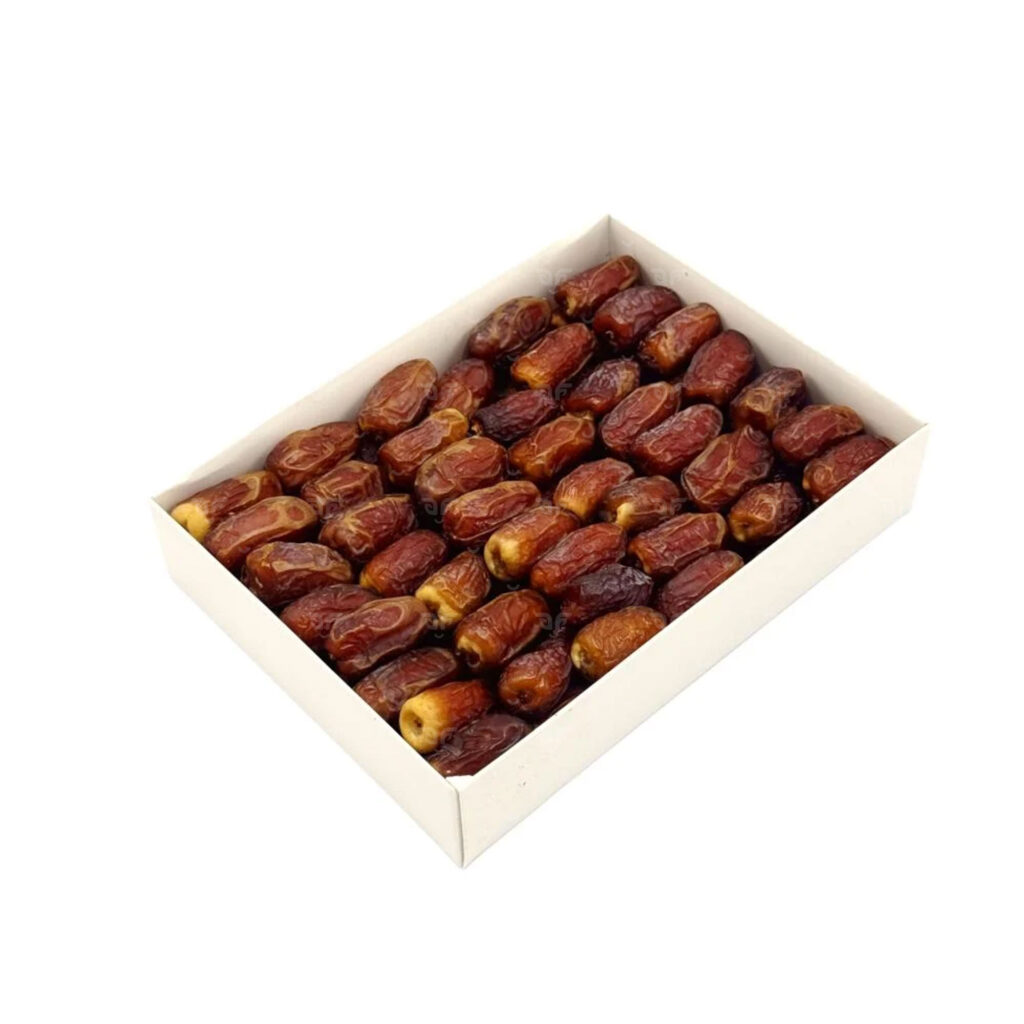
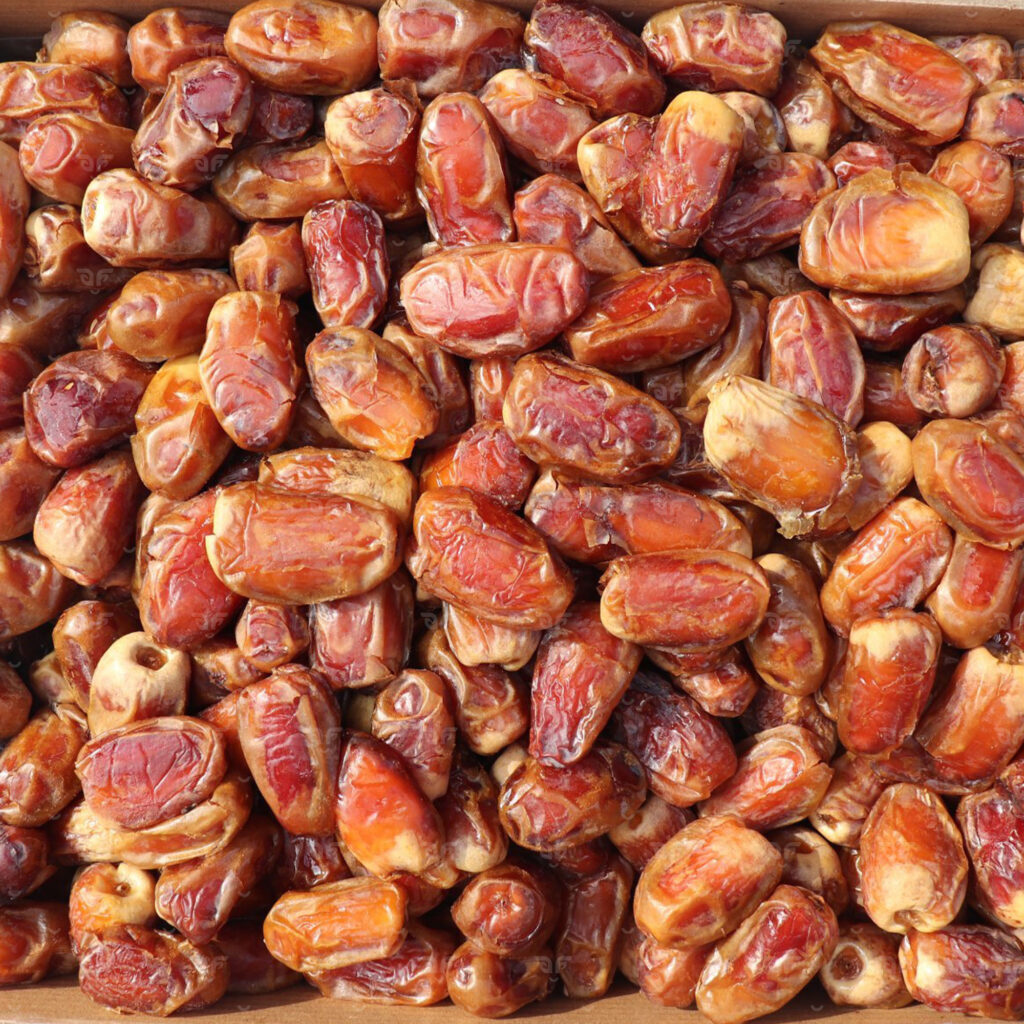
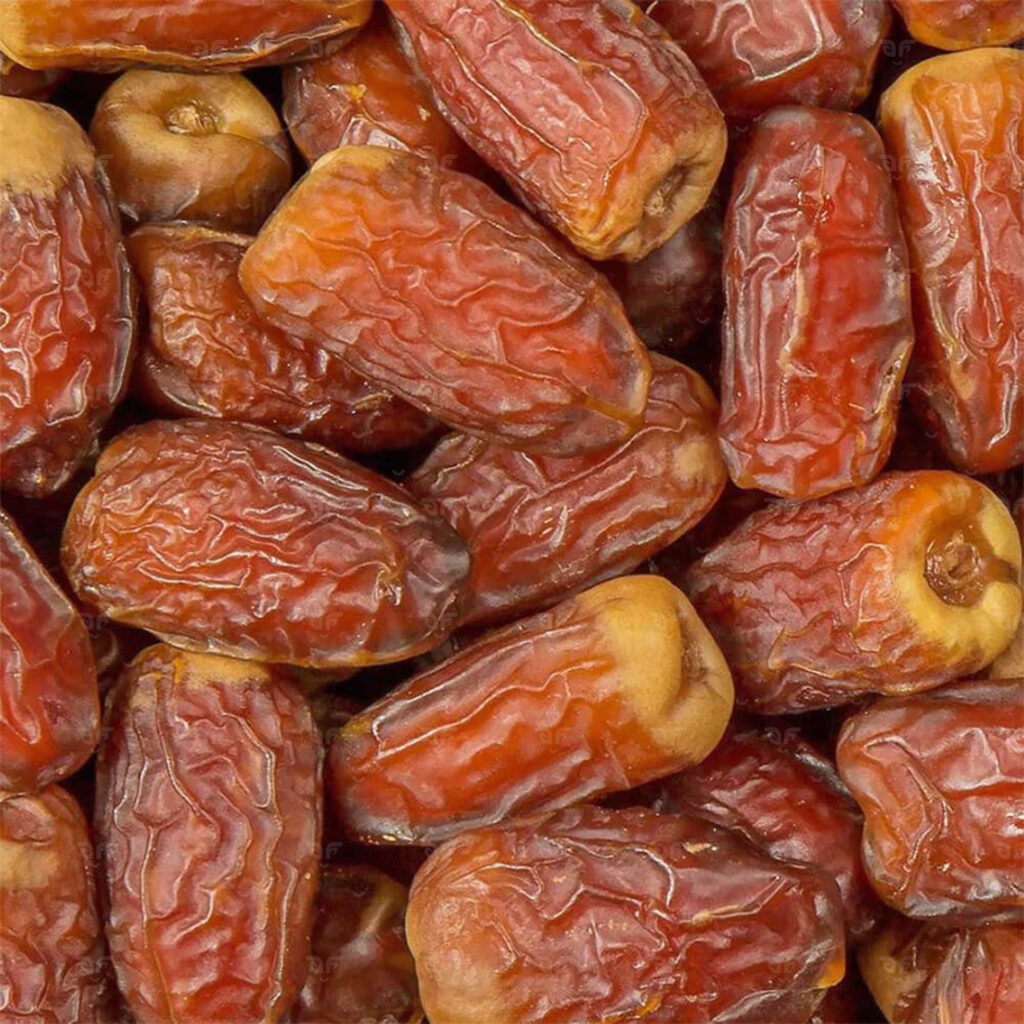
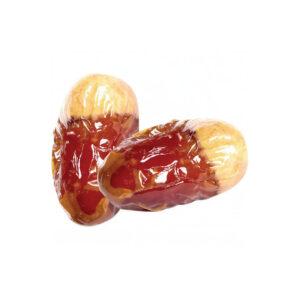
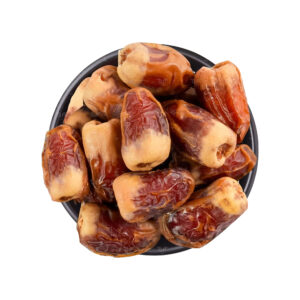
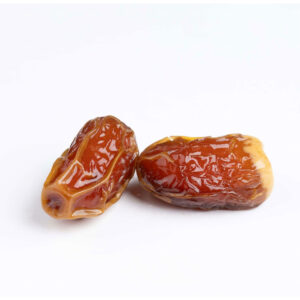

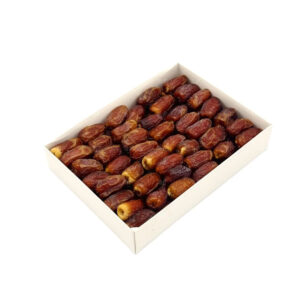
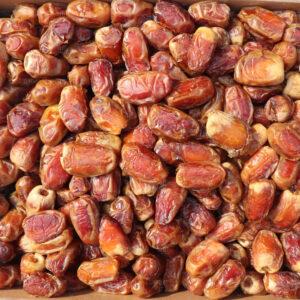

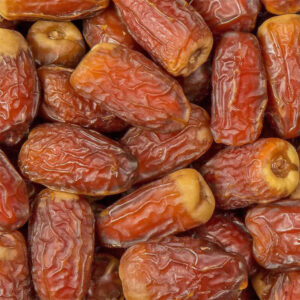
Sagai dates are highly regarded for their distinct look, mild sweetness, and unique texture. What makes them stand out is their two-toned appearance—a golden, firm tip paired with a soft, brown body. This combination creates a pleasant contrast in texture, offering both a slight crunch and a chewy bite. Unlike overly sugary date varieties, Sagai dates have a balanced sweetness, which makes them a popular choice for those who enjoy a more subtle flavor. They are especially favored in the Middle East and are often included in daily diets and special occasions. In this article, we’ll take a closer look at their characteristics, benefits, and other key details that make them a sought-after variety.
JAM Food Co. is a reliable supplier of high-quality Sagai dates, committed to consistency in sourcing and distribution. The company works closely with experienced farmers to source fresh, naturally grown dates that adhere to international standards. Quality control is a priority at every stage, from harvesting to packaging, to maintain the fruit’s flavor and texture. With effective logistics and a focus on customer service, JAM Food Co. serves both bulk buyers and retailers, making premium Sagai dates available to global markets. By upholding strict hygiene standards and providing flexible packaging options, the company guarantees that customers receive top-quality products tailored to their specific requirements. To find out more about available products and pricing, please get in touch with the company.
What is Sagai Date?
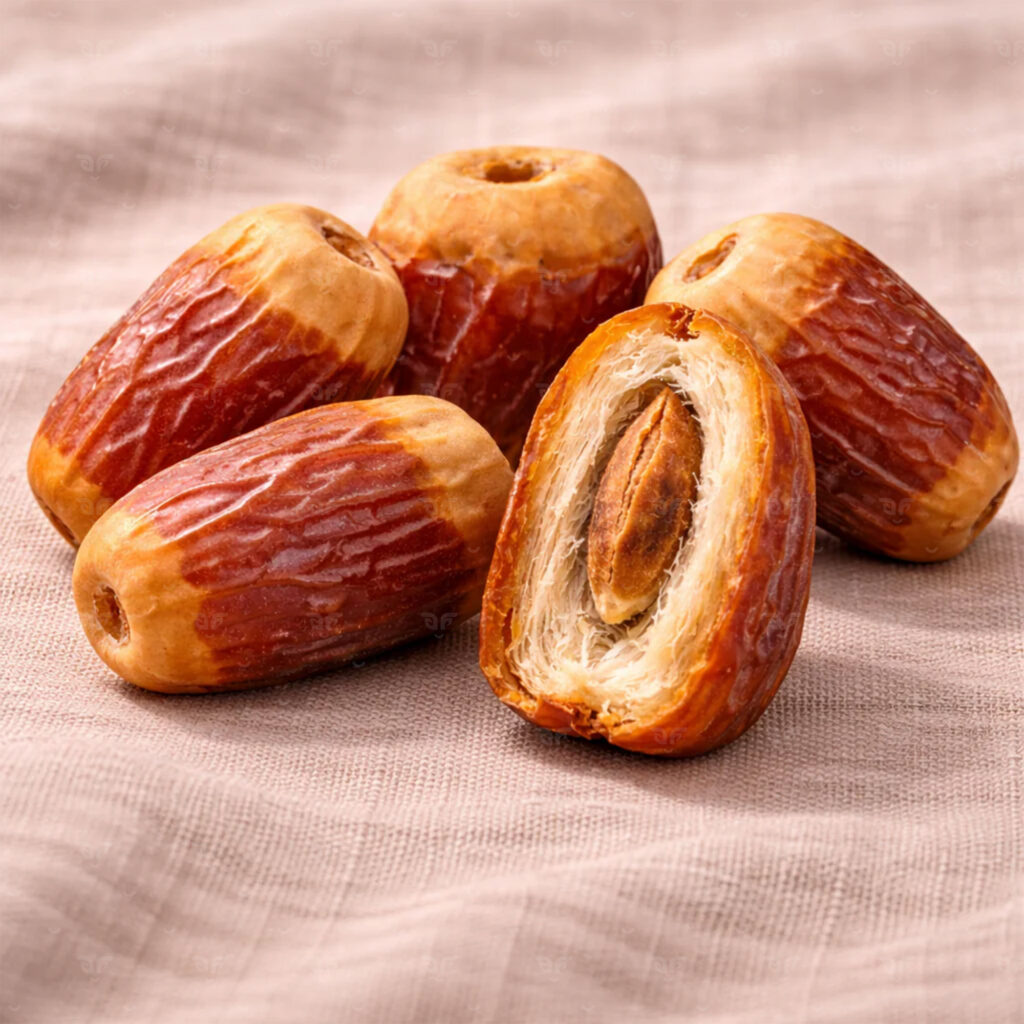
Sagai dates are a traditional variety of date fruit that come from the Arabian Peninsula, especially popular in Saudi Arabia. They are known for their unique two-toned look, with a golden, firm, and dry tip, while the rest of the fruit is soft and brown. This contrast in texture creates a distinctive sensory experience, offering a mild sweetness along with a slightly crunchy bite. Because of their delightful taste and texture, Sagai dates are commonly enjoyed in the region and are often included in gift boxes for special occasions. Below, you can learn more about the characteristics of this type of date fruit.
Physical Characteristics of Sagai Date
Sagai dates are renowned for their unique two-toned appearance and distinctive texture, which makes them a favored choice among date enthusiasts.
- Size and Shape: Sagai dates are medium-sized with an elongated, cylindrical shape. The fruit is thick and slightly curved, featuring a base that is wider than the tip.
- Color: One of the most striking features of Sagai dates is their dual coloration. The rim or tip of the date exhibits a light beige to golden hue, while the body transitions into a saffron to dark orange or brown shade.
- Texture: The texture of Sagai dates offers a noticeable contrast. The tip is firm and slightly crunchy, providing a subtle crispness upon biting. In contrast, the body is soft, moist, and chewy, delivering a melt-in-the-mouth experience.
- Core: Like all date varieties, Sagai dates contain a single elongated seed or pit at their center. The seed is encased within the fleshy part of the fruit and is typically easy to remove due to the softness of the surrounding flesh.
Taste and Flavor Profile of Sagai Date
Sagai dates are celebrated for their distinctive taste and texture, offering a unique culinary experience. Here’s an overview of their flavor profile:
- Sweetness: Sagai dates possess a mild, natural sweetness that is less intense than some other date varieties. This makes them suitable for individuals who prefer a more delicate sugary taste without overwhelming richness.
- Juiciness: The body of the Sagai date is soft and moist, providing a tender and luscious mouthfeel. This moistness contrasts with the firmer, drier tip, resulting in a satisfying textural contrast.
- Flavor Notes: Beyond their gentle sweetness, Sagai dates feature delicate caramel-like undertones. This subtle richness enhances their overall flavor and makes this date type enjoyable for direct consumption or as an ingredient in various dishes.
Nutritional Information of Sagai Date
Sagai dates are not only a natural source of sweetness but also pack a variety of essential vitamins and minerals. They are rich in potassium, an electrolyte vital for heart health, muscle function, and maintaining fluid balance. Moreover, they contain magnesium, copper, and manganese.
Sagai Date Cultivation and Harvesting
Sagai dates thrive under specific cultivation conditions. Their successful growth depends on suitable climate and soil characteristics, as well as the regions where they are predominantly cultivated.
- Climate Requirements: Date palms flourish in hot, arid climates. Optimal growth occurs with prolonged high temperatures, especially during summer. Pollination is most effective at temperatures around 35°C (95°F), while fruit ripening benefits from consistent heat. Low relative humidity is crucial during flowering and fruit setting to prevent moisture-related issues such as fruit cracking. Excessive humidity can negatively impact fruit quality. Minimal rainfall is ideal, particularly during the flowering and fruiting stages, as excessive moisture can cause fruit spoilage. Date palms are naturally suited to desert environments with limited precipitation.
- Soil Requirements: Sandy loam soils with good drainage are preferred for optimal growth. These soils provide the necessary aeration and moisture retention, both of which are essential for healthy root development. Date palms tolerate a wide pH range but grow best in soils with a pH between 8 and 11.
- Growing Regions: Sagai dates are primarily cultivated in various regions across Saudi Arabia, particularly around Riyadh and the Najd province. While native to the Arabian Peninsula, date palms are also grown in other parts of the world with similar climatic conditions, including North Africa, the Middle East, and regions such as Rajasthan in India.
Harvest Season of Sagai Date
Sagai dates are typically harvested during the mid-season of the date production cycle. In Saudi Arabia, the overall date production season extends from June to November. Sagai dates specifically ripen in the middle of this period, meaning their harvest generally takes place between August and September. The exact timing of harvest can vary depending on regional climatic conditions and specific agricultural practices. However, due to their mid-season ripening characteristic, Sagai dates are usually collected in the late summer to early autumn months. Farmers closely monitor the ripening process to ensure that the fruit reaches optimal maturity before harvesting, as this impacts the quality and market value of the dates.
Harvesting Process of Sagai Date
Harvesting Sagai dates involves a series of careful steps to ensure the collection of high-quality fruit. Proper handling and precise timing are essential for maintaining the fruit’s integrity and market value.
- Monitoring Ripeness: As mentioned, Sagai dates are typically harvested during the mid-season, between August and September. Farmers assess the fruit’s color and texture to determine optimal ripeness, as dates on the same palm may mature at different times.
- Protective Measures: To safeguard the developing dates from pests and environmental factors, mesh bags are often placed over the fruit bunches. This method also helps in collecting any ripe dates that naturally fall, minimizing waste.
- Manual Harvesting: Due to the varying ripening times, harvesting is primarily performed by hand. Workers climb tall date palms using ladders or specialized lifts, carefully selecting ripe dates while leaving unripe ones for later collection. This process may take several weeks, requiring multiple harvest passes to ensure peak ripeness.
- Post-Harvest Handling: Once collected, dates are transported to processing facilities for cleaning, sorting, and grading based on size and quality. Proper post-harvest handling is crucial to preserving the fruit’s freshness and extending its shelf life.
Sagai Date Storage and Shelf Life
Proper storage of Sagai dates is essential to maintain their quality and extend their shelf life. Here are some guidelines to ensure optimal storage conditions and longevity.
Storage Conditions of Sagai Date
Sagai dates should be stored in a cool, dry place to maintain their freshness. For extended preservation, refrigeration is recommended, ideally at temperatures between 5-10°C (41-50°F). Keeping dates in an airtight container helps prevent moisture absorption and contamination, thus ensuring they remain in good condition for longer.
Sagai Date Shelf Life
When stored in a cool, dry environment, Sagai dates can last up to 12 months. Refrigeration can extend their shelf life to 12-18 months, depending on storage conditions. For prolonged storage, freezing is an option, allowing dates to maintain their quality for over a year.
To ensure safe consumption, it is essential to recognize signs of spoilage:
- Appearance: Discard dates that show mold growth or significant discoloration.
- Odor: An off or sour smell indicates spoilage.
- Pests: The presence of insects or larvae necessitates the disposal of affected dates.
About JAM Food Co’s Sagai Date
JAM Food Co., headquartered in Iran, is a reputable provider of premium-quality dates, including Sagai Dates. Known for their distinctive texture and mild sweetness, these dates are carefully selected to meet strict quality benchmarks. The company works closely with skilled growers, ensuring that only the best produce reaches consumers. By maintaining strong relationships with farmers and adhering to rigorous selection processes, JAM Food Co. guarantees Sagai Dates that satisfy international market expectations.
JAM Food Co. as a Reliable Sagai Date Supplier
JAM Food Co. has earned its reputation as a dependable Sagai Date supplier by focusing on key principles that prioritize quality and efficiency:
- Sourcing from Trusted Farmers: The company collaborates with experienced farmers from renowned Sagai Date-producing regions in Iran, ensuring a steady and high-quality supply.
- Strict Quality Assurance: Every step, from harvesting to shipping, undergoes careful supervision to maintain freshness and comply with international quality standards.
- Well-Organized Logistics: With a reliable distribution network in place, the company ensures that shipments reach global destinations promptly and efficiently.
- Customer-Oriented Services: JAM Food Co. offers flexible order sizes and maintains clear communication to accommodate varying customer needs.
Packing Sagai Date at JAM Dried Fruit Co.
To preserve the quality and visual appeal of Sagai Dates, JAM Food Co. follows meticulous packaging practices. These measures safeguard the product’s freshness and integrity from storage to delivery:
- Hygienic Packing Process: Packaging takes place in a sanitized environment following strict food safety guidelines to prevent contamination.
- Variety of Packaging Options: Customers can choose from bulk packaging for large-scale distribution or consumer-friendly packs tailored to retail markets.
- Controlled Storage and Transportation: The company regulates temperature and humidity levels throughout the storage and shipping process.
HOW CAN JAM GROUP HELP YOU?
Send us a message and our friendly team will get back to you within one business day.




