










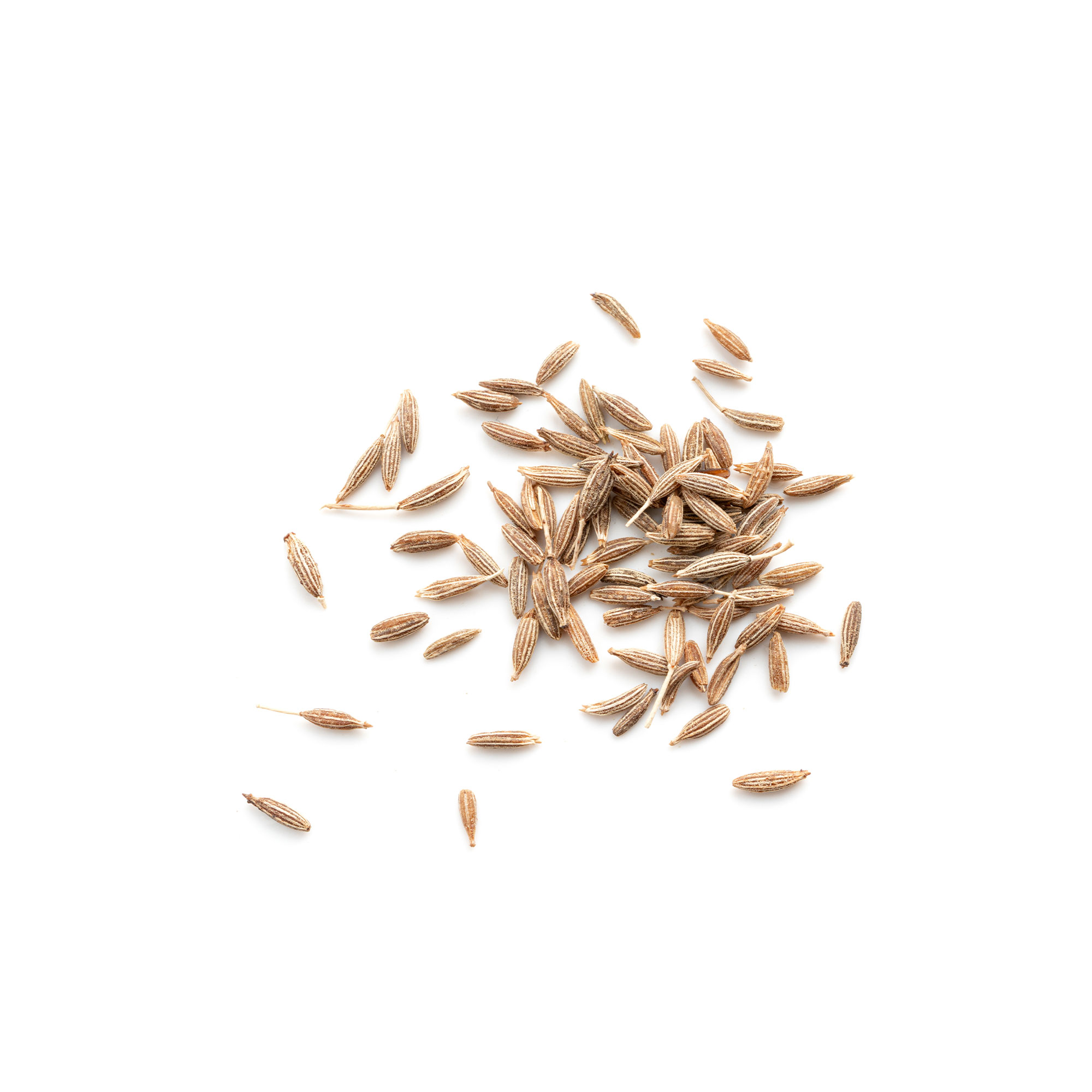

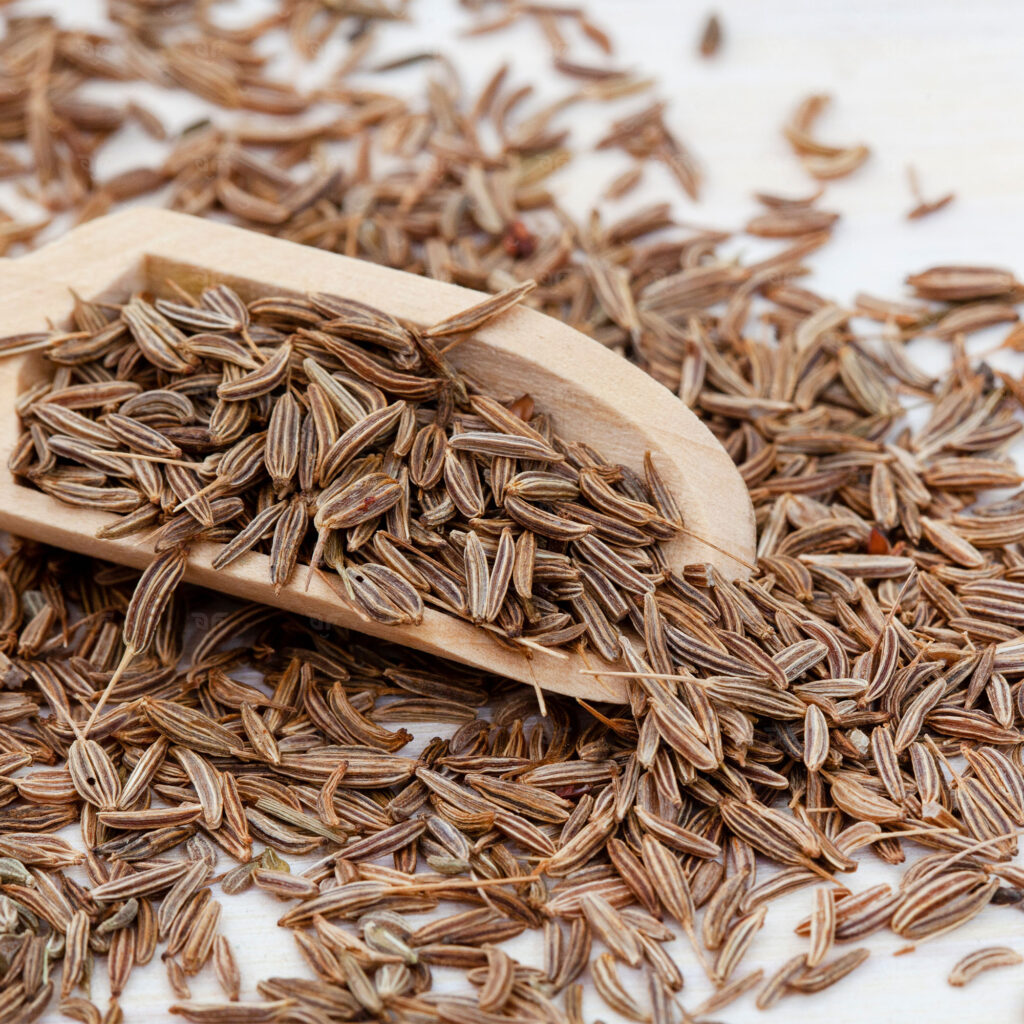
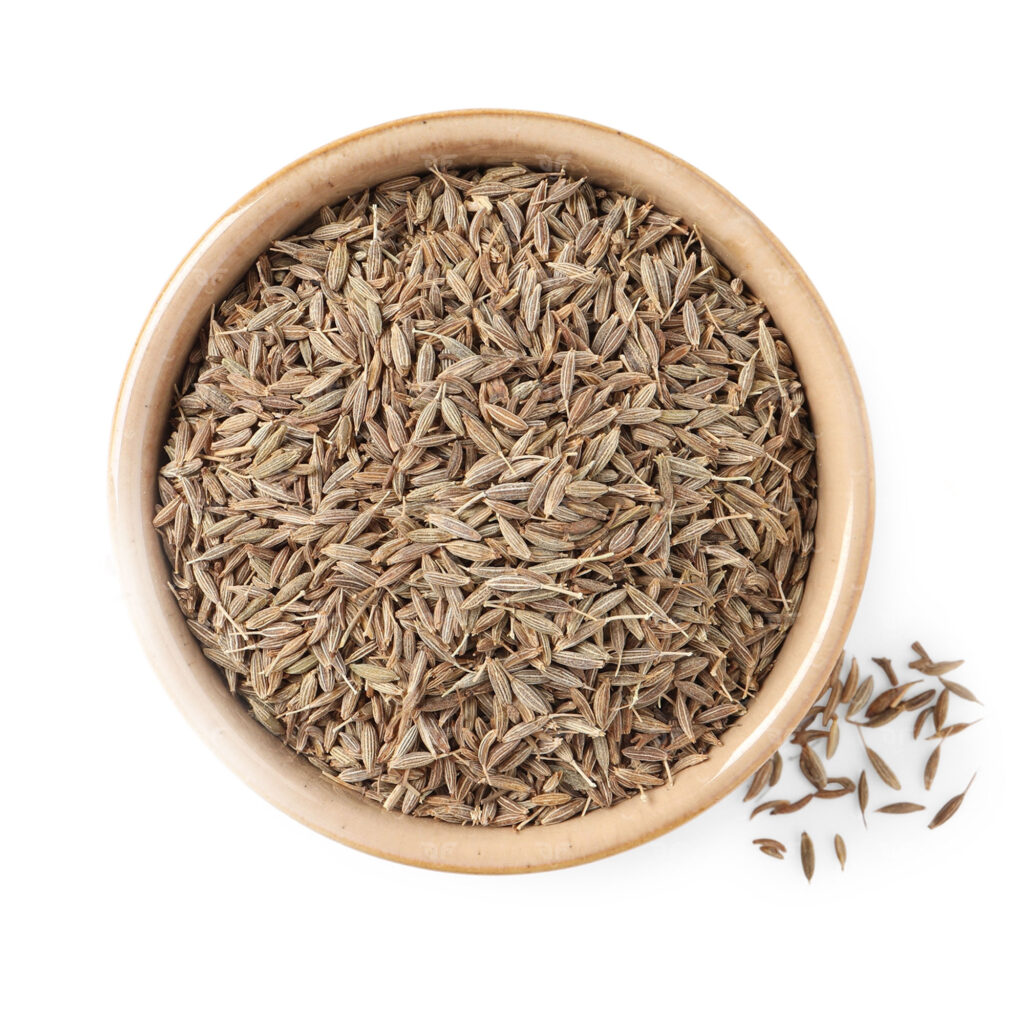
White cumin seeds are among the most widely used spice seeds in international food trade. Their warm aroma, earthy taste, and strong link with traditional cooking make them useful for both retail and industrial buyers. Food companies use them in spice blends, sauces, marinades, meat dishes, rice meals, soups, pickles, bakery products, and snack seasonings. Whole white cumin seeds also give buyers more flexibility than ground cumin, because they can be cleaned, roasted, ground, or blended according to the needs of the final product. For many importers and processors, this makes white cumin a practical and valuable spice commodity.
Choosing a reliable source for white cumin seeds matters because the product’s value depends on more than flavor alone. Buyers need seeds that are clean, dry, aromatic, and suitable for further handling in their own facilities. Moisture control, storage conditions, product identity, and packaging protection all affect the final quality. JAM Food Co. supplies white cumin seeds for B2B buyers who need a dependable spice product for wholesale trade, food processing, and distribution. With careful handling and export-focused preparation, white cumin seeds can serve many culinary and commercial uses across global markets.
A Short Glance at White Cumin Seeds
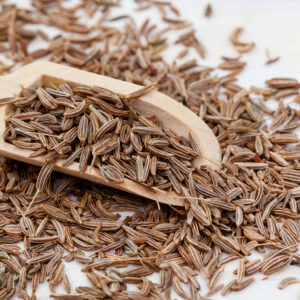
White cumin seeds are the dried seed-like fruits of the plant Cuminum cyminum L., which belongs to the Apiaceae plant family. In everyday trade language, they are called seeds, although botanically they are dried fruits. White cumin is the common commercial type of cumin used in many cuisines around the world. It can be sold as whole seeds, cracked seeds, or ground powder. Whole white cumin seeds are especially useful for B2B buyers because they give more control over cleaning, grinding, roasting, and blending after import.
White cumin should also be clearly separated from black cumin and other cumin-like seeds in trade. These products may look or sound similar in some markets, but they do not always come from the same plant and may not have the same flavor profile. For importers, spice brands, and food manufacturers, clear product identity is part of quality control. Whole white cumin seeds are usually chosen for their warm aroma, earthy flavor, and wide use in both traditional and modern recipes. This makes them suitable for buyers who need a familiar spice with flexible applications.
White Cumin Seeds Quality Profile for Culinary Buyers
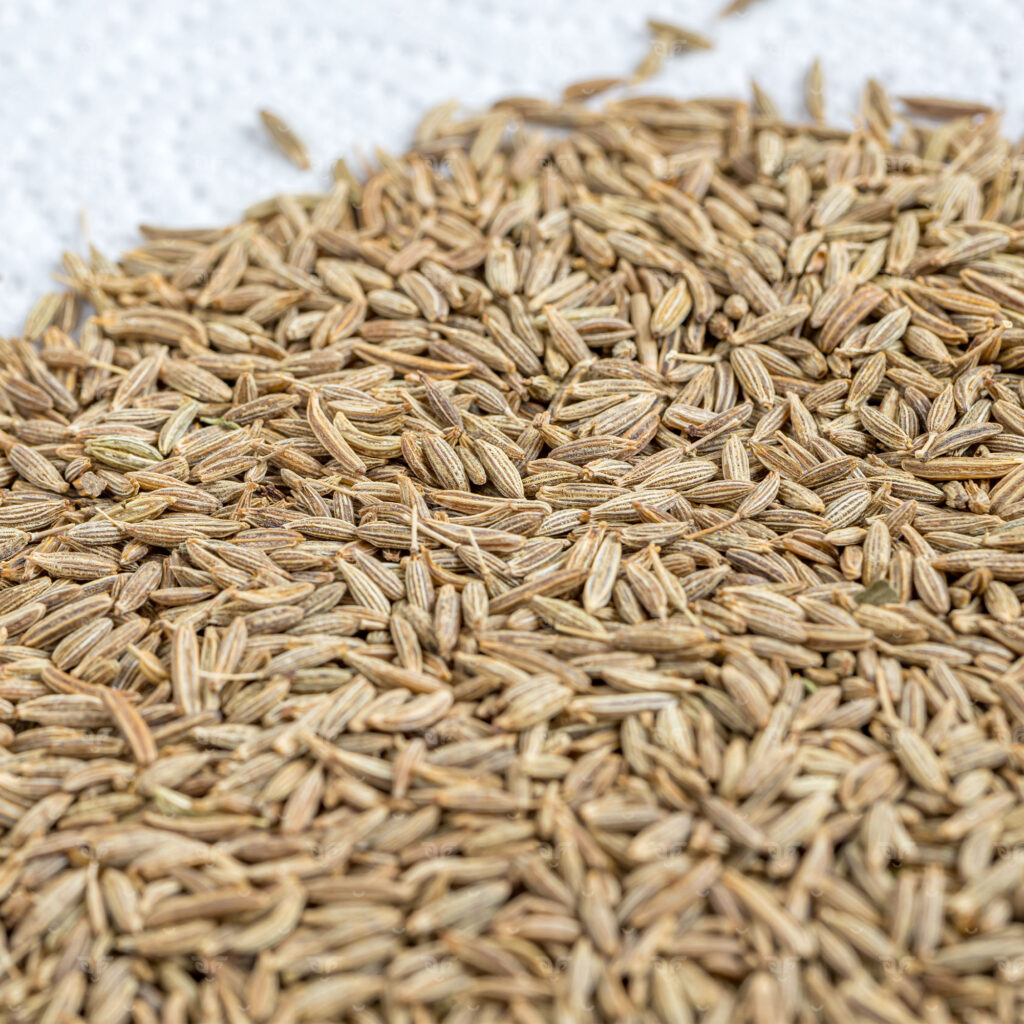
The physical quality of white cumin seeds affects both product value and final use. Buyers often check color, shape, dryness, aroma, and cleanliness before choosing a shipment. Good whole seeds should look natural, dry, and free from visible foreign matter. Their smell is also a key quality point because cumin is mainly purchased for flavor and aroma. A clean appearance helps retail spice brands, while strong aroma and proper dryness matter for processors who grind, roast, or blend the seeds after purchase.
Color and Appearance:
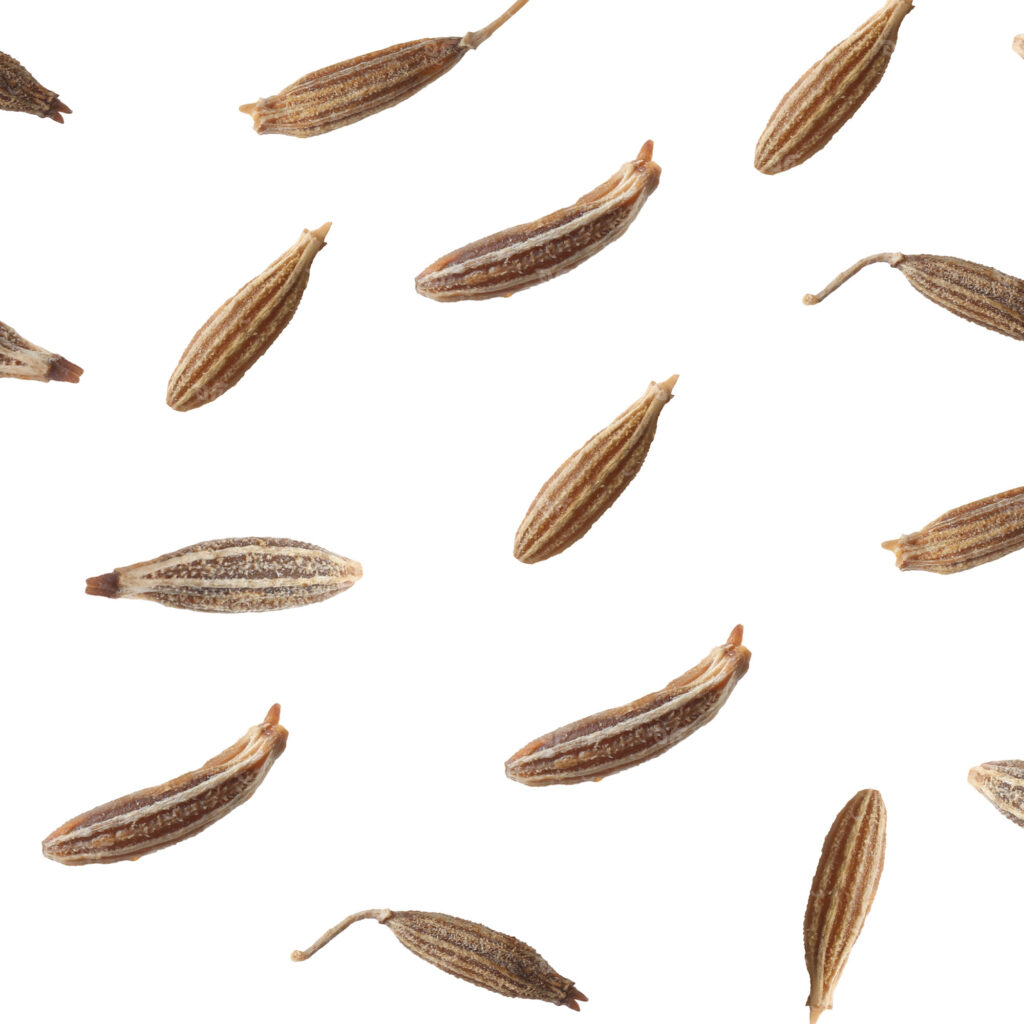
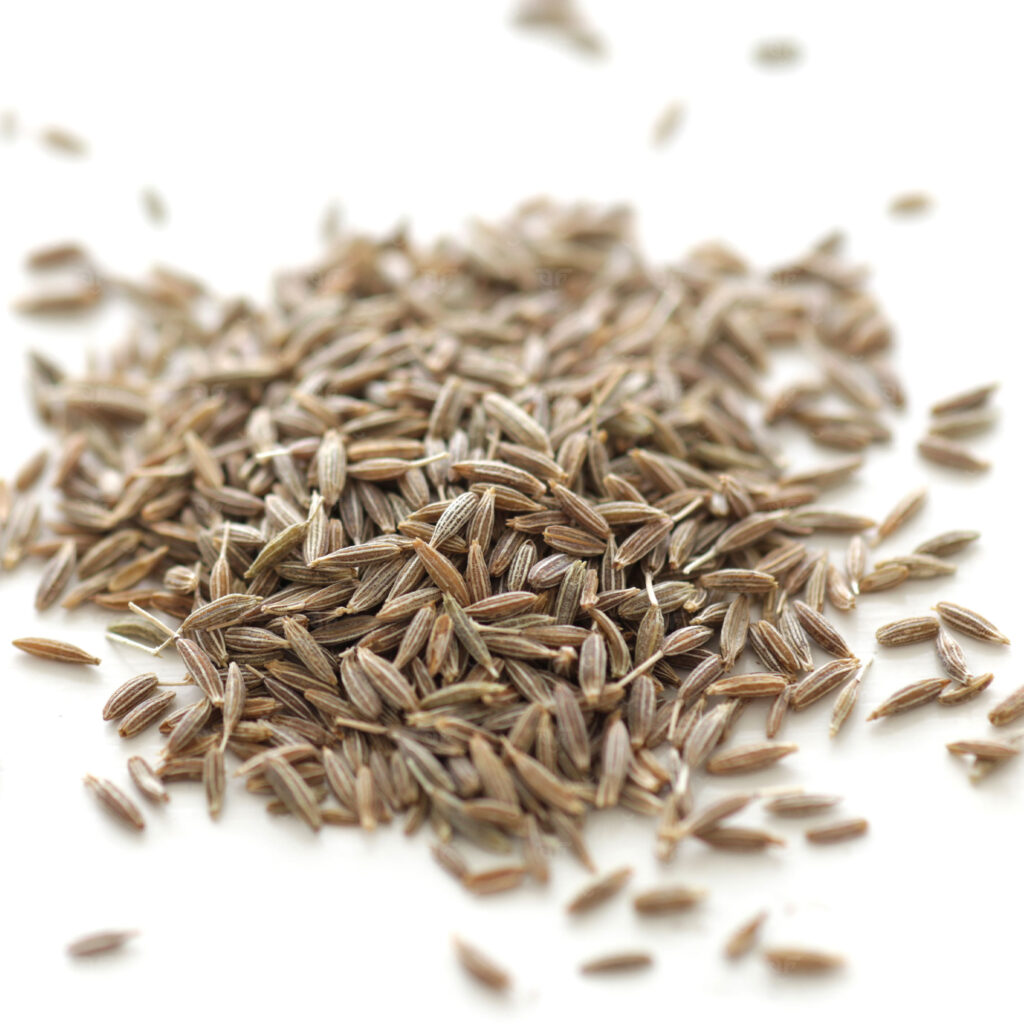
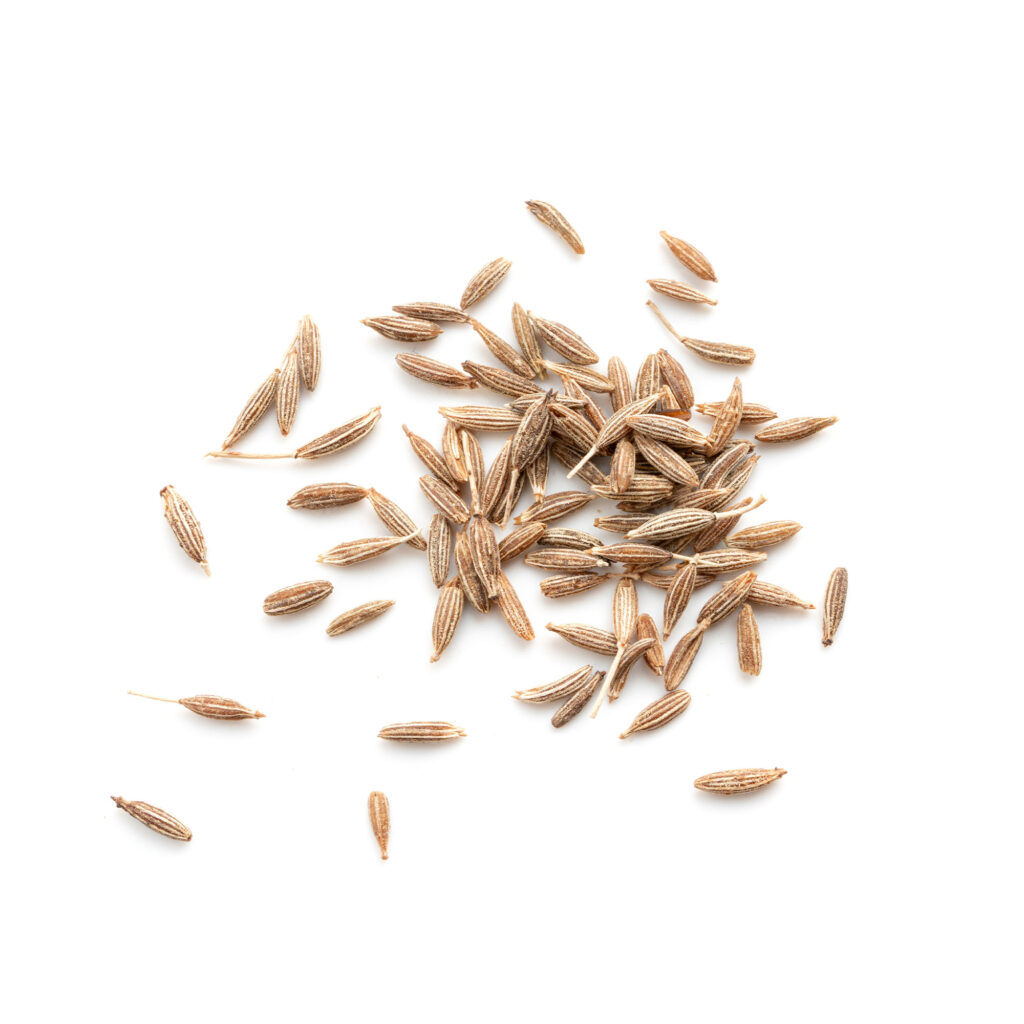
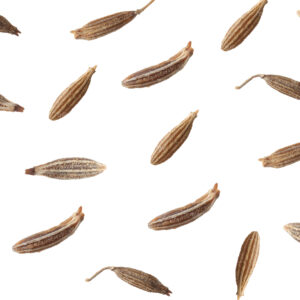
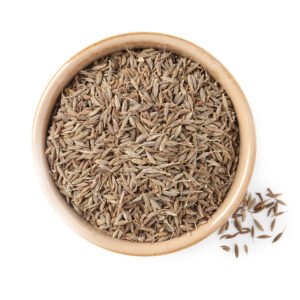
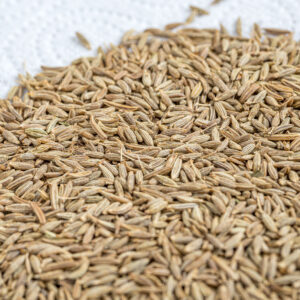
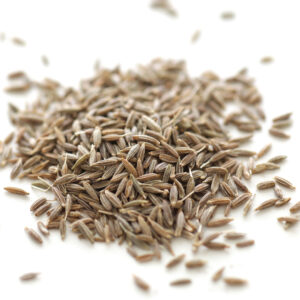
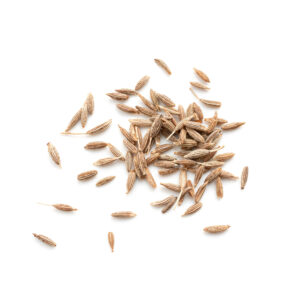
White cumin seeds usually range from light grey and yellowish-brown to deeper brown shades. The exact color can change with origin, harvest timing, drying, and storage. A clean and fairly uniform appearance is useful for retail packs and premium spice blends. Seeds should not show signs of mold, excess dust, heavy discoloration, or foreign materials. For buyers, color is not only visual. It can also suggest maturity, drying quality, and general handling conditions.
Size and Shape:
White cumin seeds are small, narrow, and elongated. They often have a slightly curved, boat-like shape with fine ridges running along the seed body. Uniform size is helpful for buyers who need steady grinding results or a clean visual appearance in whole-seed spice packs. Broken seeds may still be usable in some processing applications, but whole seeds are often preferred for export, retail packing, and premium spice blends because they look better and may hold aroma longer.
Texture:
Properly dried white cumin seeds should feel dry, light, and firm. They should not feel wet, sticky, or oily on the surface. Dry texture is important because excess moisture can reduce shelf stability and create storage problems. Good texture also helps during cleaning, packing, grinding, and blending in industrial spice operations. When seeds are too moist, they may become harder to store safely, especially during long-distance transport or warehouse holding.
Taste:
White cumin seeds have a warm, earthy, slightly bitter, and peppery taste. Their aroma becomes stronger when the seeds are gently heated, roasted, or ground before use. This strong flavor allows cumin to work well in small amounts. It can add depth to savory foods, spice mixes, marinades, soups, sauces, and snack coatings. For food manufacturers, this makes cumin useful in recipes where a clear spice note is needed without changing the basic character of the product.
White Cumin Seeds Nutrition in Everyday Food Use
White cumin seeds contain plant protein, carbohydrates, fat, dietary fiber, and minerals such as iron, calcium, magnesium, potassium, zinc, and manganese. They also contain natural aromatic compounds that give cumin its strong smell and taste. Cumin is usually used in small amounts as a spice, so its main value in food production comes from flavor, aroma, and recipe identity. It adds a strong natural taste to many savory foods and supports spice-based cooking in both traditional dishes and packaged food products.
In food production, white cumin seeds are often valued more for taste than for nutrition. A small amount can improve the flavor of soups, stews, rice dishes, sauces, roasted snacks, and meat seasonings. This helps manufacturers create fuller flavor profiles without depending only on salt, sugar, or artificial flavoring. Cumin also fits well into clean-label product ideas because it is a recognizable kitchen spice. For buyers, this makes white cumin useful in both traditional recipes and modern packaged foods where natural flavor is part of the product appeal.
Growing and Harvesting White Cumin Seeds
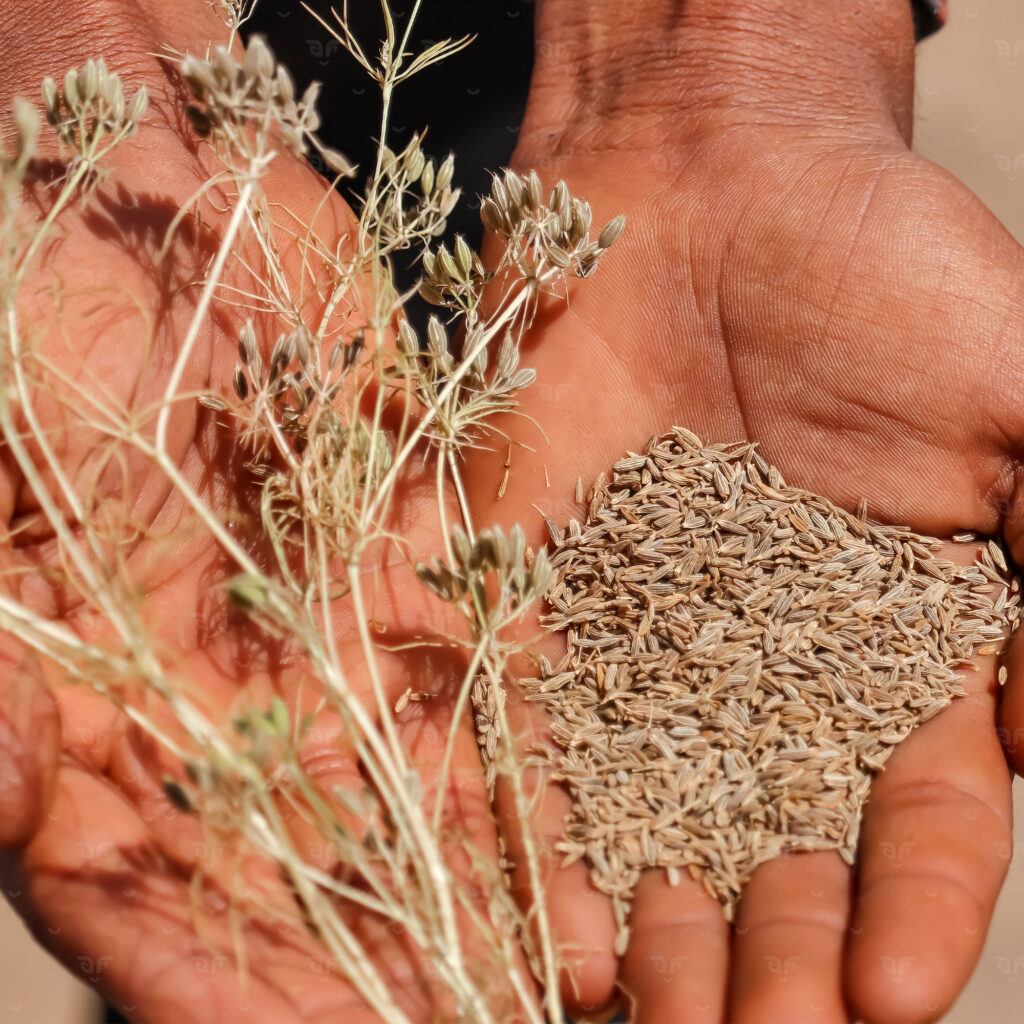
White cumin grows best in dry, sunny, and warm regions where the crop can mature without too much humidity. It is known as a short-season crop, which means it can complete its growing cycle in a relatively limited time. Farmers must pay attention to soil drainage, frost risk, weed control, and moisture conditions. Too much humidity can reduce quality and increase the risk of plant disease. In Iran, cumin cultivation is linked with dry and semi-dry farming areas, including regions such as Khorasan, Kerman, Semnan, Yazd, and nearby production zones.
The farming conditions behind white cumin seeds have a clear effect on the final product. Sunlight, soil type, rainfall, and harvest timing can influence color, aroma, and seed development. In dry regions, farmers often need to manage water carefully because both excess moisture and drought stress can affect the crop. Early weed control is also important because young cumin plants can compete poorly with unwanted plants in the field. These farming details may seem simple, but they help explain why origin and growing practice matter in the spice trade.
Climate Conditions:
White cumin prefers sunny weather, dry air, and warm growing conditions. It does not perform well in very humid environments because excess moisture can increase disease pressure. Frost can also damage the plant, especially during sensitive growth stages. A stable dry climate helps the seeds mature better and supports stronger color, aroma, and storage quality. For B2B buyers, climate is one reason cumin from dry regions can be attractive.
Soil Requirements:
Well-drained soil is important for cumin farming. Drainage means that extra water can move away from the root area instead of staying in the soil for too long. Cumin is not a crop that likes wet soil. Dry and balanced soil conditions help the plant grow properly and reduce problems linked with root disease or poor seed development. Good soil management can support better plant health and more consistent seed quality.
Major Growing Regions:
White cumin is cultivated in several countries across Asia, the Middle East, North Africa, and nearby dry-climate regions. Iran is one of the known cumin-producing countries, with cultivation connected to areas such as Khorasan, Kerman, Semnan, Yazd, and Isfahan. Regional farming conditions can influence seed size, color, aroma, and final commercial quality. For buyers, origin can also help shape product positioning in spice blends, retail packs, and ethnic food categories.
Harvest Timing and Aroma Development for White Cumin Seeds
Harvest timing has a direct effect on the final quality of white cumin seeds. If the crop is harvested too early, the seeds may not reach full maturity, and their aroma, color, and flavor may be weaker. If harvest is delayed too long, the seeds may become too dry, break more easily, or lose part of their volatile aroma. Volatile aroma means the natural smell compounds that give cumin its strong character. Farmers usually harvest when the plant begins to dry and the seeds turn from green toward yellow-brown or brown.
Good harvest timing also helps protect physical quality. Mature seeds are easier to dry, clean, and prepare for trade. When the timing is wrong, the final lot may include more immature seeds, broken seeds, plant pieces, or color differences. These issues can affect both retail appearance and industrial performance. For spice processors, steady maturity is useful because it supports more predictable grinding, blending, and roasting. For importers, it also helps reduce quality disputes and improves confidence in repeat orders.
From Field Drying to Clean Export Seeds
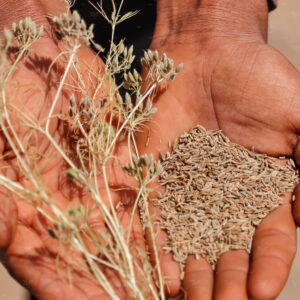
The harvesting process for white cumin often includes collecting mature plants, drying them, threshing them, and cleaning the seeds. Threshing means separating the seeds from the dried plant parts. After that, winnowing can remove lighter materials such as leaves, dust, or plant fragments. The seeds may then be cleaned and sorted to improve purity before packing. For export buyers, these post-harvest steps are very important because they affect appearance, aroma, foreign matter levels, and the general trustworthiness of the shipment.
Post-harvest handling must also protect the seeds from moisture and contamination. Drying should reduce moisture enough to support safer storage and transport. Cleaning helps remove soil, stones, stems, dust, and other unwanted materials. Sorting can improve visual consistency by separating poor-quality seeds and visible defects. These steps are simple in concept, but they are central to cumin trade. A buyer may use the seeds in ground spice, spice blends, retail jars, foodservice packs, or snack seasoning, so the starting quality must be suitable for the intended use.
Storage Guidelines and Durability of White Cumin Seeds
Storage plays a major role in keeping white cumin seeds fresh, aromatic, and visually acceptable. Whole cumin seeds are generally more stable than ground cumin because their inner aroma compounds are less exposed to air. Even so, they still need protection from heat, moisture, direct sunlight, pests, and strong odors. Cumin can absorb unwanted smells from nearby products, so it should not be stored close to chemicals, detergents, paint, or other strong-smelling materials. Good storage also supports better shelf-life planning for wholesale buyers and food processors.
For B2B buyers, storage is part of product value. A shipment may arrive in good condition, but poor warehouse practice can still damage aroma and quality over time. White cumin seeds should be kept in clean, dry, and organized storage areas where the packaging remains closed and protected. Stock should also be handled carefully to avoid crushing, tearing, or exposure to open air. In spice supply chains, small storage mistakes can create quality problems later, especially when products are shipped across long distances or stored before repacking.
Cool, Dry Storage Conditions for Better Aroma
White cumin seeds should be stored in a clean, cool, dry, and pest-controlled place. Packaging should be closed well after opening to reduce contact with air and moisture. A dry storage room helps protect the seeds from mold risk and aroma loss. Cool conditions are also useful because heat can weaken the natural smell and taste over time. Buyers should keep cumin away from sunlight and strong odors to preserve its natural spice character.
Moisture control is especially important because cumin seeds are dry agricultural products. If they absorb moisture from the air, their shelf stability may fall, and the risk of mold or off-odor may rise. Storage areas should also be checked for pests because spice seeds can attract insects when conditions are poor. Clean floors, closed packaging, regular inspection, and good stock rotation can help maintain quality. These steps are practical for importers, wholesalers, processors, and retail packers that hold cumin in commercial quantities.
Shelf Life Planning for Whole White Cumin Seeds
The shelf life of white cumin seeds depends on moisture level, packaging, temperature, humidity, sanitation, and storage discipline. Whole cumin usually keeps its best quality longer than ground cumin because less of its surface is exposed to air. Good storage conditions help the seeds keep their aroma, dry texture, and commercial quality for a longer period. Buyers can protect quality by keeping the product sealed, dry, cool, and away from sunlight, pests, and strong odors.
For commercial buyers, shelf life should be managed through clear stock control and proper handling. Whole cumin seeds may remain usable for a long period when they are dry, protected, and stored well, but aroma slowly weakens over time. This is normal for spices because their natural smell compounds are sensitive to air, heat, and light. Buyers who need strong aroma for premium blends may prefer fresher lots and faster rotation. Buyers who grind cumin should also remember that ground spice loses aroma faster than whole seeds.
About JAM Food Co.’s White Cumin Seeds
JAM Food Co.’s white cumin seeds are suitable for B2B spice buyers who need clean, aromatic, and export-ready whole cumin for commercial use. The company focuses on sourcing, handling, packing, and preparing white cumin seeds for importers, wholesalers, spice processors, and food brands. This positions JAM Food Co. as an exporter of White Cumin Seeds with an understanding of practical buyer needs in international spice trade. The product can support many applications, from industrial grinding and seasoning production to retail spice distribution.
The product can serve importers, wholesalers, spice processors, seasoning manufacturers, and retail spice businesses. Whole white cumin seeds are especially useful because they allow buyers to decide how the product should be processed after import. Some buyers may grind the seeds for cumin powder. Others may roast them, blend them into seasoning mixes, or pack them as whole seeds for retail sale. JAM Food Co.’s role is to support this type of B2B demand with clear product communication, careful handling, and export-ready preparation.
JAM Food Co. as a Reliable White Cumin Seeds Supplier
JAM Food Co. can support importers, wholesalers, spice processors, and food brands that need white cumin seeds for further processing or distribution. As a provider of White Cumin Seeds, the company focuses on product identity, careful storage, export preparation, and buyer communication. This approach helps customers choose white cumin seeds with a clearer understanding of the product’s trade use, storage needs, and handling requirements. It also supports buyers who need a practical spice commodity for processing, repacking, or wholesale distribution.
For international buyers, reliability means receiving the right product with practical support before, during, and after the order process. Clear product naming helps avoid confusion with other cumin-like seeds. Good storage and packaging reduce quality risks during transport. Honest communication helps buyers understand product details before purchase and plan their orders more confidently. JAM Food Co. can build trust by focusing on these basics: clean product handling, export awareness, buyer-focused service, and careful preparation of white cumin seeds for commercial food markets.
Packaging White Cumin Seeds at JAM Food Co.
Proper packaging protects white cumin seeds from moisture, heat, dust, insects, odor transfer, and physical damage during export handling. As a Supplier of White Cumin Seeds, JAM Food Co. prepares the product with the needs of international spice buyers in mind. Whole cumin seeds must remain dry, clean, aromatic, and stable from packing to delivery. For this reason, export packaging should support hygiene, moisture control, safe stacking, and easy warehouse handling. Good packaging also helps buyers manage the product after arrival, whether they plan to grind, blend, repack, or distribute the seeds.
Packaging is also part of the product’s commercial value. White cumin seeds may pass through storage rooms, loading areas, containers, customs points, and buyer warehouses before they reach the final processing stage. Each step can affect aroma and physical quality if the packaging is weak or poorly sealed. JAM Food Co. follows the practical expectations of international spice trade by focusing on food-grade materials, secure closure, clear product handling, and export-ready preparation. This helps protect the natural character of the seeds and supports smoother B2B supply for importers and processors.
Bulk Packaging Capabilities:
White cumin seeds are commonly prepared for bulk trade because many buyers purchase them for grinding, blending, repacking, or food manufacturing. JAM Food Co. supports bulk-oriented export supply by preparing the seeds in commercial packaging formats suitable for wholesale handling. The main goal is to keep the product clean, dry, and stable while making loading, storage, and movement easier for importers, distributors, spice processors, and food manufacturers.
Preservation and Sealing Techniques:
Preservation begins with proper sealing and moisture protection. White cumin seeds need packaging that limits contact with humidity, dust, pests, and strong external odors. JAM Food Co. places attention on protective packing practices that help maintain aroma, taste, and seed condition during transit. Secure sealing also helps reduce contamination risk and keeps the product suitable for later grinding, roasting, blending, or retail repacking.
Private Labeling and Retail Packaging:
International spice buyers often need packaging that matches their business model, whether they supply foodservice, retail spice brands, ethnic food stores, or industrial food producers. JAM Food Co. can present white cumin seeds in buyer-focused packaging solutions that support B2B trade needs. For customers planning retail or private-label projects, packaging discussions can be arranged around market requirements, order structure, branding goals, and destination-country expectations.
Export-Ready Palletization:
Export-ready palletization helps protect white cumin seeds during long-distance transport and warehouse handling. JAM Food Co. prepares shipments with stable stacking, protective wrapping, and organized loading in mind. Proper pallet preparation reduces pressure damage, supports safer container movement, and helps buyers manage unloading more efficiently. It also keeps the shipment cleaner and easier to inspect when it reaches the importer, distributor, or processing facility.
HOW CAN JAM GROUP HELP YOU?
Send us a message and our friendly team will get back to you within one business day.




