










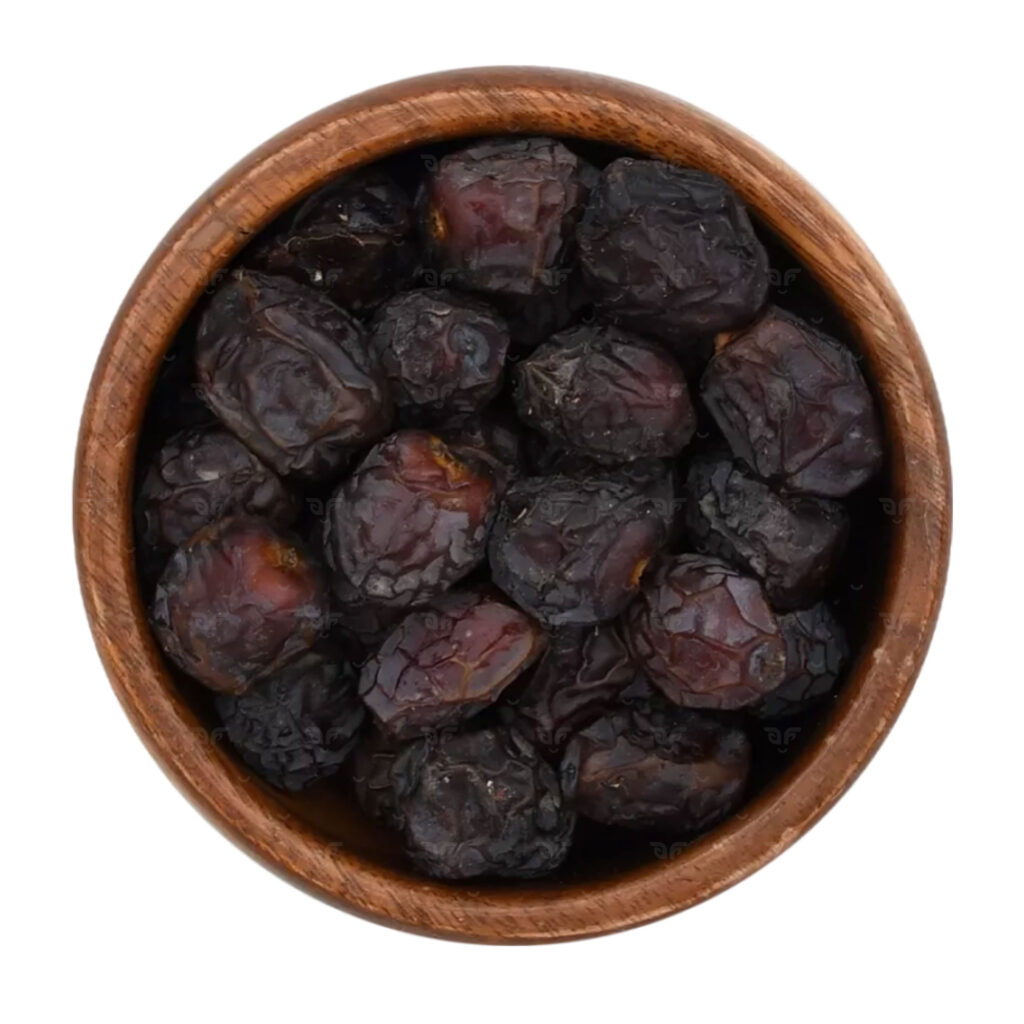
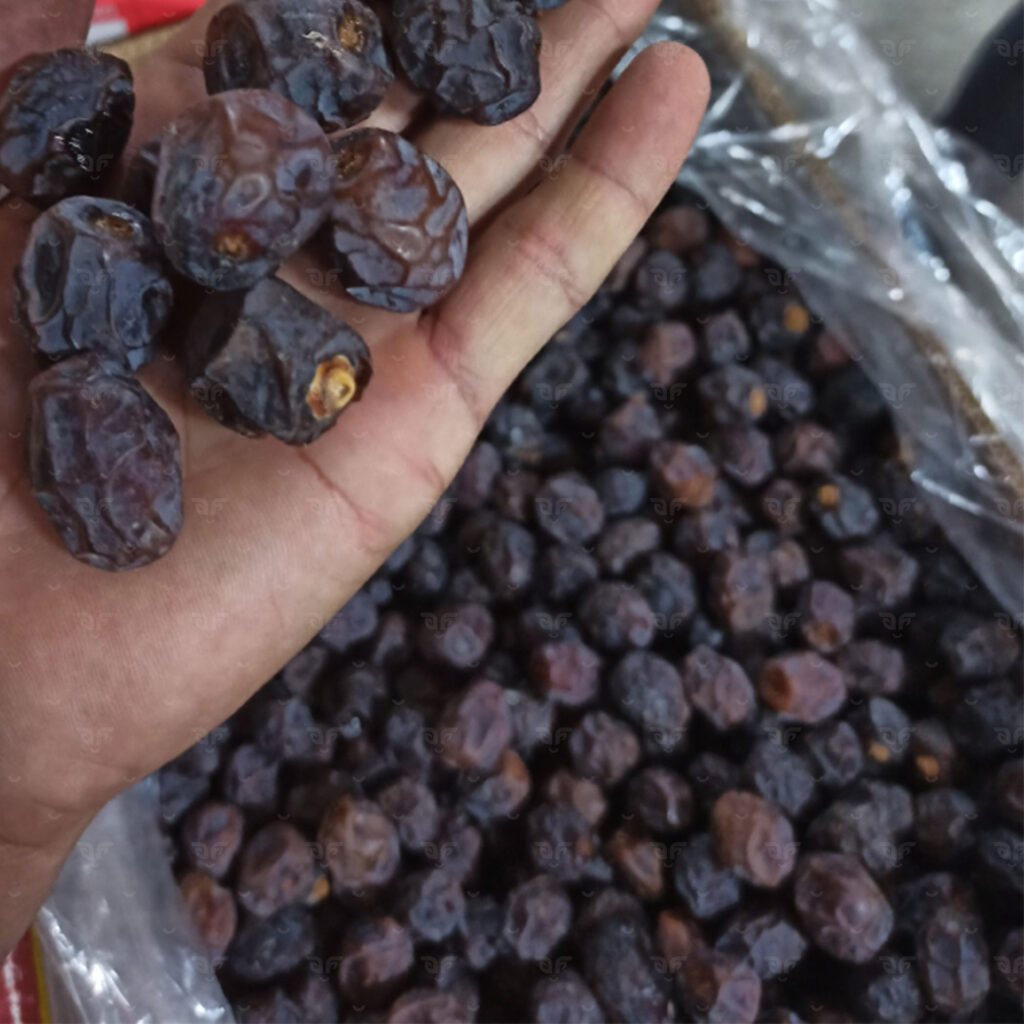
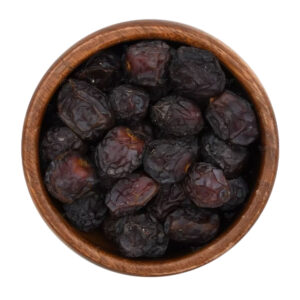
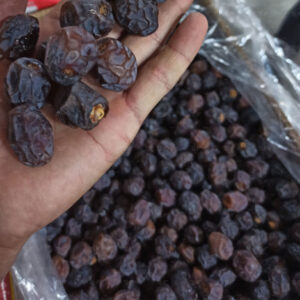
Gantar dates, a semi-dry variety of Phoenix dactylifera, stand out for their unique texture and naturally sweet flavor. These dates thrive in southern Iran, where the climate and soil conditions provide the ideal environment for their cultivation. With their light brown color and chewy consistency, Gantar dates contain less moisture than softer varieties, allowing them to stay fresh longer. They are widely enjoyed as a snack and are also used in various food products due to their mild sweetness and nutritional benefits. Packed with natural sugars, fiber, and essential minerals, they offer a wholesome energy source. In the following article, we will take a closer look at how these dates are grown, harvested, and distributed.
Before exploring the details of Gantar dates, it is important to introduce a trusted supplier known for delivering high-quality date fruits, including Gantar dates. JAM Food Co., based in Iran, specializes in sourcing, processing, and distributing premium date varieties to meet the needs of both domestic and international markets. The company works closely with experienced farmers to ensure that all products maintain high standards of quality, freshness, and food safety. With a well-organized supply chain, JAM Food Co. ensures timely delivery while offering customized packaging solutions for different market demands. To find out more about the company and its products, we highly recommend getting in touch with our team.
What is Gantar Date?
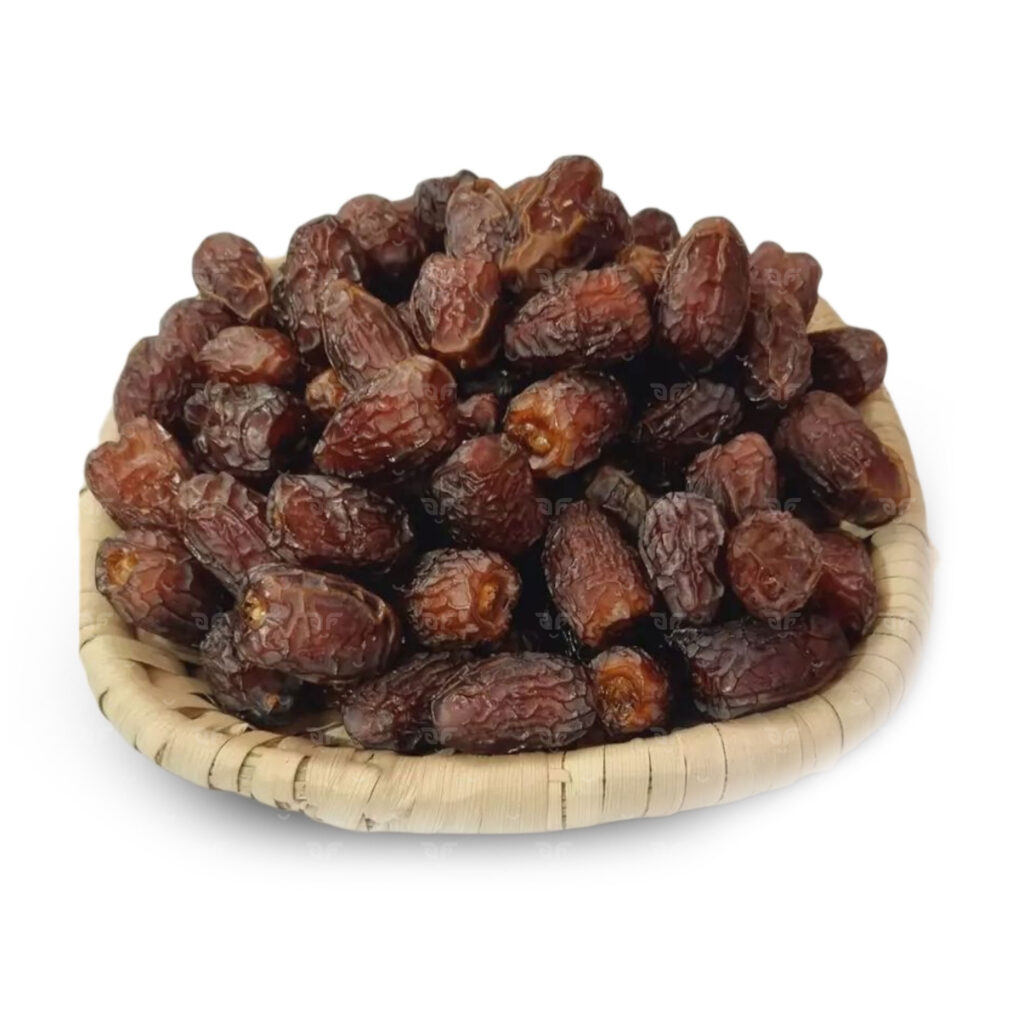
Gantar dates, also known as Qantar or Ghandi dates, are a semi-dry variety of Iranian date fruit cultivated in multiple regions across southern Iran. These areas include Khuzestan (Shadegan, Khorramshahr, Abadan, Ahvaz, and Behbahan), Borazjan, Ahram, Kazeroon, Hajiabad, and Darab. Gantar dates are commonly used in the production of date-based products such as syrup and pastes. Additionally, this date variety provides a good source of natural sugars, fiber, and essential minerals. The following sections provide more details about the characteristics of this date type.
Physical Characteristics of Gantar Date
As mentioned, Gantar dates are a semi-dry variety cultivated in various regions of southern Iran. Here’s a detailed overview of their physical characteristics:
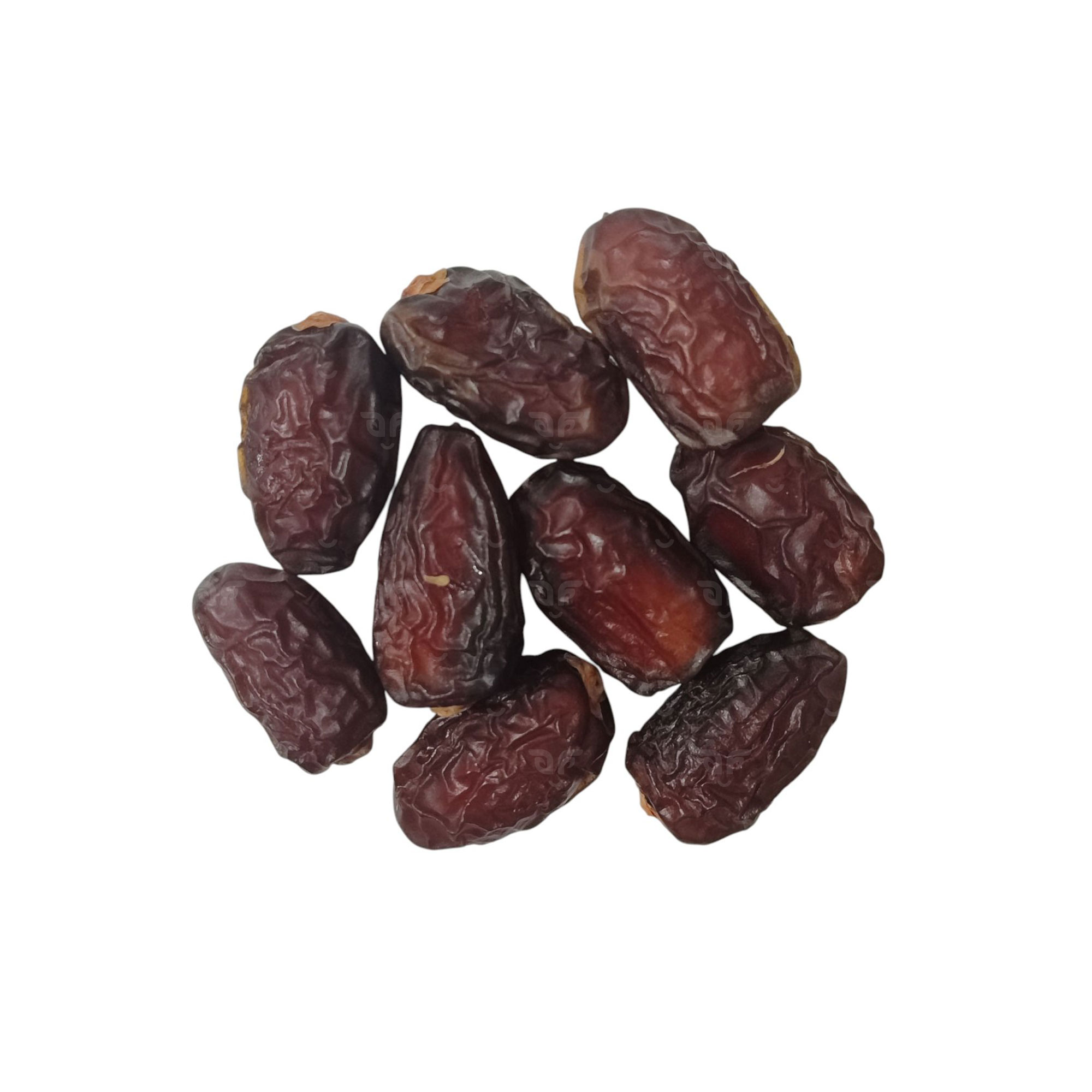
- Size and Shape: Gantar dates are oval-shaped, featuring a symmetrical form that tapers slightly at both ends. Each date typically measures approximately 3 to 4 centimeters in length and weighs between 9 and 9.5 grams.
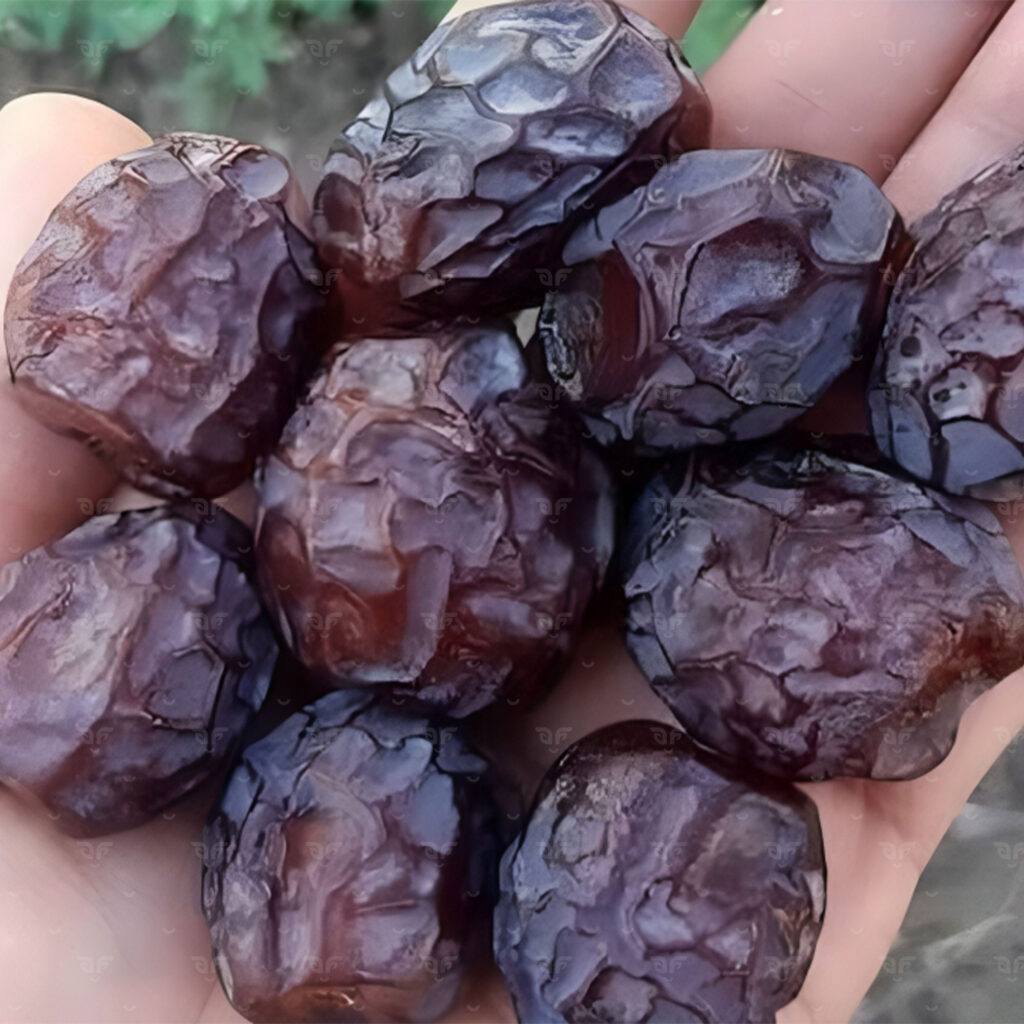
- Color: Gantar dates have a light brown hue when fully ripe. The skin is semi-translucent, which allows a subtle glimpse of the underlying flesh.
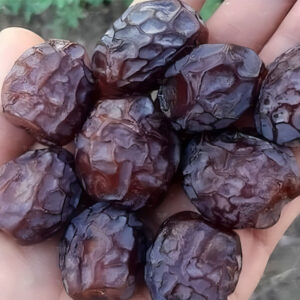
- Texture: The skin of Gantar dates is medium-thick and wrinkled, providing a slight resistance when bitten. Beneath the skin lies moist, fine-grained flesh that offers a chewy consistency. The flesh’s semi-dry nature ensures a balanced moisture content, preventing excessive stickiness while maintaining tenderness.
- Core (Pit): Gantar dates contain a small, elongated pit that is smooth and light brown. A notable feature is the ease with which the pit separates from the flesh.
Taste and Flavor Profile of Gantar Date
Qantar dates are celebrated for their delightful taste and distinctive flavor profile. Here’s an in-depth look at their sensory characteristics:
- Sweetness: Qantar dates are well known for their pronounced sweetness, which makes them particularly appealing to individuals who enjoy naturally sweet fruits.
- Juiciness: Although classified as a semi-dry variety, Qantar dates offer a soft, chewy, and juicy flesh that enhances their overall eating experience.
- Flavor Notes: When fully ripe, these dates present flavor notes reminiscent of caramel and brown sugar.
Nutritional Information of Gantar Date
Gantar dates, like other date varieties, are delicious and packed with essential nutrients that contribute to overall health. They contain various minerals and vitamins, including potassium, magnesium, and vitamins A and C. Additionally, they provide minimal amounts of iron and protein. Due to their natural sugar content, they serve as an excellent energy source, which makes them a suitable snack for athletes and individuals following specific dietary plans.
Gantar Date Cultivation and Harvesting
Gantar dates (also called Ghandi dates), a semi-dry variety of Phoenix dactylifera, thrive under specific cultivation conditions. Here’s an overview of their climate and soil requirements, as well as their primary growing regions:
- Climate Requirements:
Date palms are well adapted to harsh dryland environments, tolerating high temperatures and salinity, and surviving in areas where other plant species cannot. While date palms are drought-tolerant, they still require some water for optimal growth. However, excessive humidity can promote fungal diseases, thus making arid or semi-arid climates ideal for cultivation.
- Soil Requirements:
Sandy, loamy soils are the most suitable for growing high-quality dates. A soil pH range of 8 to 11 is considered optimal for date cultivation. Good drainage is essential to prevent root rot. Although date palms can endure occasional flooding, prolonged waterlogging may negatively affect their growth and productivity.
- Growing Regions:
Ghandi dates are primarily cultivated in southern Iran, particularly in Khuzestan, Borazjan, Ahram, Kazeroon, Hajiabad, and Darab. These areas provide the hot, arid climate and well-drained soils necessary for successful date palm farming.
Harvest Season of Gantar Date
Gantar or Qantar dates are typically harvested in the early autumn months, with the exact timing varying based on the cultivation area within Iran. In some regions, harvesting begins in the first half of September, while in others, it starts at the end of the month. These dates are classified as late-ripening, meaning the harvest season generally begins in late summer and extends into early autumn.
Regional climatic conditions, including temperature and humidity levels, influence harvest time. Therefore, local environmental factors play a key role in determining the exact period for collecting Gantar dates. Farmers carefully monitor the ripening process to ensure the fruit is picked at the optimal stage, maintaining its quality and market value.
Harvesting Process of Gantar Date
The harvesting process of Gantar dates involves several steps to ensure fruit quality and longevity. Here’s an overview of the typical harvesting procedure:
- Monitoring Ripeness:
Gantar dates are late-ripening, with harvests usually commencing at the end of September. Farmers closely observe the fruit’s color and texture to determine the optimal time for picking and ensure the dates have developed their characteristic light brown hue and semi-dry consistency.
- Preparation for Harvest:
Before harvesting begins, workers may remove thorns from the date palm fronds to allow safer access to the fruit clusters. This precaution helps prevent injuries and facilitates a smoother harvesting process.
- Harvesting Method:
Given the height of date palms, specialized equipment such as U-shaped baskets mounted on forklifts is often used to access the fruit clusters. Workers are elevated to the canopy, carefully detaching the date bunches to avoid damage.
- Collection:
Dates are commonly protected with bags to shield them from pests and catch any naturally falling ripe fruits. During the harvest, workers untie these bags and gently shake the bunches, allowing ripe dates to collect in the bags or designated trays.
- Post-Harvest Handling:
After collection, the dates are transported to processing facilities, where they undergo cleaning, sorting, and grading based on size and quality. Proper post-harvest handling is essential to maintaining the semi-dry texture and prolonging the shelf life of Gantar dates.
Gantar Date Storage and Shelf Life
Proper storage of Gantar dates is essential to maintain their quality and extend their shelf life. Here’s a detailed guide.
Storage Conditions of Gantar Date
Proper storage of Gantar dates depends on three key factors: temperature, humidity, and packaging. Maintaining these conditions ensures the fruit retains its texture, flavor, and nutritional properties.
- Temperature: Store Gantar dates in a dry, cool place away from direct sunlight. The ideal storage temperature ranges between 0 and 12 degrees Celsius.
- Humidity: Low humidity levels should be maintained to prevent mold growth and preserve the dates’ semi-dry texture.
- Packaging: Keep the dates in airtight or sealed bags to protect them from moisture, air, and pests.
Gantar Date Shelf Life
Properly stored Gantar dates can maintain their quality for a considerable period. However, factors such as storage temperature and packaging are vital in this case.
- Duration: Under optimal storage conditions, Gantar dates have a shelf life of about one year.
- Extended Storage: Refrigeration can be used to preserve quality beyond the typical shelf life, extending their usability.
It is important to inspect stored dates regularly for signs of deterioration. Spoiled dates may lose their nutritional value and become unsuitable for consumption.
- Appearance: Discoloration or mold growth indicates that the dates have spoiled.
- Smell: An off or sour odor suggests the dates are no longer suitable for consumption.
- Texture: Excessive hardness or a mushy consistency may be signs of spoilage.
About JAM Food Co’s Gantar Date
Based in Iran, JAM Food Co. is dedicated to supplying high-quality dates, with Gantar (Gandi) Date being one of its prominent products. Known for their rich flavor and unique texture, these dates are sourced from trusted farmers who comply with stringent agricultural and quality guidelines. The company ensures that every batch meets international standards, guaranteeing they remain suitable for global distribution while preserving their natural characteristics.
JAM Food Co. as a Reliable Gantar Date Supplier
JAM Food Co. has built a strong reputation by maintaining rigorous standards across all aspects of procurement, processing, and logistics. The company collaborates with seasoned farmers in key date-producing regions, ensuring a stable and high-quality supply of Gantar dates. Each phase of production, from harvest to shipment, is closely supervised to uphold freshness and compliance with food safety regulations.
With an efficient logistics framework, JAM Food Co. ensures timely and reliable deliveries, reinforcing its credibility in the marketplace. The company also accommodates various client needs by offering both bulk orders and customized packaging options tailored to specific market requirements.
Packing Gantar Date at JAM Food Co.
To maintain freshness and extend shelf life, JAM Food Co. employs advanced packaging methods designed to protect the quality and appearance of Gantar dates. Strict food safety measures are in place throughout the packaging process to prevent contamination and preserve the product’s integrity.
Customers can opt for bulk packaging, ideal for wholesale distribution, or smaller, retail-friendly packaging solutions. Additionally, optimal storage and transportation conditions are maintained by carefully regulating temperature and humidity to ensure the dates remain in excellent condition throughout the supply chain.
HOW CAN JAM GROUP HELP YOU?
Send us a message and our friendly team will get back to you within one business day.




