










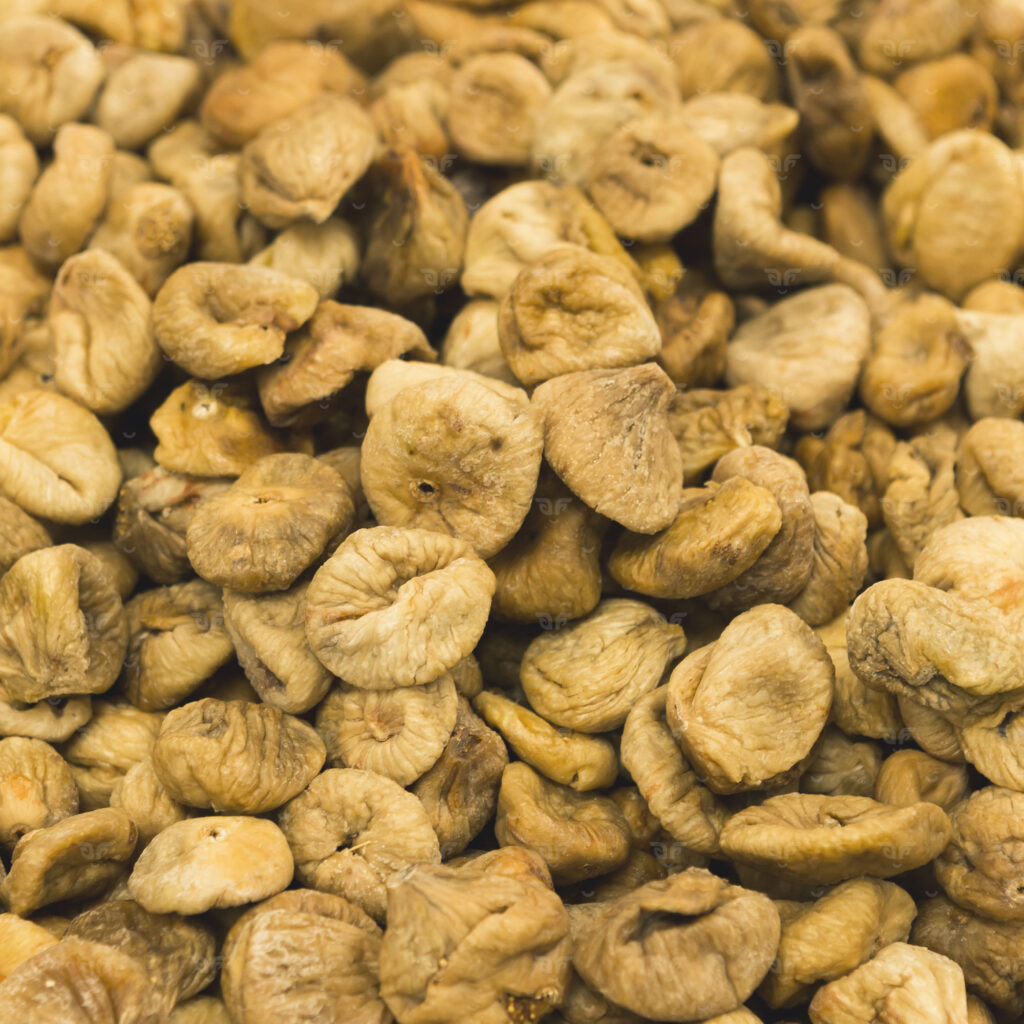
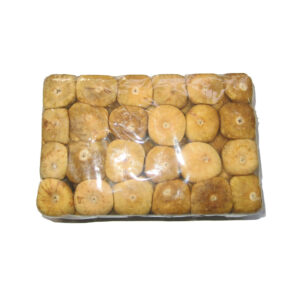
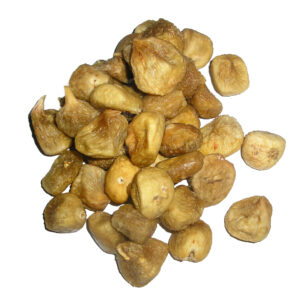
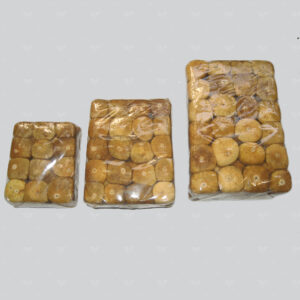
Pressed fig is a highly sought-after commodity that originates from the finest rainfed orchards in the Fars province of Iran. Known for their natural sweetness, compact disc-like shape, and impressive shelf life, these figs stand out as a top-tier dried fruit. They perfectly serve diverse international markets by offering a delicious gourmet snacking experience alongside various uses in commercial food manufacturing. Whether used in high-end retail packages or as a key ingredient in bakery goods, their quality remains unmatched. Continue reading to discover why adding this remarkable product to your inventory is a smart decision for your business.
Securing a consistent supply of premium agricultural goods requires a dependable partner. Businesses need to know they can trust their vendor to deliver excellence every time. JAM Food Co. stands as a leading supplier with deep expertise in sourcing, processing, and exporting premium-grade pressed figs. The company is completely dedicated to maintaining high quality, strict hygiene, and full compliance with international safety standards. From the initial harvest in the finest orchards to the final shipment, every step is carefully managed. Trusting JAM Food Co. ensures you receive exceptional products that meet global market demands and satisfy your customers.
A Short Glance at Pressed Fig and its Properties
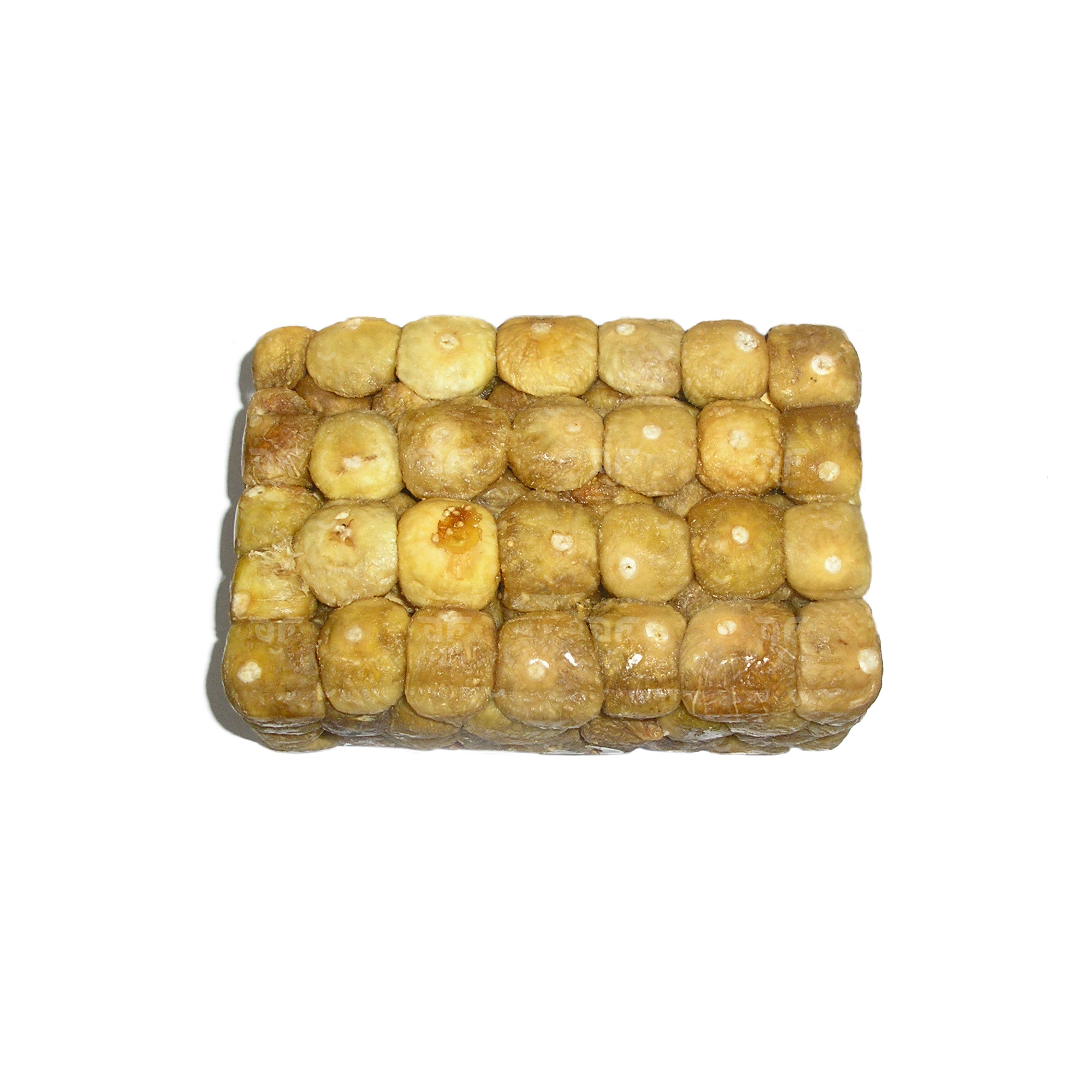
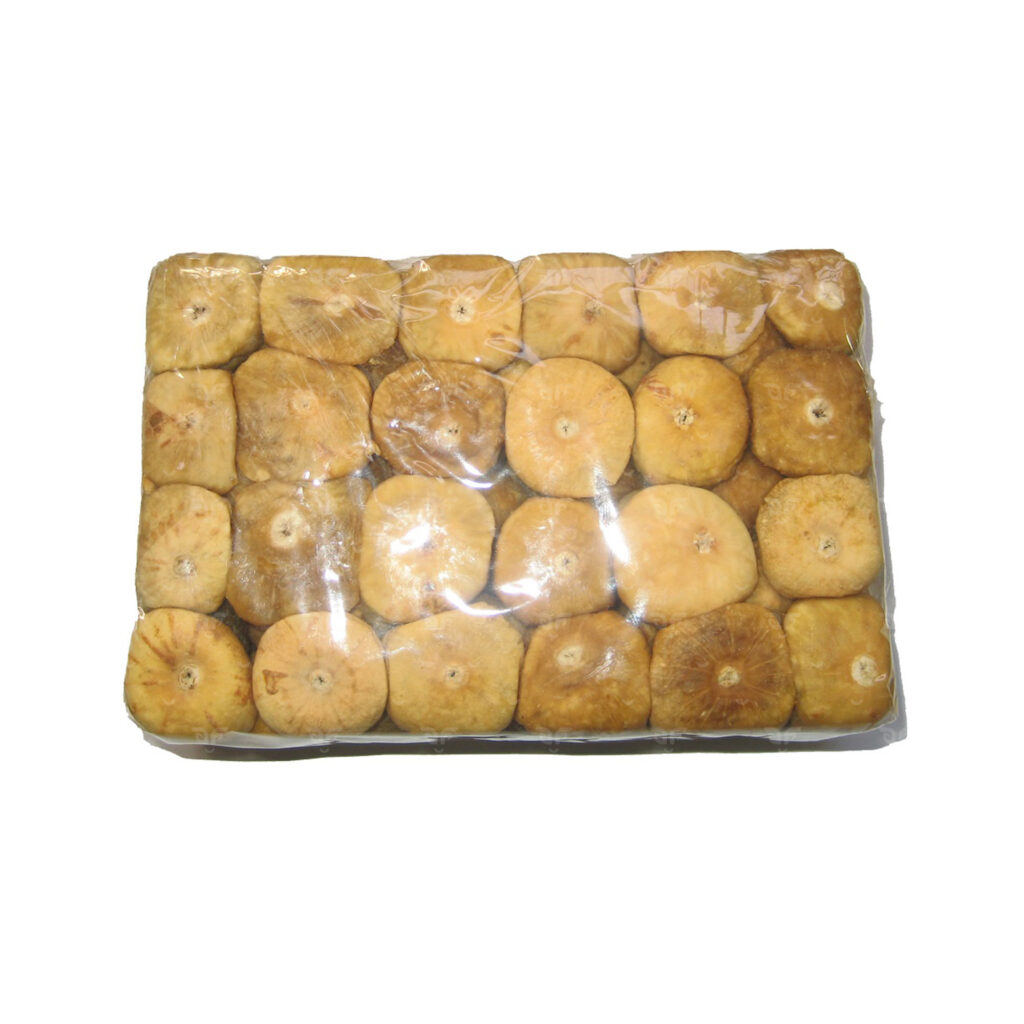
A pressed fig is a naturally dried or gently rehydrated fruit that goes through a mechanical pressing process. This specific technique forms the fruit into flat, cohesive shapes like uniform discs or tablets. The pressing method not only improves the visual appeal but also standardizes the size, making the product highly efficient for commercial packaging and transport. These figs are globally valued for their consistent chewy texture and intensely sweet, concentrated flavor. In the culinary world, they are used extensively to create rich fig pastes, fruit fillings, and healthy baked goods. Their unique shape and long-lasting freshness make them ideal for industrial use.
Examining the Physical Traits of Pressed Fig
The physical characteristics of these fruits directly determine their market grade and culinary suitability. Uniformity in their sensory profile is important for industrial buyers. By understanding these specific traits, businesses can easily select the right grade for their unique production or retail needs.
- Color and Appearance:
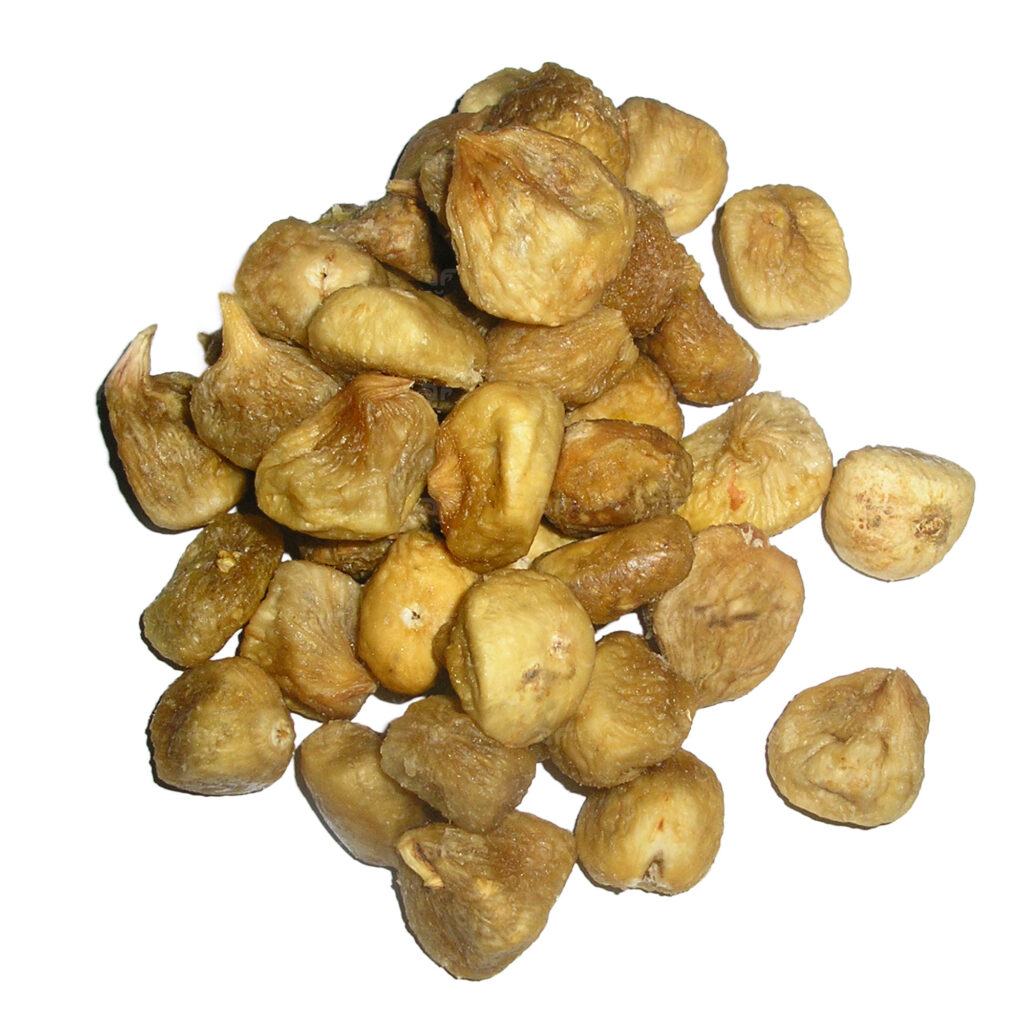
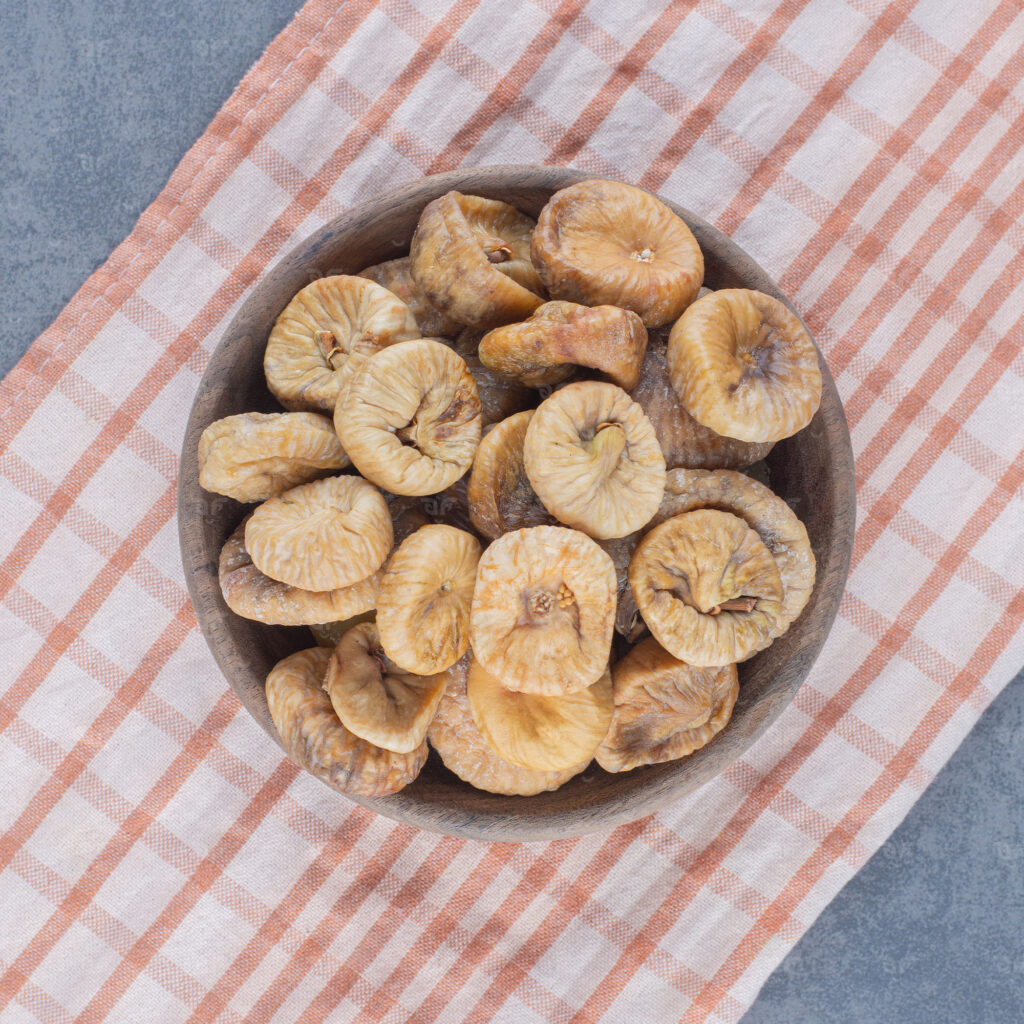
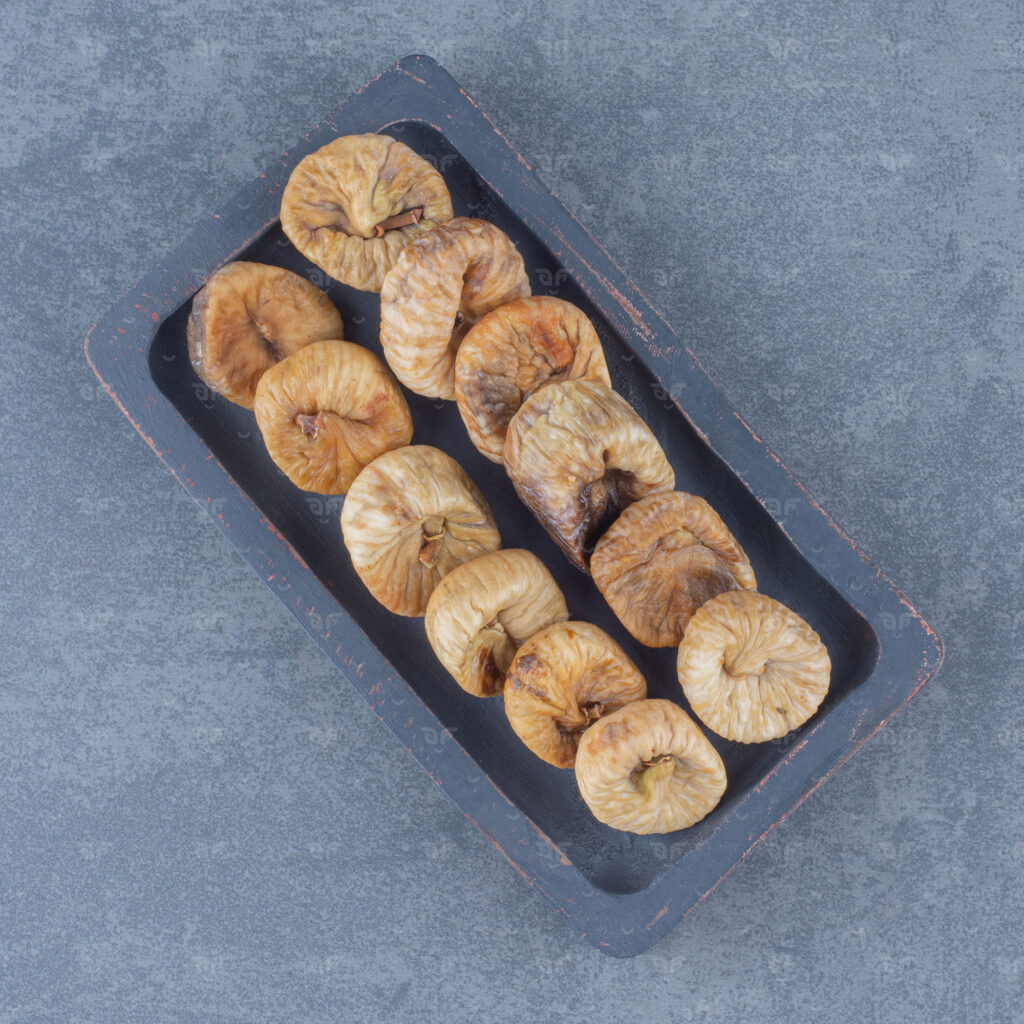
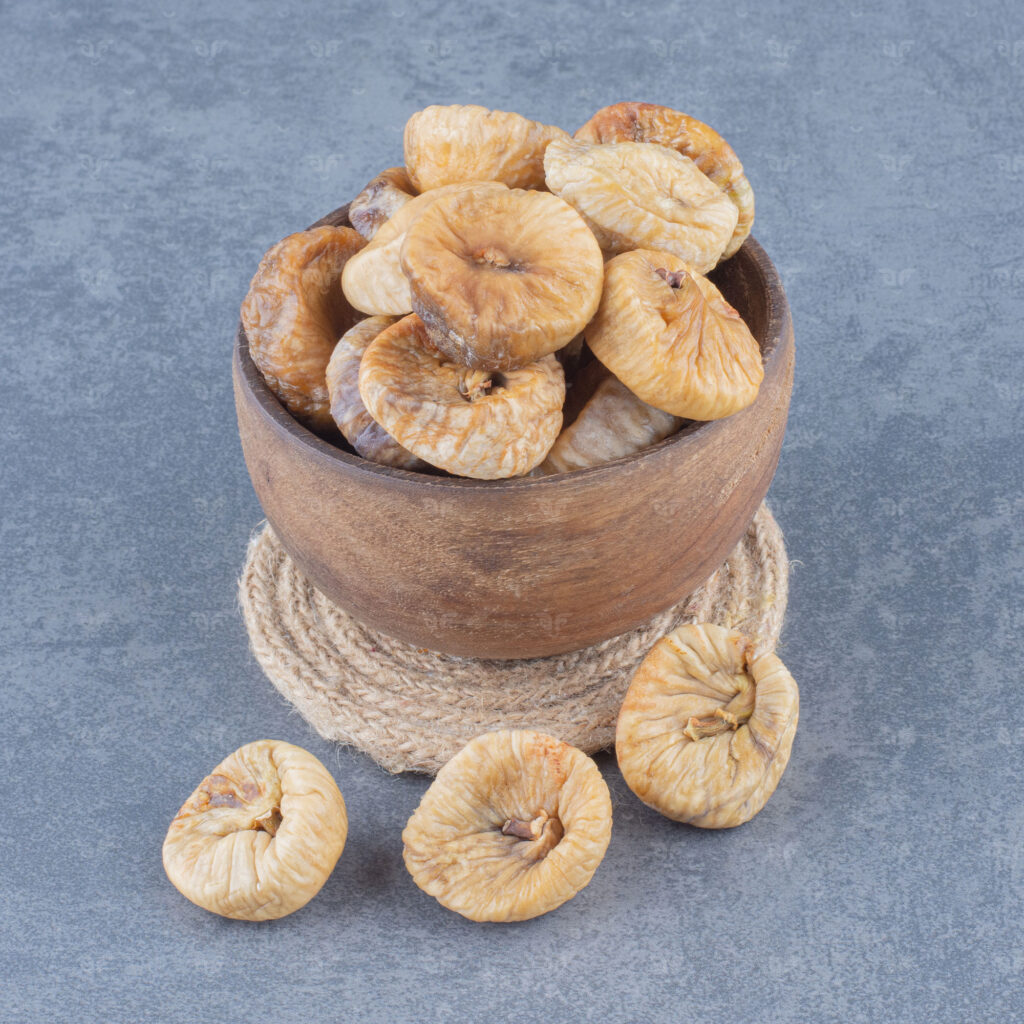
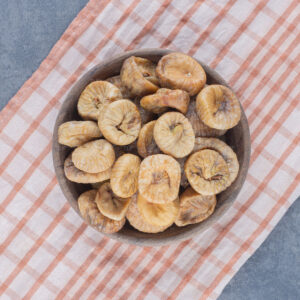
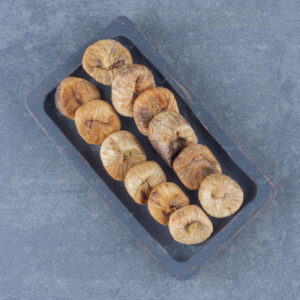
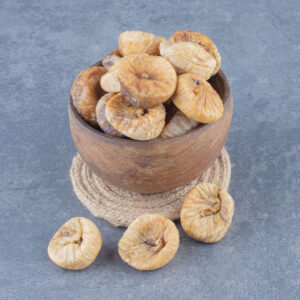
The visual look determines the product grade. Premium Grade A items feature a bright, light yellow or white coloration that appeals to direct consumers. In contrast, Grade B standard items display darker brown shades but still maintain excellent quality for industrial applications.
- Size and Shape:
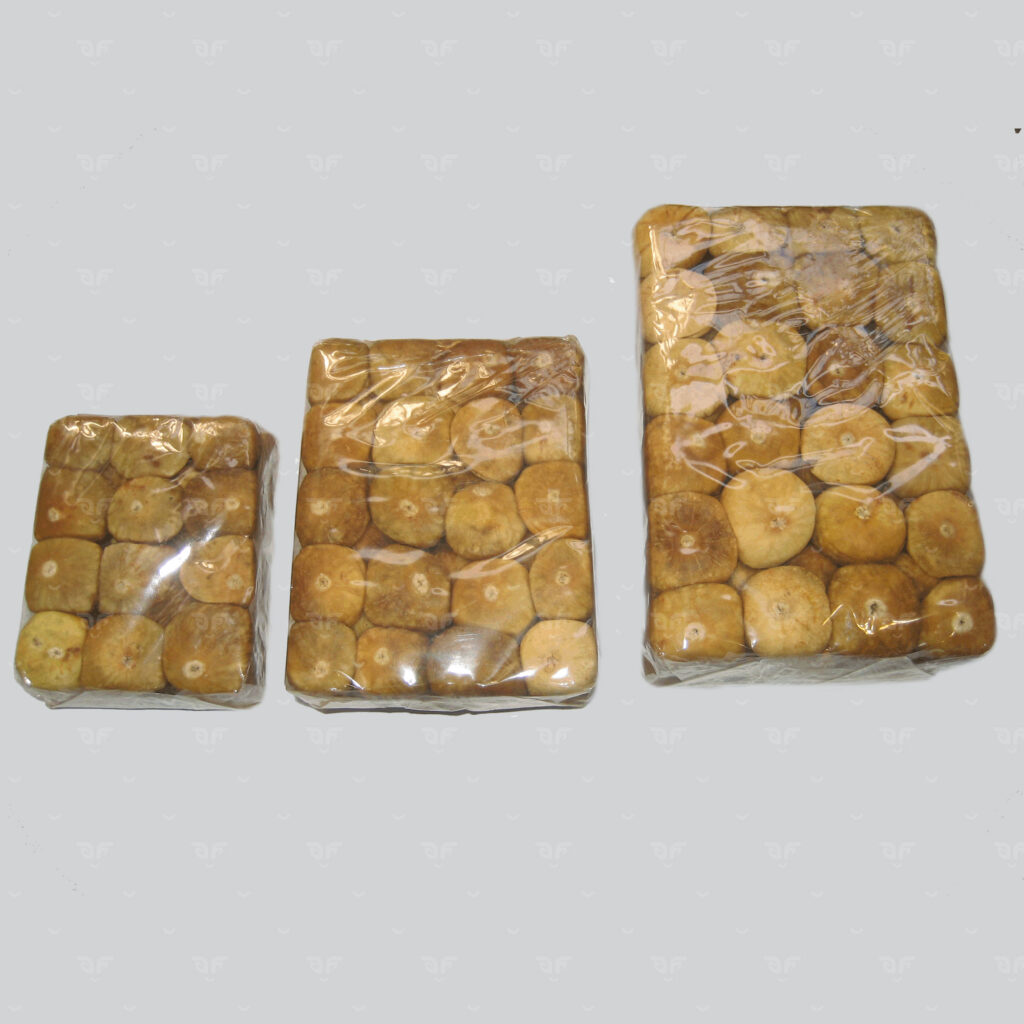
The mechanical pressing process creates a highly standardized form. The final shape is typically flat, resembling a cohesive tablet or disc. The average base grain size is around 14 millimeters, ensuring consistent dimensions that greatly simplify automated packaging and portion control.
- Texture:
The feeling of the fruit is a major selling point. Premium grades offer a remarkably soft and pliable touch. The mechanical pressure ensures the flesh remains dense and pleasingly chewy, providing a satisfying bite whether eaten raw or baked into treats.
- Taste:
The flavor profile is defined by its deep, natural sweetness. The drying and pressing methods concentrate the natural sugars, creating intense flavor notes that resemble caramel and rich honey. This intense sweetness makes them perfect for recipes requiring no added artificial sugars.
Nourishing Health Benefits and Dietary Value of Pressed Fig
Pressed figs act as a natural powerhouse of essential nutrients, offering an incredibly concentrated source of dietary fiber and essential minerals. Eating these fruits regularly supports strong cardiovascular health and significantly aids proper digestion. Because they are packed with calcium, potassium, and iron, they help maintain daily bodily functions. They are completely fat-free and cholesterol-free, providing a sustainable, clean energy boost without relying on artificial additives. The high level of natural antioxidants also works to protect cellular health over time. These combined benefits make the product an excellent choice for modern health-conscious diets and clean-label food products.
Packaging Pressed Fig at JAM Food Co.
Proper packaging is absolutely vital for preserving the delicate quality, rich taste, and physical integrity of the product during long international transit. JAM Food Co., a premier exporter of Pressed Fig, utilizes advanced packing machinery and high-quality, food-grade materials to easily meet global import standards. The careful packing process ensures that the standardized discs maintain their shape and moisture levels from the factory floor to the final destination. By offering a variety of tailored solutions, the company protects the fruit from environmental damage while catering specifically to the distinct logistical needs of different wholesale and retail buyers.
- Bulk Packaging Capabilities:
For industrial and wholesale clients, the company provides strong bulk packaging solutions. Standard wholesale weights range from 5 kg to 15 kg cartons. These heavy-duty corrugated cartons ensure the product remains safe from crushing during extensive handling and global shipping operations.
- Preservation and Sealing Techniques:
Extending shelf life requires specialized sealing methods. The company employs vacuum sealing and moisture-proof inner liners to trap freshness and prevent any pest infestation. These careful preservation techniques stop the fruit from drying out and protect against external contamination during transport.
- Private Labeling and Retail Packaging:
Flexible branding options are available for diverse B2B clients. The facility offers customized private label services with smaller retail-ready packages, including 200g, 250g, 400g, and 500g pouches. Custom design printing allows businesses to sell directly to consumers under their own established brand names.
- Export-Ready Palletization:
Proper stacking is essential for safe ocean freight. The bulk cartons are carefully stacked, shrink-wrapped, and securely strapped onto standardized wooden or plastic pallets. This prevents transit damage, maximizes shipping container space, and strictly complies with international customs regulations at border checks.
Growing and Harvesting of Fig
The successful cultivation of this specific fruit relies heavily on unique environmental conditions and traditional regional farming practices. These orchards thrive predominantly in arid and semi-arid environments that receive plenty of natural sunlight. The unique rainfed farming method (meaning the trees rely entirely on natural rainfall without artificial irrigation) forces the roots to dig deep for water. This stressful but natural growing environment is exactly what provides the fruits with the ideal balance of moisture and high sugar content required for the subsequent mechanical pressing process.
- Climate Conditions:
The trees require a very specific climate to produce premium yields. They thrive best in hot, dry, and sunny climates with naturally low humidity levels. Too much atmospheric moisture can severely damage the fruit, making these arid environments absolutely perfect for cultivation.
- Soil Requirements:
The health of the orchard depends on the ground it grows in. The trees prefer nutrient-rich, well-drained soils that prevent water from pooling around the roots. Good soil drainage is critical to stop root rot and ensure the tree remains healthy year-round.
- Major Growing Regions:
Iran is widely recognized as the global epicenter for this specific cultivation. The Fars province contains the most prominent agricultural hubs. Specific regions like Estahban, Jahrom, and Neyriz are globally famous for their vast, highly productive rainfed orchards.
Optimal Timing for the Annual Harvest
The harvesting period represents a specific window that permanently dictates the ultimate quality and sweetness of the final product. The primary harvest season usually falls between the warm months of July and September. Timing is incredibly important to achieve the correct balance of internal moisture and natural sugars. Farmers must wait until the fruits have naturally ripened and partially dried while still attached to the tree branches. If the harvest is started too early or delayed too long, it can negatively impact the final pressed texture, making the discs too hard or ruining the desired light coloration.
Traditional and Modern Picking Methods
The initial phase of harvesting remains a highly traditional and manual endeavor to protect the delicate skin of the fruit. Workers carefully pick the crop by hand before moving it into a meticulous post-harvest workflow. Once collected, the raw materials are closely sorted by base grain size and skin color. They are then naturally sun-dried to reduce moisture to stable levels. If necessary, they are slightly rehydrated before being mechanically pressed into their signature tablet form. Stringent quality control is applied at every step to ensure the complete removal of foreign matter and natural defects.
Storage Guidelines and Durability of Pressed Fig
Proper storage is absolutely imperative for maintaining the chewy texture, bright appearance, and sweet flavor over an extended period. Because these products contain natural sugars and a specific moisture level, incorrect storage can lead to rapid spoilage or an undesirable hardening of the fruit. By strictly adhering to recommended temperature and humidity controls, buyers can ensure the product remains perfectly fresh from the warehouse to the final consumer. Proper handling and warehousing are essential components of maintaining the premium quality that international markets demand.
Ideal Climate Control for Preservation
To achieve maximum longevity, the product must be kept in appropriate environments. It is highly recommended to store the cartons in a cool, dry place, ideally maintaining a temperature between 10 and 15 degrees Celsius. Protection from high humidity is incredibly essential; the surrounding humidity must stay below 60 percent. High moisture levels can easily cause harmful mold growth or trigger sugar crystallization on the surface, which ruins the texture. Keeping the original moisture-proof liners tightly sealed inside the cartons will significantly help maintain these ideal micro-climate conditions.
Expected Longevity of the Product
When stored under the optimal cool and dry conditions mentioned above, these dried fruits boast a highly impressive durability. The expected shelf life typically ranges from 12 to 24 months, making them perfect for long-distance export and extended warehousing. However, if the storage temperature fluctuates or the humidity rises significantly, this lifespan will decrease rapidly. Proper warehouse management guarantees that the vibrant flavor and soft chewiness remain completely intact for the entire two-year duration, providing excellent value and minimizing waste for commercial food distributors.
About JAM Food Co.’s Pressed Fig
As a trusted provider of Pressed Fig, JAM Food Co. expertly integrates traditional sourcing knowledge with modern processing technology to deliver a superior product. The company sources raw materials directly from premium rainfed orchards, ensuring only the finest fruits enter the production line. Every batch undergoes rigorous quality assurance testing and food safety compliance checks. By maintaining end-to-end oversight (from early procurement to the final packaging stage), the company guarantees consistent excellence. This steadfast dedication allows them to provide the global market with beautifully shaped, sweet, and perfectly preserved products all year round.
JAM Food Co. as a Reliable Pressed Fig Supplier
Finding a dependable supplier of Pressed Fig is essential for maintaining smooth business operations. JAM Food Co. excels in every aspect of international trade, boasting advanced capabilities in agricultural procurement, hygienic packaging, and strict quality control. They manage a highly reliable supply chain that guarantees year-round availability and flexible export solutions for diverse international demands. By strictly adhering to international food safety standards, they ensure every shipment clears customs without delays. Their dedicated logistics team provides efficient global export services, making them an ideal long-term partner for wholesalers, retailers, and food manufacturers worldwide.
HOW CAN JAM GROUP HELP YOU?
Send us a message and our friendly team will get back to you within one business day.




