












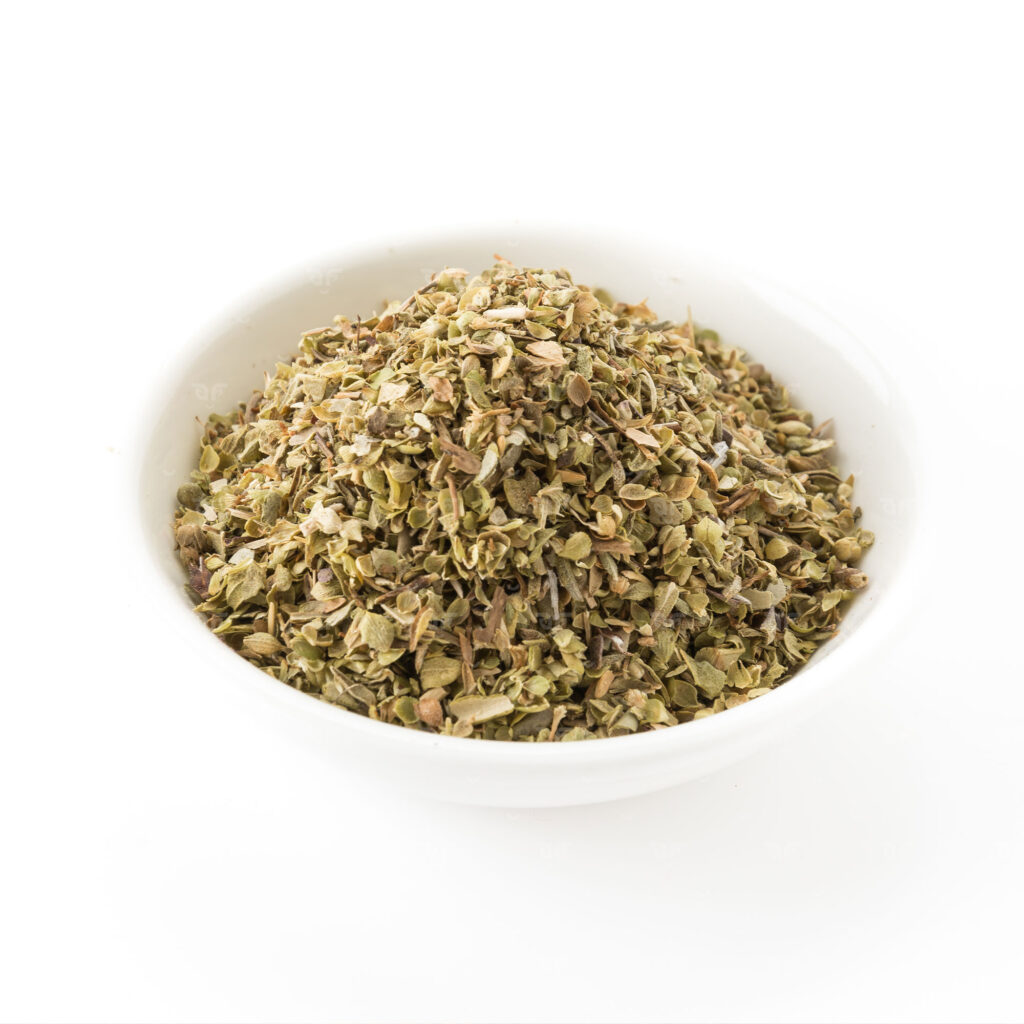
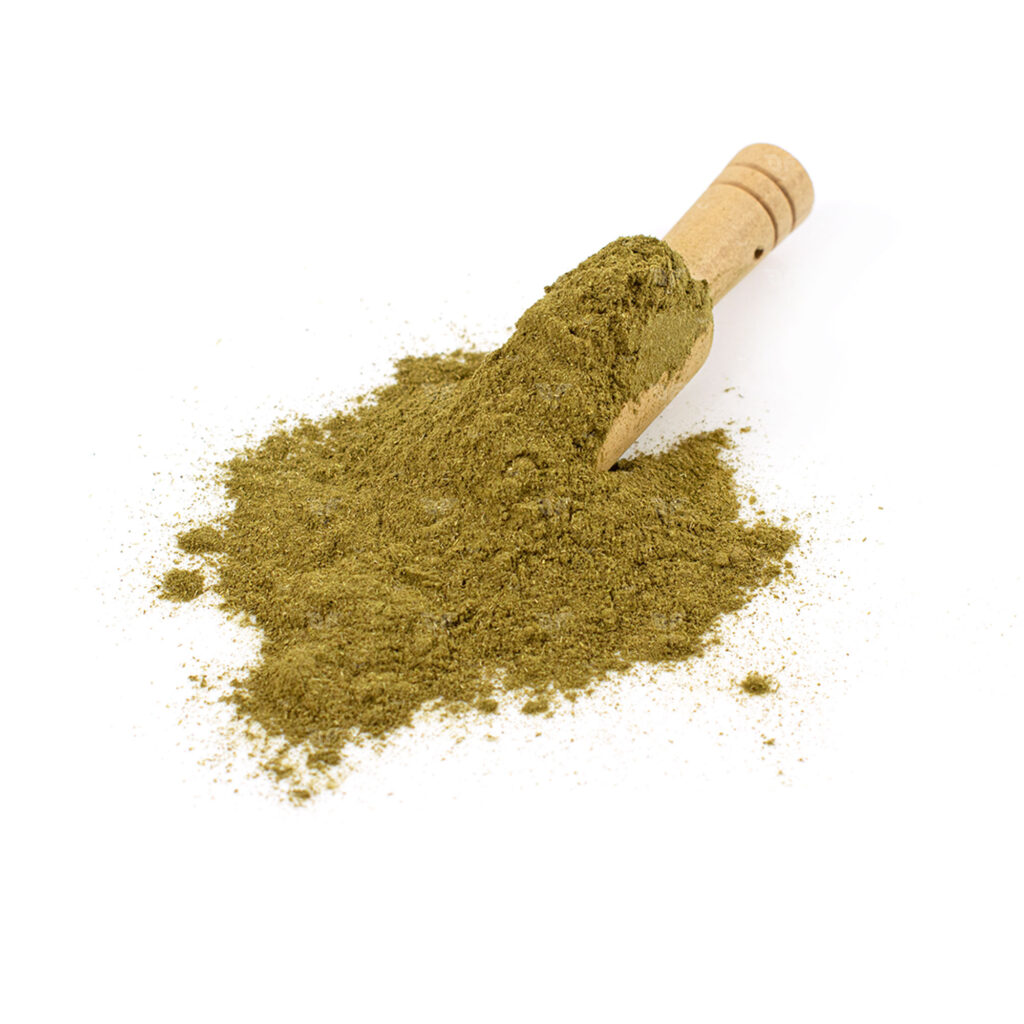

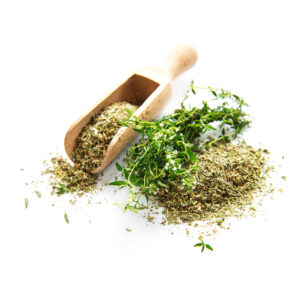
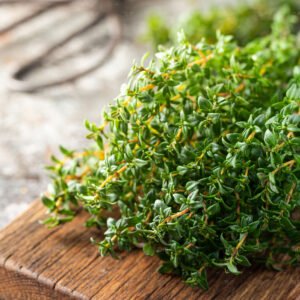
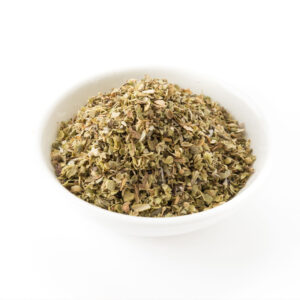
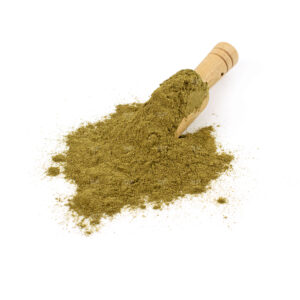
Thyme is an aromatic herb used fresh or dried in savory foods. In commercial trade, dried thyme is sold whole or intact, rubbed or crushed, or ground. These forms differ in appearance and particle size, which can affect how the herb is measured, blended, and presented in a finished product. For importers, food manufacturers, wholesalers, and food-service buyers, understanding those differences helps match a product form to its intended use and purchasing requirements.
Choosing a dependable international supplier matters when product consistency and order details affect production or resale. JAM Food Co. is a reliable international supplier of thyme, working with B2B buyers to discuss requirements for the product and order. These may include quality criteria, specifications, packaging, volume, destination, documentation, and delivery needs. Understanding thyme’s forms, characteristics, growing context, and storage needs can help buyers prepare for a focused commercial discussion.
A Short Glance At Thyme
Thyme refers to aromatic herbs in the Thymus genus, with Thymus vulgaris widely used as culinary thyme. In the dried-herb trade, products may be whole or intact, rubbed or crushed, or ground. Thyme is used in seasoning blends and foods such as soups, sauces, meat and poultry products, and prepared dishes. Its characteristic aroma and flavor come from volatile-oil components, and the profile can vary with species, growing conditions, harvest, and processing. Buyers should identify the form and intended application when defining a product requirement.
Physical Characteristics Of Thyme
Color, aroma, particle size, and the presence of unwanted material all influence how thyme looks and performs in food. Buyers can use these characteristics to describe the product they need and assess whether a particular form suits their process. The relevant criteria depend on whether the thyme will be visible in the finished product, blended through it, or further processed.
- Color And Appearance:
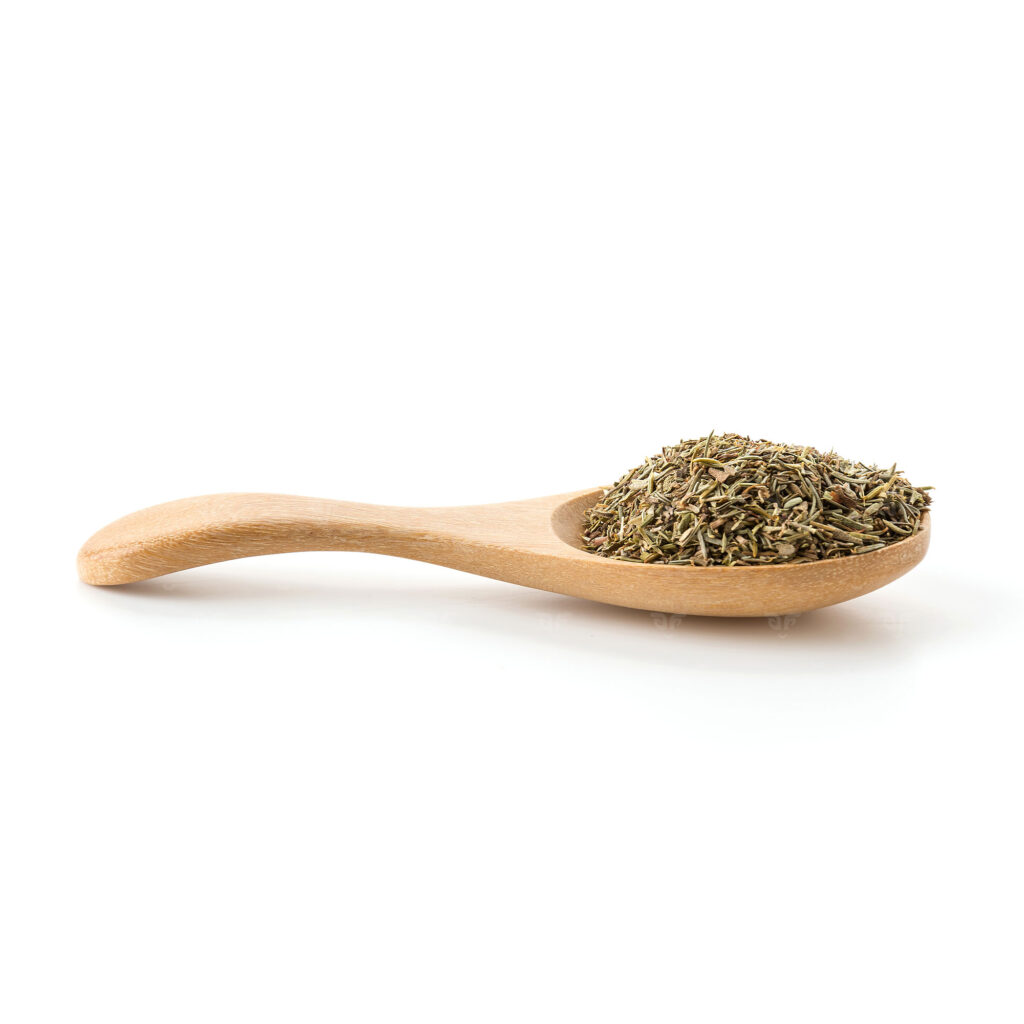
Dried thyme typically ranges from gray-green to brownish gray. Appearance can vary with species, growing conditions, maturity, drying, and handling, so color alone is not a complete measure of quality. Buyers may specify an acceptable appearance alongside requirements for visible foreign matter, damaged material, or other defects relevant to the product.
- Size And Shape:
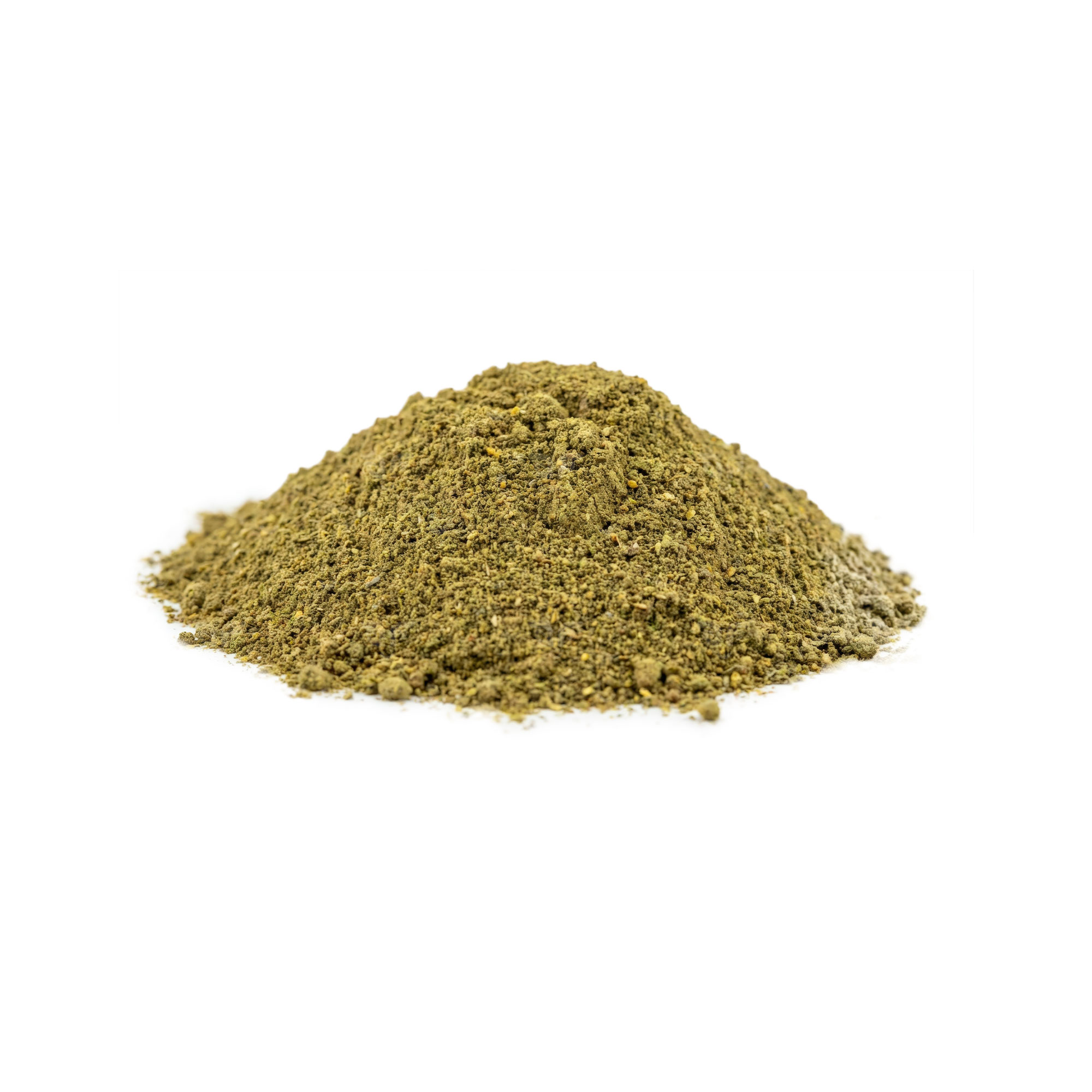
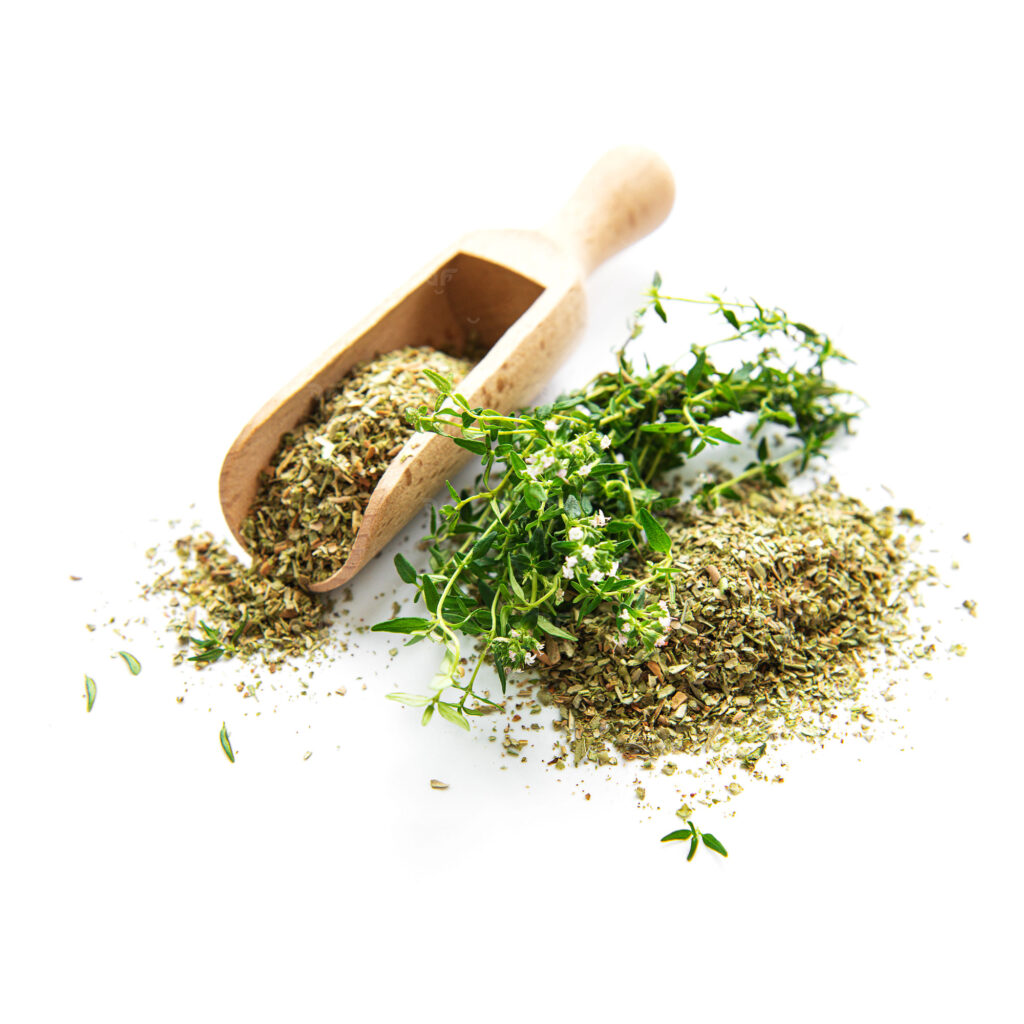
Whole or intact thyme retains recognizable leaves and small stem pieces, while rubbed or crushed thyme contains particles of varying sizes. Ground thyme is finer. Particle size matters when the herb must disperse through a blend, pass through production equipment, or remain visible in the finished food. Buyers can specify the preferred form and, where needed, particle-size limits.
- Texture:
Whole and rubbed leaves have a dry, light texture, while ground thyme is finer and may behave differently during dosing and blending. Caking can indicate moisture exposure and interfere with consistent dispensing. Buyers should consider how the selected form will flow through their process and define relevant limits for stems, extraneous plant material, or foreign matter.
- Taste And Aroma:
Thyme has a characteristic herbal aroma and savory flavor. Its volatile-oil components include thymol, carvacrol, and linalool, and its sensory profile can vary with growing conditions and product form. Buyers can describe the aroma and flavor they expect, including the absence of musty or foreign notes, as part of a sensory specification.
Nutritional Value And Health Benefits Of Thyme
Dried thyme contains dietary fiber and micronutrients, but nutrition figures are commonly reported per 100 grams—a much larger quantity than a typical seasoning use. Its nutritional contribution to a finished food depends on the amount used and the wider recipe. For B2B buyers, thyme is generally selected for flavor, aroma, and application performance rather than as a primary nutrient source. Composition data can support product information where needed, but should not be used to imply a medical effect from ordinary culinary use.
Choosing A Thyme Form For Food Production
The right form depends on how thyme will be handled and presented in the finished product. Whole or intact material may suit uses where leaves remain visible; rubbed or crushed thyme can be easier to distribute through many seasoning blends; and ground thyme may suit formulations that need a finer ingredient. These are general process considerations, not fixed rules. Buyers should match the form and particle-size expectations to their equipment, dosing method, product appearance, and agreed specification.
About JAM Food Co.’s Thyme
JAM Food Co. is a reliable international supplier of thyme for B2B buyers. Thyme purchasing can involve choices about product form, application, sensory expectations, packaging, volume, destination, documentation, and delivery needs. These priorities differ among importers, food manufacturers, wholesalers, and food-service businesses. By understanding the intended commercial use, buyers and JAM Food Co. can focus the order discussion on the details relevant to the product and destination. This product-specific approach helps frame a clear purchasing conversation without assuming the same requirements apply to every buyer.
JAM Food Co. As A Reliable Thyme Supplier
As a reliable international supplier of thyme, JAM Food Co. works with B2B buyers to understand their requirements and discuss relevant order details. A useful enquiry can describe the intended application, preferred thyme form, quality criteria, packaging needs, volume, destination, and documentation or delivery considerations. Clear requirements give both sides a practical basis for discussing an order and help buyers assess how the product fits their process, distribution channel, or resale plans.
Growing And Harvesting Thyme
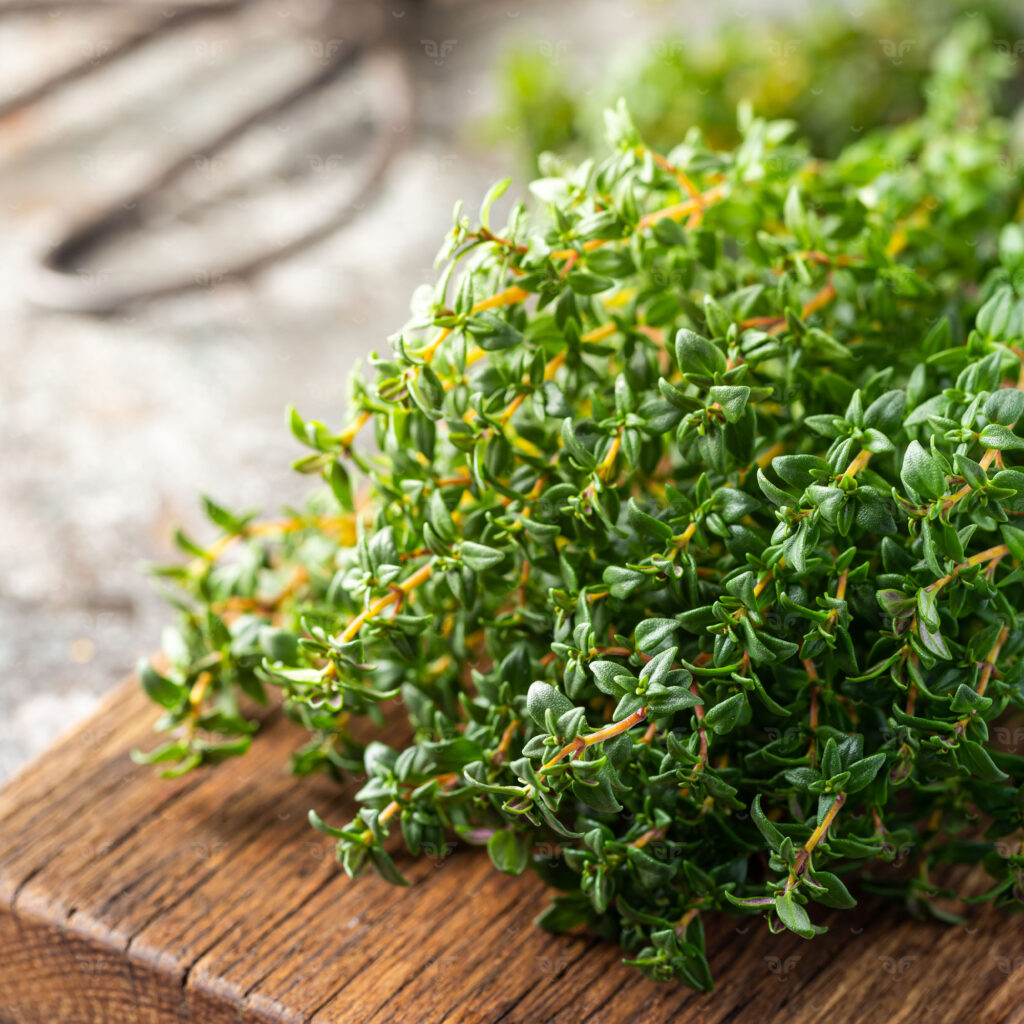
Thyme is a perennial herb grown in varied climates. Full sun and well-drained soil are commonly recommended for culinary types such as Thymus vulgaris. Cultivation conditions, species, and harvest maturity can influence the crop and its aromatic profile. Commercial thyme comes from several growing regions, and harvest seasons differ by location, so one calendar or origin does not apply to all supply. Origin and crop-year details matter when they form part of a buyer’s specification or sourcing requirements.
- Climate Conditions:
Culinary thyme generally grows well in sunny conditions and tolerates relatively dry sites better than poorly drained, persistently wet conditions. Local climate, elevation, and seasonal rainfall affect the crop cycle, so one temperature or rainfall range would not describe every growing area. These factors help explain why product characteristics and harvest timing vary by origin.
- Soil Requirements:
Well-drained soil is important for thyme cultivation; waterlogged conditions can harm plants. Soil type and local growing practices vary across regions, so a general description should not be treated as a universal soil specification. Cultivation context can help buyers compare origins, but it does not replace the product’s agreed quality requirements.
- Major Growing Regions:
Thyme is cultivated and traded from several regions, including countries around the Mediterranean and North Africa. Egypt is a leading non-European Union supplier to the European market, while Morocco and Spain are also noted in market guidance. These examples describe commercial trade context; they are not an exhaustive list of growing regions.
Harvesting Season Of Thyme
Thyme is harvested during the growing season, with extension guidance commonly placing cutting near the start of flowering or when plants are flowering. Timing varies with climate, location, cultivation system, and intended product. A regional harvest period should be treated as an example rather than a universal schedule. Harvest maturity can influence the amount and character of aromatic material, while crop year and origin may help buyers interpret variation between lots when those details are part of the product information.
Harvesting Process Of Thyme
Harvesting generally involves cutting leafy stems or tops, followed by drying and preparation for the intended commercial form. Dried thyme may be cleaned and sold whole or intact, rubbed or crushed into smaller pieces, or milled into powder. Sorting and removing unwanted material may also form part of post-harvest preparation. Handling and drying conditions matter because color, aroma, moisture, and cleanliness are buyer-relevant attributes. Buyers can relate these general processing stages to the physical and sensory criteria in their product specifications.
Storage Guidelines And Durability Of Thyme
Storage conditions influence dried thyme’s aroma, appearance, and usability over time. Moisture exposure can lead to clumping and compromise the product’s condition, while heat, light, strong odors, pests, and damaged packaging can also affect stored goods. For importers and manufacturers, storage planning starts with the product form, package integrity, warehouse conditions, and the instructions supplied for the specific lot. Good stock management helps protect quality between receipt and use, though storage periods can vary by product.
Storage Conditions Of Thyme
Store dried thyme in clean, dry conditions, protected from moisture, direct light, strong odors, pests, and avoidable heat. Keeping it in sound, closed packaging helps limit exposure. Warehouses should also protect packs from water and physical damage, and stock should be rotated appropriately. Buyers should follow the storage instructions and date information for the product they receive, since exact conditions can depend on its form, packaging, and product information. Segregating thyme from strong-smelling goods can also help preserve its characteristic aroma.
Shelf Life Of Thyme
No single shelf-life period applies to every thyme product. The time it retains its expected quality depends on factors such as form, processing, packaging, and storage conditions. Aroma and other sensory characteristics may change during storage, even when a product remains within its stated date. Buyers should agree on the relevant date marking and storage conditions for the specific order, then account for transit, warehouse, and stock-rotation timelines when planning procurement. Checking those details at receipt helps align inventory planning with the product information.
Packaging Thyme At JAM Food Co.
Packaging affects product protection, handling, and transit. As a reliable international supplier of thyme, JAM Food Co. discusses packaging requirements with B2B buyers in relation to their intended use and order. Pack format, material, weight, labeling, and pallet arrangement can depend on product form, receiving operations, destination, and sales channel. Buyers who identify these needs early can consider the packaging alongside the product and order details, including the conditions the shipment may encounter in transit and storage.
- Bulk Packaging Formats:
Bulk buyers should define the required net weight, inner protection, outer pack, and handling needs for their operation. The format should suit the thyme’s form and the buyer’s storage and receiving arrangements. Importers and manufacturers may have different requirements from food-service distributors, so pack details should be agreed as part of the purchase specification.
- Preservation And Sealing:
Dried thyme should be protected from moisture and conditions that can reduce its aroma or quality. Suitable packaging and sound closures help limit exposure during storage and transit. Buyers can specify the protection needed for their handling and destination conditions and discuss package integrity, storage instructions, and applicable product information.
- Private Labeling And Retail Packaging:
Retail and private-label buyers may need to coordinate pack size, product name, ingredient details, artwork, lot identification, and destination-market labeling rules. Requirements vary by market and product presentation. Establishing these details during order planning helps ensure that the package and label suit the buyer’s channel and applicable requirements.
- Export-Ready Palletization:
Pallet planning can affect stability, warehouse handling, and the condition of packs on arrival. Buyers may need to specify pallet dimensions, stacking constraints, lot separation, and protection from moisture or physical damage during transport. The appropriate arrangement depends on the shipment, receiving facilities, and destination requirements.
○Which Thyme Form Suits Food Manufacturing?


The best fit depends on the process and finished product. Whole or intact thyme retains a visible leaf form, rubbed or crushed material has smaller particles, and ground thyme is finer. Buyers should consider how the herb will be dosed and dispersed, whether it should remain visible, and what particle-size expectations their equipment or finished product requires.
○What Quality Factors Should Buyers Specify For Dried Thyme?
Buyers may define characteristic aroma, flavor and color, moisture, foreign or extraneous matter, and particle size where relevant. Codex provides a general standard for dried thyme, while market and buyer requirements can differ. The specification should identify which criteria apply to the product and destination rather than treating every published threshold as universal.
○Does The Name Thyme Identify One Species?
Not always. Thymus vulgaris is widely used as culinary thyme, but the Codex standard for dried thyme covers suitable species and types within the Thymus genus. Buyers who require a particular species or an accepted range should state that in the purchase specification and confirm how the product is identified.
○How Should Bulk Dried Thyme Be Stored?
Keep it in sound packaging in clean, dry conditions, protected from moisture, light, pests, strong odors, and avoidable heat. Check the product’s storage instructions and date marking, and rotate stock appropriately. Storage needs may vary with the form and packaging, so buyers should follow the directions for the product they receive.
○What Determines Dried Thyme’s Shelf Life?
Form, processing, packaging, and storage conditions all affect how long dried thyme retains its expected quality. Buyers should review the date and storage information for the specific product and account for transit, receiving, and warehouse time when planning orders. A generic duration should not replace the product’s own stated information.
HOW CAN JAM GROUP HELP YOU?
Send us a message and our friendly team will get back to you within one business day.




