










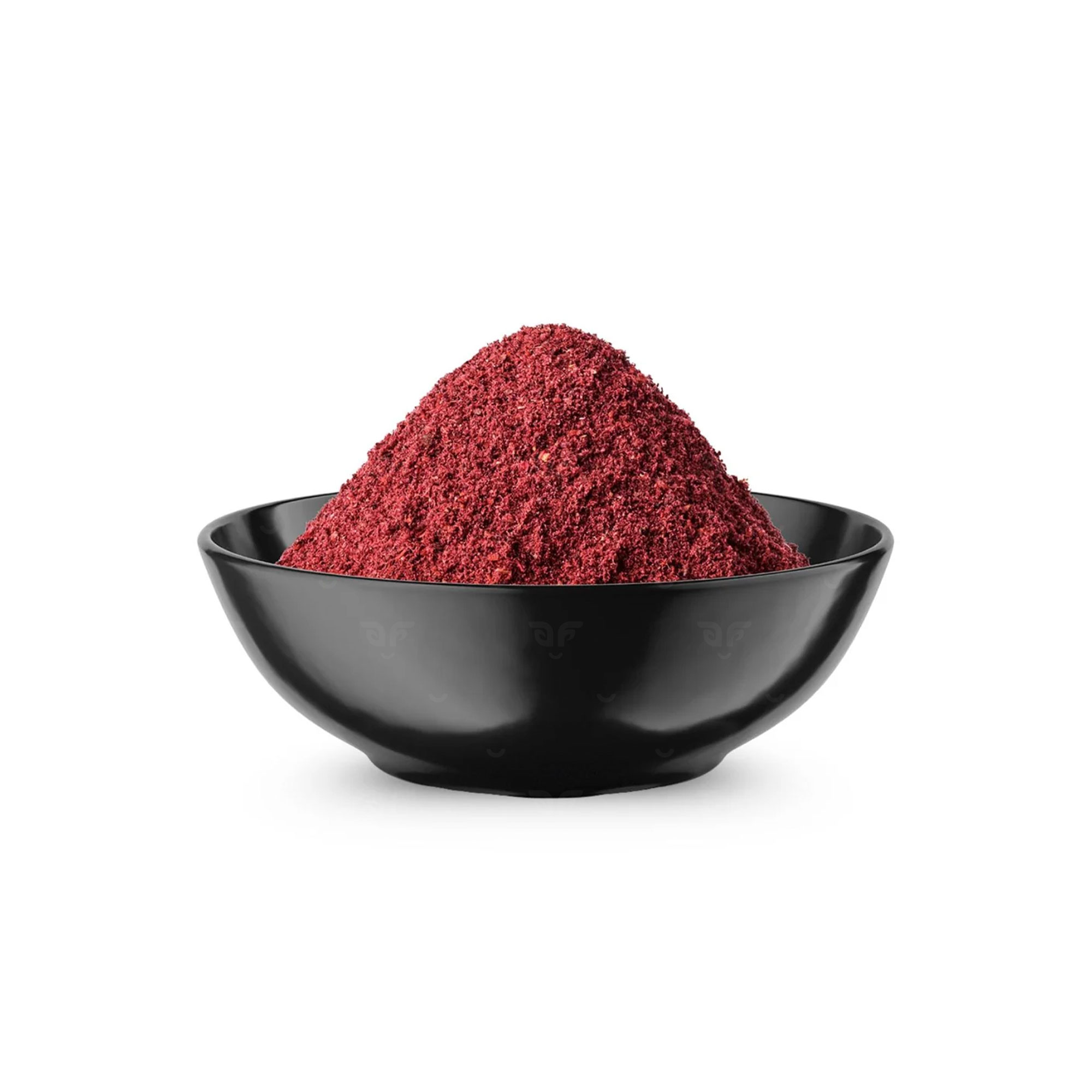

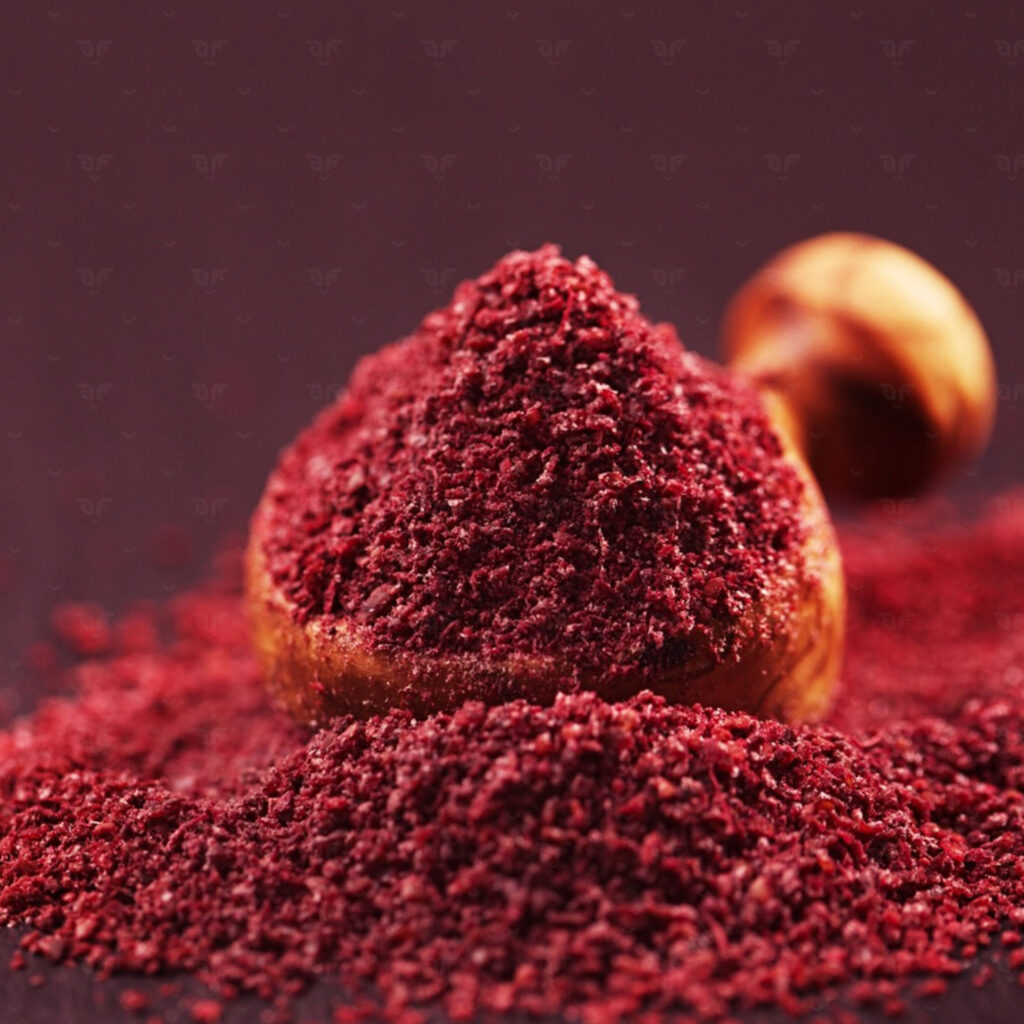
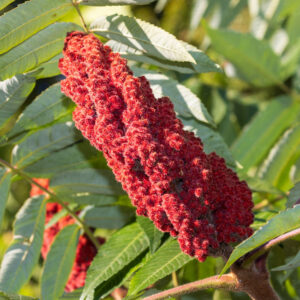
Sumac is a red, tart spice produced from the dried fruit of Rhus coriaria, a plant native to regions extending from the Mediterranean into Western Asia. Its clean acidity, fruity notes, and characteristic color make it useful in seasoning blends, marinades, dressings, sauces, snacks, and prepared foods. Commercial buyers encounter sumac in rubbed, coarse, or finely ground forms, sometimes with added salt. Understanding its botanical identity, composition, particle size, sensory profile, packaging, and storage requirements helps procurement teams choose a product suited to their intended application.
Choosing a dependable international sumac supplier supports product consistency, efficient procurement, and clear communication throughout the supply chain. JAM Food Co. is a reliable international supplier of sumac for importers, wholesalers, food manufacturers, distributors, retailers, and food-service businesses. With a B2B-focused approach, the company understands the importance of aligning supply with each buyer’s specifications, quality expectations, packaging preferences, documentation requirements, order volume, destination, and delivery needs. This commercial perspective complements the product knowledge needed to select sumac for different food applications.
A Short Glance At Sumac
Culinary sumac generally refers to the dried outer fruit material of Rhus coriaria, a member of the Anacardiaceae family. After harvesting, the fruit clusters are dried and processed into rubbed or ground spice. ISO 24052:2022 provides a product-specific international reference for rubbed dried sumac. Commercial products can differ in origin, composition, grind, acidity, color, and salt content, so the product name alone does not establish suitability. Botanical identity, product form, declared ingredients, sensory characteristics, physical parameters, food-safety criteria, and documentation all contribute to an informed comparison.
Physical Characteristics Of Sumac
The appearance and sensory properties of sumac are influenced by fruit maturity, origin, genotype, drying, processing, composition, and storage. Instead of relying on a broad grade description, buyers benefit from establishing measurable or clearly defined acceptance criteria for the characteristics that affect their finished products.
- Color And Appearance:
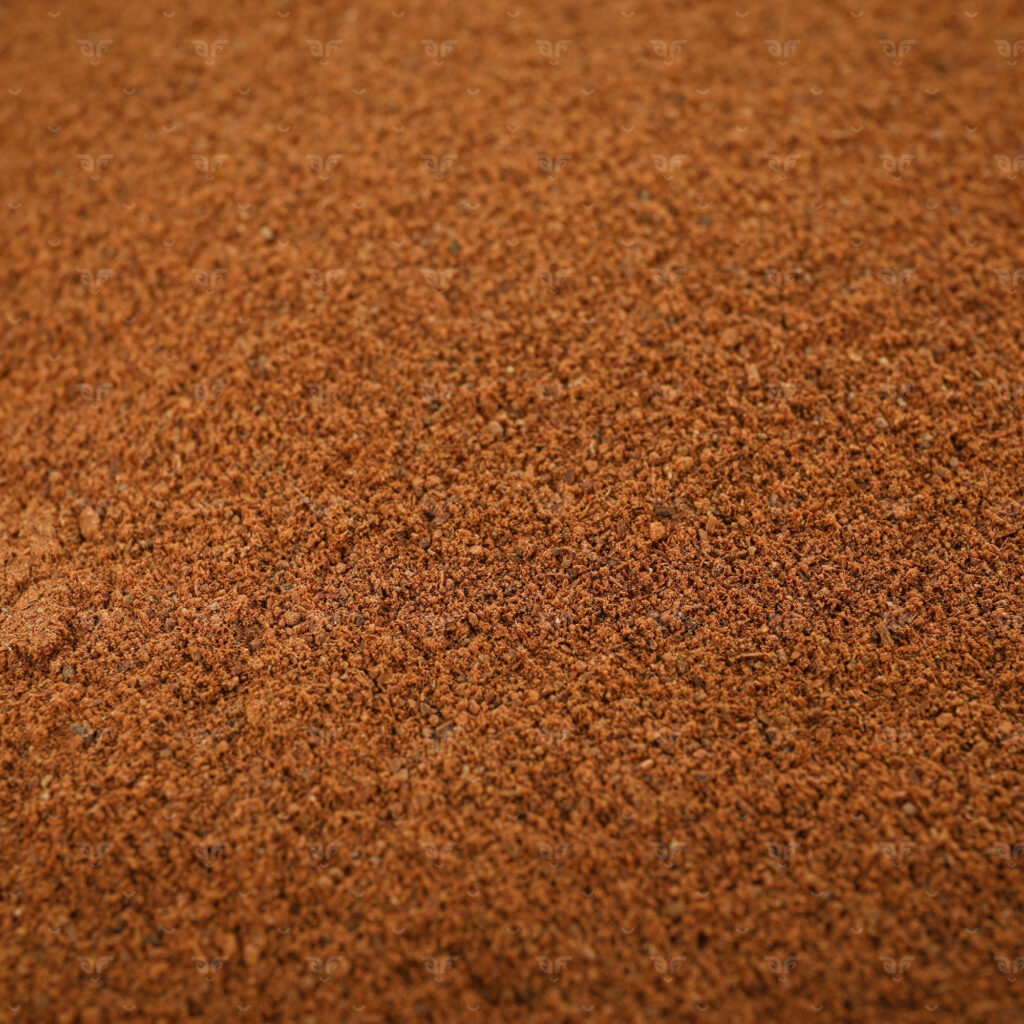
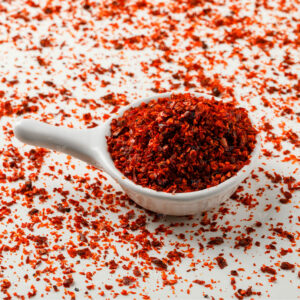
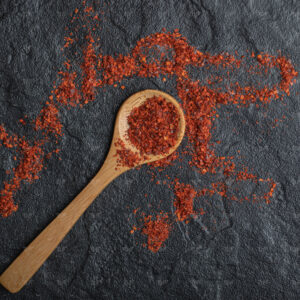
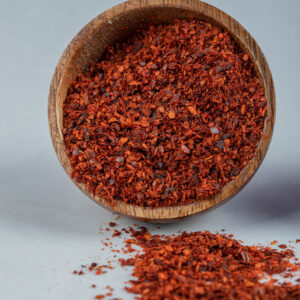
Culinary sumac commonly ranges from red and burgundy to dark red or reddish-brown. Color can vary between origins and lots, while excessive dullness or discoloration may indicate age or unsuitable handling. Color is best assessed alongside composition, aroma, cleanliness, moisture, and analytical information rather than treated as the sole indicator of quality.
- Size And Shape:
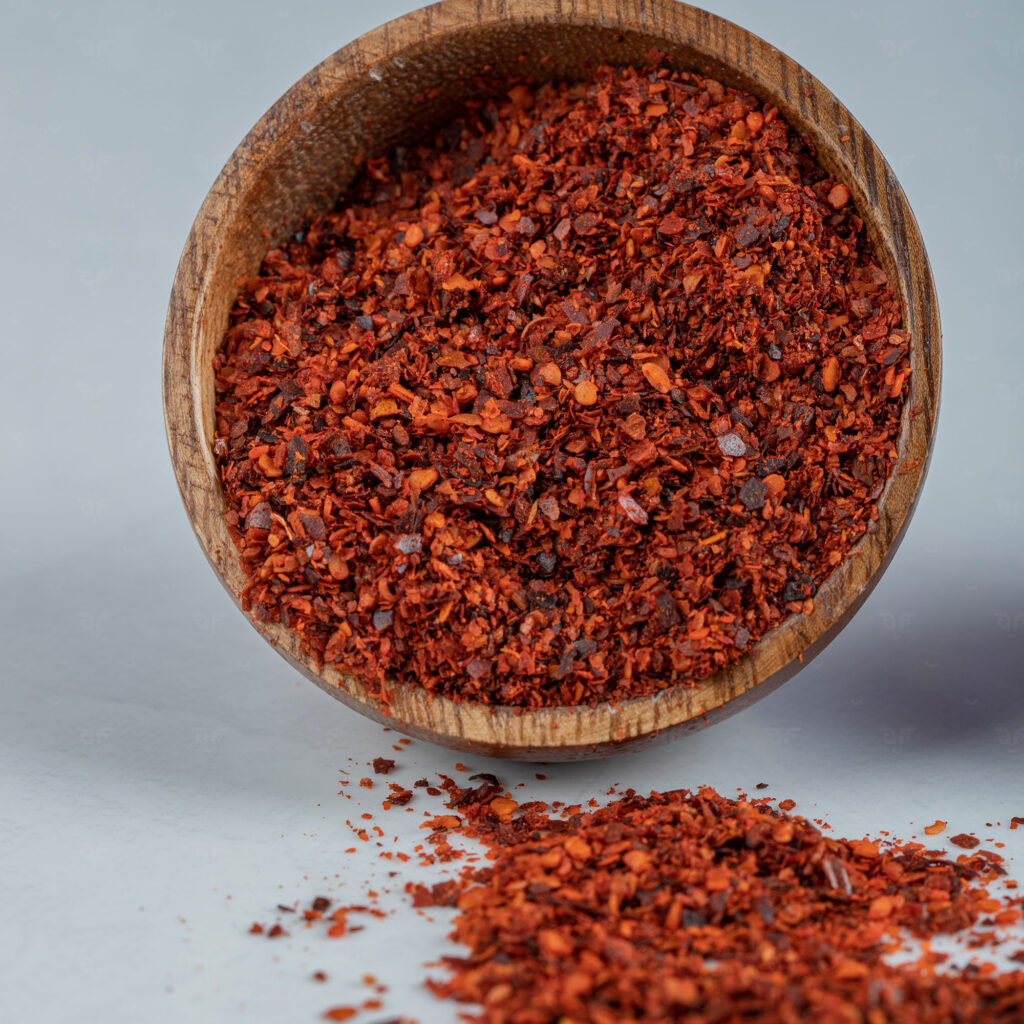
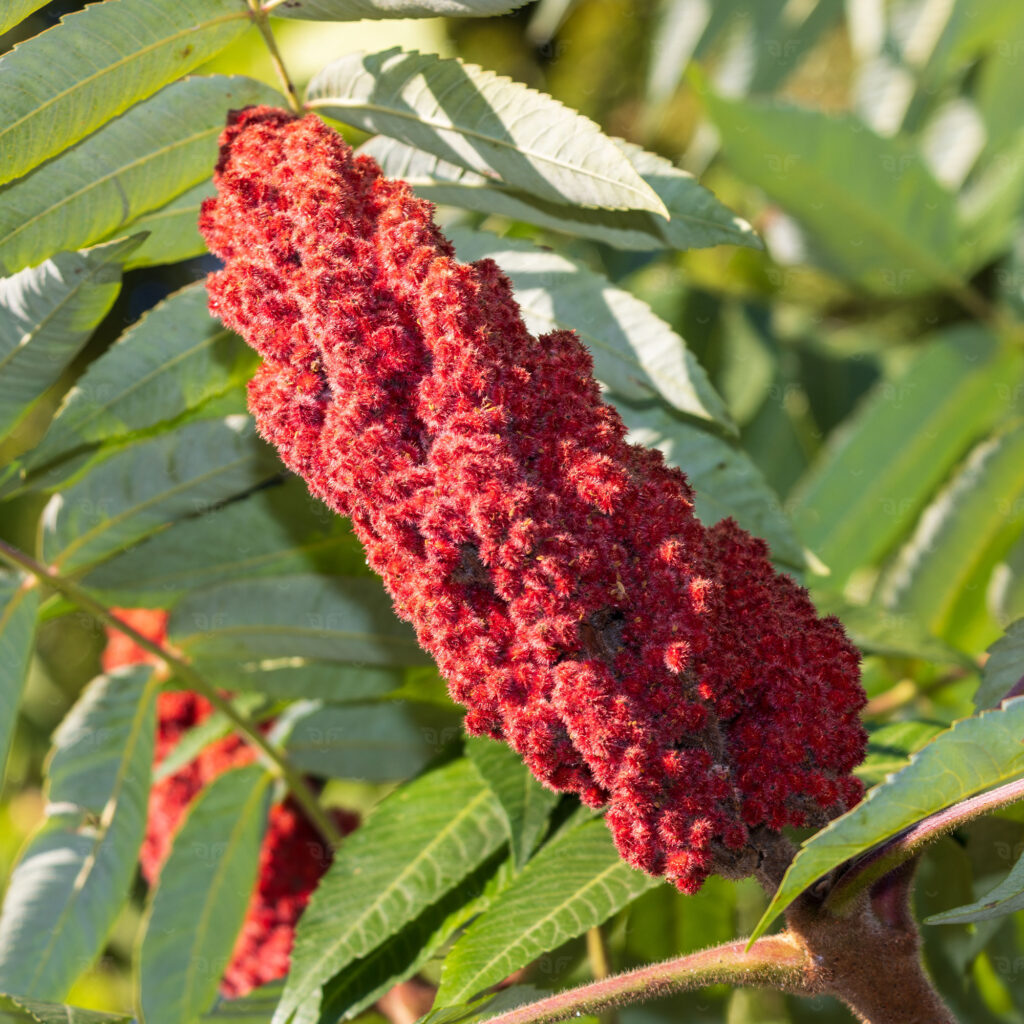
The harvested fruits develop in dense clusters and contain a seed or kernel beneath the outer fruit material. Commercial sumac may be offered as rubbed particles or powder with different degrees of fineness. Particle-size requirements depend on whether the spice needs to remain visible, blend evenly, coat a surface, or disperse throughout a formulation.
- Texture:
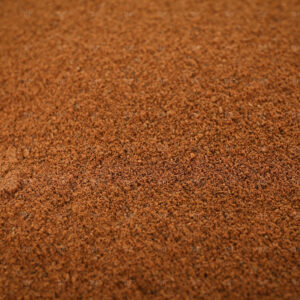
Rubbed sumac usually has a granular, slightly fibrous character, while finely ground material has a more uniform, powder-like texture. Moisture exposure can encourage clumping and reduce handling performance. Particle-size distribution, flow, visible foreign matter, and consistency between lots help determine whether the texture is appropriate for blending, dispensing, or direct application.
- Taste:
Sumac provides a tart, acidic taste often described as lemon-like, mildly fruity, earthy, and astringent. Its perceived intensity can change with origin, maturity, processing, grind, and salt content. Evaluating representative samples in the intended food system is valuable because fat, water, heat, and other seasonings can influence how the flavor is expressed.
Nutritional Value And Health Benefits Of Sumac
Sumac contains naturally occurring compounds such as organic acids, polyphenols, tannins, flavonoids, and anthocyanins. These constituents contribute to its acidity, color, astringency, and the antioxidant activity observed in laboratory research. Controlled supplementation studies have also investigated possible effects on selected metabolic measures, but their findings relate to defined products, doses, and study populations. They do not establish that ordinary culinary use prevents or treats disease. For food businesses, the most relevant benefit is sumac’s ability to add acidity, color, and distinctive flavor, supporting formulations that seek a strong sensory impact from a spice ingredient.
About JAM Food Co.’s Sumac
Reliable sumac supply depends on matching the ingredient’s form and sensory qualities with the buyer’s intended use and commercial requirements. JAM Food Co. serves this need as a reliable international supplier of sumac for B2B customers across the food supply chain. Its buyer-focused approach supports clear alignment around composition, particle size, quality expectations, packaging, order volume, destination, documentation, and delivery needs. This creates a practical basis for supplying sumac to importers, wholesalers, food manufacturers, distributors, retailers, and food-service businesses seeking a distinctive tart spice for commercial applications.
JAM Food Co. As A Reliable Sumac Supplier
A strong supplier relationship brings product understanding and commercial coordination together. JAM Food Co. is positioned as a reliable international sumac supplier, helping B2B customers align their orders with the needs of their applications and supply chains. Clear communication around botanical identity, product form, composition, sensory profile, particle size, packaging, documentation, volume, destination, and delivery expectations supports efficient purchasing decisions. Food manufacturers, importers, wholesalers, distributors, retailers, and food-service businesses can turn to JAM Food Co. for a focused, product-specific approach to international sumac supply.
Growing And Harvesting Sumac
Rhus coriaria grows across parts of the Mediterranean, Western Asia, and neighboring subtropical areas, including regions of Iran. The characteristics of harvested fruit can vary with genotype, local environment, maturity, and post-harvest treatment. Commercial buyers do not usually need a detailed agronomic plan, but growing conditions remain relevant because they can influence color, acidity, fruit development, and lot variation. Origin should therefore be considered alongside representative samples, composition, processing information, specifications, and test documentation rather than being used as a stand-alone quality grade.
- Climate Conditions:
Sumac is associated with Mediterranean and subtropical environments where seasonal conditions support flowering and fruit maturation. Temperature, rainfall, elevation, and sunlight differ across producing areas, making one universal numerical climate range unsuitable. The resulting product characteristics provide a more practical basis for considering how origin or harvest conditions may influence consistency between contracted lots.
- Soil Requirements:
The plant grows across varied foothill and dryland environments, although suitable soil conditions depend on the local population, terrain, drainage, and cultivation system. Soil descriptions alone do not establish finished-spice quality. For procurement purposes, hygienic harvesting, contaminant controls, product testing, traceability, and destination-market compliance provide more useful decision criteria than broad claims about an ideal soil type.
- Major Growing Regions:
The native range of Rhus coriaria extends from Mediterranean and Macaronesian areas toward Afghanistan and includes Iran. Research has documented Iranian populations in locations such as East and West Azerbaijan, as well as other provinces. When origin is commercially important, the declared source, crop information, product characteristics, documentation, and availability should form part of the order requirements.
Harvesting Season Of Sumac
Sumac fruits are harvested after the clusters reach suitable maturity and develop their characteristic color and acidity. Timing differs between producing regions because climate, elevation, plant population, and seasonal conditions affect ripening. Studies from particular locations have reported collection during autumn or from September to October, but these periods do not represent a universal global season. Crop year and harvest period can be commercially relevant because seasonal variation may influence color, taste, composition, availability, and processing performance in the resulting spice.
Harvesting Process Of Sumac
Mature sumac fruit clusters may be collected manually and inspected before further processing. Typical post-harvest stages include sorting, cleaning, controlled drying, separation of the usable outer fruit material where applicable, rubbing or grinding, sieving, and packaging. Drying and handling require particular care because moisture, contamination, excessive heat, and poor sanitation can affect safety, color, and flavor. Like other low-moisture spices, sumac still requires appropriate hygiene controls. Relevant procurement considerations include process flow, foreign-matter control, treatment status, microbiological criteria, residues, contaminants, lot coding, and supporting documentation.
Storage Guidelines And Durability Of Sumac
Correct storage helps retain the acidity, aroma, color, and free-flowing condition that make sumac commercially useful. The product should remain in sound, closed packaging and be protected from moisture, heat, direct light, pests, contamination, and strong external odors. Ground material may absorb moisture more readily because it has a greater exposed surface area. Warehouse and transport practices should therefore prevent water contact, condensation, pack damage, and unsuitable stacking. Following the product specification, pack instructions, stock-rotation procedure, and applicable food-safety controls supports quality throughout the distribution period.
Storage Conditions Of Sumac
Sumac is best maintained in a cool, dry, clean, and dark environment, with its packaging kept securely closed between uses. Containers should be stored away from floors, walls, water sources, chemicals, and strongly aromatic materials that could affect product condition. Warehouse teams should inspect packs for damage, moisture, pest activity, or loss of seal and apply lot-based stock rotation. After opening, production users should minimize exposure and use clean, dry utensils. Appropriate storage parameters reflect the product’s composition, packaging system, distribution conditions, and accompanying documentation.
Shelf Life Of Sumac
Shelf life depends on the product’s form, moisture, composition, microbial condition, processing, packaging barrier, sealing, and storage environment. General guidance often places the best-quality period for ground spices at approximately two to three years under suitable room-temperature storage, although the applicable period varies by product. Flavor and color may decline over time, particularly after opening or under warm, humid, or bright conditions. Commercial shelf-life requirements should align with the supplied product’s date marking, specification, packaging, distribution conditions, storage instructions, and stock-rotation schedule.
Packaging Sumac At JAM Food Co.
Effective packaging helps preserve the color, aroma, acidity, texture, and overall condition of sumac as it moves through commercial supply chains. As a reliable international supplier of sumac, JAM Food Co. takes a buyer-focused approach to packaging discussions, considering the product form, order volume, intended application, destination, and handling needs. This allows packaging expectations to be aligned with storage, transport, production, and market requirements. Clear coordination also supports accurate labeling, practical handling, and suitable protection against moisture, contamination, odor transfer, light exposure, and physical damage.
- Bulk Packaging Capabilities:
Bulk packaging should balance product protection with efficient warehouse and production-line handling. Important factors include net quantity, packaging format, barrier performance, closure, labeling, and order volume. Ground sumac generally requires greater protection from moisture than less processed material, while the overall format should suit transport conditions and applicable food-contact packaging requirements.
- Preservation And Sealing Techniques:
A sound seal and suitable barrier help limit moisture uptake, contamination, aroma loss, and exposure to external odors. Packaging should remain intact throughout transport and storage, while handling procedures should prevent punctures and water contact. The selected sealing, liner, or preservation approach should reflect the sumac’s form and the conditions expected along its distribution route.
- Private Labeling And Retail Packaging:
Retail and private-label presentation can involve pack dimensions, product naming, ingredient information, net quantity, lot identification, date marking, language, and branding. Coordinating these elements early helps align artwork, regulatory content, pack format, and order volume while creating a presentation suited to the buyer’s brand and intended sales channel.
- Export-Ready Palletization:
Export shipments require packaging and pallet arrangements that protect sumac while supporting efficient handling and stable transport. Relevant factors can include case strength, stacking pattern, pallet dimensions, stretch wrapping, moisture protection, shipment markings, and destination rules. The final configuration should also reflect unloading constraints, warehouse conditions, shipping mode, and documentation needs.
○What Is The Difference Between Rubbed And Ground Sumac?


Rubbed sumac retains a coarser, more visibly textured form, while ground sumac is processed into smaller, more uniform particles. Rubbed material may suit applications where the spice should remain visible, whereas finer powder can distribute more evenly through seasoning blends, sauces, and marinades. Buyers should specify the preferred particle size according to processing needs and desired finished-product appearance.
○Does Commercial Sumac Contain Added Salt?
Commercial sumac may be supplied as pure sumac or as a preparation containing added salt. Salt affects flavor intensity, formulation calculations, labeling, and the amount of sumac needed in a finished product. Buyers should check the declared composition rather than assuming all products are equivalent and include any acceptable salt level or pure-product requirement in their purchasing specification.
○Which Quality Factors Should Buyers Compare When Purchasing Sumac?
Useful comparison points include botanical identity, product form, declared composition, particle size, color, acidity, aroma, moisture, cleanliness, and sensory consistency. Depending on the intended market, buyers may also evaluate microbiological criteria, pesticide residues, contaminants, foreign matter, treatment status, lot coding, and supporting documentation. A measurable specification provides a stronger basis for comparison than color or a general grade description alone.
○Which Documents May Be Relevant When Buying Sumac In Bulk?
Documentation needs vary by buyer, application, and destination market. Relevant records may include a product specification, certificate of analysis, ingredient declaration, lot identification, origin information, food-safety documentation, and results relating to microbiological, residue, or contaminant requirements. Packaging and labeling records may also be needed. Buyers should define document requirements according to their internal approval process and applicable market regulations.
○How Can Food Manufacturers Evaluate Sumac For A Specific Application?
Manufacturers can assess a representative sample in the actual or a closely matched food system. This reveals how the sumac’s acidity, color, aroma, particle size, and astringency interact with moisture, fat, heat, salt, and other ingredients. Bench testing also helps determine the appropriate inclusion rate, processing behavior, visual effect, flavor balance, and consistency needed for commercial-scale formulation.
HOW CAN JAM GROUP HELP YOU?
Send us a message and our friendly team will get back to you within one business day.




