










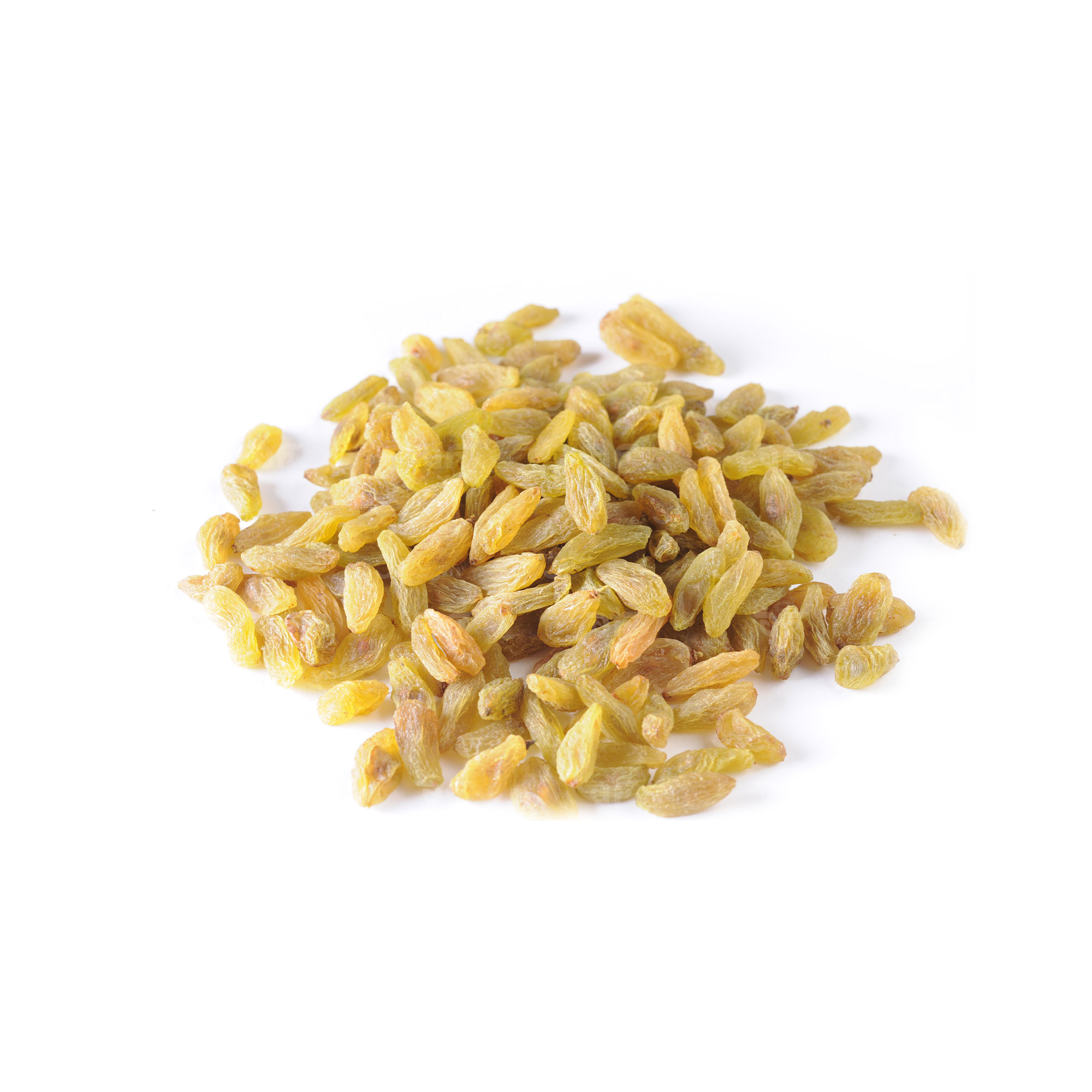

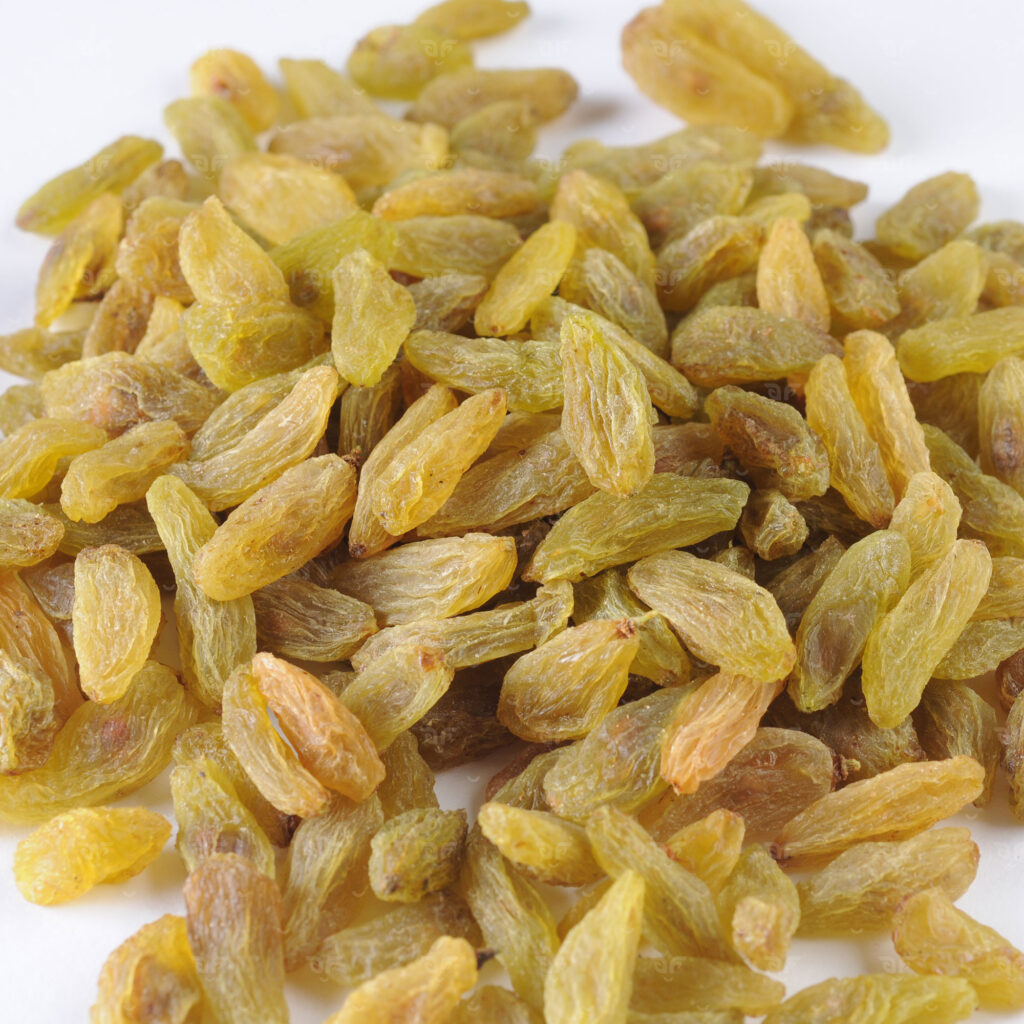
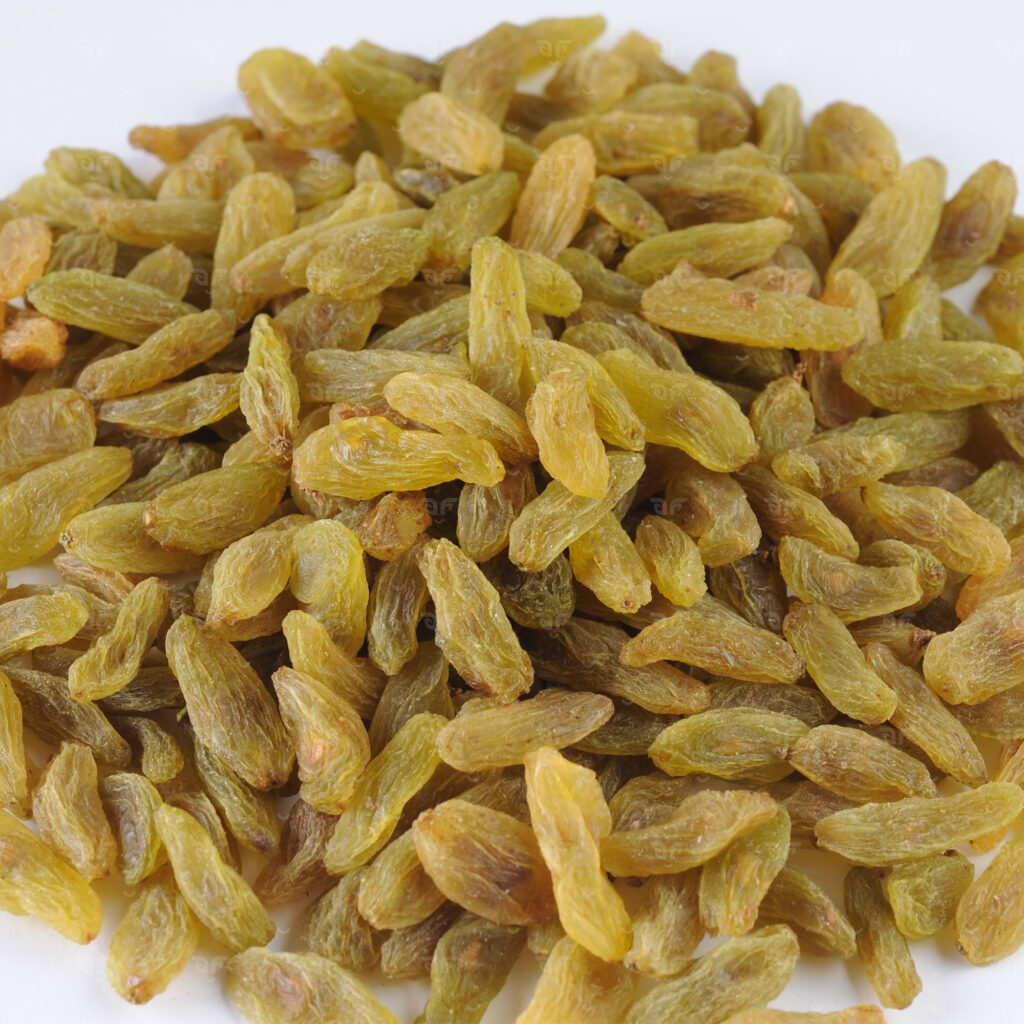
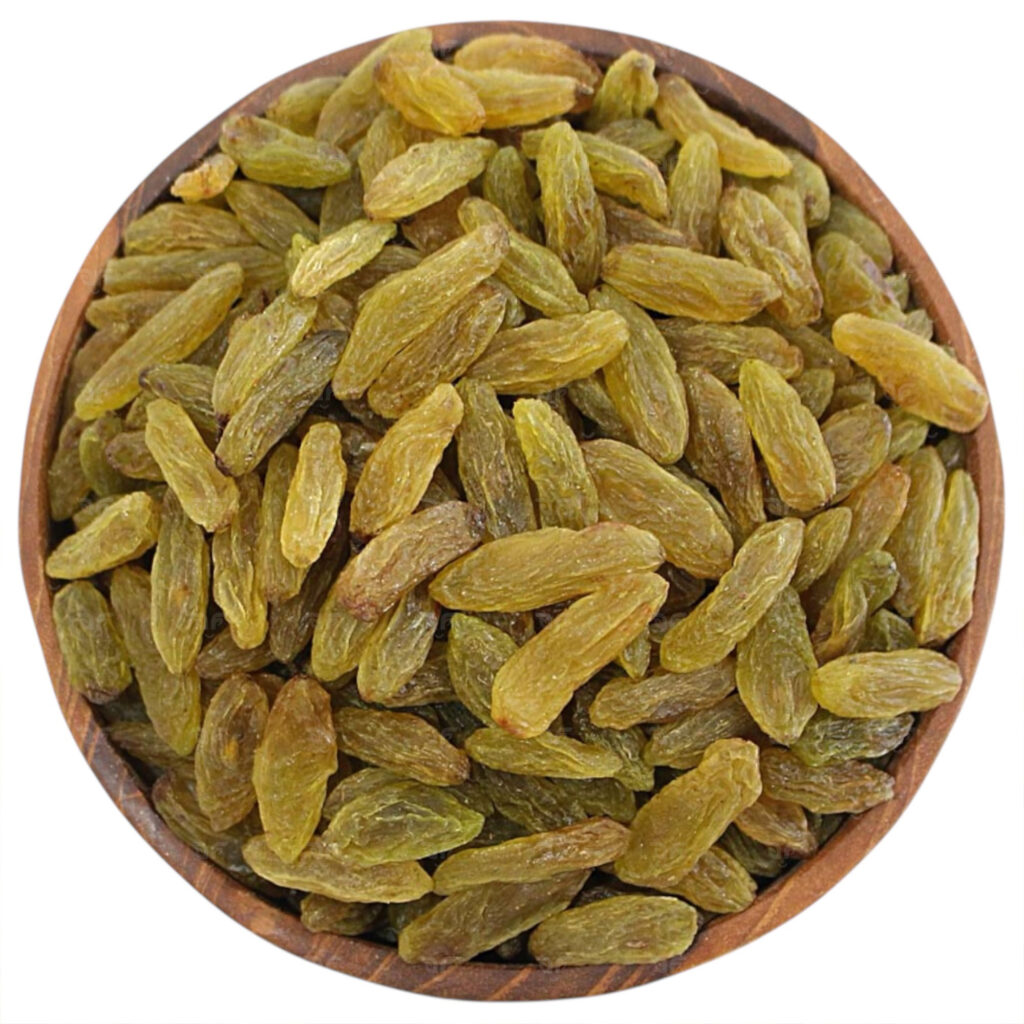
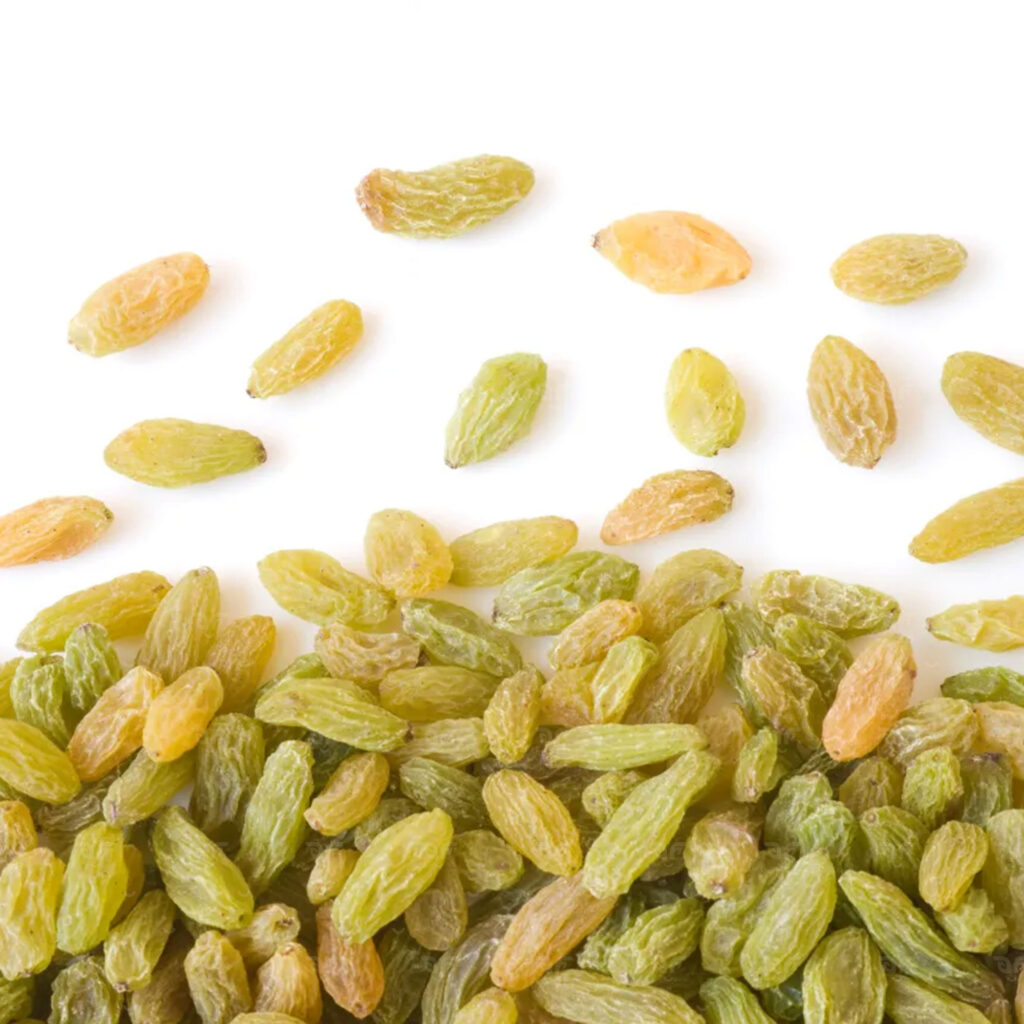
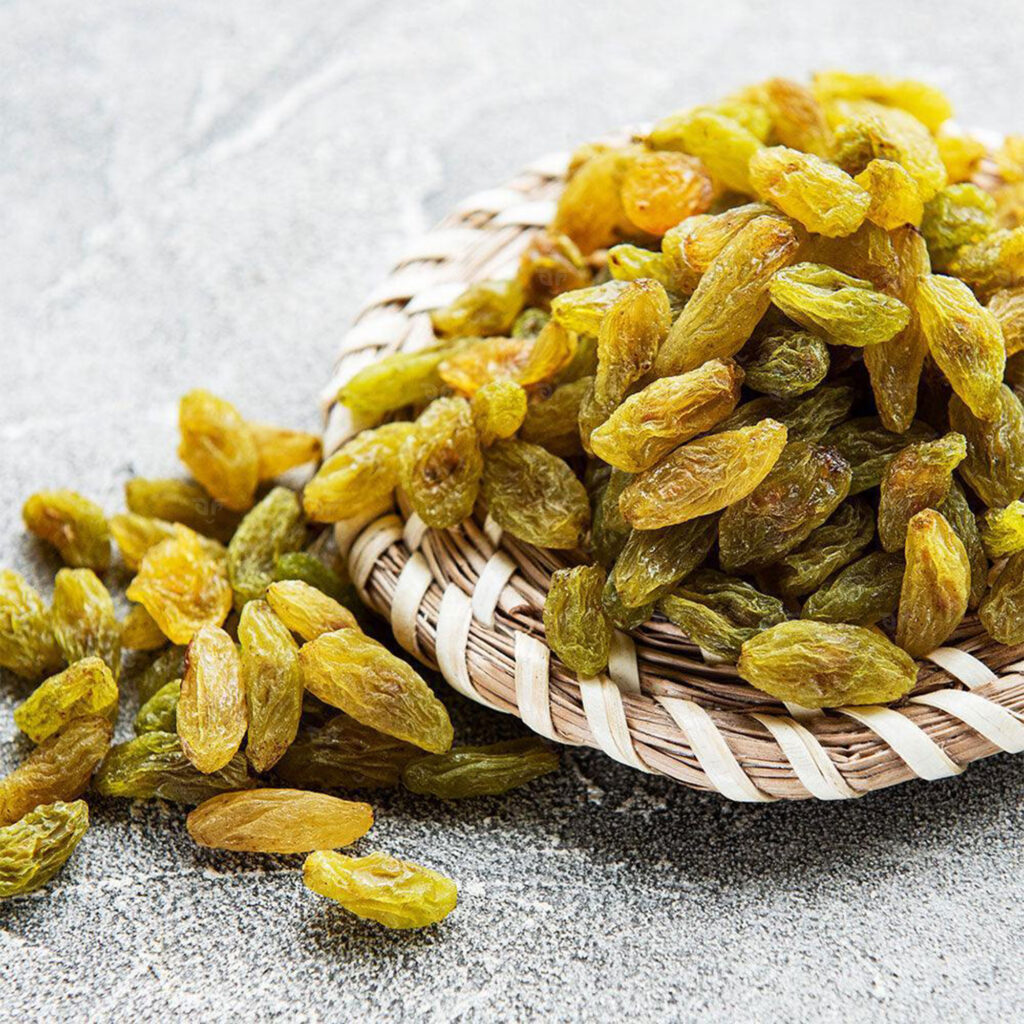
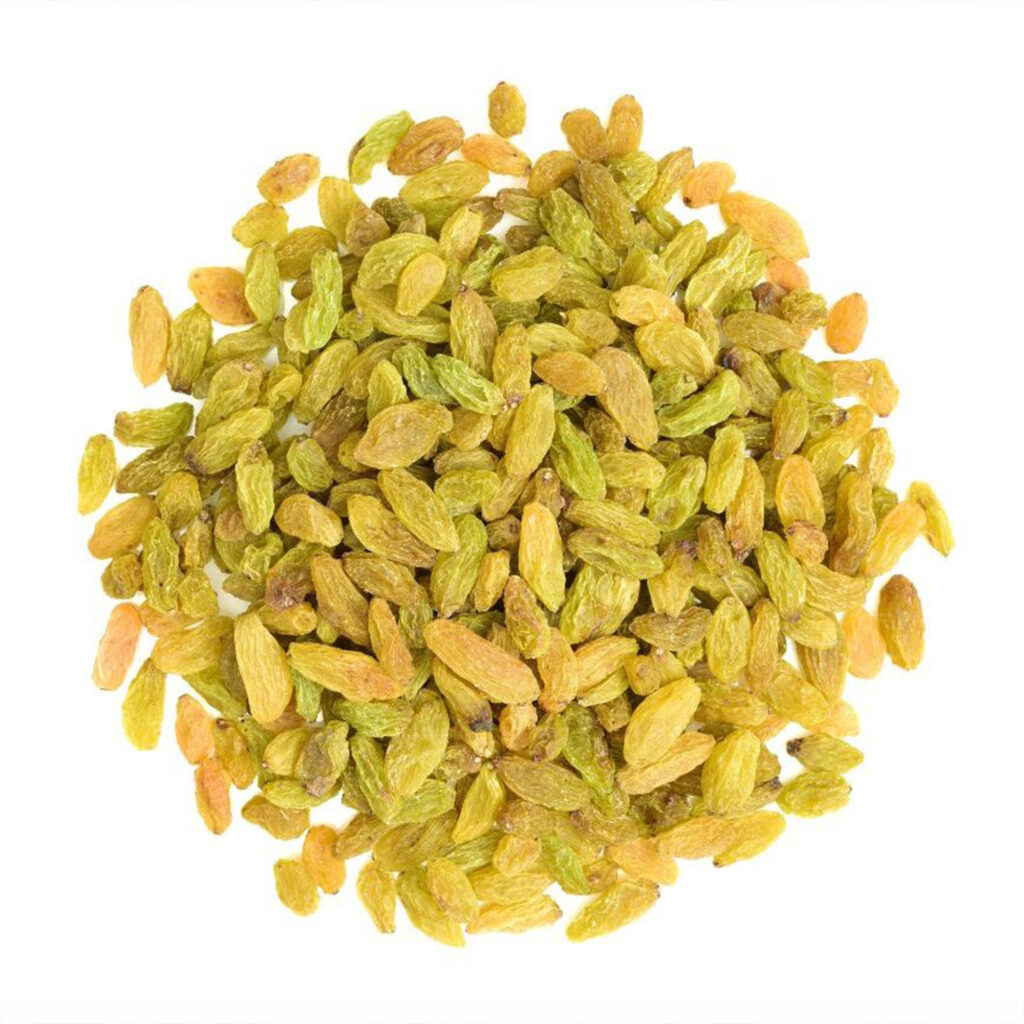
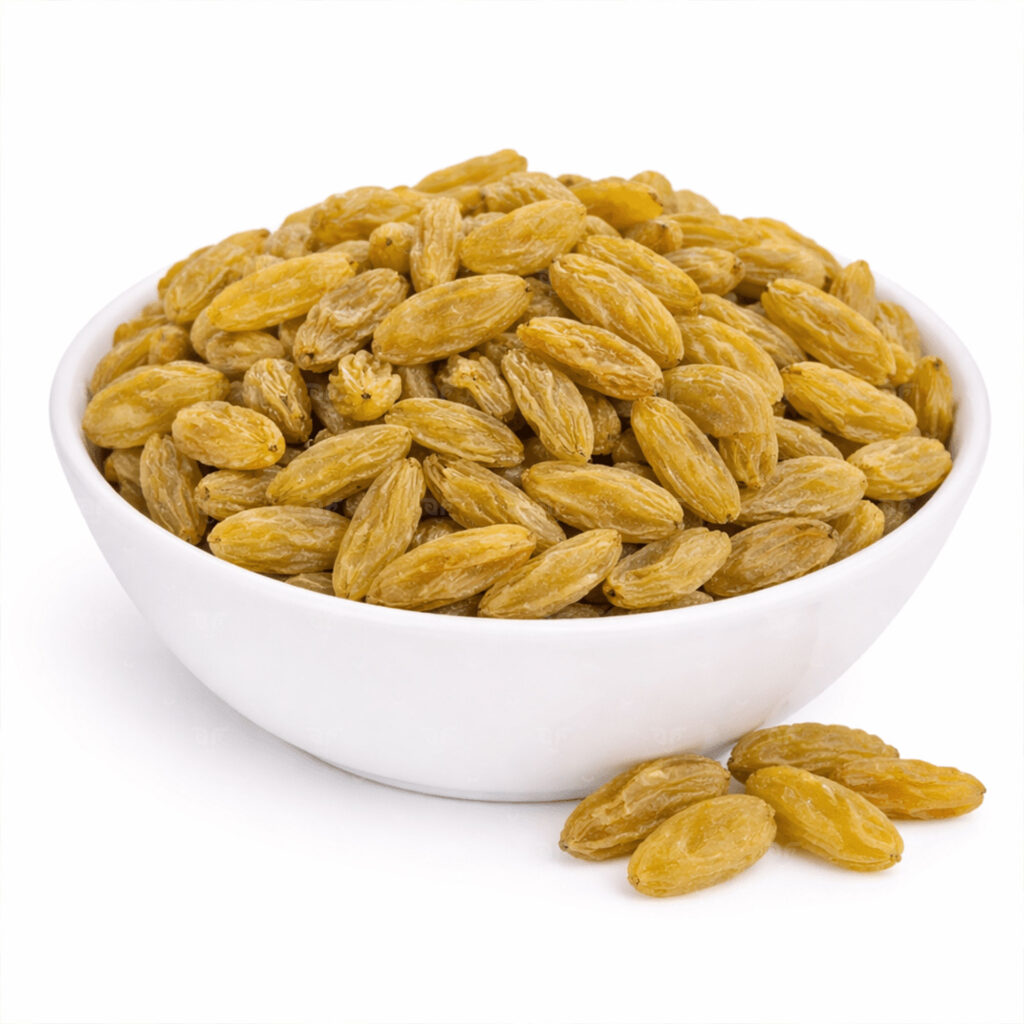
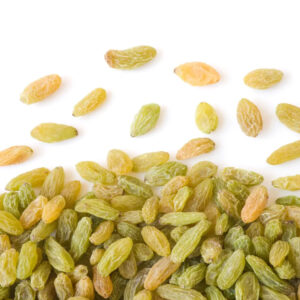
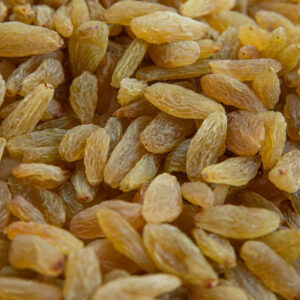
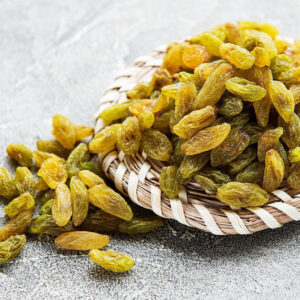
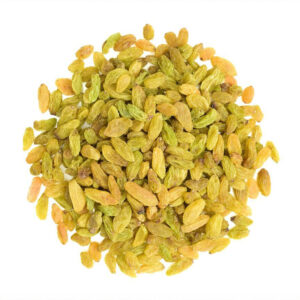
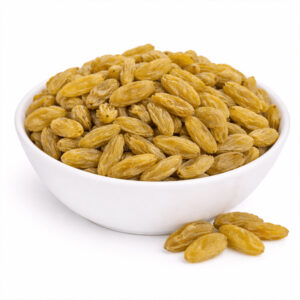
Green Raisins give dried-fruit products a clear visual identity. The Iranian long green type is closely associated with Kashmar and nearby parts of Razavi Khorasan, where sunny summers and dry harvest weather support grape cultivation and raisin production. These raisins are known for their narrow form, green to olive-green color, chewy flesh, and naturally sweet taste with a light tang. Their appearance makes them easy to distinguish from common dark raisins. They can be eaten as a snack or used in bakery products, cereals, confectionery, rice dishes, salads, and mixed dried-fruit packs.
For importers and food manufacturers, product consistency matters as much as flavor. Green Raisins may differ in origin, grape cultivar, size, moisture, seed status, color, drying method, and sulfur dioxide level. These factors influence their appearance, storage performance, and suitability for different uses. JAM Food Co. offers Green Raisins for international B2B trade, including wholesale distribution, retail packing, foodservice, and ingredient processing. A clear commercial specification allows buyers to compare available lots and select a product that fits their production process, target market, packaging format, and quality requirements.
A Short Glance at Green Raisins
Green Raisins are dried grapes that retain a pale green, yellow-green, greenish amber, or olive-green color after processing. The Iranian long type is commonly linked with Kashmar and is often made from Paykami or similar elongated seedless grapes. Their final appearance is shaped by the cultivar, grape maturity, drying environment, and any treatment applied before drying. An alkaline dip may be used to weaken the natural wax layer on the skin and speed up water loss. Some processors also use sulfur dioxide to reduce browning. The finished fruit is suitable for direct consumption and a wide range of sweet and savory food products.
Physical Characteristics of Green Raisins
Color, shape, texture, and flavor help buyers judge both quality and suitability. A well-prepared lot normally has a fairly even appearance and a clean grape flavor. Large differences in color, moisture, size, or softness can affect retail presentation and processing results.
- Color and Appearance:
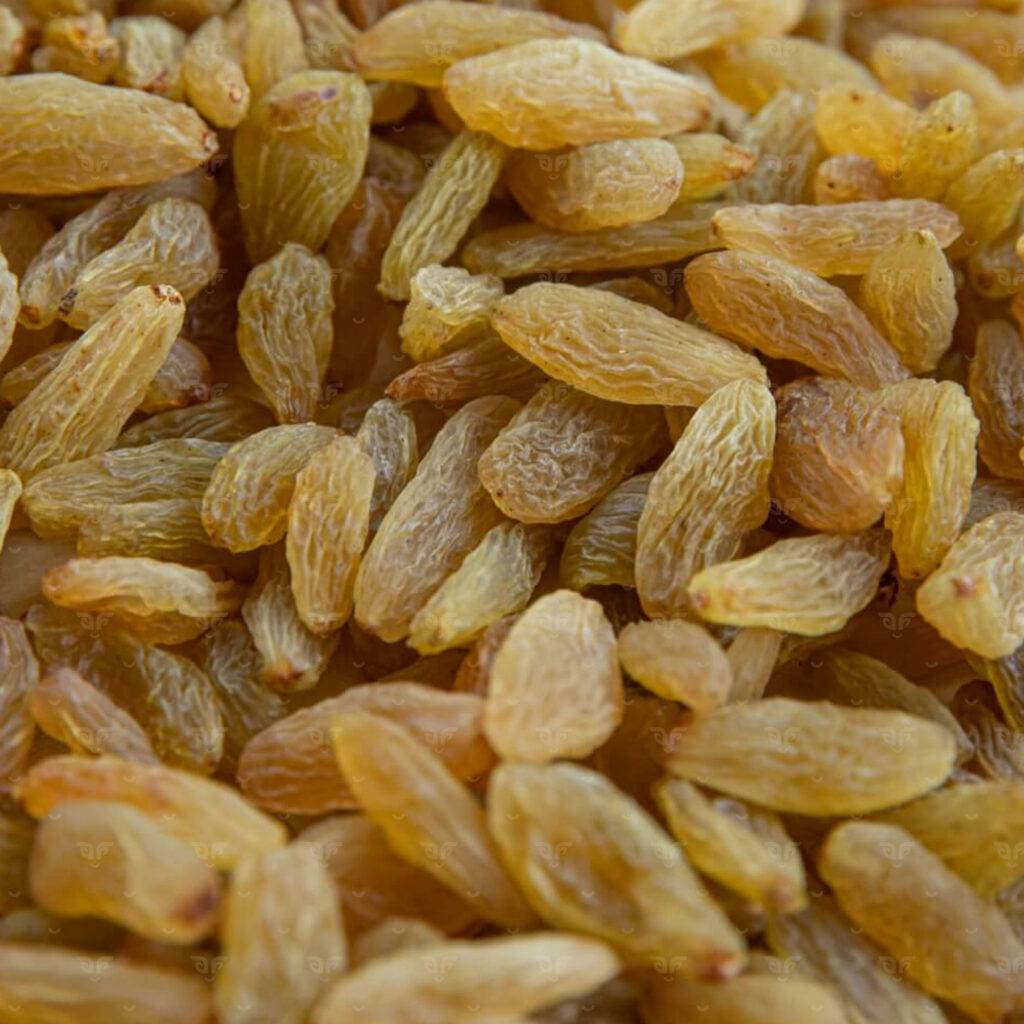
Green Raisins may appear pale green, yellow-green, olive-green, or greenish amber. Their surface is naturally wrinkled because drying removes most of the water from the grape. A consistent color is usually preferred. Heavy browning, black patches, visible mold, dirt, or a large number of damaged berries can reduce the commercial grade.
- Size and Shape:
Iranian Green Raisins are generally long and slender rather than short and round. Many commercial samples measure about two to three centimetres, although the exact length depends on cultivar and grade. Some buyers compare size by counting the number of raisins in 100 grams, which gives a more measurable basis than terms such as large or standard.
- Texture:
A good Green Raisin feels pliable, fleshy, and chewy. It should hold its shape without becoming hard, brittle, wet, or excessively sticky. The moisture level has a direct effect on texture. It can also influence sugaring, a natural condition in which visible sugar crystals form on the raisin surface during storage.
- Taste:
Green Raisins have concentrated grape sweetness with a mild acidic note. This balance gives them a fresher taste than some darker raisin styles. The flavor should remain clean and free from musty, fermented, smoky, chemical, rancid, or stale notes. Harvest maturity, drying time, storage temperature, and moisture all influence the final eating quality.
Nutritional Value and Health Benefits of Green Raisins
Green Raisins have a nutritional profile similar to other seedless raisins. A 100-gram portion generally provides about 299 kilocalories, 79 grams of carbohydrate, 65 grams of natural sugars, 4.5 grams of fibre, and 3.3 grams of protein. Raisins are naturally low in fat and contain potassium, calcium, iron, magnesium, phosphorus, and copper in different amounts. Their glucose and fructose provide concentrated energy, while fibre supports normal digestive function. They also contain polyphenols, which are plant compounds with antioxidant activity. Because drying concentrates both calories and sugar, moderate portions are more suitable than unrestricted consumption.
Growing and Harvesting Green Raisins
Green Raisin grapes perform well in areas with abundant sunlight, warm summers, and limited rainfall near harvest. Low humidity during ripening and drying helps control fungal growth and allows water to leave the grapes more evenly. Kashmar and nearby parts of Razavi Khorasan are known for producing the Iranian long green style. Vineyard work often includes pruning, irrigation, pest management, and canopy control. Canopy control means arranging leaves and shoots so grape bunches receive suitable light and airflow. Soil, water supply, weather, vine age, and crop load can all influence berry size, sugar content, and final raisin yield.
- Climate Conditions:
Warm days and strong sunlight support grape ripening and sugar formation. Dry conditions near harvest lower the risk of cracking, decay, and delayed drying. Good airflow also helps keep bunches healthy. Frost, hail, heavy rain, or extreme heat may damage flowers, leaves, berries, or developing fruit and reduce the final crop quality.
- Soil Requirements:
Grapevines need soil that drains well because long periods of waterlogging can damage their roots. Loam and sandy loam soils are often suitable when fertility and irrigation are managed correctly. Soil pH, salinity, organic matter, rootstock, and irrigation-water quality may influence vine growth, berry development, and productivity.
- Major Growing Regions:
Kashmar and surrounding grape-growing areas in Razavi Khorasan have a strong connection with Iranian long Green Raisins. Other parts of Iran also produce large raisin volumes, although they may use different cultivars, drying methods, and commercial styles. Regional identity is therefore an important item in a detailed product specification.
Harvesting Season of Green Raisins
Harvesting in the Kashmar area normally takes place in late summer or early autumn, with much of the work occurring during September. The exact date changes with cultivar, vineyard location, temperature, rainfall, and berry maturity. Growers may measure soluble solids in degrees Brix to estimate the sugar level in the grapes. Early harvesting can produce smaller, firmer, and less sweet raisins. Waiting longer may improve sweetness, size, softness, and drying yield. Too much delay, however, increases the chance of decay, splitting, insects, fermentation, and rain damage. The best timing gives mature fruit while the berries are still sound.
Harvesting Process of Green Raisins
The process begins with selecting mature grape bunches and removing rotten, split, moldy, or poorly developed fruit. Bunches are picked carefully to limit crushing and contact with soil. Some grapes receive an alkaline pretreatment to speed up drying, while sulfur dioxide may be used to protect the lighter color. The fruit is then placed or hung in a covered, well-ventilated area. Once drying is complete, the raisins are conditioned so moisture becomes more even across the batch. Cleaning, destemming, sorting, grading, and inspection follow before packing. Each stage can affect color, softness, cleanliness, and storage performance.
Storage Guidelines and Durability of Green Raisins
Storage conditions influence the color, taste, texture, and usable life of Green Raisins. Warm temperatures can speed up browning and flavor loss, while excess humidity may cause stickiness, mold, or package damage. Very dry air can make the fruit harder if the packaging does not provide a suitable moisture barrier. Light and oxygen also contribute to color change over time. For commercial storage, the product performs best in a clean, dry, cool, and dark area. Packages should remain sealed and separated from wet surfaces, strong-smelling goods, insects, rodents, and direct heat.
Storage Conditions of Green Raisins
Commercial cold storage between about 0°C and 7°C offers good protection for dried fruit. Where refrigeration is unavailable, a stable cool warehouse is better than a room with large temperature changes. A relative humidity near 55% to 60% is a useful general range, with raisins stored closer to the lower end. Cartons should stand on clean pallets rather than directly on the floor. They also need space from wet walls and heat sources. After a package is opened, the remaining raisins should be transferred to a tightly closed container to limit moisture exchange and odor absorption.
Shelf Life of Green Raisins
Properly dried and unopened Green Raisins may retain acceptable commercial quality for about 12 months when stored in suitable packaging under controlled conditions. This period can change according to initial moisture, water activity, sulfur treatment, microbial condition, package barrier, light exposure, oxygen, temperature, and pest control. Water activity describes the amount of water available for microbial growth and chemical reactions. Stable storage helps reduce darkening, hardening, clumping, mold, and surface sugar crystals. The shelf-life period printed on a commercial pack should match the actual product, package, and storage conditions used for that shipment.
About JAM Food Co.’s Green Raisins
JAM Food Co. offers Green Raisins for wholesale distribution, retail programs, foodservice, and food manufacturing. Buyers can assess the product through agreed commercial details such as origin, cultivar, crop year, seed status, color, size, moisture, sulfur dioxide status, stem content, defects, packaging, and shelf life. These points allow importers to compare different lots on the same basis and choose raisins for direct packing, snack mixes, bakery, cereal, confectionery, or other applications. Clear product information also supports warehouse planning, label preparation, production trials, and inspection when the goods reach their destination.
JAM Food Co. as a Reliable Green Raisins Supplier
As a supplier of Green Raisins, JAM Food Co. serves B2B buyers who need a defined product for international trade. The purchase specification can cover the physical grade, treatment status, packing details, storage advice, and documents required for the destination. Buyers may also state their own limits for moisture, color variation, stems, damaged fruit, and foreign matter. This method keeps discussions focused on measurable requirements rather than broad quality terms. It also gives both sides a practical reference when reviewing samples, arranging orders, receiving shipments, and evaluating whether a lot suits its intended commercial use.
Packaging Green Raisins at JAM Food Co.
Packaging affects how Green Raisins arrive after warehousing, loading, and international transport. A suitable pack limits moisture transfer, keeps out foreign odors, and protects the fruit against dust, pests, crushing, and package damage. For orders placed with JAM Food Co., the selected format can be recorded in the commercial specification together with net weight, liner type, closure, label information, carton strength, and pallet arrangement. This gives the buyer a clear reference for receiving and handling the shipment. The most suitable pack depends on the destination, storage period, distribution method, and whether the raisins will be repacked or used as an ingredient.
- Bulk Packaging Capabilities:
Bulk Green Raisins are commonly placed in strong wholesale cartons or other suitable outer containers. A food-contact inner liner can reduce moisture movement and protect the fruit from contamination and surrounding odors. The net weight, carton dimensions, liner material, and stacking limit need to match the buyer’s warehouse equipment, production volume, and manual handling conditions.
- Preservation and Sealing Techniques:
A secure closure helps maintain texture and cleanliness throughout transport and storage. Moisture-resistant liners are widely used in the dried-fruit trade. Vacuum sealing and modified-atmosphere packaging may also be selected for certain products and distribution systems. Modified atmosphere means adjusting the gases inside the pack to slow quality changes and support longer product stability.
- Private Labeling and Retail Packaging:
Retail Green Raisins may be sold in smaller sealed pouches designed for shelves, online orders, or foodservice portions. A business working with JAM Food Co. as a provider of Green Raisins can define the required pack details in its order, including pouch size, label language, barcode, ingredient statement, storage advice, and destination-market declarations.
- Export-Ready Palletization:
Palletized cartons need a stable stacking pattern that reduces movement and pressure during loading, sea freight, and warehouse handling. Clean pallets, stretch wrapping, corner support, and careful container placement can help protect the load. Buyers using JAM Food Co. as an exporter of Green Raisins can include pallet dimensions, load height, carton count, and handling marks in the shipping specification.
HOW CAN JAM GROUP HELP YOU?
Send us a message and our friendly team will get back to you within one business day.




