










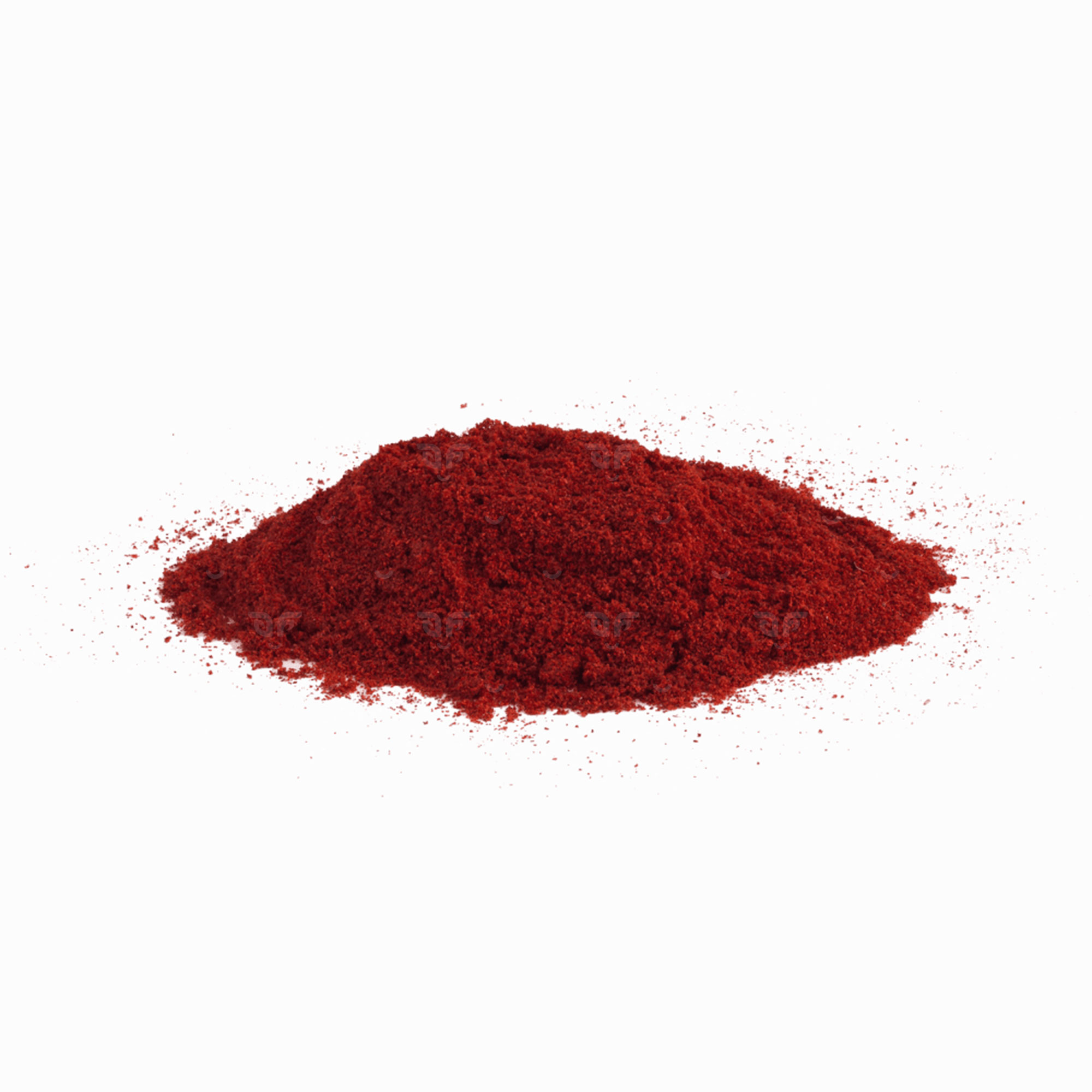

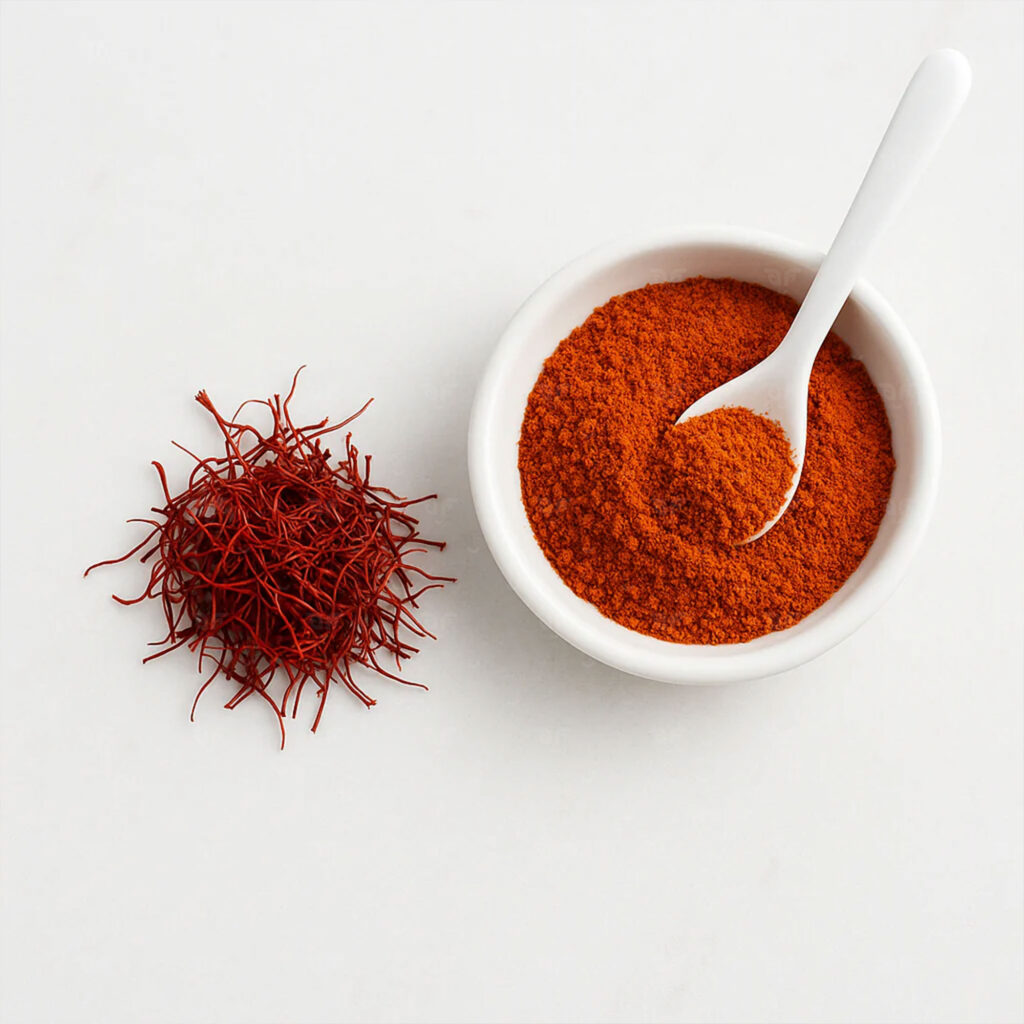
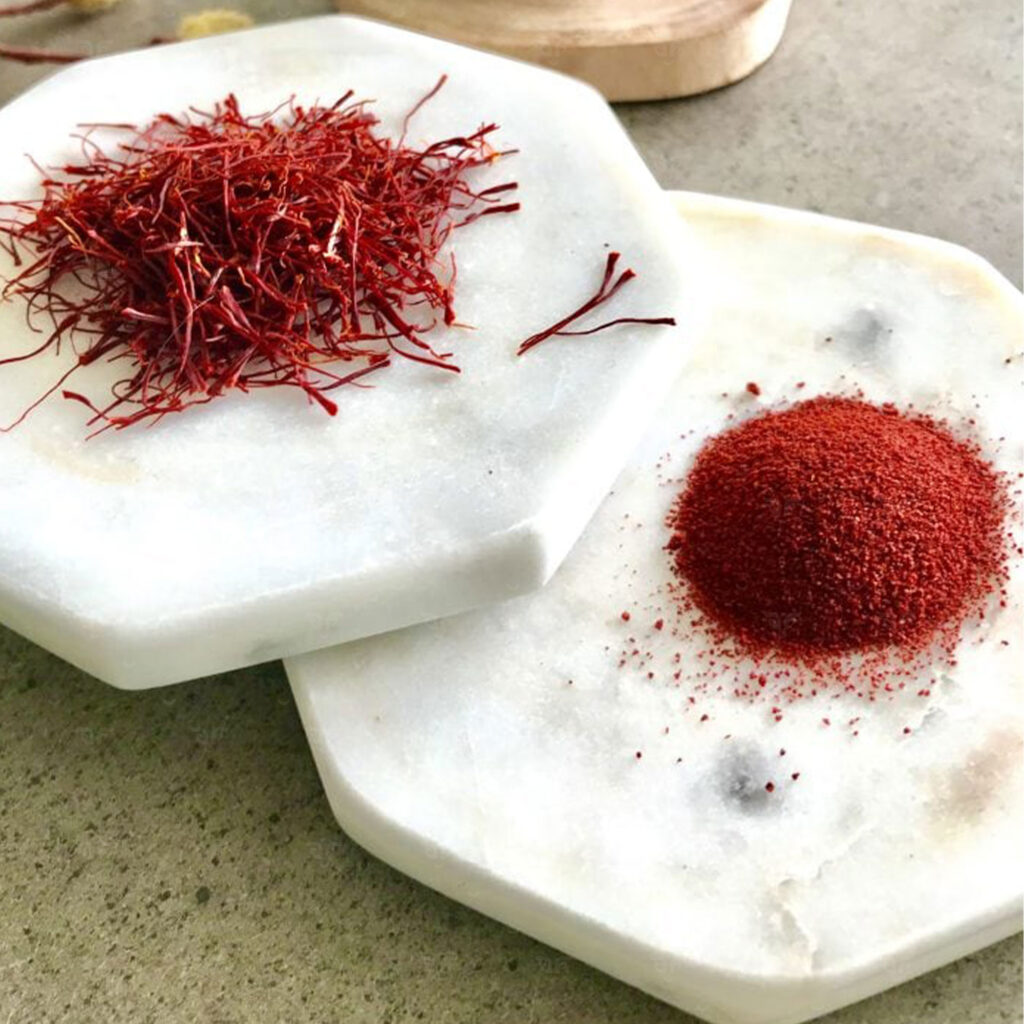
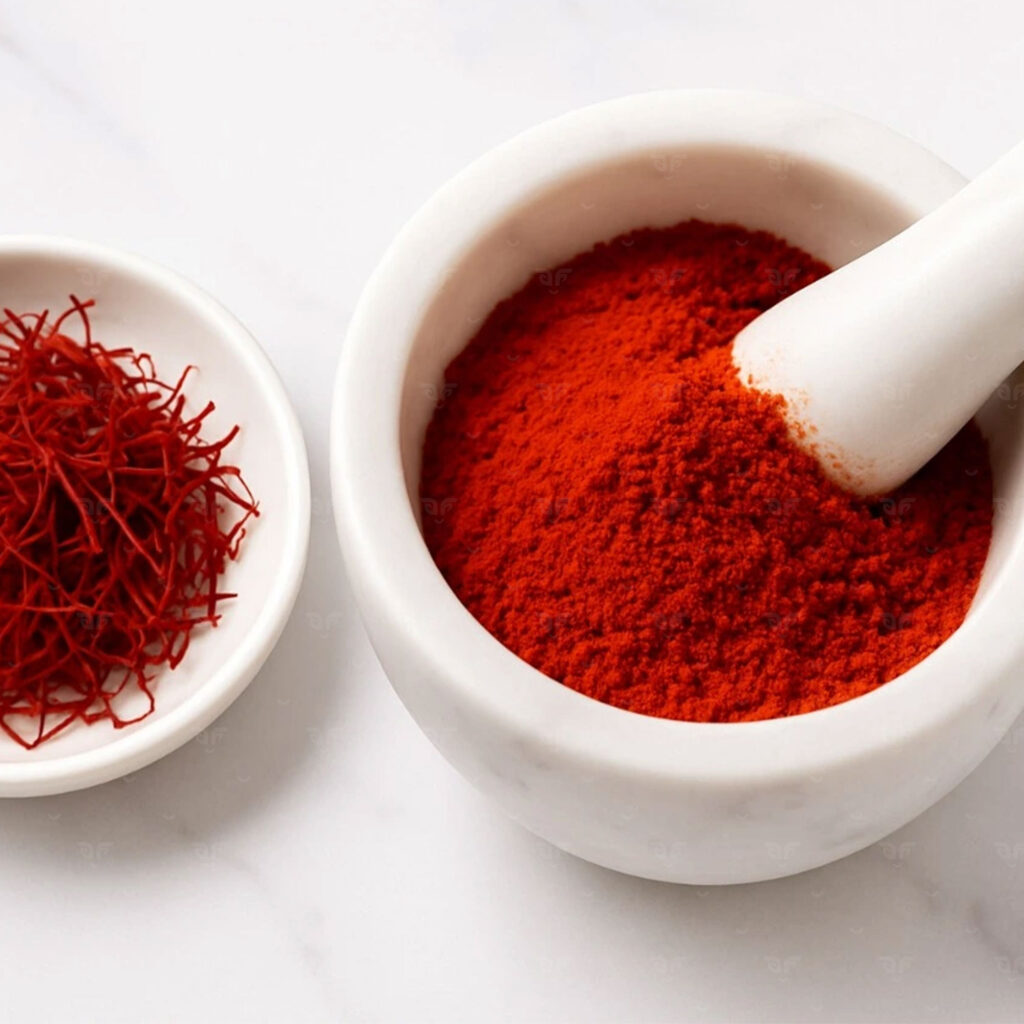
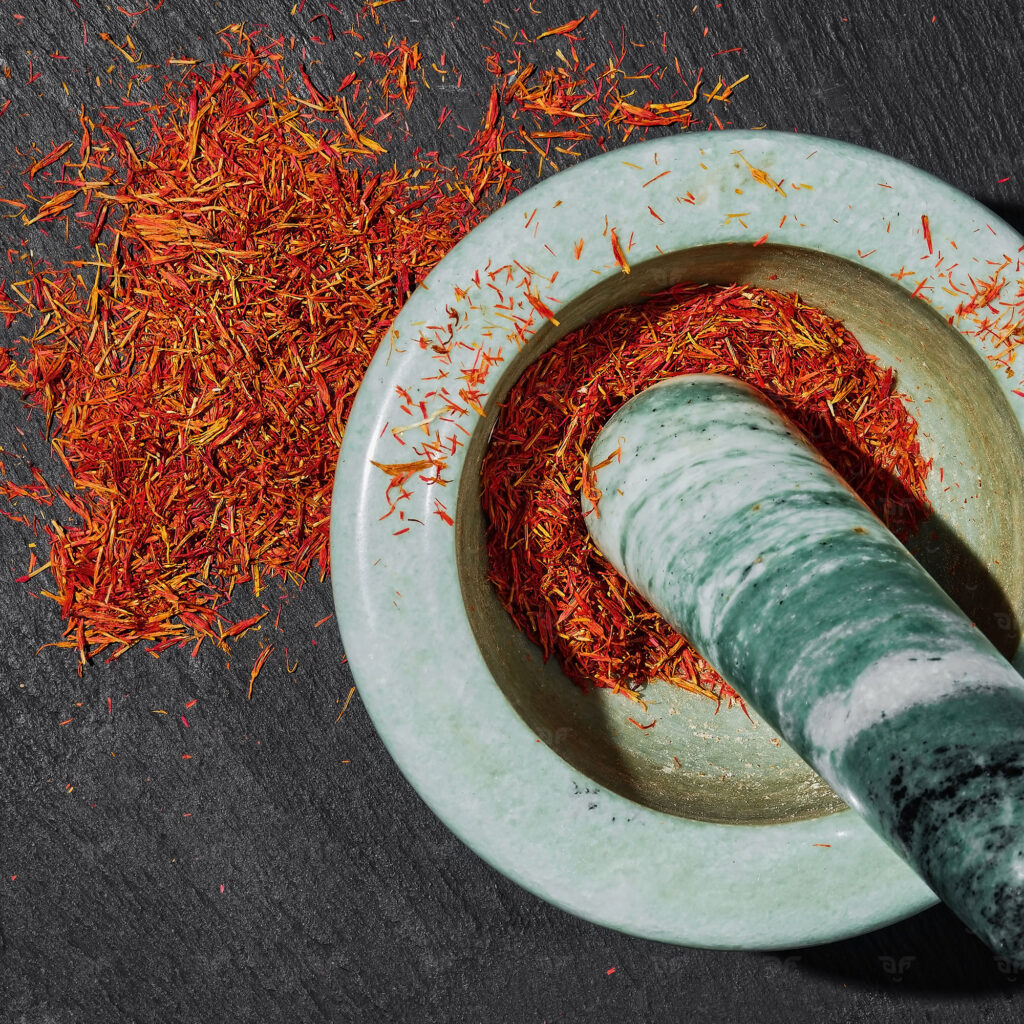
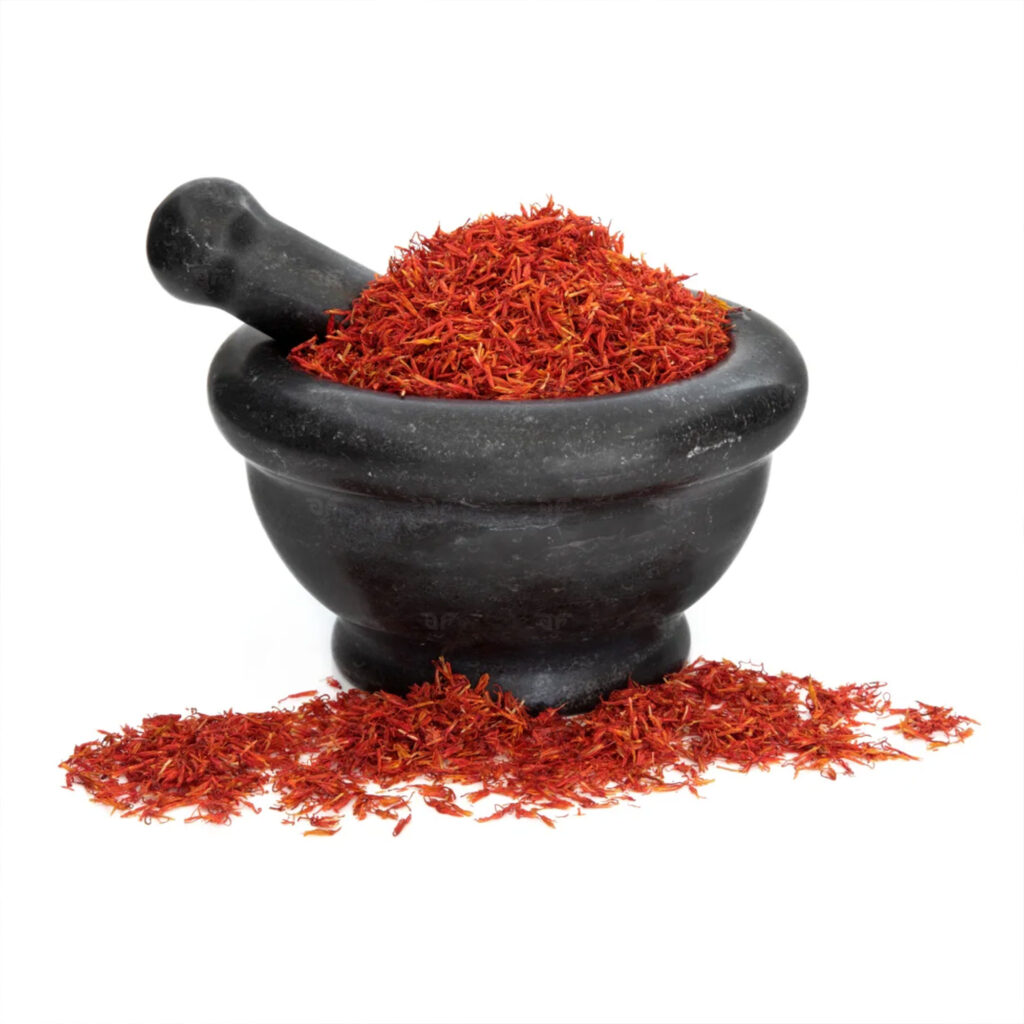
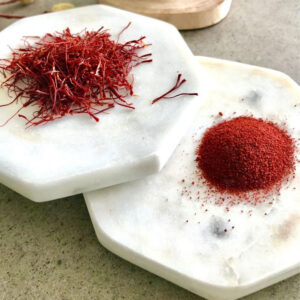
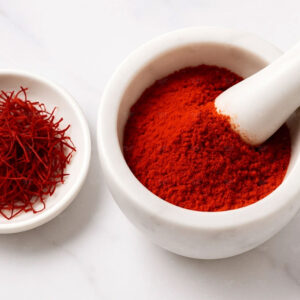
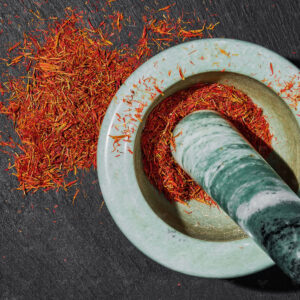
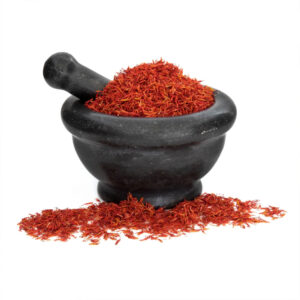
Saffron powder is the finely ground form of Crocus sativus stigmas, taken from flowers that bloom briefly each autumn. By reducing the dried threads to a uniform dust, growers transform saffron’s vivid color, aroma, and flavor into a product that is easy to measure and dissolve in food and drink. The powder keeps the natural chemicals (crocin, picrocrocin, and safranal) responsible for golden hue, gentle bitterness, and warm scent. Chefs and home cooks prefer it when they need steady shades and taste in large‑scale recipes, baking, or quick infusions without extra grinding or soaking. In this article, we are going to explore the characteristics of this saffron variety and explain its applications. Keep reading and find out more.
JAM Food Co., based in Iran, works closely with growers in Khorasan to select, mill, and pack premium saffron powder for global customers. The company follows strict quality programs, examining each batch for purity, color strength, and moisture before it enters stainless‑steel mills operated under low heat to protect aroma. Vacuum sealing in light‑proof tins then shields the delicate spice from air and humidity during transport. This disciplined approach, together with reliable logistics and export licenses, has made JAM Food Co. a trusted partner for confectioners, spice traders, and food producers across Europe, the Middle East, and East Asia.
A Short Glance at Saffron Powder and its Properties
Saffron powder is an all‑natural spice obtained by carefully grinding dried red stigmas of the Iranian saffron crocus until they pass through a fine mesh. Unlike coarse threads, the powder disperses instantly in water, or oil, giving an even golden tone and subtle sweet‑earthy flavor with each stir. It allows kitchens to scale recipes with precision because a measured gram delivers the same coloring power every time. Beyond cooking, laboratories and cosmetic firms value the consistent particle size when extracting antioxidants or fragrance compounds. Because the grinding increases surface area, the powder should be stored with care to guard against light, moisture, and strong smells.
Physical Characteristics of Saffron Powder
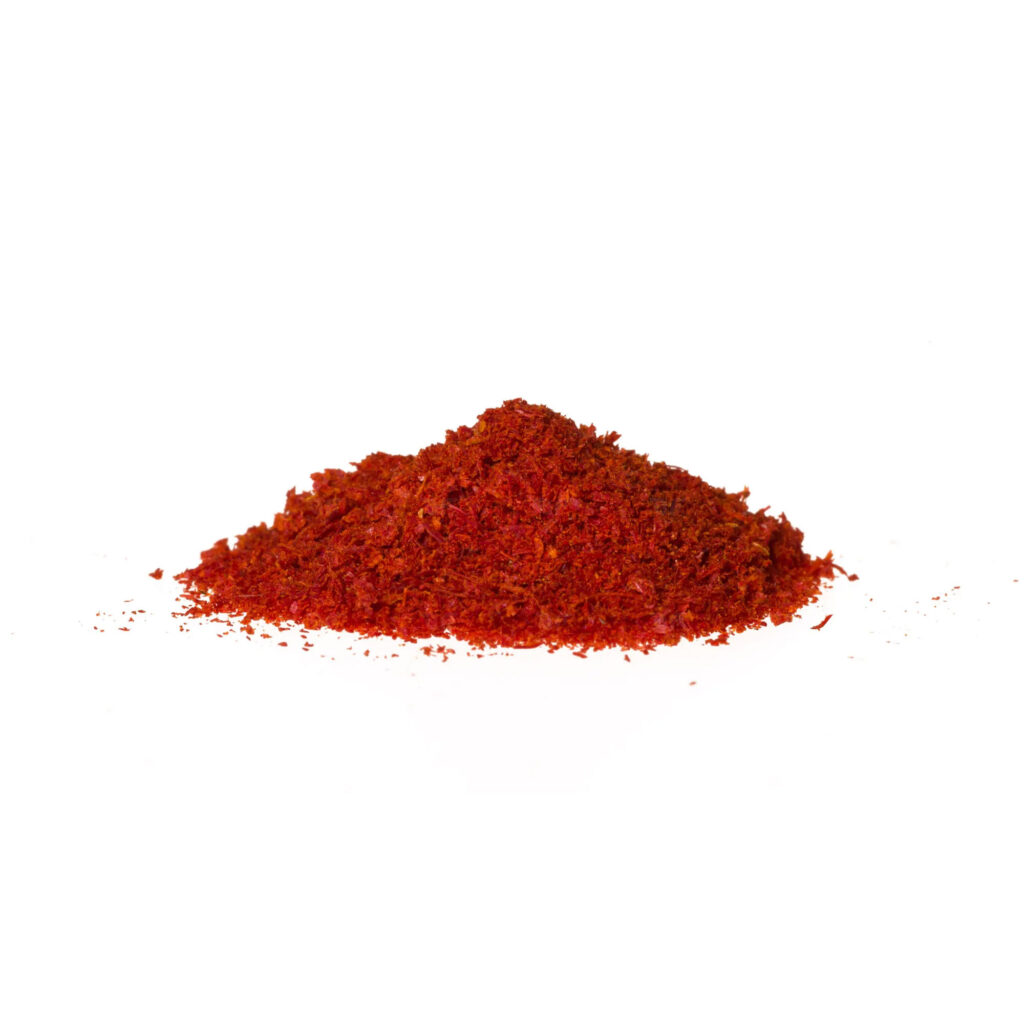
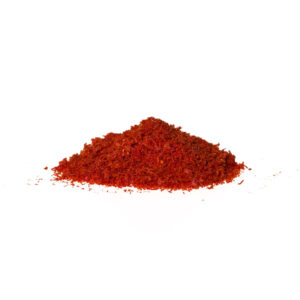
The physical traits of saffron powder stem from the flower parts selected, the drying curve, and the milling method. High‑grade powder has a bright red‑orange tone, a silk‑like mouthfeel, and no grit or foreign plant matter. Each trait signals how much of the key crocin pigment and volatile oils remain intact, guiding cooks and inspectors alike. By looking at color depth, texture, and cleanliness, buyers can judge whether a lot will yield the expected hue and scent in their spice blends, desserts, or medicinal formulations.
- Composition:
The powder is made solely from the stigmas of Crocus sativus, excluding yellow styles, petals, or fillers. Careful sorting ensures a high concentration of crocin and safranal, giving strong coloring and a deep floral note even in small servings.
- Particle Size:
After low‑impact milling with stainless blades, particles average under 150 microns, small enough to disperse instantly yet large enough to avoid drifting off as dust during handling. This consistency means bakers and beverage makers gain the same color gradient in every batch without visible specks or sediment.
- Color Quality:
Premium powder shows a rich carmine tone that turns vivid yellow‑gold when hydrated. Laboratory readings often exceed 250 units of crocin, a figure that predicts how brightly the spice will tint rice, cream, or confectionery without adding excessive bitterness.
- Cleanliness and Purity:
Well‑screened saffron powder contains less than 0.1 % extraneous matter by ISO 3632 standards. Producers pass the milled spice through magnets, air classifiers, and optical sorters to remove dust, plant debris, and metal fragments, securing food‑grade safety certificates.
- Shape and Curvature:
Although milling removes the natural taper of each stigma, the resulting particles display irregular, slightly angular edges when examined under a lens. These micro‑facets enlarge surface area, encouraging faster pigment release and tight binding with sugars, fats, or starches in complex recipes.
- Gloss or Texture:
Fresh saffron powder feels silky and dry, with no caking. Its matte look indicates low moisture, while a faint sheen suggests the presence of aromatic oils that cling to each particle, hinting at recent grinding and minimal oxidation.
Aroma, Taste, and Chemical Properties of Saffron Powder
Saffron powder carries the same signature flavor and fragrance as whole threads but releases them more rapidly because the cell walls are broken. When warm liquid meets the spice, volatile safranal rises at once, giving a honeyed, hay‑like aroma that signals quality. Picrocrocin follows with a mild bitterness that balances sweet or fatty components, while crocin paints dishes a golden hue loved worldwide. Knowing these sensory and chemical factors helps cooks decide the right dose and timing so the final dish tastes layered rather than overpowering.
- Flavor Profile:
The initial impression is delicately sweet, soon joined by a pleasant, tea‑like bitterness, and rounded with earthy echoes of hay and dried fruit. The layered taste lets the powder lift the flavor of rice, seafood, poultry, and custards without drowning their native character.
- Aroma Strength:
Freshly milled powder emits a confident yet refined bouquet that becomes noticeable even before a sealed jar is fully opened. Dropped into hot water, a single pinch perfumes the kitchen within seconds, proof of potent volatile oils preserved during gentle drying and milling.
- Bitterness and Flavor Intensity:
The bitterness is moderate, registering lower than the raw threads because surface exposure lets some harsh notes dissipate during storage. This moderation means chefs can add larger quantities for deeper color without making a dish unduly sharp.
- Chemical Composition:
Laboratory assays often find crocin values above 250, picrocrocin between 70 and 90, and safranal exceeding 45, all benchmarks for ISO category I. These molecules, accompanied by minor flavonoids and minerals like potassium and iron, combine to produce saffron powder’s vivid color, balanced taste, and inviting aroma.
Key Advantages of Saffron Powder
Saffron powder offers several clear advantages over whole threads when consistency and speed matter. Because each gram delivers the same pigment and flavor load, food factories and small bakeries alike can standardize recipes without pre‑soaking or grinding steps, trimming labor and cleaning time. The powder dissolves instantly, avoiding specks in delicate pastries or beverages. Its compact form packs tightly, reducing freight expenses and warehouse space. Furthermore, vacuum‑sealed powder keeps active compounds stable for up to two years, so buyers can maintain safety stock without rushing frequent reorders.
Growing and Harvesting Saffron Powder
Although saffron powder is a processed form, its quality starts in the crocus fields. The crocus thrives in dry summers, cold winters, and well‑drained calcareous soils found in parts of Iran, Spain, Greece, and the Kashmir valley. Farmers plant corms in late summer, let them rest through the heat, and rely on gentle autumn rains to trigger flowering. Droplet irrigation, hand weeding, and organic pest control keep the fragile blooms healthy until harvest, laying the foundation for potent stigmas that will later be milled.
- Climate Conditions:
Ideal saffron fields experience hot, dry summers exceeding 30 °C, which bake the corms and prevent fungal growth, followed by cold winters down to −10 °C that give the plants a dormancy period. Autumn should bring mild days and low humidity so flowers open fully without mold.
- Soil Requirements:
Crocus sativus prefers loose, sandy‑loam soils rich in organic matter, with pH between 6.5 and 8.0. Good drainage is essential because standing water rots the corms. Growers often raise beds and mix in aged manure to boost fertility and structure.
- Major Growing Regions:
Iran supplies over 80% of global saffron, especially from Khorasan province. Spain’s La Mancha plateau, India’s Kashmir valley, Greece’s Kozani area, and Morocco’s Taliouine region also cultivate the spice, each offering subtle differences in crocin and safranal levels.
Harvesting Season of Saffron Powder
Saffron flowers bloom for only two to three weeks, usually between late October and mid‑November, depending on latitude and elevation. Farmers rise before dawn because the tiny purple blossoms must be plucked while still closed; once sunlight hits, petals spread and the red stigmas can break or darken. Harvest timing is crucial: collecting at full, but not overripe, maturity preserves maximum crocin and safranal, which later influence the powder’s color and aroma. A field may be picked every day during peak bloom to secure uniform quality.
Processing of Saffron Powder
After collection, workers spread the flowers in shaded rooms and gently strip out the three crimson stigmas by hand, discarding petals and yellow styles. The fresh strands then go onto mesh trays for dehydration over low, indirect heat, often charcoal or electric airflow kept under 60 °C. This slow drying locks in volatile oils while reducing moisture to below 12 %. Once cooled, the fragile threads enter stainless‑steel mills equipped with nitrogen blankets that limit oxidation during grinding. Finally, sieving and metal detection prepare the powder for vacuum packing.
Storage Guidelines and Durability of Saffron Powder
Because milling enlarges surface area, saffron powder is more vulnerable to light, heat, and oxygen than intact threads. To protect quality, manufacturers pack the spice in foil‑lined pouches, tins, or amber glass jars flushed with nitrogen. Retailers and end users should keep containers in a cool, dark cupboard away from strong odors like coffee or curry. Proper handling maintains peak crocin and safranal for many months, ensuring that dishes made near the end of shelf life still show vibrant color and aroma.
Storage Conditions of Saffron Powder
Ideal storage combines cool temperature, darkness, and low humidity. Kitchens should place sealed tins in a cupboard far from ovens, dishwashers, or steaming kettles. Industrial users often stack vacuum‑packed one‑kilogram bags inside climate‑controlled rooms kept around 15 °C with desiccant packs and data loggers tracking humidity. Each opening should be brief and tools scrupulously dry, because even small droplets settle on the fine particles and cause clumping and microbial risk. After scooping, expel excess air and tighten lids to slow oxidation and aroma loss.
Saffron Powder Shelf Life
Under the recommended conditions, saffron powder retains acceptable color and aroma for about 24 months from milling. Laboratory surveillance shows crocin may drop around 10 % after one year, a decline most cooks will not notice, while safranal remains stable somewhat longer. However, exposure to sustained heat or moisture can cut shelf life in half, so small, frequent purchases are advised for operations without climate‑controlled rooms. Clear labels showing milling and packing dates help staff rotate stock and use older batches first, preventing waste.
About JAM Food Co.’s Saffron Powder
JAM Food Co. manages the entire route from field to finished powder, working with contract farmers who cultivate ISO‑certified blossoms free from pesticides. The company owns drying facilities equipped with infrared heaters and HEPA‑filtered airflow, delivering uniform dehydration within hours of harvest. A dedicated in‑house laboratory checks each lot for moisture, crocin index, microbial counts, and traces of synthetic dyes. By controlling every stage, JAM Food Co. aligns batch specifications with the needs of pastry shops, dairy plants, and nutraceutical firms that demand predictable strength and clean labels.
JAM Food Co. as a Reliable Saffron Powder Supplier
Reliability at JAM Food Co. begins with transparent sourcing. Each shipment carries origin documentation, ISO 3632 lab results, and full traceability down to individual farmer contracts. Clients value the company’s multilingual support team, which arranges export permits, halal and kosher certificates, and door‑to‑door refrigerated logistics when needed. Regular audits by third‑party inspectors and real‑time camera monitoring keep quality systems accountable and visible. Consequently, repeat buyers receive consignments that mirror earlier lots in color, aroma, and microbiological safety, eliminating extra recipe tests and saving time.
Packaging Saffron powder at JAM Food Co.
Safeguarding the intense aromatic profile and fine texture of saffron powder across long distances demands highly exact logistical planning. Employing the right protective enclosures is an absolute requirement to maintain the product’s flavor strength, vivid coloration, and overall physical stability while shipping globally. Our team at JAM Food Co. takes this phase incredibly seriously. We implement advanced industrial packing technology alongside premium food-grade barrier materials. This methodical strategy ensures every single shipment flawlessly meets strict international border requirements. By completely isolating the spice from external elements, we guarantee the powder reaches your commercial kitchen possessing the exact same potency it held on the day of milling.
- Bulk Packaging Capabilities:
For high-volume manufacturing clients, we supply bulk shipments typically configured in weights from 1kg up to 5kg. Given the extreme density and value of the spice, these specific weights are ideal. The primary outer layers consist of reinforced corrugated cartons and heavy-duty protective drums. These resilient outer shells guard the internal contents against heavy stacking pressure and sudden impacts during ocean or air transit.
- Preservation and Sealing Techniques:
To stop the loss of volatile essential oils, our facility relies heavily on vacuum sealing technology combined with specialized moisture-proof inner liners. Removing ambient air and utilizing modified atmosphere packaging prevents oxidation entirely. These tight barriers extend the spice’s lifespan significantly while blocking all possible contamination routes. Your inventory remains completely safe from unwanted moisture or pest intrusion.
- Private Labeling and Retail Packaging:
We gladly support brand owners looking for direct-to-consumer formats through our extensive OEM and private label services. You can select smaller retail-ready pouch options or premium glass vials customized to your specifications. Our facility offers detailed design printing and high branding flexibility for B2B clients. We help transform raw ingredients into beautifully packaged, shelf-ready merchandise.
- Export-Ready Palletization:
Before dispatch, our warehouse staff meticulously arranges the master cartons into stable configurations on solid export pallets. The entire load is heavily wrapped in thick stretch film and secured with industrial strapping. This calculated preparation prevents shifting and transit damage, efficiently uses available shipping container space, and strictly aligns with international customs regulations at destination ports.
HOW CAN JAM GROUP HELP YOU?
Send us a message and our friendly team will get back to you within one business day.




