










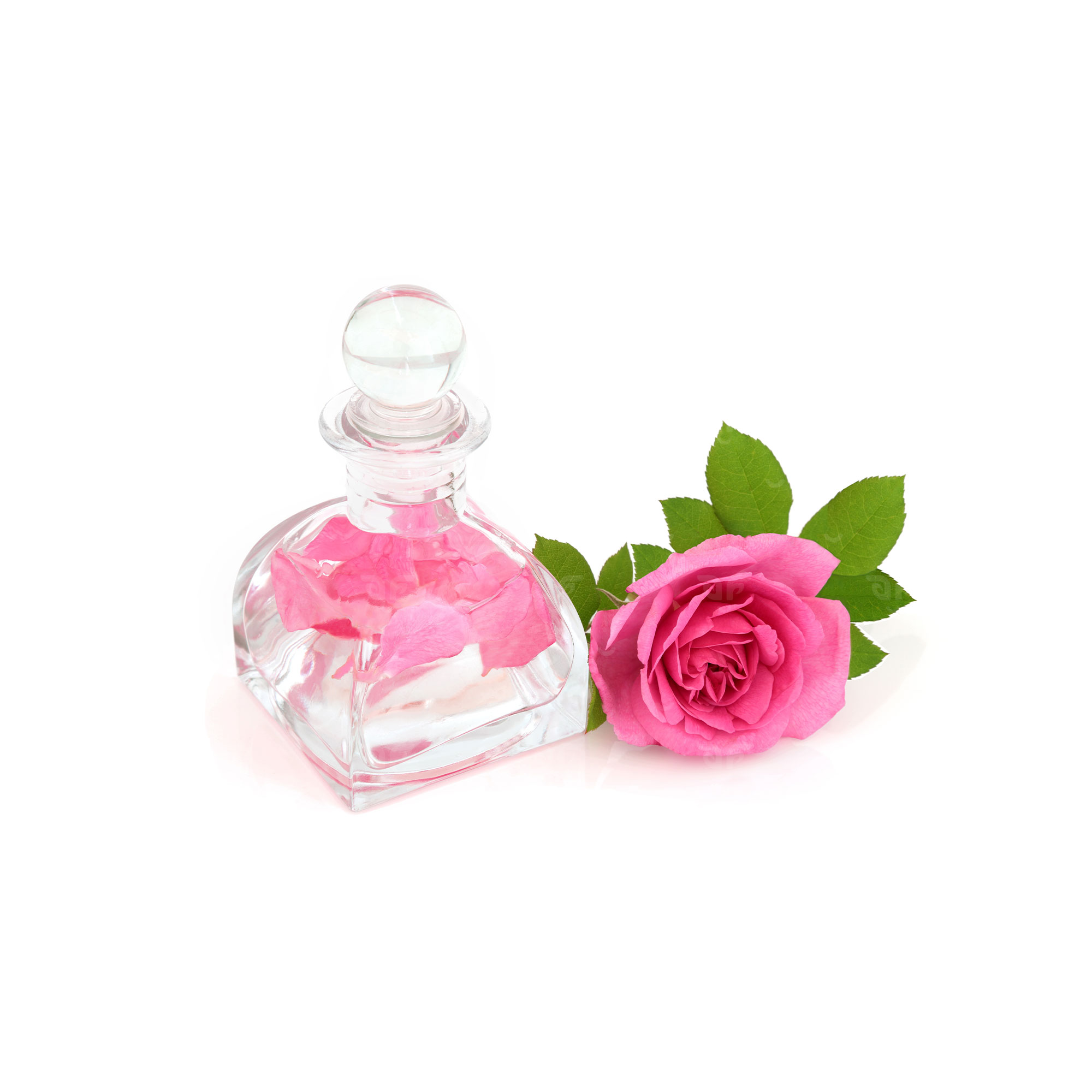



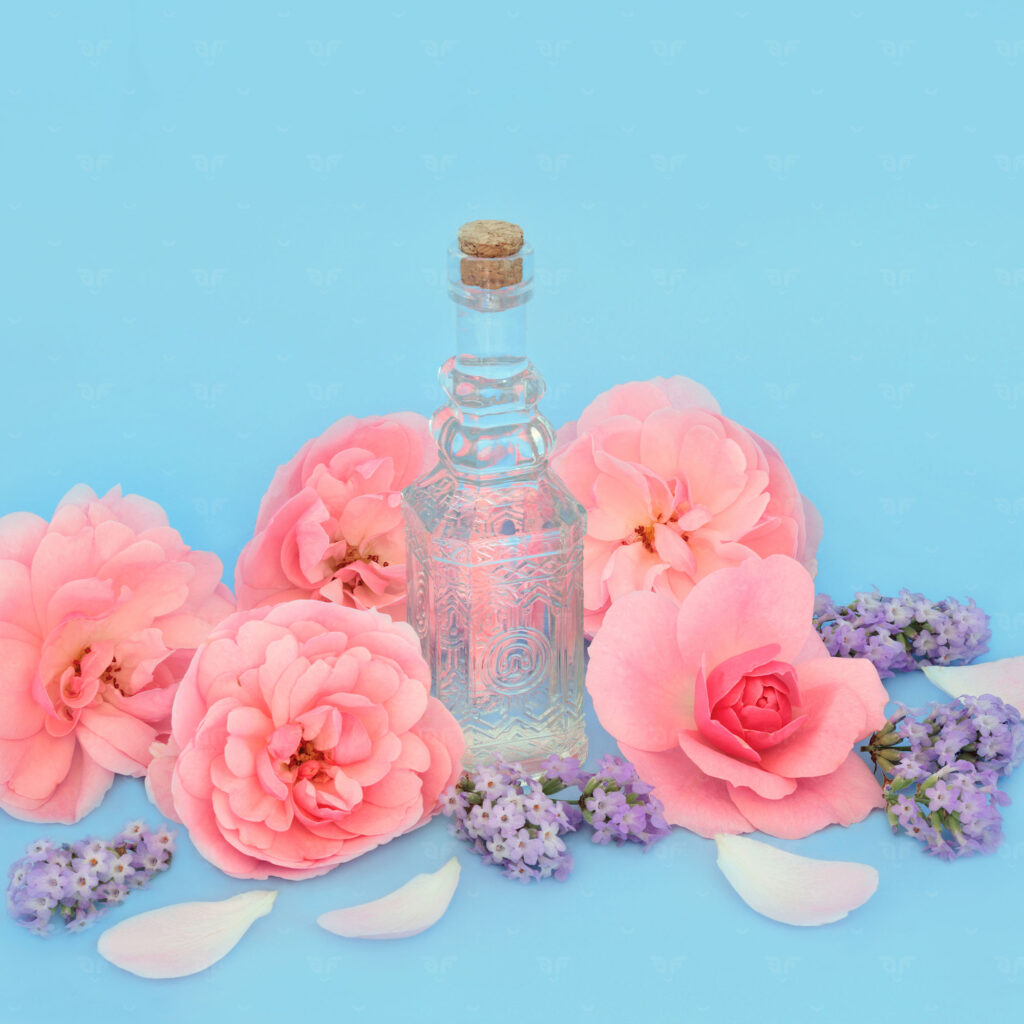



Rose Water is an aromatic liquid used to give foods and beverages a distinctive floral character. Commonly associated with the distillation of Damask rose flowers, it appears in confectionery, baked goods, dairy desserts, syrups, drinks, and traditional recipes across several regional cuisines. Products sold under this name can differ in botanical source, production method, concentration, and ingredients. Commercial buyers need to understand these differences when comparing samples, reviewing specifications, or selecting Rose Water for a formulation. This article covers the product characteristics and purchasing factors that matter in professional food applications. The following sections explain the production, evaluation, packaging, storage, and commercial selection of Rose Water.
Choosing a dependable international supplier matters when aroma consistency, packaging, documentation, and delivery can affect production. JAM Food Co. is a reliable international supplier of Rose Water, serving B2B buyers with different food applications and purchasing requirements. The company works with customers to understand their quality expectations, specifications, packaging needs, order volume, destination, and documentation requirements. This gives importers, distributors, manufacturers, and food-service businesses a clear basis for planning each purchase.
A Short Glance At Rose Water
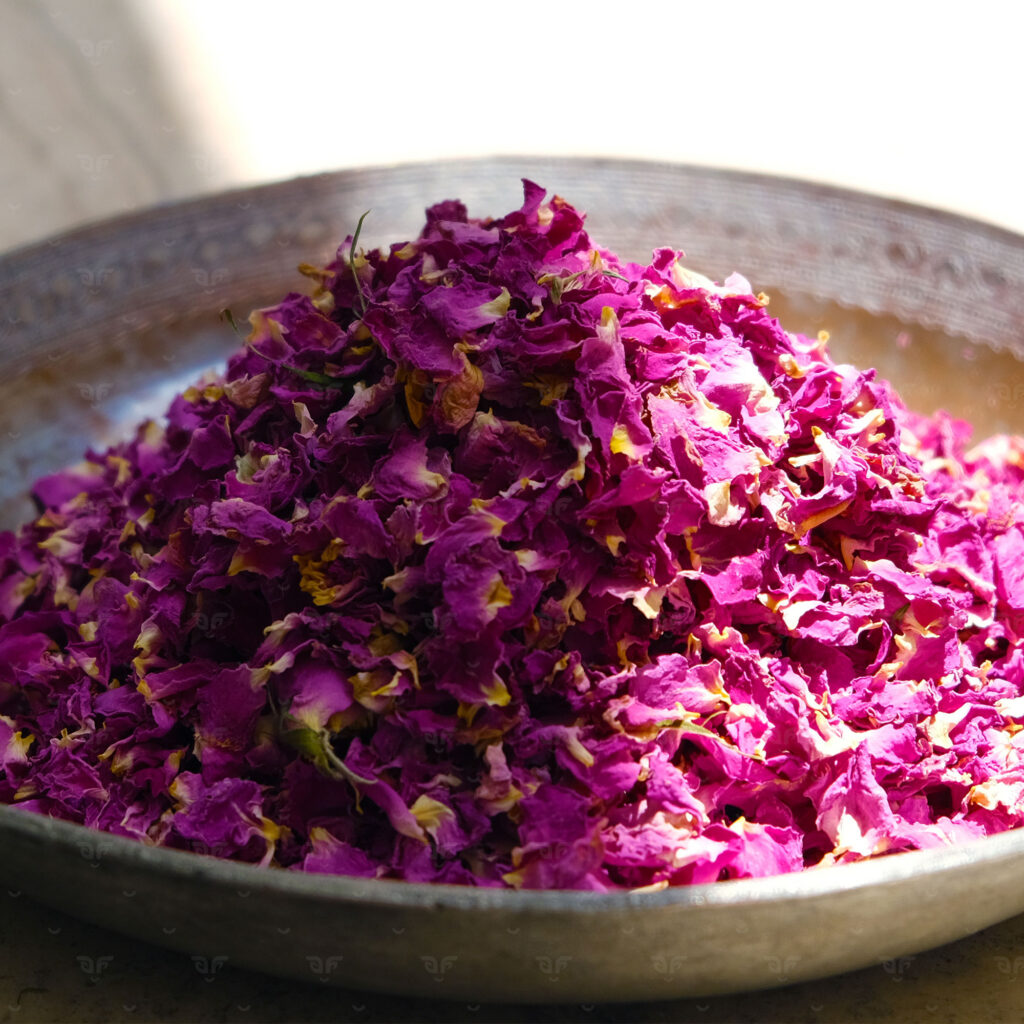
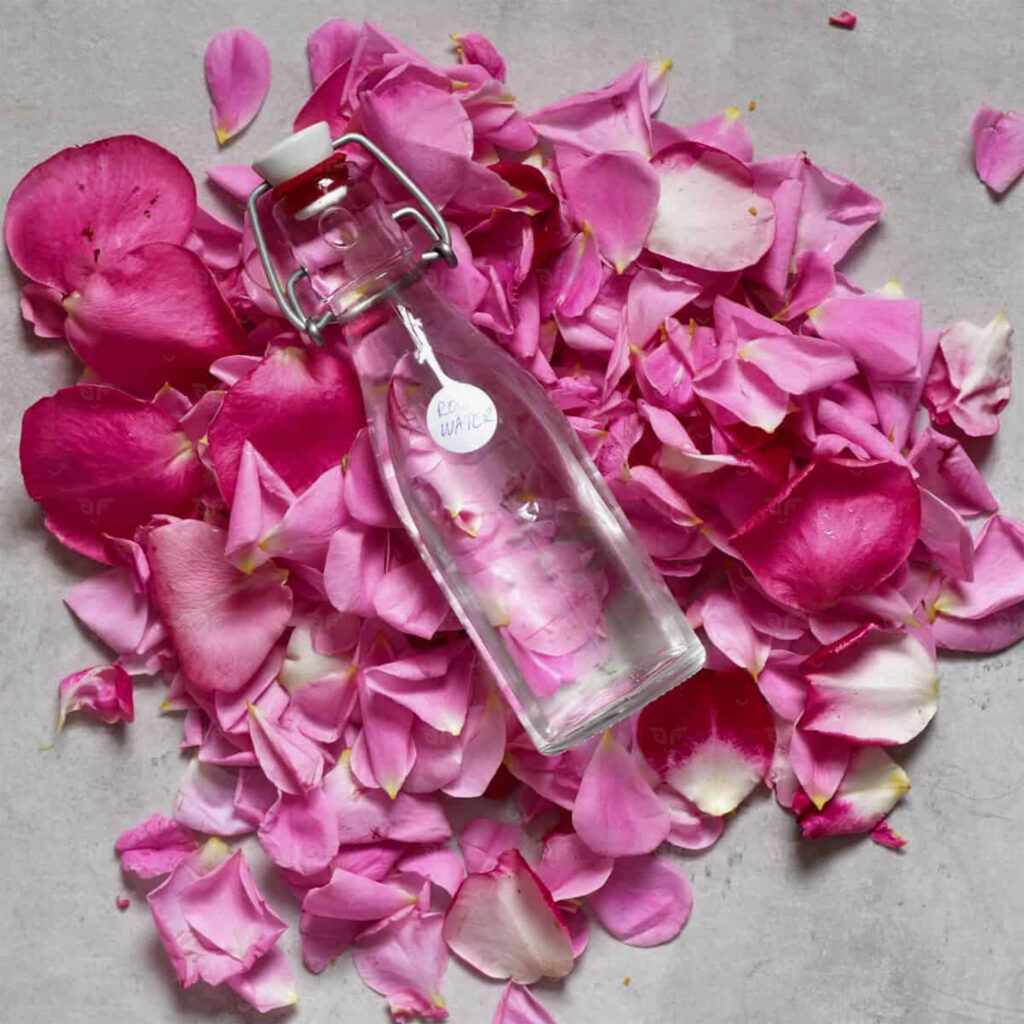
Rose Water is an aromatic aqueous product made from rose flowers, most often those of Rosa damascena, or Damask rose. Traditional production involves hydrodistillation or steam distillation, during which fragrant compounds from fresh flowers pass into condensed water. Commercial products may also include reconstituted formulations made by combining water with rose oil, flavor, essence, or other ingredients. These distinctions affect sensory strength, ingredient declarations, and suitability for different uses. In food production, Rose Water is primarily valued as a flavoring for sweets, drinks, dairy products, bakery items, and specialty recipes.
Appearance Clarity Mouthfeel And Flavor Of Rose Water
The physical and sensory profile of Rose Water helps buyers compare samples and monitor consistency between deliveries. Assessment should follow an agreed specification because botanical material, distillation conditions, formulation, and storage can all influence the liquid’s appearance, aroma, mouthfeel, and flavor intensity.
- Color And Appearance:
Rose Water is generally clear and colorless or very pale, depending on its formulation and processing. Unexpected cloudiness, sediment, pronounced discoloration, or visible separation may indicate a quality change. Permitted variations, including the possible presence of small oil droplets, should be defined in the product specification rather than judged by appearance alone.
- Physical Form And Uniformity:
As a liquid ingredient, Rose Water has no meaningful size or shape. Buyers should instead examine its homogeneity and behavior in the container. The product should match the agreed description for uniformity, flow, and visible separation. Differences may result from added ingredients, concentration, temperature, storage conditions, or the preparation method.
- Texture And Mouthfeel:
Culinary Rose Water typically has a light, water-like mouthfeel when tasted at an appropriate dilution. Noticeable thickness, coating, or residue can indicate a different formulation and should be checked against the ingredient declaration. Manufacturers should also test how the product behaves in its intended recipe, where sugar, fat, acidity, and heat may change perception.
- Taste:
Good Rose Water provides a recognizable floral flavor without harsh, stale, soapy, or chemical notes. Strength can vary considerably, so a more intense sample is not automatically better. The right profile depends on the application and dosage. A pastry cream, milk dessert, syrup, or beverage may each require a different balance of aroma, sweetness, and aftertaste.
Nutritional Value And Health Context Of Rose Water
Rose Water is normally added to food in modest amounts for flavor rather than nutrition. Its practical value lies in its aroma and ability to create a recognizable sensory profile, not in providing meaningful quantities of protein, fat, fiber, vitamins, or minerals. Research on roses has examined volatile compounds and potential biological activity, but findings involving rose extracts, essential oil, laboratory models, or traditional use do not establish health benefits from ordinary culinary consumption. Food businesses should therefore position Rose Water as a flavoring ingredient and ensure that any nutrition or health claim complies with the destination market’s rules.
Food Grade Rose Water Hydrosol And Reconstituted Products
Rose Water does not always describe the same type of product. A distilled hydrosol contains water-soluble aromatic compounds collected during distillation, while a reconstituted product may combine water with rose oil, rose flavor, essence, or other ingredients. “Food grade” indicates suitability for an intended food use under relevant requirements; it is not a universal measure of concentration or quality. Buyers should review the botanical source, production description, complete ingredient declaration, additive status, sensory profile, and applicable documentation. Cosmetic Rose Water should not be assumed suitable for food merely because it has a natural origin.
About JAM Food Co.’s Rose Water
Choosing the right Rose Water involves more than finding a floral ingredient at an acceptable price. The product must suit its intended recipe, sensory target, packaging plan, and destination-market requirements. JAM Food Co. is a reliable international supplier of Rose Water for B2B customers, including importers, distributors, manufacturers, and food-service businesses. The company works with buyers to understand their commercial priorities and approach each order around the required product characteristics, volume, packaging, documentation, destination, and delivery needs. This product-focused communication supports more informed purchasing and clearer order planning.
JAM Food Co. As A Reliable International Rose Water Supplier
JAM Food Co. supports international B2B buyers seeking Rose Water for food and beverage applications. Each inquiry can begin with the intended use, desired floral character, expected strength, reference sample when relevant, packaging preferences, order volume, destination, and documentation requirements. These details matter because products bearing the same name can differ in botanical source, formulation, aroma profile, and intended use. By centering the discussion on the buyer’s application and commercial expectations, JAM Food Co. provides a clear route from initial product interest to a well-defined Rose Water order.
Growing And Harvesting Rose Water
Rose Water itself is not grown; it is produced from harvested rose flowers. Damask roses used for aromatic products are cultivated in several countries, including Iran, Bulgaria, Turkey, Morocco, and India. Flower quality and volatile composition can vary with cultivar, climate, soil, harvest timing, handling, and distillation. For commercial buyers, origin is therefore more than a geographic label. It may influence aroma character and seasonal availability, but it does not replace a product specification, sample evaluation, or appropriate quality documentation.
- Climate Conditions:
Damask roses grow in regions with distinct seasonal flowering conditions, but the calendar differs by altitude, latitude, cultivar, and local climate. Sunlight, temperature, rainfall, humidity, and conditions immediately before harvest can influence flower development and aromatic composition. Buyers should avoid applying one region’s harvest dates or environmental assumptions to rose production in every origin.
- Soil Requirements:
Rose cultivation generally benefits from fertile, well-drained soil and suitable water management. Poor drainage can affect plant health, while irrigation, soil composition, and nutrient management influence growth and flower production. Exact requirements vary with the location and production system, so broad soil descriptions should not be treated as proof of finished Rose Water quality.
- Major Growing Regions:
Iran, Bulgaria, and Turkey have long associations with commercial Damask rose cultivation and aromatic rose products. Morocco and India are also relevant sources, alongside smaller production areas elsewhere. Each origin can have different flowering periods, production traditions, and sensory characteristics. Buyers should compare botanical identity, processing information, samples, and specifications instead of judging quality from country of origin alone.
Harvesting Season Of Damask Roses
Damask roses usually have a concentrated annual flowering period, but its timing varies by growing region and local conditions. Harvest may occur during April and May in some areas and later in May or early summer in others. Flowers open quickly and are commonly collected during the morning, when they are suitable for aromatic processing. Because the productive window can be short, farms and distilleries must coordinate picking and processing closely. International buyers should treat harvest dates as origin-specific information and consider how the relevant season may affect production planning, sample availability, and order timing.
Harvesting Process Of Damask Roses
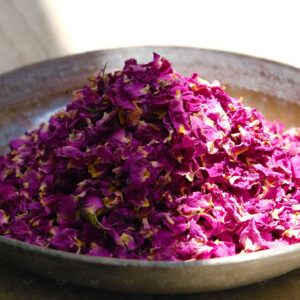
Damask rose flowers are traditionally picked by hand, often from early morning until before midday. Workers select blooms at suitable stages of opening and move them from the field for processing. Time matters because harvested flowers can warm, compress, or begin to deteriorate when held in poor conditions. Delays may alter their volatile profile before distillation. Careful collection, clean handling, suitable temporary storage, and prompt transport therefore support raw-material quality. The finished Rose Water still requires its own sensory, compositional, and microbiological assessment rather than relying only on harvesting claims.
How Distillation Shapes Rose Water Quality
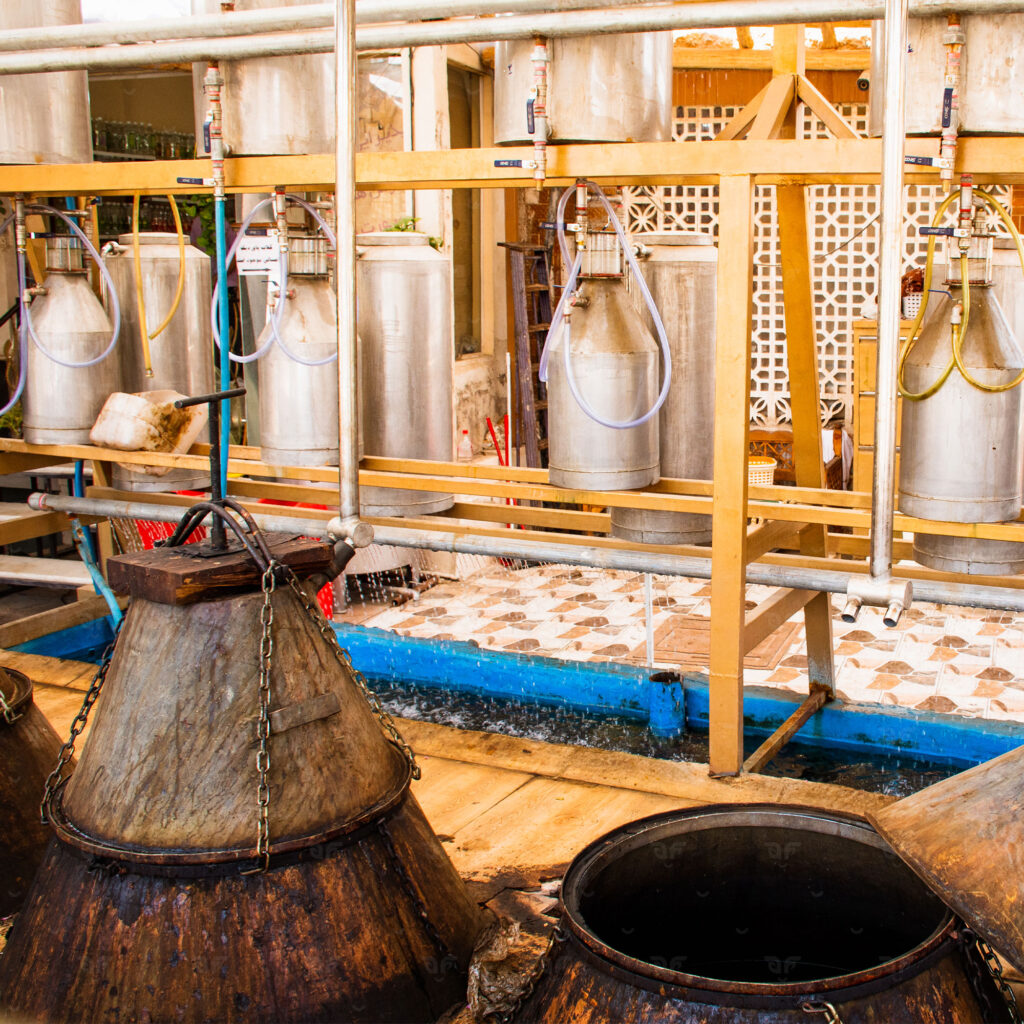
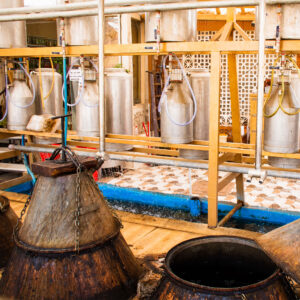
During hydrodistillation or steam distillation, heat releases volatile compounds from fresh rose flowers. The vapors are condensed, producing an aromatic aqueous phase that contains water-soluble compounds such as phenethyl alcohol, alongside smaller proportions of citronellol, geraniol, nerol, linalool, and other constituents. The balance can change with the flower material, water ratio, equipment, process time, collection method, and repeated distillation. These variables help explain why two products described as natural Rose Water may differ in floral intensity or character. Buyers should evaluate a representative sample in the intended application.
Storage Guidelines And Durability Of Rose Water
Rose Water needs controlled storage because it combines a delicate aroma with a water-based composition. Excess heat, direct light, air exposure, damaged closures, poor dispensing practices, and unsuitable warehouse conditions may affect sensory quality or increase contamination risk. Naturally occurring aromatic compounds do not preserve every product adequately. Storage instructions should reflect the formulation, processing method, packaging, and validated shelf life. Receiving teams should keep containers properly closed, protect them from avoidable temperature fluctuations, and follow the stated conditions throughout inventory handling and production use.
Storage Conditions Of Rose Water
Unopened Rose Water should remain in intact packaging under the temperature and light conditions stated for the product. Containers should be stored away from strong-smelling materials because an aromatic ingredient may absorb unwanted odors after repeated opening or through unsuitable packaging. Staff should use clean dispensing equipment, minimize exposure, reseal opened containers promptly, and follow any refrigeration or use-period instructions in the specification. Refrigeration may be required for some products, but storage needs vary by formulation. Stock rotation and clear opening-date records help prevent older containers from remaining in use unnoticed.
Shelf Life Of Rose Water
The shelf life of Rose Water varies among products. An unopened distilled product, a preserved retail formulation, and an opened bulk container may have different periods of stability. Useful life depends on ingredients, microbial controls, filling conditions, closure integrity, packaging material, storage temperature, and exposure after opening. Buyers should follow the shelf life stated in the agreed product documentation and distinguish between the unopened best-before period and any shorter period after opening. Purchase volume should also reflect expected usage so that containers are not repeatedly opened or held beyond the recommended period.
Signs Of Quality Loss In Rose Water
Quality checks should compare the product with its approved sample and specification. Unexpected cloudiness, sediment, separation, darkening, a weakened floral note, sour or stale odors, unusual pressure, leakage, or a damaged closure may indicate deterioration, contamination, or packaging failure. Not every visible oil droplet or minor color variation is necessarily a defect because acceptable appearance depends on formulation. However, unexplained changes should be investigated before use. Staff should isolate questionable containers and follow established food-safety procedures rather than tasting a product that appears compromised.
Packaging Rose Water At JAM Food Co.
Packaging affects Rose Water throughout storage and international transport because the product is an aromatic, water-based liquid. A suitable system should limit leakage, contamination, unwanted odor transfer, and changes caused by poor closure or unsuitable storage. As a reliable international supplier of Rose Water, JAM Food Co. helps B2B customers approach packaging in line with their intended use, order volume, destination, and handling needs. Industrial ingredients, food-service products, and retail presentations each require a different commercial approach, making clear packaging requirements an important part of order planning.
- Bulk Packaging Capabilities:
Bulk buyers should define the required net quantity, container material, closure type, handling method, and compatibility with their production equipment. Drums and other larger food-contact containers are used in commercial supply, but the appropriate format depends on order scale and product specification. Warehouse access, dispensing practices, transport efficiency, and destination requirements should also shape the packaging choice.
- Preservation And Sealing Techniques:
A secure closure helps protect Rose Water from leakage and contamination after filling. Preservation needs depend on the formulation, processing method, package, and intended shelf life, so naturally distilled products should not automatically be considered self-preserving. Important considerations include tamper evidence, hygienic dispensing, handling after opening, and the storage conditions assigned to the product.
- Private Labeling And Retail Packaging:
Retail buyers need to define the bottle material, capacity, closure, label information, case configuration, and destination-market requirements. They should also determine whether the Rose Water will be marketed as a culinary ingredient or for another stated use. A clear retail brief allows labeling, presentation, and order requirements to be addressed within the wider purchasing discussion.
- Export Ready Palletization:
International orders need stable secondary packaging that protects containers from compression, movement, puncture, and leakage. Case strength, pallet dimensions, stacking pattern, load restraint, container utilization, and unloading conditions all affect shipment planning. The selected format also matters because glass bottles, smaller plastic containers, and bulk units present different weight, handling, and damage-control requirements.
○Can The Same Rose Water Be Used In Food And Cosmetic Products?


Not automatically. Food and cosmetic products can have different ingredient, additive, microbiological, labeling, and regulatory requirements. A natural origin or cosmetic-grade description does not establish suitability for consumption. Buyers should select Rose Water intended for their specific application and review its complete ingredient declaration, product specification, and documentation against the rules of the destination market.
○How Should Manufacturers Test Rose Water In A New Food Formulation?
Manufacturers should evaluate Rose Water at several dosage levels in the finished formulation rather than judging it only from the container. Sugar, fat, acidity, heat, and other flavors can alter its floral character. Testing should consider aroma strength, taste, aftertaste, processing stability, and consistency after storage. A retained reference sample can support comparisons between development trials and later deliveries.
○Which Documents Are Relevant When Buying Rose Water In Bulk?
Document requirements depend on the application and destination, but buyers commonly review a product specification, ingredient declaration, certificate of analysis, shelf-life information, storage instructions, and batch-traceability details. Food-safety, origin, or certification documents may also be relevant where required. The documentation should identify the supplied product clearly and correspond to the applicable batch or commercial offer.
○Does Country Of Origin Determine Rose Water Quality?
Origin can influence flowering season, botanical material, production traditions, and sensory character, but it does not determine quality by itself. Rose Water from the same country can vary by cultivar, flower handling, distillation method, formulation, and storage. Commercial buyers should compare botanical identity, production information, representative samples, specifications, and batch documentation rather than relying on geographic reputation alone.
○How Can Buyers Compare The Aroma Strength Of Rose Water Samples?
Samples should be evaluated at the same temperature, dilution, and dosage in both water and the intended food application. Buyers can compare floral intensity, balance, aftertaste, and the presence of stale, soapy, harsh, or unrelated notes. A written sensory reference and retained approved sample make future batch comparisons more consistent than descriptions such as strong, premium, or concentrated.
HOW CAN JAM GROUP HELP YOU?
Send us a message and our friendly team will get back to you within one business day.




