











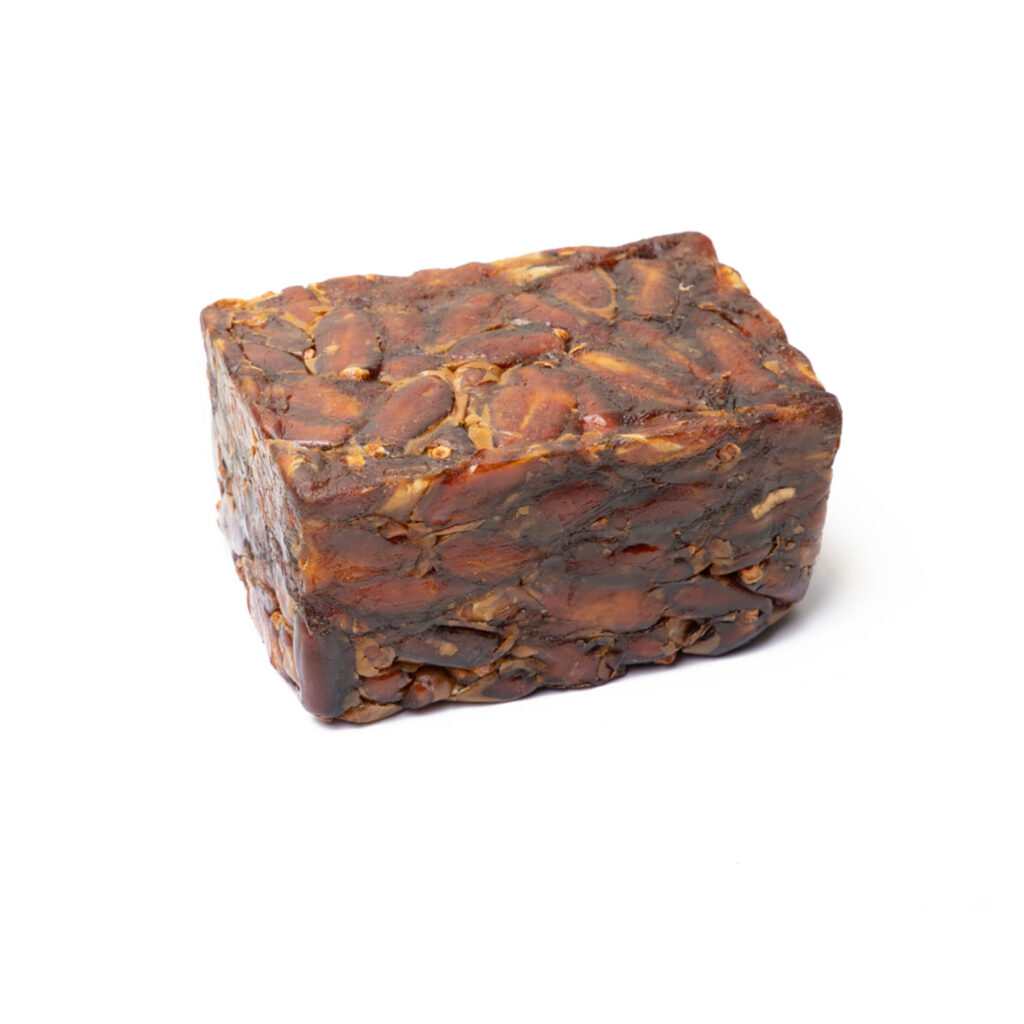
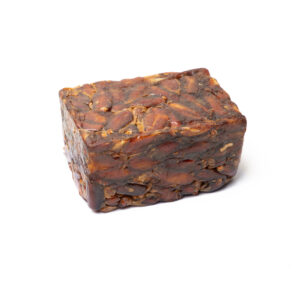
Dates have been a cornerstone of human nutrition for thousands of years, and few varieties carry the same level of prestige as the Shahani date. Grown primarily in the warm, sun-drenched region of Jahrom in Iran’s Fars province, this soft and intensely sweet fruit has earned the informal title of “Royal Date” among traders and buyers worldwide. With its elongated shape, glossy amber skin, and honey-rich flavor, the Shahani date stands out as both a premium snacking product and a multi-purpose ingredient for the food processing industry. If you want to understand why this variety commands such strong international demand, read on.
For businesses seeking a trustworthy and experienced source for this product, finding the right supplier matters as much as the quality of the dates themselves. JAM Food Co. is a leading exporter of premium Iranian agricultural commodities, with deep sourcing roots in the Shahani date-growing heartland of Fars province. The company combines direct farm-level procurement with rigorous quality control, careful processing, and export-ready packaging; all designed to meet the standards that international B2B buyers expect. Whether you are a food manufacturer, a wholesale distributor, or a private-label brand, JAM Food Co. is equipped to fulfill your requirements.
Shahani Date; Iran’s Most Celebrated Soft Date
Shahani dates (also known locally as Shahany, Shani, or Khorak-e-Shani) are a soft, moist date variety that belongs to the wet date classification, meaning they retain a relatively high natural moisture content, typically between 18 and 25%. This moisture level gives them their characteristic tender, juicy flesh and rich flavor. Unlike semi-dry or dry date varieties, which have a firmer bite and longer ambient shelf life, Shahani dates deliver a softer, more succulent eating experience. They are consumed both fresh and fully ripened, and are widely used as a natural sweetener, a direct snack, and a base ingredient for date paste and date syrup in commercial food production.
Physical Characteristics of Shahani Date
The physical traits of a Shahani date are not merely cosmetic; they are direct indicators of ripeness, moisture content, and commercial grade. Understanding these characteristics helps buyers select the right specification for their intended application, whether that is retail snacking, industrial processing, or food service. Each physical attribute plays a role in the date’s shelf behavior, flavor delivery, and visual appeal on the shelf or in bulk packaging.
- Color and Appearance:
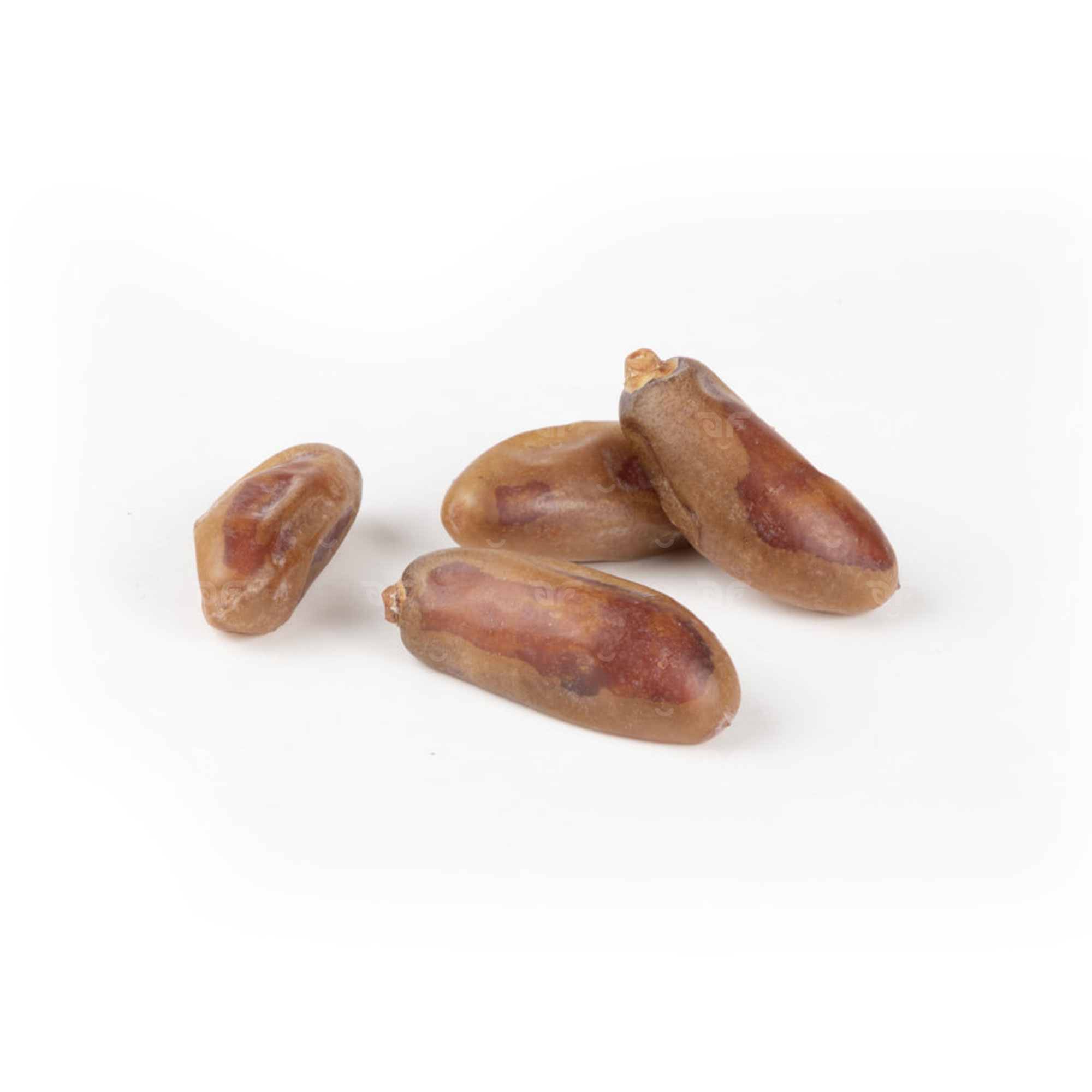
That Signals Premium Quality At the Khalal stage (the first stage of ripeness, when the fruit is crisp and young), Shahani dates display a bright golden-yellow color. As the fruit progresses toward full ripeness, this shifts through amber and honey-brown tones before settling into a rich dark brown, sometimes approaching near-black when fully dried. The skin is thin and slightly glossy with a transparent quality. Among traders, a more yellow-toned color is considered a sign of superior grade, while darker specimens are typically classified as normal grade.
- Size and Shape:
Built for the Premium Segment, Shahani dates are classified as a large-sized variety. The fruit is elongated and cylindrical, tapering to a narrow tip at one end — a shape that makes them immediately recognizable among Iranian date varieties. Length typically falls between 3 and 7 centimeters, with Super-grade fruit measuring toward the upper end of this range. Each date weighs approximately 15 grams. This generous size makes Shahani dates well-suited for retail presentation, gift packaging, and food service applications where visual appeal matters.
- Texture:
Soft, Moist, and Juicy Throughout Shahani dates belong to the soft, wet date category, and this is clearly reflected in their texture. The flesh is tender, moist, and juicy; quite different from the chewier, drier bite of semi-dry varieties such as Zahedi. This softness is a natural result of the fruit’s moisture content of 18 to 25%. It makes Shahani dates an excellent choice for direct eating, for blending into pastes, or for incorporating into baked goods where moisture retention in the final product is desirable. Careful handling during harvesting and packaging is essential to protect this soft flesh.
- Taste:
An Intensely Sweet, Honey-Like Experience The flavor of Shahani dates is one of their strongest commercial assets. They are intensely sweet, with prominent honey-like notes and a rich, pleasant aroma that sets them apart from milder varieties. At the semi-ripe Rutab stage, a subtle tangy undertone adds complexity to the flavor. At full ripeness (the Tamar stage, the point at which the fruit is fully mature and typically exported), the sweetness becomes more concentrated and the aroma deepens. This intensity makes Shahani dates an effective natural sugar substitute in industrial food recipes and confectionery applications.
Nutritional Value and Health Benefits of Shahani Date
Shahani dates are far more than a sweet treat. They deliver a concentrated package of energy-supplying natural sugars, dietary fiber, essential minerals, and vitamins, making them a genuinely functional food in both consumer and clinical nutritional contexts. Per 100 grams, Shahani dates provide approximately 277 to 314 kilocalories, with natural carbohydrates making up around 70 to 80 percent of the fruit’s weight. These carbohydrates consist primarily of glucose, fructose, and sucrose — the body’s most readily available fuel sources. Fat content is negligible at under one gram per 100 grams, while protein contributes approximately 1.8 to 2.5 grams.
The mineral profile of Shahani dates is particularly notable from a health perspective. Potassium (approximately 696 mg per 100g) and magnesium (approximately 54 mg per 100g) work together to support healthy blood pressure regulation and reduce inflammation in blood vessel walls, which is a meaningful benefit for cardiovascular health. Calcium, phosphorus, and magnesium collectively contribute to bone density and structural strength. Iron supports healthy red blood cell production. On the vitamin side, Vitamins A and C support skin health and immune function, while B-group vitamins (particularly Vitamin B6) play important roles in energy metabolism and nervous system function.
Shahani dates are also a meaningful source of dietary fiber, providing 6 to 8 grams per 100g. This fiber supports digestive regularity, promotes beneficial gut bacteria, and helps moderate the rate at which sugars enter the bloodstream. The fruit also contains a range of antioxidant compounds including flavonoids, carotenoids, and phenolic acids. These compounds help neutralize free radicals (molecules that contribute to cellular damage and chronic disease development) in the body. Research literature on dates broadly has identified potential anti-inflammatory, antimicrobial, and immune-supporting properties linked to these antioxidant compounds.
Growing and Harvesting of Shahani Date
Shahani date palms flourish in the hot, arid landscape of southern Iran, where the combination of long dry summers, intense sunlight, and low humidity during the ripening period creates the conditions needed to develop the fruit’s characteristic sweetness and texture. The date palm (known botanically as Phoenix dactylifera) requires what farmers often describe as “feet in water, head in fire” — consistent root-level irrigation combined with a sun-drenched canopy. Without both of these conditions working together, the fruit cannot reach its full sugar concentration or textural quality. Southern Iran’s climate matches this requirement naturally, making the region one of the world’s most productive date-growing environments.
- A Hot, Dry Climate That Brings Out Natural Sweetness:
Shahani date palms require temperatures above 21°C (70°F) throughout the growing season, with ripening quality improving when temperatures exceed 27°C (80°F) during the critical fruit development months. Low relative humidity during the ripening period (a natural feature of southern Iran’s summer and early autumn) is important for preventing fermentation on the tree and allowing sugar concentration to build fully. Rainfall must remain minimal throughout the 5 to 7 month period from pollination to harvest, which means irrigation management is a core farming skill in all Shahani-producing areas.
- Sandy, Well-Drained Soil:
The Foundation of Quality Fruit Date palms used for Shahani cultivation perform best in sandy loam soils with good drainage capacity. The ideal soil pH range is 8 to 10, and the absence of any compacted hardpan layer within the root zone is important for healthy root development and water uptake. While date palms can tolerate some degree of soil salinity, excessive salt concentration reduces fruit quality and overall yield. Good air permeability and water-flow capacity in the soil are key factors that distinguish productive Shahani growing plots from marginal ones.
- Jahrom and Beyond:
Iran’s Key Shahani Date-Growing Regions The city of Jahrom in Fars province is unquestionably the home of the Shahani date. Approximately 95% of the date palm trees in Jahrom belong to this cultivar, and the local microclimate, combined with generations of farming expertise, gives Jahrom-origin Shahani dates their strong reputation for quality. Secondary growing areas include Firouz Abad and Haji Abad in Hormozgan province, along with parts of Sistan and Baluchestan province and selected areas of Bushehr province. Within Fars, the Herm region is noted for producing particularly juicy Shahani fruit due to its specific local climate conditions.
From Summer to Autumn: The Shahani Date Harvest Window and What Timing Means for Quality
The Shahani date harvest is a multi-stage process that spans several months, beginning in summer and concluding in late autumn or early winter. This extended timeline reflects the three distinct ripening stages at which the fruit can be commercially harvested and used. In Jahrom and surrounding areas of Fars province, the main harvest window for export-grade, fully ripe Shahani dates (known as the Tamar stage, the final and most commercially important ripening point) runs from September through November, with some late-ripening clusters continuing into early December. Harvest timing is one of the most direct quality factors for Shahani dates: fruit collected at peak ripeness delivers the highest natural sugar concentration, optimal moisture content, and the richest aroma. Premature harvesting reduces flavor intensity; delayed harvesting increases the risk of on-tree fermentation.
Picking, Sorting, and Preparing Shahani Dates for Market
Because of their soft flesh and relatively high moisture content, Shahani dates are harvested entirely by hand. Workers climb the palm trees or use ladders to reach the date clusters, cutting whole bunches carefully and lowering them to avoid bruising or skin breakage. Once on the ground, a first round of field sorting takes place — damaged, insect-affected, or immature fruit is separated from the usable harvest. The dates then move to a processing facility for cleaning, formal grading by size and color (sorted into Super and Normal grades), and pre-cooling. Given the perishability of Shahani as a soft date, rapid movement into cold storage or packaging is important. Processing and packaging are ideally completed within the same harvest season to preserve the fruit’s freshness and natural aroma.
Storage Guidelines and Durability of Shahani Date
Storage conditions have a direct and significant impact on the quality, aroma, and shelf life of Shahani dates. Because this variety contains 18 to 25% natural moisture, it is more sensitive to temperature and humidity changes than drier date types. At room temperature, improperly stored Shahani dates are vulnerable to fermentation — a process in which natural sugars begin converting to alcohol in the presence of warmth and moisture. Microbial activity and insect infestation are additional risks during ambient storage. For these reasons, proper packaging and temperature management are not optional considerations for Shahani dates; they are basic requirements for maintaining the product’s commercial value through the supply chain.
Recommended Environments for Storing Shahani Dates Safely
For short- to medium-term storage, Shahani dates should be kept in a cool, dry environment with good air circulation (ideally below 20°C or 68°F), held in sealed, moisture-proof packaging. For commercial cold storage (the standard approach for export consignments), temperatures between 0 and 4°C with a relative humidity of 65 to 75% are recommended. This environment slows microbial activity, preserves the fruit’s natural moisture balance, and maintains flavor and aroma through the distribution period. Vacuum sealing or Modified Atmosphere Packaging (MAP, a technique that replaces the air inside the package with a controlled mixture of gases such as carbon dioxide and nitrogen to slow spoilage) extends keeping quality further. Temperature fluctuations should be avoided throughout, as condensation on the fruit surface can accelerate mold growth.
How Long Do Shahani Dates Last? Shelf Life Across Storage Conditions
When properly sealed and stored in cool, dry conditions at room temperature, Shahani dates can maintain acceptable quality for up to approximately 12 months. Refrigeration at 0 to 4°C extends this considerably, supporting freshness for 12 to 18 months. Freezing below -18°C is suitable for long-term preservation, with quality remaining stable for 18 months or longer — a practical option for buyers managing large inventory volumes across extended distribution cycles. One phenomenon that sometimes concerns buyers is the appearance of a thin white film or powdery coating on the surface of stored dates. This is caused by natural sugar crystallization migrating to the skin and is completely safe; it is not a sign of mold or spoilage.
About JAM Food Co.’s Shahani Date
JAM Food Co. sources its Shahani dates directly from the prime cultivation areas of Fars province, with a primary focus on Jahrom; the city that produces some of the most highly regarded Shahani dates in Iran. This direct sourcing approach allows the company to maintain control over quality from the point of harvest, ensuring that only fruit meeting the required grade specifications enters the supply chain. After harvest, the dates are cleaned, graded into Super and Normal grades based on size and color, and carefully packaged before dispatch. The company’s handling procedures are designed to preserve the fruit’s natural moisture, aroma, and structural integrity throughout the journey from farm to buyer. As an established exporter of Shahani Dates, JAM Food Co. is equipped to serve buyers across a wide range of order volumes and packaging formats.
JAM Food Co. as a Reliable Shahani Date Supplier
JAM Food Co.’s position as a reliable provider of Shahani Dates rests on several practical strengths: consistent access to well-established growing regions, in-house quality grading and processing capability, export-compliant packaging, and the experience to manage international logistics efficiently. The company understands that B2B buyers (whether food manufacturers, wholesale importers, or branded distributors) require more than just a product; they need a supply partner who delivers consistently, communicates clearly, and holds to agreed specifications across repeated orders. JAM Food Co. is built around this expectation, offering both standard bulk commodity formats and customized solutions for buyers with specific packaging or branding requirements.
Packaging Shahani Date at JAM Food Co.
Proper packaging is one of the most important factors in delivering Shahani dates in peak condition to international buyers. Given the soft texture and relatively high moisture content of this variety, packaging must actively protect the fruit against moisture loss, physical damage, microbial contamination, and the stresses of long-distance transit. At JAM Food Co., packaging decisions are made with both product integrity and buyer convenience in mind. Food-grade materials and techniques are selected to comply with the import requirements of international destination markets, ensuring that every consignment arrives in the condition it left the facility. As a dedicated supplier of Shahani Dates, JAM Food Co. offers flexible formats designed to serve a broad range of B2B buyers, from large food processors to regional distributors.
- Bulk Packaging Capabilities:
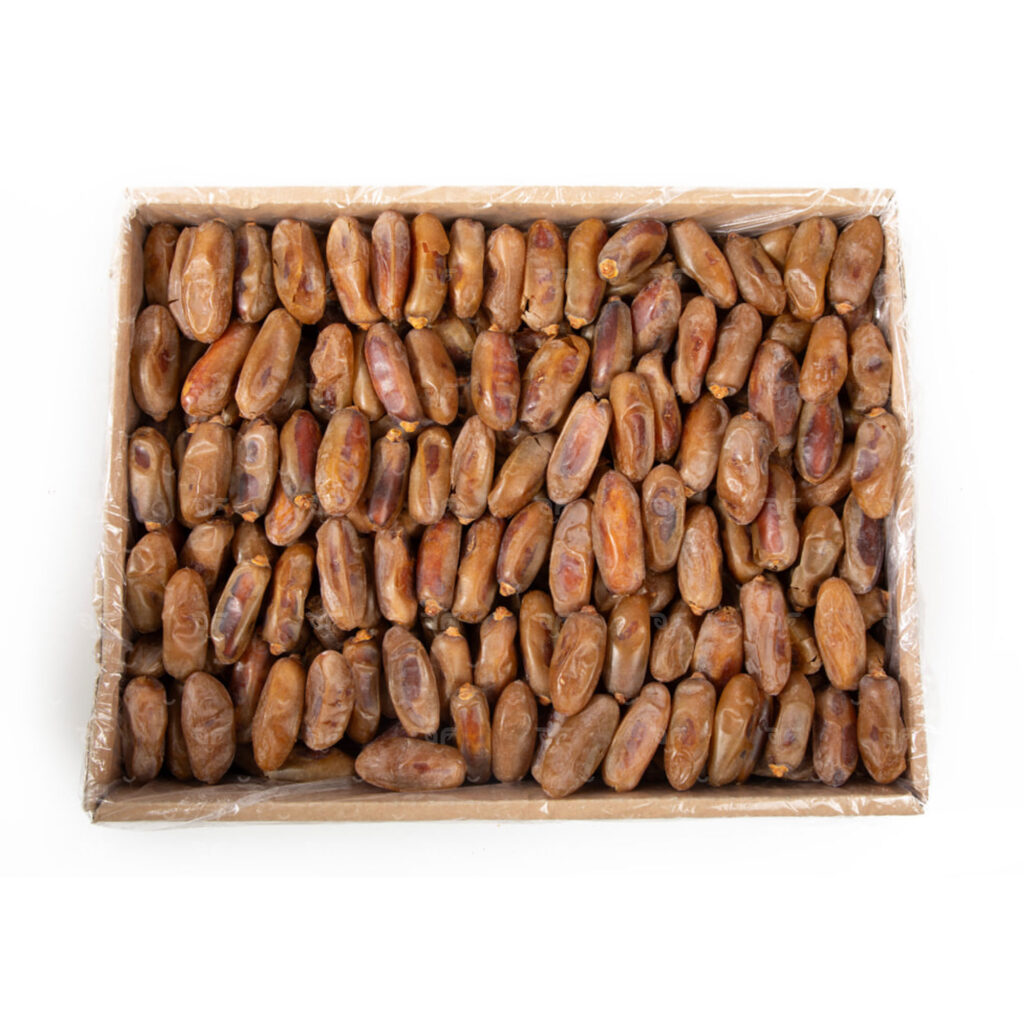
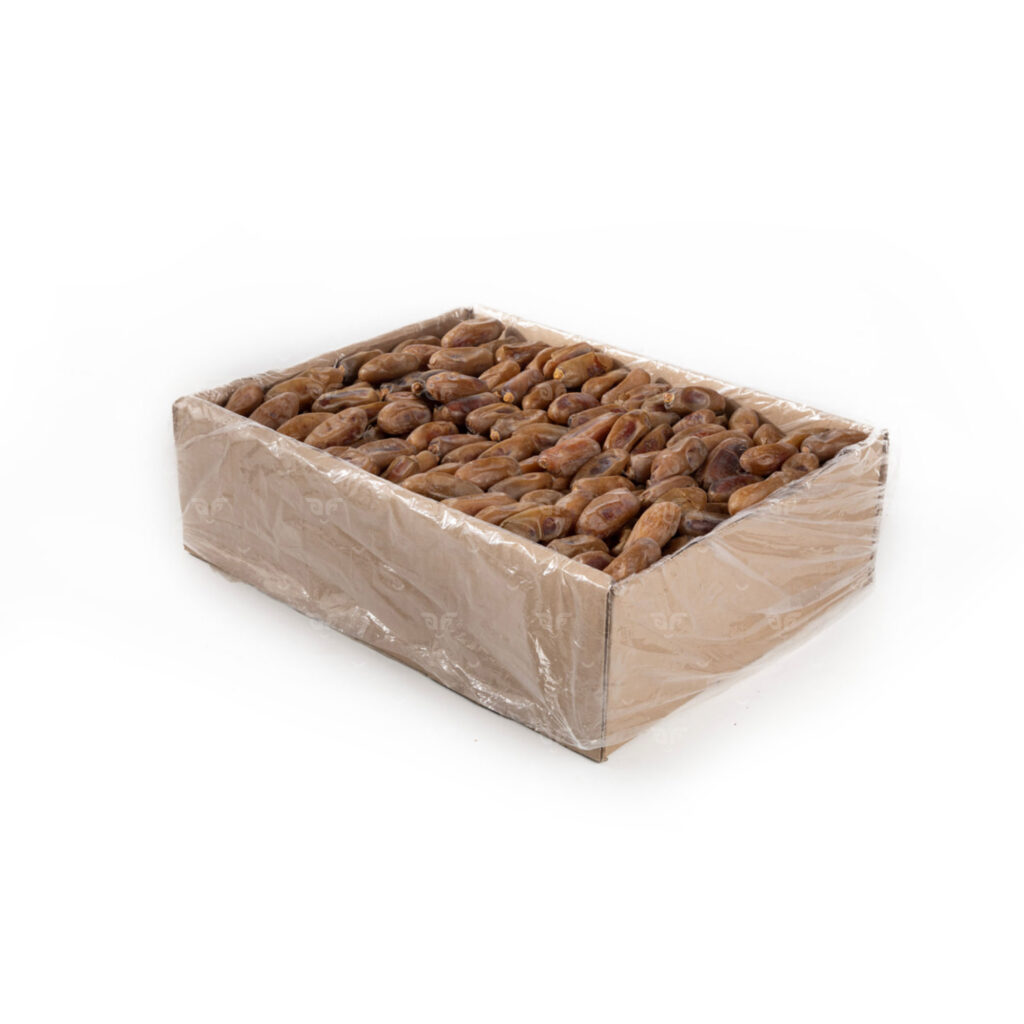
JAM Food Co. offers Shahani dates in standard wholesale bulk formats, typically available in 5 kg, 10 kg, and 25 kg options depending on buyer specification and destination market requirements. Outer packaging consists of heavy-duty corrugated cartons designed to protect the soft fruit from compression and impact during loading, transit, and warehousing. These cartons are selected to maintain structural integrity through international shipping conditions, including temperature variation and stacking pressure inside shipping containers.
- Preservation and Sealing Techniques:
To protect Shahani dates’ natural moisture, aroma, and softness during export, JAM Food Co. uses food-grade polyethylene inner liners combined with vacuum sealing or MAP where required. MAP replaces the air inside the sealed package with a controlled gas mixture (primarily carbon dioxide and nitrogen) to slow the natural processes that lead to spoilage. Moisture-proof inner liners prevent external humidity from penetrating the package and protect the dates from contamination during extended storage or transit.
- Private Labeling and Retail Packaging:
For B2B clients who require market-ready branded products, JAM Food Co. offers OEM (Own Equipment Manufacturer) and private label packaging services. Buyers can source Shahani dates under their own brand name, with customized design printing on retail-ready pouches in smaller consumer formats such as 250 g, 500 g, or 1 kg options. This service is designed for distributors, importers, and food brands looking to bring premium Iranian dates to their end consumers under a proprietary label.
- Export-Ready Palletization
Finished cartons are stacked, shrink-wrapped, and secured on standard export pallets to ensure stable and efficient loading into shipping containers. This palletization process is designed to make the best use of container space, minimize movement and transit damage, and support smooth customs clearance and warehouse handling at the destination port. Proper palletization also enables accurate lot tracking and makes unloading and inventory management faster and more straightforward for the receiving buyer.
HOW CAN JAM GROUP HELP YOU?
Send us a message and our friendly team will get back to you within one business day.




