











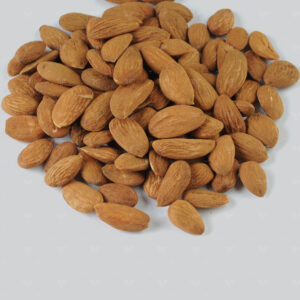
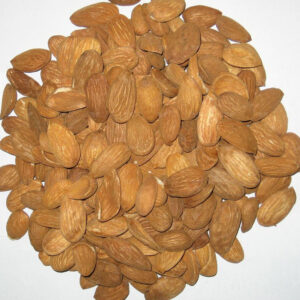
Mamra Almond is a premium almond variety known for its rich taste, higher natural oil content, and strong specialty-market appeal in both domestic and international trade. It is commonly linked with origin stories from Iran, Afghanistan, and Kashmir, and that regional identity helps give the product a more premium position than many standard almond types. Buyers often choose it for direct snacking, premium retail packs, gifting, and culinary use, which makes it suitable for both consumer markets and B2B food channels. For importers and processors, Mamra Almond offers not only a nut product but also a clear quality story built around taste, tradition, and careful selection.
When buyers invest in a premium almond, choosing the right supplier matters as much as choosing the product itself. JAM Food Co. can be introduced as a reliable supplier of Mamra Almond, with a clear focus on careful sourcing, proper handling, and export-ready packaging for international markets. For importers, distributors, and food businesses, this is important because product quality depends not only on the almond’s natural traits, but also on how it is prepared and delivered. This kind of introduction helps present JAM Food Co. as a dependable partner for buyers who need consistency, quality, and confidence in supply.
A Short Glance at Mamra Almond and its Properties
Mamra Almond is a specific almond variety that is usually sold as a whole kernel and valued for its rich flavor, dense texture, and naturally high oil content. In many markets, it is also referred to as Mamra Badam and is presented as a more traditional and premium option than common commercial almonds. One of its main differences is that it is often less uniform in shape and appearance, which many buyers associate with a more natural and less standardized product. It is widely used for direct eating, but it also suits bakery, confectionery, and other food uses where flavor and kernel quality matter.
Visual and Sensory Traits That Influence Buying Decisions
The physical traits of Mamra Almond play a major role in how buyers judge quality because almonds are often assessed first by appearance, then by texture and taste. Shape, skin color, firmness, and overall consistency can influence how the product is positioned in wholesale and retail markets. Since Mamra Almond is known for natural variation, buyers usually expect some irregularity rather than perfect sameness across every kernel. That natural look can support the product’s specialty image when the lot is still clean, sound, and well sorted.
- Color and Appearance:
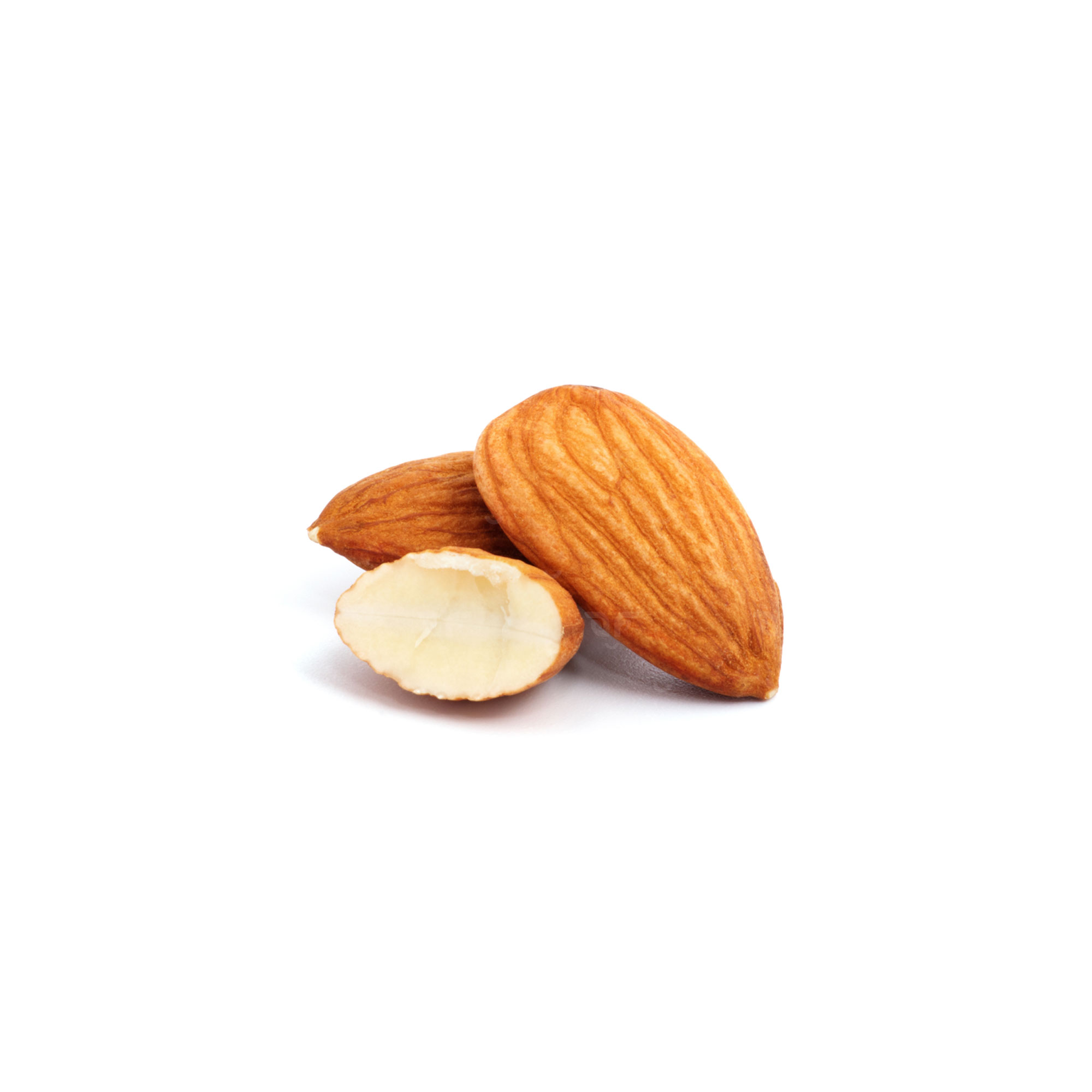
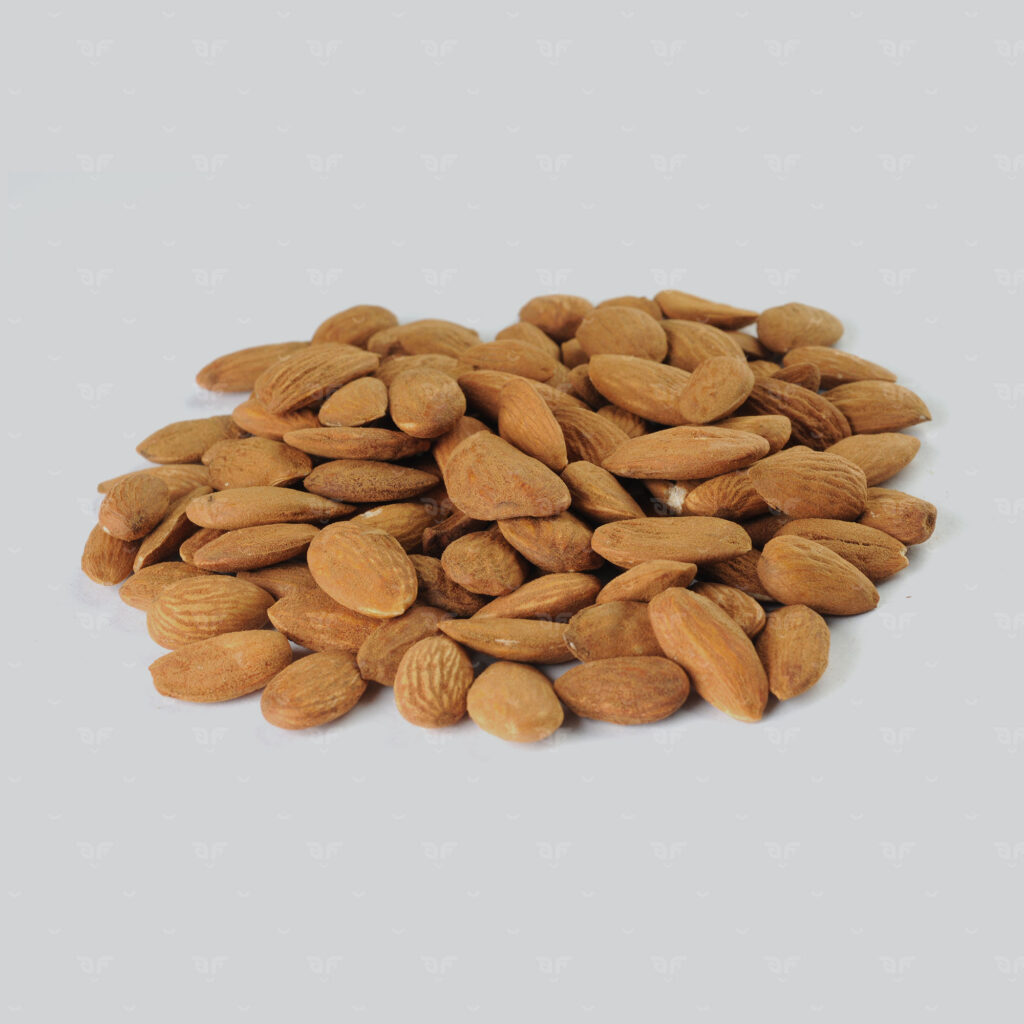
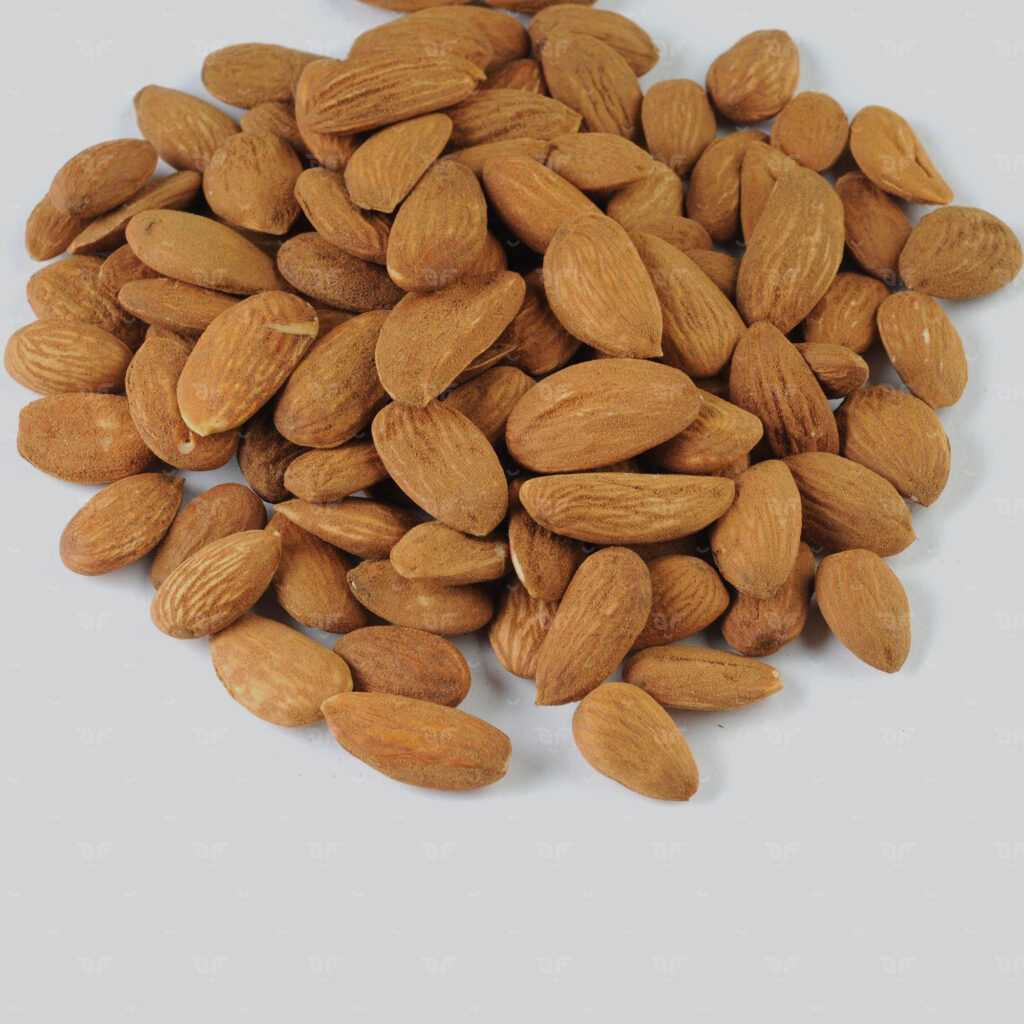
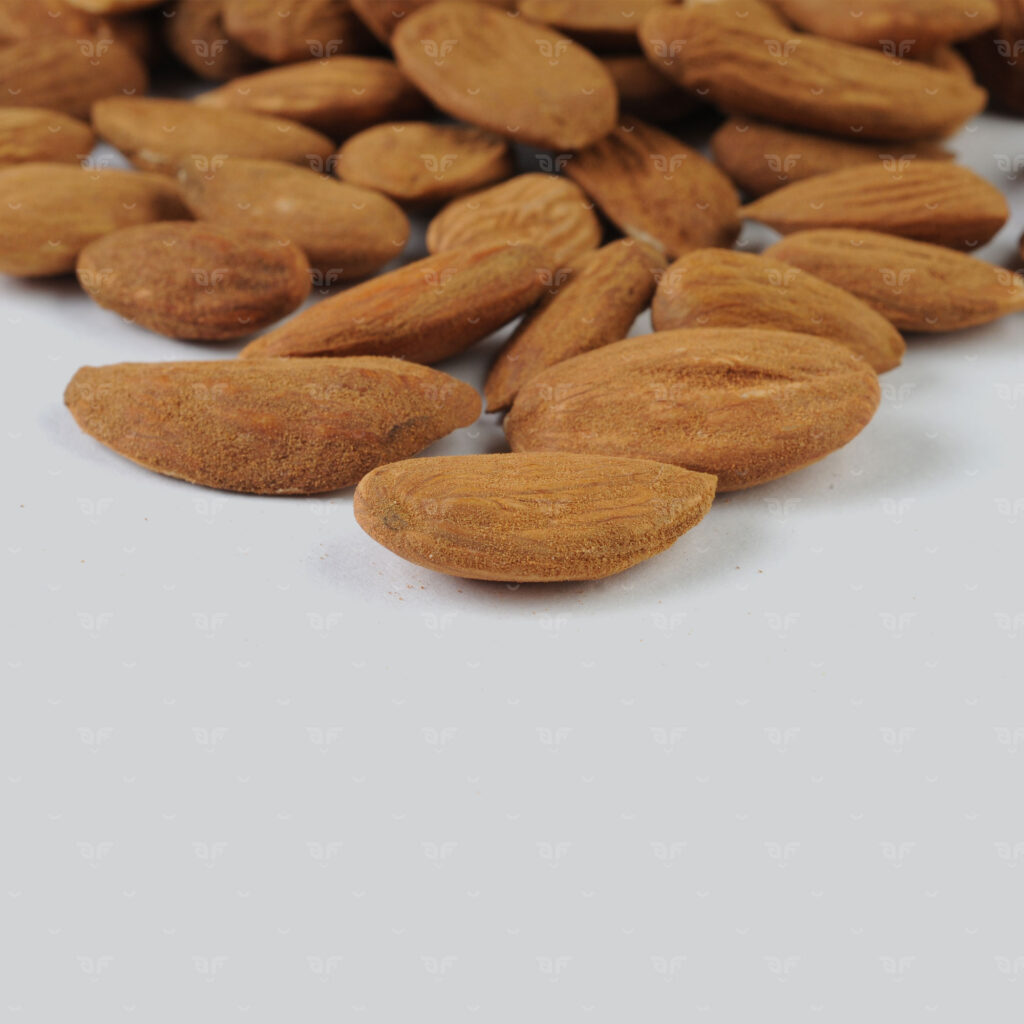
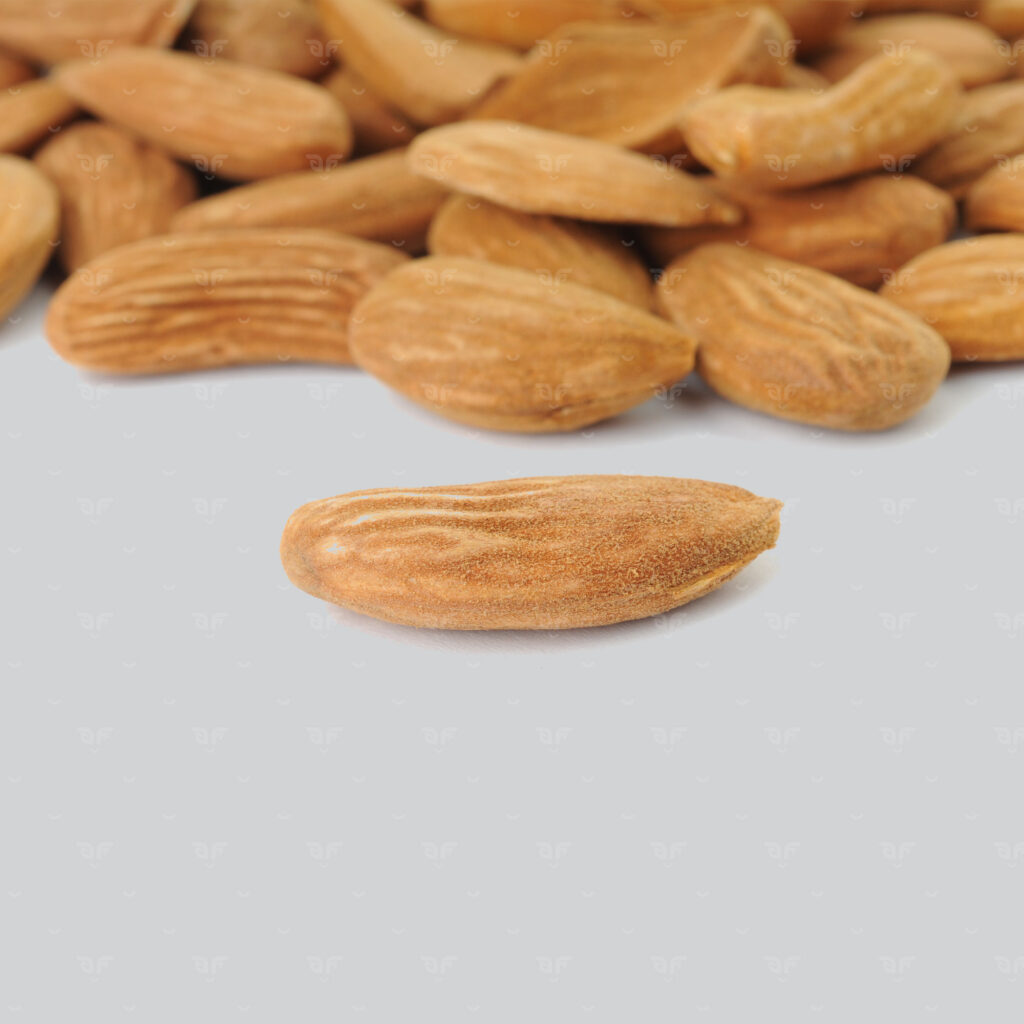
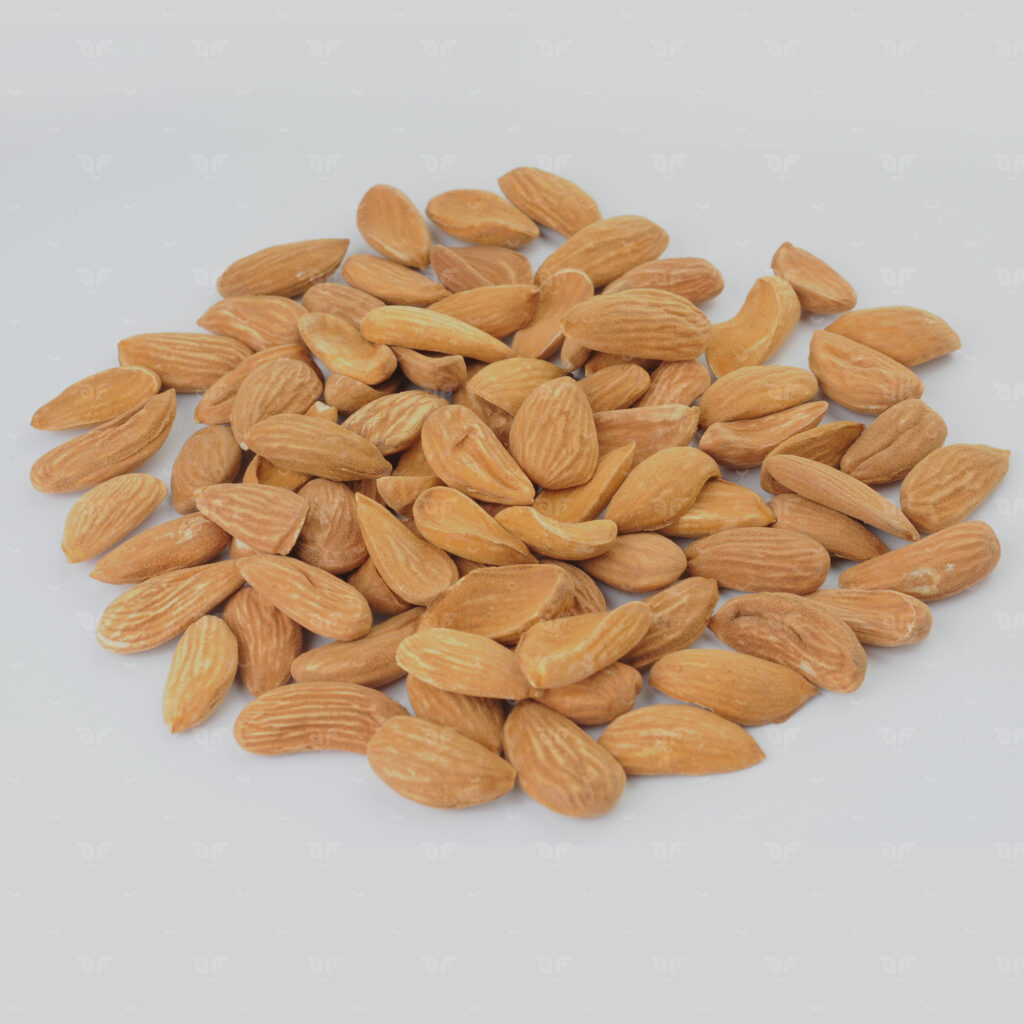
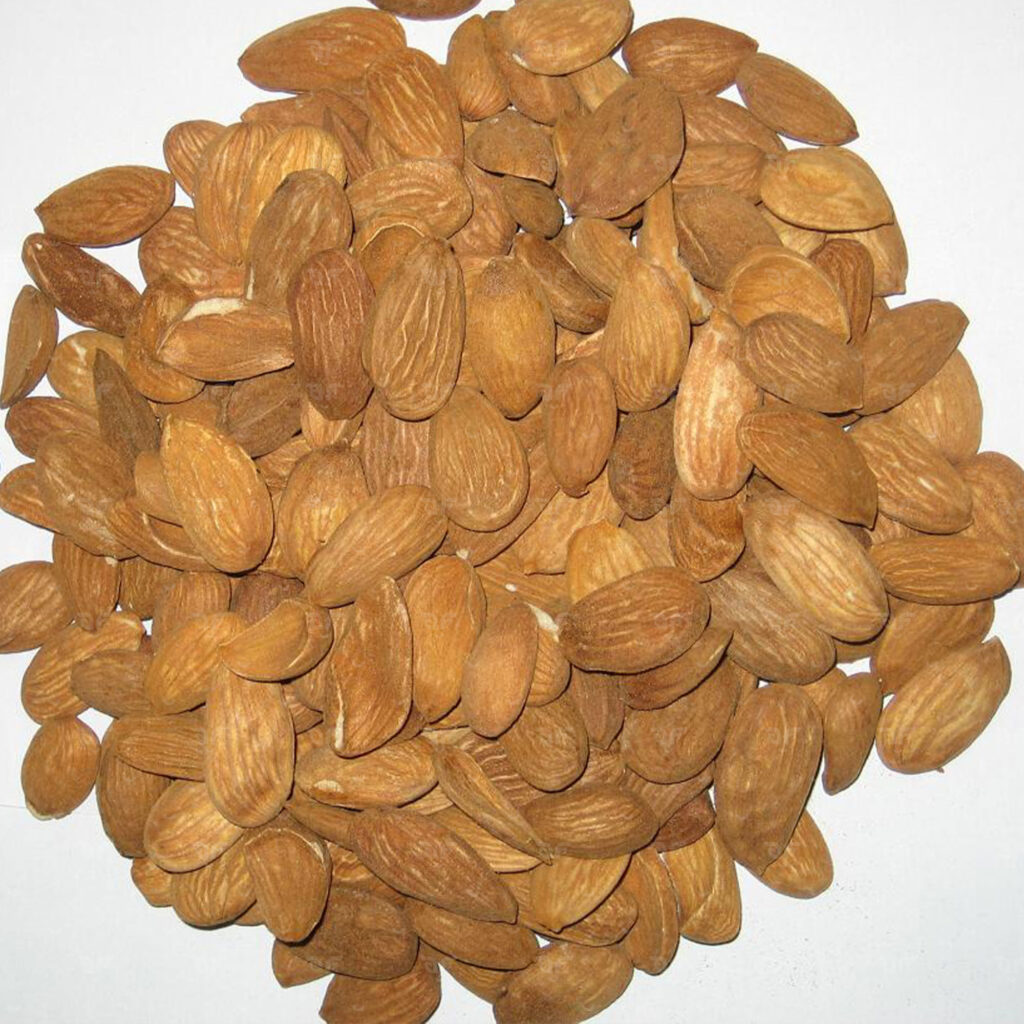
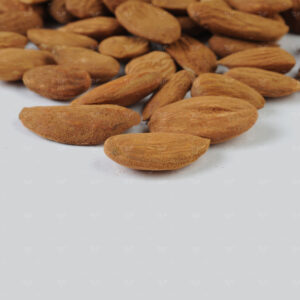
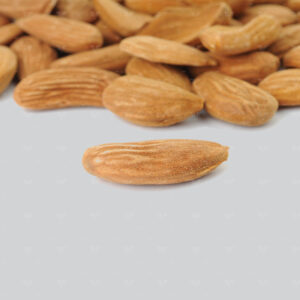
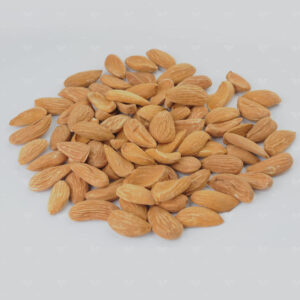
Mamra Almond is commonly described as having a brown to light brown outer skin, with a natural surface that may look less polished and less uniform than standard commercial almonds. This appearance supports its premium and traditional image, especially when the kernels are clean, whole, and free from major visual defects.
- Size and Shape:
The kernels are usually small to medium in size and are often described as slender, curved, pointed, or slightly irregular in form. This less standardized shape helps buyers distinguish Mamra Almond from more uniform almond varieties often seen in mass-market trade.
- Texture:
Mamra Almond is generally known for a firm, crunchy bite along with an oil-rich interior that gives it a fuller mouthfeel when eaten. Its texture makes it suitable for both direct consumption and food applications where the nut should keep its character during packing, storage, and use.
- Taste:
The flavor is usually described as rich, nutty, and more intense than regular almonds, with a mild buttery note that adds to its premium appeal. This stronger taste profile is one reason Mamra Almond is often chosen for specialty retail, gifting, and selected culinary uses instead of everyday low-cost nut mixes.
Nutritional Value and Health Benefits of Mamra Almond
Nutritional Density That Supports Premium Positioning
Mamra Almond is a nutrient-dense nut that is generally associated with high energy value, useful protein content, and a strong share of fats. Available nutrition references place its energy content at roughly 575 to 598 kilocalories per 100 grams, with protein around 19 to 21 grams and total fat close to 48 to 50 grams. It is also commonly linked with vitamin E, magnesium, potassium, and fiber, which helps support its place in health-focused food categories. In commercial writing, these benefits are best presented in general nutritional terms without turning them into medical claims.
Growing and Harvesting of Mamra Almond
Mamra Almond is generally connected with dry, semi-arid, or elevated growing areas where almond trees develop under warm seasonal conditions and controlled moisture levels. Product descriptions often point to Iran, Afghanistan, and Kashmir as important origin areas, and this regional link helps build the almond’s premium identity in trade. Like other almonds, it is associated with orchards that perform best in well-drained soils because excess water can reduce overall orchard quality and tree health. For B2B buyers, this farming background matters because it connects the final kernel to place of origin, growing conditions, and market image.
- Climate Conditions:
Mamra Almond is usually associated with warm and relatively dry growing conditions, where long sun exposure supports almond development over the season. Dry or semi-dry environments are important in almond farming because they help the crop mature with lower moisture pressure than wetter climates.
- Soil Requirements:
Almond trees generally perform better in soils that drain well, since standing water can affect root health and orchard performance over time. In simple terms, well-drained soil means water can move away from the roots instead of staying around them too long after rain or irrigation.
- Major Growing Regions:
Trade-facing descriptions most often connect Mamra Almond with Iran, Afghanistan, and Kashmir, and these origin references play a major role in how the product is marketed. This regional identity is useful in export content because buyers often associate these places with traditional cultivation and premium nut quality.
Harvest Timing and Its Effect on Kernel Quality
Mamra Almond harvest timing is best described as origin-dependent, but available information suggests that the season can fall around late summer to early autumn in some producing areas. One reference linked with Kashmir points to a harvest window around August to September, though that should not be treated as a single rule for every region. Timing matters because almond maturity can influence kernel size, flavor development, oil expression, and readiness for drying after harvest. In trade content, it is more accurate to explain that harvest season depends on orchard location, climate, and local production conditions.
From Harvested Nuts to Clean Trade-Ready Kernels
The post-harvest path of Mamra Almond follows the normal almond chain, beginning with the collection of mature nuts and continuing through cleaning and preparation for sale. After harvest, the outer hull is removed, and shelling may follow if the product is being sold as a kernel rather than in-shell form. Drying is then used to lower moisture, and lower moisture helps improve storage stability and reduce quality loss during transport. Sorting is also important at this stage, and sorting means separating almonds by visual quality, size, or condition so the final lot is more consistent for buyers.
Storage Guidelines and Durability of Mamra Almond
Storage has a direct effect on the quality of Mamra Almond because this variety is valued for its flavor, texture, and natural oil content. If almonds are exposed to poor conditions, they can lose crispness, absorb unwanted odors, or show a drop in eating quality over time. This is especially important in export trade, where the product may stay in warehouses, containers, and distribution centers for extended periods before reaching the final buyer. Good storage practices help protect not only freshness but also the premium image that Mamra Almond carries in specialty food markets.
Cool, Dry Storage for Better Kernel Protection
Most available product guidance recommends storing Mamra Almond in a cool, dry place away from moisture and direct sunlight. This kind of environment helps preserve taste, texture, and overall kernel condition during normal storage and distribution. Sealed formats such as vacuum bags, pouches, jars, or other closed packs can also help limit outside air and humidity exposure. In plain terms, keeping the product dry and protected is one of the simplest ways to support stable quality.
Shelf Life Depends on Packing and Storage Control
Shelf life for Mamra Almond should be presented as storage-dependent because different listings show different time ranges under different packaging conditions. Available references mention examples around 6 months, 9 months, and 12 months, while one packed product listing mentions up to 2 years. For a premium B2B article, the most careful approach is to say that durability depends on moisture control, packaging quality, and storage discipline after packing. This gives buyers a realistic view without promising a fixed shelf life that may not match every market or every package format.
About JAM Food Co.’s Mamra Almond
JAM Food Co.’s Mamra Almond can be introduced as a premium nut product that is sourced, handled, and packed with attention to the needs of international food buyers. As a supplier of Mamra Almond, the company should be presented in clear operational terms, with focus on product care, practical packaging, and a dependable trade approach. This kind of positioning works well because buyers in the nut trade usually want steady quality, understandable specifications, and handling methods that fit export movement. A strong company profile in this section should connect origin, quality awareness, and packaging suitability in one clear product story.
JAM Food Co. as a Reliable Mamra Almond Supplier
JAM Food Co. can also be described as an exporter of Mamra Almond for customers who need a product suited to international shipment and resale. The strongest supplier message here is not about broad claims, but about sensible sourcing, careful handling, and packaging formats that support real trade needs. For premium almonds, buyers often pay close attention to kernel appearance, storage guidance, and shipment readiness, so these points should stay central in the supplier description.
Packaging Mamra Almond at JAM Food Co.
Proper packaging is important for Mamra Almond because the product must reach buyers with its shape, texture, and freshness still protected. As a provider of Mamra Almond, JAM Food Co. can present packaging as a practical part of product care, especially for long-distance shipment and repeat B2B supply. Available market examples show that Mamra Almond can be packed in sacks, vacuum bags, pouches, jars, and boxes, which gives a useful base for different sales channels. For international trade, the main packaging goal is simple: protect the kernels from moisture, compression, and handling damage while keeping the lot easy to store and move.
- Bulk Packaging Capabilities:
Bulk packing for Mamra Almond can be described through sack-based trade formats and other larger commercial packs that support wholesale handling and warehouse movement. These formats are useful for importers, distributors, and food businesses that buy in volume and then repack or sell through their own channels.
- Preservation and Sealing Techniques:
Sealing plays an important role in almond packaging because it helps reduce contact with moisture, air, and outside contamination during storage and transport. Vacuum bags are one confirmed example in available listings, and this format supports better protection for kernel condition and freshness over time.
- Private Labeling and Retail Packaging:
Retail-facing options can be described through formats such as vacuum bags, plastic pouches, PET jars, and plastic boxes, all of which appear in current product listings. These styles are useful for smaller consumer packs where appearance, convenience, and shelf presentation matter alongside product protection.
- Export-Ready Palletization:
For export shipment, outer units should be packed in a stable way so they can move through loading, storage, and container transport with less physical stress. In practical terms, this means arranging packed cartons or sacks so the almonds stay protected while space is used efficiently during shipment.
HOW CAN JAM GROUP HELP YOU?
Send us a message and our friendly team will get back to you within one business day.




