










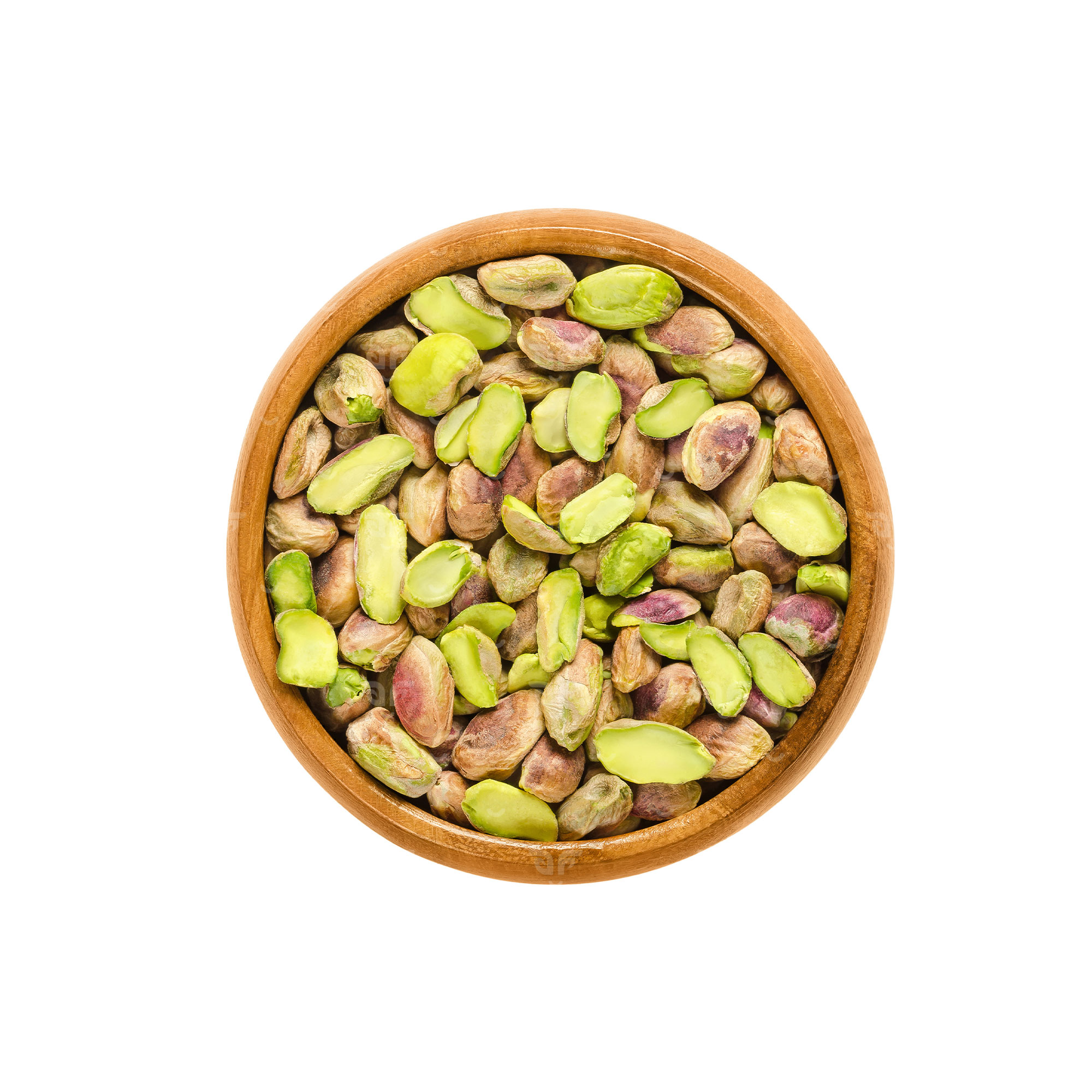

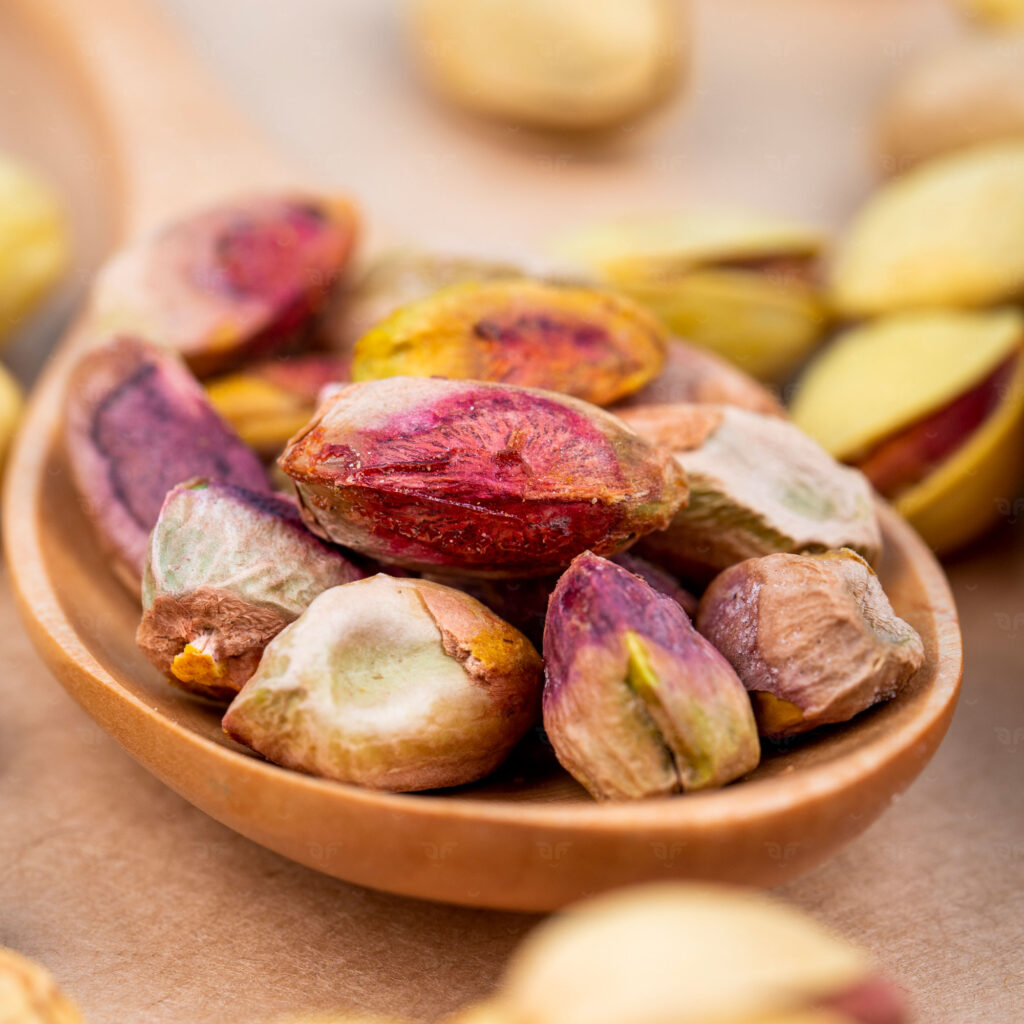
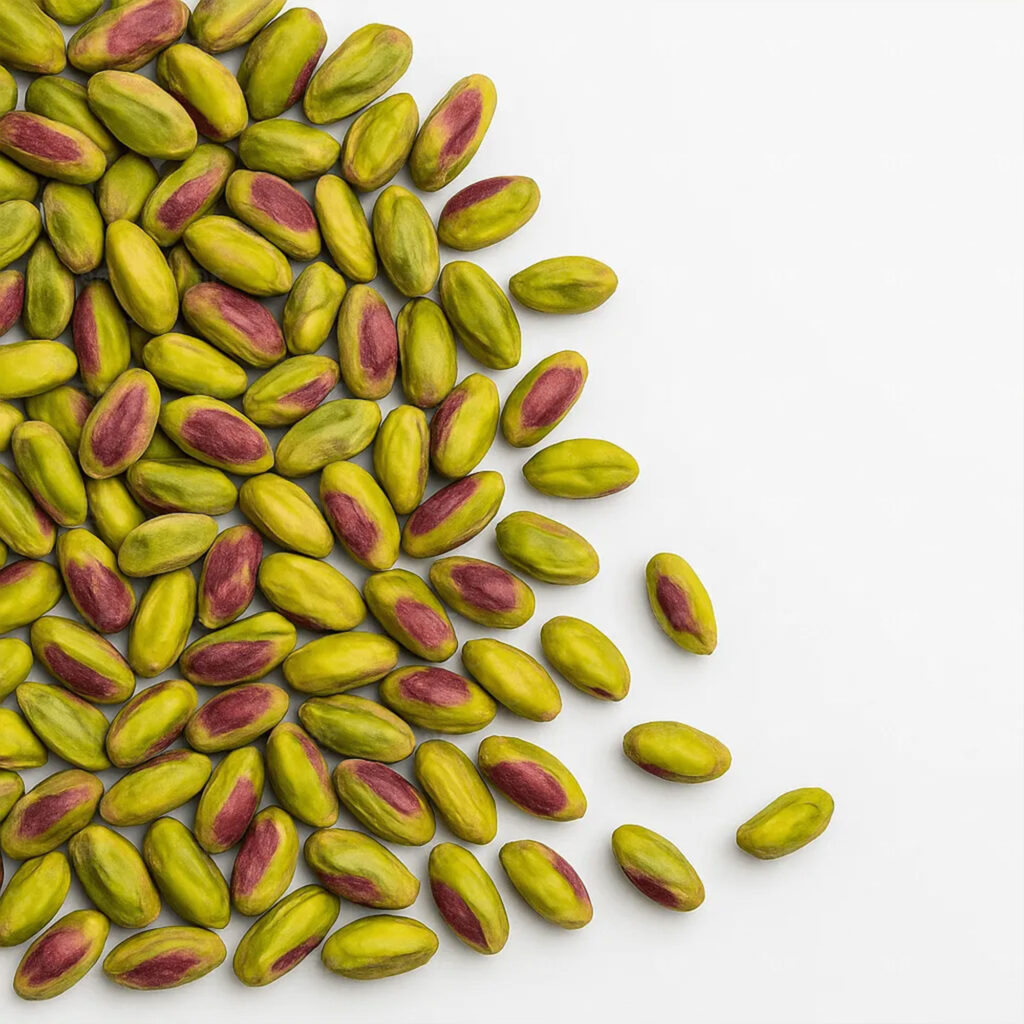
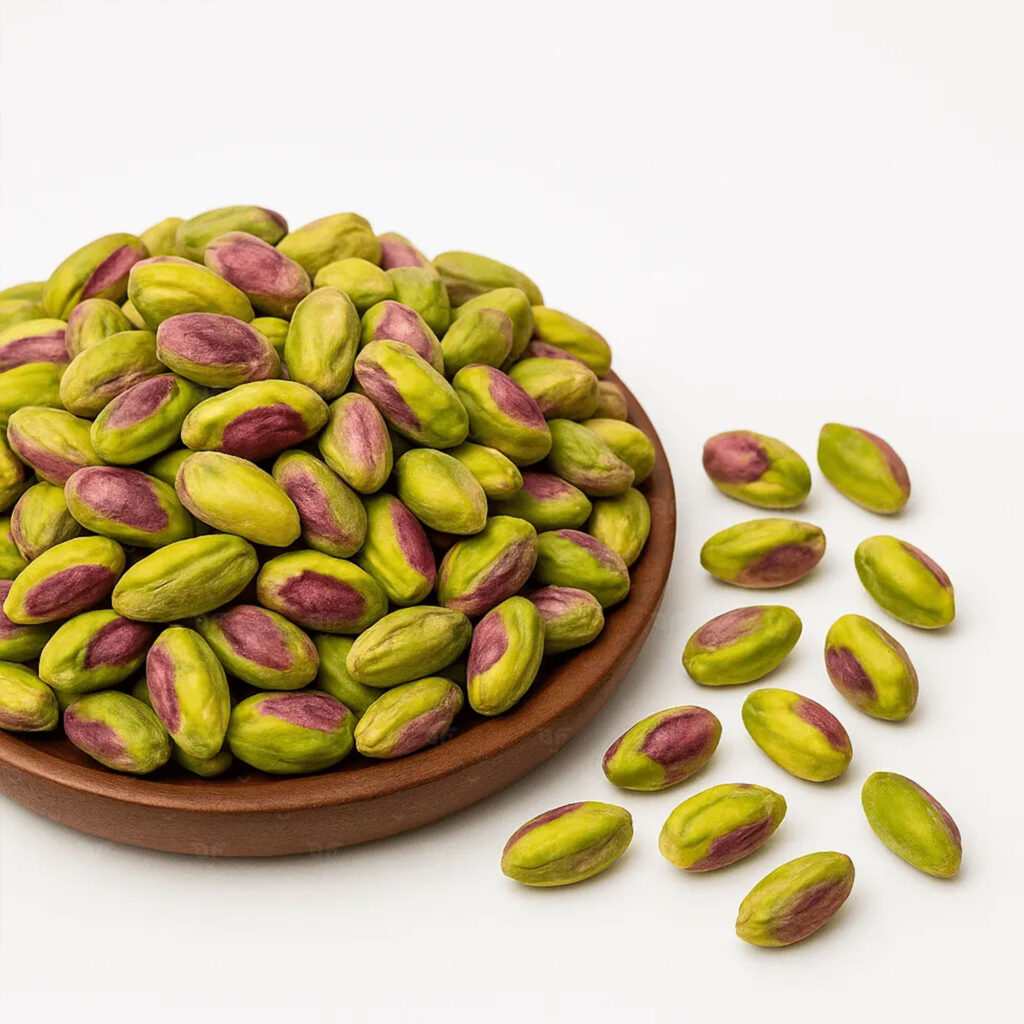
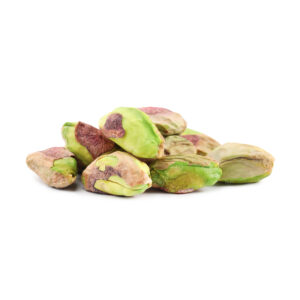
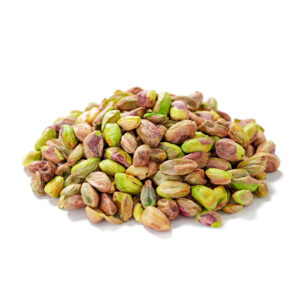
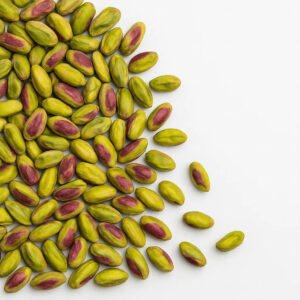
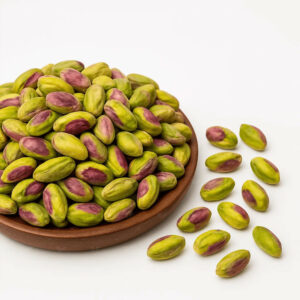
Few snacks match the colour, flavour and goodness of Pistachio Kernel. Grown in the sunny groves of Kerman and its neighbouring provinces, these mature kernels show a deep green centre wrapped in a thin purple skin. They feel firm between the teeth and leave a gentle, buttery after‑taste. Because they come from fully ripe nuts, they differ from green or kaal kernels and bring a richer note to food. They travel easily from orchard to oven, fitting both quick nibbles and creative cooking. Keep reading to learn more.
When quality counts, having a trusted source matters as much as the product itself. JAM Food Co. is a long‑standing supplier of Pistachio Kernel and has earned that trust through careful work at every stage. The company builds relationships with orchard owners, checks the nuts by hand and machine, and processes them in clean, modern halls. By sealing each batch quickly after cracking, JAM Food Co. keeps flavour, colour and safety intact. Thanks to clear paperwork and responsive staff, buyers on five continents rely on the firm for steady deliveries.
What is Pistachio Kernel?
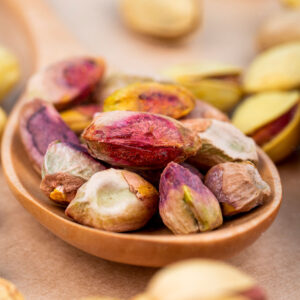
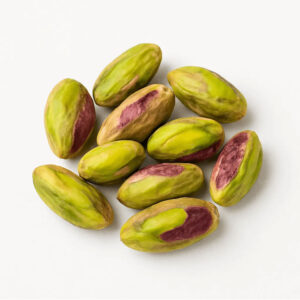
Pistachio Kernel is the shelled seed taken from fully grown pistachio nuts such as Ahmad Aghaei, Akbari and Fandoghi. After the outer hull and woody shell are removed, the green heart appears, still covered by a thin, reddish membrane. The kernel is valued for its bright colour, mild sweetness and crunchy bite. In kitchens, it lends green flecks to ice‑cream, biscuits, sauces and rice dishes, while food factories grind it into pastes or pieces for chocolate bars and spreads. A handful also makes an easy, nutrient‑rich snack.
Physical Characteristics of Pistachio Kernel
The look and feel of each kernel decide how it is graded before export. Traders examine colour, size, shape and texture because these features influence shelf life, taste and where the nut will be used, from luxury sweets to everyday trail mixes.
- Appearance:
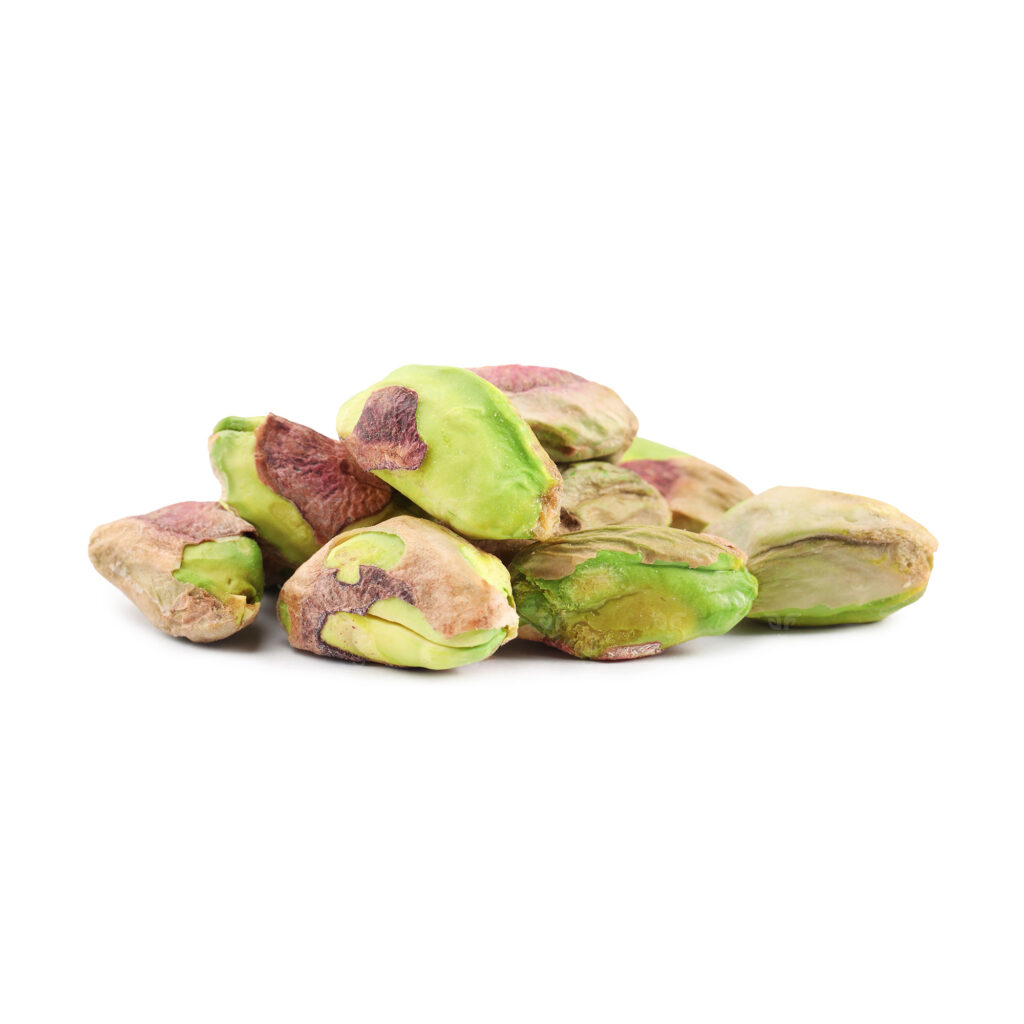
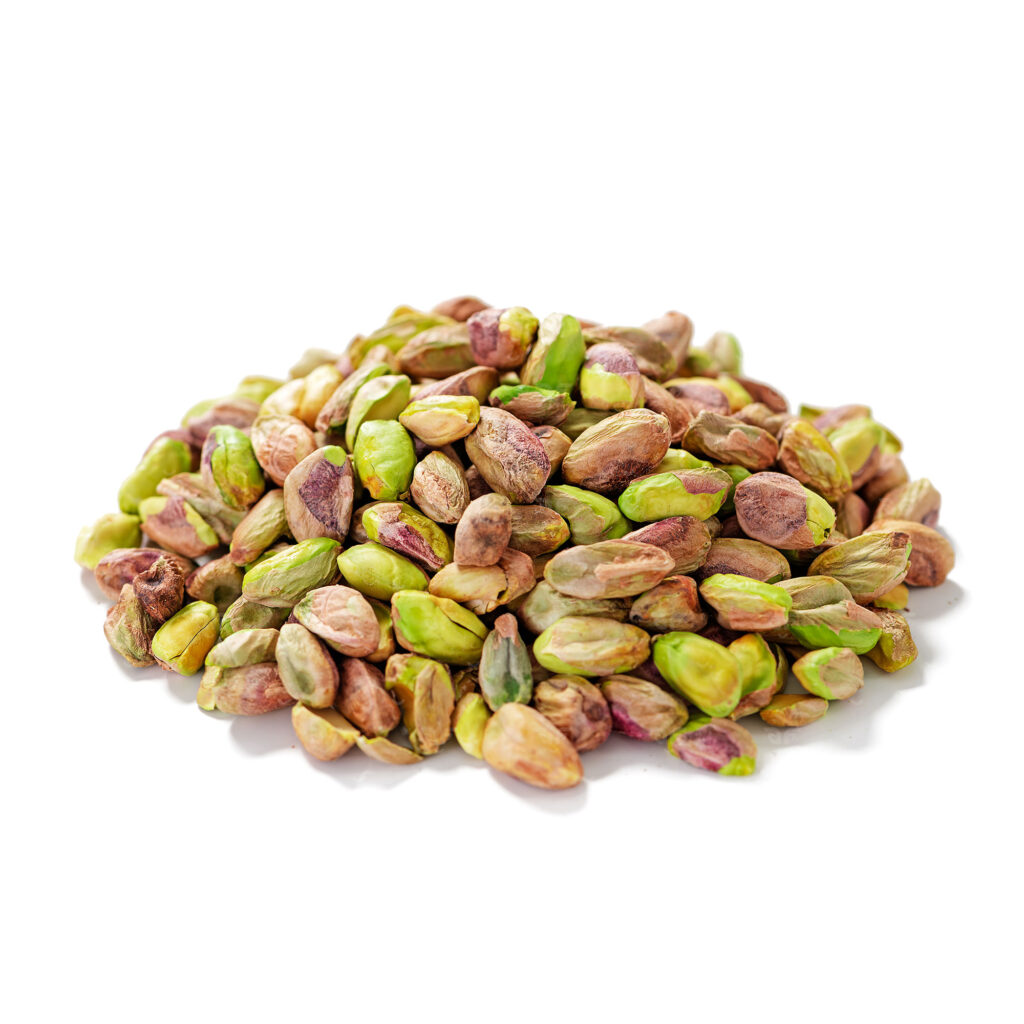
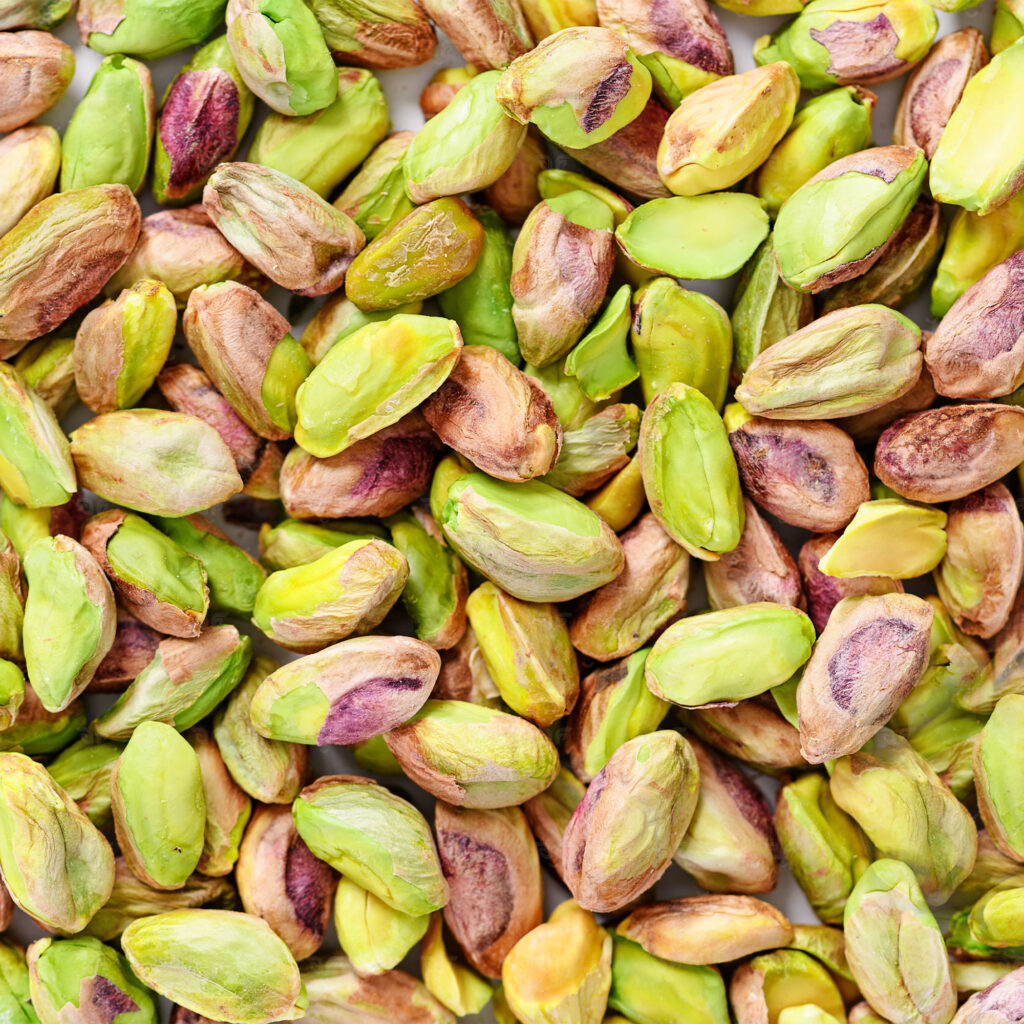
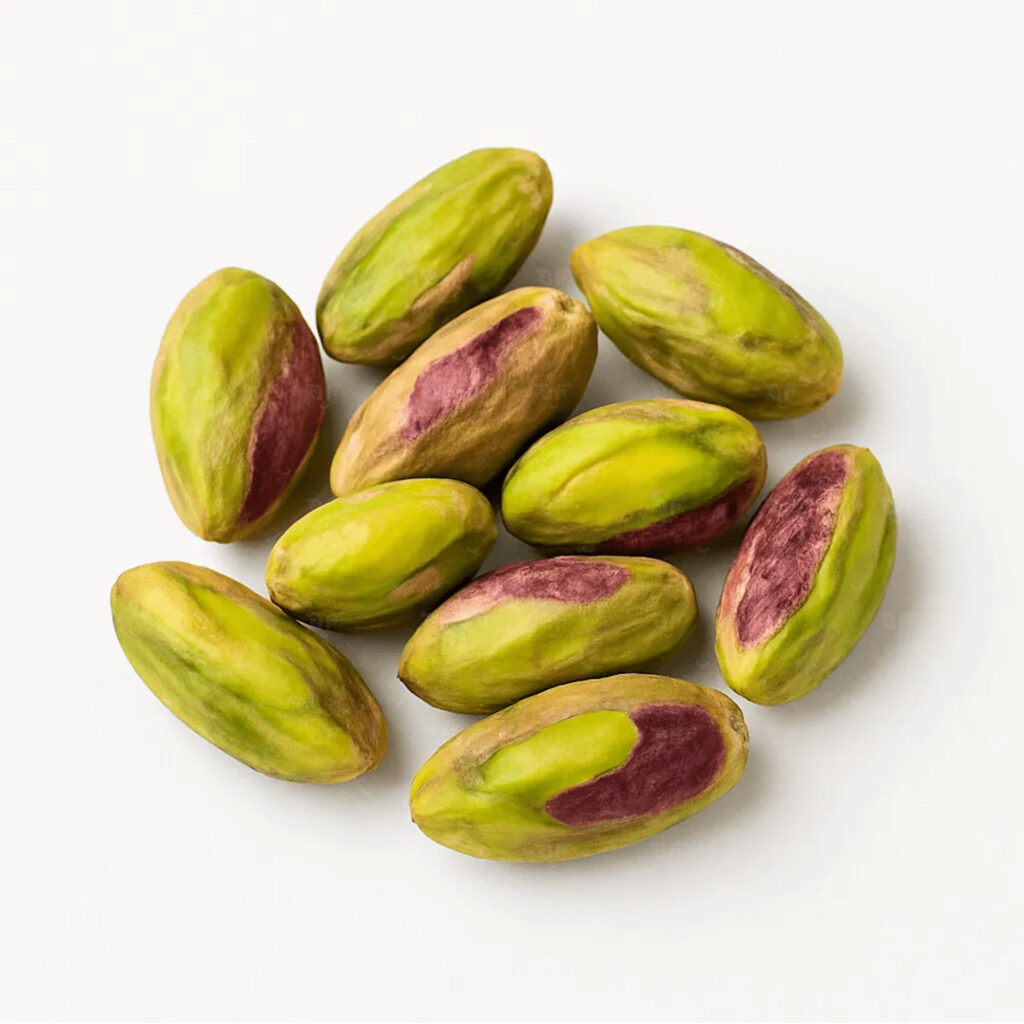
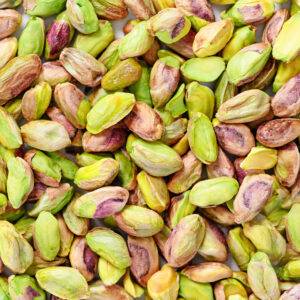
The surface shows a rich green tone that darkens toward the centre, ringed by a thin purple‑brown skin. This contrast makes the kernel attractive in foods where colour is visible, such as gelato toppings or baklava fillings. Uniform, glossy pieces fetch higher prices because chefs can sprinkle them without extra sorting.
- Size and Shape:
Most kernels measure between 10 and 14 millimetres in length and keep an oval outline that tapers slightly at one end. Larger, unbroken pieces are prized for roasted snack mixes, while smaller fragments move to grinding. Consistent size ensures even roasting and prevents burnt spots during cooking.
- Color and Texture:
Inside, the flesh stays bright green owing to high chlorophyll levels, while the outer skin gives a gentle crunch. After light roasting, the texture turns crisp but not hard, making chewing pleasant. The kernel holds its shape in moisture, so it keeps bite in stews and rice.
- Taste and Flavor Profile:
A natural balance of sweet and savoury notes gives the kernel a buttery flavour with hints of warm spice. Light roasting releases extra aroma without adding oil. The taste pairs well with chocolate, citrus, and herbs, making the nut flexible in both sweet and savoury menus.
Nutritional Value and Health Benefits of Pistachio Kernel
A 30‑gram serving of Pistachio Kernel offers about six grams of protein, three grams of fibre and a good share of healthy fats that support heart health. It supplies vitamin B6 for energy use, potassium for nerve balance and magnesium for muscle function. The bright colour signals antioxidants like lutein, which protect the eyes, and polyphenols that fight cell damage. Thanks to the mix of nutrients and moderate calories, the kernels can help control hunger between meals while adding a pleasant crunch.
Growing, Harvesting, and Processing Pistachio Kernel
South‑eastern Iran gives pistachio trees the mix of long, hot summers and short, cold winters they need to set strong buds and sweet kernels. Rain is scarce, so farmers rely on deep wells and careful drip systems to water the groves without causing root disease. The well‑drained, sandy loam soils of Kerman, Rafsanjan, Yazd and Khorasan let air reach the roots and prevent salt build‑up. Over decades, growers have learned to thin young shoots, manage pests naturally and test soil nutrients, all of which raise yield without harming the fragile desert land.
- Climate Conditions:
Trees need at least 3,000 hours of strong sun each year, summer peaks above 38 °C and winter chills below 7 °C to break dormancy. Dry air keeps fungal problems low, yet farmers watch for sudden spring frosts that can damage blossoms. Windbreak rows guard orchards against abrasive desert sand.
- Soil Requirements:
Pistachios favour deep, sandy loam that drains fast after rare rain yet holds enough moisture near the root zone. A neutral to slightly alkaline pH (7.0–8.0) helps trees absorb calcium and iron. Growers avoid heavy clay or saline ground that may stunt growth and reduce kernel quality.
- Major Growing Regions:
Kerman Province leads production, especially the Rafsanjan plain, where trees have thrived for generations. Yazd offers dry heat and mineral‑rich soil, while northern Khorasan extends the harvest window. Smaller orchards in Semnan and Fars add diversity and spread supply risks.
Harvesting Season of Pistachio Kernel
Growers start checking nuts in late August when the outer hull loosens and the shell turns ivory. Picking runs until early October, timed carefully to avoid autumn rains that can stain the shell and invite mould. Workers shake each tree or use light machinery so ripe clusters fall onto wide nets. Quick collection lowers the risk of aflatoxin, a toxin that forms if the hull stays moist. By ending the harvest before cold nights arrive, farmers keep kernel colour bright and flavour sweet.
Processing of Pistachio Kernel
After harvest, nuts travel the same day to processing stations. First, they pass through water jets and soft brushes that wash away hull remains and dust. Forced‑air dryers then reduce moisture to below five percent, stopping mould growth while keeping the kernel raw. Shelling machines split the shells, and optical sorters remove broken or discoloured pieces. Hand inspectors give a final check before the kernels drop into vacuum or nitrogen packs. Each step follows food‑safety rules that trace the lot from orchard to final customer.
- Cleaning:
Within hours of picking, nuts are hulled and flushed with cool water. Soft brushes turn them gently so hidden soil and insects wash away. Removing surface moisture quickly curbs microbial growth and prepares the nuts for even drying, which is vital for bright, clean kernels.
- Drying:
Warm air flows through stacked trays for several hours, lowering kernel moisture to below five percent. Controlled temperature prevents roasting yet drives off water that can cause mould. Uniform drying keeps texture crisp and stops the green centre from darkening during storage.
- Shelling:
Precision rollers crack the shell without crushing the seed. Vibration tables then separate shells from kernels. Gentle handling reduces breakage, giving customers more whole pieces for snack mixes and fewer fines. Clean shells leave no dust, helping packs stay fresh longer.
- Sorting:
Cameras inspect colour and size, sending discoloured or small pieces to a separate stream. Technicians also use sieves for size grading. Accurate sorting means bakers, ice‑cream makers and snack brands receive a uniform product that cooks evenly and looks attractive on the plate.
- Packaging:
Kernels drop straight into oxygen‑free bags that are vacuum‑sealed or flushed with nitrogen. The packs block light and moisture, keeping the natural oils from turning rancid. Clear labels show the harvest date and batch code, helping buyers track freshness and meet safety rules.
Storage Guidelines and Durability of Pistachio Kernel
Once the kernels leave the factory, keeping them cool, dry and dark is the only way to protect their quality. Heat speeds up oil breakdown, while moisture makes them lose crunch and invites mould. Light can fade the green pigment, making dishes look dull. Professional stores often hold stock at about 4 °C and below sixty percent relative humidity to slow oxidation. By combining low temperature, low humidity and airtight packs, users can keep the flavour and colour almost as fresh as picking day.
Storage Conditions of Pistachio Kernel
Home cooks and factories alike should transfer kernels to airtight glass or high‑grade plastic jars once a pack is opened. The container must be filled to the top to limit air space and kept in the refrigerator’s vegetable drawer, away from strong‑smelling foods such as onions. For very long storage, a freezer at –18 °C halts rancidity for up to two years, yet the kernels thaw quickly without losing texture. Always bring them to room temperature before grinding to avoid condensation.
Shelf Life of Pistachio Kernel
When stored below 10 °C in a sealed bag, Pistachio Kernels keep their full flavour and crunch for about twelve months. If the pack stays at room temperature, life drops to six months, and heat above 30 °C can spoil them in weeks. Signs of ageing include a greasy film, faded colour and a bitter after‑taste. Checking best‑before dates and using older stock in cooked recipes first helps businesses avoid waste and ensures customers enjoy the nut at its peak.
About JAM Food Co.’s Pistachio Kernel
From farm gate to global port, JAM Food Co. manages a clear chain of custody that meets ISO and HACCP rules. As a seasoned Exporter of Pistachio Kernel, the company works with accredited laboratories to test every lot for aflatoxin, moisture and pesticide limits. Temperature‑controlled trucks carry the kernels to the firm’s packing centre, where trained staff record each step in a digital system. This tight control lets overseas buyers trace the goods back to a single orchard and feel confident about safety and quality.
JAM Food Co. as a Reliable Pistachio Kernel Supplier
JAM Food Co.’s strength lies in flexibility. As a Provider of Pistachio Kernel, the team can pack orders from ten‑kilogram boxes for small roasters to one‑tonne totes for large confectionery plants. A dedicated export desk manages customs papers, health certificates and quick responses to customer queries. Continuous feedback from buyers feeds into staff training and process reviews, so each season brings measurable improvements. This service‑first attitude explains why many importers have worked with the company for more than a decade.
Packing Pistachio Kernel at JAM Food Co.
To guard freshness on long sea journeys, JAM Food Co. uses multi‑layer bags with an aluminium barrier that blocks oxygen and light. Vacuum or nitrogen flushing removes air before sealing, while desiccant packs absorb any stray moisture. Retail clients can choose stand‑up pouches with transparent windows, allowing shoppers to see the bright kernels without opening the pack. All packaging is food‑grade and labelled in several languages, making it ready for supermarket shelves on arrival. Lot codes ensure quick recall if required.
HOW CAN JAM GROUP HELP YOU?
Send us a message and our friendly team will get back to you within one business day.




