










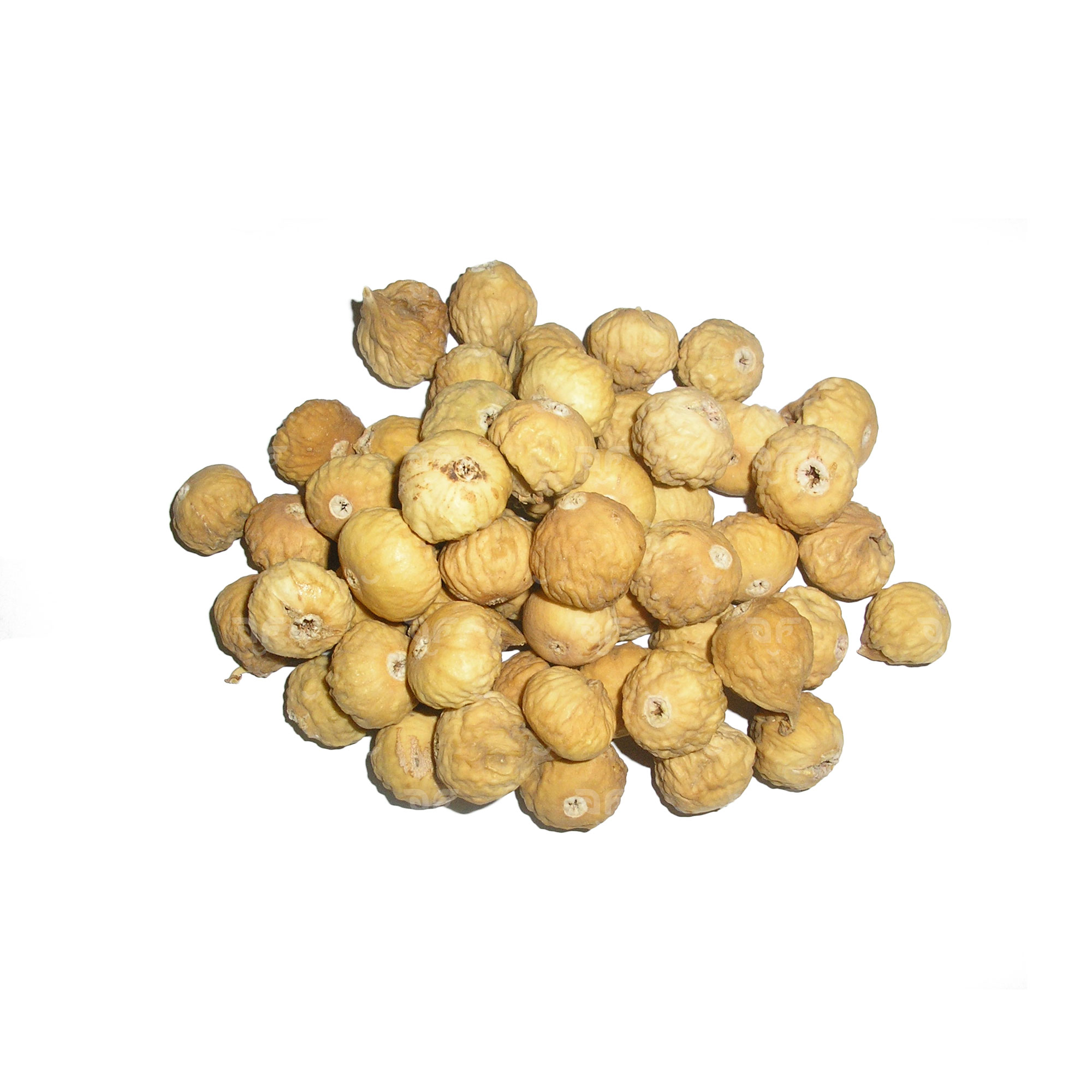
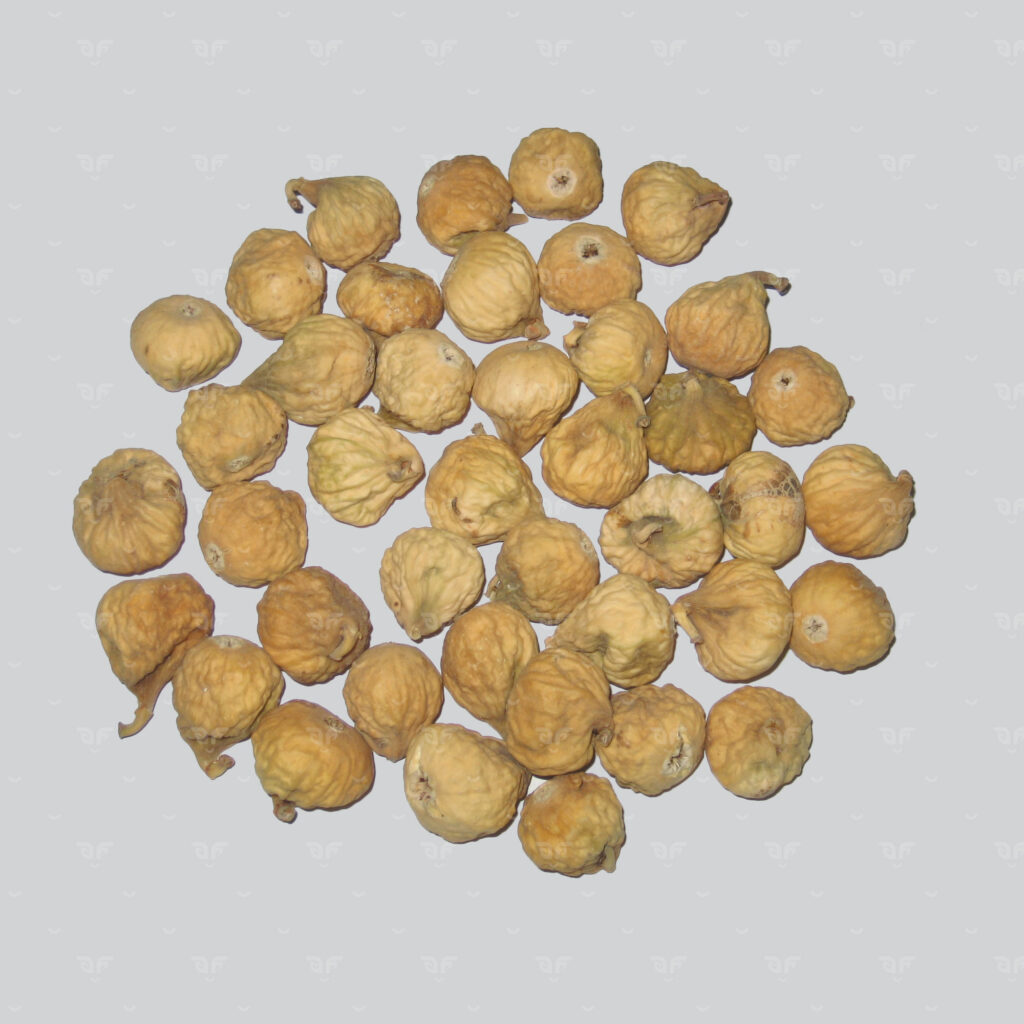
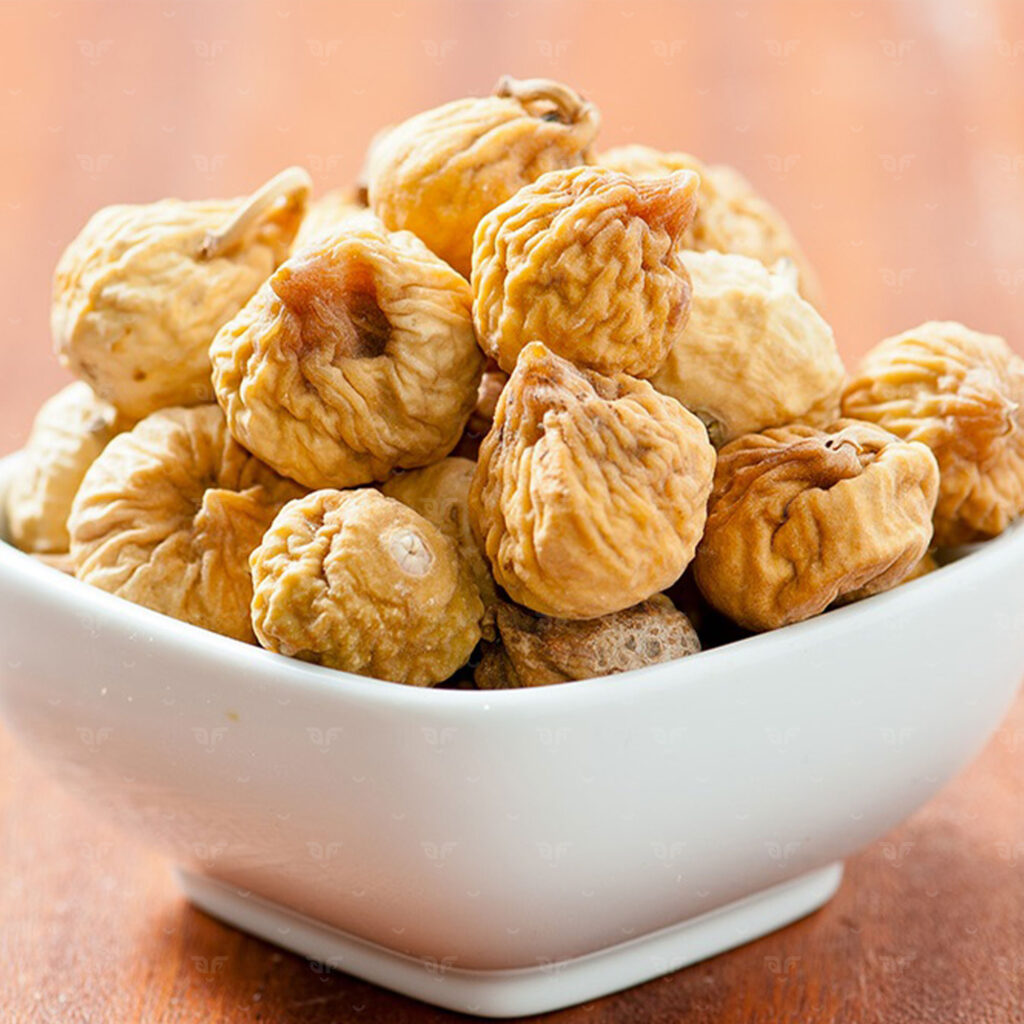
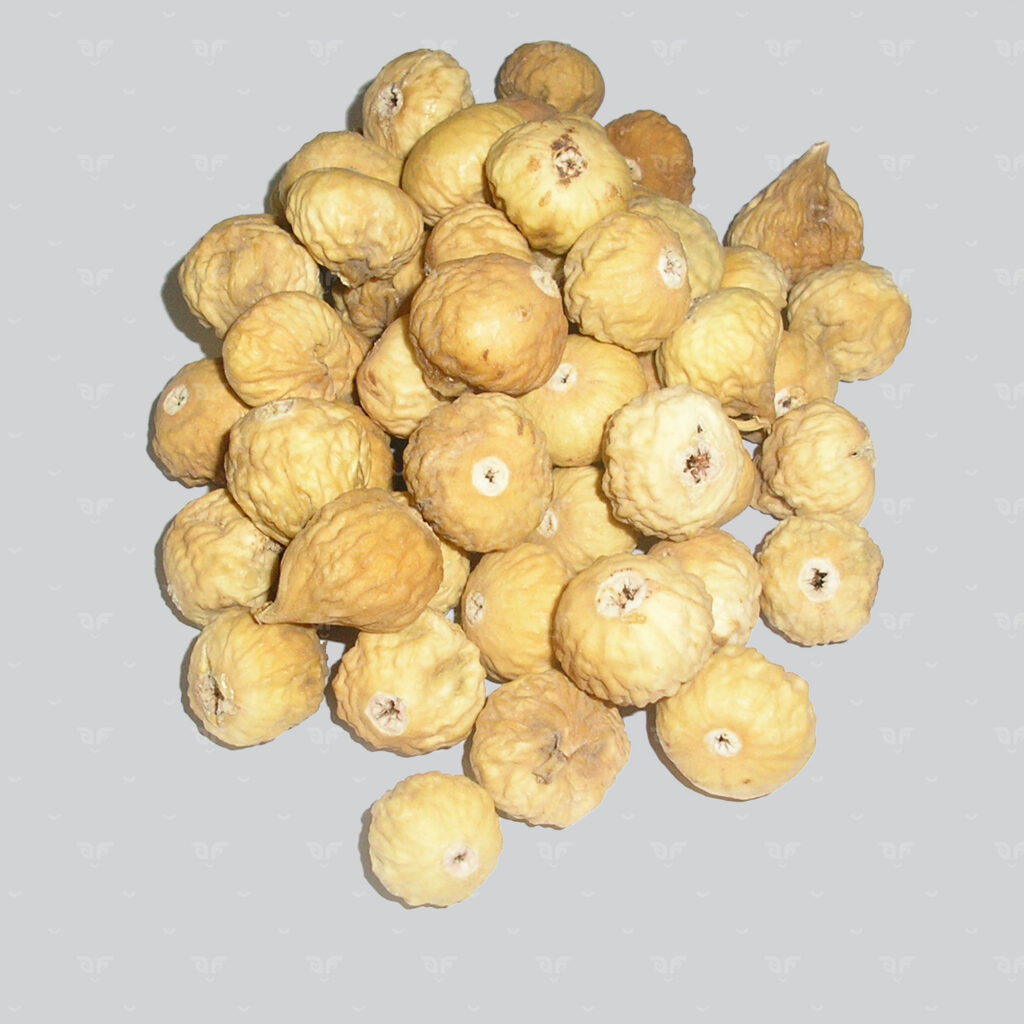
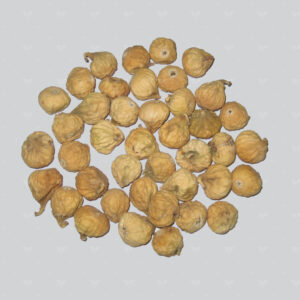
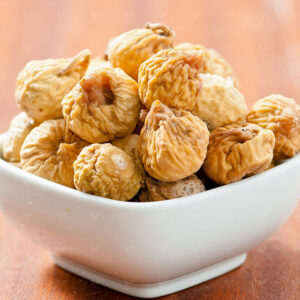
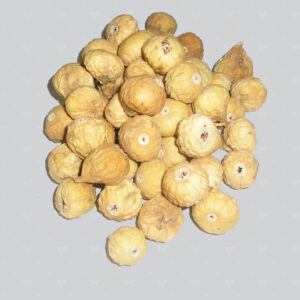
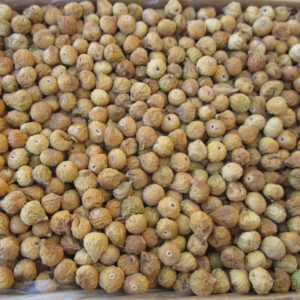
Dried figs combine natural sweetness, a dense texture, and a long history of use in household foods and commercial production. Close Mouth Dried Fig is a whole dried fruit identified by its closed or nearly closed natural opening. Iranian production is strongly connected with dry regions such as Fars Province, where hot summers and traditional rainfed orchards support fig cultivation. Depending on the commercial grade, the fruit may have a cream, yellow, golden, brown, or grey-brown appearance. It can be eaten directly or used in bakery products, cereals, confectionery, fruit fillings, snack bars, and fig paste.
Choosing a suitable dried fig requires careful attention to the product specification. Mouth condition alone does not define quality. Buyers must also consider size, colour, moisture, cleanliness, texture, visible defects, and storage stability. JAM Food Co. presents Close Mouth Dried Fig for commercial enquiries, with product requirements arranged according to the buyer’s intended use. Importers, food manufacturers, wholesalers, and retail packers can use a clear specification to compare available grades and select a product that matches their processing method, packaging plan, target market, and consumer expectations.
A Short Glance at Close Mouth Dried Fig: Definition and Key Traits
Close Mouth Dried Fig is a dried common fig in which the ostiole remains closed or only slightly open. The ostiole is the small natural opening at the end of the fruit. In commercial grading, this feature helps separate closed-mouth figs from open-mouth figs, which have a wider opening and may show part of the internal seeds. Closed mouth is a physical characteristic rather than the name of a separate botanical variety. It does not define the fruit’s exact diameter, colour, moisture level, growing area, or overall quality class.
Iranian processors may use terms such as AA, A, or B when describing dried fig grades. These labels do not always represent the same specifications among different suppliers. One seller may focus mainly on size and colour, while another may also consider moisture, mouth condition, defects, and uniformity. B2B buyers should not rely only on a grade name. They should request measurable details such as diameter range, accepted colour, closed-mouth percentage, maximum moisture, damaged-fruit tolerance, and foreign-material limits before placing an order.
Physical Characteristics of Close Mouth Dried Fig
The physical characteristics of dried figs affect their market position, processing suitability, packaging needs, and visual appeal. Buyers often compare colour, diameter, shape, mouth condition, surface cleanliness, texture, and flavour before selecting a commercial lot. A closed mouth can create a neat and compact appearance, but it should be assessed together with other quality factors. Natural differences are expected because fig appearance can change according to cultivar, maturity, orchard conditions, drying weather, moisture, handling, and storage.
Colour and Surface Quality in Closed-Mouth Dried Figs
- Colour and appearance:
Close-mouth dried figs may range from creamy white and pale yellow to golden, light brown, brown, or grey-brown. Lighter and more even colours often attract greater commercial interest for visible retail products. Darker fruit may remain suitable for ingredient processing when flavour, safety, moisture, and cleanliness meet the buyer’s requirements. Skin staining, mould, serious damage, and unusual discolouration should be controlled through careful sorting.
- Surface condition:
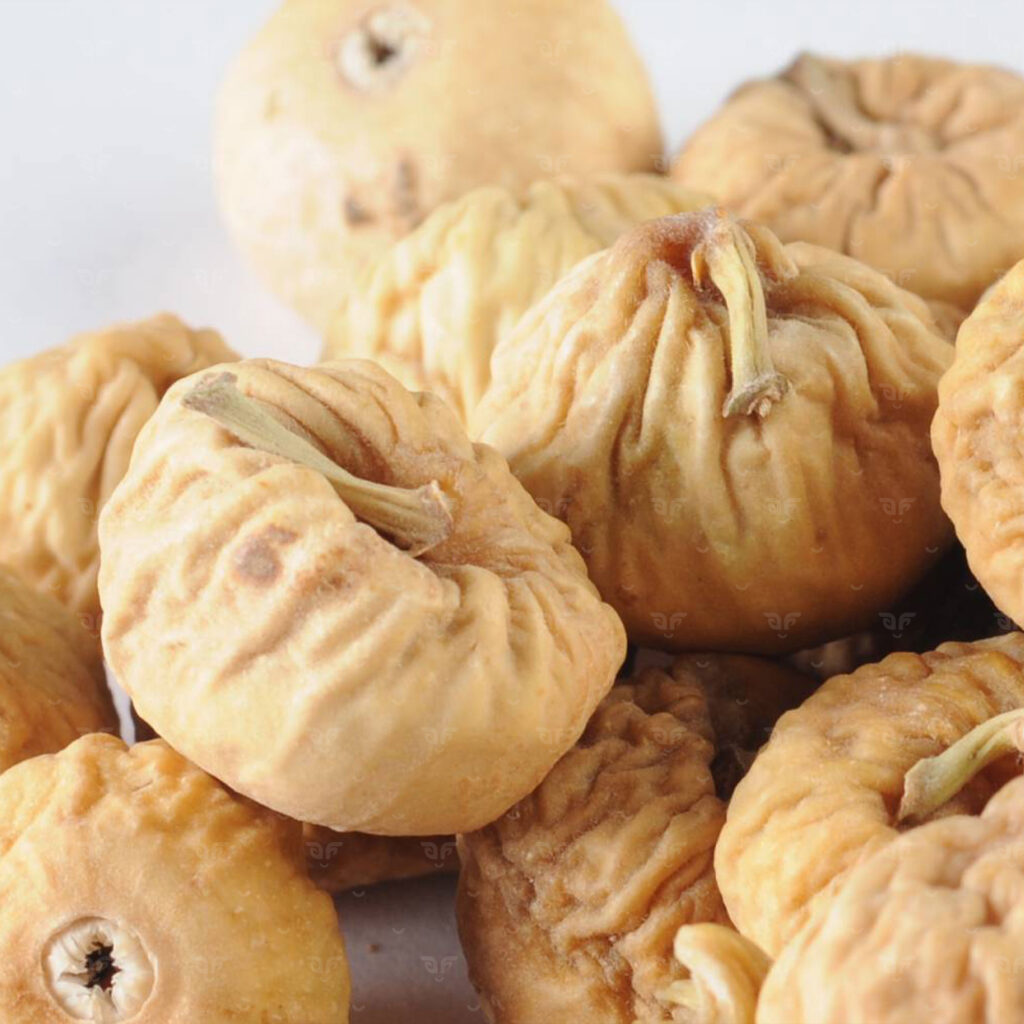
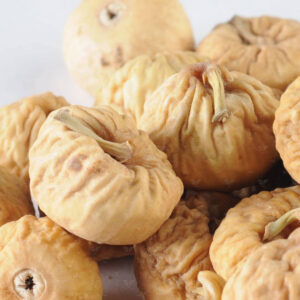
A normal dried fig has a wrinkled outer skin caused by moisture loss during drying. The surface should appear reasonably clean and free from visible soil, excessive dust, insects, foreign material, or major damage. Some natural marks may remain because figs are agricultural products often dried in outdoor conditions. Accepted levels of staining, splits, scars, and other visual defects can be defined in the commercial specification.
- Size and diameter:
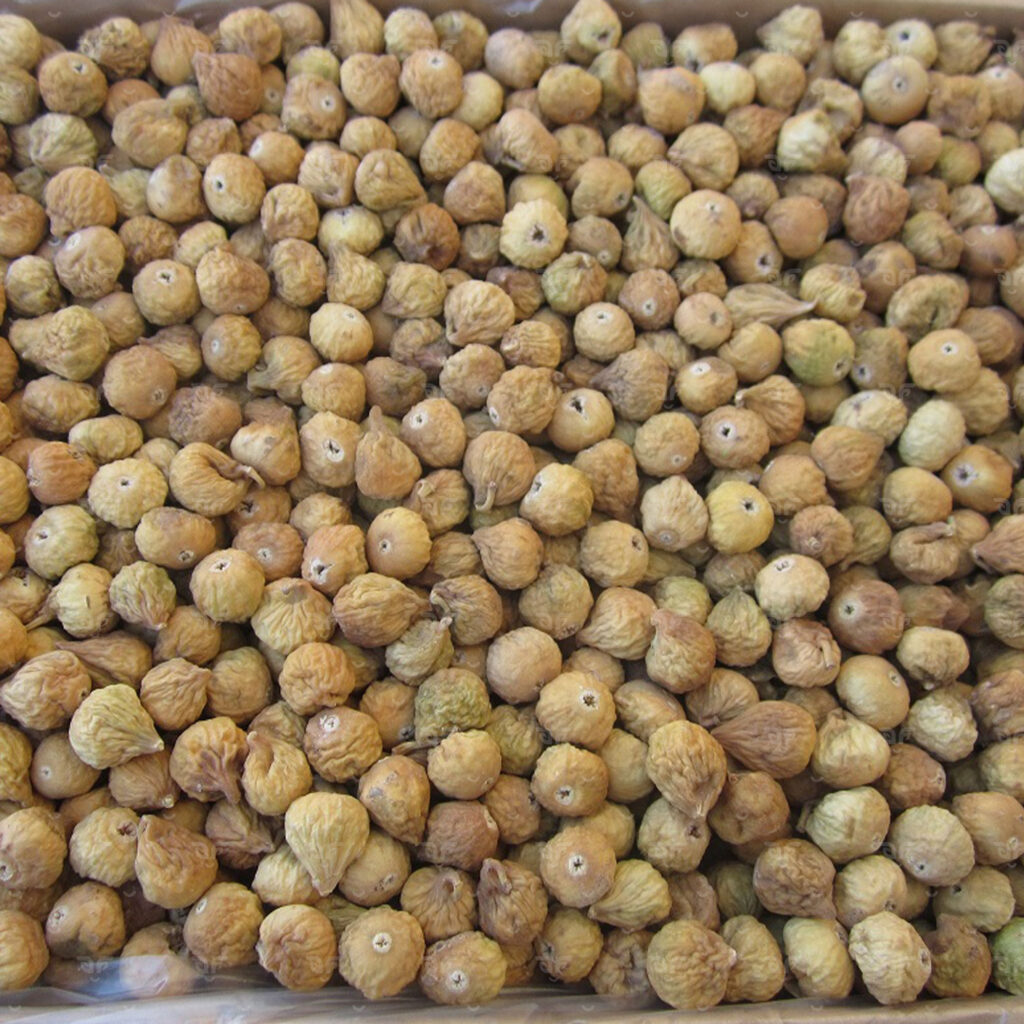
Close Mouth Dried Fig does not have one fixed size. Commercial examples may include smaller fruit near 14 millimetres and medium fruit within a wider range of approximately 16 to 22 millimetres. Buyers can select smaller or medium grades according to their target market and application. A minimum diameter, calibrated range, or approximate fruit count per kilogram can also be included when size consistency affects processing or retail presentation.
- Shape and mouth condition:
The fruit may appear round, slightly pear-shaped, or flattened after drying. Its natural opening remains closed or nearly closed, although a commercial lot may contain a limited percentage of slightly open fruit under an agreed specification. Shape depends on the cultivar, maturity, drying process, and handling pressure. Uniform shape can improve retail presentation, while shape may be less important for chopped, ground, or paste applications.
Texture and Natural Fig Flavour
- Texture:
The outer surface is normally dry, wrinkled, and slightly firm, while the inside may remain dense, flexible, and chewy. Numerous small edible seeds create a light crunch. Moisture has a strong effect on texture. Very dry fruit may become hard, while fruit with excessive moisture may feel sticky, compress easily, or become less stable during storage and transport.
- Taste:
Drying removes water and concentrates the fig’s natural sugars, producing a clearly sweet flavour. Buyers may notice honey-like, mild caramel, jam-like, or lightly nutty notes. The final taste depends on cultivar, maturity, drying conditions, moisture, and storage age. Commercial labels can also state whether the product contains added sugar, preservatives, or other treatments, helping buyers match it to their market and labelling requirements.
Nutritional Value and Health Benefits of Close Mouth Dried Fig
Close Mouth Dried Fig has a nutritional profile similar to other dried common figs. Removing water during drying concentrates the fruit’s carbohydrates, natural sugars, fibre, and minerals. A general 100-gram portion of dried, uncooked figs provides about 249 calories, 63.9 grams of carbohydrate, 9.8 grams of dietary fibre, 3.3 grams of protein, and less than one gram of fat. The same amount may provide approximately 680 milligrams of potassium, 162 milligrams of calcium, and two milligrams of iron, although actual values vary between products.
Dietary fibre supports normal digestive function and can help increase fullness when dried figs form part of a balanced meal or snack. Potassium contributes to normal muscle and nervous-system function, while calcium and magnesium support bones and muscles. Dried figs can also provide fruit-based sweetness in food formulations. These benefits should be described carefully because dried figs are concentrated in natural sugars and calories. They should not be presented as a treatment or cure for digestive disorders, heart disease, bone conditions, or any other medical problem.
Growing Conditions and Regional Farming Practices of Figs
Iranian dried-fig production is closely linked with hot and dry farming areas, particularly parts of Fars Province. Estahban is widely known for traditional rainfed fig orchards, where trees depend mainly on seasonal rainfall rather than regular irrigation. Hot summers, strong sunlight, and low humidity during the drying period help the fruit lose water naturally. Fig trees still need suitable soil moisture during growth. Drought tolerance means that the tree can manage dry conditions better than many fruit crops, not that it can produce without water.
- Temperature and sunlight:
Warm conditions and strong sunlight support ripening, sugar development, and natural moisture loss. Dry weather near harvest is especially useful because it allows fruit to dry with less risk of rewetting. Extreme heat, long droughts, or badly timed weather can still reduce fruit size, crop yield, skin quality, and final uniformity.
- Humidity and rainfall:
Low humidity during drying helps limit mould and shortens drying time. Seasonal rainfall is important in rainfed orchards because it supplies water stored in the soil. Rainfall distribution can be as important as the total amount. Rain or heavy dew near harvest may rewet the fruit, delay drying, increase staining, and create conditions that support fungal growth.
Soil, Rainfed Orchards, and Regional Methods for Figs
Fig trees can grow in different soil types, including stony and calcareous land, but good drainage remains important. Waterlogged soil can reduce root health and weaken the tree. Mature fig trees develop deep and wide root systems that help them use stored soil moisture. In traditional rainfed areas, farmers may shape soil basins or small catchments around each tree. These structures direct rainfall toward the root area and reduce water loss across sloping orchard land.
- Soil requirements:
Well-drained soil helps maintain healthy roots and reduces damage from standing water. Soil depth, structure, fertility, and moisture storage influence tree growth and fruit development. Although fig trees can survive in difficult land, orchard productivity and fruit size still respond to environmental conditions. Poor soil management may reduce crop consistency even when the trees remain alive.
- Traditional orchard practices:
Rainfed growers may prepare basins around trees to collect seasonal rainwater. Orchard floors can also be cleaned or prepared before harvest to reduce contamination when ripe fruit falls. Many tasks remain labour-intensive, including orchard maintenance, repeated fruit collection, drying, and manual sorting. These methods connect the final product closely with local farming knowledge and annual weather conditions.
- Cultivation regions:
Fars Province, especially Estahban, is strongly associated with Iranian dried figs. Other Iranian regions may also grow figs. The Sabz cultivar is common in traditional Estahban orchards and is well known for dried-fruit production. For commercial traceability, details such as cultivar, orchard location, and production region can be included in the order specification when required by the buyer.
Harvesting Season and Timing Influences
The Iranian dried-fig harvest generally begins in late summer and may continue through September. Exact dates depend on the growing region, altitude, cultivar, rainfall, temperature, and conditions of each season. Figs intended for drying usually remain on the tree longer than fruit sold fresh. During this period, they become fully ripe, develop sweetness, lose part of their water, shrivel, and may fall naturally. Farmers normally collect the crop in several rounds because individual fruits do not all reach the correct stage at the same time.
- Correct maturity:
Fruit collected at a suitable stage can provide balanced sweetness, colour, texture, and drying performance. The internal sugars have developed, while enough water has already been lost to support continued drying. Proper maturity also helps processors create lots with more consistent flavour and firmness. The desired stage may differ between whole-snack products and fruit intended for grinding or paste.
- Early collection:
Figs collected too early may have weaker sweetness, incomplete flavour development, and higher water content. They may require longer drying and may not develop the expected texture. Early fruit can also appear less mature internally. Harvesting only by calendar date is therefore not enough. Farmers must observe the condition of the fruit and the progress of natural drying.
- Delayed collection:
Fruit left too long on the tree or ground may darken, split, ferment, attract insects, or absorb moisture from dew and rain. Extended soil contact also increases contamination risk. Frequent collection helps reduce these problems and allows workers to remove damaged or unsuitable figs before they are mixed with sound fruit.
- Weather during harvest:
Dry weather supports natural moisture loss and easier handling. Rain, high humidity, or heavy dew can rewet partially dried figs and increase the need for further drying. Sudden moisture changes may also affect colour, texture, and storage stability. Harvest plans should respond to actual weather conditions rather than a fixed schedule alone.
Harvesting and Post-Harvest Processing Steps of Figs
Post-harvest handling begins when ripe or partly dried figs are collected from the tree or orchard floor. Workers should gather the fruit frequently and place it in clean, dry containers that reduce crushing and contamination. Fruit requiring additional drying can be spread in a single layer on clean platforms, trays, or raised drying beds. Keeping the figs away from bare soil helps limit contact with dust, stones, moisture, insects, and animal contamination. Airflow and protection from unexpected rain are also important.
- Collection:
Ready fruit is gathered in repeated rounds because figs mature at different times. Clean containers should be used, and overfilled baskets should be avoided because pressure can flatten or damage the fruit. Workers can separate clearly mouldy, fermented, insect-damaged, or heavily contaminated figs during collection, reducing the amount of unsuitable material entering later processing stages.
- Continued drying:
Some fruit needs additional sun drying after collection. Figs should be placed in a single layer so that air can move around them. Raised trays or clean platforms are preferable to bare ground. The drying area should be protected from rain, dew, animals, insects, and excessive dust. Fruit may need turning or movement to support more even moisture reduction.
- Transport to the processing site:
Containers and vehicles should be clean, dry, and free from strong odours. The product should be protected from moisture and direct contamination during transport. Long delays in hot or humid conditions may encourage quality loss. Clear lot identification at this stage helps keep fruit from different farms, dates, or grades separate.
- Receiving and inspection:
At the processing site, each lot can be checked for general condition, moisture, visible defects, insects, mould, foreign material, and unusual odours. Unsuitable lots should be separated from acceptable material. Receiving records may also include the source, delivery date, quantity, and initial grade. These controls help processors decide whether the fruit requires additional drying, cleaning, or sorting.
Cleaning, Grading, and Food-Safety Controls for Close Mouth Dried Fig
After receiving, dried figs may pass through cleaning and grading stages designed to create uniform commercial lots. Cleaning removes leaves, stems, stones, dust, and other foreign material. Sorting then separates fruit according to size, colour, mouth condition, maturity, texture, and visible defects. Some stages can be mechanical, while careful manual inspection remains useful because workers can identify irregular colour, damage, mould, fermentation, or insect activity that machines may not fully detect.
- Cleaning:
Dry cleaning methods may remove dust, loose plant material, and small foreign objects. The exact equipment depends on the processing facility. Washing is not always used because water can increase the moisture of dried fruit. When washing is required, potable water and controlled re-drying are needed to restore suitable moisture and storage stability.
- Size and colour grading:
Screens, measurement systems, or manual grading can separate figs by diameter and visual appearance. Uniform lots are easier to pack and may perform more consistently during industrial cutting or processing. Lighter colours often receive higher visual grades, while darker fruit may be directed toward economical retail or ingredient uses when it remains safe and suitable.
- Mouth-condition sorting:
Workers or machines separate open-mouth and closed-mouth figs according to the commercial specification. A closed-mouth lot may allow a limited percentage of slightly open fruit, but the exact tolerance must be agreed with the buyer. Mouth condition should not replace checks for moisture, colour, defects, cleanliness, or food safety.
- Defect removal:
Mouldy, fermented, heavily damaged, contaminated, or insect-affected figs should be removed. Fruit with an unusual appearance or odour may require closer inspection. Removing defective pieces protects the overall lot and reduces the risk that unsuitable fruit reaches the customer. Defect limits should be written clearly in the product specification.
- Aflatoxin control:
Aflatoxins are harmful substances that certain moulds can produce under unsuitable conditions. Dried figs require careful prevention, sorting, storage, and testing where required. Visual inspection may remove suspect fruit, but appearance alone cannot confirm that a lot meets an aflatoxin limit. Laboratory results are necessary when buyers or destination-market rules require analytical verification.
- Final packing:
After grading and approval, the fruit is packed in suitable food-contact materials. The package should protect it from moisture, insects, dust, foreign odours, and crushing. Lot codes and packing information support traceability. Packaging format, net weight, sealing method, and label requirements can be arranged according to the buyer’s commercial order and destination-market needs.
Storage Guidelines, Durability, and Shelf Life of Close Mouth Dried Fig
Dried figs last much longer than fresh figs, but they can still lose quality when exposed to moisture, heat, insects, air, or strong odours. They are hygroscopic, which means they can absorb moisture from the surrounding air. Moisture uptake may make them sticky, soft, or less stable and can support yeast or mould growth. Correct storage helps protect flavour, colour, texture, cleanliness, and safety. The storage plan should consider both warehouse conditions and the barrier quality of the package.
Cool and Dry Storage for Stable Fig Quality
Controlled storage around 5 to 10°C and relative humidity below 65% can support the stability of dried figs. The area should remain clean, dark, dry, and free from pests or strong smells. Packages should be closed and placed on pallets rather than directly on the floor. Space between pallets and walls allows inspection and airflow. Stable temperatures are important because frequent movement between warm and cold conditions may cause condensation inside packages or on the fruit surface.
- Moisture control:
Packaging should limit water vapour entering from humid air. Open bags, damaged liners, and poorly closed cartons can allow moisture uptake. Warehouse humidity should be monitored, especially in warm or coastal climates. If fruit becomes unusually sticky or soft, the lot should be inspected before further storage or shipment.
- Pest protection:
Dried fruit can attract storage insects. Warehouses should follow suitable cleaning, inspection, and pest-management procedures. Cartons must remain closed and undamaged, while spilled product should be removed quickly. Figs should not be stored near infested materials. Any treatment used for pest control must be permitted for food products and the destination market.
- Odour and contamination control:
Dried figs can absorb strong smells from nearby products. They should not be stored beside chemicals, detergents, fuels, spices, or strongly scented foods. Packaging and warehouse surfaces must remain clean. Lot separation and clear labels reduce the risk of mixing different grades, origins, packing dates, or customer orders.
Factors That Determine Dried Fig Shelf Life
A commercial shelf life of about 12 months is common for properly dried, sealed, and stored figs, but this period is not universal. Actual stability depends on initial moisture, water activity, packaging barrier, storage temperature, relative humidity, cleanliness, insect control, and whether the fruit has been washed or conditioned. Water activity describes how much water is available for microbial growth. Keeping it below 0.65 helps limit many spoilage organisms, although this does not replace other safety controls.
For B2B orders, shelf-life information is normally connected to the product’s moisture level, packaging format, storage instruction, and transport conditions. Retail pouches, lined cartons, vacuum packs, and other packaging systems may provide different levels of protection. Buyers should also consider shipping time, seasonal heat, container conditions, and warehouse practices when calculating the usable period after delivery. Clear date marking and storage guidance help distributors rotate stock and maintain product quality throughout the supply chain.
Packaging Close Mouth Dried Fig at JAM Food Co.
Proper packaging helps preserve dried fig quality during storage, loading, transport, unloading, and distribution. It should protect the fruit from moisture uptake, insects, dust, strong odours, contamination, and physical pressure. At JAM Food Co., packaging requirements can be organised around the order size, transport route, destination climate, and intended market. Buyers working with the company as a provider of Close Mouth Dried Fig can define the primary package, outer carton, net weight, closure, labelling, pallet arrangement, and storage instructions within the commercial order specification.
- Bulk Packaging Capabilities:
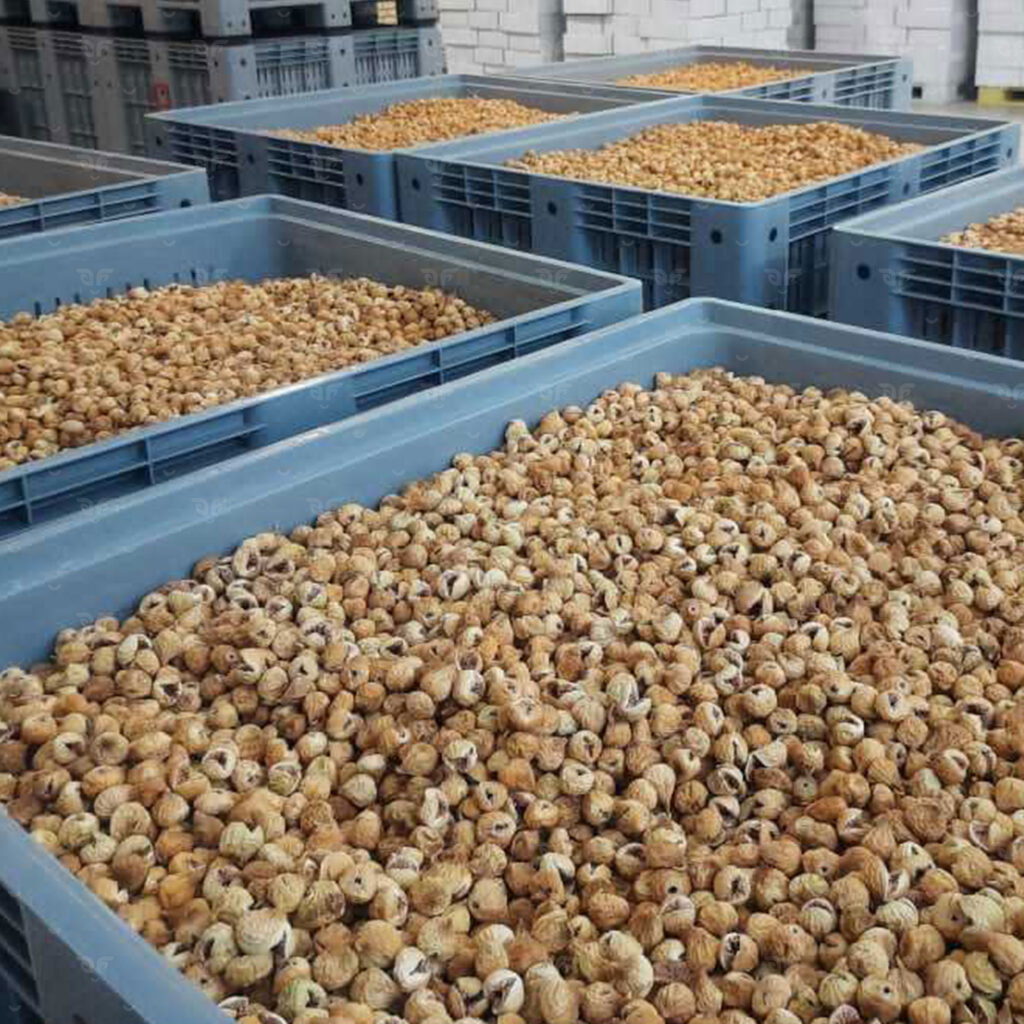
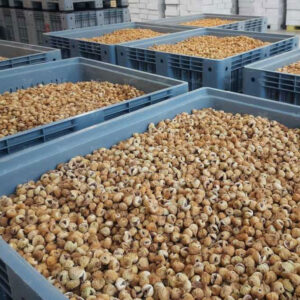
Bulk dried figs are commonly packed in sealed food-grade bags or liners placed inside corrugated cartons. The inner layer helps reduce contact with moisture and outside contamination, while the carton provides stacking strength and physical protection. For wholesale orders, carton size, liner type, net weight, gross weight, and stacking arrangement can be selected according to shipment volume and buyer requirements. This approach supports easier warehouse handling, stock control, pallet loading, and distribution after arrival.
- Preservation and Sealing Techniques:
Heat-sealed liners and moisture-barrier films are widely used to reduce exposure to humid air and outside contamination. Depending on the product and destination, vacuum systems or modified-atmosphere packaging may also be considered. Modified-atmosphere packaging replaces part of the air inside a package with selected gases to slow quality loss. The sealing method should match the fruit’s moisture, expected shelf life, transport time, destination climate, and the storage conditions available to the buyer.
- Private Labeling and Retail Packaging:
Retail-ready dried figs may be packed in pouches, trays, containers, or other consumer formats. A private-label project may include the buyer’s brand, product name, net weight, origin, lot code, packing date, storage guidance, barcode, and legal information. JAM Food Co. can organise retail-pack specifications around the customer’s target market, language, design, and carton-marking needs. Final artwork and label content should follow the regulations of the destination country and the agreed product information.
- Export-Ready Palletization:
Export cartons are stacked to limit movement, compression, and damage during transport. Stretch wrapping, corner protection, straps, and suitable pallet patterns can improve load stability. Container space should be used efficiently without placing excessive weight on lower cartons. As an exporter of Close Mouth Dried Fig, JAM Food Co. can coordinate carton quantities, pallet configuration, gross weight, labelling, and handling instructions within the shipment plan, helping buyers receive clearly identified and organised commercial lots.
About JAM Food Co.’s Close Mouth Dried Fig
JAM Food Co. supplies Close Mouth Dried Fig for commercial buyers such as importers, wholesalers, retail packers, foodservice distributors, and food manufacturers. Product selection can be arranged around grade, mouth condition, size, colour, moisture, texture, packaging, and intended application. Buyers may choose fruit for direct retail presentation or for industrial uses such as bakery production, snack bars, fruit fillings, and fig paste. A written product specification helps both sides define the expected physical characteristics, packing format, storage guidance, and shipment documents before order preparation.
JAM Food Co. as a Reliable Close Mouth Dried Fig Supplier
A reliable purchase process depends on measurable terms rather than broad quality descriptions. As a supplier of Close Mouth Dried Fig, JAM Food Co. can work with buyers to define diameter range, colour classification, moisture level, closed-mouth percentage, defect limits, foreign-material tolerance, storage conditions, and packaging requirements. Buyers may also specify the documents or analytical results needed for their destination market. Recording these points in the approved order specification makes it easier to inspect the delivered lot against the agreed commercial requirements.
HOW CAN JAM GROUP HELP YOU?
Send us a message and our friendly team will get back to you within one business day.




