










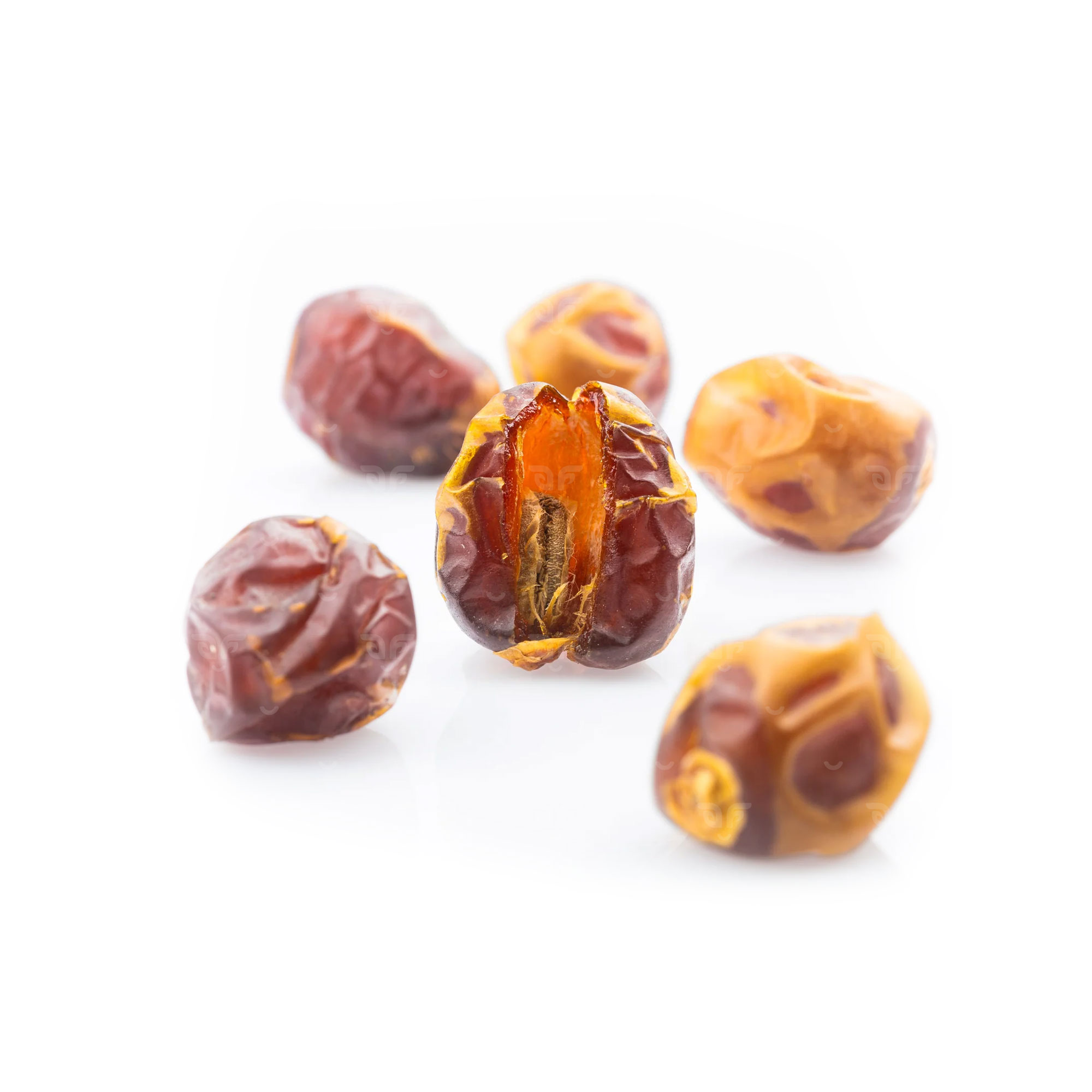
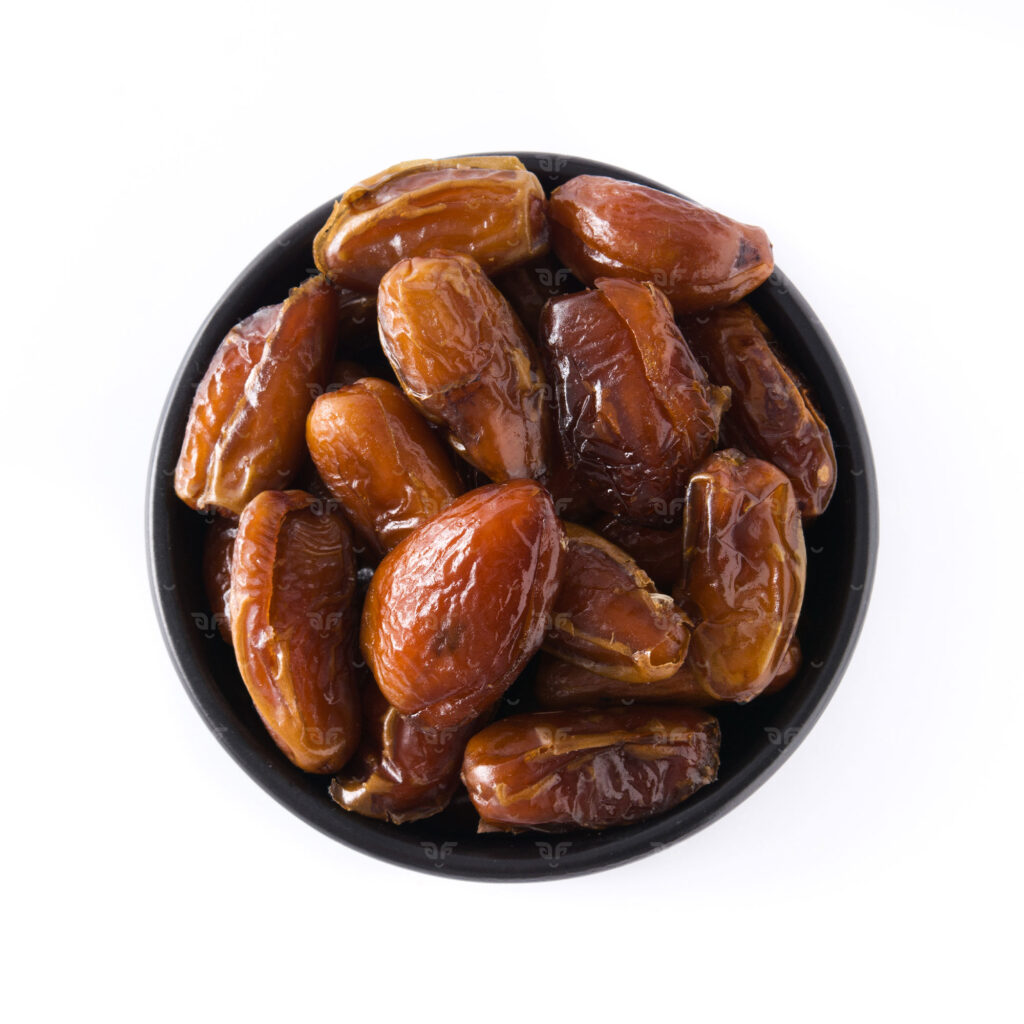
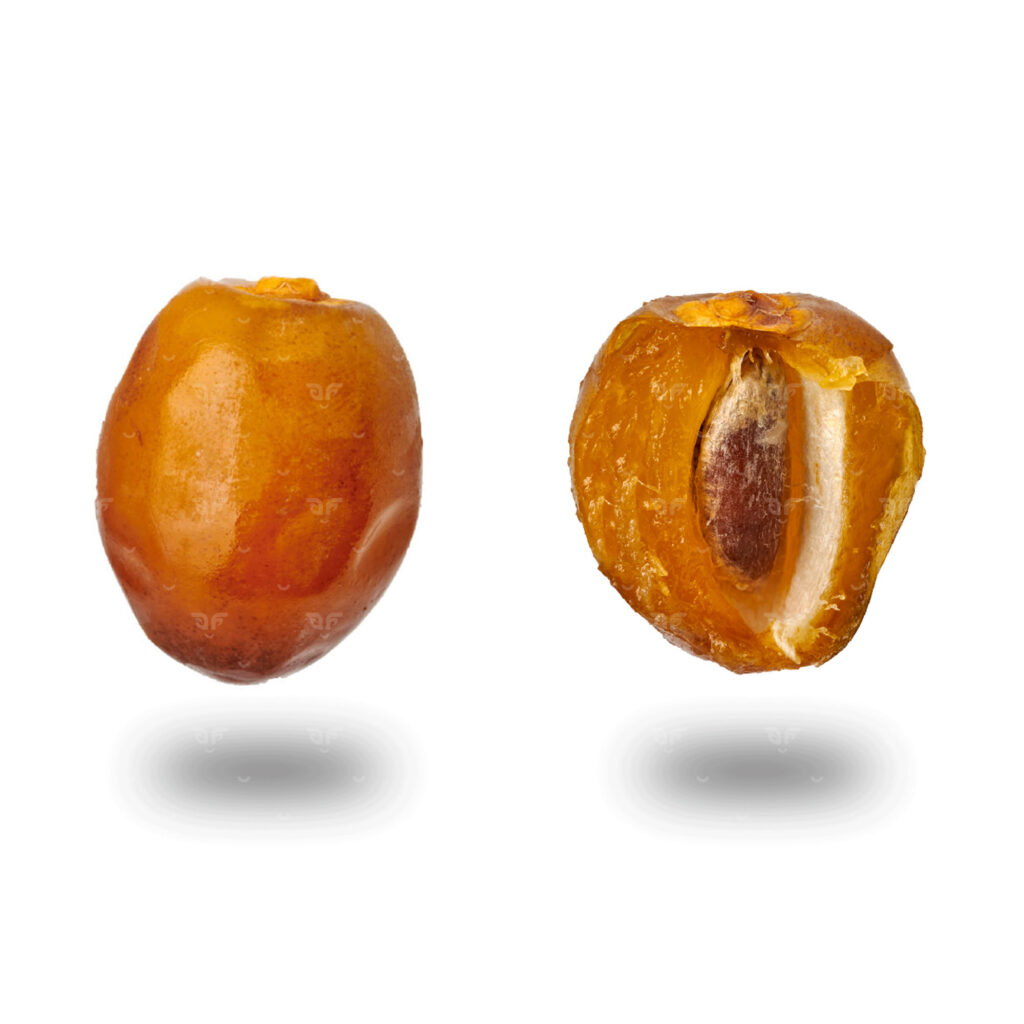
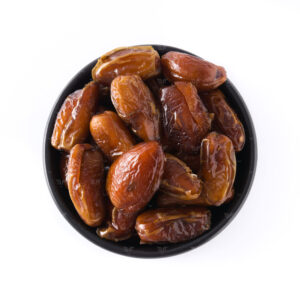
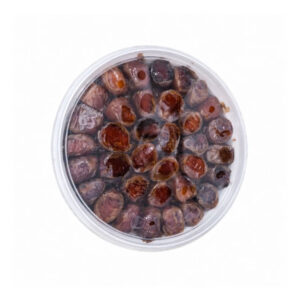
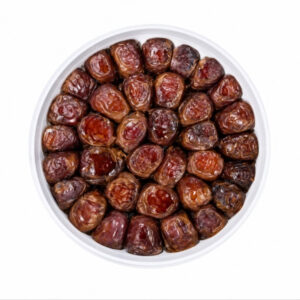
Barhi date is a specific variety of Iranian date fruit known for its distinctive sweetness and soft texture. This date is widely cultivated in Iran’s fertile regions and is highly valued for its rich, caramel-like flavor. Barhi dates are unique due to their ability to be consumed at different ripeness stages, offering varying tastes and textures. At the Khalal stage, they are golden-yellow, crisp, and slightly astringent, while at the Rutab stage, they become soft, dark, and intensely sweet. Their high moisture content makes them perishable, requiring careful storage and handling to maintain their quality. In the following paragraphs, we will explore the various characteristics of Barhi dates, including their nutritional value, cultivation process, and storage requirements.
JAM Food Co. is a trusted supplier of premium Iranian date fruits, including Barhi dates. With extensive experience in sourcing and distributing high-quality dates, the company ensures that customers receive fresh and authentic products. By working closely with skilled farmers and utilizing advanced processing methods, JAM Food Co. guarantees the preservation of natural flavors and textures. The company is committed to meeting diverse customer needs by offering flexible packaging options and efficient delivery services.
What is Barhi Date?
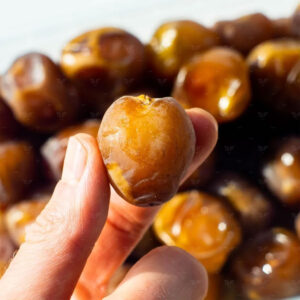
Barhi date is a soft, sweet Iranian variety that often appears golden when fresh. Many people appreciate its caramel-like taste, especially once it ripens and turns a richer shade of brown. It can be enjoyed at different stages: crunchy when newly harvested and more tender after maturing in warm climates. Farmers grow it in regions of Iran with hot summers, ensuring the fruit develops a high natural sugar content. This date also contains dietary fiber and essential minerals, which makes it a nutritious snack or an ingredient for simple desserts.
Physical Characteristics of Barhi Date
People value Barhi dates for their distinctive appearance and soft sweetness. Below are the main physical features of this type:
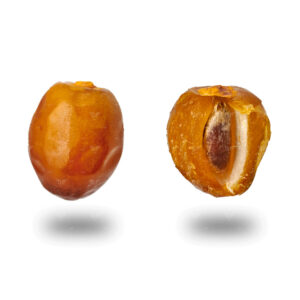
- Size and Shape: They tend to be small, measuring roughly 2 to 4 centimeters in length and about 2 to 3 centimeters in diameter. Most weigh between 16 and 20 grams, and their shape can be round or oval.
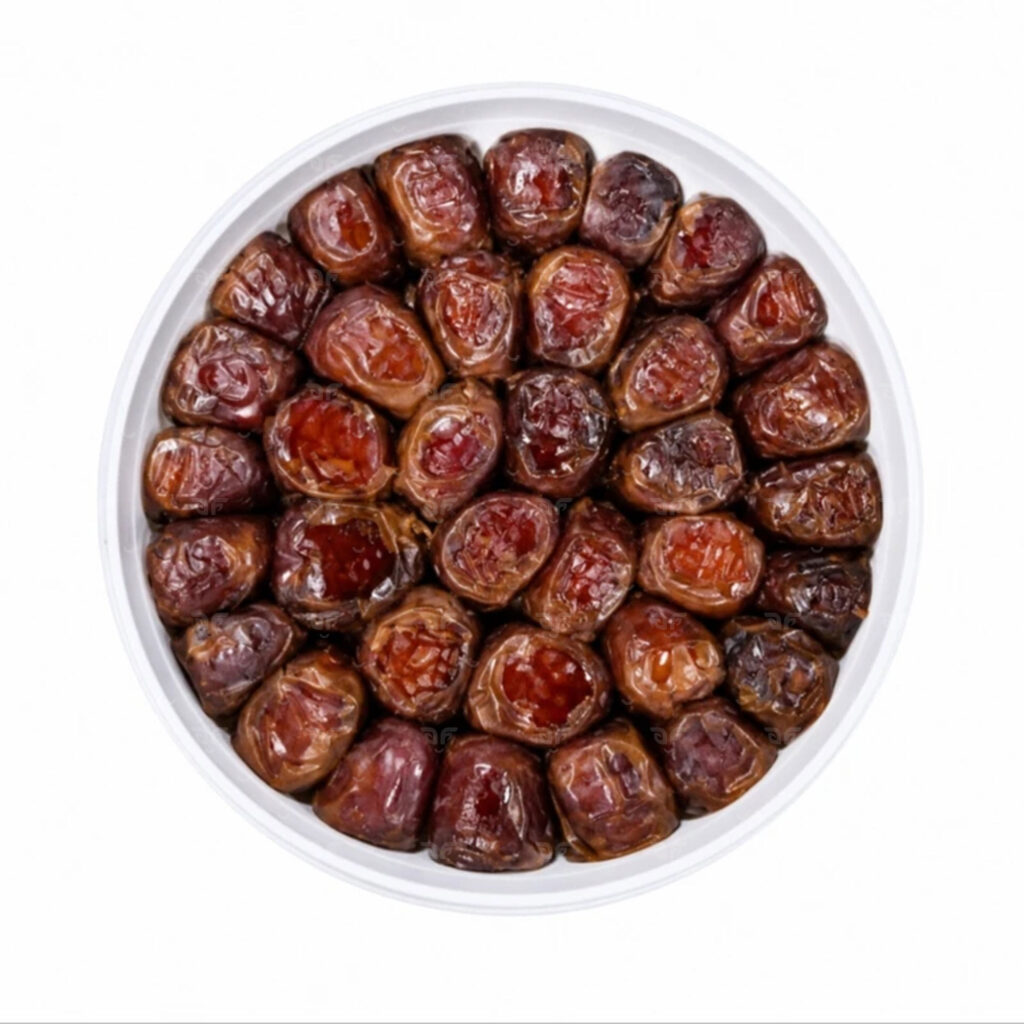
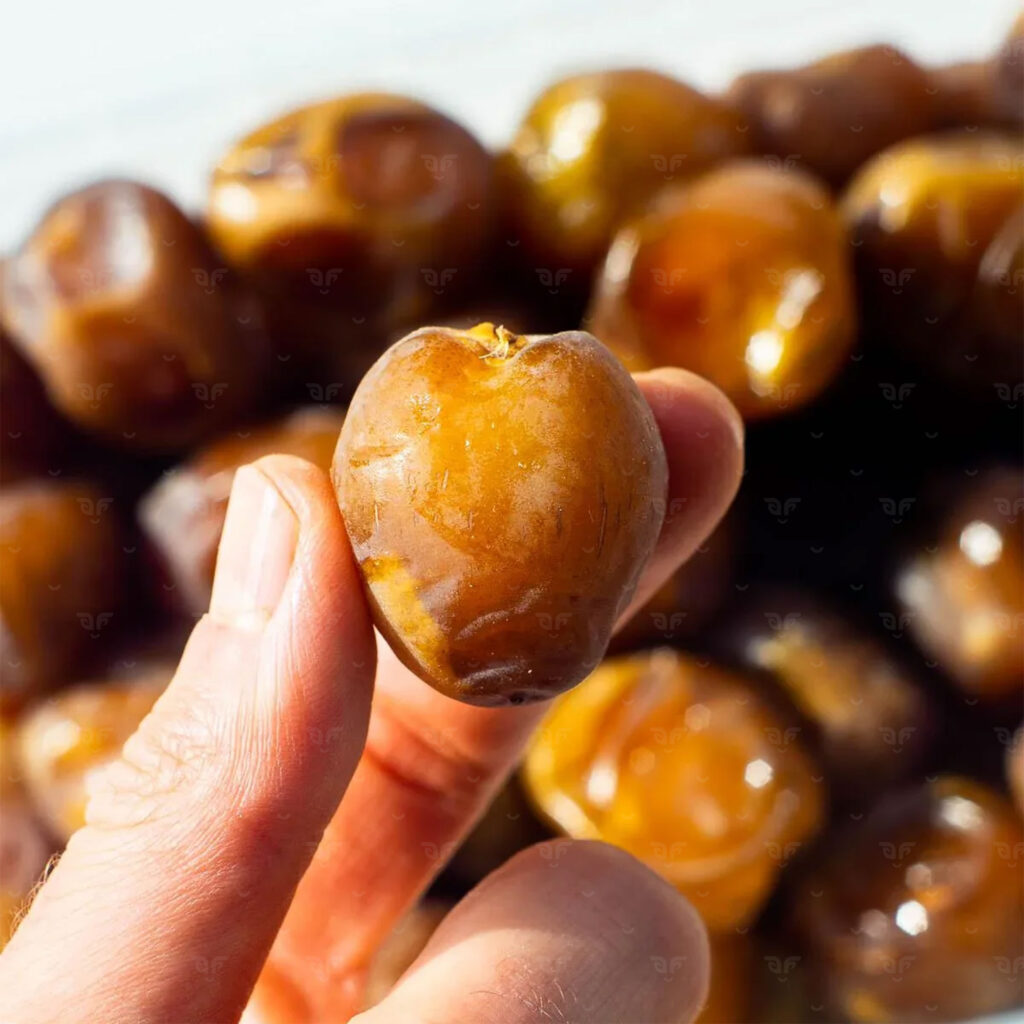
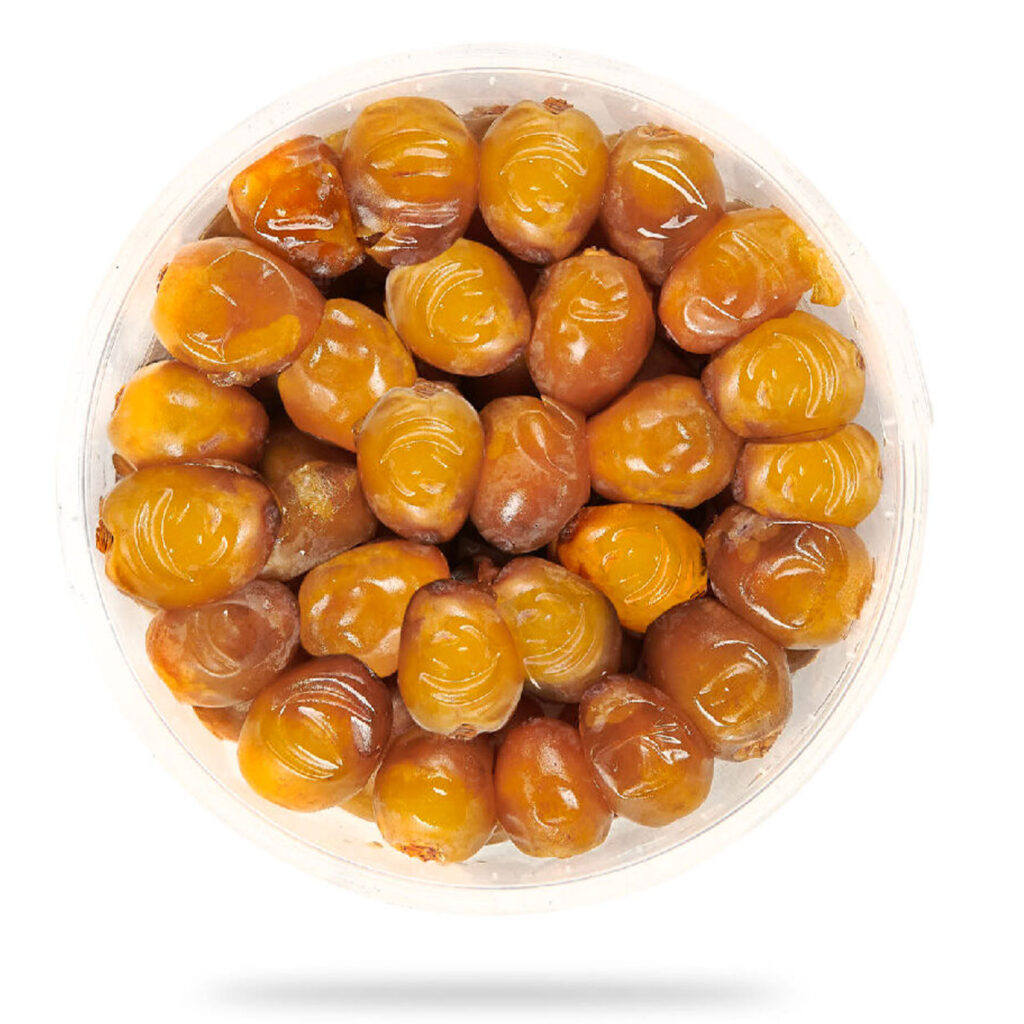
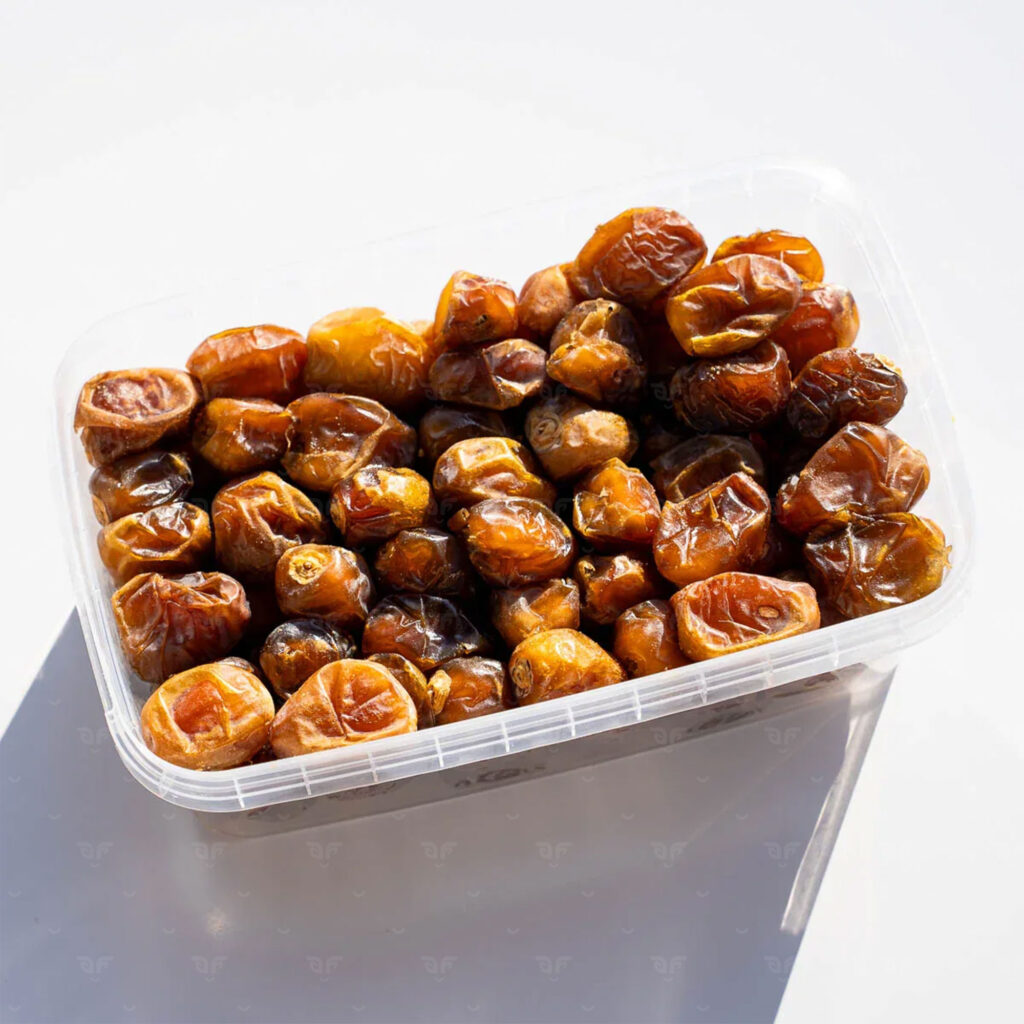
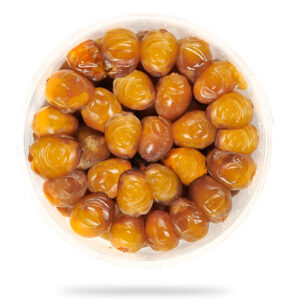
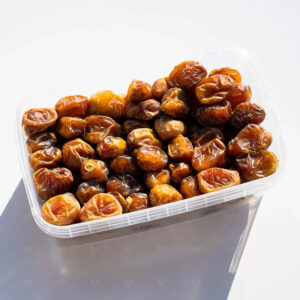
- Color: At the unripe (Khalal) stage, they appear golden yellow with a matte finish. During the semi-ripe (Rutab) phase, they range from amber to dark brown, and by the fully ripe (Tamar) stage, they turn a deep brown.
- Texture: When unripe, the flesh is firm and crunchy, similar to an apple. As the dates mature, they develop a creased outer surface and become soft, smooth, and slightly chewy.
- Core: Each piece holds a central, inedible stone.
- Stem Attachment: Barhi dates are often sold with part of their stem still attached. They are also known for their thick, rich flesh.
Taste and Flavor Profile of Barhi Date
Barhi dates are a favored Iranian fruit known for their exceptional sweetness and evolving taste as they ripen. Below are the key aspects of their flavor:
- Sweetness: These dates offer a notably sweet profile, sometimes compared to honey or caramel. Their level of natural sugar generally exceeds that found in many other date varieties.
- Juiciness: When fully mature, Barhi dates develop a creamy, moist feel. They remain crisp and slightly firm at an earlier stage, while the more advanced phase delivers a smoother, softer bite.
- Flavor Notes:
-
- Caramel and Butterscotch: The dominant undertones often resemble these sugary flavors.
-
- Honey: Many people detect a gentle honey-like taste across all stages.
-
- Citrus and Toffee: Faint hints of citrus provide a subtle tang, and toffee-like accents emerge as the fruit continues to ripen.
-
- Cinnamon and Coconut (Semi-Ripe): Barhi dates may carry mild spicy-sweet and tropical notes during this period.
-
- Persimmon (Ripe): The final stages feature a deeper sweetness and a texture reminiscent of ripened persimmons.
Nutritional Information of Barhi Date
Barhi dates contain essential minerals, vitamins, and natural sugars that make them a nutritious snack. They provide energy from their higher sugar content while offering dietary fiber and micronutrients.
Barhi Date Cultivation and Harvesting
Barhi date palms only thrive under specific environmental conditions, which we will explore from different perspectives.
- Climate Requirements:
Barhi date palms flourish in hot, arid climates with temperatures between 25°C to 32°C (77°F to 90°F). The trees can tolerate extreme heat, withstanding temperatures up to 56°C (133°F). However, their development is hindered if exposed to temperatures below 0°C (32°F). Flowering occurs when temperatures exceed 18°C (64°F) in shaded conditions, while successful fruit setting requires at least 25°C (77°F). Full sun exposure is necessary for proper growth, and low rainfall with minimal humidity during the ripening phase ensures high-quality fruit.
- Soil Requirements:
These palms adapt to various soil types but perform best in well-draining soils, which help prevent root rot. A slightly acidic to neutral pH level, ranging from 6.5 to 7.3, supports healthy development. Soils with good nutrient balance, proper structure, and adequate texture enhance root penetration and nutrient absorption.
- Growing Regions:
Barhi dates are cultivated in several regions worldwide: the Middle East, including Iran (Khuzestan and Bushehr provinces), Iraq (Basra), Saudi Arabia, Oman, and the United Arab Emirates. In North Africa, various countries across the region produce Barhi dates. The United States also grows these dates, primarily in California’s Coachella Valley, with smaller-scale production in Texas and Arizona. Additionally, some parts of Africa, India, and Asia cultivate Barhi date.
Harvest Season of Barhi Date
The harvest season for Barhi dates generally takes place from late summer to early fall, varying by region. The main harvest period in California extends from late August to October, with the highest yield in September. In contrast, the Middle East and North Africa begin harvesting as early as July, with the season lasting until September. The transition from the Kharek (Khalal) stage to the fully ripened date typically spans from mid-August to mid-September.
Harvesting Process of Barhi Date
The harvesting process of Barhi dates is a detailed and labor-intensive task. The method involves a combination of manual labor and specialized equipment to ensure the quality and integrity of the fruit. Workers typically use reach lifts or U-shaped baskets mounted on forklifts to access date clusters growing high in the trees. Manual harvesting is performed using machetes to cut entire clusters, each weighing approximately 45 pounds. To prevent damage, the harvested dates are carefully placed into baskets or bags. Handling is done cautiously to minimize bruising, which preserves the fruit’s visual and textural quality for the market.
Once harvested, the dates undergo a series of post-harvest processing steps to prepare them for distribution. The initial stage includes sorting and cleaning, where the fruits are laid on tarps in the orchard, and workers remove any low-quality dates using clippers. To enhance their appearance, dates are gently dusted with paintbrushes. The packing stage follows, during which dates are clipped into smaller portions, boxed according to customer requirements, and weighed to meet specifications. These packed boxes are then transported for cooling, a crucial step, particularly for yellow Barhi dates, to prolong their freshness. Finally, the dates are graded into different categories—premium, select, and seconds—based on size, ripeness, and sweetness before reaching consumers.
Rarhi Date Storage and Shelf Life
Barhi dates require specific storage conditions to maintain their quality and extend their shelf life. These vary depending on the ripeness stage of the dates:
Storage Conditions of Barhi Date
Barhi dates require specific storage conditions to maintain their quality and prolong their shelf life. The optimal storage temperature for Barhi dates is 0°C (32°F), with a relative humidity of 90-95% to prevent moisture loss and maintain freshness. For long-term storage, a controlled atmosphere with 20% CO2-enriched air can be utilized, which slows down the ripening process and preserves the fruit for an extended period.
Barhi Date Shelf Life
The shelf life of Barhi dates varies based on their ripeness stage. In the Khalal (yellow) stage, they last 4-5 days at room temperature and up to one month when kept at 0°C (32°F). Without refrigeration, their shelf life is reduced to 6-10 days, but under a CO2-enriched environment at 0°C (32°F), they can be preserved for up to 26 weeks. In the Rutab (ripe) stage, the dates remain fresh for about 1-2 weeks unless frozen. Generally, Barhi dates can be stored for 6-12 months at 0°C (32°F), depending on the variety, and even longer when stored at -18°C (0°F).
About JAM Food Co’s Barhi Date
JAM Food Co. is dedicated to providing high-quality Barhi Dates sourced from Iran’s most fertile regions. The company employs precise harvesting techniques and modern preservation methods to ensure that every date maintains its rich, caramel-like sweetness and soft texture. With a strong partnership with experienced local farmers, JAM Food Co. guarantees full traceability throughout the supply chain, allowing customers to enjoy fresh and naturally flavorful Barhi Dates.
JAM Food Co. as a Reliable Barhi Date Supplier
As a trusted supplier, JAM Food Co. upholds reliability and professionalism in every aspect of its operations. The company has developed an efficient supply chain capable of handling large-volume orders without compromising quality. A dedicated quality control team carefully inspects each shipment for size, color, texture, and taste, ensuring only premium products reach customers. Additionally, the company prioritizes timely delivery, clear communication, and flexible ordering options.
Packing Barhi Date at JAM Food Co.
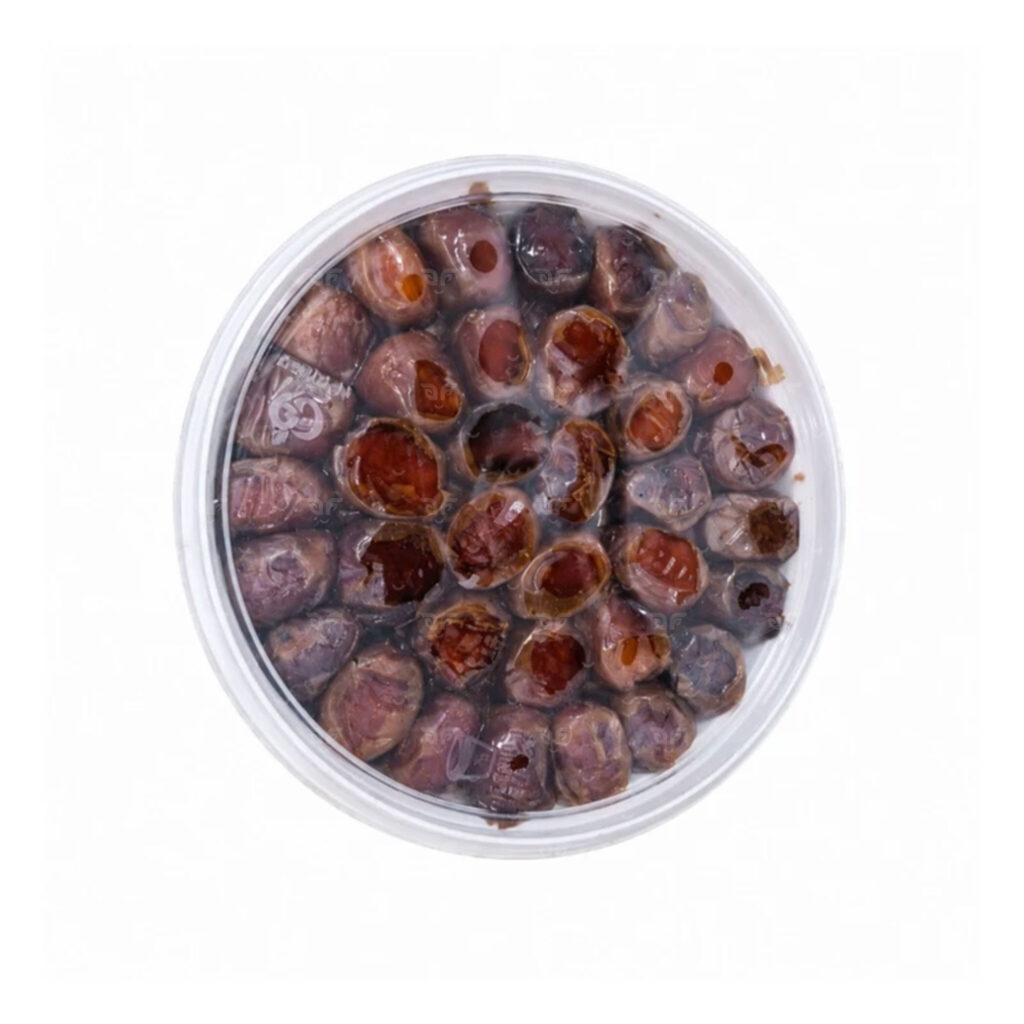
The packing process at JAM Food Co. is designed to preserve the delicate nature of Barhi Dates while enhancing their presentation. The company uses advanced packaging materials to maintain freshness, retain natural moisture, and extend shelf life. Food-grade packaging technology ensures hygienic handling, aligning with international safety standards. Recognizing the importance of visual appeal, JAM Food Co. offers customizable packaging options, from eco-friendly boxes to premium gift packages, catering to various market demands while upholding product integrity.
HOW CAN JAM GROUP HELP YOU?
Send us a message and our friendly team will get back to you within one business day.




