











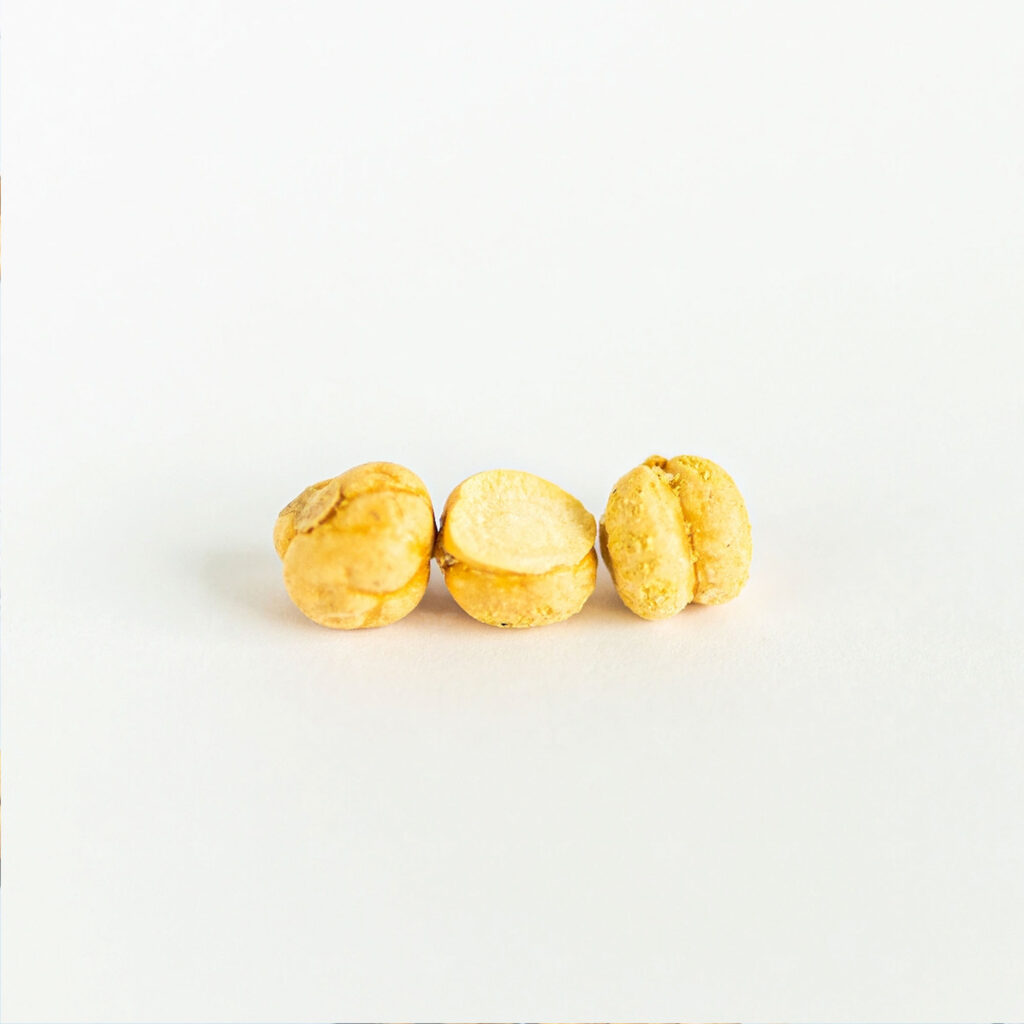
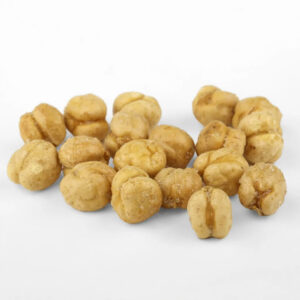
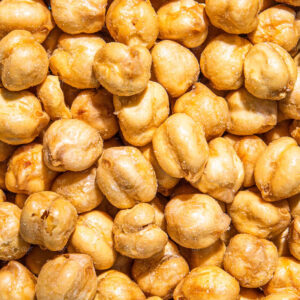
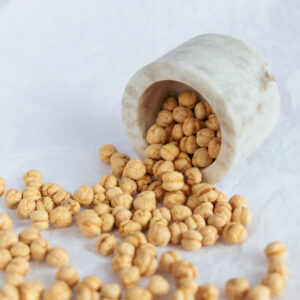

What makes a simple pulse suitable for both everyday snacking and large-scale food trade? Roasted chickpeas combine a dry, crunchy texture with the toasted flavour and natural nutritional value of chickpea seeds. Iran has a long connection with chickpea cultivation, especially in western and northwestern provinces, while Mamaghan in East Azerbaijan is known for traditional roasted chickpea processing. The product may be whole, dehulled, split, plain, salted, sweetened, or seasoned. Its cream-to-golden colour, rounded form, nutty taste, and practical dry format support use in retail snacks, trail mixes, foodservice, bakery products, and confectionery. Read on to learn how farming, processing, storage, and commercial handling shape this familiar pulse snack.
Choosing a reliable vendor matters because roasted chickpea quality can change with seed type, grading, moisture control, roasting, cooling, packaging, and storage. JAM Food Co. offers roasted chickpeas within its chickpea product category for international B2B buyers. Product form, roast level, seasoning, size, physical condition, packaging, and intended application are central parts of commercial purchasing. Clear product information helps importers, wholesalers, and manufacturers compare available options, prepare suitable labels, and inspect delivered goods. It also supports effective storage, transport, and distribution planning. Roasted chickpeas can serve retail, foodservice, snack-blending, and food-production markets when their physical and commercial characteristics match the intended use.
A Short Glance at Roasted Chickpeas
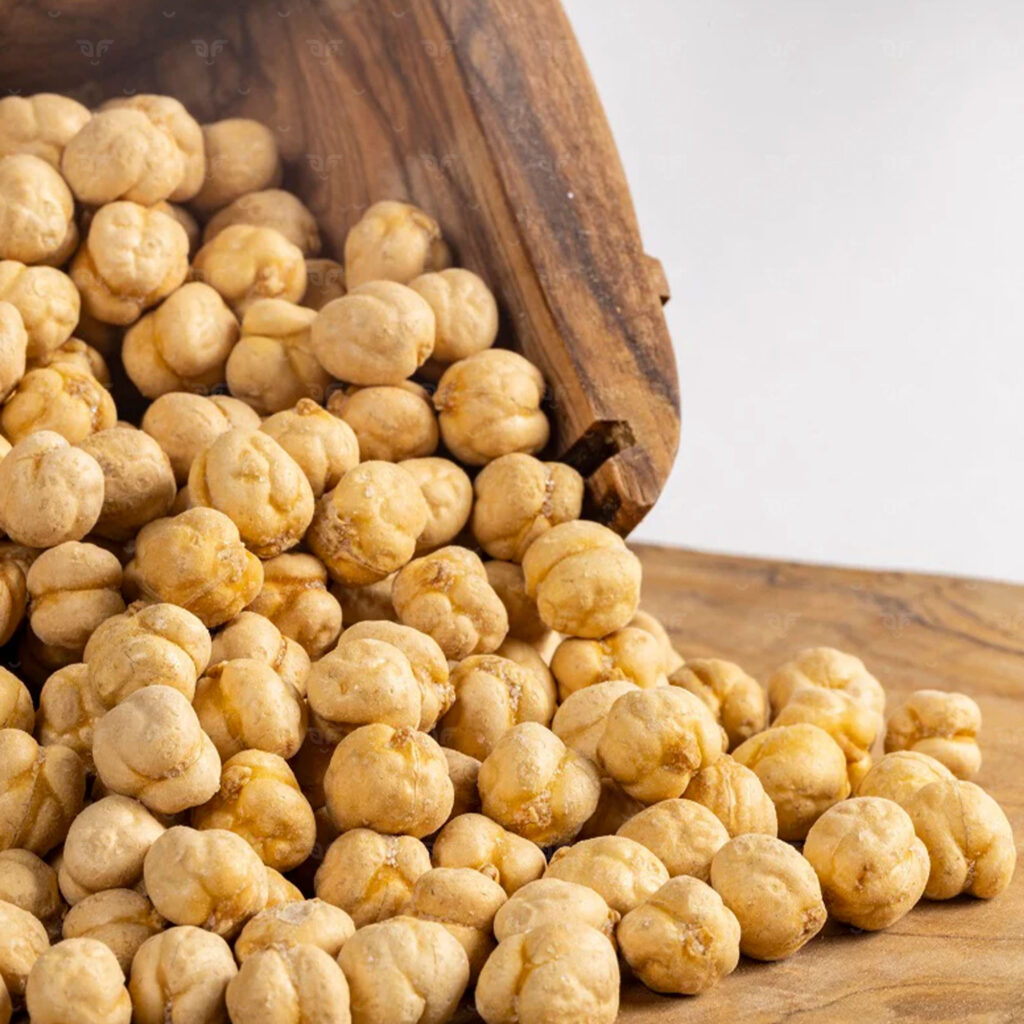
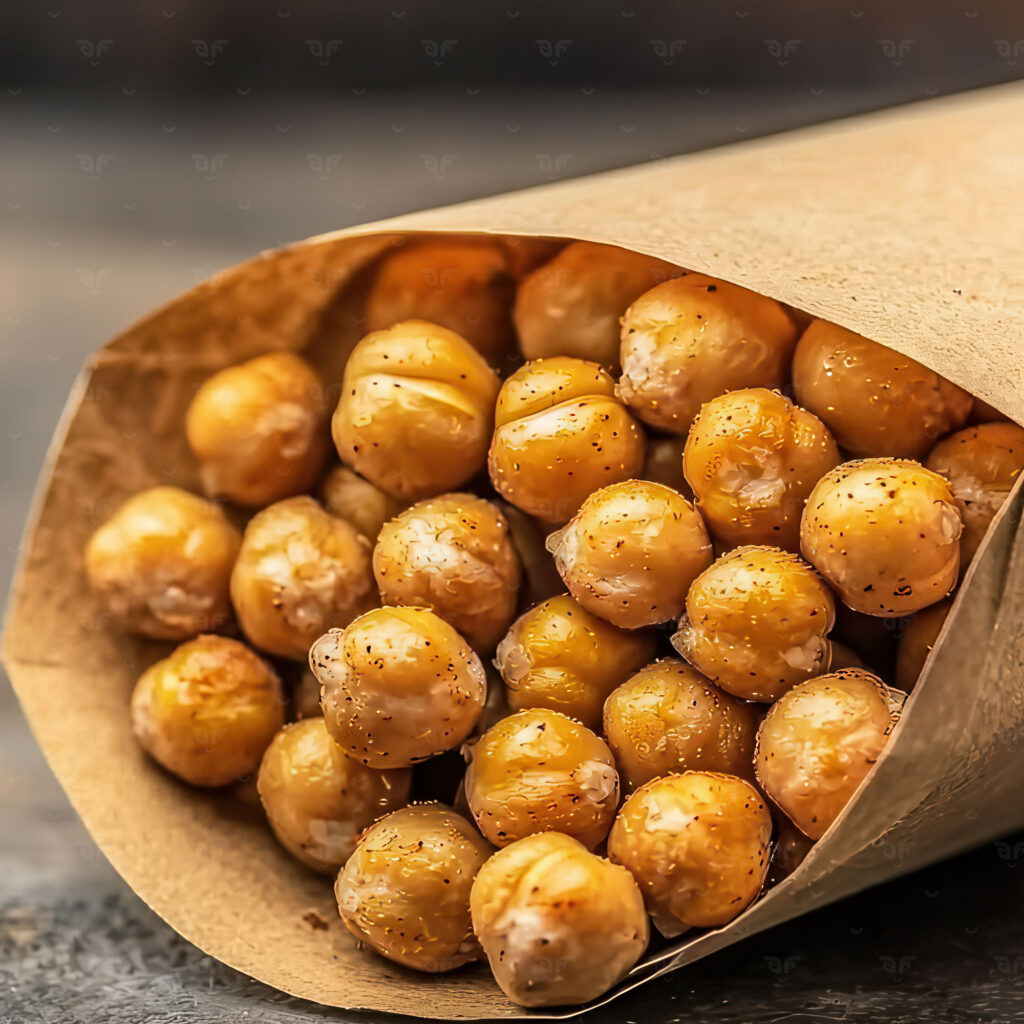
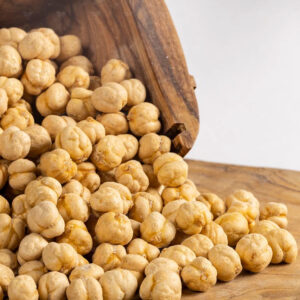
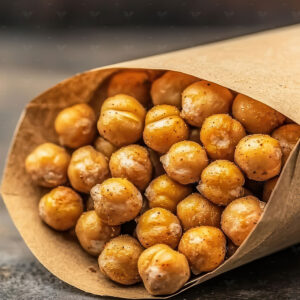
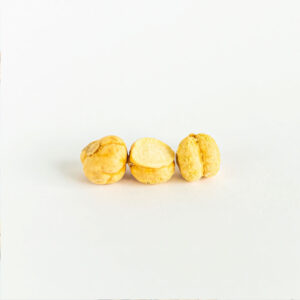
Roasted chickpeas are mature seeds of Cicer arietinum L. that receive controlled heat treatment to develop a toasted flavour and a dry, firm, or crisp texture. They may come from Kabuli chickpeas, which are usually larger and cream-coloured, or Desi chickpeas, which are generally smaller, darker, and more angular. Some products keep the outer seed coat, while others are dehulled, meaning the thin skin is removed. The seeds may also be split, salted, sweetened, or coated with spices and herbs. Roasted chickpeas can be eaten directly, combined with nuts or dried fruit, used as salad or foodservice toppings, crushed for bakery and confectionery products, or milled into roasted chickpea flour.
Physical Characteristics of Roasted Chickpeas
Physical traits influence how roasted chickpeas look, feel, taste, and perform in retail packs or food recipes. Seed variety, size grading, dehulling, moisture treatment, and roasting intensity all affect the final colour, shape, crispness, and flavour. These features also influence heating uniformity, package appearance, breakage during transport, and the product’s suitability for direct snacking or further food processing.
- Color and Appearance:
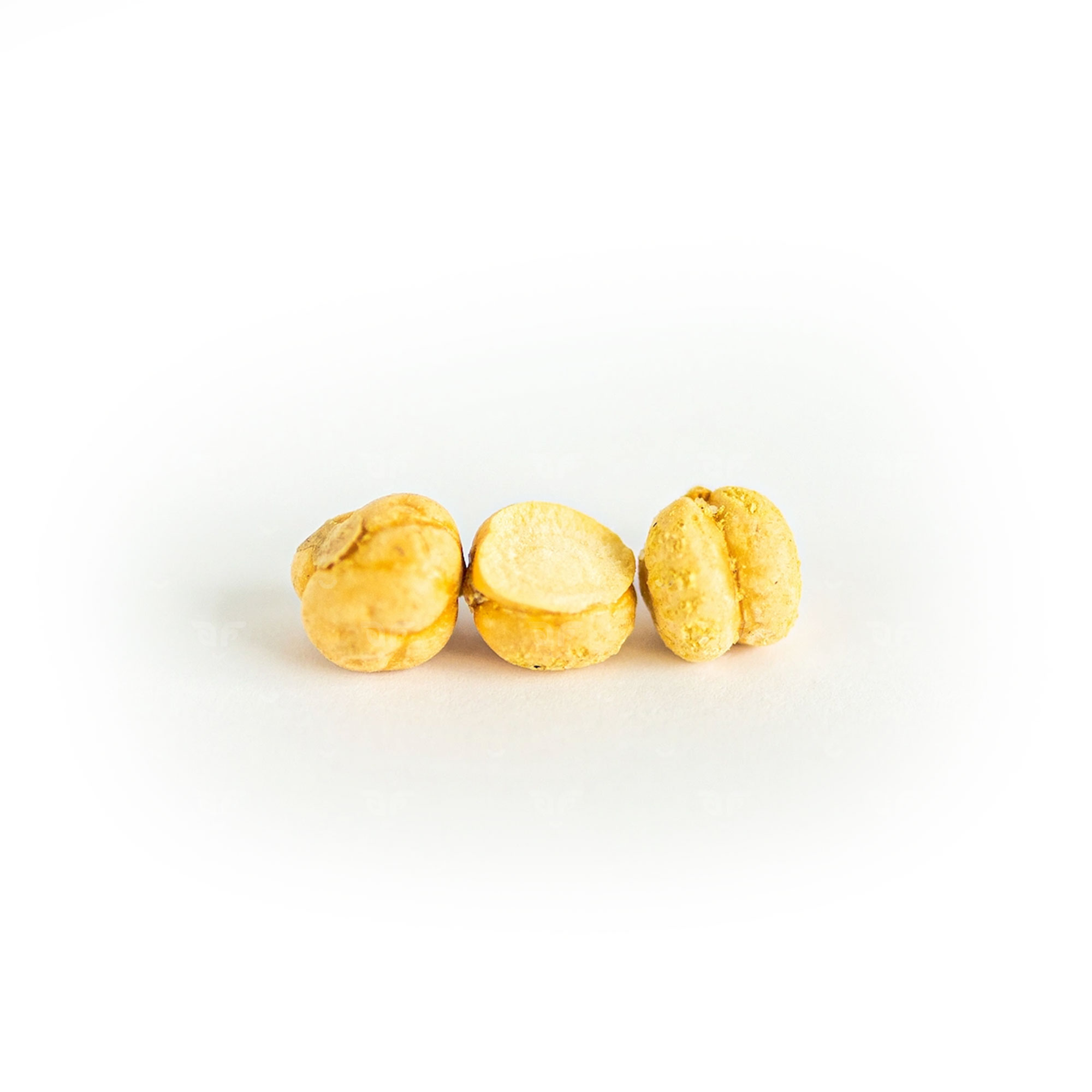
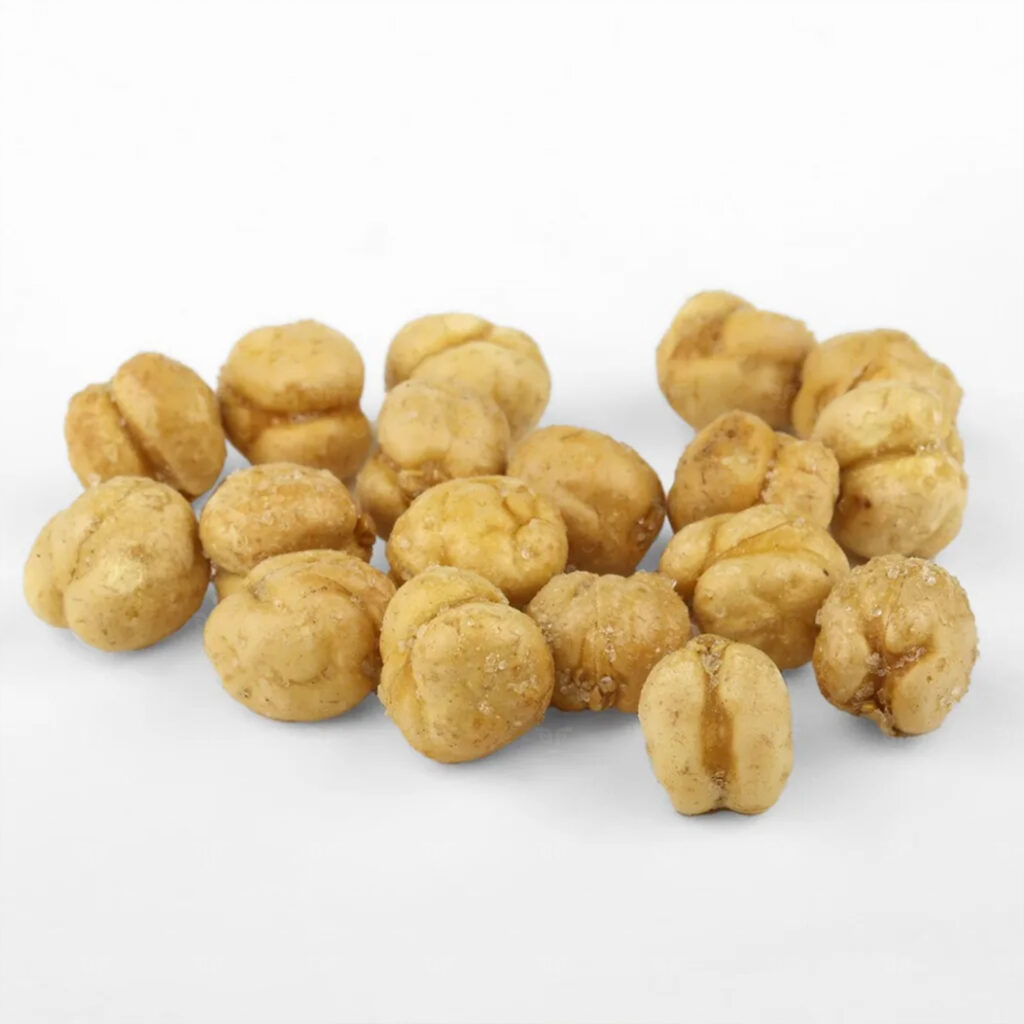
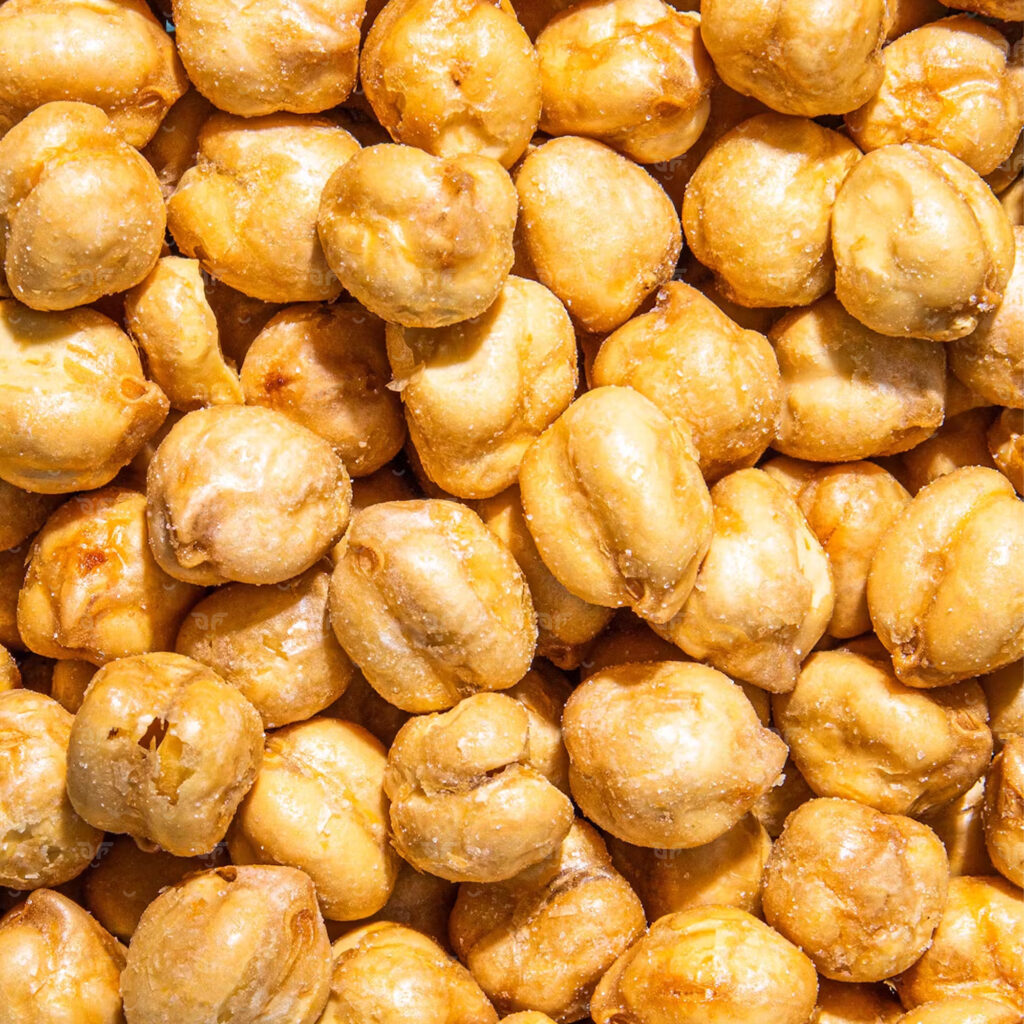
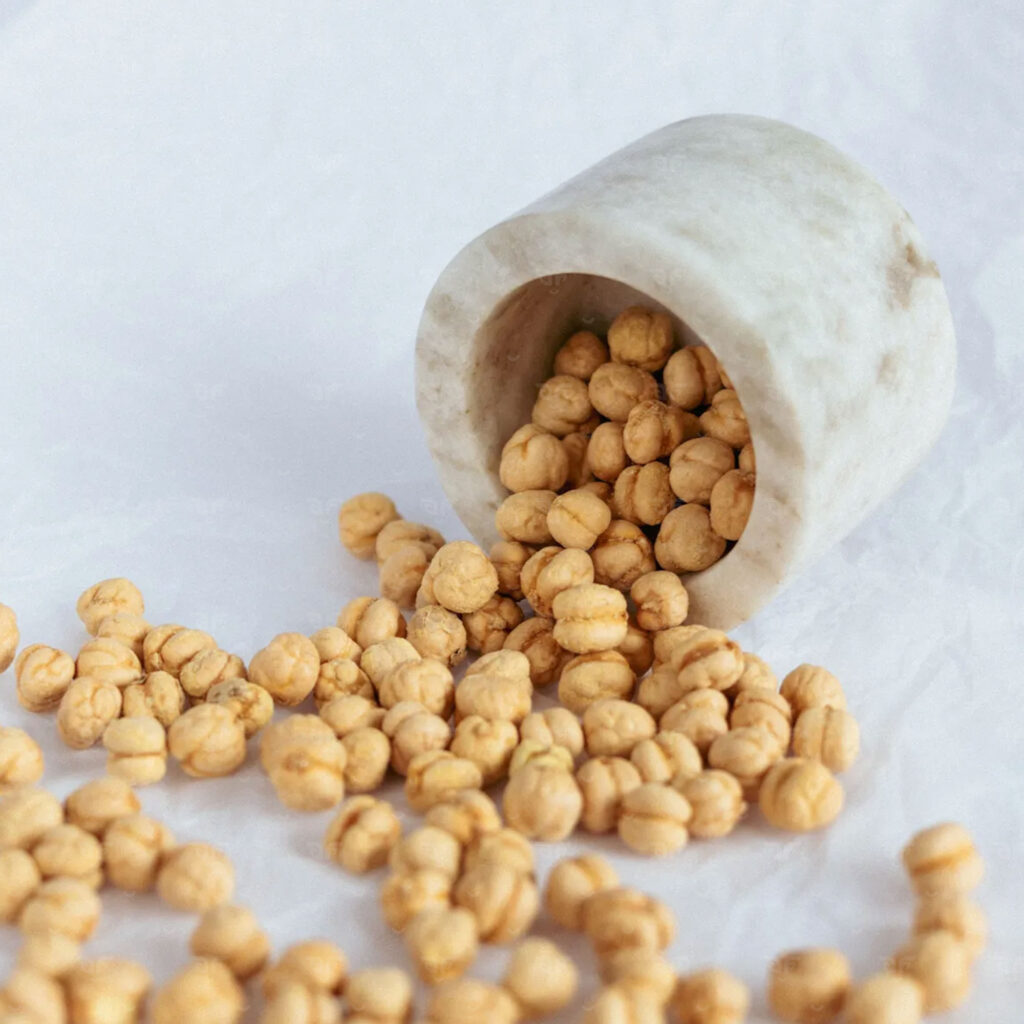
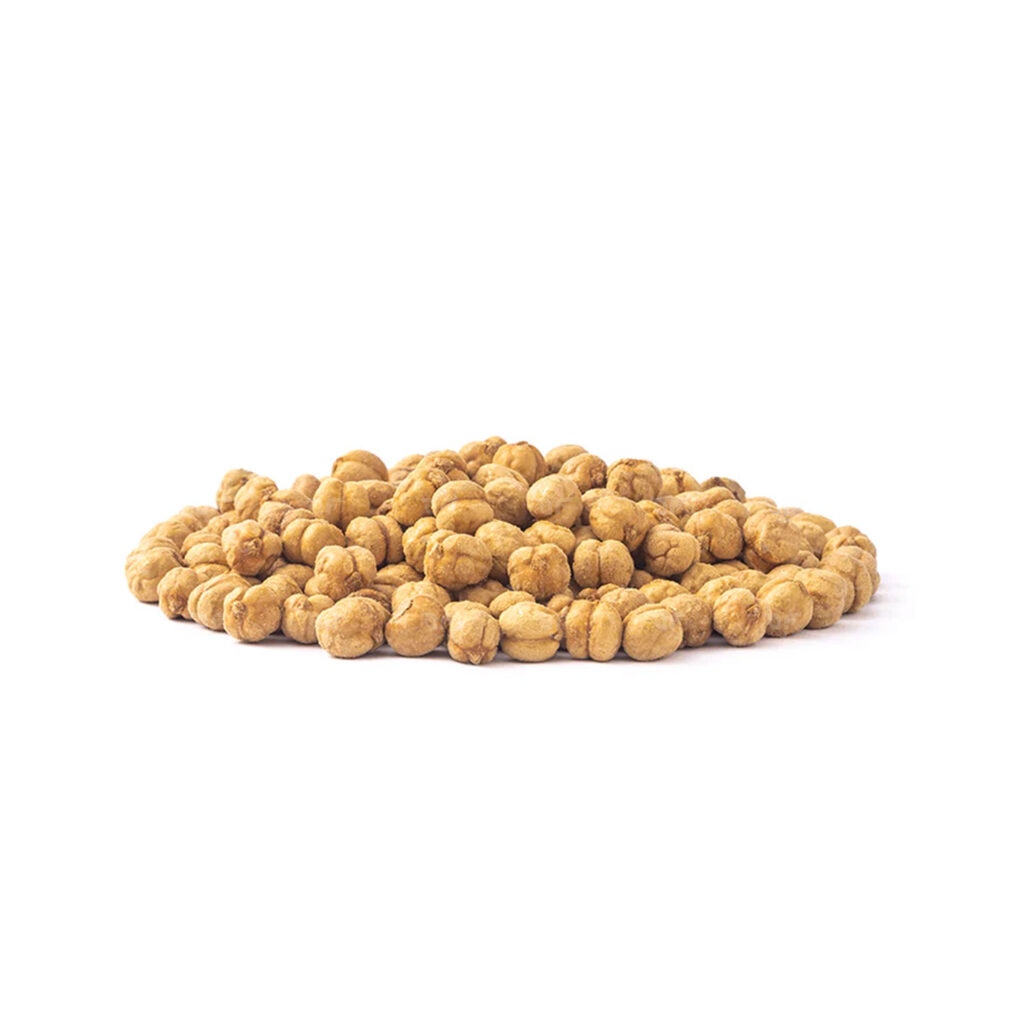
Roasted chickpeas may be cream, pale yellow, golden, light brown, or darker brown. Dehulled products usually look lighter and more even, while whole chickpeas can show natural seed-coat variation. A consistent roast produces a balanced colour across the lot. Burnt areas, black spots, heavy staining, excessive loose skin, visible dust, and foreign matter can reduce product acceptance and create an uneven appearance inside transparent retail packaging.
- Size and Shape:
Chickpeas are generally rounded but not perfectly spherical, and many have a small pointed projection often described as a beak. Kabuli types are normally larger and smoother than Desi types. Processors may separate seeds by screen size before roasting. Screen grading passes chickpeas through openings of different dimensions, supporting more even heating, a consistent package appearance, controlled breakage, and a similar bite throughout the finished lot.
- Texture:
A roasted chickpea is commonly crisp, crunchy, brittle, or firm without being uncomfortably hard. Whole products can have a stronger first bite because the seed coat remains, while dehulled forms may break more easily. Excessive roasting may create hard centres, scorched surfaces, or excessive cracks. Weak roasting can leave a dense or floury centre, while moisture absorbed during storage can soften the product, reduce crunch, and make seasoned pieces stick together.
- Taste:
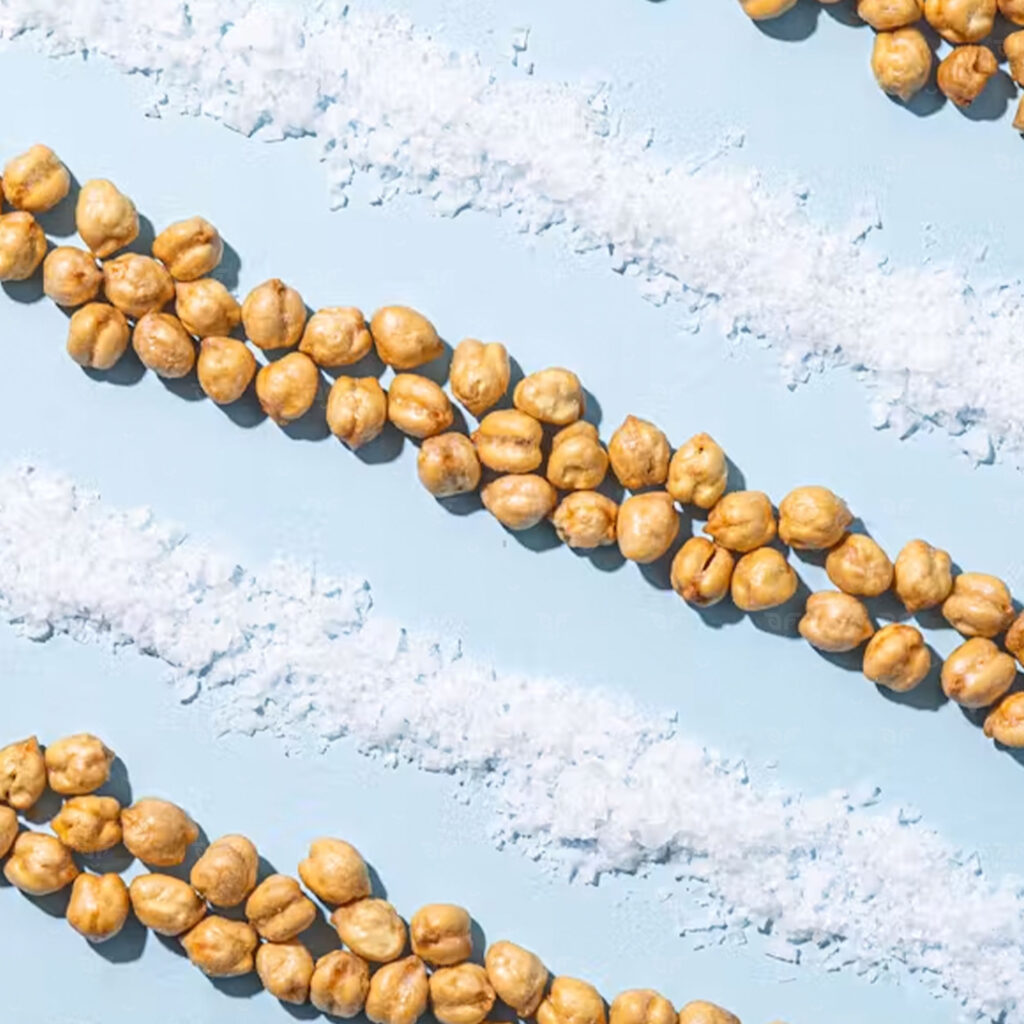
Plain roasted chickpeas usually have a mild, nutty, toasted, and slightly earthy flavour. Controlled heating develops deeper roasted notes and reduces some of the raw pulse taste. Salt, oil, spices, herbs, sugar, or other coatings can adapt the flavour to different markets. Clean taste and aroma indicate suitable processing and storage, while burnt, bitter, stale, rancid, musty, chemical, or unusually smoky notes can lower sensory quality.
Nutritional Value and Health Benefits of Roasted Chickpeas
Roasted chickpeas naturally provide plant protein, complex carbohydrates, dietary fibre, and a moderate amount of fat. They also contain nutrients such as folate, iron, magnesium, phosphorus, potassium, zinc, and other B-group vitamins. Their protein and fibre can contribute to a balanced diet and make them a more nutrient-dense choice than some snacks based mainly on refined starch. The finished nutritional profile varies according to dehulling, moisture level, portion size, and added ingredients. Oil increases fat and energy, salt raises sodium, and sweet coatings add sugar. Nutrition declarations for commercial products reflect the actual recipe and composition of the finished roasted chickpeas.
Growing and Harvesting Roasted Chickpeas
Roasted chickpea quality begins with the agricultural conditions used to grow the raw seeds. Chickpea is a cool-season annual pulse that performs well in dry and semi-arid areas. It is often grown under rainfed conditions, which means the crop depends mainly on natural rainfall and moisture stored in the soil. Western and northwestern Iran contain important chickpea-producing areas, and farming practices vary with altitude, temperature, rainfall, soil, cultivar, and planting season. Farmers may plant in spring or autumn, include chickpeas in cereal rotations, manage weeds during early growth, and harvest manually or mechanically. These decisions influence seed maturity, size uniformity, physical condition, and later roasting performance.
- Climate Conditions:
Chickpeas generally develop well under moderate temperatures, full sunlight, and relatively dry air. Conditions around 18 to 21°C are favourable during much of the growing period. Strong heat during flowering or seed filling can lower yield and seed size, while severe cold may damage sensitive varieties. Excessive humidity or prolonged rain can increase disease pressure, delay crop drying, stain mature seeds, and make harvesting more difficult near the end of the season.
- Soil Requirements:
Well-drained soil is important because chickpea roots do not perform well under long periods of standing water. Deep soils can help plants reach stored moisture during dry periods. Neutral or near-neutral soils are commonly suitable, although the crop can grow across a broader range. Strong salinity, poor drainage, heavy compaction, or unsuitable field preparation may limit root growth, plant establishment, water access, nutrient use, crop maturity, and the development of uniform seeds.
- Major Growing Regions:
In Iran, chickpea cultivation is especially important in Kermanshah and also occurs in Kurdistan, Lorestan, East Azerbaijan, and parts of West Azerbaijan. These western and northwestern areas include many rainfed farming systems. East Azerbaijan also has a connection with traditional roasted chickpea processing, particularly around Mamaghan. Agricultural source and processing location can differ because harvested chickpeas may move from growing areas to specialised cleaning, roasting, and packing centres.
Harvesting Season of Roasted Chickpeas
Chickpeas are harvested when the plants have dried, the leaves have fallen or turned brown, the pods are yellow or brown, and the seeds are firm. In many Iranian areas, spring-planted crops are harvested from July into August, while autumn-planted crops may mature from June into July. Exact timing changes with province, altitude, rainfall, cultivar, planting date, and seasonal temperature. Harvesting too early can produce green, high-moisture, immature seeds that dry and roast unevenly. Waiting too long may increase pod splitting, weather staining, insect exposure, breakage, mould risk after rain, and field losses. Dry harvest weather supports cleaner handling, easier threshing, and lower drying needs after collection.
Harvesting Process of Roasted Chickpeas
At maturity, chickpea plants are cut manually or collected by harvesting machinery. Threshing then separates the seeds from dry pods and plant material. The harvested seeds may be dried further before cleaning, destoning, grading, and storage. Destoning removes stones from the food stream, while grading separates seeds by size and physical condition. Before roasting, processors remove broken, discoloured, insect-damaged, or otherwise unsuitable chickpeas. Later stages may include moisture conditioning, repeated heating, resting, dehulling, final roasting, cooling, seasoning, sorting, and sealing. Complete cooling helps prevent condensation, while size control supports a more even roast and consistent texture. Final sorting removes scorched pieces, loose skins, fragments, and other visible defects.
Storage Guidelines and Durability of Roasted Chickpeas
Roasted chickpeas are low-moisture foods, but they can still lose quality when storage conditions are poor. Their crisp texture is especially sensitive to humidity because dry seeds absorb water from the surrounding air. Oxygen, heat, and light may also weaken flavour or cause oxidation, a reaction that can produce stale or rancid notes in products containing natural or added fat. Correct storage helps preserve colour, aroma, taste, and physical condition. It also reduces package damage, pest exposure, odour transfer, crushing, and condensation during distribution. Careful warehouse and transport practices are therefore important for maintaining the intended eating quality after roasting and packing.
Storage Conditions of Roasted Chickpeas
Roasted chickpeas are best kept in a cool, dry, clean, and well-managed storage area. Packages need protection from direct sunlight, heaters, rain, high humidity, insects, rodents, chemicals, and strong-smelling foods. They remain more stable when sealed until use and closed again quickly after opening. Large temperature changes can create condensation inside packages or shipping containers. Cartons and sacks also benefit from storage away from damp walls and dirty floors. Careful handling protects inner liners and seals from punctures, while regular stock rotation, package inspection, and pest checks support product quality during warehousing.
Shelf Life of Roasted Chickpeas
Shelf life varies according to the finished recipe, processing level, package type, and storage environment. Final moisture, water activity, roast intensity, oil content, seasoning, oxygen exposure, barrier properties, seal quality, temperature, light, and climate all influence durability. Water activity describes how much water is available for chemical reactions and microbial growth, while moisture content measures the total water present in the food. Plain and oil-coated chickpeas may change at different rates during storage, and bulk packages face different handling conditions from small retail packs. Product durability is therefore assessed through changes in crispness, flavour, aroma, oxidation, safety, and package condition over time.
About JAM Food Co.’s Roasted Chickpeas
JAM Food Co. offers roasted chickpeas for wholesale, distribution, foodservice, and food-manufacturing enquiries. As a supplier of Roasted Chickpeas, the company presents products through commercial information covering form, ingredients, roast level, size, colour, texture, moisture, packaging, labelling, storage, and intended application. These details help buyers identify whether whole, dehulled, split, plain, or seasoned roasted chickpeas fit their retail or industrial needs. Clear product identification is especially important because different recipes, seed types, sizes, and processing styles may share the same general product name while offering different eating qualities and uses.
JAM Food Co. as a Reliable Roasted Chickpeas Supplier
Reliable roasted chickpea procurement depends on clear product identification, suitable packaging, consistent communication, and accurate commercial documents. JAM Food Co. serves buyers whose requirements may cover product form, ingredients, roast characteristics, net weight, package type, storage guidance, and destination labelling. Physical quality can also be described through the condition of the seeds, including colour, texture, breakage, loose skins, scorched pieces, and foreign material. A clear product description supports order review, warehouse planning, repacking, further manufacturing, and inspection after delivery. It also gives importers, distributors, foodservice companies, and manufacturers a practical basis for selecting roasted chickpeas for their intended market.
Packaging Roasted Chickpeas at JAM Food Co.
Proper packaging protects roasted chickpeas from moisture, oxygen, contamination, foreign odours, and physical breakage during storage and international transport. Moisture can quickly reduce crispness, while oxygen and heat may weaken flavour, especially when oil-based seasoning is present. As a Provider of Roasted Chickpeas, JAM Food Co. presents packaging requirements according to the product form, recipe, pack size, destination climate, distribution channel, and storage needs of the order. Suitable packaging combines food-contact materials, barrier protection, secure sealing, clear labelling, and protective outer packing. These elements help maintain product quality from packing and warehousing through international transport and delivery.
- Bulk Packaging Capabilities:
Bulk roasted chickpeas can be placed in a sealed food-grade inner bag within a protective carton, sack, or comparable outer package. The inner layer separates the product from the outer material and limits exposure to moisture and contamination. The outer packaging supports stacking, warehouse movement, and transport handling. Commercial bulk formats vary according to net weight, liner material, package dimensions, handling method, and the level of protection required during shipment.
- Preservation and Sealing Techniques:
Heat-sealed packaging can limit moisture and oxygen entry when the selected film has suitable barrier properties. Vacuum packing, nitrogen flushing, and modified-atmosphere packaging are additional preservation systems used for certain dry snack products. Modified-atmosphere packaging replaces part of the air inside the package with selected gases. The most suitable system depends on the product recipe, oil content, package material, storage environment, distribution period, and expected temperature conditions.
- Private Labeling and Retail Packaging:
Retail-ready packaging may carry the product name, ingredient list, net weight, nutrition information, origin statement, storage instructions, lot code, and date details required for the destination market. Pack shape, printed language, artwork, barcode placement, and legal information influence how the product appears and performs at retail level. Product identity and labelling remain especially important when plain, salted, sweetened, spicy, whole, dehulled, and split roasted chickpeas are sold through different market channels.
- Export-Ready Palletization:
Cartons or sacks are arranged to reduce movement, crushing, punctures, and seal damage during storage and transit. For JAM Food Co. as an exporter of Roasted Chickpeas, pallet planning brings together package dimensions, stacking pattern, total load weight, wrapping, corner protection, and container placement. A stable load protects package integrity, simplifies mechanical handling, supports efficient use of shipping space, and reduces the risk of damage during loading, international transport, unloading, and warehouse transfer.
HOW CAN JAM GROUP HELP YOU?
Send us a message and our friendly team will get back to you within one business day.




