










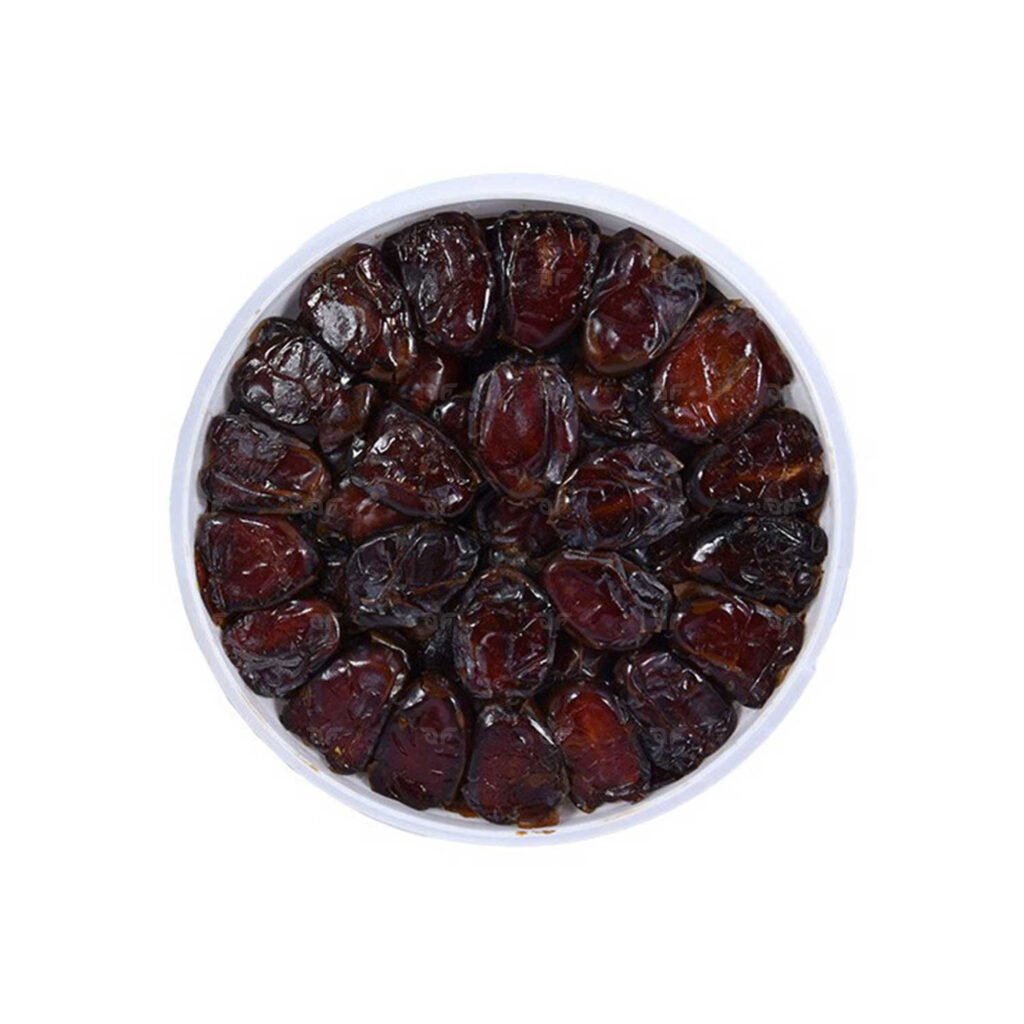
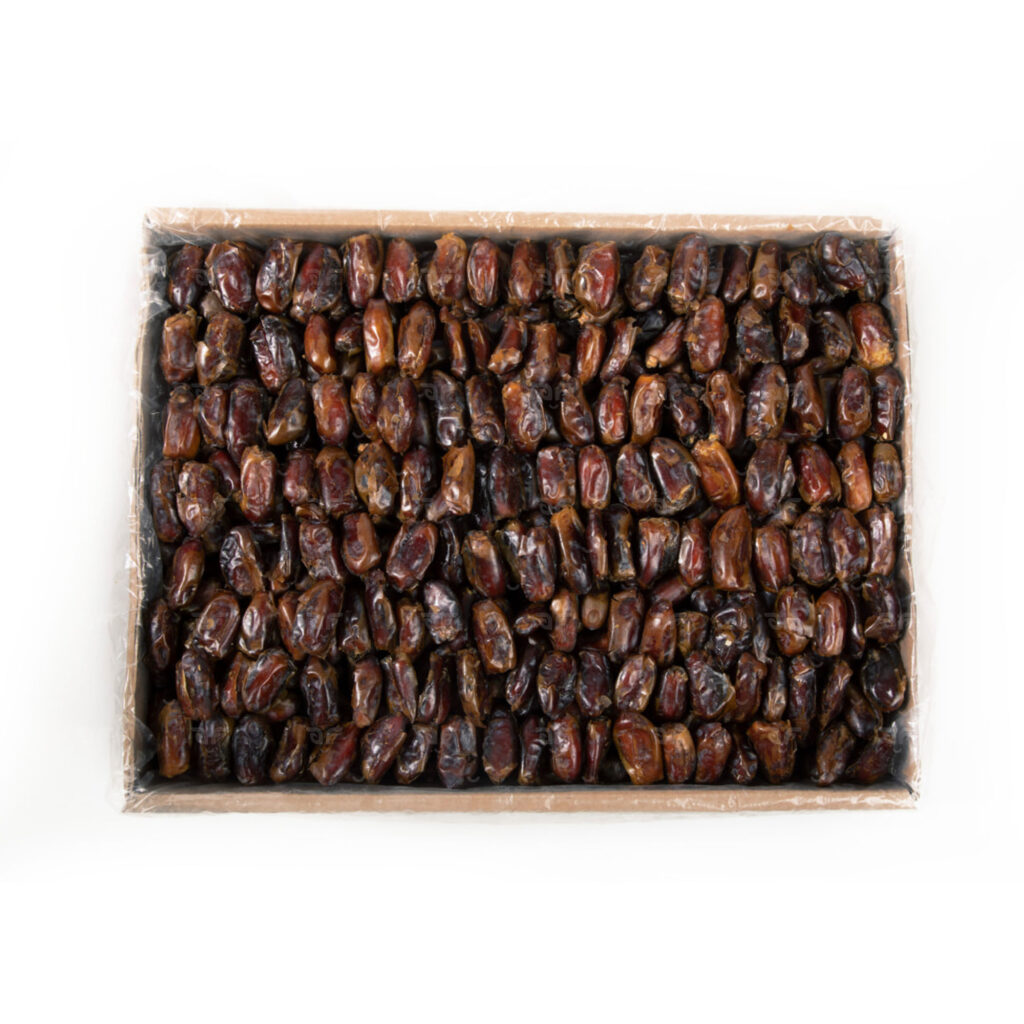
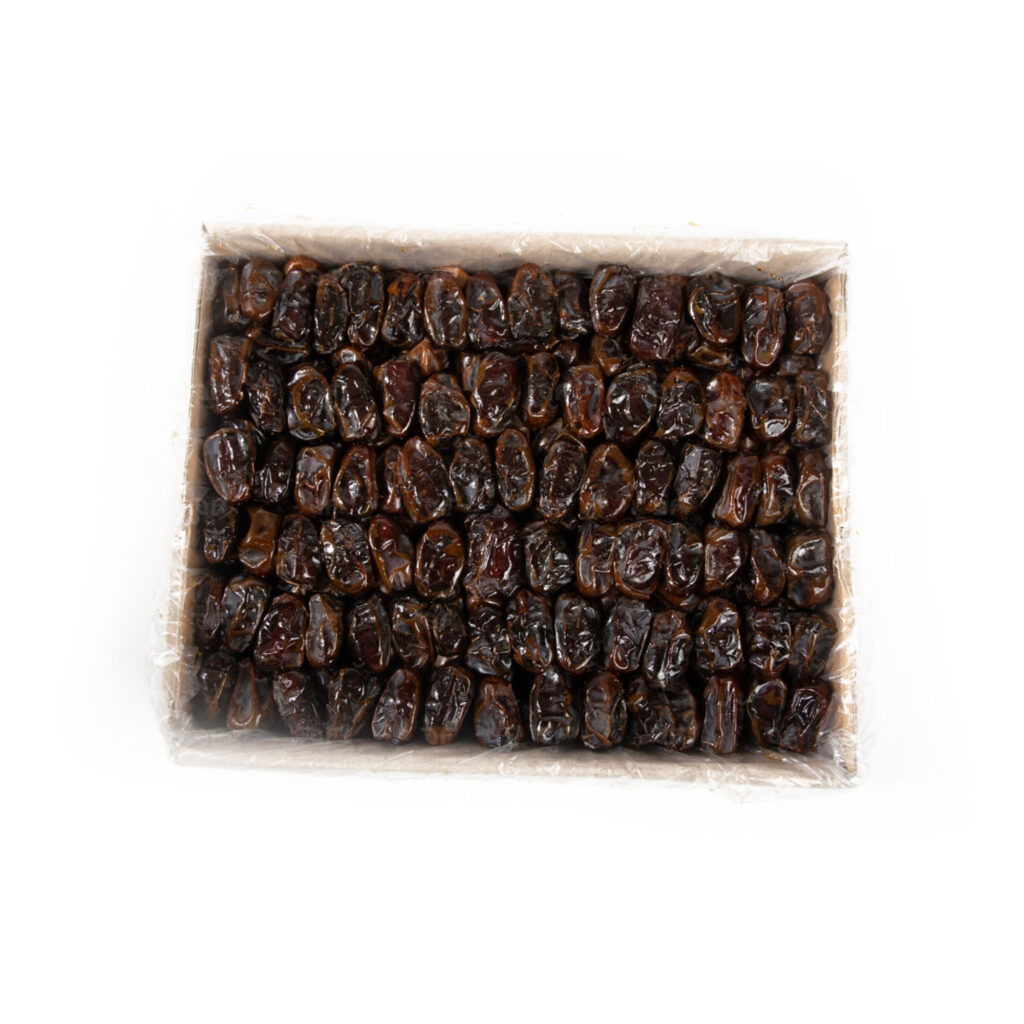
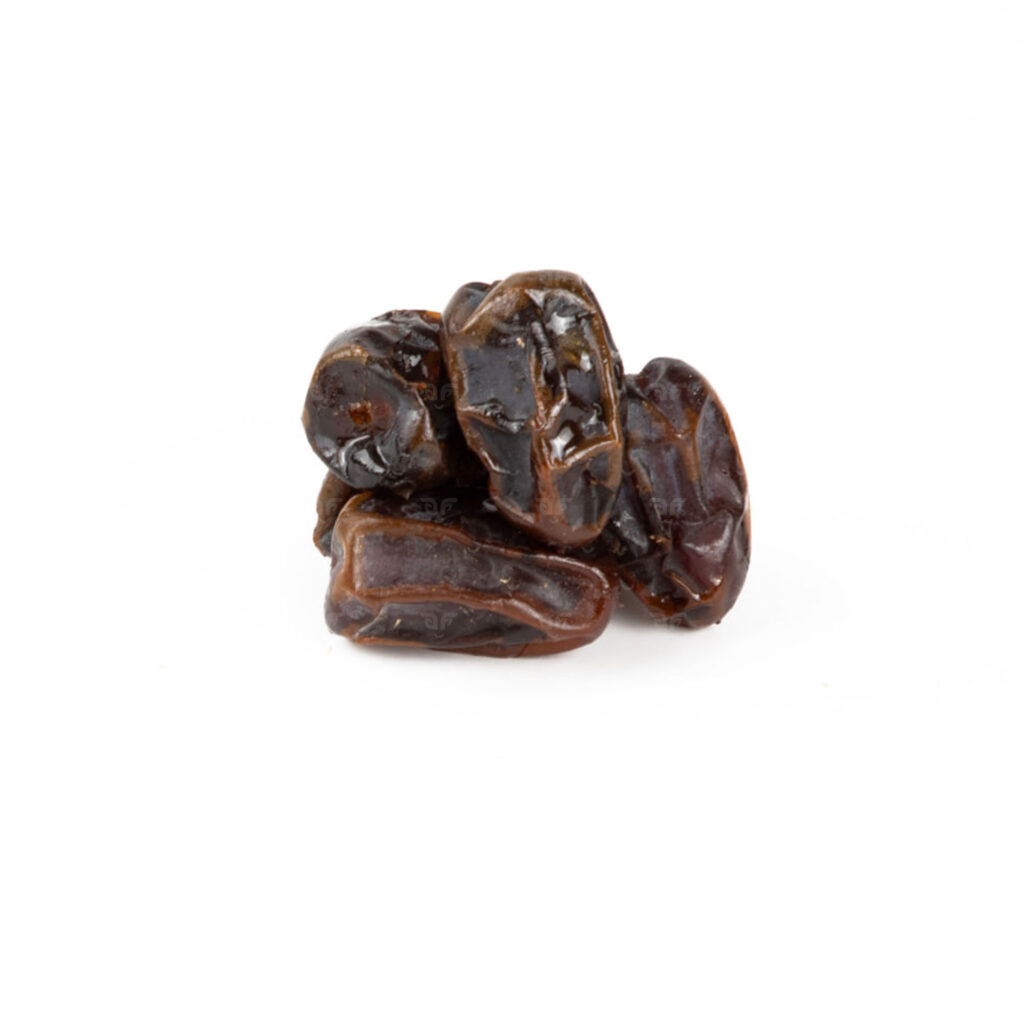
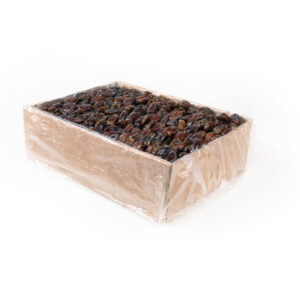
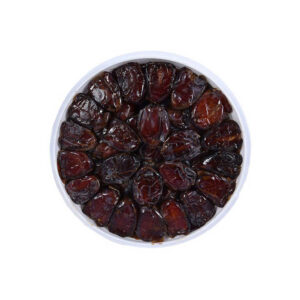
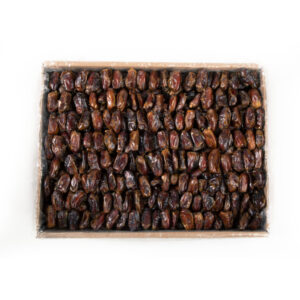
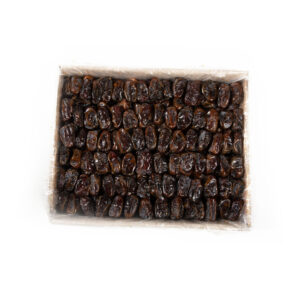
The Kabkab date is one of the most notable varieties of Iranian date fruits, widely appreciated for its sweet flavor and semi-dry texture. Known for its elongated oval shape and glossy appearance, this date is highly sought after both domestically and internationally. Its unique combination of taste and nutritional value makes it a popular choice for direct consumption and use in various recipes. In the following article, we will dig into the key characteristics of Kabkab dates, their cultivation process, nutritional benefits, and storage methods and provide a comprehensive overview of this exceptional fruit.
Before focusing on the details of Kabkab dates, it is essential to highlight JAM Food Co., a trusted provider of this popular variety. Renowned for its commitment to quality, JAM Food Co.. works closely with experienced farmers and cultivators to ensure that its Kabkab dates meet the highest standards of freshness and flavor. The company’s efficient supply chain and strong focus on customer satisfaction make it a reliable source for both domestic and international markets. You can receive further information about this company, its available product lines, and kabkab date prices, by contacting our experts.
What is Kabkab Date?
Kabkab date is widely recognized as one of the most prominent varieties of Iranian date fruits, and it is appreciated for its affordability and delightful taste. It stands out due to its soft, sweet flesh and thin, easily consumable skin. Due to these unique characteristics, it has become a favorite variety among consumers seeking a balance of quality and value. This type of date is cultivated extensively in southern Iran, where the favorable climate contributes to its rich flavor and texture. In the sections below, detailed information about the unique features and qualities of Kabkab dates will be provided.
Physical Characteristics of Kabkab Date
Kabkab dates possess distinct physical traits that make them easily recognizable and widely favored.
- Size and Shape:
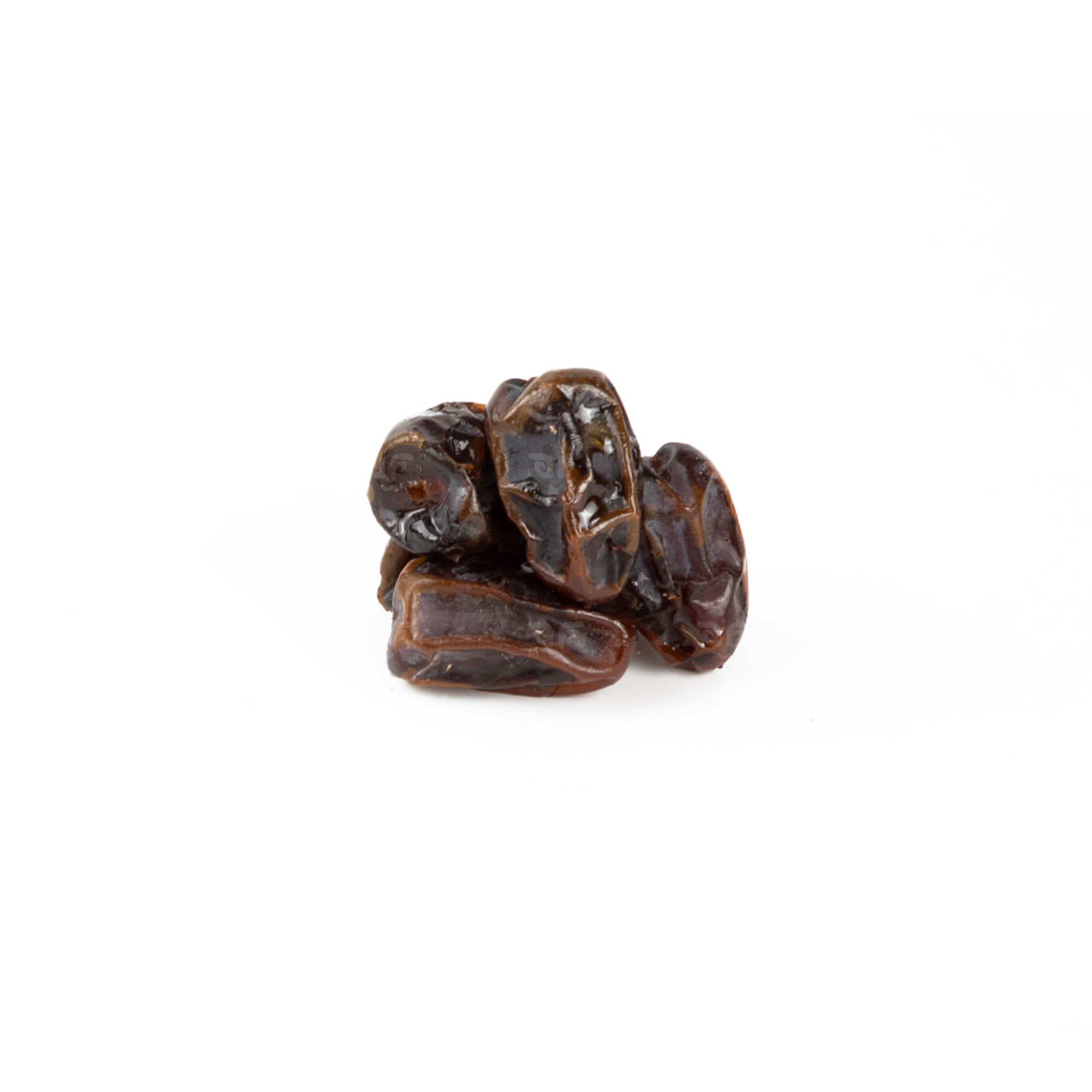
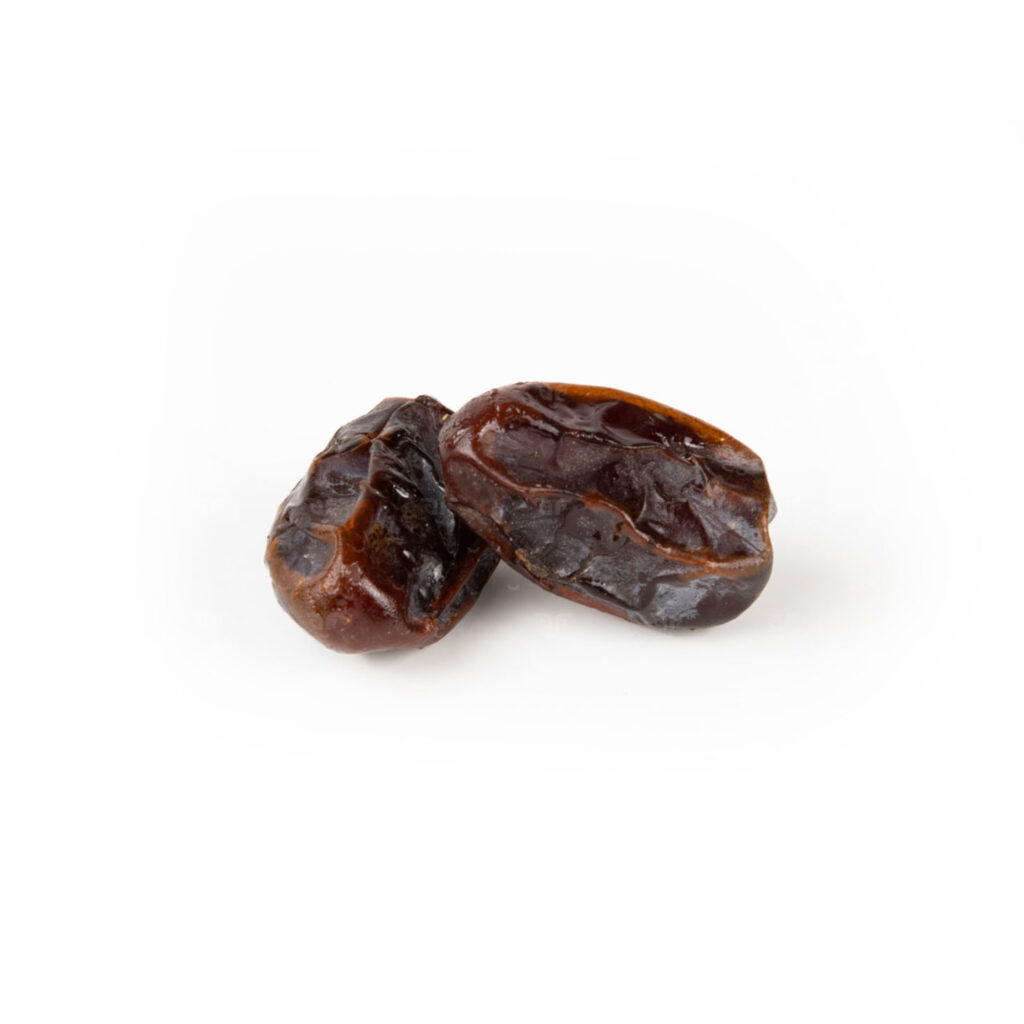
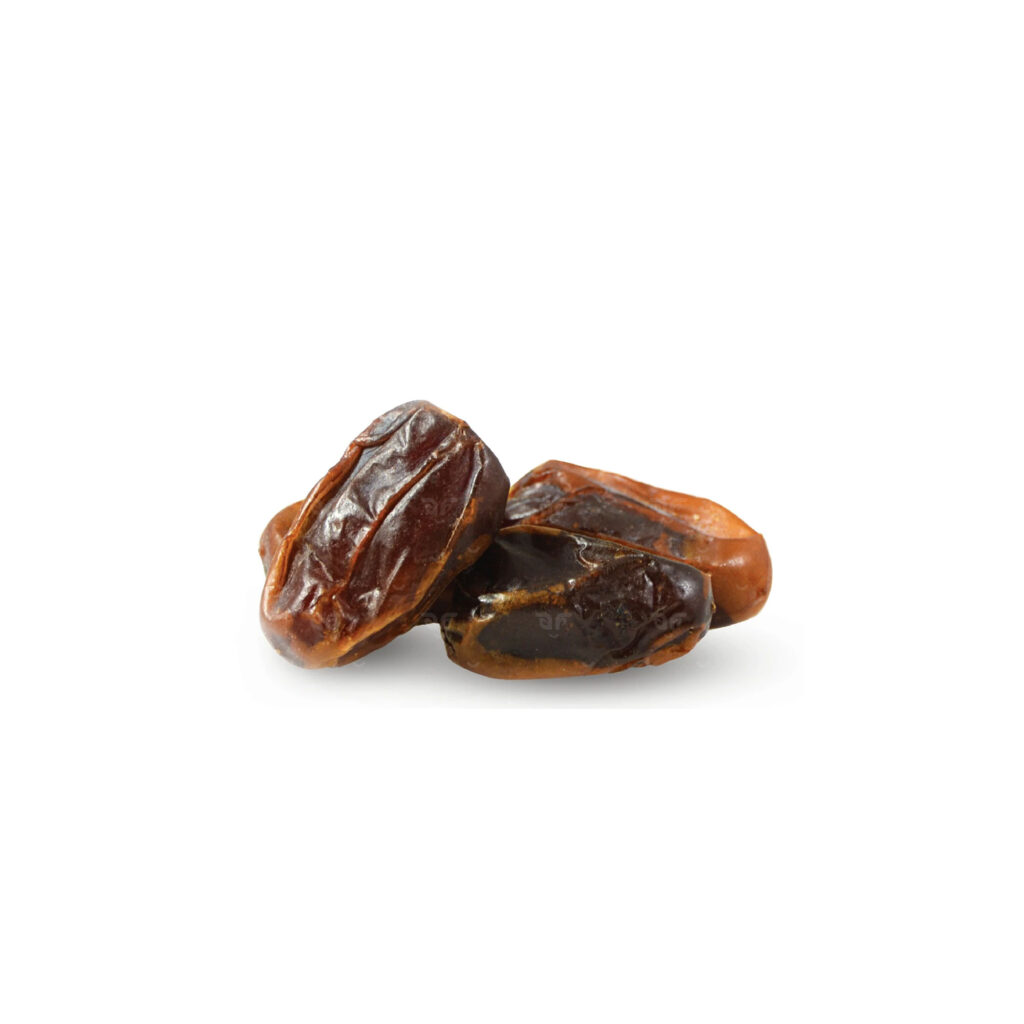
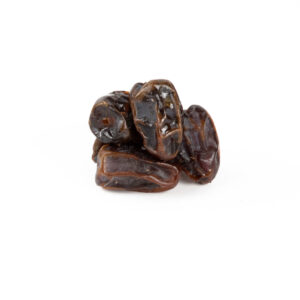
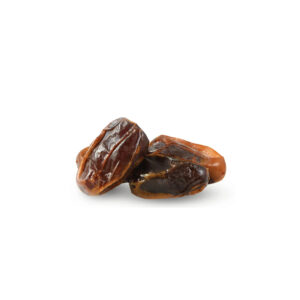
Kabkab dates are oval in shape, measuring approximately 3.5 to 4 cm in length, with an average weight ranging from 9 to 15 grams per fruit. Their symmetrical form and medium size make them visually appealing and convenient for consumption.
- Color:
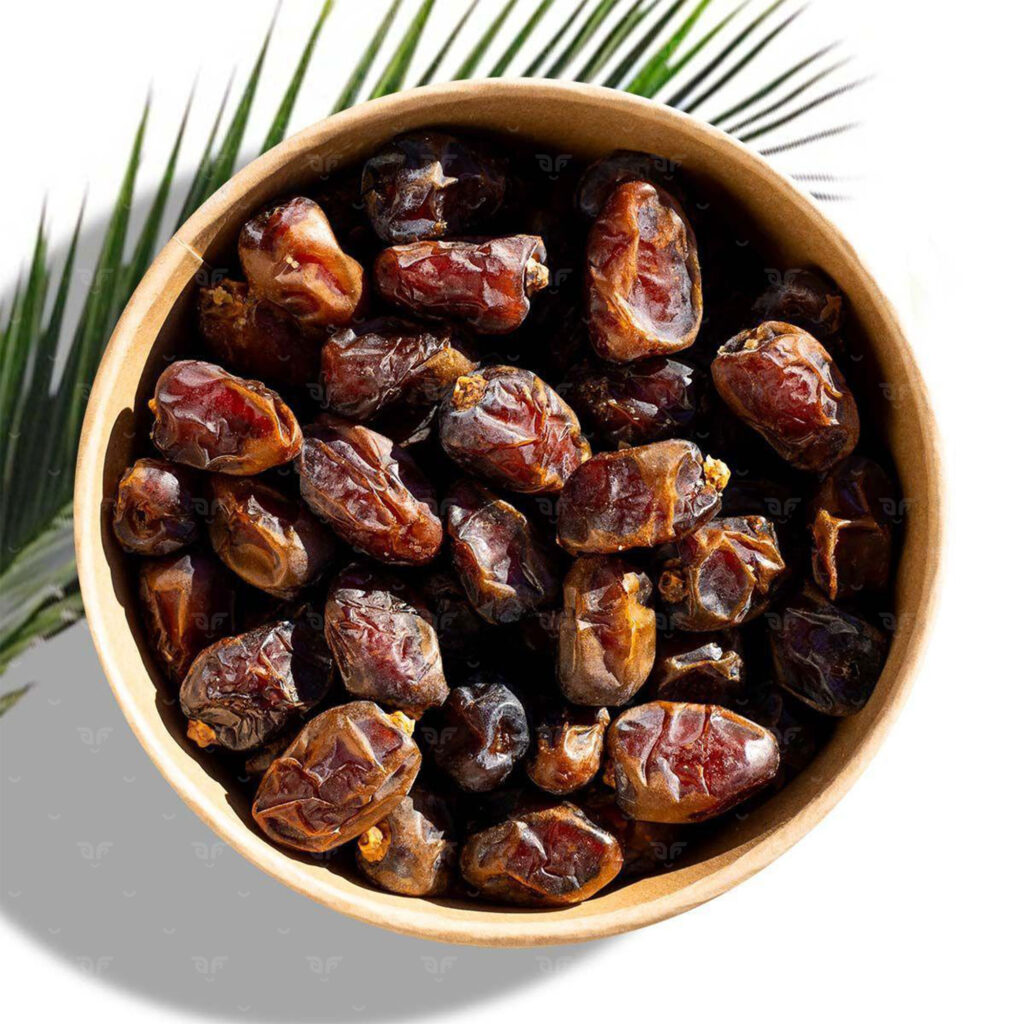
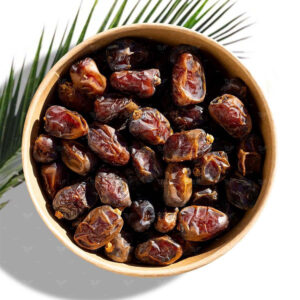
The color of Kabkab dates varies throughout their ripening stages. Initially, they appear yellow during the “Kharak” and “Rutab” phases. As they mature, the color transitions to light brown and later to a rich burnt brown. When fully ripened, they will have a deep dark brown or brownish-black shade, which indicates their peak readiness for consumption.
- Texture:
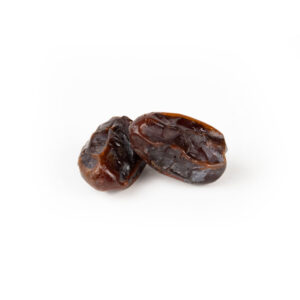
These dates are semi-dry and feature a thick outer shell that protects their soft, sticky interior. The flesh exhibits a moist, fleshy texture with a slightly glossy surface. This combination of firmness and stickiness enhances their suitability for culinary purposes and direct consumption.
- Core (Pit):
The pit inside Kabkab dates is long, oval, and gray in color. It clings closely to the flesh, which makes it somewhat challenging to separate. Additionally, the kernel and cap remain attached to the fruit, which is a characteristic feature of this variety.
Taste and Flavor Profile of Kabkab Date
Kabkab dates are highly valued for their rich and appealing taste, which makes them a popular choice among date lovers.
- Sweetness:
Kabkab dates are known for their rich, caramel-like, intense, and well-balanced sweetness. The sweetness is derived primarily from natural sugars like fructose, which makes this type a naturally energy-dense food. This harmonious sweetness satisfies a variety of taste preferences without being overpowering.
- Juiciness:
The texture of Kabkab dates adds to their appeal, as they range from semi-dry to moist. Their soft and slightly chewy consistency and a wet and fleshy appearance ensure a delightful eating experience. This texture complements the flavor.
- Flavor Notes:
A syrupy taste with subtle hints of caramel and honey characterizes the flavor of Kabkab dates. These notes and their pleasant aroma give them a distinctive identity among other date varieties.
Nutritional Information of Kabkab Date
Kabkab dates are a nutrient-dense fruit with several health benefits. Their composition supports both energy replenishment and overall well-being. Comprising 70% of the fruit’s weight, carbohydrates are the primary component of Kabkab dates. These natural sugars provide a quick and sustained energy boost. These small snacks are also a rich source of essential minerals, including magnesium, calcium, and potassium.
Kabkab Date Cultivation and Harvesting
Kabkab dates are cultivated in several regions of Iran. Each of these locations offers favorable conditions for their growth. Major cultivation areas include the Fars province, particularly Khesht and Kamarj in Kazerun, the Bushehr province, including Dashtestan (Borazjan), Dashti, Ahrom, and Khor Mouj, and the Khuzestan province, notably in Behbahan. Other key locations for Kabkab date cultivation are Khormuj, Jahrom, and Tabas. These regions are known for their optimal climate and soil properties, which are essential for high-quality yield.
- Climate Requirements:
Kabkab dates thrive in hot, dry, and sunny weather, typical of tropical climates. They require low humidity and an average annual rainfall of less than 3 inches. Excessive rainfall or high humidity can adversely affect their growth and quality.
- Soil Conditions:
Sandy, loamy soils with a pH level between 8 and 11 are ideal for Kabkab date cultivation. These soils should have good moisture content but must not contain high levels of calcium carbonate, as this can hinder the development of the fruit.
Harvest Season of Kabkab Date
The harvest season of Kabkab dates is a well-defined period that varies slightly based on the ripeness level and regional conditions. The main harvest typically takes place from early September to mid-October when the fruits reach their fully mature stage. For those seeking less ripe dates, harvesting can start earlier, in early August, during the “Kharak” stage, when the dates are less sweet and firmer in texture. By mid-September, the majority of Kabkab dates are fully ripened and ready for consumption or processing.
Harvesting Process
The harvesting process of Kabkab dates is carried out with great attention to detail to ensure the fruit retains its quality and flavor. The process begins with carefully separating the date clusters from the palm tree, including their protective cover, to prevent damage during handling. Harvesting occurs in distinct stages based on the ripeness of the fruit. The first stage, known as Khelal, involves green, premature fruits harvested between May and June. In the next stage, Kharak, the dates turn red or yellow and are typically collected between July and August. By the end of September, the Rotab stage is reached, marking the full maturity of the dates, which are soft and ready for direct consumption or further processing.
Post-harvest handling is a critical part of maintaining the freshness and quality of Kabkab dates. After harvesting, the date clusters are transported to processing facilities, where they undergo washing to eliminate dust and debris. On average, each hectare of Kabkab date cultivation yields around 15 tons of fruit, with individual palm trees producing approximately 40 to 50 kilograms per harvest.
Kabkab Date Storage and Shelf Life
Kabkab dates have specific storage requirements and considerable shelf life when properly stored. Information about these topics is provided below.
Storage Conditions
Proper storage conditions are essential to maintaining the freshness, texture, and nutritional value of Kabkab dates. These dates should be kept in a cool, dry environment, away from direct sunlight, to prevent spoilage. The ideal storage temperature ranges from 3°C to 15°C (37°F to 59°F), with humidity levels maintained below 50% to avoid moisture-related issues such as mold growth. For long-term preservation, cold storage at temperatures as low as -5°C (23°F) or lower is highly effective. In cases where extended storage is required, maintaining temperatures between -15°C and -20°C (-5°F to -4°F) can further ensure the dates remain in optimal condition for consumption or processing.
Kabkab Date Shelf Life
The shelf life of Kabkab dates depends significantly on storage conditions and handling practices. Below are specific ways to store them effectively:
- Optimal Storage Conditions: When kept in a cool and dry environment with controlled temperature and humidity, Kabkab dates can maintain their quality for up to 2 years.
- Proper but Less Controlled Storage: Under less stringent conditions, their shelf life ranges from 12 to 18 months.
- Room Temperature: Kabkab dates last around 6 months at room temperature if interim fumigation is applied to prevent pests.
- Normal Storage with Fumigation: With regular fumigation, they can remain in good condition for up to 1 year under normal storage conditions.
About JAM Food Co.’s Kabkab Date
JAM Food Co. is a trusted provider of high-quality Iranian date fruits, including the widely popular Kabkab date. By collaborating directly with farm owners and cultivators, the company ensures access to some of the freshest and most affordable Kabkab dates available on the market. This close relationship with growers enables JAM Food Co. to offer products that consistently meet customer expectations regarding taste, texture, and price.
JAM Food Co. as a Reliable Kabkab Date Supplier
JAM Food Co. has established itself as a dependable supplier of Kabkab dates through its robust logistics network. The company employs various shipping lines and transportation methods to deliver Kabkab dates to customers in different locations, both domestically and internationally. By guaranteeing quick and secure handling, JAM Food Co. ensures that the dates arrive fresh and in excellent condition, making it a preferred supplier for businesses and individual buyers alike.
Packaging Kabkab Dates at JAM Food Co.
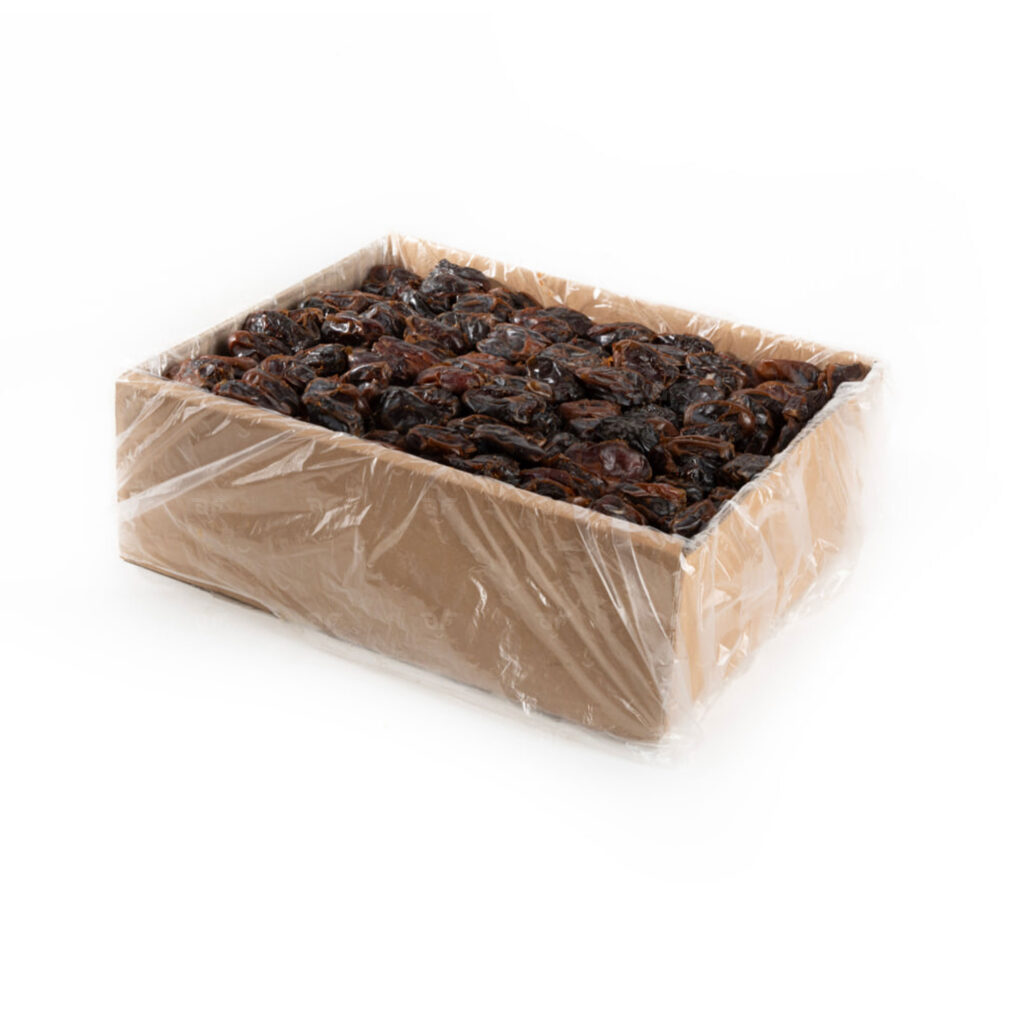
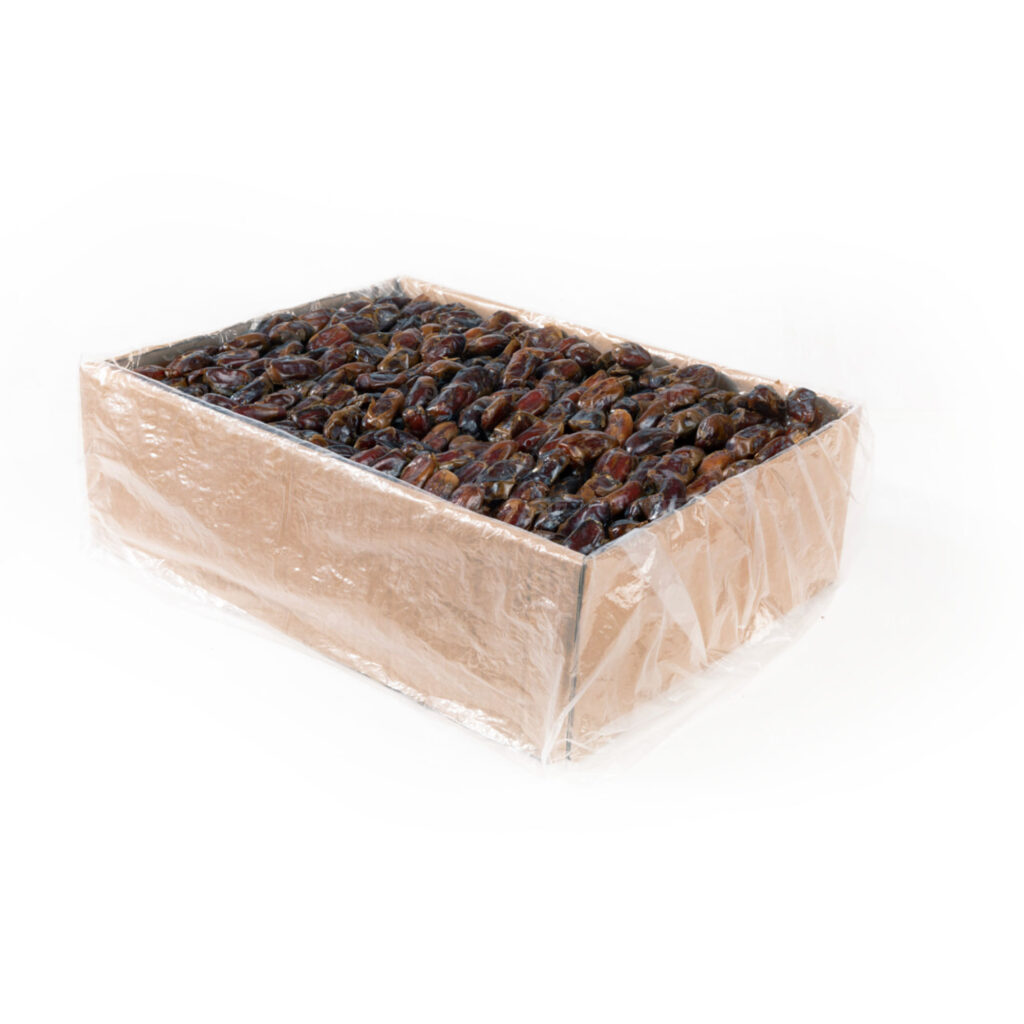
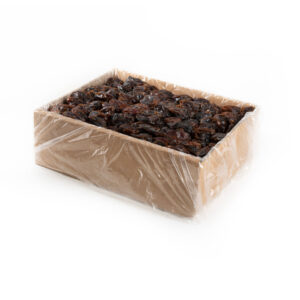
JAM Food Co. provides diverse packaging options to meet the needs of its customers while maintaining the quality of its Kabkab dates. Recognizing the potential for damage during transportation, the company has developed packaging solutions that offer maximum protection and ensure safe handling. These methods include durable materials and secure sealing to preserve freshness throughout the shipping process. Customers can also choose from various package sizes tailored to their specific requirements.
HOW CAN JAM GROUP HELP YOU?
Send us a message and our friendly team will get back to you within one business day.




