










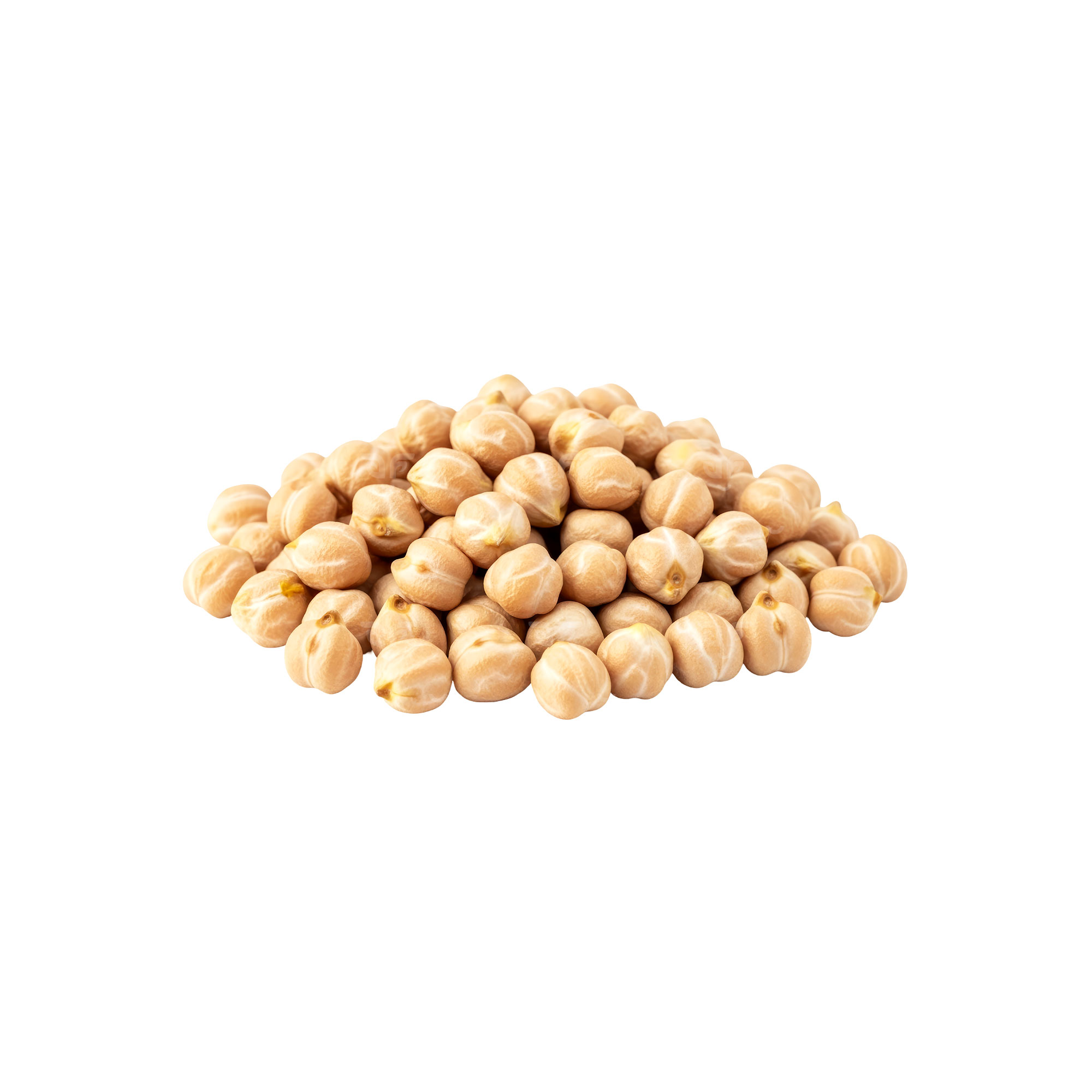

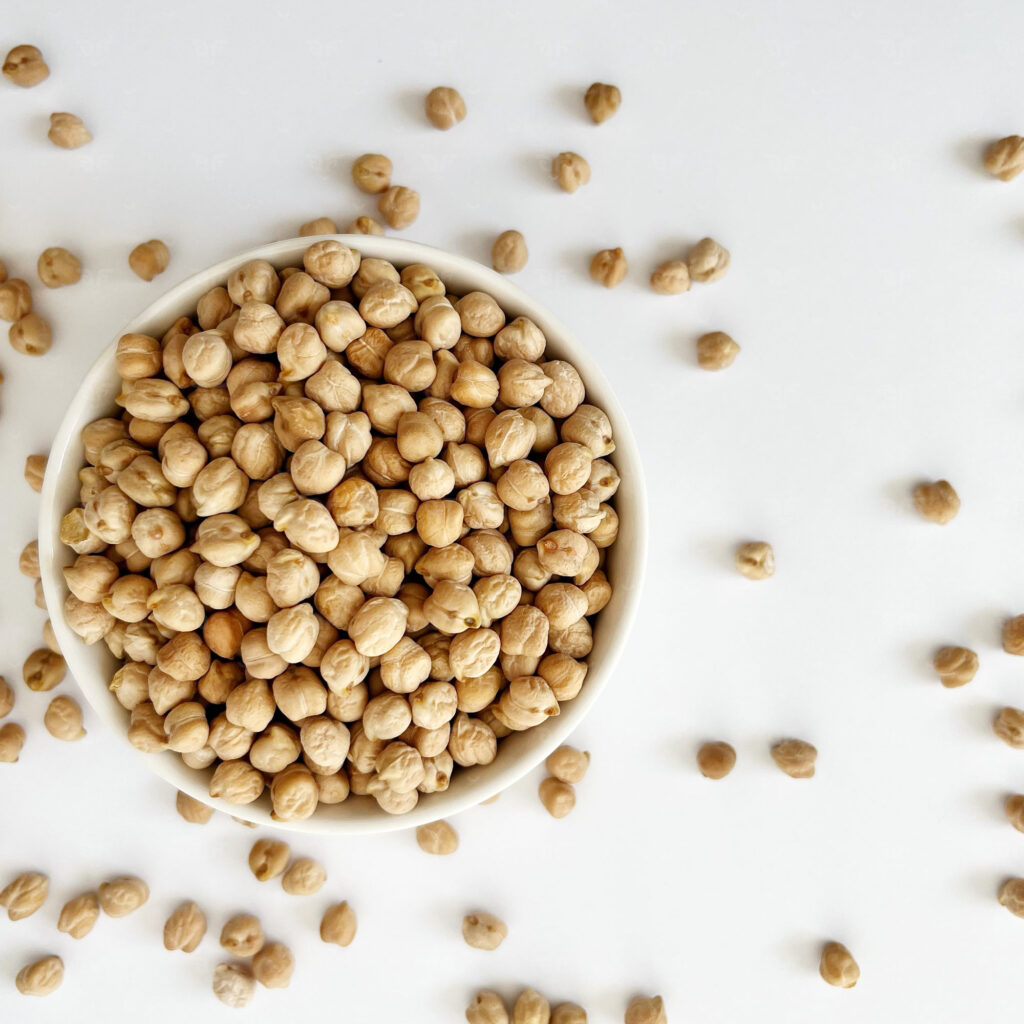
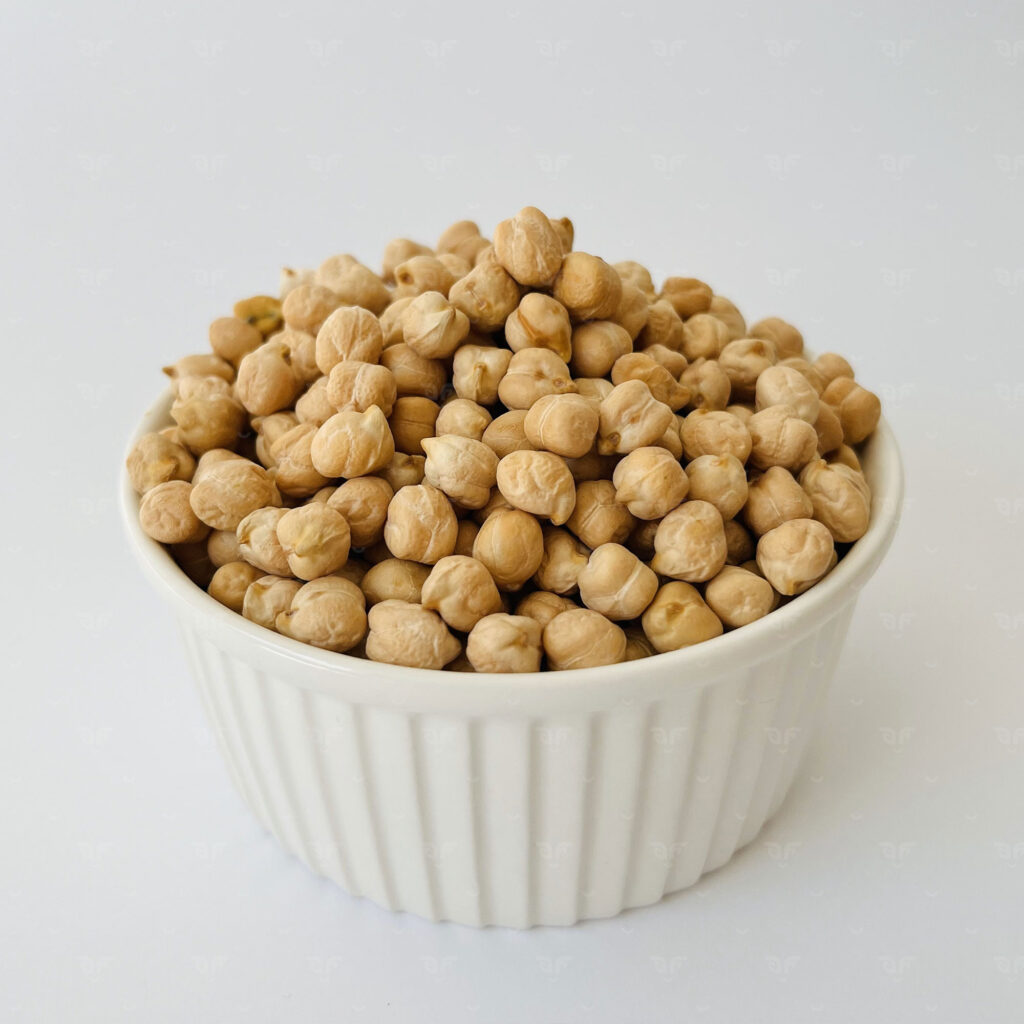
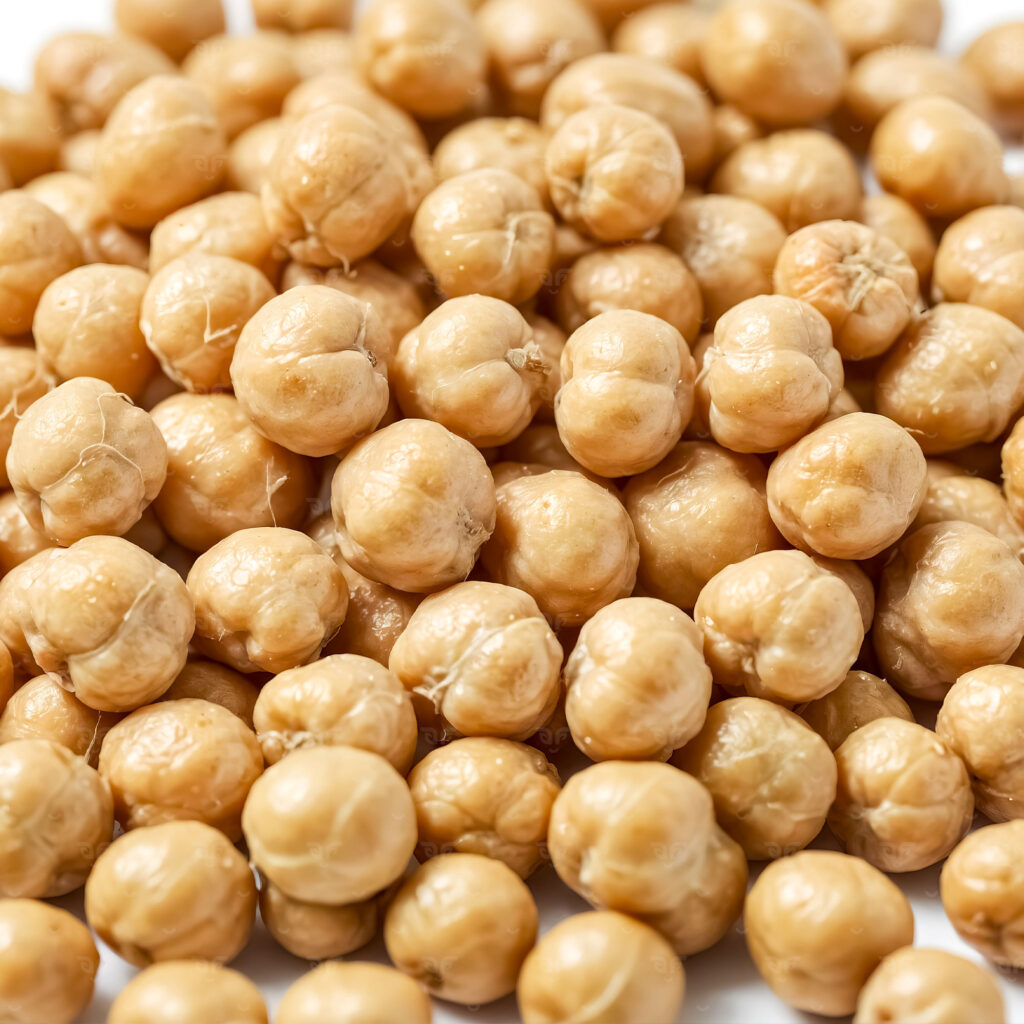
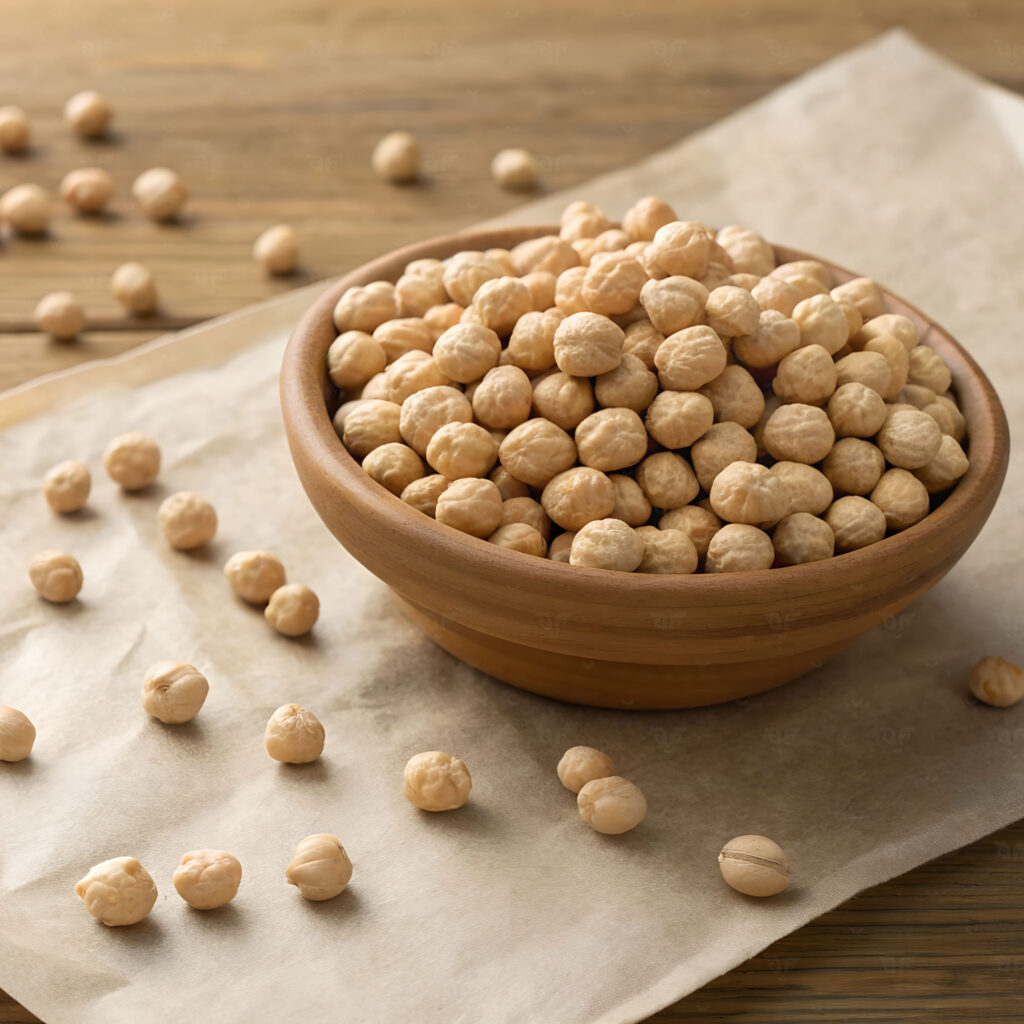
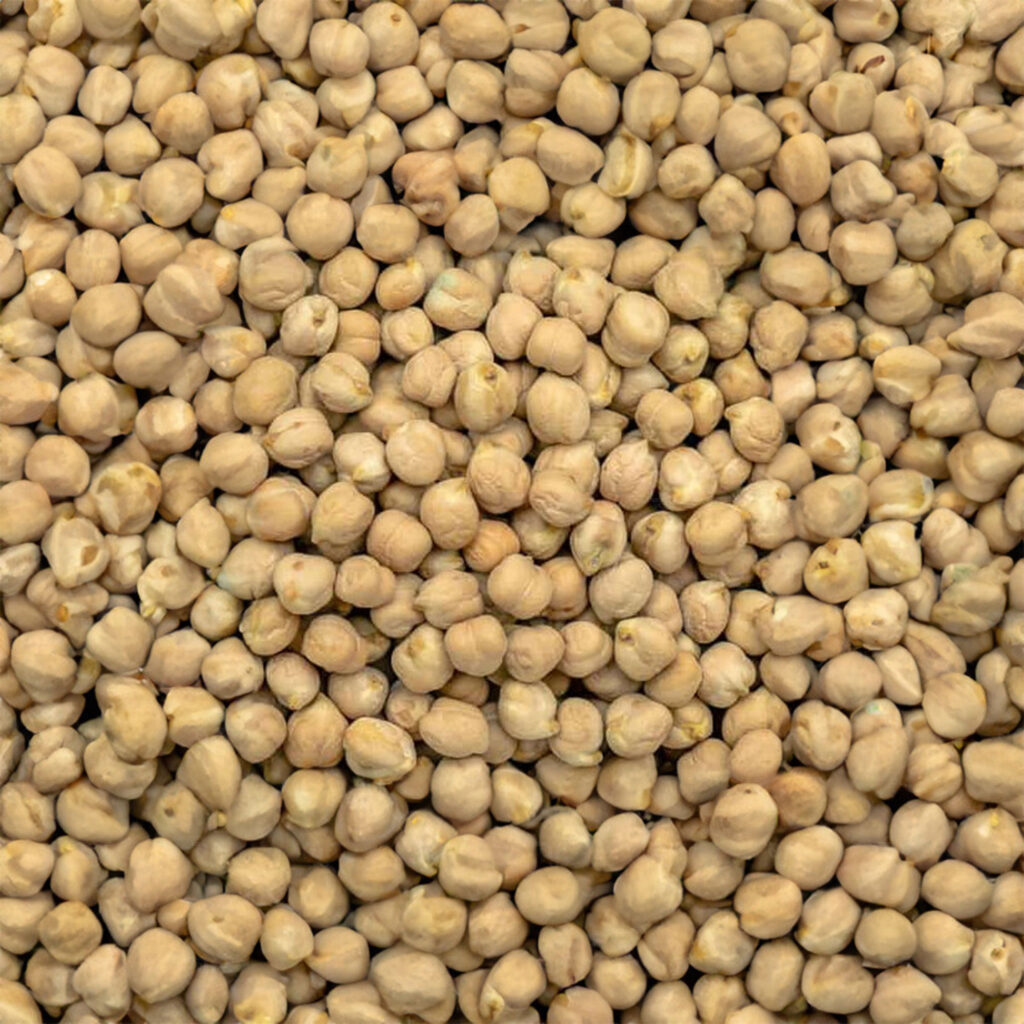
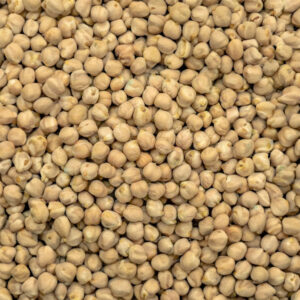
Dried chickpeas are the mature seeds of Cicer arietinum, harvested and dried for storage, trade, and later processing. Also known as garbanzo beans, they are sold mainly as Kabuli or Desi chickpeas. Their size, colour, seed coat, cooking behaviour, and intended use can differ considerably between types and varieties. For food businesses, these differences influence product appearance, processing time, texture, and yield. Dried chickpeas are used in hummus, falafel, curries, canned foods, flour, roasted snacks, salads, and a wide range of retail and food-service products.
Choosing a dependable international supplier matters when product consistency, packaging, documentation, and delivery affect commercial performance. JAM Food Co. is a reliable international supplier of dried chickpeas for importers, wholesalers, manufacturers, retailers, restaurants, and food-service businesses. The company works with buyers to understand their intended application and purchasing requirements, including quality expectations, specifications, packaging, order volume, destination, and documentation. This product-focused approach helps businesses source dried chickpeas suited to their market, processing method, and distribution plans.
A Short Glance At Dried Chickpeas
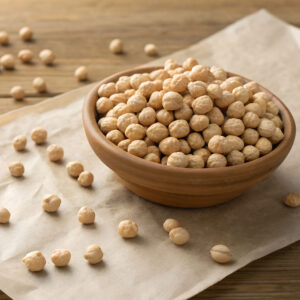
Dried chickpeas are the low-moisture seeds of an annual pulse crop. The two principal commercial classes are Kabuli and Desi. Kabuli chickpeas are generally larger, pale cream or light tan, and covered by a relatively thin seed coat. Desi chickpeas are usually smaller and darker, with a thicker, rougher coat. Both may be traded whole, while Desi chickpeas are also commonly dehulled, split into chana dal, or milled into flour. Buyers should select the required class, form, size, and colour according to the intended application and finished-product requirements.
Physical Characteristics Of Dried Chickpeas
Physical characteristics help buyers determine whether a chickpea lot suits a particular market or production process. Type, variety, growing conditions, harvest timing, and handling can influence appearance and performance. Commercial evaluation commonly considers colour, size, uniformity, seed-coat condition, splits, damage, foreign material, and signs of insects or moisture exposure.
- Colour And Appearance:
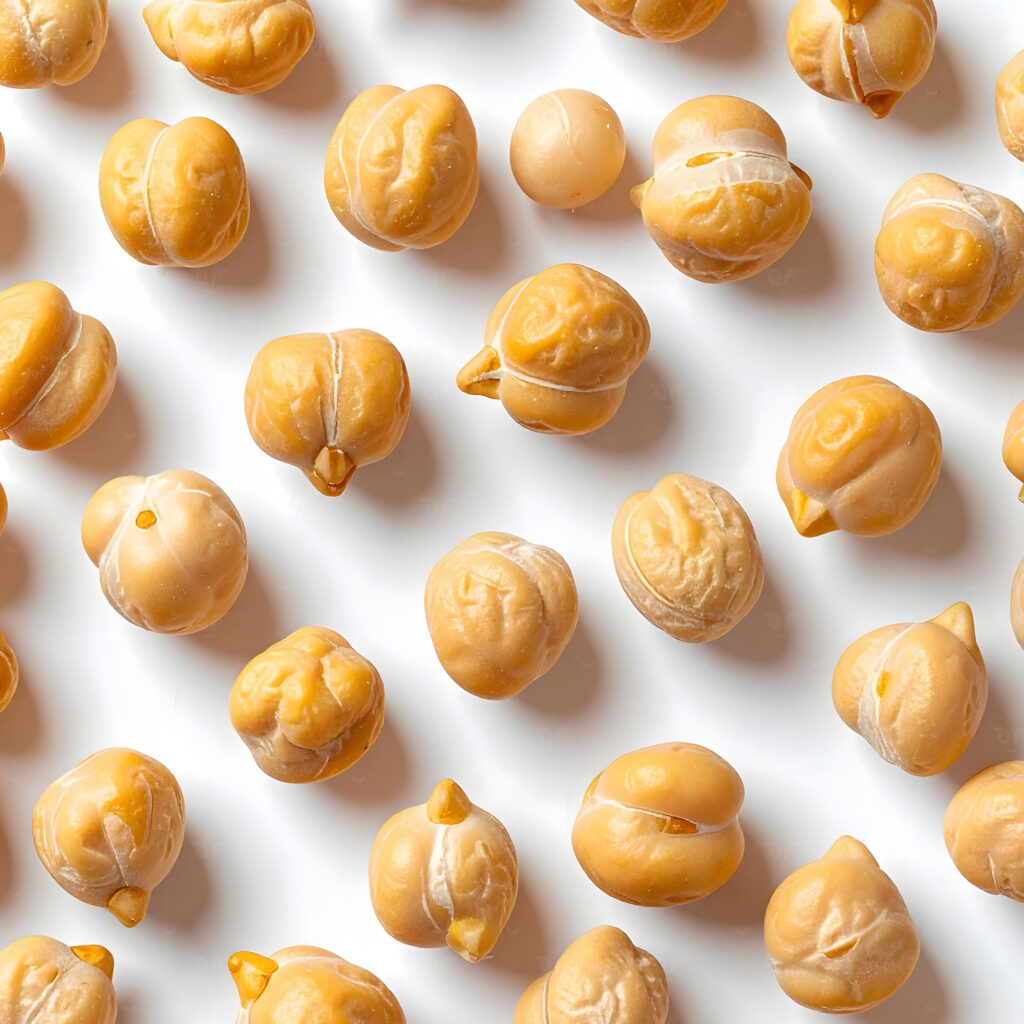
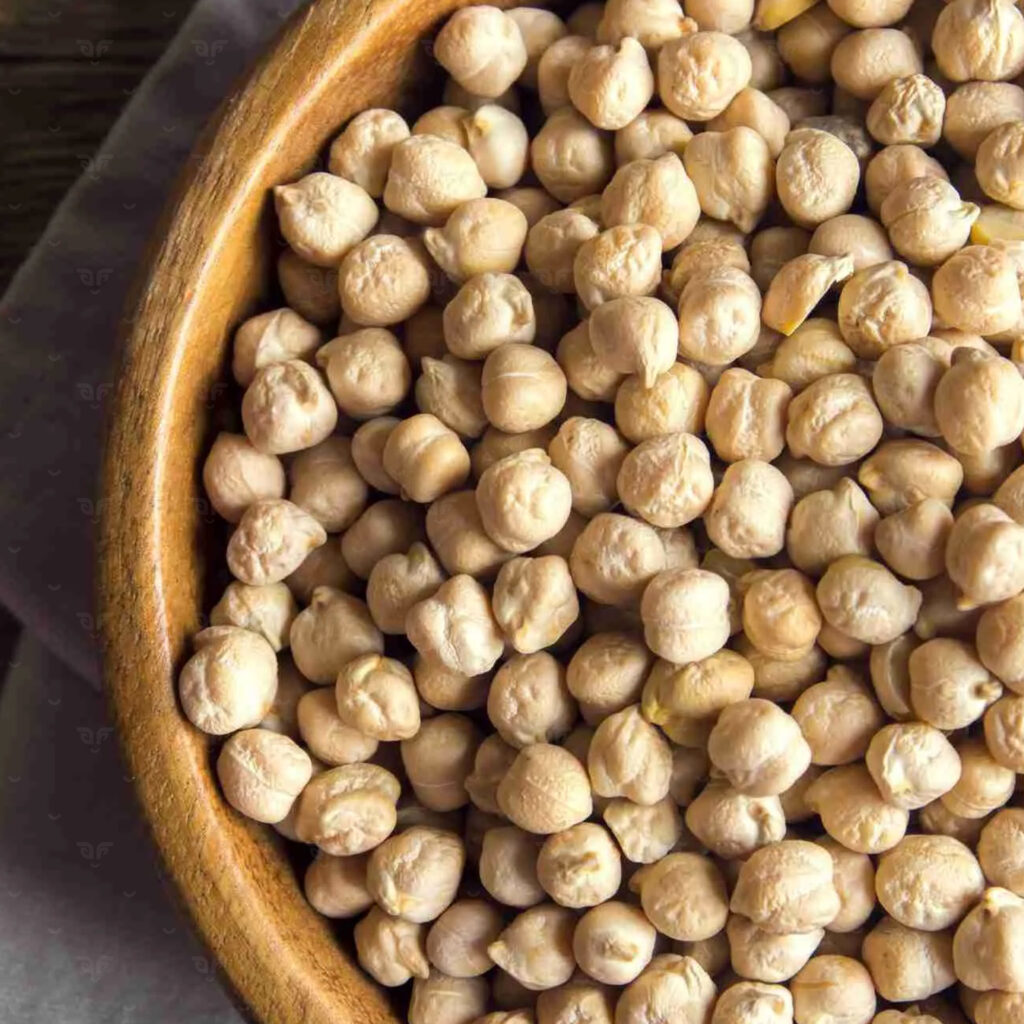
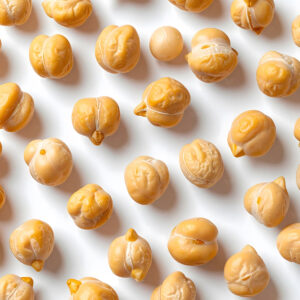
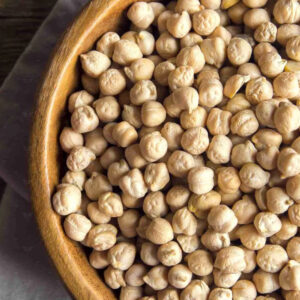
Kabuli chickpeas are typically whitish, cream, or light tan, while Desi types are commonly brown and may appear in other darker colours. A commercial lot can be assessed for colour uniformity, staining, green seeds, dullness, heat damage, insect damage, and foreign material according to the purchasing specification.
- Size And Shape:
Chickpeas are generally rounded or angular with a small pointed beak. Kabuli types are usually larger than Desi types, but seed size also varies within each class. Size grading matters because larger, uniform chickpeas may be preferred for visible whole-food applications, while smaller seeds can suit milling and some processing uses.
- Texture:
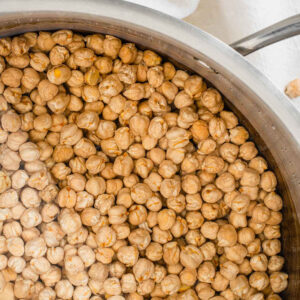
Sound dried chickpeas should feel hard, dry, and intact before soaking or cooking. Desi chickpeas generally have a thicker coat, while Kabuli chickpeas tend to have a thinner one. Cracks, splits, storage age, and moisture history can affect hydration, cooking time, softness, and the consistency of the finished product.
- Taste:
Once properly soaked and cooked, chickpeas generally have a mild, earthy, and slightly nutty flavour. Their final taste and mouthfeel vary with type, freshness, cooking method, and recipe. Dried chickpeas should not have musty, rancid, chemical, or otherwise abnormal odours or flavours, as these may indicate deterioration or contamination.
Nutritional Value And Health Benefits Of Dried Chickpeas
Chickpeas provide plant protein, complex carbohydrates, dietary fibre, and nutrients such as folate, iron, magnesium, and potassium. Their nutritional profile makes them useful in vegetarian foods, plant-based products, prepared meals, and recipes intended to increase pulse consumption. Fibre and protein can contribute to fullness and a balanced diet, although the effect of any food depends on the complete dietary pattern. Nutrient values change after soaking and cooking because the seeds absorb water. Food manufacturers should base product labels and nutrition claims on the relevant prepared form, applicable regulations, and appropriate analytical data.
About JAM Food Co.’s Dried Chickpeas
JAM Food Co. is a reliable international supplier of dried chickpeas for B2B food markets. The company works with buyers whose applications range from whole retail presentation and food service to hummus, canning, milling, and snack production. Each use may call for different product characteristics, so JAM Food Co. focuses on understanding the required type, form, size, colour, quality expectations, packaging, volume, documentation, destination, and delivery needs. This commercially focused approach helps buyers source dried chickpeas suited to their market and production plans.
JAM Food Co. As a Reliable Dried Chickpea Supplier
JAM Food Co. supplies dried chickpeas to importers, wholesalers, distributors, manufacturers, retailers, restaurants, and food-service businesses. As a reliable international supplier, the company understands that successful B2B purchasing depends on a clear match between the product and its intended use. JAM Food Co. works with buyers to define their acceptance criteria, order volume, packaging expectations, documentation, destination, and delivery requirements. This direct, product-specific communication supports efficient purchasing and helps buyers plan dried-chickpea orders for their commercial operations.
Growing And Harvesting and Processing Dried Chickpeas
Chickpeas are grown as an annual crop across semiarid, subtropical, and temperate regions. Production practices vary by climate, variety, planting season, farm scale, and available equipment. The crop develops pods containing one or two seeds, which mature and dry before harvest. Growing conditions can affect seed size, colour, uniformity, and the incidence of weather-related damage. Although buyers do not usually manage farm production, understanding the crop cycle helps them assess origin, seasonal availability, physical quality, and the reasons individual lots may perform differently during sorting, soaking, or processing.
- Climate Conditions:
Chickpeas generally perform well under bright light and moderate temperatures, with relatively dry weather during maturity and harvest. Excessive rainfall or humidity can increase disease and quality risks, while severe heat or frost may affect development. Suitable conditions vary by cultivar, production region, planting date, and access to irrigation.
- Soil Requirements:
The crop can grow in several soil types, but well-drained soil is important because chickpeas do not tolerate prolonged waterlogging well. Soil structure, fertility, salinity, pH, and moisture availability can influence plant development and yield. Local production practices therefore vary according to the cultivar, climate, and field conditions.
- Major Growing Regions:
Chickpeas are produced extensively in South Asia, particularly India, as well as in Australia, West Asia, the Mediterranean region, North and East Africa, and parts of the Americas. Desi production is strongly associated with South Asia and semiarid regions, while Kabuli types are widely grown across temperate and Mediterranean production areas.
Harvesting Season Of Chickpeas
The chickpea harvesting season depends on the country, local climate, and whether the crop was planted for a cool or dry growing period. Harvest normally begins after the plants have matured, the pods have dried, and the seeds have reached an appropriate moisture level. Timing affects both yield and physical quality. Harvesting too late can increase pod loss, weather exposure, and breakage, while handling very dry seeds may cause cracks or splits. Grain collected above the applicable storage or delivery moisture limit may require drying or aeration before storage.
Harvesting Process Of Chickpeas
Chickpeas may be collected manually or with mechanical harvesters, depending on the production system. After cutting or combining, the pods are threshed to separate the seeds from plant material. The chickpeas are then dried or aerated where necessary before cleaning, sorting, and grading. Careful machine settings and handling help reduce cracks, splits, and seed-coat damage. Commercial preparation may also remove dust, stones, other seeds, damaged chickpeas, and foreign material. The finished lot is assessed against the purchasing specification before storage, packing, or shipment.
Storage Guidelines And Durability Of Dried Chickpeas
Dried chickpeas are shelf-stable because their moisture content is much lower than that of fresh or cooked foods, but storage conditions still affect their commercial life. Warm temperatures, excess moisture, pests, poor sanitation, damaged packaging, and exposure to strong odours can reduce quality. Storage age may also influence hydration and cooking performance even when the chickpeas remain dry. Businesses should manage dried chickpeas as a food ingredient, using clean storage areas, suitable packaging, routine inspection, documented stock rotation, and moisture controls appropriate to the climate and intended storage period.
Storage Conditions Of Dried Chickpeas
Dried chickpeas should be held in a cool, dry, clean, and well-managed environment. Packaging must remain intact and should be kept away from water, direct sunlight, chemicals, and materials with strong odours. Warehouses need suitable pest monitoring and sanitation because insects and foreign matter can make a lot unacceptable. Ventilation or aeration may be used in bulk grain systems when appropriate, but these measures do not replace adequate drying. Moisture limits should reflect the purchase specification, storage duration, destination requirements, and applicable standard.
Shelf Life Of Dried Chickpeas
The shelf life of dried chickpeas depends on their initial condition, moisture content, packaging, storage temperature, pest control, and exposure to humidity. Chickpeas may remain dry while gradually taking longer to hydrate or cook, which can affect manufacturing schedules and finished-product consistency. Commercial shelf-life planning should account for packaging conditions, production or packing date, storage instructions, and the requirements of the intended market. Regular inspection and first-in, first-out stock rotation help businesses manage food quality and processing performance throughout storage and distribution.
Packaging Dried Chickpeas At JAM Food Co.
Effective packaging protects dried chickpeas from moisture, pests, contamination, odours, and physical damage during storage and international transport. JAM Food Co. is a reliable international supplier of dried chickpeas that works with B2B buyers to define packaging requirements suited to their order volume, handling system, destination, and sales format. The company supports purchasing discussions for wholesale distribution, manufacturing, food service, repacking, and retail channels. Pack weight, packaging material, labelling, sealing, pallet conditions, and destination-market requirements can then be matched to the commercial purpose of the order.
- Bulk Packaging Capabilities:
Commercial chickpeas are commonly packed in woven polypropylene sacks, multilayer paper bags, or other suitable food-contact packaging. The right format depends on pack weight, handling conditions, storage period, and destination. JAM Food Co. helps buyers define practical bulk-packaging requirements as part of a product-specific dried-chickpea order.
- Preservation And Sealing Techniques:
Effective packaging should limit moisture entry, contamination, pest exposure, and accidental opening during handling. Inner liners, suitable barrier materials, and secure seals may be used according to the needs of the product and transport route. Storage conditions, shipment duration, and destination rules all influence the appropriate preservation approach.
- Private Labeling And Retail Packaging:
Retail and private-label projects involve decisions about pack size, packaging material, artwork, language, product information, coding, and market-specific labelling. JAM Food Co. works with B2B buyers to understand the intended sales format and incorporate the relevant packaging and documentation requirements into the commercial planning for the order.
- Export-Ready Palletization:
Export shipments require stable loading and protection from crushing, punctures, movement, and moisture during handling. Carton or bag dimensions, stacking pattern, wrapping, pallet type, container use, and destination rules can influence the arrangement. Careful pallet planning helps preserve package integrity and supports efficient handling throughout international distribution.
○How Should Buyers Evaluate a Dried Chickpea Sample?


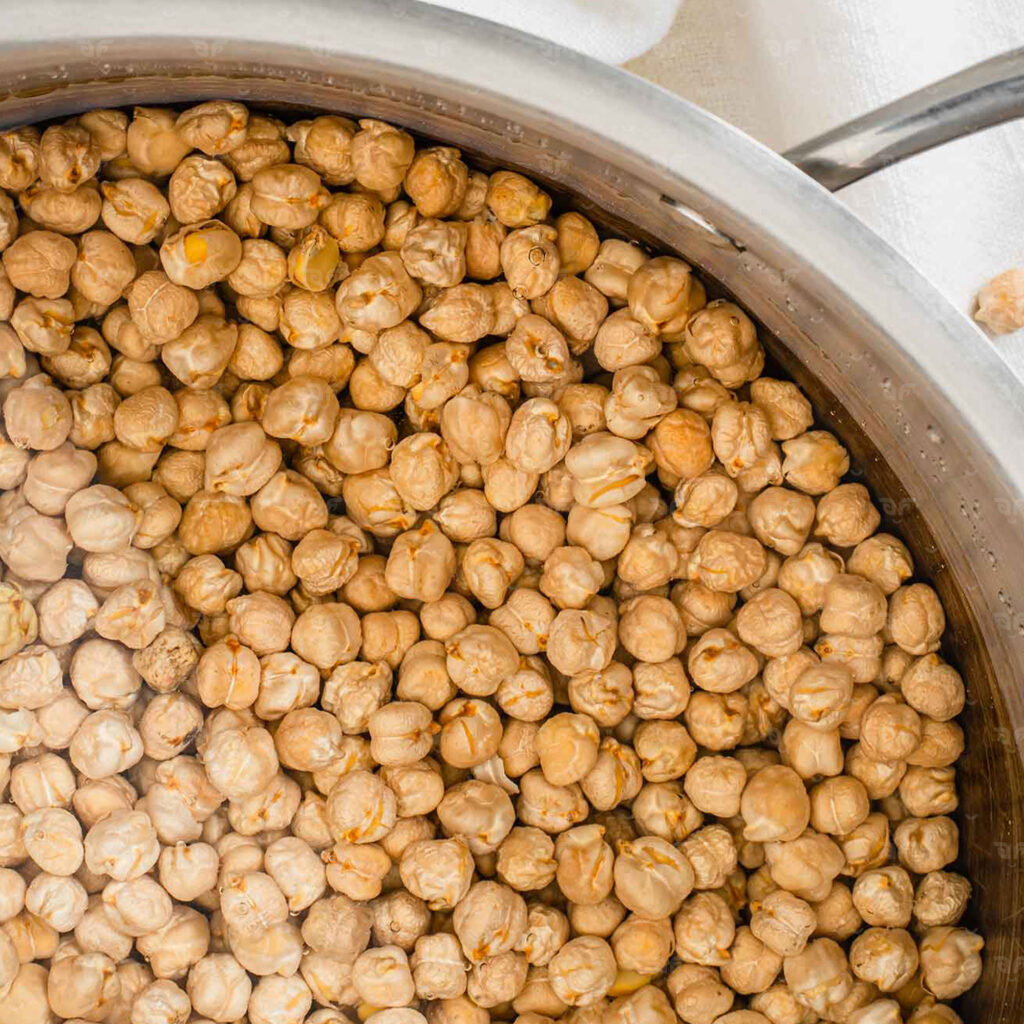
Check whether the sample represents the commercial lot, then compare it with the agreed specification. Review type, color, odor, size distribution, moisture, splits, damaged seeds, foreign material, and evidence of insects. For processing applications, run a small hydration and cooking trial. Record weight gain, cooking time, texture, whole-seed yield, and consistency using the intended production method.
○What Documents Should Commercial Chickpea Buyers Request?
Documentation should match the destination market and intended use. Common requests include a product specification, certificate of analysis, commercial invoice, packing list, lot or crop information, origin documentation, and relevant phytosanitary or food-safety records. Buyers may also require laboratory results for moisture, residues, contaminants, microbiological criteria, or other contractual factors before shipment.
○Why Can Chickpeas From Similar Grades Cook Differently?
A grade describes selected quality factors but does not capture every influence on cooking performance. Variety, crop age, growing conditions, seed-coat characteristics, storage temperature, moisture history, and water quality can all affect hydration and softening. Manufacturers should test representative samples under their own soaking and cooking process before approving a lot for large-scale production.
○How Should Moisture and Purity Be Specified in a Purchase Contract?
State both factors as measurable limits and identify the sampling or testing method where possible. The moisture requirement should reflect the destination climate, transport duration, packaging, and planned storage period. Purity should define allowable foreign material, mineral matter, damaged seeds, splits, and other defects. Referencing an applicable national, international, or buyer-specific standard reduces ambiguity.
○Is a Larger Chickpea Caliber Always Better?
A larger caliber can command a higher price when whole-seed appearance matters, but it is not automatically better for every application. Retail packs and premium canned products may benefit from large, uniform chickpeas. Manufacturers producing flour, hummus, or other processed foods may place greater value on hydration, cooking performance, purity, yield, and cost than on visual size alone.
○Which Dried Chickpeas Are Best for Hummus, Canning, or Milling?
Kabuli chickpeas are commonly selected for hummus, canning, and retail products because their larger size, lighter color, and smoother coat support an appealing finished product. Smaller Kabuli chickpeas may offer a practical balance between cost and processing yield. Desi chickpeas are often chosen for splitting, milling into flour, and traditional foods such as chana dal.
HOW CAN JAM GROUP HELP YOU?
Send us a message and our friendly team will get back to you within one business day.




