











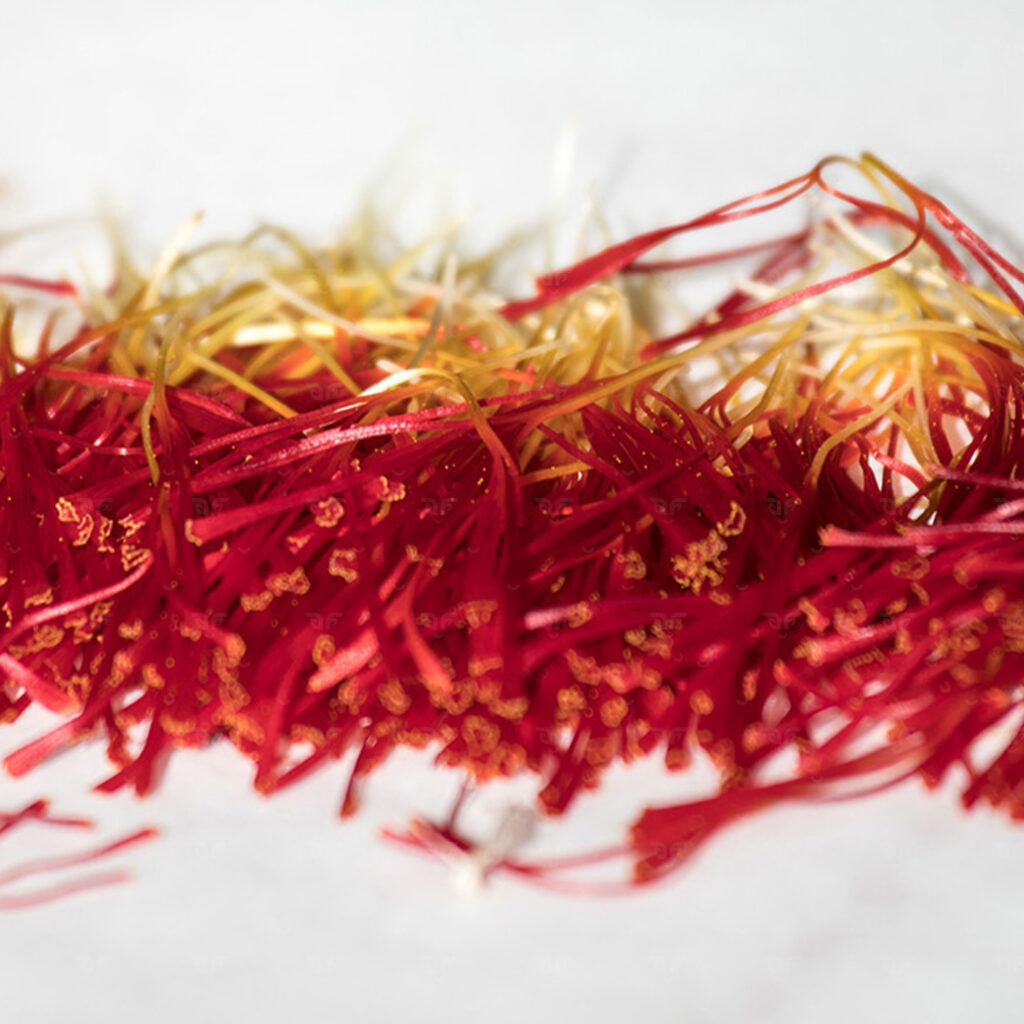
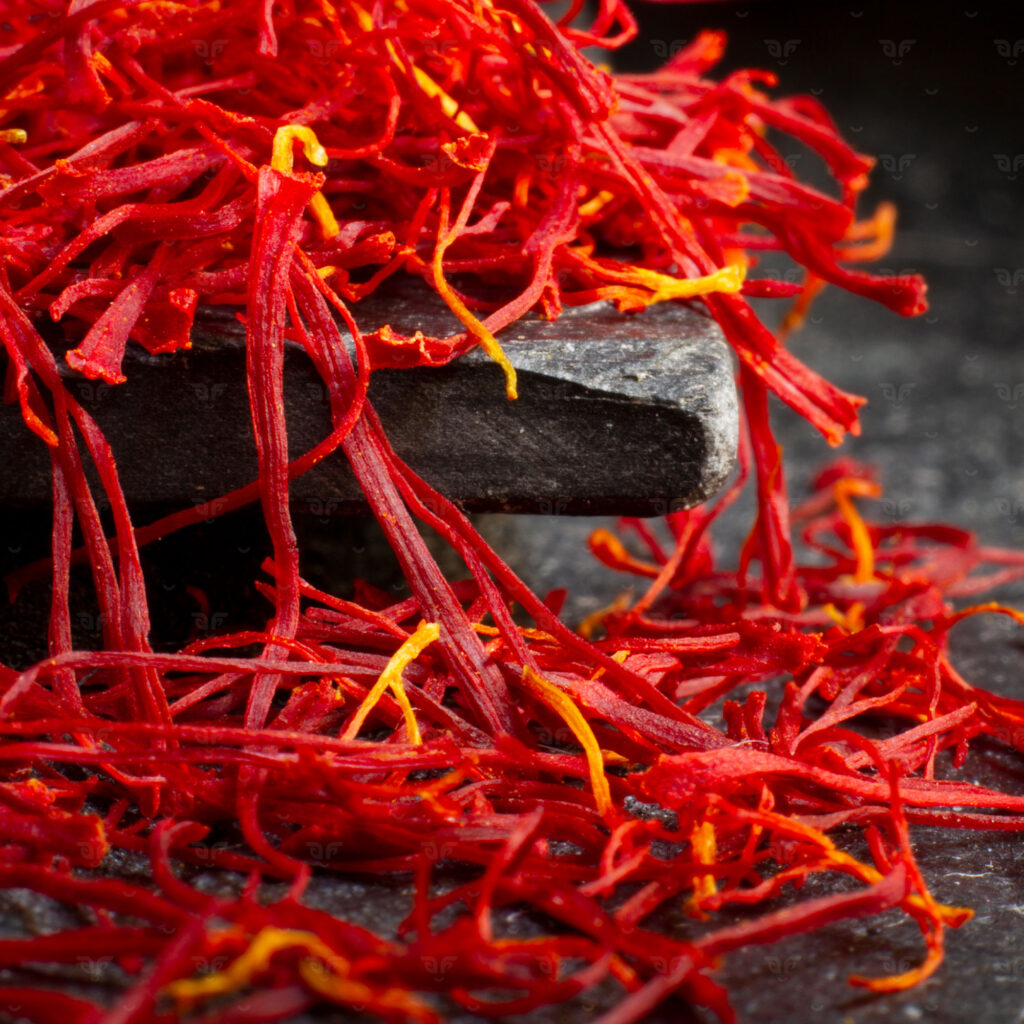
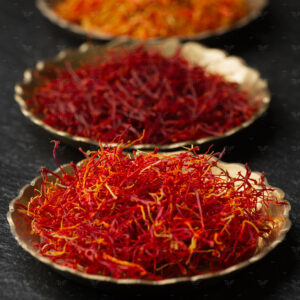
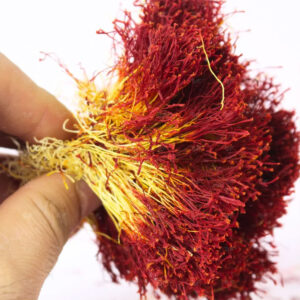
Bunch saffron is a traditional grade of saffron that includes the entire thread of the Crocus sativus flower. This means it contains the vibrant red stigma, which holds most of the color and flavor, as well as the yellow style and white root. Unlike more refined types that separate the red part, the Bunch grade retains its full length, making it a less processed and more authentic form. It typically has lower coloring strength compared to stigma-only grades, but it is valued for its purity, visual appeal, and affordability. In the following article, we will explore the characteristics, benefits, uses, and harvesting practices of this saffron grade in greater detail.
Before our discussion, it would be helpful to talk about a reliable supplier of saffron in different grades. JAM Food Co. is a trusted Bunch saffron supplier known for delivering high-quality saffron products to customers across the globe. As a leading Bunch saffron provider based in Iran, the company benefits from direct access to one of the richest saffron-producing regions in the world. By sourcing saffron directly from local farms and processing it under strict quality controls, JAM Food Co. ensures that each batch of saffron—containing the full thread of the Crocus sativus flower—is handled with care. Their reliable logistics, advanced packing methods, and commitment to customer satisfaction have established JAM Food Co. as a dependable partner for clients seeking authentic and natural saffron in bulk or retail quantities.
A Short Glance at Bunch Saffron and its Properties
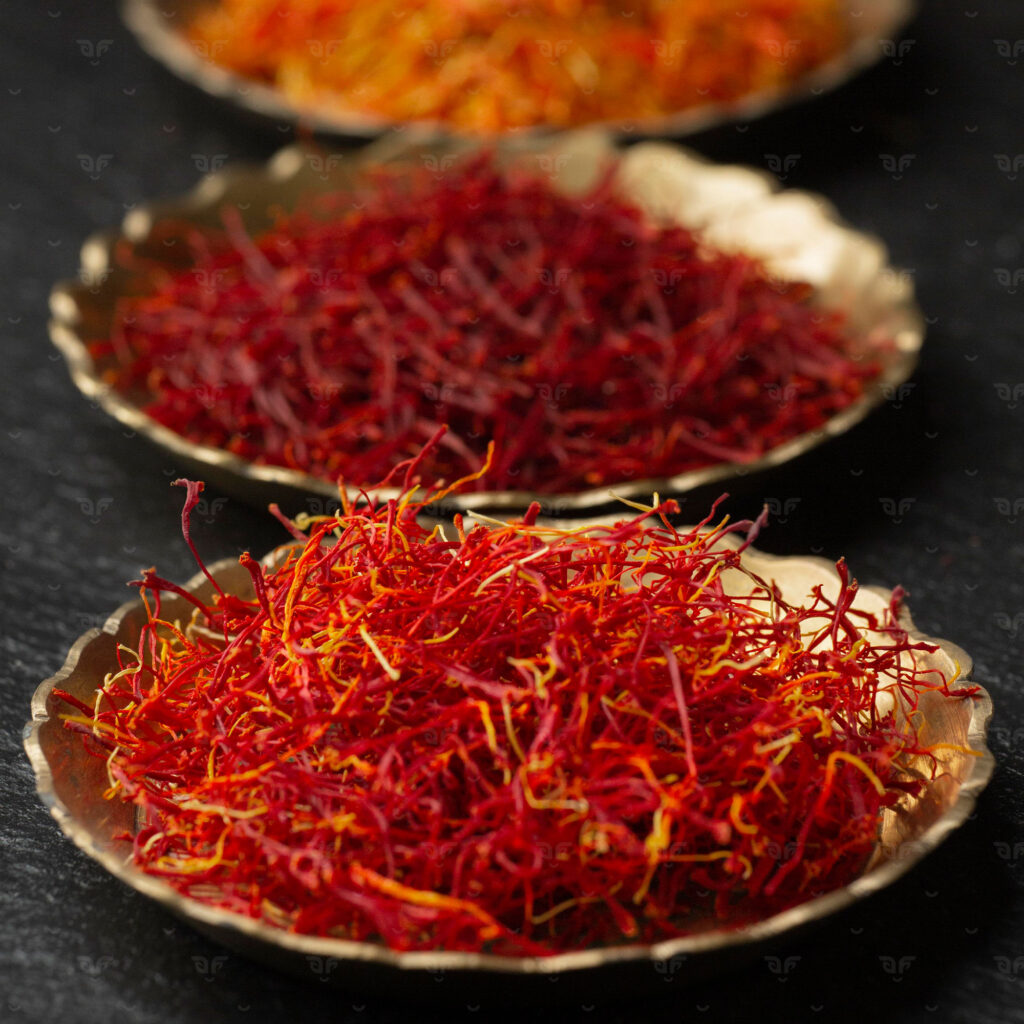
Bunch saffron, commonly called Dasteh saffron or Dokhtar Pich saffron, is a traditional type of saffron that contains the entire filament of the Crocus sativus flower. This includes both the red stigma, which is the most aromatic and colorful part, and the yellow or pale style that connects it to the flower. Unlike premium saffron grades that are sorted to keep only the red stigmas, the bunch grade of saffron is left unseparated, resulting in a product that is less refined but closer to its natural form. While it may contain a lower concentration of coloring and flavoring compounds than pure red stigma saffron, it remains widely used, particularly in markets that value traditional methods and aesthetics. In the next sections, more details will be provided about the visual features and specific structure of this saffron type.
Physical Characteristics of Bunch Saffron
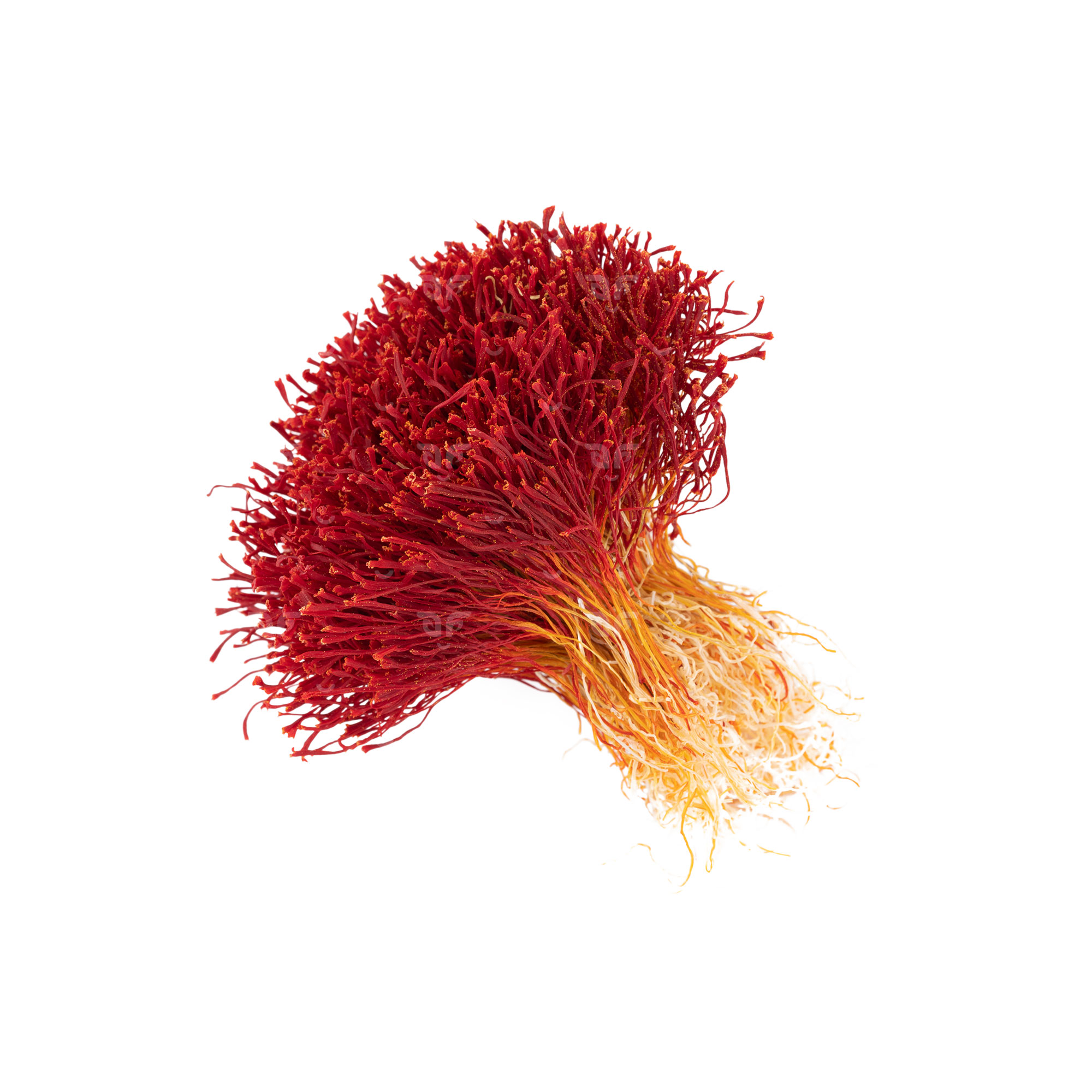
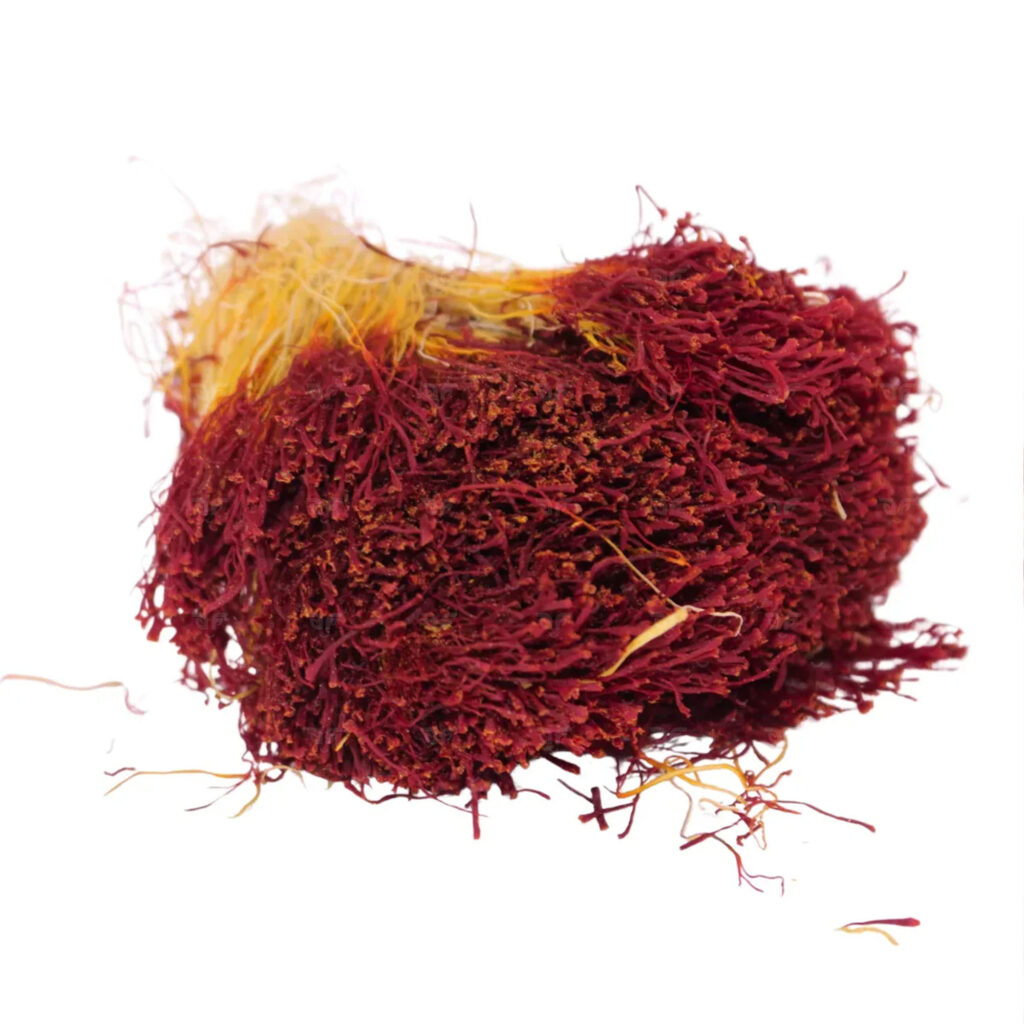
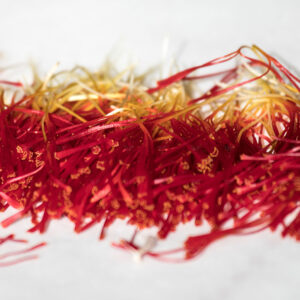
The Bunch grade is a traditional variety that includes the full length of the Crocus sativus filament, comprising the red stigma, yellow style, and white root. This form is valued for its natural appearance and is often used in cooking across cultures that prioritize authenticity and traditional practices.
- Composition:
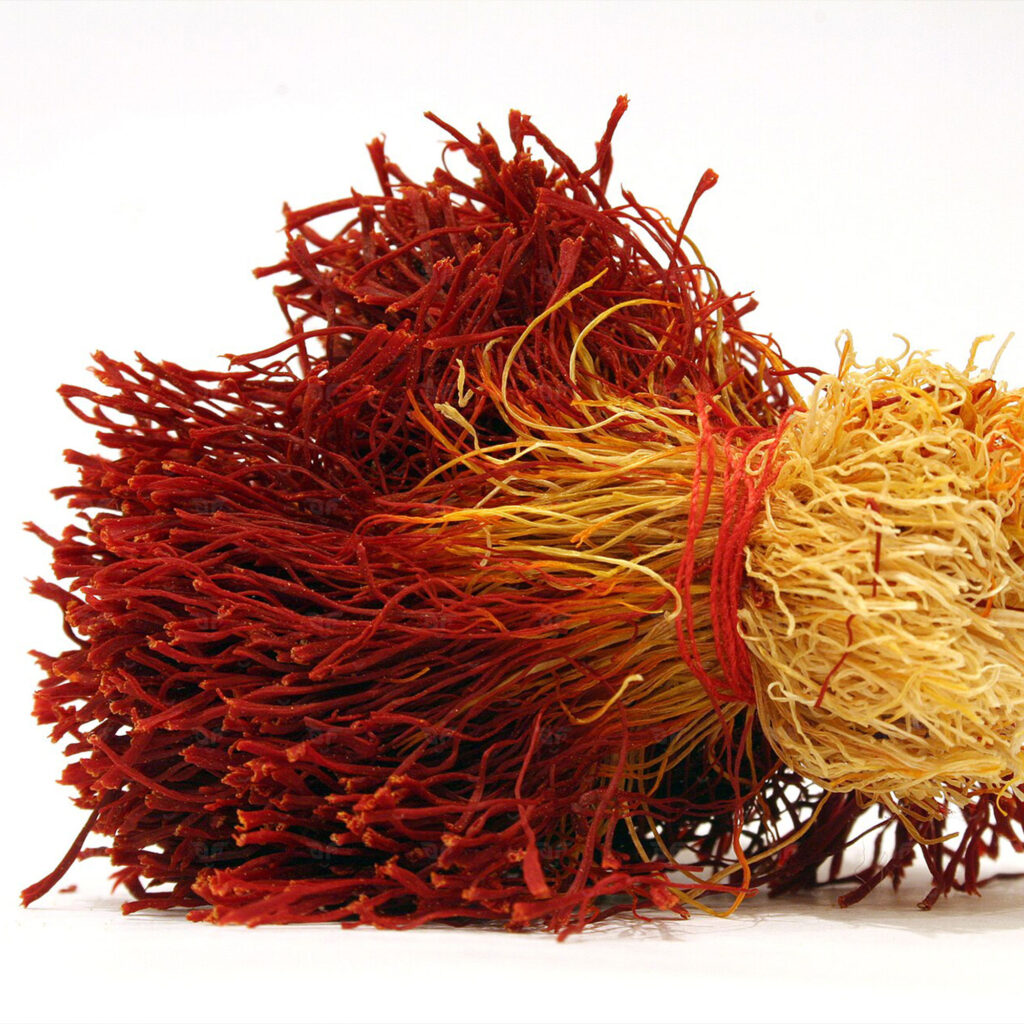
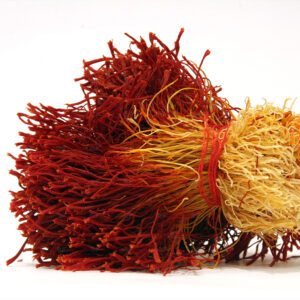
Bunch saffron consists of three main parts: the red stigma, which is the upper section rich in crocin and mainly responsible for the coloring properties; the yellow style, located in the middle, which contains safranal that contributes to the aroma; and the white root, forming the base of the thread, which adds to the overall length and appearance but has minimal effect on color.
- Thread Structure and Size:
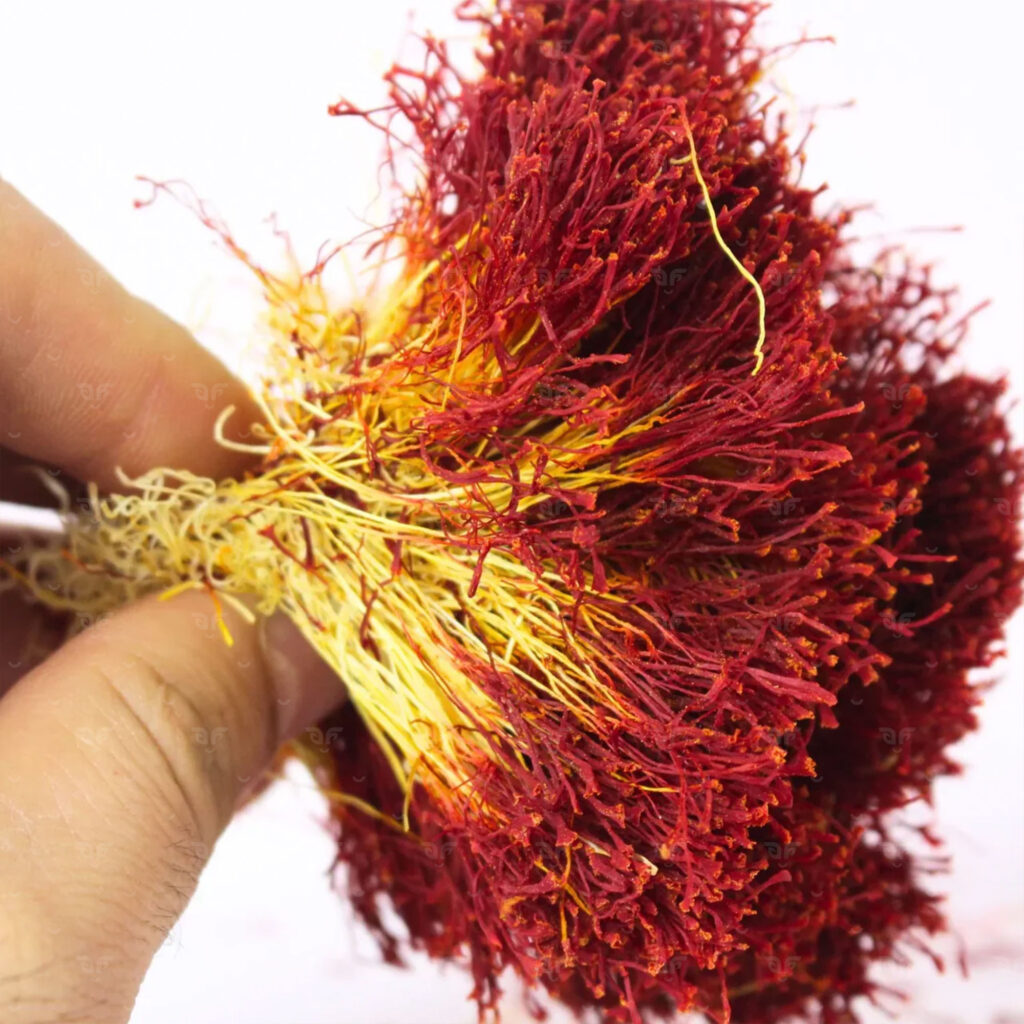
The threads in the bunch type include the entire filament, making them longer than those in more refined grades. These threads are commonly bundled into tight bunches that resemble small wheat sheaves, a traditional method used in regions where saffron is cultivated and processed.
- Color Quality:
Because bunch saffron contains the style and root, its coloring power is lower compared to types made of pure stigma. The coloring strength typically ranges from 120 to 150 units, which places it in the lower category in terms of color intensity.
- Cleanliness and Purity:
Since the bunch grade of saffron is usually dried as a whole, it is less likely to be adulterated. However, it’s still important that the product is examined for cleanliness and meets recognized quality standards. Trusted producers often provide certification and implement quality control processes to confirm the saffron’s purity.
- Shape and Curvature:
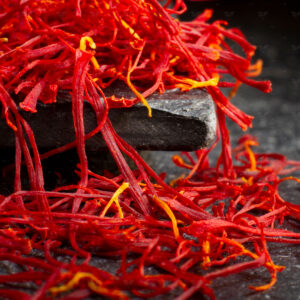
The threads of the bunch grade are naturally curved and often appear coiled. The traditional bundling technique helps maintain this natural shape and reduces the chance of thread breakage, which supports the overall integrity of the product.
- Gloss or Texture:
Bunch saffron has a matte finish, which indicates that it has been dried properly without the use of artificial agents. Its texture is typically dry and brittle, characteristics expected in well-processed saffron of this type.
Aroma, Taste, and Chemical Properties of Bunch Saffron
The Bunch type of saffron differs in sensory and chemical properties from more refined saffron types. This traditional form is less concentrated in the compounds responsible for saffron’s characteristic taste and aroma, resulting in a subtler profile.
- Flavor Profile:
The taste of bunch saffron is milder compared to higher grades. The inclusion of the style, which has lower levels of flavor compounds, reduces the bitterness typically associated with saffron. As a result, dishes prepared with the bunch grade tend to have a softer and less intense flavor.
- Aroma Strength:
The Bunch grade has a lighter fragrance than pure red stigma saffron. This is mainly due to a lower concentration of safranal, a key aromatic compound formed when picrocrocin degrades during drying. Because bunch saffron contains less picrocrocin, the safranal content is also reduced, leading to a gentler aroma.
- Bitterness and Flavor Intensity:
The intensity of bitterness and overall flavor is lower in bunch saffron. Picrocrocin, the compound responsible for the bitter taste, is found in higher amounts in the red stigma. Since the bunch grade includes a considerable portion of the style, which lacks significant picrocrocin content, its bitterness is less noticeable.
- Chemical Composition:
- Crocin: A carotenoid that gives saffron its color. The Bunch grade has lower crocin levels due to the inclusion of the style.
- Picrocrocin: A bitter compound contributing to flavor. Its content is reduced in the bunch type for the same reason.
- Safranal: The main compound responsible for aroma, derived from picrocrocin. Lower levels of picrocrocin in the bunch variety lead to less safranal and, therefore, a milder scent.
Key Advantages of Bunch Saffron
The composition of the bunch variety, which includes the red stigma, yellow style, and white root, affects its sensory and chemical profile and also contributes to several practical benefits. By keeping the entire filament intact, this grade retains all the naturally present compounds in the saffron flower. The red stigma contains crocin, which is responsible for color and contributes to flavor, while the style and root carry compounds like safranal and picrocrocin that add to the aroma and taste. Although the coloring and flavoring strength of bunch saffron is lower compared to higher-grade types like Sargol or Negin, its complete structure offers other important advantages.
One key benefit is cost-effectiveness. Because the bunch grade of Iranian saffron includes parts of the flower with lower concentrations of key compounds, it is generally more affordable. This makes it a suitable option for recipes where strong color or flavor is not essential but where authenticity and natural ingredients are still valued. Another important advantage is related to product integrity. Since the threads are kept whole and include all segments of the filament, the likelihood of adulteration is reduced. Whole threads make it easier for buyers to recognize genuine saffron and detect any unnatural substances or artificial dyes.
Growing and Harvesting Bunch Saffron
Growing and harvesting the bunch variety of Iranian saffron (Crocus sativus) involves meeting specific environmental and soil requirements. These factors influence the quality and yield of the saffron, which includes the entire filament—red stigma, yellow style, and white root.
- Climate Conditions:
Saffron requires a climate with moderate temperatures to thrive. The ideal temperature range for growth is between 23–27°C (73–81°F), although the plant can survive in a broader range of 10–38°C (50–100°F). During summer, maintaining a temperature range of 23–27°C for at least 50 days helps promote flowering in the following autumn. In addition, higher summer temperatures close to 30°C can encourage the development of larger corms for the next growing season. Saffron cultivation is best suited for USDA Zones 6 to 9. In colder climates, growers should lift and store corms indoors through winter months to prevent frost damage.
- Soil Requirements:
Well-drained soil is essential for saffron cultivation. Poor drainage or waterlogged conditions can cause corm rot, reducing productivity. Light, sandy, or loamy soils are preferred as they allow proper aeration and prevent water accumulation. Using fresh soil for planting is also recommended to minimize the risk of diseases and pests that can build up in previously cultivated areas.
- Growing Regions:
Bunch saffron is cultivated in several regions around the world. Iran is the largest producer, contributing roughly 90% of the global supply. The Khorasan province, especially areas like Torbat-e Heydarieh, is known for its extensive saffron fields and experienced labor force. Spain also has a significant saffron-growing tradition, particularly in Castilla-La Mancha. This region follows a manual harvesting process that contributes to the production of high-quality saffron.
Harvesting Season of Bunch Saffron
The harvesting season for the bunch grade (Crocus sativus) takes place in the autumn months, although the specific timing varies depending on regional climates. In Iran, the world’s leading saffron producer, harvesting generally begins in late October and continues through mid-November. The peak of the harvest usually occurs in the first weeks of November, when the Crocus sativus flowers reach full bloom.
In Europe, the saffron crocus also flowers during fall, typically over a three-week period. In Spain, particularly in the La Mancha region, harvesting begins toward the end of October once temperatures drop to suitable levels for blooming.
The flowering stage is short, lasting approximately two to three weeks. During this time, flowers must be picked promptly to ensure quality. Harvesting is performed early in the morning when the flowers are still closed. This timing helps preserve the stigmas’ color, flavor, and aroma. If harvesting is delayed and the flowers are exposed to direct sunlight for extended periods, the saffron’s quality may decline due to reduced crocin and safranal content.
Harvesting Process of Bunch Saffron
The harvesting process of the bunch type is detailed and labor-intensive, involving several carefully timed stages to ensure the final product retains its quality. Each step must be executed precisely to protect the color, aroma, and structural integrity of the saffron threads.
- Harvesting the Flowers:
The collection of saffron flowers is carried out early in the morning, ideally before the blossoms open fully. This timing helps maintain the natural characteristics of the stigmas, including their color and aroma. During the height of the flowering season, harvesting may take place twice a day. Workers pick the flowers manually, handling them gently to prevent any damage to the sensitive parts.
- Stripping the Stigmas:
After collection, the red stigmas are quickly removed from the rest of the flower. This step, known as stripping, is crucial and must be done without delay to reduce the risk of spoilage. If immediate separation is not possible, the harvested flowers should be kept in a cool, shaded area until processing can begin.
- Drying the Stigmas:
Once the stigmas are separated, they undergo a drying process to decrease moisture content and stabilize the spice. Traditional drying is done by spreading the threads on a cloth in a ventilated, shaded environment. Some producers use controlled drying equipment that regulates heat and humidity to ensure uniformity and protect the saffron’s properties.
- Forming Bunch Saffron:
For the bunch variety, the entire filament—including both the red stigma and the yellow or white style—is kept intact. Workers group the full threads and tie them into small, neat bundles. This method preserves the natural look of the saffron and aligns with traditional processing practices.
Storage Guidelines and Durability of Bunch Saffron
Proper storage of the bunch grade of saffron is necessary to maintain its natural aroma, taste, and color. This traditional saffron type includes the full filament of the Crocus sativus flower, which makes it especially important to protect the threads from conditions that can reduce quality over time.
Storage Conditions of Bunch Saffron
To prevent exposure to air, the bunch grade should be kept in airtight containers. Glass or metal jars are preferred, as plastic containers may allow odors or moisture to seep in. It is best to store saffron in a cool and dry location, away from sunlight and humidity. Recommended temperatures range from 15 to 20°C (59 to 68°F). Humidity should be kept around 40% to prevent mold and maintain the saffron’s chemical stability. Storing saffron in the refrigerator is generally not advised, particularly if it is opened often, because condensation can introduce moisture that damages the threads.
Bunch Saffron Shelf Life
When stored correctly, whole saffron threads can retain their qualities for up to two years. Some experts note that saffron may remain usable even beyond this period, although some aroma and color may fade over time. Ground saffron, however, has a shorter shelf life due to its larger surface area, which exposes it more to air and light. Typically, ground saffron lasts between six months and one year.
About JAM Food Co.’s Bunch Saffron
JAM Food Co. offers a high-quality selection of saffron, including the traditional Bunch grade, also known as Dasteh or Dokhtar Pich. Located in Iran, the company is positioned in one of the world’s most recognized saffron-producing regions. This strategic location allows JAM Food Co. to access freshly harvested saffron directly from local farms. Their saffron consists of the full saffron thread, preserving the red stigma along with the yellow or white style, and is selected and processed according to strict quality standards to ensure a consistent and natural product.
JAM Food Co. as a Bunch Saffron Reliable Supplier
As a reliable supplier, JAM Food Co. has built a solid reputation for delivering authentic and consistent saffron products to customers worldwide. Regardless of the buyer’s location, the company is capable of handling international orders with efficiency and reliability. By maintaining strong sourcing practices and logistical support, JAM Food Co. ensures that its Bunch saffron reaches clients in different regions while maintaining its quality. Their operations are designed to meet the needs of various markets, including food manufacturers, retailers, and wholesalers.
Packaging Bunch Saffron at JAM Food Co.
Shipping delicate threads across borders demands exceptional care. Protecting the deep flavor, unique physical presentation, and culinary quality of Bunch Saffron during global transit is an absolute necessity. At JAM Food Co., we design our containment strategies specifically to prevent any crushing or environmental exposure. As a trusted provider of Bunch Saffron, our facility relies entirely on certified food-grade materials paired with highly automated packing systems. This exact technical approach guarantees that our cargo safely clears international customs without delays. We ensure that the intricate red and yellow threads arrive at your destination in their original, perfect condition.
- Bulk Packaging Capabilities:
Wholesale buyers frequently require precise volume management. We accommodate these large orders by offering standard configurations of 1kg, 5kg, and 10kg batches. To shield the fragile threads from heavy industrial loads, we place the primary containers inside thick, multi-layer paper sacks or highly reinforced corrugated cartons. These rigid outer structures effectively absorb transit shocks and prevent physical compression.
- Preservation and Sealing Techniques:
Moisture and oxygen are the biggest threats to spice longevity. We apply modified atmosphere packaging (MAP) alongside strict vacuum sealing to remove harmful air from the immediate environment. Our teams also insert specialized moisture-proof inner liners within every box. These defensive layers stop pest infiltration entirely and extend the natural shelf life of the botanical threads.
- Private Labeling and Retail Packaging:
Supplying consumer-ready goods is a major part of our B2B operations. We proudly offer comprehensive OEM and private label services tailored to your specific market needs. Clients can request small retail-ready pouch options or decorative tins featuring custom design printing. This complete branding flexibility allows you to present a polished, high-end item directly to your customer base.
- Export-Ready Palletization:
Final preparation involves organizing the master cartons onto export pallets. Our warehouse staff stacks the boxes symmetrically, wraps the entire unit in thick stretch plastic, and secures the load with heavy binding straps. This systematic arrangement maximizes available shipping container space. It also prevents internal shifting and guarantees compliance with all international port regulations.
HOW CAN JAM GROUP HELP YOU?
Send us a message and our friendly team will get back to you within one business day.




