










Date Kernel Powder is a value-added ingredient made from the inner seed of the date, and its appeal begins with the fact that it turns a byproduct into a useful food material. That simple shift gives it a strong place in modern food trade, especially for buyers who want practical ingredients with a sustainability story behind them. It is often presented as a plant-based powder for food, beverage, and functional ingredient applications, which helps it fit several B2B product lines instead of serving only one narrow market. For importers and processors, that mix of function, resource efficiency, and product identity can make Date Kernel Powder easier to position in current wholesale channels.
When buyers choose a specialized ingredient, working with the right supplier is just as important as choosing the product itself. JAM Food Co. works as a reliable supplier of Date Kernel Powder, with attention to careful sourcing, consistent handling, and packaging methods that support export trade. For importers, distributors, and food manufacturers, this matters because product quality depends not only on the ingredient’s natural value, but also on how it is processed, stored, and shipped.
A Short Glance at Date Kernel Powder
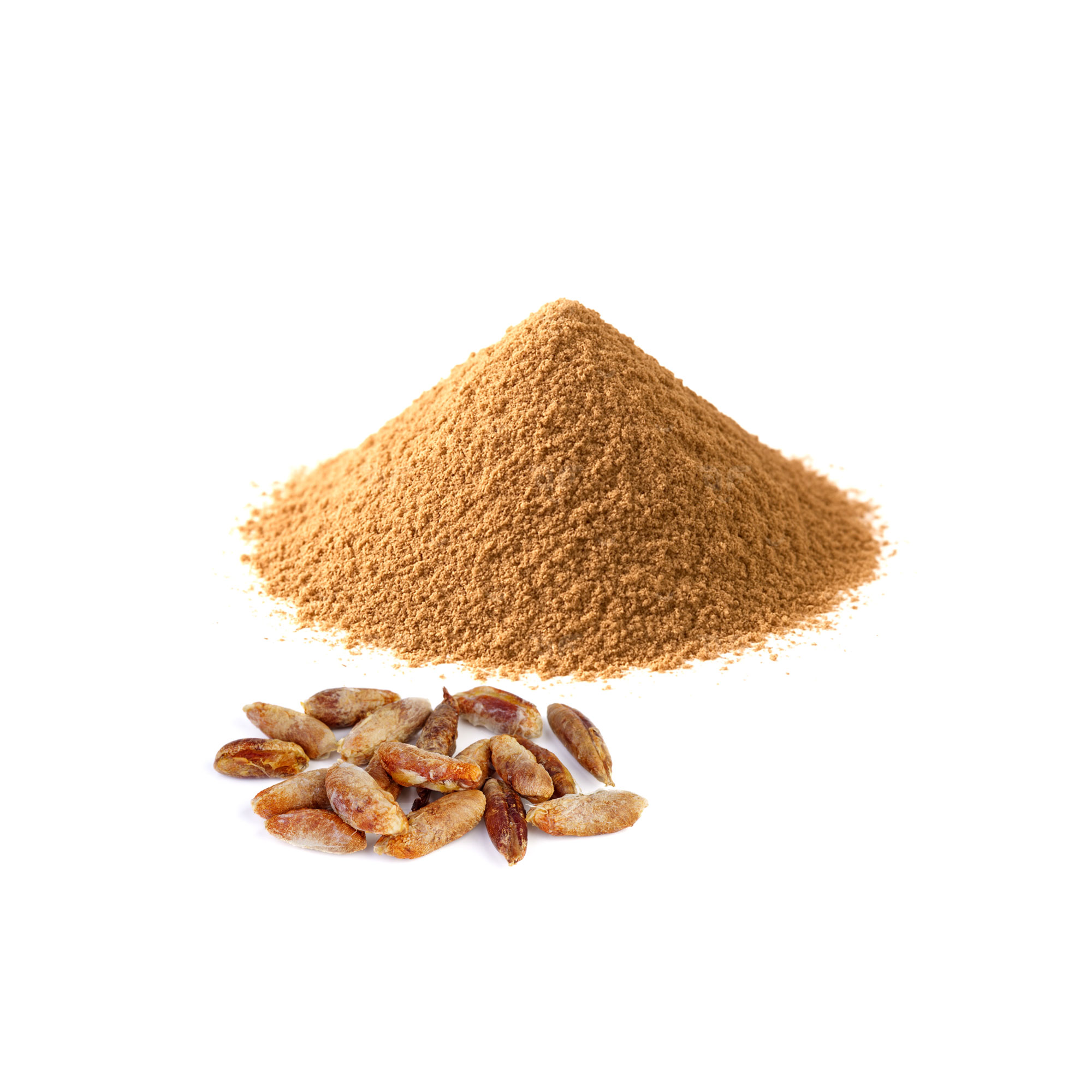
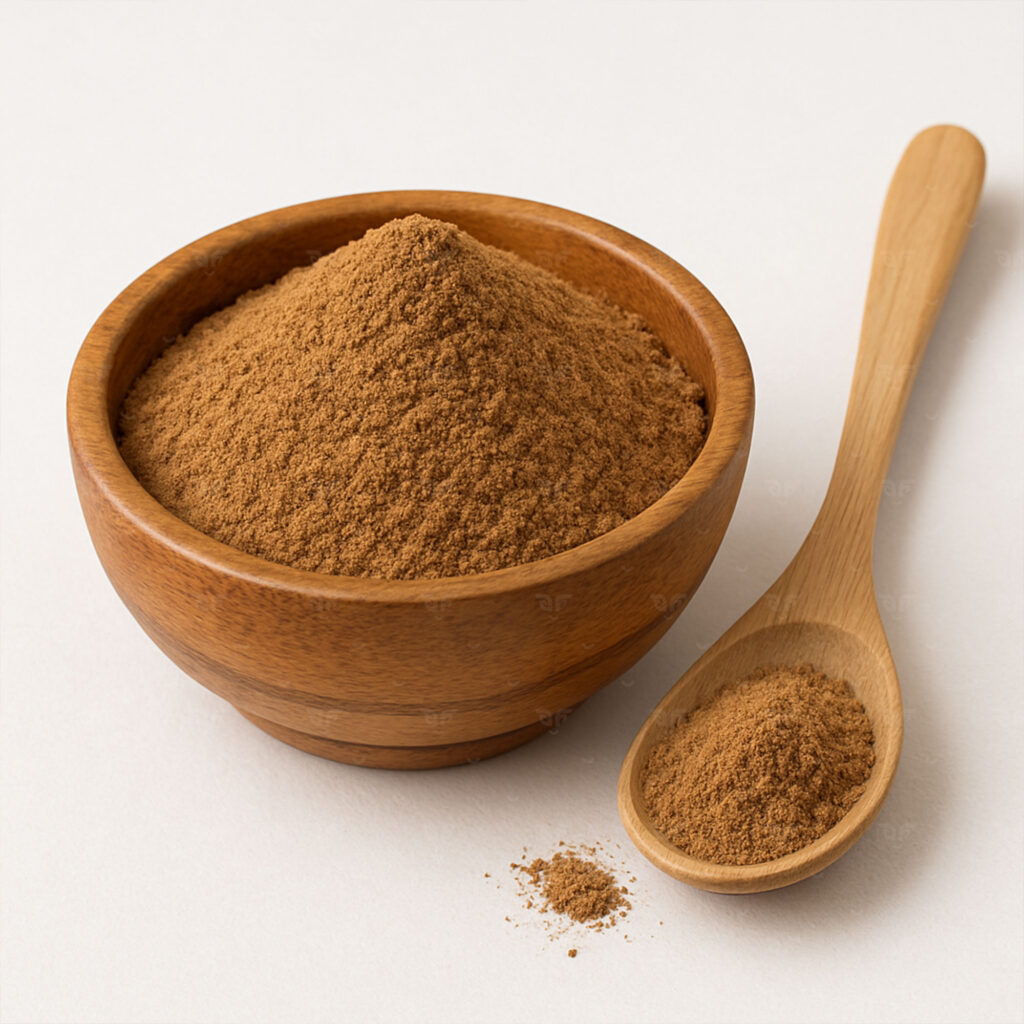
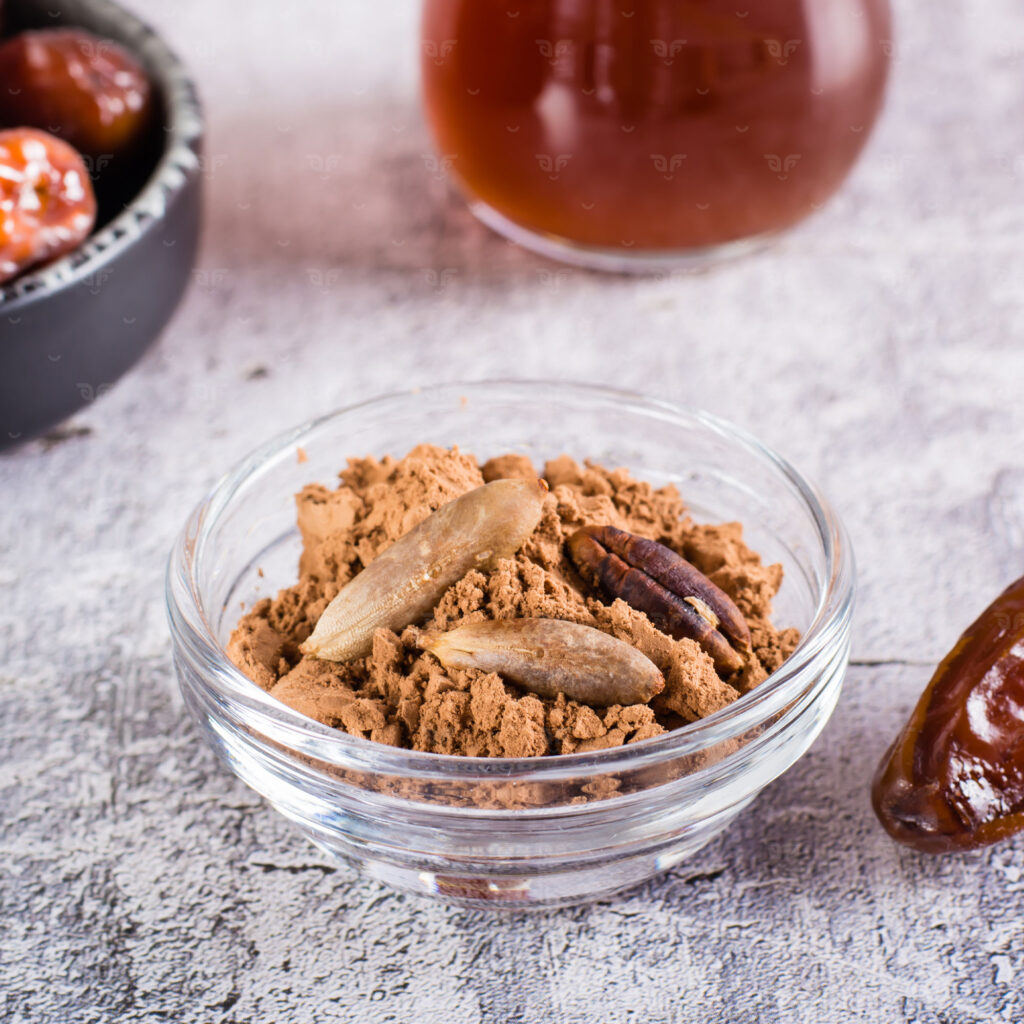
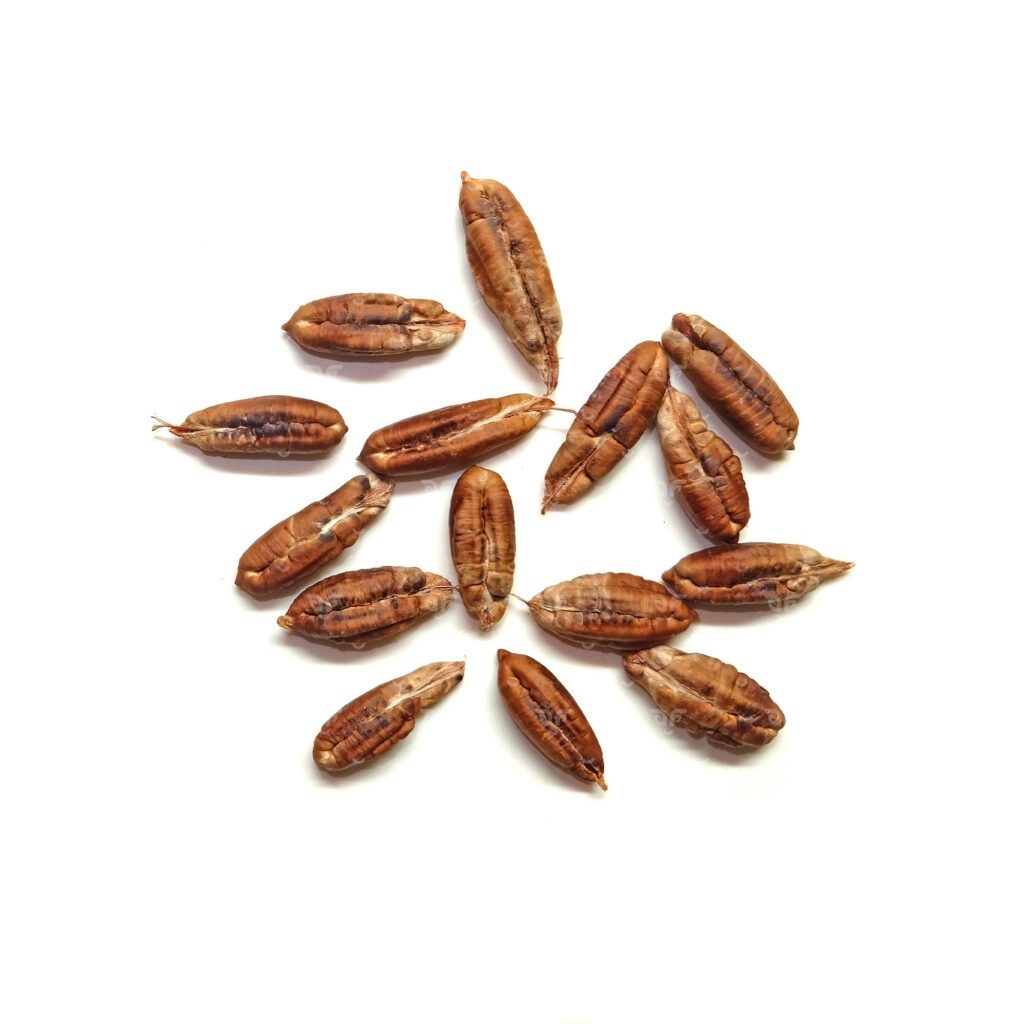
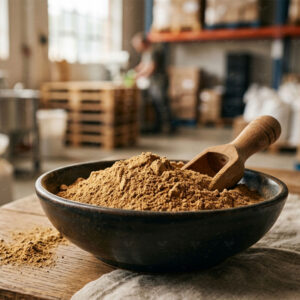
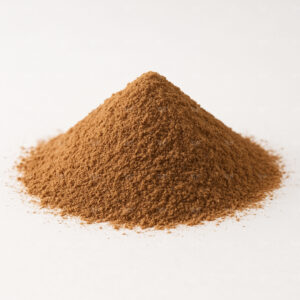
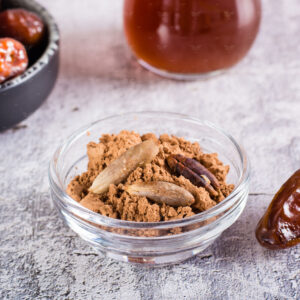
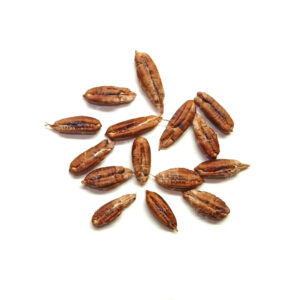
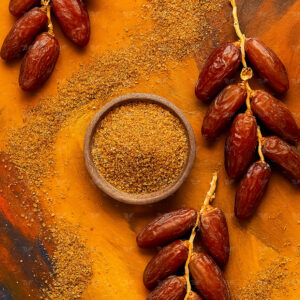
Date Kernel Powder is a finely ground powder produced from date seeds, which are also called kernels or pits, after they are separated from the fruit, cleaned, dried, and milled. In some production styles, the kernels are roasted before grinding, and roasting means heating the material in a controlled way to deepen aroma and flavor. The finished product is usually described as brown or brown-yellow, with a dry texture and a mild roasted taste that many sources compare with coffee or cocoa. Because it comes from the seed recovered during date processing, it is also widely presented as an upcycled ingredient rather than a separate crop product.
Physical Characteristics of Date Kernel Powder
With Date Kernel Powder, physical quality is judged by how the powder looks, feels, and performs rather than by whole-fruit appearance. Buyers usually pay attention to color consistency, fineness of grind, dryness, and flavor stability because those points affect mixing, brewing, storage, and final product use. A better commercial lot should look even across the batch, stay reasonably free from clumping, and handle well during filling and transport. These details matter in both industrial production and retail packing, where uniformity supports a more dependable end product.
- Roasted Brown Appearance:
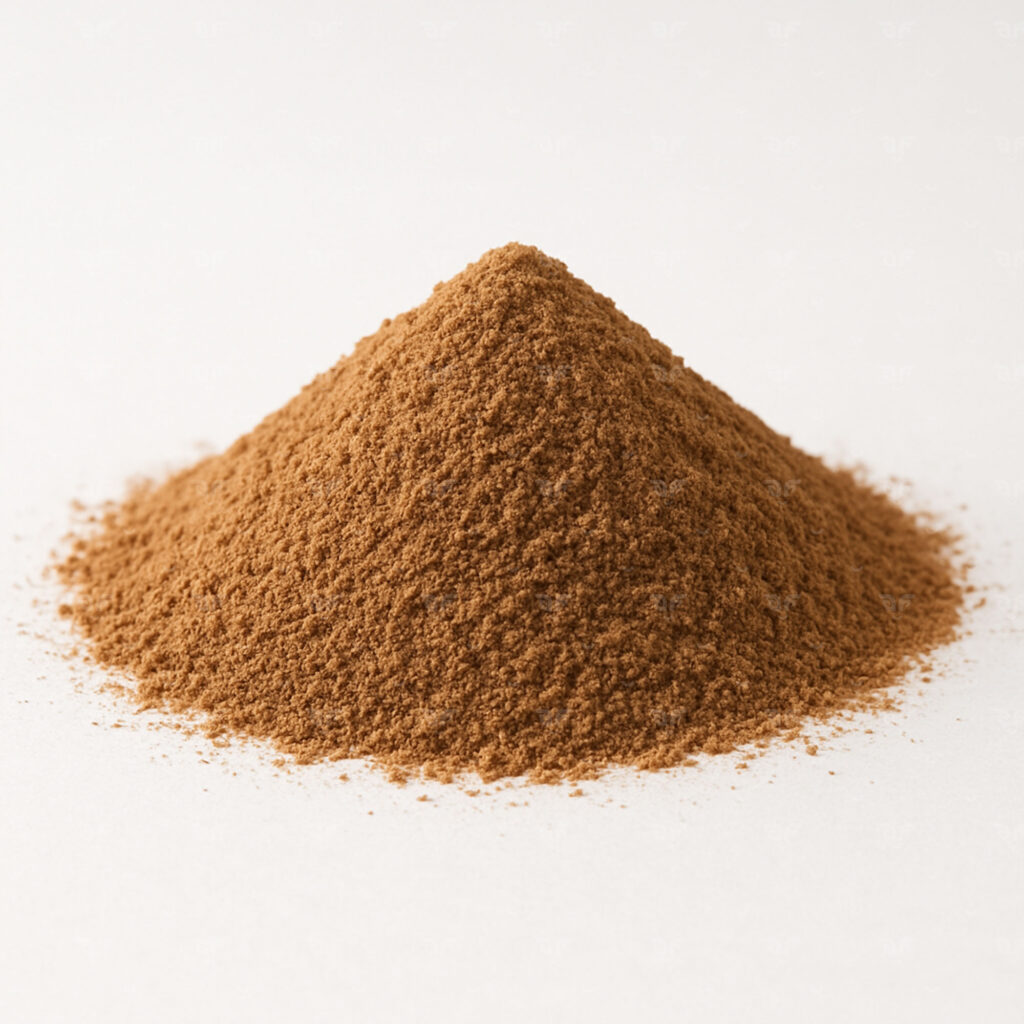
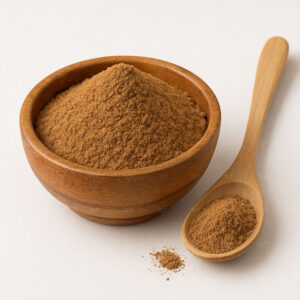
Date Kernel Powder is commonly described as brown to brown-yellow, and this color can shift slightly depending on roasting intensity and the exact processing method used. A more uniform color often gives the batch a cleaner, more professional look, which is helpful when the product is packed for wholesale or shown to buyers as a sample.
- Fine Particle Size and Consistent Form:
Commercial users generally expect a fine powder rather than a coarse grind because smaller and more even particles help the ingredient blend more smoothly into drinks, bakery mixes, and other formulations. A consistent grind also reduces the chance of visible seed fragments, which supports better appearance and more stable performance in use.
- Dry Texture That Supports Handling:
The product is usually described as dry, fine, and fairly smooth, although the exact mouthfeel and flow depend on how the kernels are dried and milled. Good dryness matters because it helps the powder move more easily through filling lines, lowers the risk of clumping, and supports cleaner storage over time.
- Earthy Flavor with Coffee-Like Notes:
The taste profile is often explained as roasted, earthy, and mildly bitter, with a character that reminds many users of coffee while remaining a different ingredient in its own right. This flavor is one reason Date Kernel Powder is often used in beverage concepts, especially where a caffeine-free roasted note is preferred.
Nutritional Value and Health Benefits of Date Kernel Powder
Date Kernel Powder is often promoted as a functional ingredient because public product descriptions connect it with dietary fiber, plant-based nutrition, and antioxidant compounds such as phenolics and flavonoids. These compounds are natural plant substances that are often discussed in food marketing because of their general wellness value. The product is also commonly presented as a caffeine-free option for roasted beverage applications, which can widen its appeal among consumers who want an alternative to coffee-style drinks. In B2B food writing, the safest approach is to keep the health discussion focused on general nutrition, ingredient function, and careful wording instead of using medical claims.
Growing Conditions and Regional Farming Practices for Date Kernel Powder
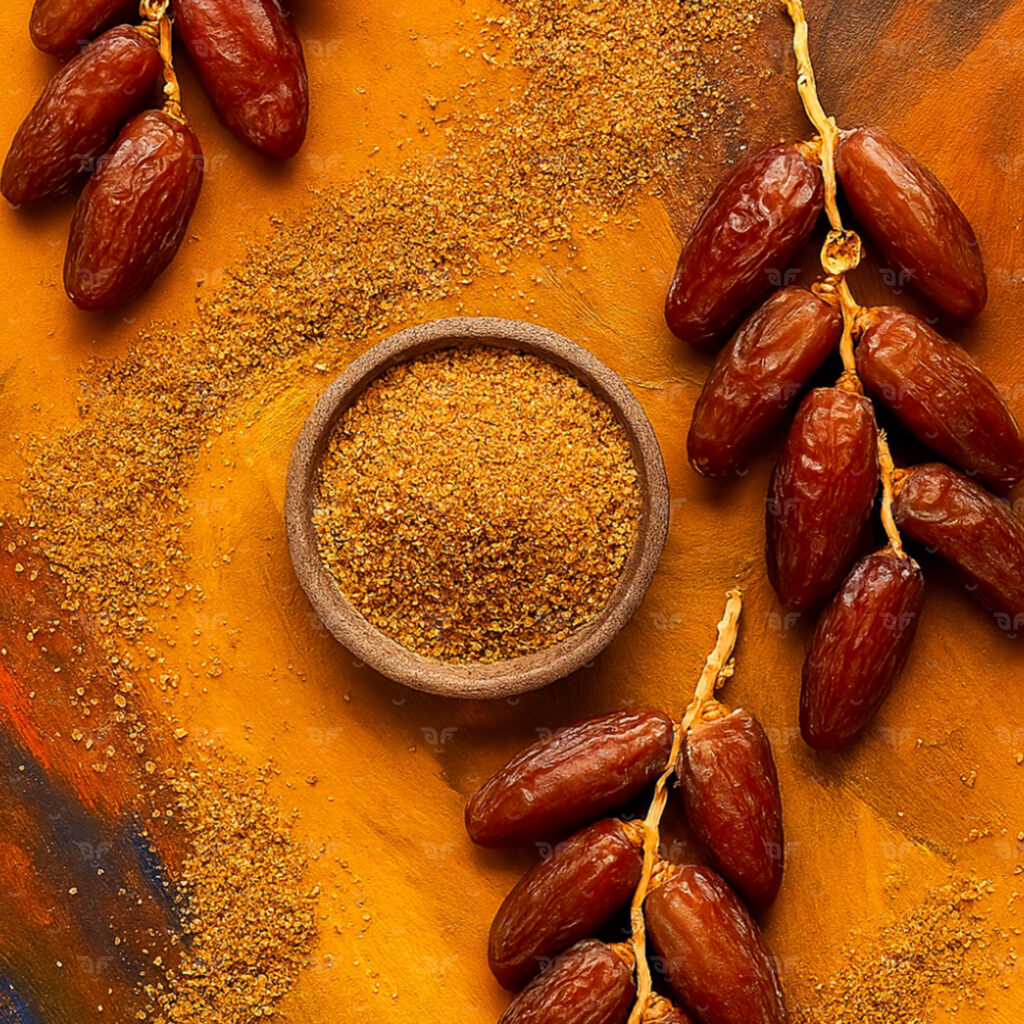
Date Kernel Powder does not come from a separate field crop because its raw material is the seed inside the harvested date fruit. That means the agricultural background of this powder is the agricultural background of date palms, including the climates, soils, and farming systems that support date production. This link matters in trade because kernel supply depends on active date-growing regions and on the collection of seeds during normal fruit processing. It also strengthens the product’s sustainability profile, since the seed is recovered and used instead of being discarded.
- Warm Climate and Long Sun Exposure:
Date palms are generally associated with hot, dry, or semi-dry environments where strong sunlight supports fruit development over a long growing season. Those conditions affect Date Kernel Powder indirectly because sound fruit production is the starting point for obtaining kernels suitable for later processing into powder.
- Well-Drained Soil and Managed Irrigation:
Productive date farming is linked with soils that drain well and with irrigation systems that help palms grow in dry areas without excessive stress. In simple terms, this means balanced water management and suitable soil conditions help produce better fruit, which then supports better raw material for kernel recovery.
- Regional Supply Through Date Production Areas:
The main sourcing story should be tied to established date-growing zones rather than to a special kernel-only origin, since the seed comes from normal date processing streams. This gives the product a useful B2B narrative around byproduct recovery, agricultural efficiency, and better use of available raw materials.
Harvesting Season and Timing Influences regarding Date Kernel Powder
As a matter of fact, the harvest period for Date Kernel Powder follows the harvest period of the dates from which the kernels are taken, so timing varies by cultivar, growing area, and fruit maturity. For that reason, it is better to describe harvest timing as origin-dependent rather than assign one fixed global season to every source. Maturity at harvest can influence kernel condition, moisture level, and the amount of drying and processing needed before the material is ready for grinding. In commercial terms, this means harvest timing can shape both raw material quality and the efficiency of later post-harvest work.
From Separated Seeds to Finished Powder
Production starts after dates are harvested and the kernels are separated from the fruit, creating the raw seed material used for powder making. The kernels are then cleaned to remove fruit residue and other unwanted matter, dried to lower moisture, and milled into a fine powder that is easier to store, package, and use. Some processors also roast the kernels before grinding, and that extra step can deepen aroma and help build the coffee-like notes often mentioned in market descriptions. Post-harvest processing simply means the handling done after harvest to prepare the ingredient for sale, storage, and later food use.
Storage Guidelines, Durability, and Shelf Life of Date Kernel Powder
Storage has a direct effect on the quality of Date Kernel Powder because ground products usually need more protection than whole kernels once they have been milled into fine particles. Powders can absorb moisture, take on outside odors, or lose part of their fresh roasted character if they are kept in weak packaging or poor storage conditions. The most practical advice is straightforward: keep the product sealed, dry, and away from direct heat and sunlight. This matters even more in export trade, where the powder may spend extended periods in warehouses, shipping containers, and distribution points before it reaches the final buyer.
Conditions That Support Better Shelf Life for Date Kernel Powder
A cool, dry environment combined with moisture-resistant packaging is the most suitable storage setup for maintaining product stability. Sealed packs help reduce clumping and protect flavor, aroma, and general handling quality during normal shelf time. Commercial product information also shows that a long shelf life is possible when the powder is processed correctly and stored well, with one listing indicating up to 24 months under suitable conditions. Shelf life should still be presented as condition-dependent because packaging quality, storage discipline, and exposure to humidity all affect the final result.
About JAM Food Co’s Date Kernel Powder
For many buyers, a powdered ingredient is only as reliable as the company behind it. JAM Food Co. handles Date Kernel Powder with attention to sourcing, clean processing, and packing methods that help protect the product during storage and shipment. As a supplier of Date Kernel Powder, the company serves importers and food manufacturers that need steady quality, practical handling, and a product that arrives in suitable condition for commercial use. This matters because fine powders can be affected by moisture, weak sealing, and rough transit if they are not prepared and packed with care.
JAM Food Co. as a Reliable Date Kernel Powder Supplier
In export business, buyers often prefer partners who understand the product beyond the sales stage. JAM Food Co. works with Date Kernel Powder as an ingredient that needs dryness, cleanliness, and stable packaging from the processing line to final delivery. As an exporter of Date Kernel Powder, the company supports international trade with a practical approach that gives weight to product protection, orderly packing, and shipment readiness. This gives distributors, wholesalers, and food businesses a stronger basis for repeat purchasing when consistency and handling standards are part of the supply relationship.
Packaging Date Kernel Powder at JAM Food Co.
Proper packaging helps preserve the quality of Date Kernel Powder because the product must stay dry, clean, and physically stable from filling through final delivery. As a provider of Date Kernel Powder, JAM Food Co. can present packaging as a practical system for protecting flavor, texture, and product safety during international shipment. For a powder ingredient, the main purpose of packaging is function rather than appearance, so food-grade materials, sealed inner protection, and well-organized outer packing are the points that matter most. This is especially relevant for export because fine powders are more sensitive to moisture and handling stress than many whole agricultural goods.
- Bulk Packaging Capabilities:
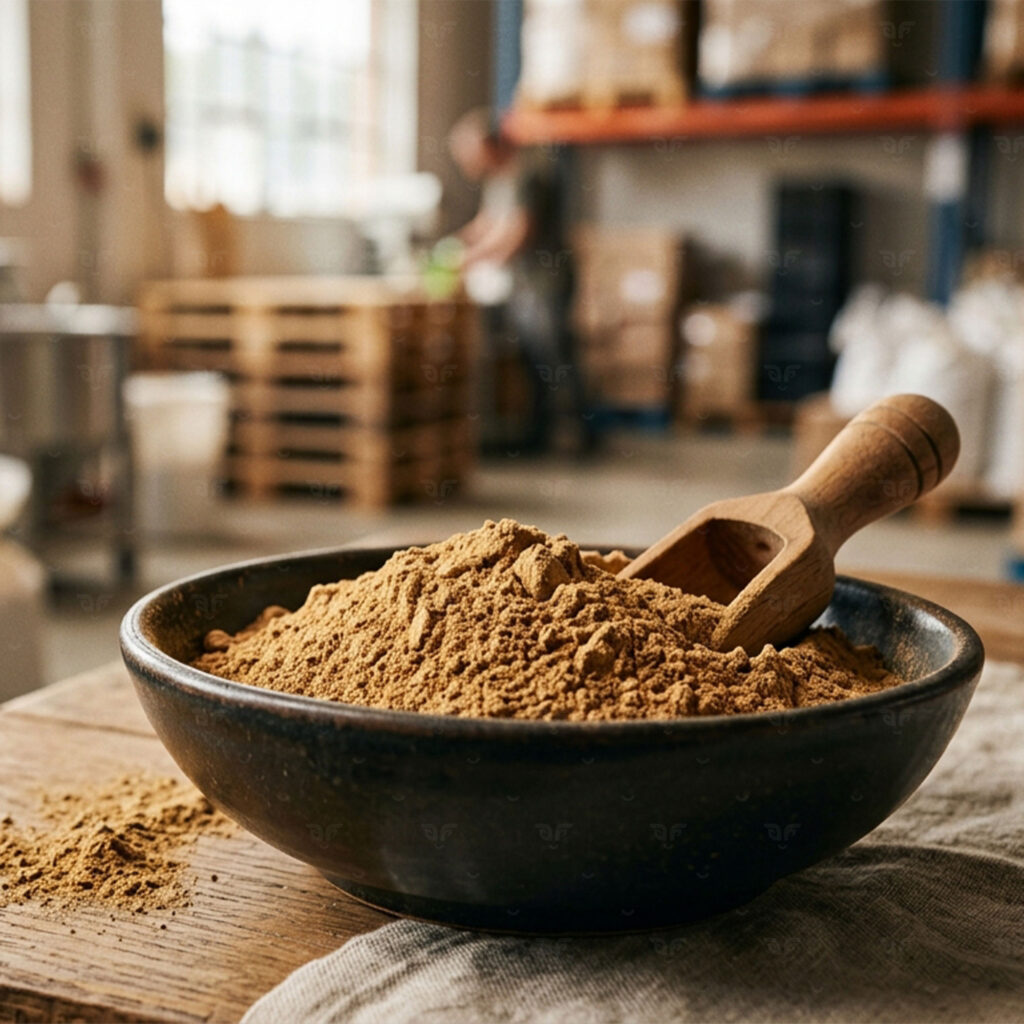
For wholesale supply, Date Kernel Powder can be presented in larger commercial formats that support industrial handling, and available product information includes packaging in the 35 to 40 kilogram range. In practical B2B terms, that supports a bulk supply model where durable outer sacks or cartons help move the product through warehousing and shipment with less risk of damage.
- Preservation and Sealing Techniques:
Sealing is important because a fine powder can lose quality quickly when exposed to humidity, repeated air contact, or outside odors during transport and storage. Moisture-protective inner layers and secure closure methods help maintain dryness, lower contamination risk, and support more stable quality through export movement.
- Private Labeling and Retail Packaging:
Where buyers need more than bulk supply, smaller retail-ready formats can be described as a useful option for branded food businesses and consumer-facing product lines.
- Export-Ready Palletization:
For international shipment, outer units should be arranged in a stable way that supports loading, warehouse handling, and product protection during long-distance transport. Palletization means stacking and securing packages on a pallet so sacks or cartons can move more safely and use shipping space more efficiently.
HOW CAN JAM GROUP HELP YOU?
Send us a message and our friendly team will get back to you within one business day.




