










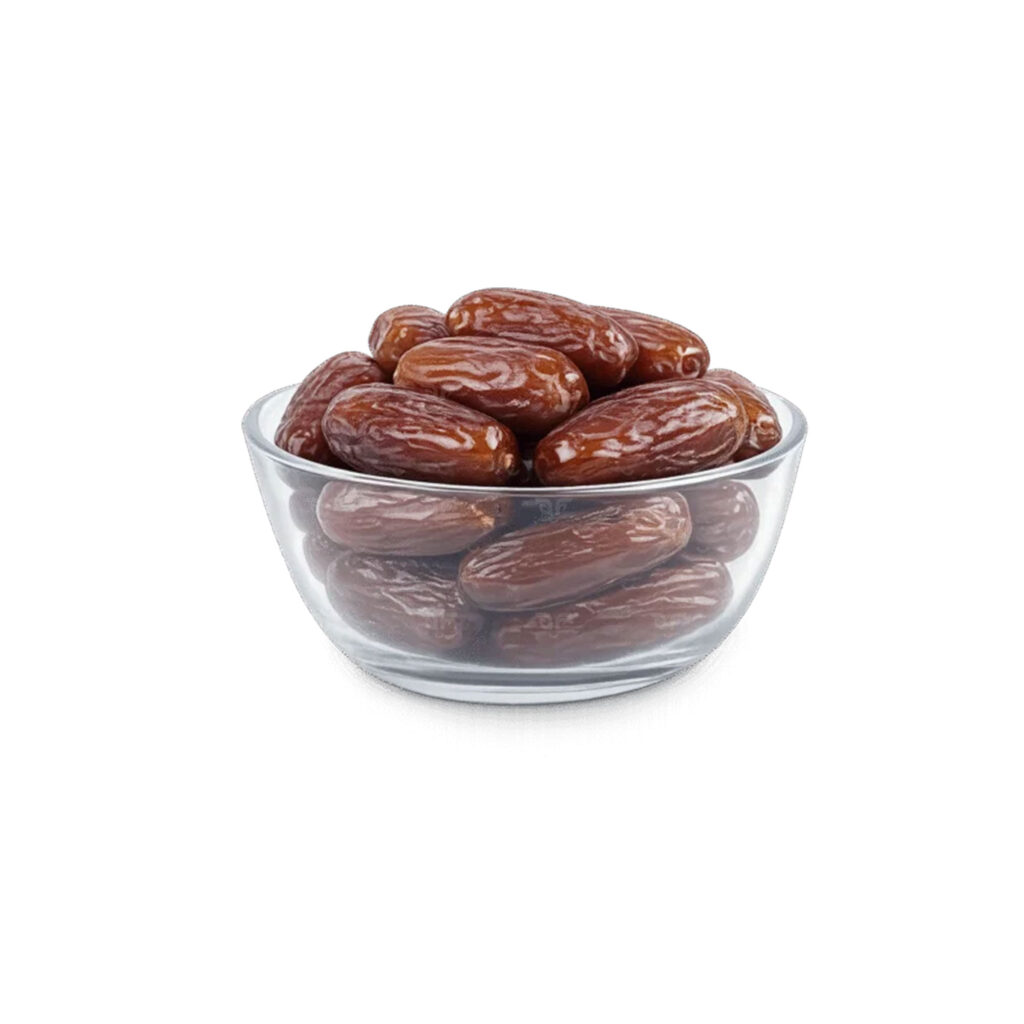
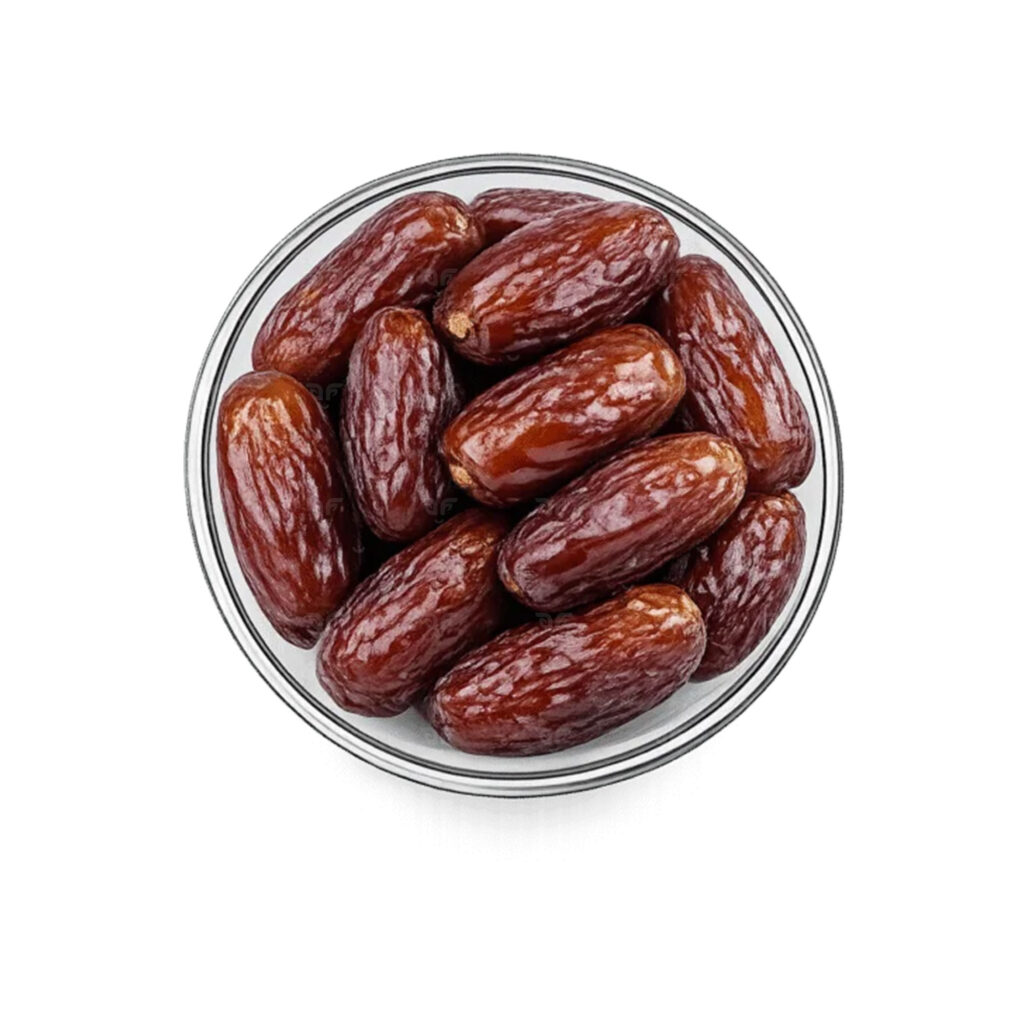
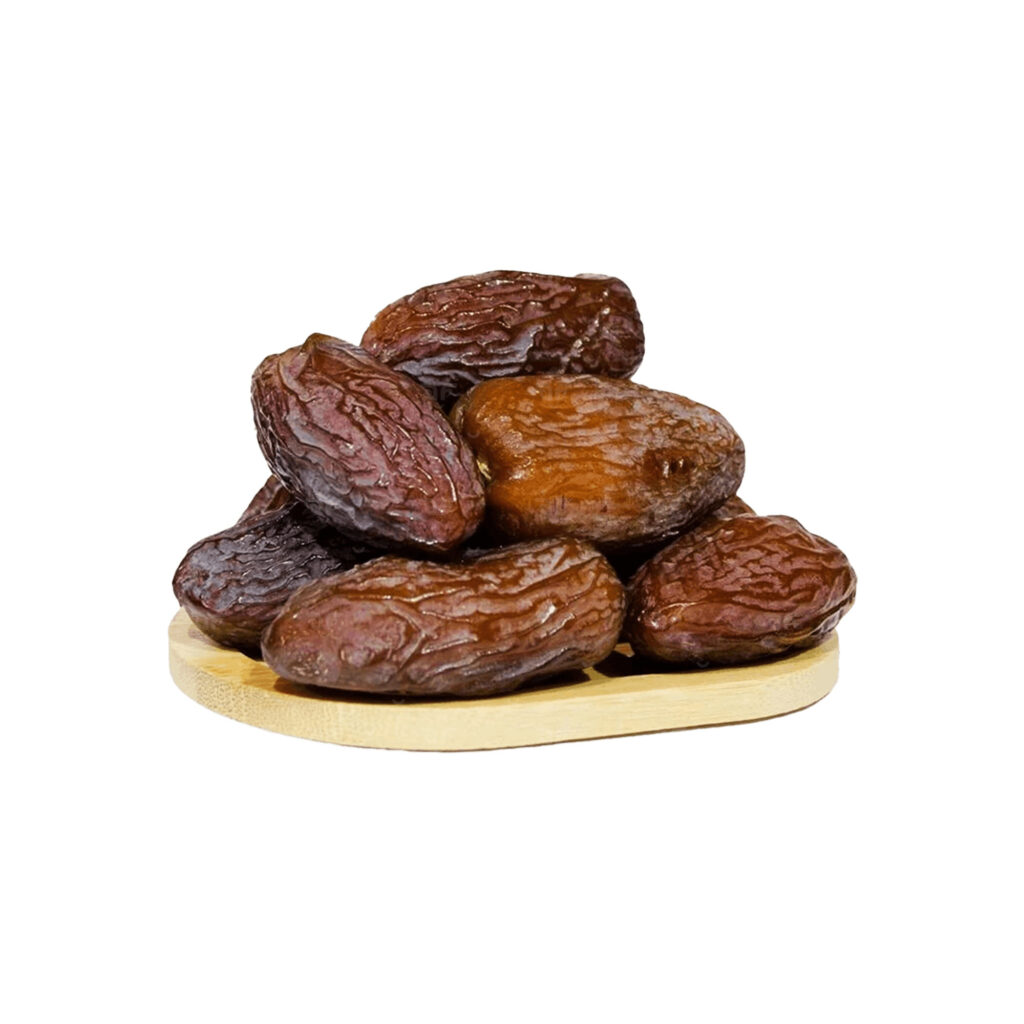
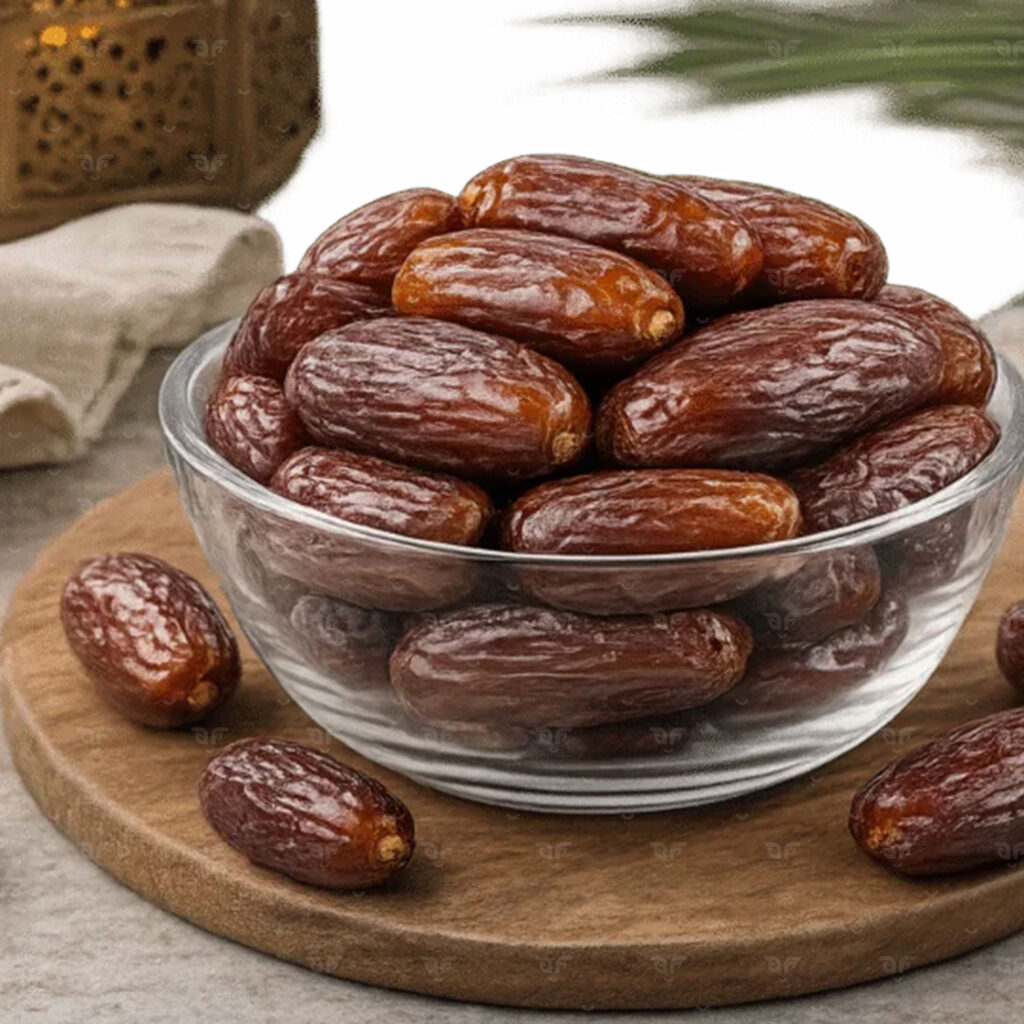
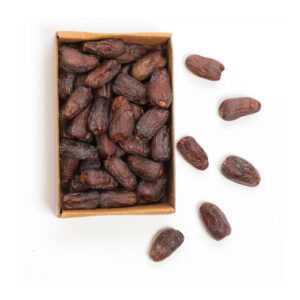
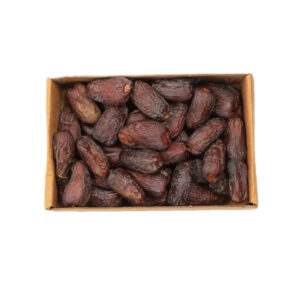
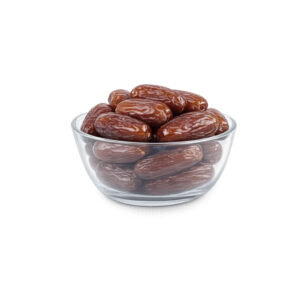
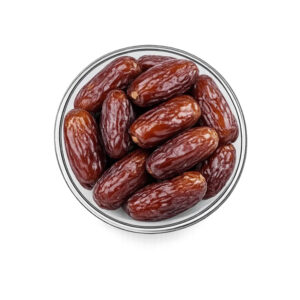
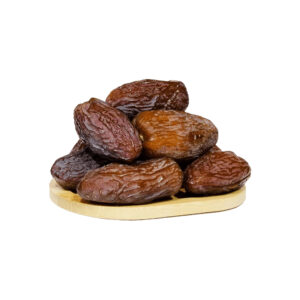
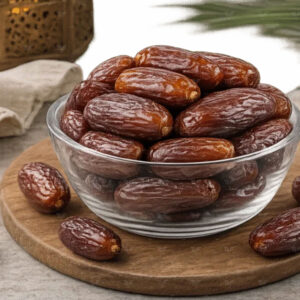
Amber dates, also called Anbarar Dates, hold a significant place among various date fruit varieties, known for their distinctive texture, flavor, and nutritional benefits. Their soft and fleshy consistency, combined with a naturally rich sweetness, makes them a preferred choice for many consumers. In addition to their taste, Amber dates provide essential nutrients that make them a valuable addition to a balanced diet. This variety is particularly popular in the Middle East, where it is widely cultivated and consumed. In the following article, we will explore the key characteristics of Amber dates, the methods used in their cultivation and harvesting, and best practices for their storage to ensure freshness and extended shelf life.
Before exploring the details of Amber dates, it’s helpful to know about a trusted supplier that provides high-quality dates, including this variety. JAM Food Co. has built a strong reputation for delivering premium dates by working closely with experienced farmers and following strict quality control measures. The company guarantees that each batch meets high standards, and this commitment makes the company a reliable choice for customers in both local and international markets. With a wide selection of date varieties, JAM Food Co. makes it easier for buyers to access fresh, carefully processed dates that retain their natural taste and nutritional value.
What is Amber Date?
Amber dates, also called Amber Khajoor or Anbarar Dates, are a premium variety of date fruit cultivated in Madina, Saudi Arabia. They are distinguished by their large size, soft and fleshy texture, and naturally sweet taste. Due to their high nutritional value, they are often consumed for both their flavor and health benefits. Amber dates contain essential minerals such as magnesium, potassium, iron, and calcium, contributing to overall well-being. Additionally, they are a good source of dietary fiber, carbohydrates, protein, and vitamin A. In the following sections, we will examine their characteristics, including physical traits, taste profile, and nutritional advantages, to provide a deeper understanding of this sought-after date variety.
Physical Characteristics of Amber Date
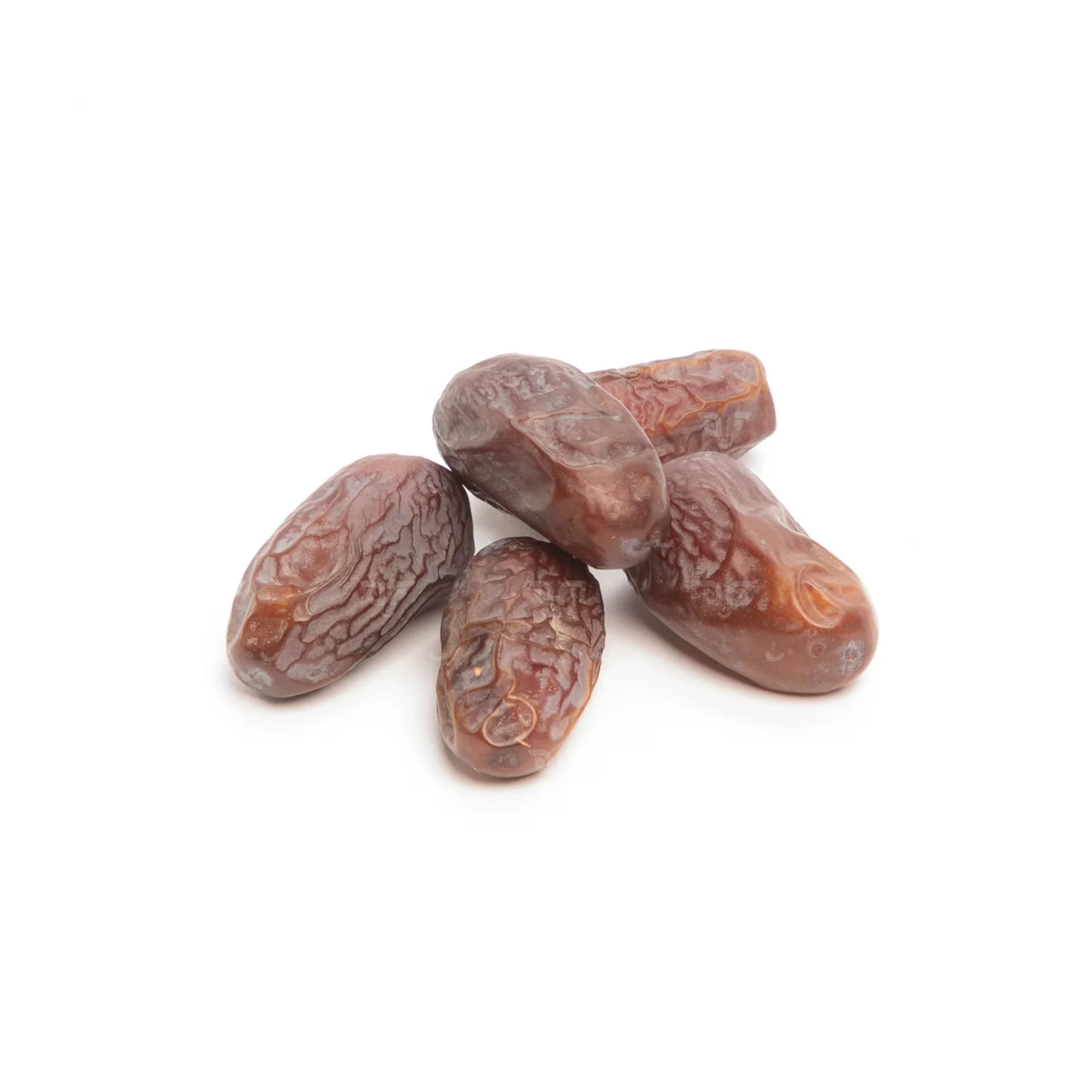
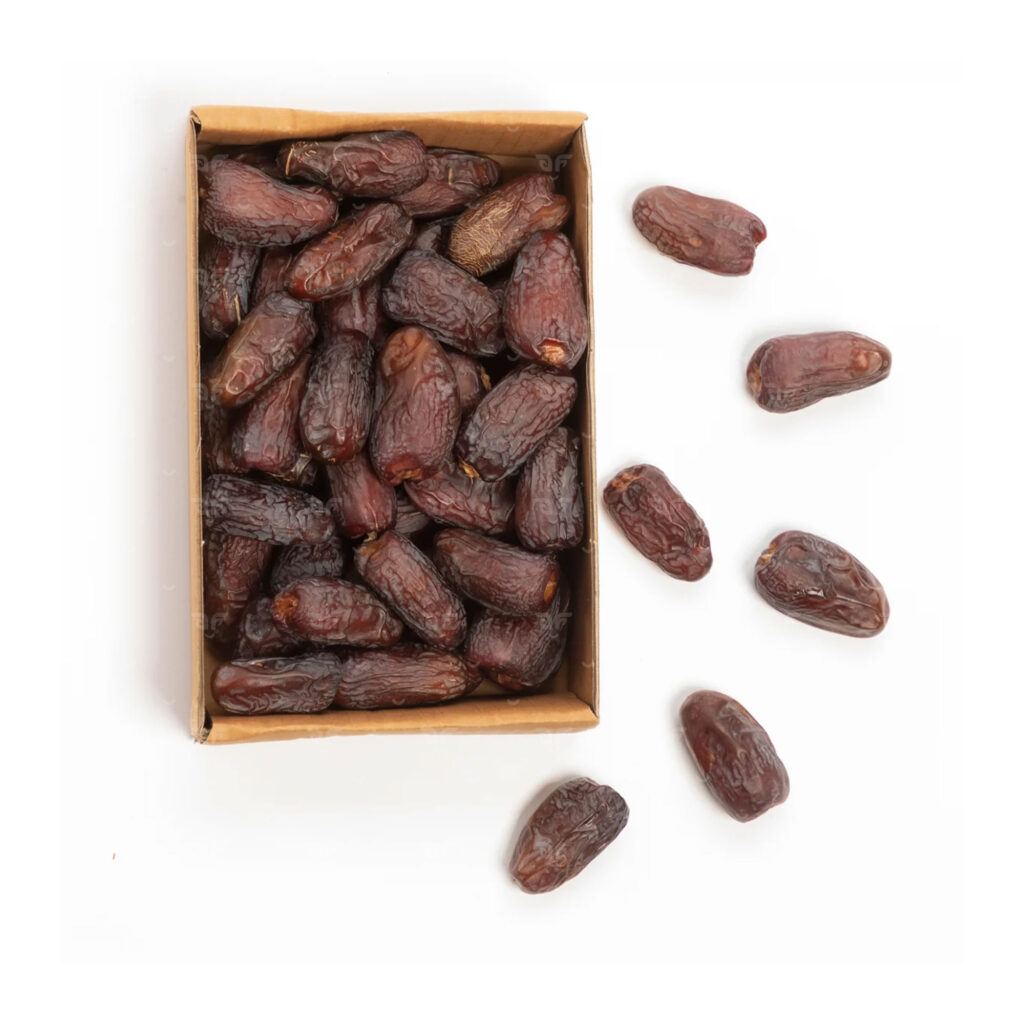
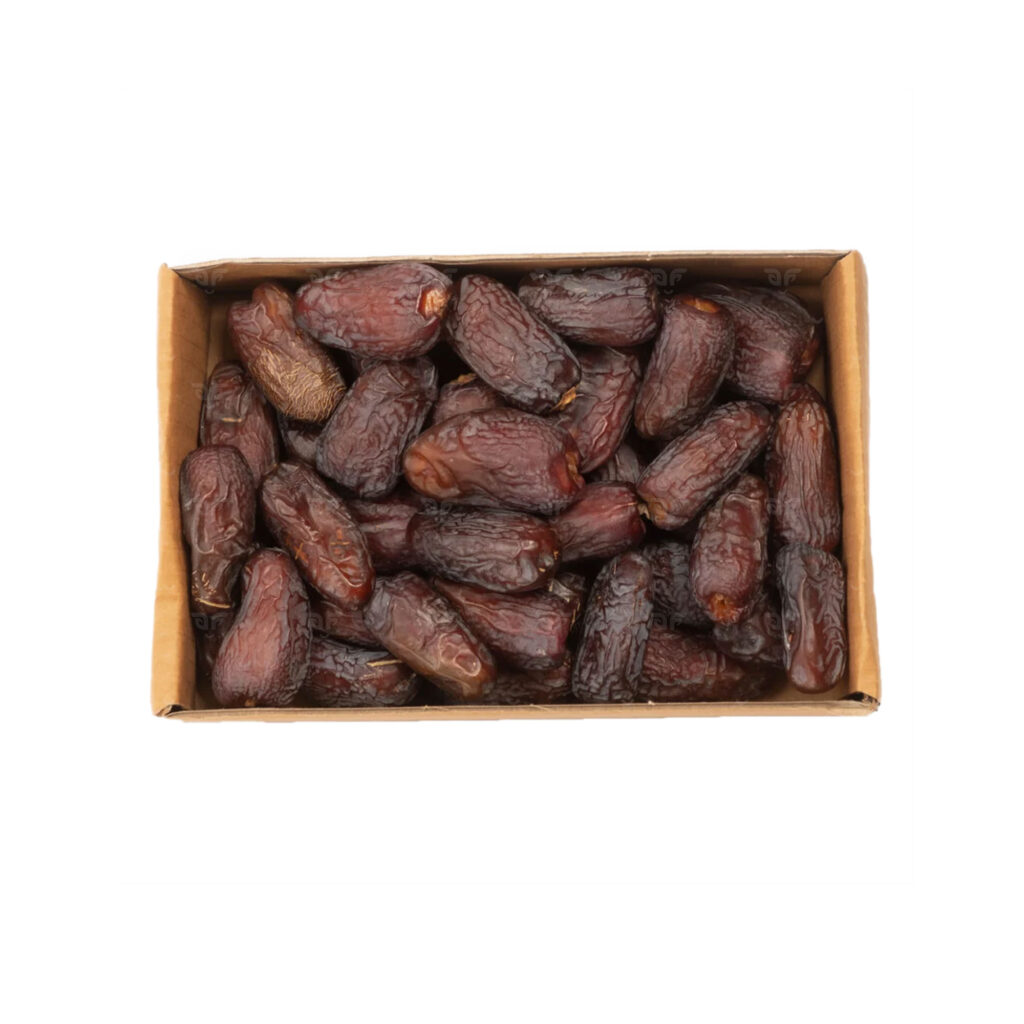
Amber dates are renowned for their large size, soft and fleshy texture, and rich, sweet flavor. Their physical characteristics contribute to their high demand:
- Size and Shape: Amber dates are large and elongated, typically displaying an oval to cylindrical form.
- Color: They exhibit a dark brown to black hue, which becomes deeper as the fruit ripens.
- Texture: The flesh is soft, moist, and tender, providing a smooth and enjoyable eating experience.
- Core: Inside, there is a single elongated seed or pit, which is a common feature of date fruits.
Taste and Flavor Profile of Amber Date
Amber dates are celebrated for their delightful taste and rich flavor profile. Below are key aspects of their taste characteristics:
- Sweetness: Amber dates provide a deep, caramel-like sweetness that is both indulgent and satisfying.
- Juiciness: While they have a tender and chewy texture, these dates are not particularly juicy. Their flesh retains moisture but does not have excessive succulence, ensuring a balanced mouthfeel.
- Flavor Notes: In addition to their natural sweetness, Amber dates carry subtle caramel undertones and a hint of nuttiness.
Nutritional Information of Amber Date
Anbarar Dates are valued not only for their rich flavor but also for their impressive nutritional content. They provide essential vitamins and minerals that support overall health. For instance, they contain Vitamin B6, which plays a key role in brain function and helps in the production of neurotransmitters. Additionally, they are a great source of potassium, an important mineral that aids in maintaining proper muscle function and regulating blood pressure.
Amber Date Cultivation and Harvesting
Amber dates are primarily cultivated in Madina, Saudi Arabia, where the climate and soil conditions are well-suited for their growth. The successful cultivation and harvesting of Amber dates require specific environmental factors to ensure high-quality yields.
- Climate Requirements:
Date palms thrive in regions with long, hot summers and minimal rainfall. Optimal temperatures for growth range between 21°C to 27°C (70°F to 81°F) during the pollination to fruit ripening period. Mature date palms can tolerate extreme temperatures up to 50°C (122°F) and brief frost periods down to -5°C (23°F). Low relative humidity during the ripening phase is necessary to prevent spoilage, as high humidity negatively affects fruit quality.
- Soil Requirements:
Date palms adapt well to various soil types, including sandy loam, clay, and sandy soils. Well-draining soils are essential to avoid waterlogging, which can damage the roots. The ideal soil pH ranges from 6.0 to 7.5 for optimal growth. Although date palms tolerate saline and alkaline soils, lower salinity levels contribute to better growth and yield.
- Growing Regions:
Date palms are native to arid regions in the Middle East and North Africa. In Saudi Arabia, particularly in Madina, the conditions support high-quality Amber date production. Outside the Middle East, date palms are cultivated in other arid regions such as Southern California and Arizona in the United States, where similar climatic conditions exist.
Harvest Season of Amber Date
Amber dates are typically harvested from late summer to early autumn, generally from August through September. The precise timing can vary based on regional climatic conditions, but this period marks the point when the dates reach full ripeness. At this stage, they develop their characteristic amber hue, soft texture, and rich, sweet flavor. While the primary harvest occurs in these months, Amber dates remain available year-round due to effective preservation methods.
Harvesting Process of Amber Date
The harvesting process of Amber dates or so-called Anbarar Dates involves several detailed steps to ensure fruit quality and longevity.
- Harvesting Methods:
Traditionally, skilled laborers climb the date palms to handpick ripe fruit clusters. This method allows careful selection that ensures only mature dates are harvested. Since date palms can grow up to one meter annually, reaching considerable heights, this process requires expertise and adherence to safety measures. In some regions, mechanical aids such as hydraulic lifts or vibrators are utilized. Hydraulic lifts elevate workers to canopy level, making fruit collection more efficient. Hydraulic vibrators gently shake the palm, causing ripe dates to fall into collection bins below. While this approach enhances efficiency, it requires careful calibration to prevent damage to both the fruit and the tree.
- Post-Harvest Handling:
Once harvested, dates undergo initial sorting to remove damaged or unripe fruits. This step ensures that only high-quality dates proceed to further processing. The selected dates are placed in appropriate containers, such as large plastic bins or wooden crates, designed to prevent crushing and contamination. These containers are then promptly transported to packing facilities to maintain freshness. At the packinghouse, dates are cleaned to remove dust, debris, and potential contaminants. In some cases, fumigation is conducted to eliminate pests.
Amber Date Storage and Shelf Life
Proper storage of Amber dates is essential to maintain their quality, flavor, and nutritional value. Below is a comprehensive guide on storage conditions and shelf life.
Storage Conditions of Amber Date
Amber dates should be stored in a cool, dry place to prevent spoilage. For extended preservation, refrigeration is recommended. Maintaining low humidity is crucial, as excess moisture can lead to deterioration. Using airtight containers helps protect the dates from air exposure and contamination, thus ensuring freshness for a longer period.
Amber Date Shelf Life
When kept in a cool, dry environment, Amber dates can remain fresh for several months. Refrigeration can extend their shelf life up to 12 months, which makes it a preferred method for longer storage. For even greater preservation, freezing Amber dates can maintain their quality for over a year without compromising taste or texture.
About JAM Food Co’s Amber Date
JAM Food Co., based in Iran, is well-known for supplying high-quality Amber Dates. These dates stand out for their smooth texture and naturally sweet flavor, which makes them a favorite among consumers. The company collaborates with skilled farmers to ensure that only the best dates are selected and processed. By prioritizing quality at every stage, JAM Food Co. guarantees its Amber Dates meet international standards and satisfy customer expectations.
JAM Food Co. as a Reliable Amber Date Supplier
JAM Food Co. has earned a strong reputation as a trustworthy supplier of Amber Dates by focusing on quality and efficiency. The company sources its dates from reputable farms in the Middle East. From harvesting to packaging, every step is carefully managed to maintain freshness and meet international standards. With a well-organized distribution network, JAM Food Co. secures timely deliveries and offers flexible order options to accommodate different customer needs.
Packing Amber Date at JAM Food Co.
To maintain the freshness and quality of Amber Dates, JAM Food Co. uses strict packaging measures. The packing process takes place in a clean and controlled environment, following strict food safety protocols to prevent contamination. Customers can choose from various packaging options, whether for large-scale distribution or smaller, retail-friendly packs. Additionally, the company closely monitors storage conditions, keeping temperature and humidity at optimal levels to preserve the dates from packaging to delivery.
HOW CAN JAM GROUP HELP YOU?
Send us a message and our friendly team will get back to you within one business day.




