










Dried Lime (Loomi)
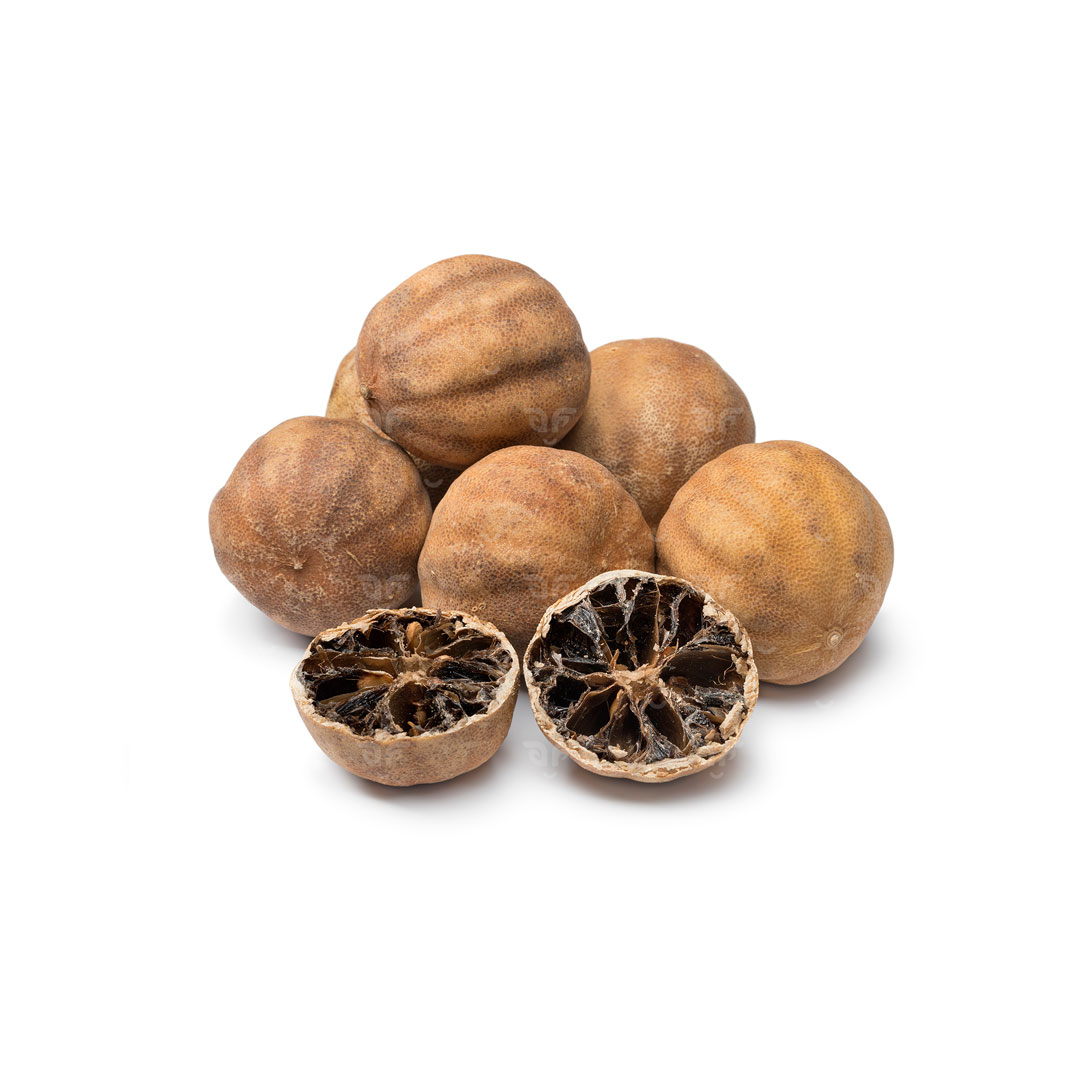
Dried Lime, also known as Loomi or Limoo Amani, is a traditional citrus seasoning used in Persian and Middle Eastern cuisine. Its distinctive sour taste and concentrated citrus aroma bring character to stews, soups, rice dishes, marinades, and seasoning blends. Different dried lime types and preparation forms allow food businesses to select an ingredient suited to their recipes and production requirements.
JAM Food Co.’s dried lime range includes yellow dried lime and black dried lime. Both types are offered in three forms: peeled, unpeeled, and flakes. This variety supports different preferences for appearance, fruit structure, preparation, and culinary use.
For importers, wholesalers, distributors, retailers, and food manufacturers, choosing the appropriate type and form is an important part of sourcing. JAM Food Co. works with buyers to identify the dried lime option that matches their intended application and commercial requirements.
A Short Glance At Dried Lime
Dried lime is made by drying lime fruit until much of its moisture has been removed and its structure becomes firm and lightweight. Depending on the production method, the fruit may be washed and blanched or boiled before sun drying or controlled drying. Fruit selection, preparation, and drying conditions influence the finished product’s color, aroma, and texture.
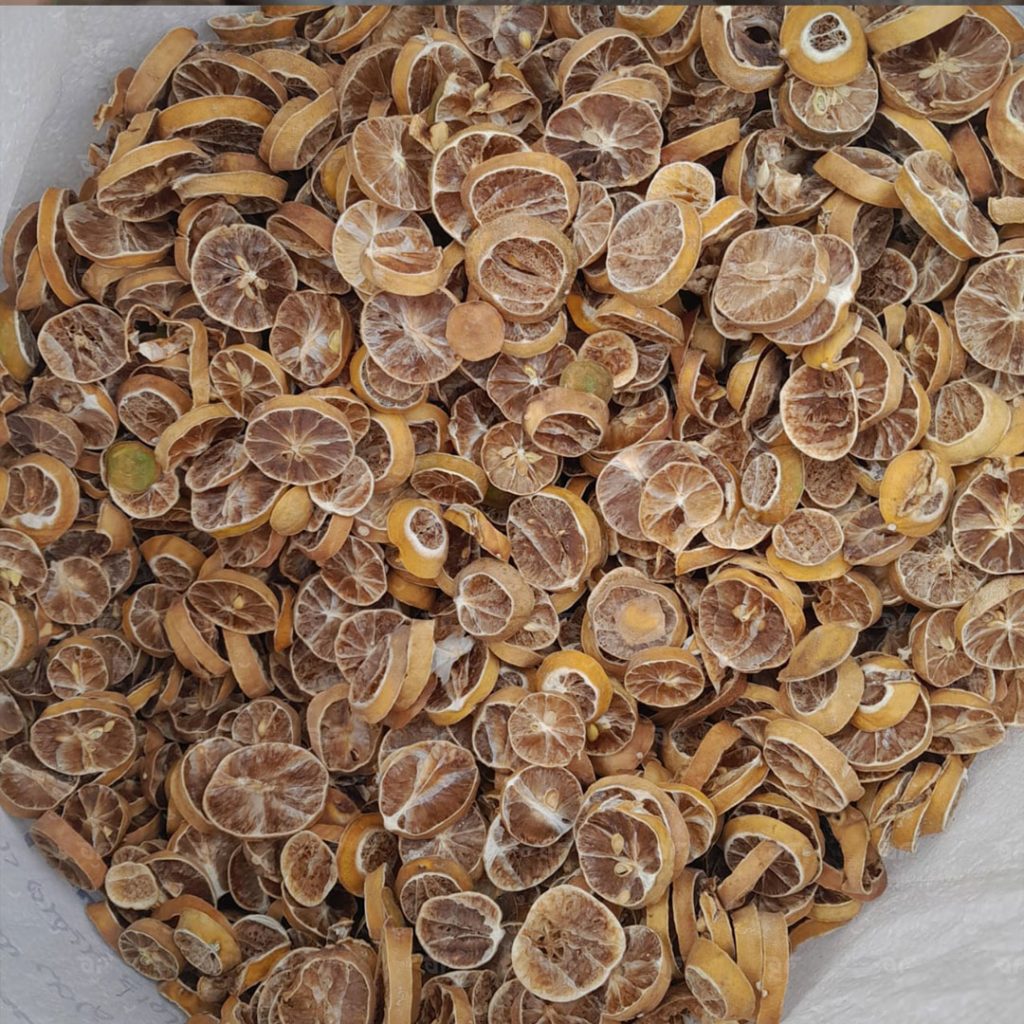
The two main types presented in this range are yellow dried lime and black dried lime. Each is available in peeled, unpeeled, and flaked forms. Flakes are coarse, irregular pieces of dried fruit, making them suitable for applications that require a smaller ingredient format.
Physical Characteristics Of Dried Lime
Dried lime is selected according to its sensory qualities, physical condition, and suitability for the intended food application. Color, size, peel content, and fruit integrity help distinguish the available options.
- Color And Appearance:
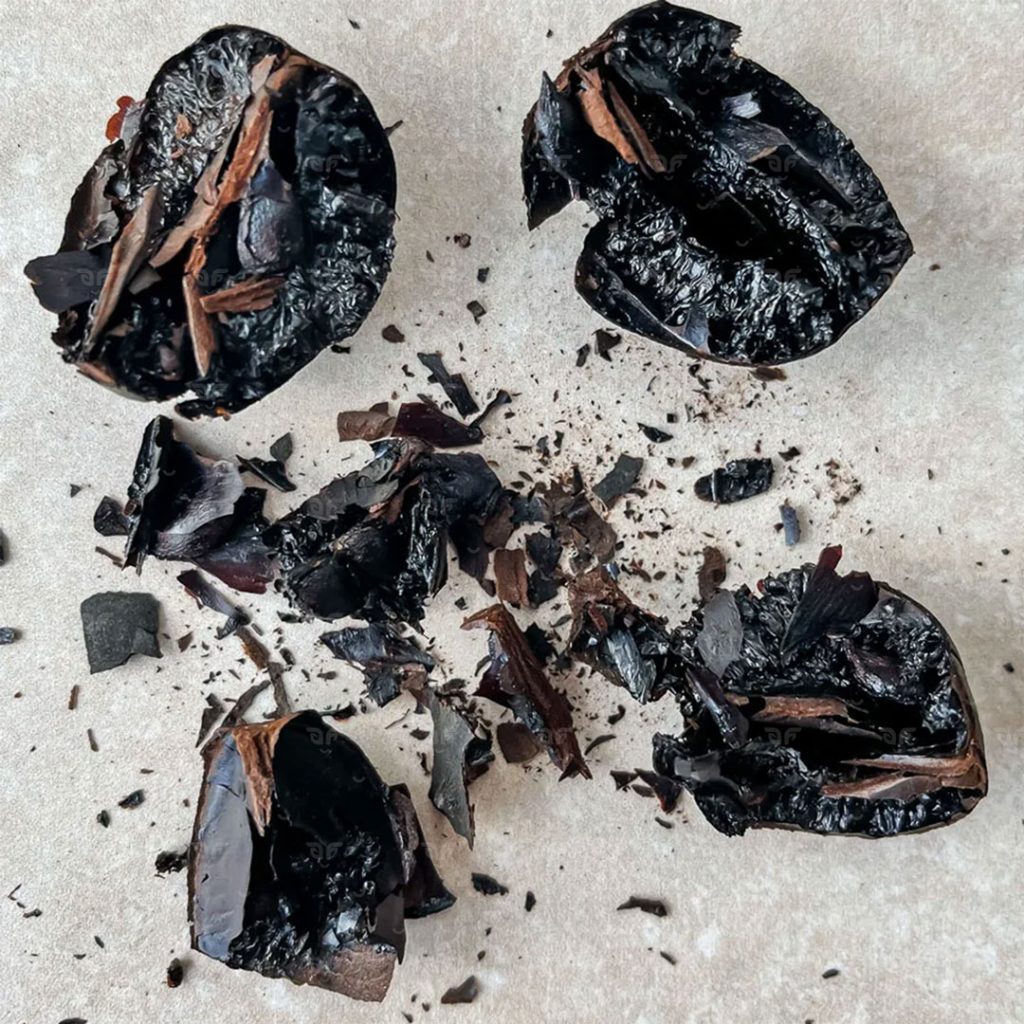
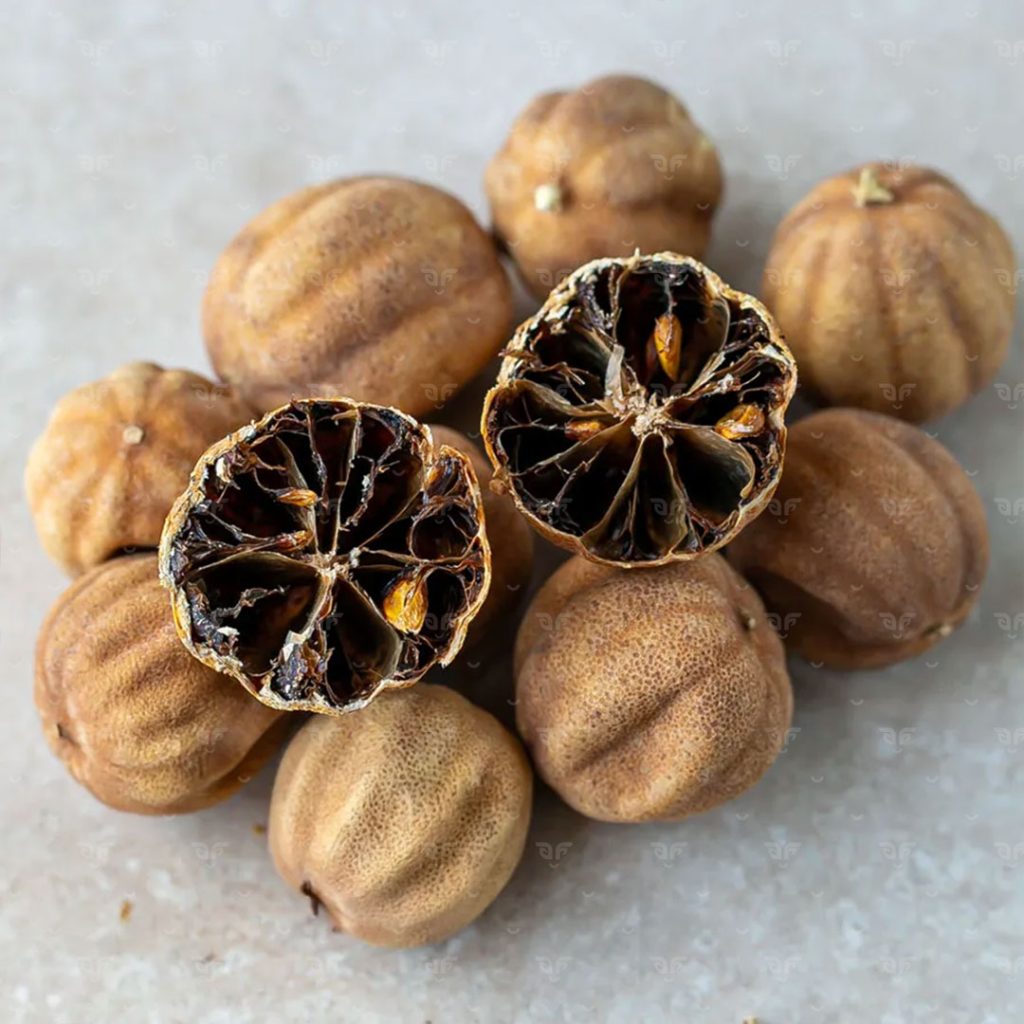
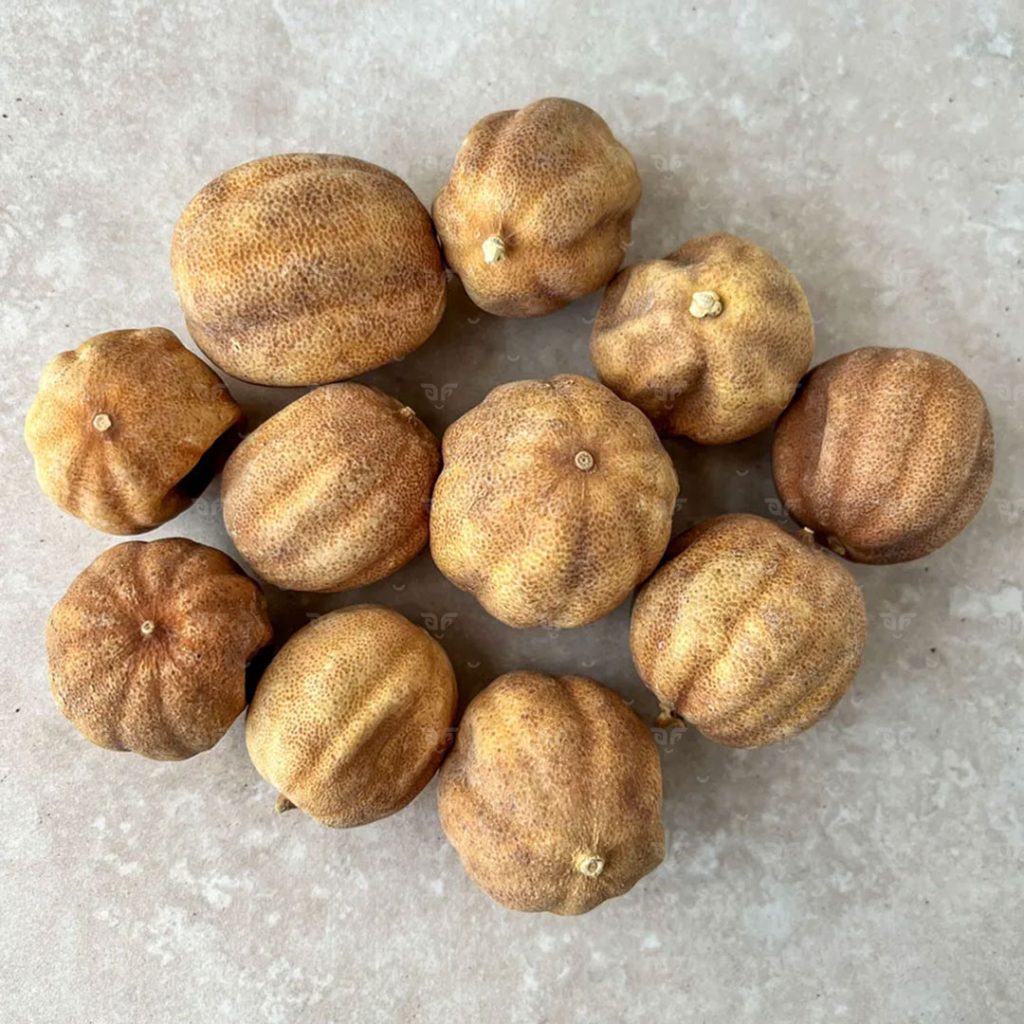
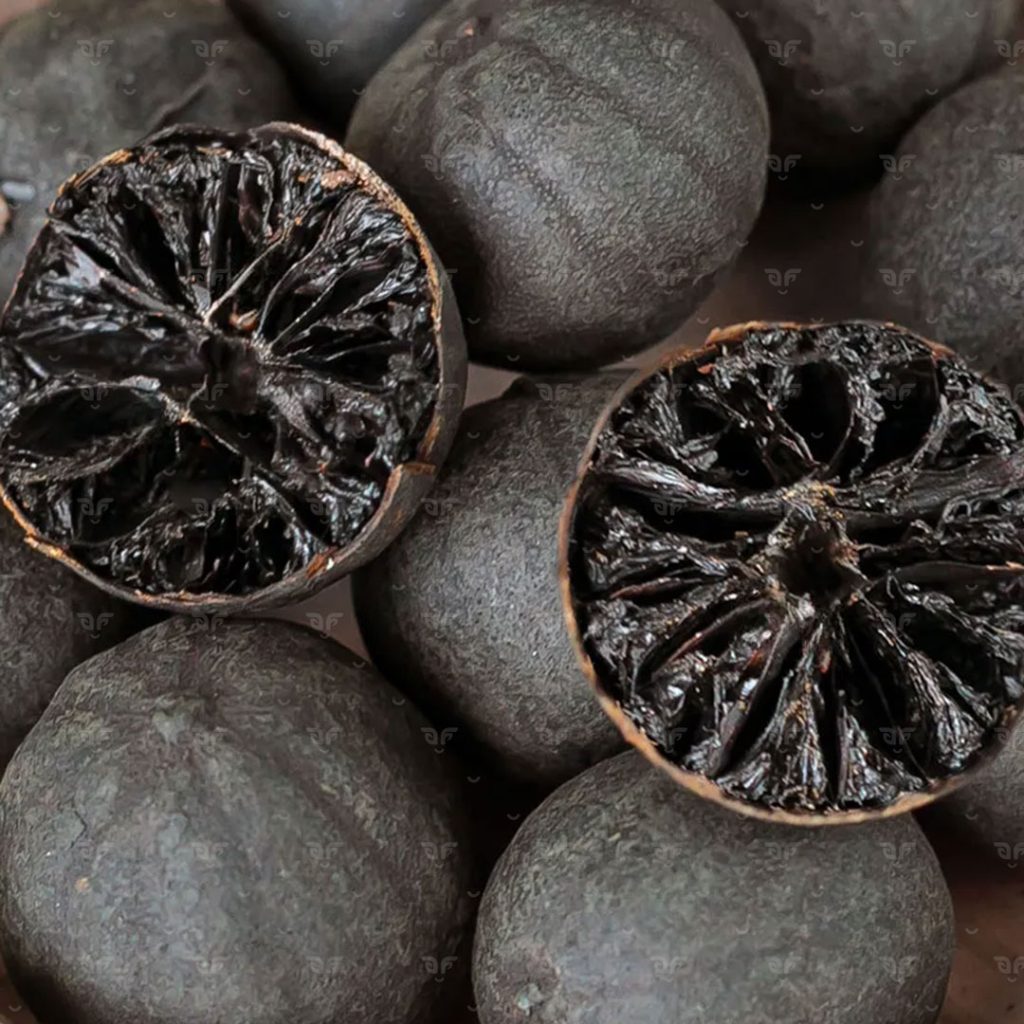
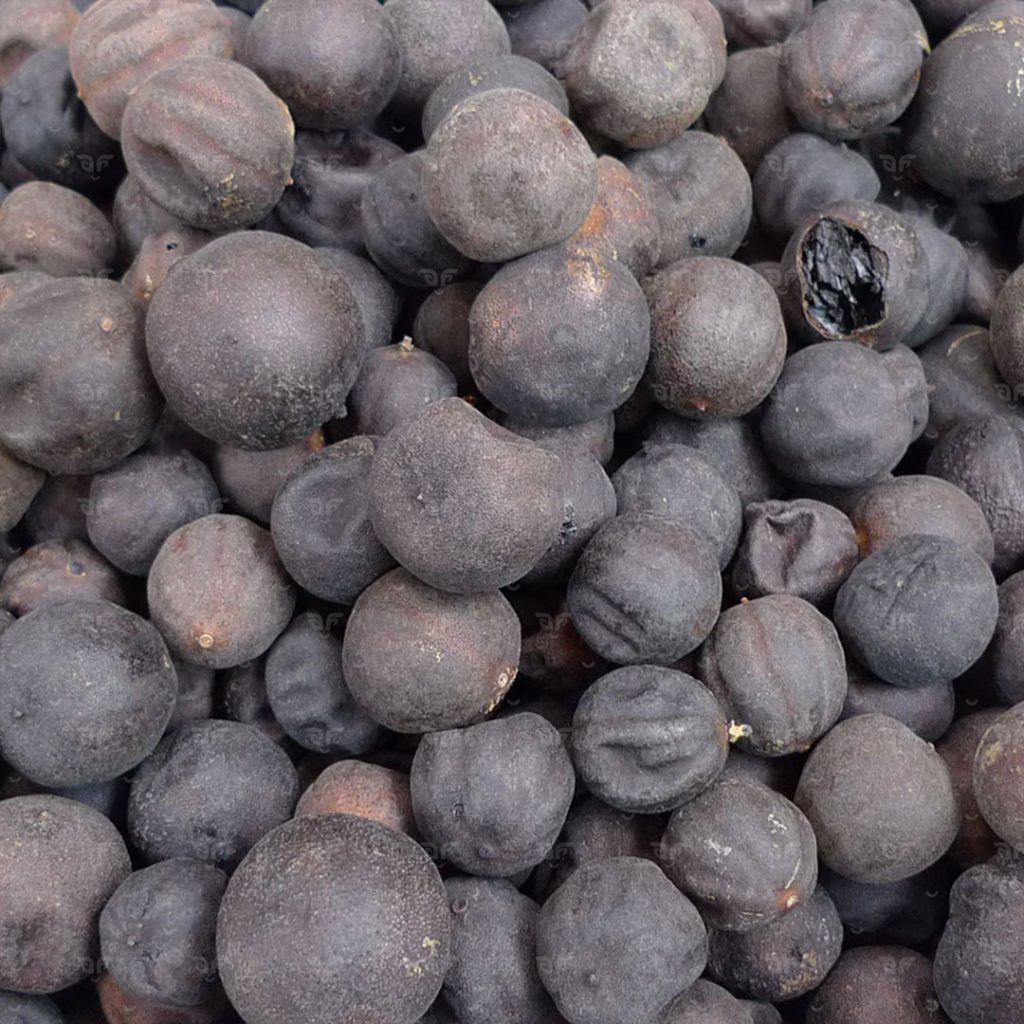
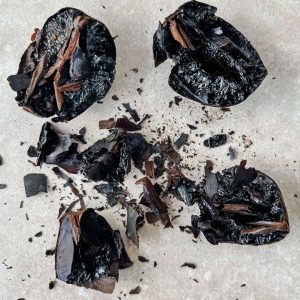
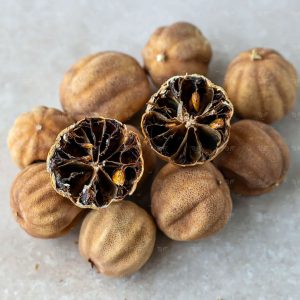
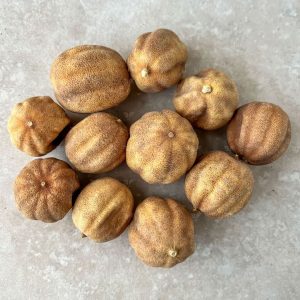
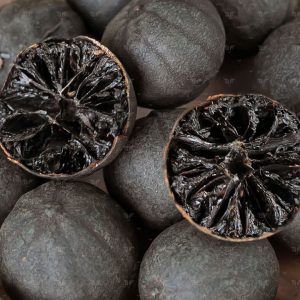
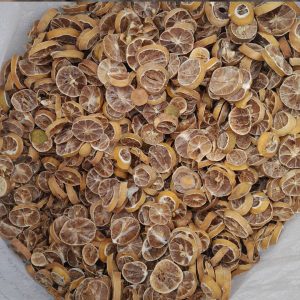
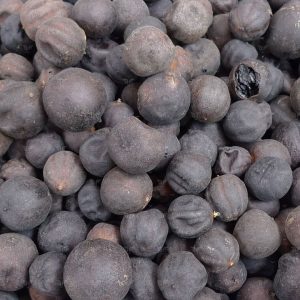
Yellow dried lime has a light appearance that may range from pale cream and yellow to tan. Black dried lime has a darker appearance, typically ranging from deep brown to nearly black. Peeled products expose the dried inner fruit, whose appearance may differ from the outer shell. - Size And Shape:
Whole dried limes generally retain a rounded or slightly oval fruit structure. Peeled whole products have the outer rind removed. Flakes consist of smaller pieces, with their size and consistency depending on the breaking and sorting process. - Texture:
Whole dried lime with peel has a firm, brittle outer shell surrounding the dried interior. Peeled products contain the inner fruit without this outer rind. Flakes provide a loose, coarse format that can be portioned or incorporated into further preparation. - Taste And Aroma:
Dried lime provides a pronounced sour taste and a characteristic dried-citrus aroma. Flavor intensity and bitterness vary with the fruit, processing method, and the parts included. Evaluating the selected product in the intended recipe helps establish the desired flavor balance.
Types And Forms Of Dried Lime
JAM Food Co.’s dried lime range includes two main types: yellow dried lime and black dried lime. Each is available in three forms—peeled, unpeeled, and flakes—allowing buyers to select an option suited to their recipes, preparation methods, and processing requirements.
Yellow Dried Lime
Yellow dried lime is distinguished by its light yellow to golden or tan appearance and characteristic sour citrus flavor. It is used in traditional dishes and commercial food preparations where dried lime’s aroma and acidity are desired. The available forms include:
- Peeled Yellow Dried Lime:
The outer peel is removed to provide the dried inner fruit. This form suits buyers who want to use yellow dried lime without the rind in their recipes or further processing. - Unpeeled Yellow Dried Lime:
The dried fruit retains its outer peel and whole-fruit structure. It can be pierced or cracked before simmering in stews, soups, and rice dishes to release its flavor during cooking. - Yellow Dried Lime Flakes:
Yellow dried lime is supplied as coarse, irregular pieces. This format supports portioning and incorporation into culinary preparations, infusions, and further food processing.
Black Dried Lime
Black dried lime has a dark brown to nearly black appearance and a distinctive sour citrus flavor. It is widely used in Persian and Middle Eastern cuisine and is available in the following forms:
- Peeled Black Dried Lime:
The outer peel is removed to provide the dried inner fruit. This option is suitable for preparations in which black dried lime is required without the outer rind. - Unpeeled Black Dried Lime:
The fruit retains its dark outer shell and whole structure. It is commonly pierced or cracked and added to stews, soups, and rice dishes, allowing the flavor to develop during simmering. - Black Dried Lime Flakes:
Black dried lime is supplied in coarse pieces for convenient portioning and further preparation. It suits food applications that require dried lime in a smaller, loose format.
About JAM Food Co.’s Dried Lime
JAM Food Co. offers yellow dried lime and black dried lime in three forms: peeled, unpeeled, and flakes. The range gives international buyers several ways to match this traditional ingredient to their recipes, retail assortments, and processing requirements.
Selection focuses on the features that influence use: dried lime type, peel content, whole or flaked structure, size, aroma, taste, and cleanliness. Clear identification of the chosen form helps maintain consistency between the buyer’s specification, sample evaluation, and order.
JAM Food Co. As A Reliable Dried Lime Supplier
A dependable supplier understands how differences in product form affect the buyer’s application. JAM Food Co. supports dried lime sourcing by helping customers select between yellow and black dried lime in peeled, unpeeled, and flaked forms.
Importers, wholesalers, distributors, retailers, and food manufacturers can discuss their required product characteristics, quantity, destination, documentation, and delivery expectations with the team. This product-focused approach provides a practical basis for quotations and repeat purchasing.
Growing And Harvesting Dried Lime
Dried lime production begins with fresh fruit grown in citrus orchards. Climate, irrigation, soil drainage, fruit maturity, and orchard management influence the raw material before processing. Preparation and drying then shape the appearance and sensory qualities of the finished seasoning.
For commercial buyers, the growing origin provides useful background, while the finished product’s condition and agreed specification help determine suitability for the intended application.
- Climate Conditions:
Acid limes grow in warm tropical and subtropical areas and are sensitive to cold. Adequate sunlight and suitable water management support fruit development. Irrigation is particularly important where rainfall is limited. - Soil Requirements:
Lime trees can grow in different soil types when drainage is adequate. Soil management and balanced irrigation support healthy roots and fruit development, while prolonged waterlogging can reduce tree performance. - Major Growing Regions:
Iran’s southern citrus-growing areas include locations in Hormozgan and Fars, where acid lime cultivation is established. The origin and characteristics of the supplied fruit should be considered alongside the processing method and finished-product specification.
Harvesting Season Of Dried Lime
Fresh lime harvesting follows local flowering and fruit-development patterns. Timing varies between growing regions and seasons, and fruit may be collected over several picking rounds.
Finished dried lime becomes available after the required preparation, drying, and sorting stages. Buyers planning seasonal or repeat orders can discuss crop information, processing dates, and availability when arranging supply.
Harvesting And Processing Of Dried Lime
Harvested limes are inspected and sorted before preparation. Depending on the selected method, processing may include washing, blanching or boiling, and sun drying or controlled drying. These stages influence the dried fruit’s final appearance, texture, and aroma.
Further preparation determines the commercial form. Whole products retain the fruit structure, peeled products undergo removal of the outer rind, and flakes are produced through breaking and sorting. The selected process should deliver the required peel content, piece size, cleanliness, and consistency.
Storage Guidelines And Durability Of Dried Lime
Suitable storage helps preserve the aroma, dryness, and physical condition of all dried lime types. Yellow and black products, whether whole or flaked, should be protected from moisture, excessive heat, direct sunlight, pests, and strong external odors.
Careful handling also helps maintain the intended form. Whole fruits can break under excessive pressure, while flakes should remain dry and free from unwanted contamination throughout storage and use.
Storage Conditions Of Dried Lime
Store dried lime in a cool, dry, clean environment in securely closed food-grade containers. Keep the product away from water sources, chemicals, and strongly scented goods, and prevent condensation during storage and transport.
After opening, minimize exposure to humid air and use clean, dry handling equipment. Clear lot identification and stock rotation help maintain product condition and support orderly commercial use.
Shelf Life Of Dried Lime
Shelf life depends on the product’s initial condition, moisture, processing, form, and storage environment. Breaking, peeling, and exposure to air can influence how the product retains its aroma and texture over time.
The applicable best-before period should follow the specification and date marking of the supplied product. Buyers should consider their expected storage and distribution period when agreeing on the required remaining shelf life at delivery.
Nutritional Values
Dried Lime (Loomi) contains naturally occurring carbohydrates, dietary fibre, and smaller amounts of protein and fat. Its nutritional composition varies depending on the fruit variety, the proportions of peel, pulp, and seeds, the drying method, and the remaining moisture content.
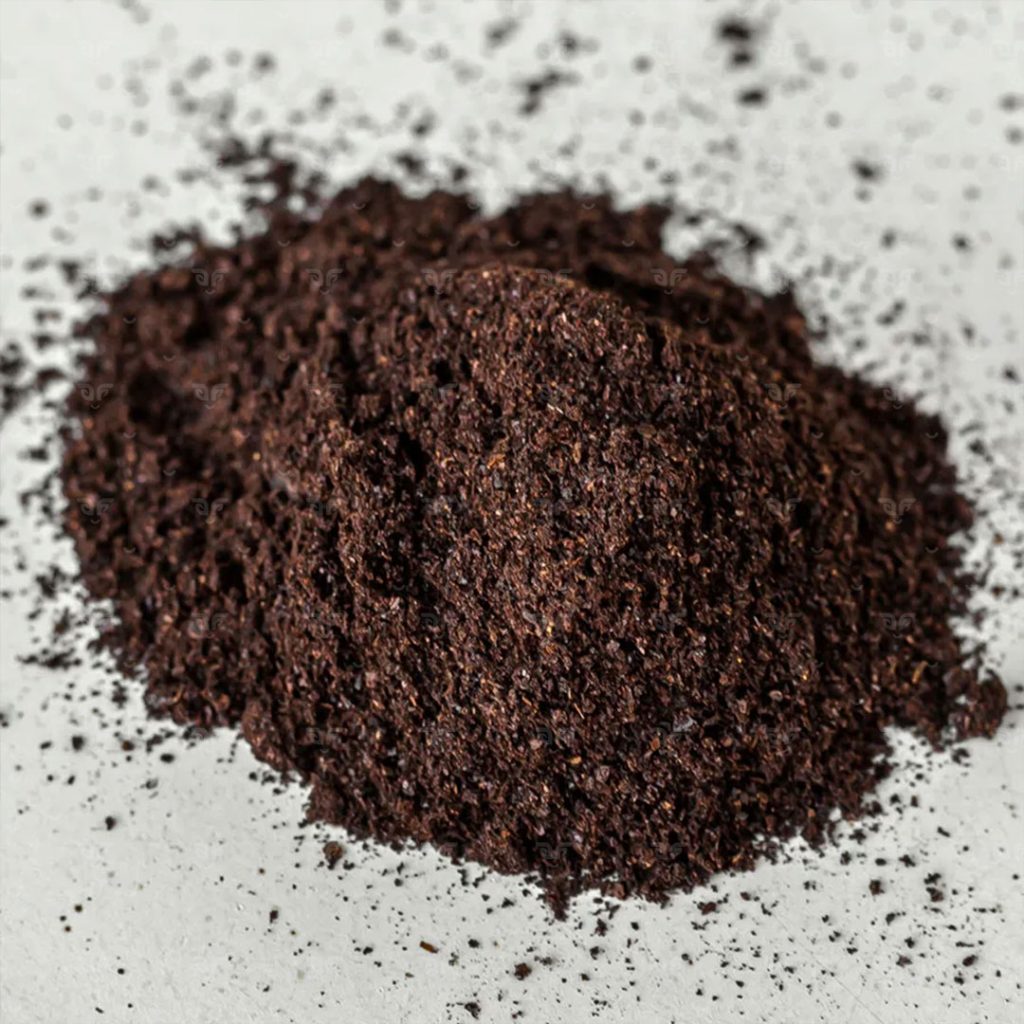
Dietary fibre is present in the fruit’s solid components. Ground dried lime becomes part of the finished dish, while whole dried limes are often used to infuse flavour and removed before serving. The nutritional contribution therefore depends on the quantity used and how much of the fruit is consumed.
Detailed nutritional values per 100 g should reflect the specifications of the supplied product.
Packaging Dried Lime At JAM Food Co.
Suitable packaging helps preserve the aroma, dryness, appearance, and physical condition of Dried Lime (Loomi) throughout storage and transportation. Whole dried limes have a brittle outer shell, making protection against crushing an important consideration. Ground dried lime requires effective sealing to limit moisture absorption, clumping, and aroma loss.
At JAM Food Co., packaging requirements are discussed according to the product form, order quantity, destination, and intended sales channel. The selected format should balance product protection with practical handling for importers, wholesalers, retailers, and food manufacturers.
Bulk Packaging
For whole dried lime, bulk packaging commonly combines a food-grade inner liner with a strong outer carton or another suitable protective container. The inner packaging helps protect against moisture, contamination, and external odors, while the outer packaging reduces physical damage during handling.
Pack dimensions, filling weight, and stacking arrangements should accommodate the fruit’s size and brittle structure. Ground products require securely closed inner packaging that prevents powder leakage and supports convenient handling during further processing.
Preservation And Sealing Techniques
Dried lime should be adequately dried and cooled before packing. Suitable moisture-barrier materials and secure closures help maintain product condition during distribution.
Packaging should remain intact throughout handling and transportation. Protection from excessive heat, humidity, direct sunlight, and strong external odors helps retain the product’s characteristic citrus aroma and dry texture.
Private Labeling And Retail Packaging
Retail presentation may use resealable pouches, jars, or other food-grade containers suited to the product’s form and shelf presentation. Whole-fruit packaging should provide sufficient protection while allowing convenient storage and use after opening.
Private-label inquiries can cover branding, pack dimensions, net weight, language, and labeling details. Product information can include the product name, ingredients, country of origin, lot identification, date marking, and storage instructions. Available formats and quantities are confirmed during the quotation process.
Export-Ready Palletization
For export shipments, cartons should be arranged in stable layers with suitable protection against movement and excessive compression. Pallet configuration should reflect carton strength, shipment volume, transport conditions, and the receiving warehouse’s requirements.
Clear shipment markings and appropriate securing materials support efficient handling while helping whole dried limes retain their shape and condition until delivery.
○What Is The Difference Between Dried Lime And Black Lime?


Dried lime is the general product name, while black lime usually refers to the darker dried form. Lighter products are also sold as white dried lime. Loomi is another common market name. Buyers should specify the required color, form, and sensory profile rather than rely on the product name alone.
○How Is Dried Lime Used In Cooking And Food Production?
Whole dried limes are commonly pierced or cracked and simmered in stews, soups, and rice dishes. Ground dried lime can be incorporated into spice blends, marinades, rubs, and sauces. The suitable form and quantity depend on cooking time, desired acidity, and the flavor balance of the finished recipe.
○Which Quality Factors Should Buyers Compare When Purchasing Dried Lime?
Useful comparison points include product form, color, size, aroma, flavor, moisture, cleanliness, fruit integrity, and packaging. For powder, particle size and composition are also relevant. The purchasing specification should establish applicable testing, documentation, and acceptance requirements for the intended market and application.
○Is Whole Dried Lime Better Than Dried Lime Powder?
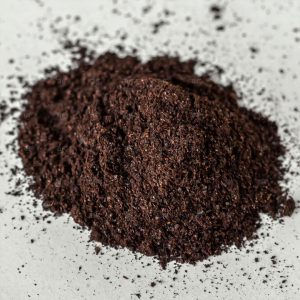
The better option depends on the application. Whole fruit suits recipes that require gradual flavor release and allows the lime to be removed after cooking. Powder is easier to distribute through dry seasonings and other formulations. Buyers should assess samples in the intended food before choosing a format.
○What Information Is Needed To Request A Dried Lime Quotation?
Provide the preferred product form, color, size or particle size, quantity, packaging format, destination, and delivery requirements. Include any required specifications, remaining shelf life, labeling, or documentation. These details help JAM Food Co. assess the inquiry and prepare a quotation suited to the buyer’s needs.
HOW CAN JAM GROUP HELP YOU?
Send us a message and our friendly team will get back to you within one business day.